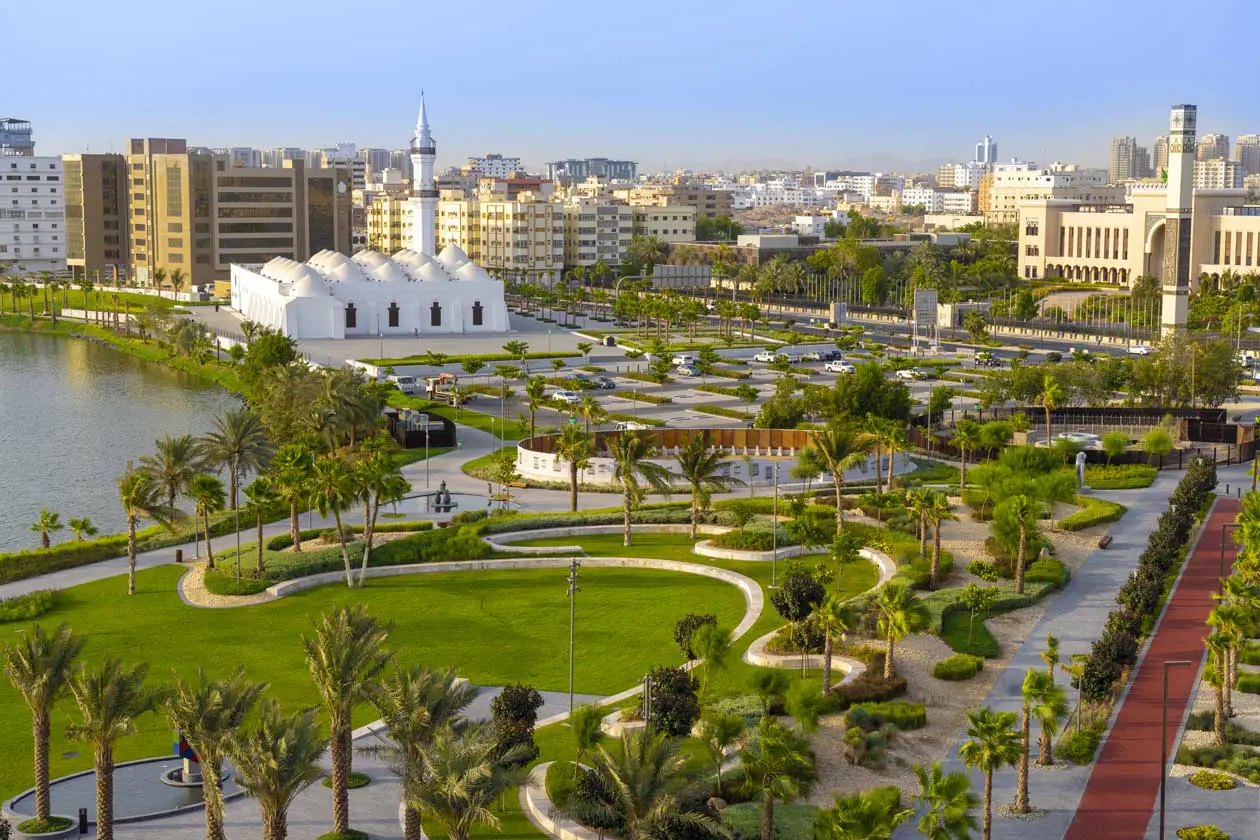
Jeddah is the Saudi city where the Red Sea becomes landscape, memory and lifestyle. Overlooking the west coast of Saudi Arabia, it has been a gateway to the holy city of Mecca for centuries, a crossroads of trade routes and one of the country's liveliest urban centers. Its identity stems from the encounter between the sea, pilgrimages, markets, traditional architecture and an increasingly visible modernity.
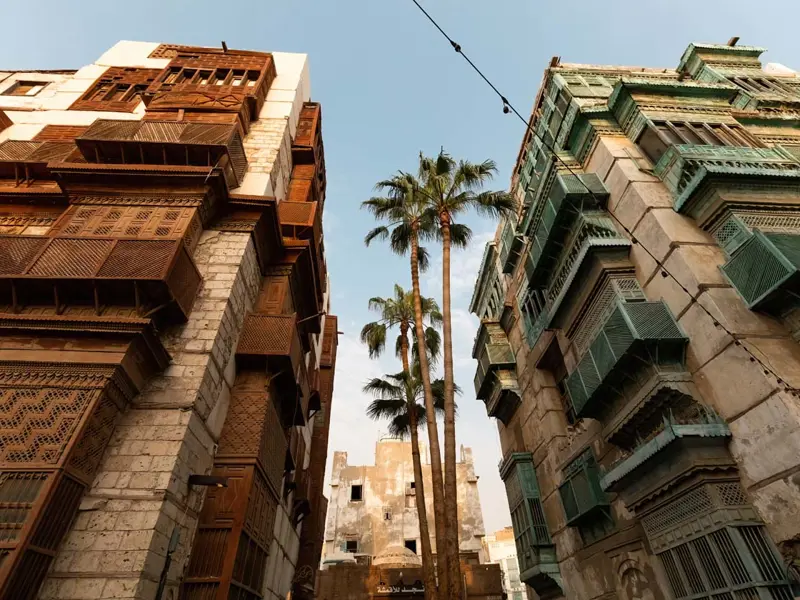
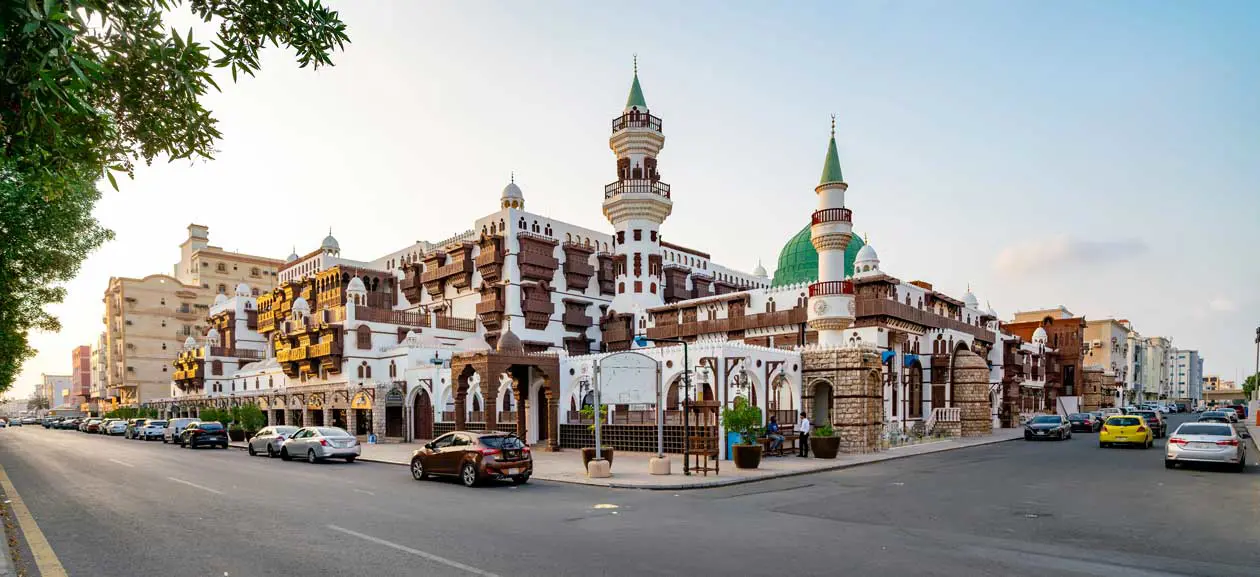
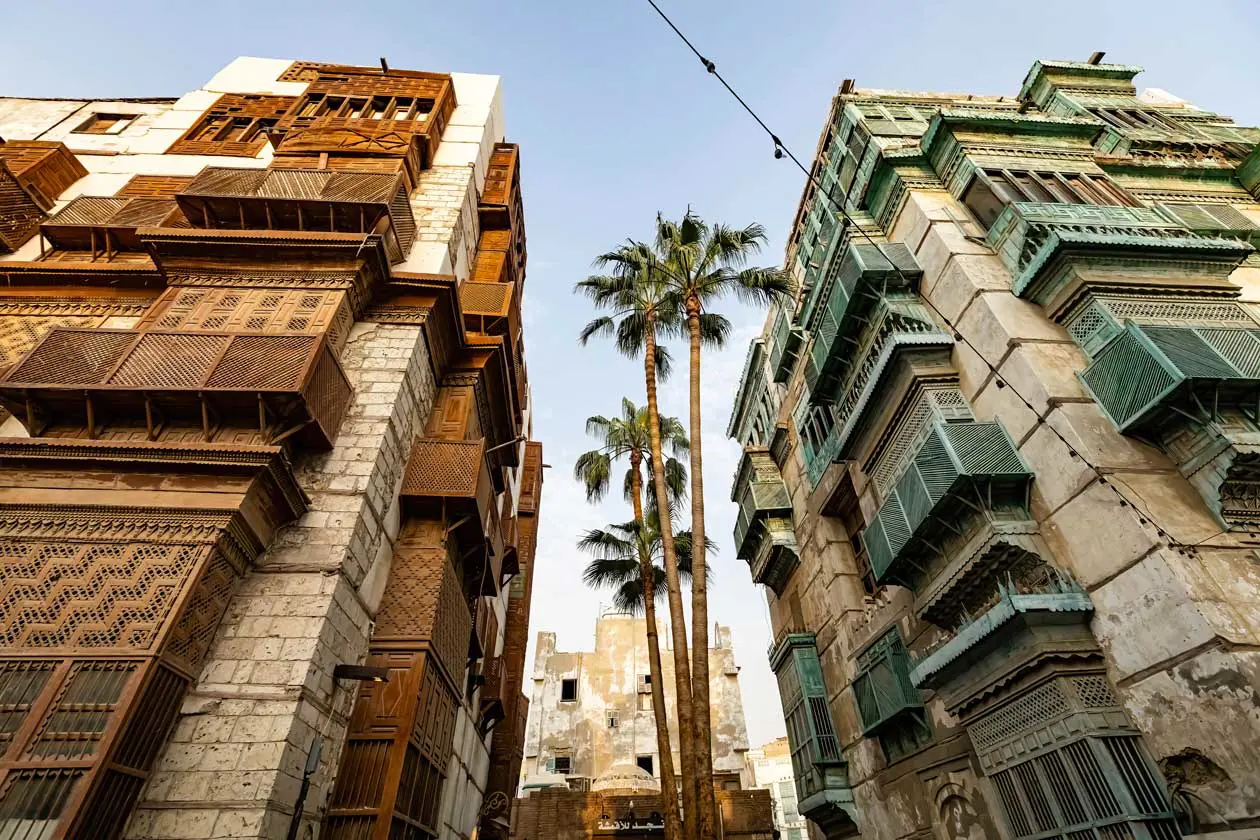
The best way to start your visit is to start from Al-Balad, the ancient heart of the city and the most evocative area of historic Jeddah, recognized as a World Heritage Site by UNESCO. Here the journey changes pace: the streets become narrower, the facades tell of centuries of trade and the ancient coral stone houses show their protruding wooden balconies, the famous rawasheen, architectural elements designed to protect from the sun, promote ventilation and preserve the privacy of the interiors.
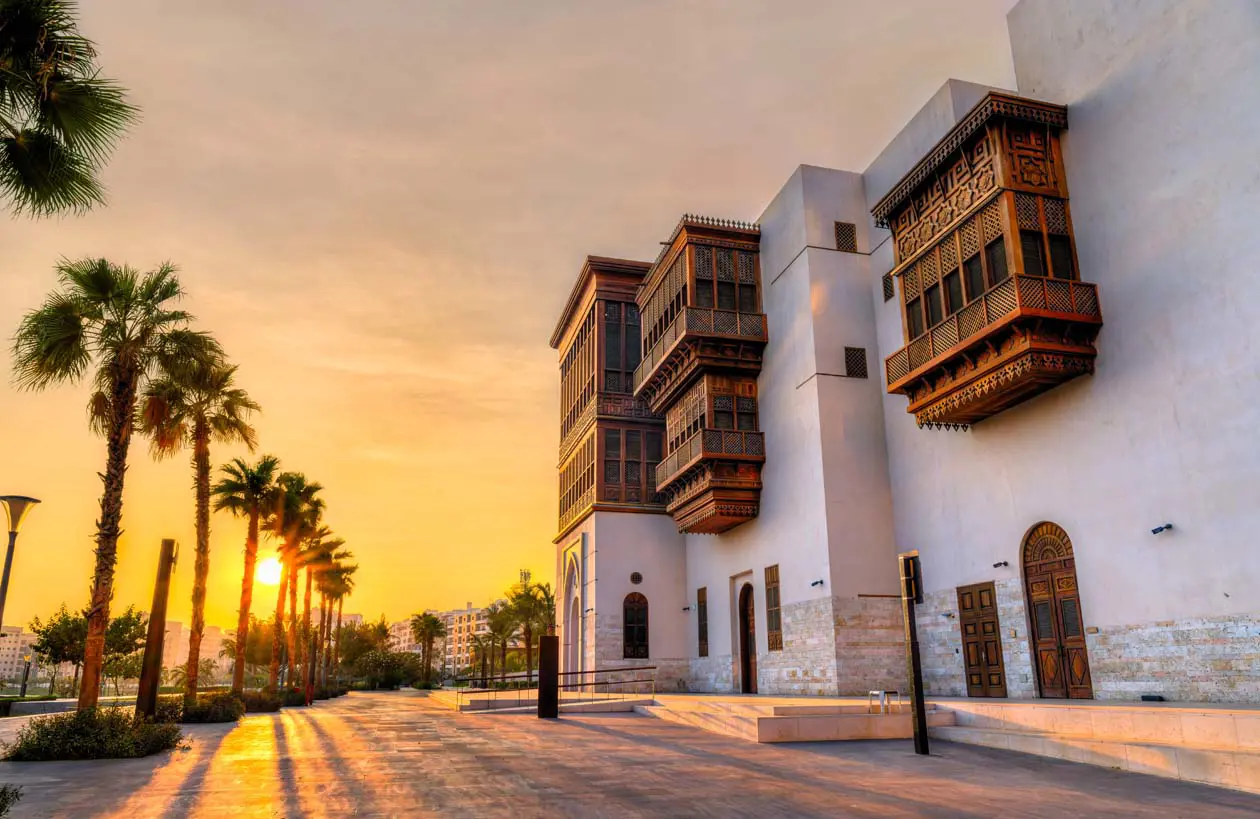
Al-Balad should be explored on foot, with attention to detail. In the alleys you will find courtyards, small squares, shops, historic houses and markets that restore the mercantile soul of the city. It is the district where Jeddah retains its deepest memory: that of a port open to the world, crossed by pilgrims, merchants and travellers on their way to western Arabia.
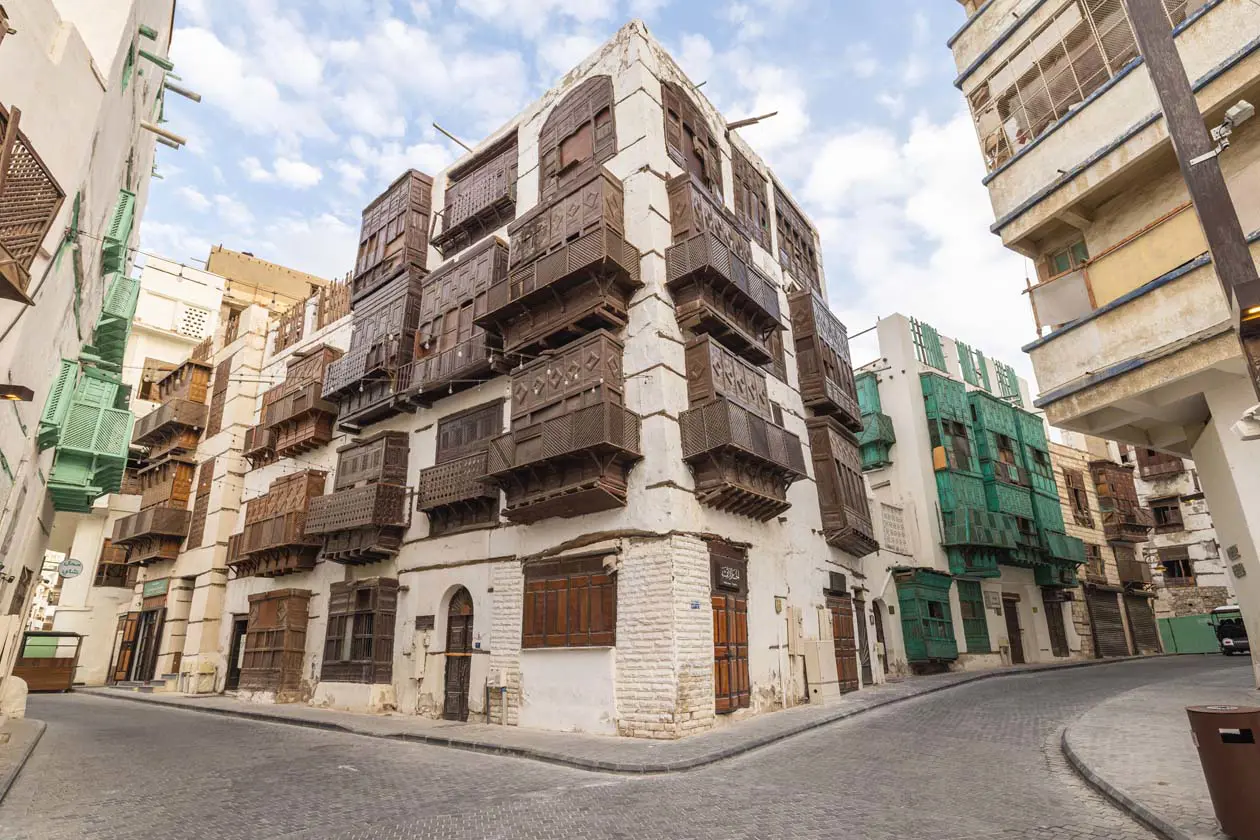
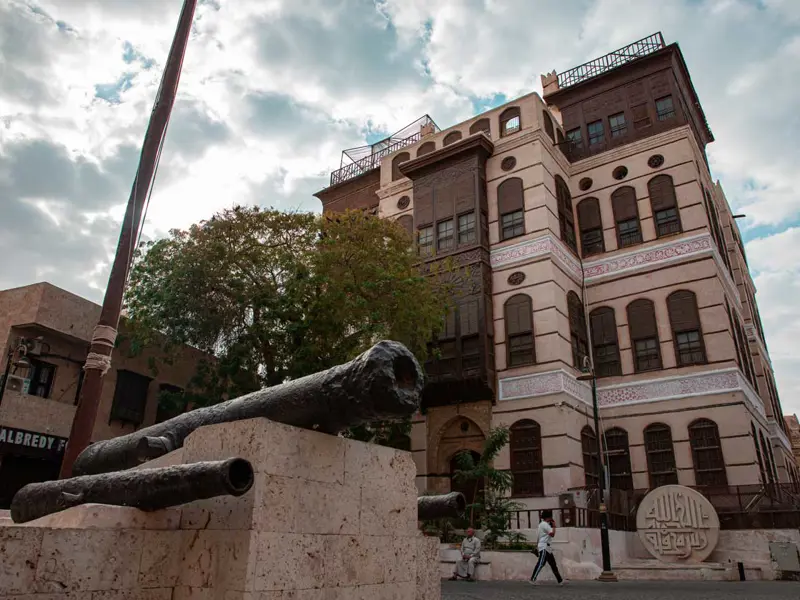
Among the symbolic buildings stands out Beit Nassif, one of the most representative historic residences of the ancient center. The building tells the urban sophistication of old Jeddah and allows us to better understand the city's role as a meeting point between the Red Sea, the Arabian Peninsula and the region's trade routes.
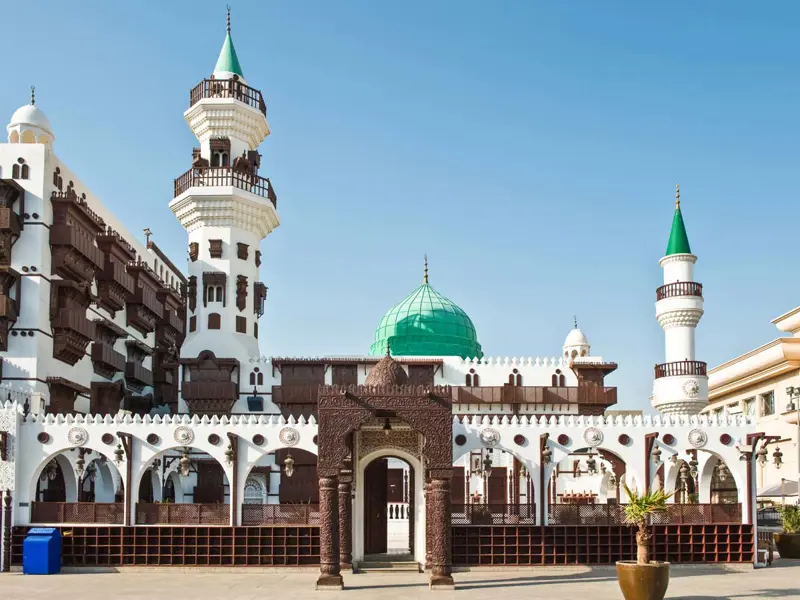
Also in the historic center is the Al Shafi'i Mosque, considered one of the oldest mosques in Al-Balad. Its presence adds a spiritual and architectural dimension to the visit, in a context where faith, daily life and urban memory are still deeply intertwined.
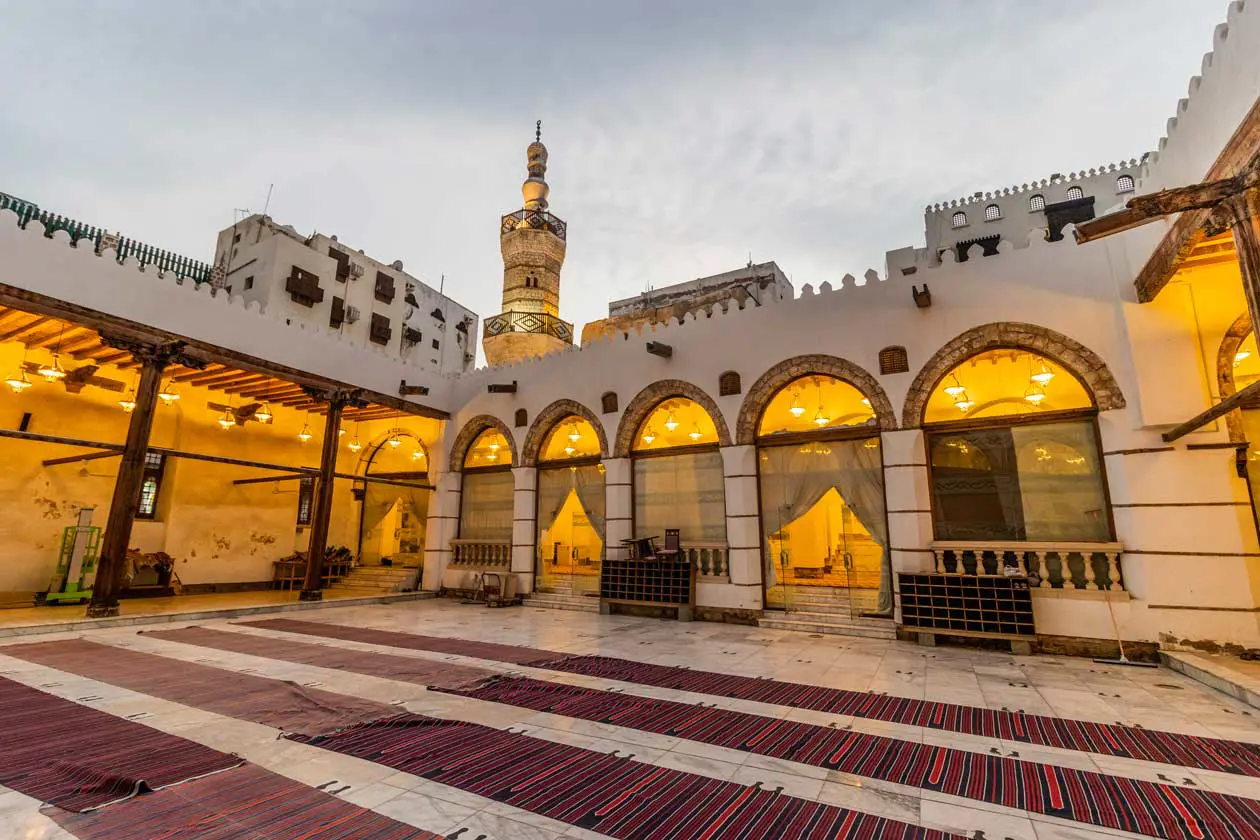
In the historic area, other traditional residences such as Beit Al Matbouli, Beit Al Sharbatly and Beit Baeshen help to read the evolution of living in Jeddah, including courtyards, interior halls, wooden decorations and domestic atmospheres that retain the charm of large merchant houses.
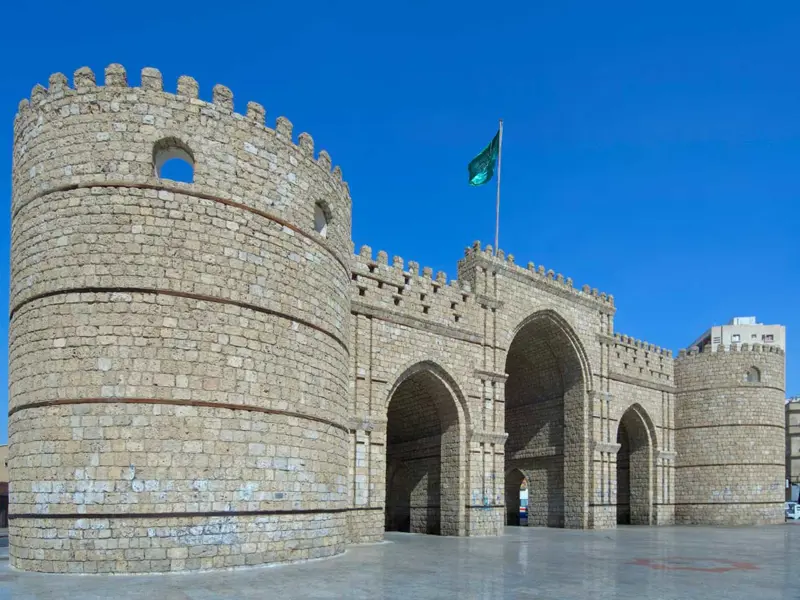
The route can continue towards Bab Makkah, the gate that recalls the ancient link between Jeddah and the paths of pilgrims heading to Mecca. In its surroundings, the commercial character of the city is still evident: markets, shops and lively streets keep the energy of historic Jeddah alive.
Among the most interesting places to grasp this vitality are Souq Al Alawi and Souq Qabil, two fundamental addresses for those who want to experience the most authentic dimension of traditional shopping. In the souqs you can find spices, incense, perfumes, Arabic jewelry, fabrics, handicrafts and products that tell the story of the city's long mercantile vocation.
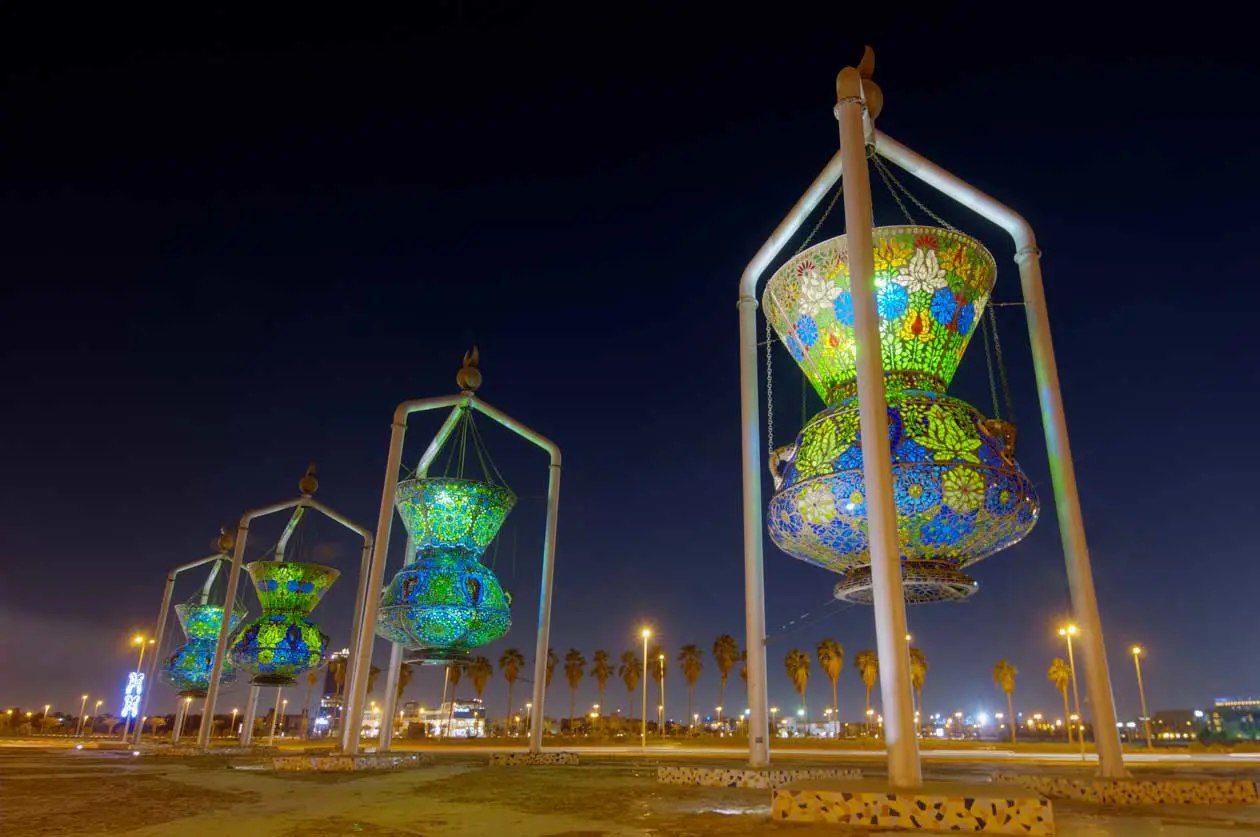
Al-Balad, however, is not just memory. The city is also transforming its historic center into a contemporary cultural laboratory. teamLab Borderless Jeddah, inaugurated in the Al-Balad area, introduces an immersive and digital art experience that dialogues with the neighborhood through light, movement and perception. It is a stage suitable for those who want to combine traditional heritage with a more current creative language. Another address to be included in the itinerary is Zawiya 97, a space dedicated to crafts, creativity and local traditions. Places like this show a historical Jeddah not crystallized in the past, but still alive, inhabited by new forms of cultural expression.
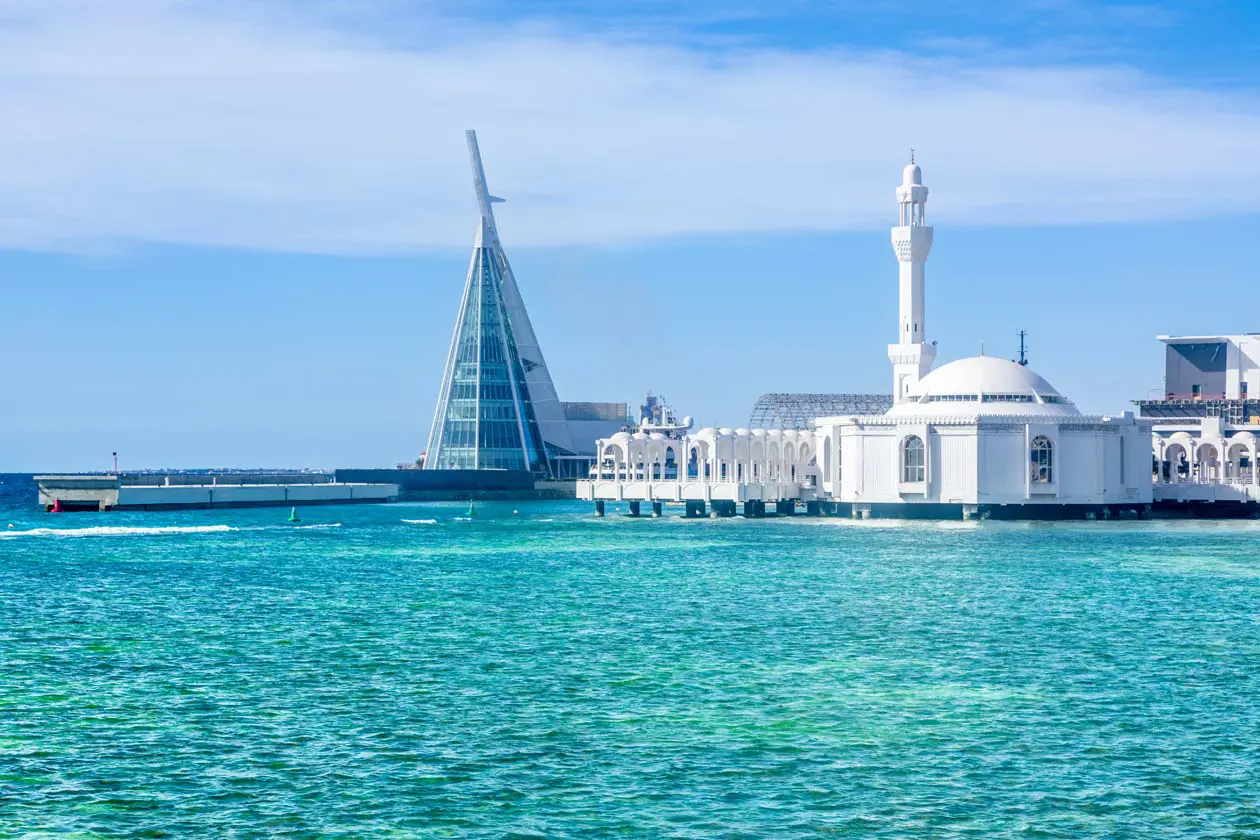
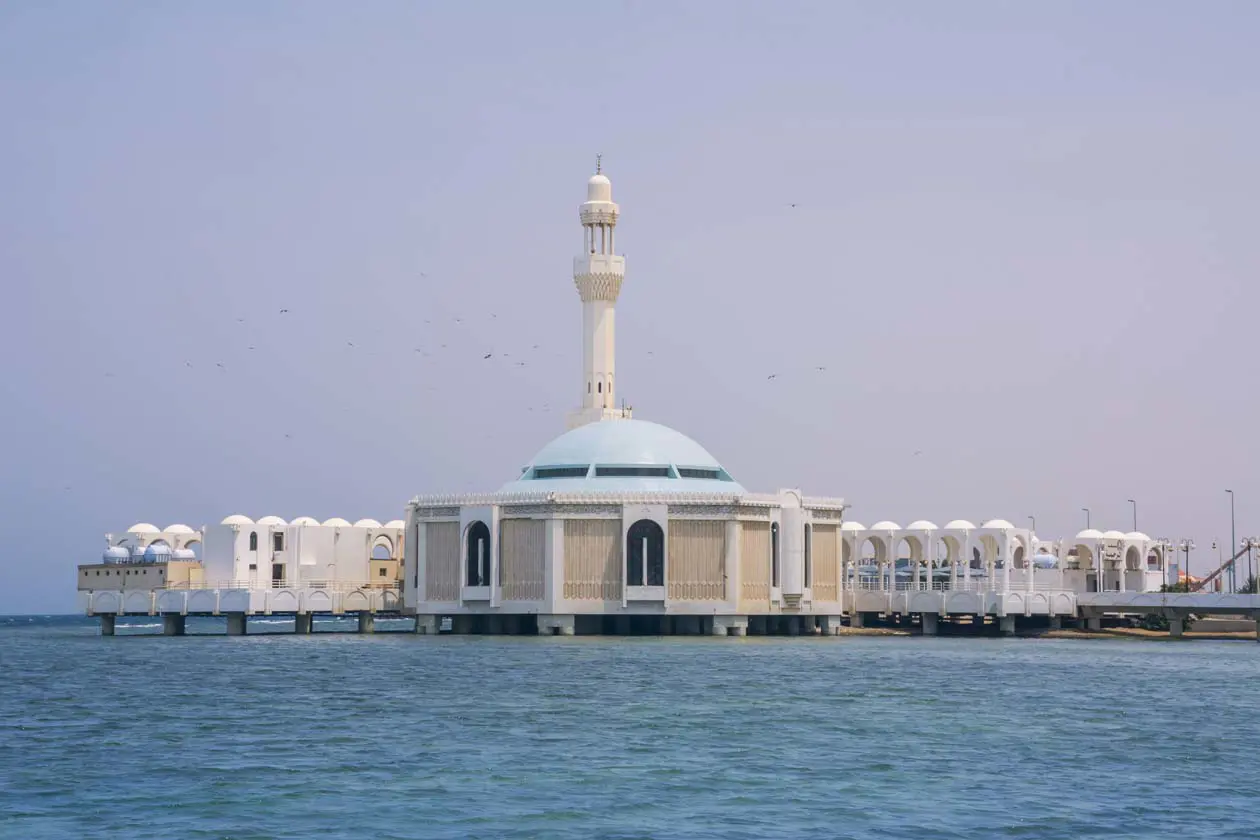
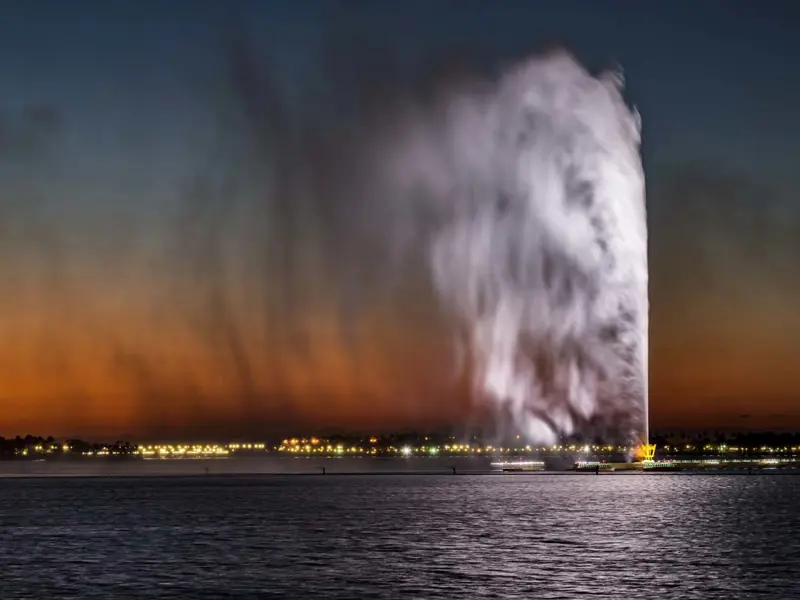
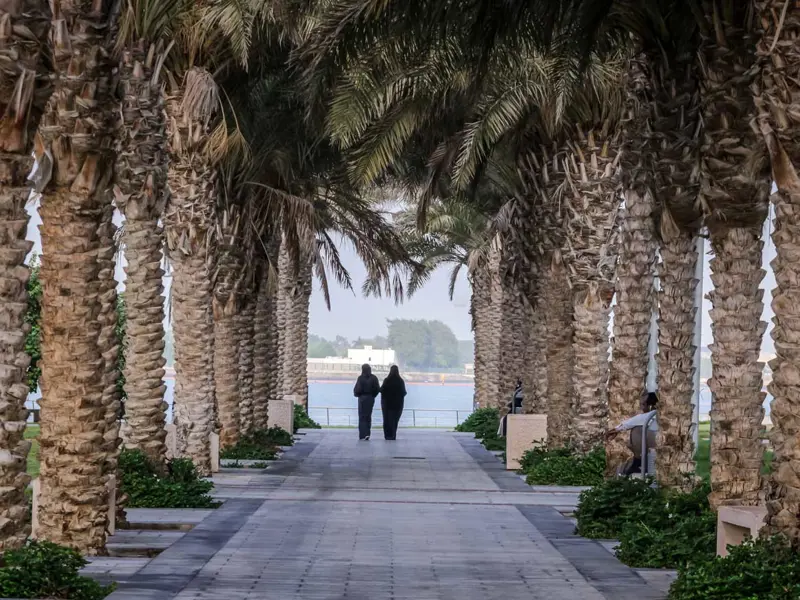
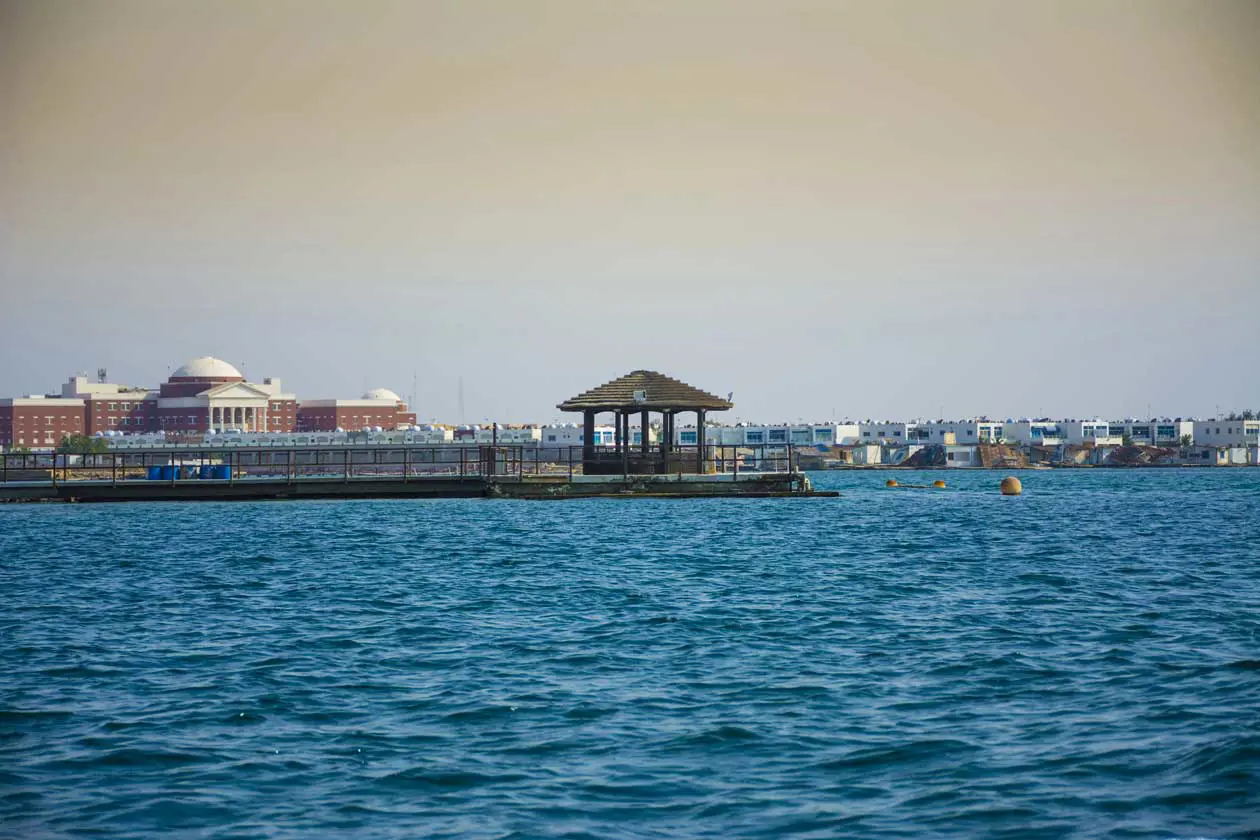
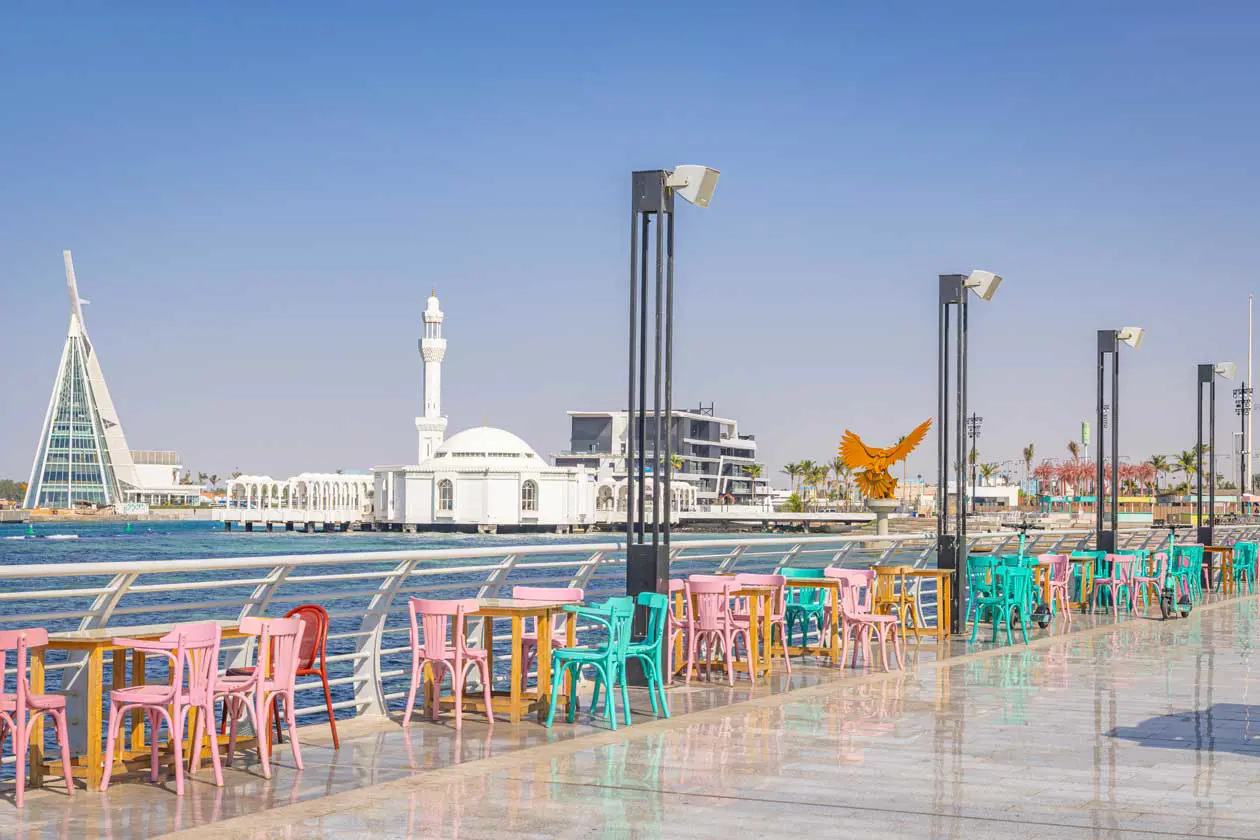
After visiting the old town, the journey can move towards the sea. The Jeddah Corniche is one of the most popular places for residents and visitors alike: a large urban view of the Red Sea, ideal for strolling, stopping in cafes, watching the sunset and experiencing the more open and contemporary side of the city. Among the most recognizable symbols of the waterfront is the King Fahd Fountain, one of Jeddah's most celebrated attractions. Its jet of water dominates the profile of the coast and becomes particularly spectacular in the evening hours, when the illuminated fountain transforms the sea into a luminous backdrop.
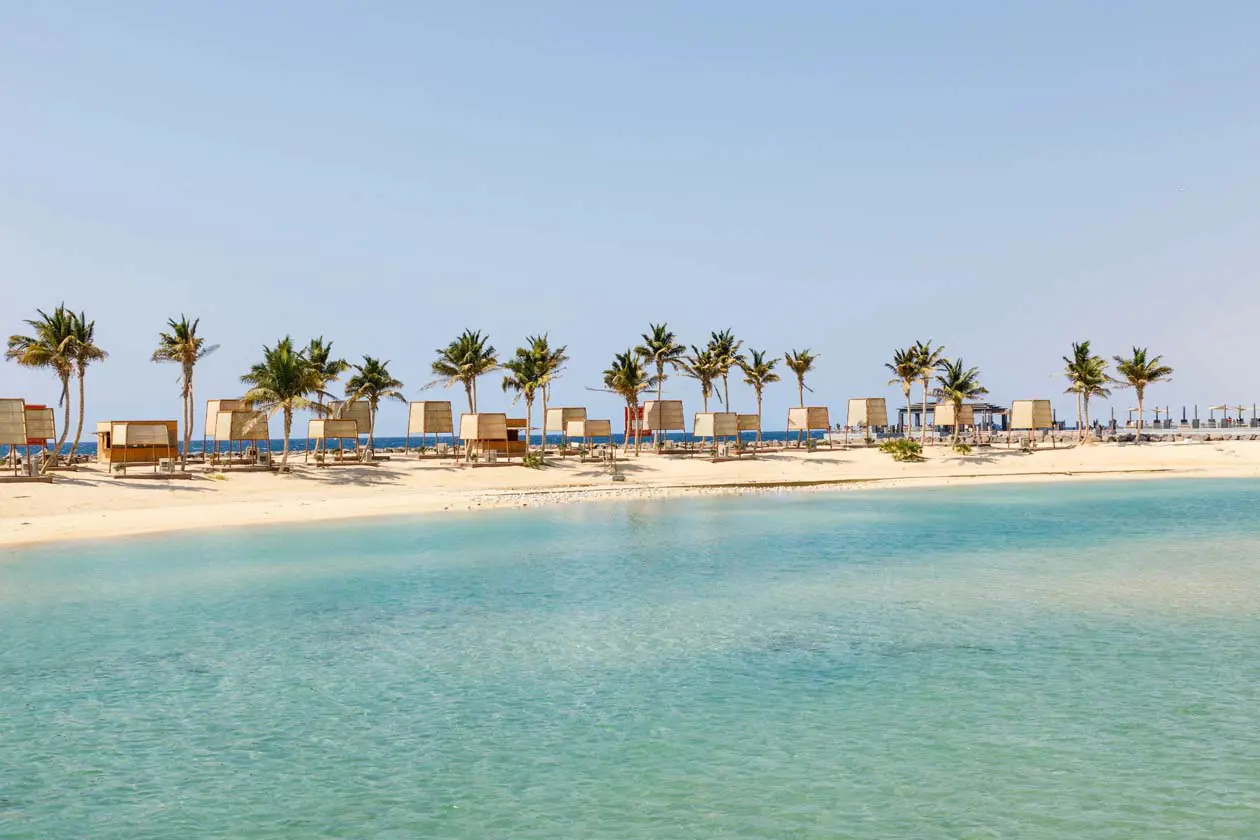
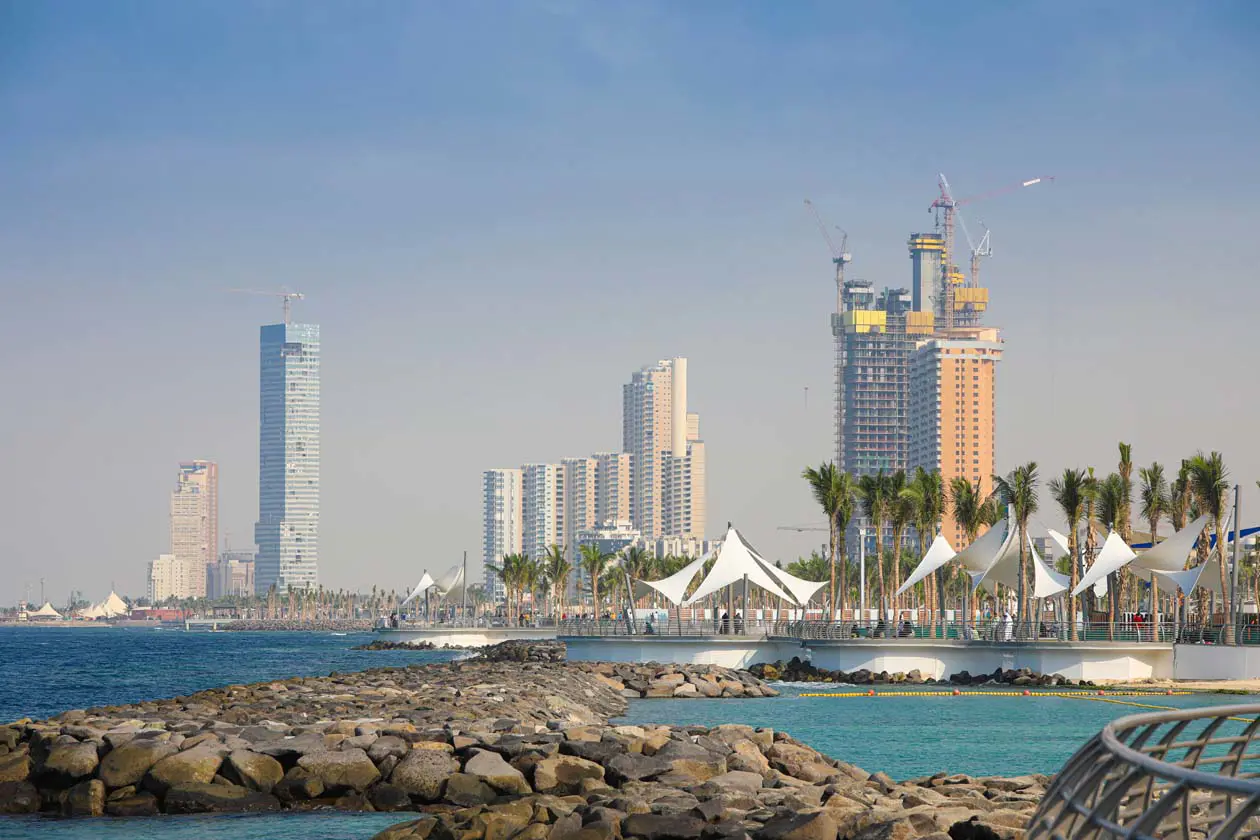
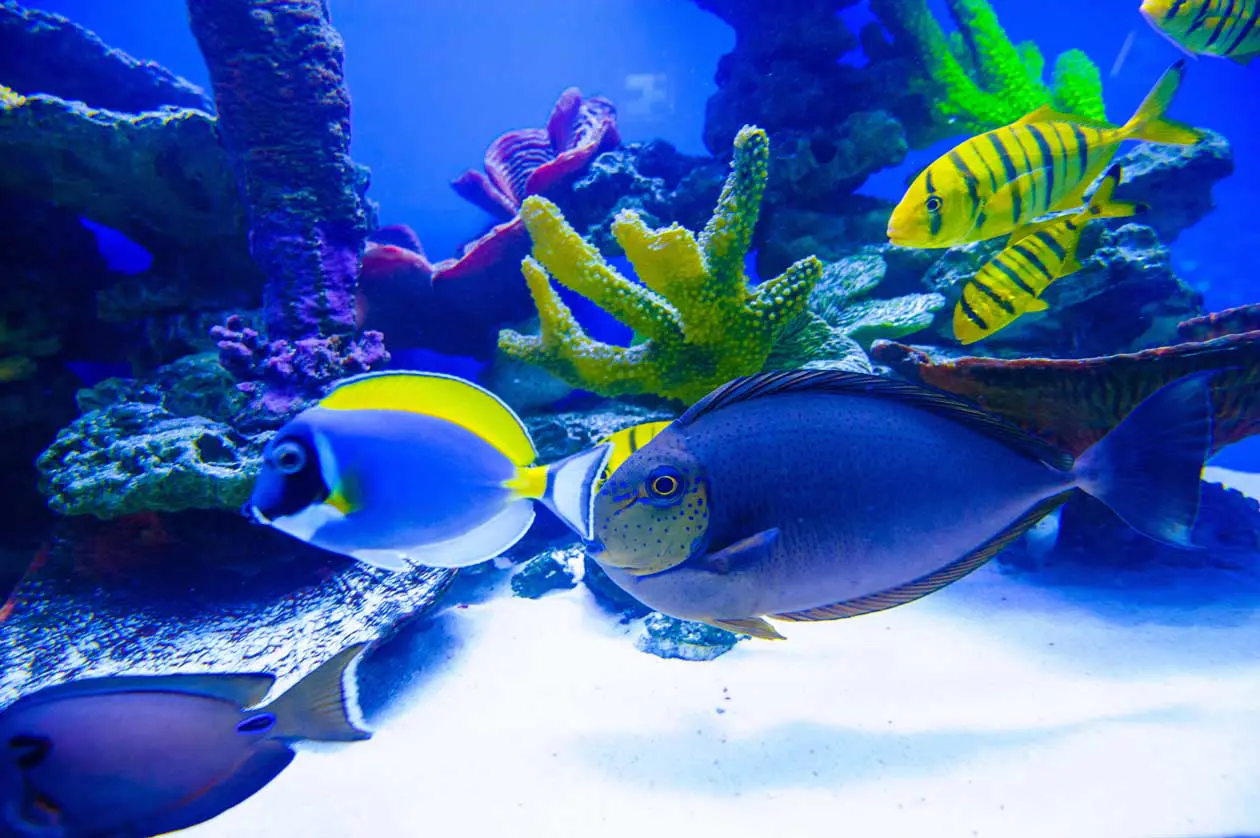
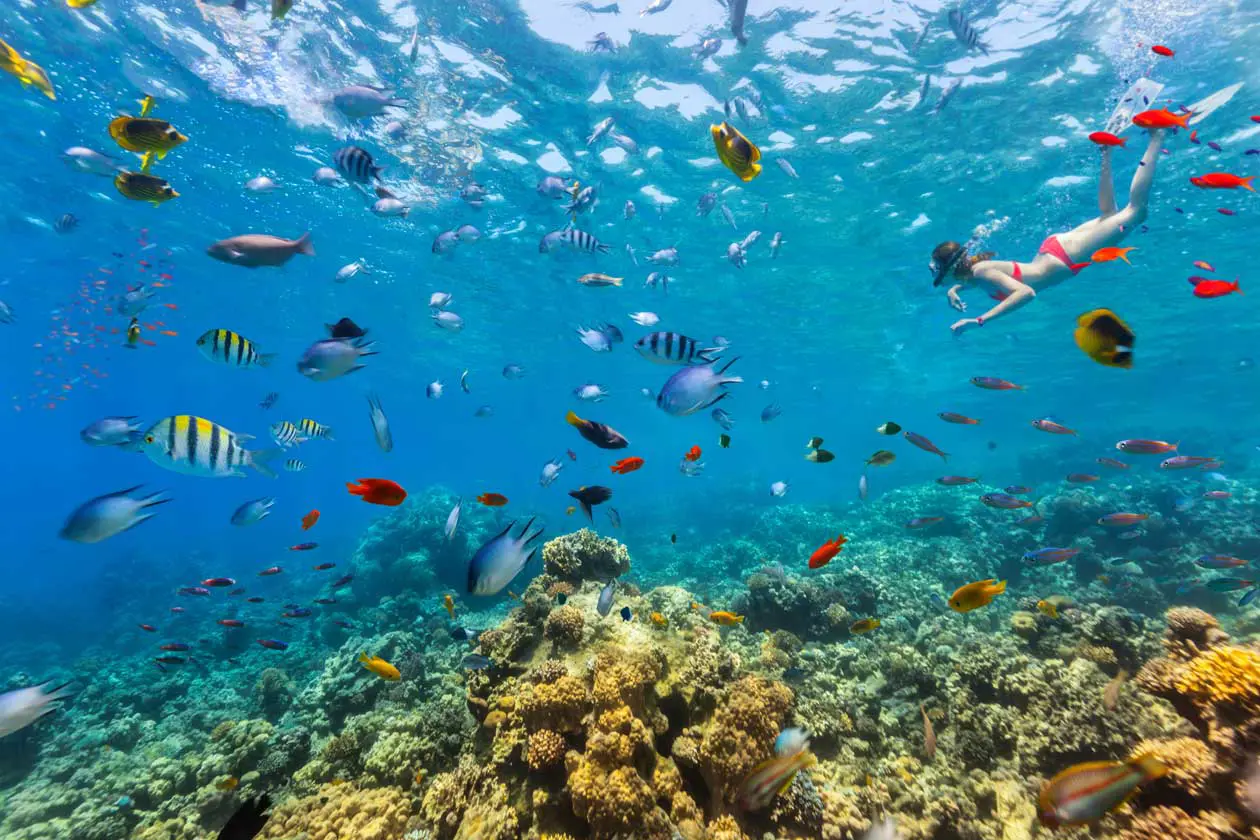
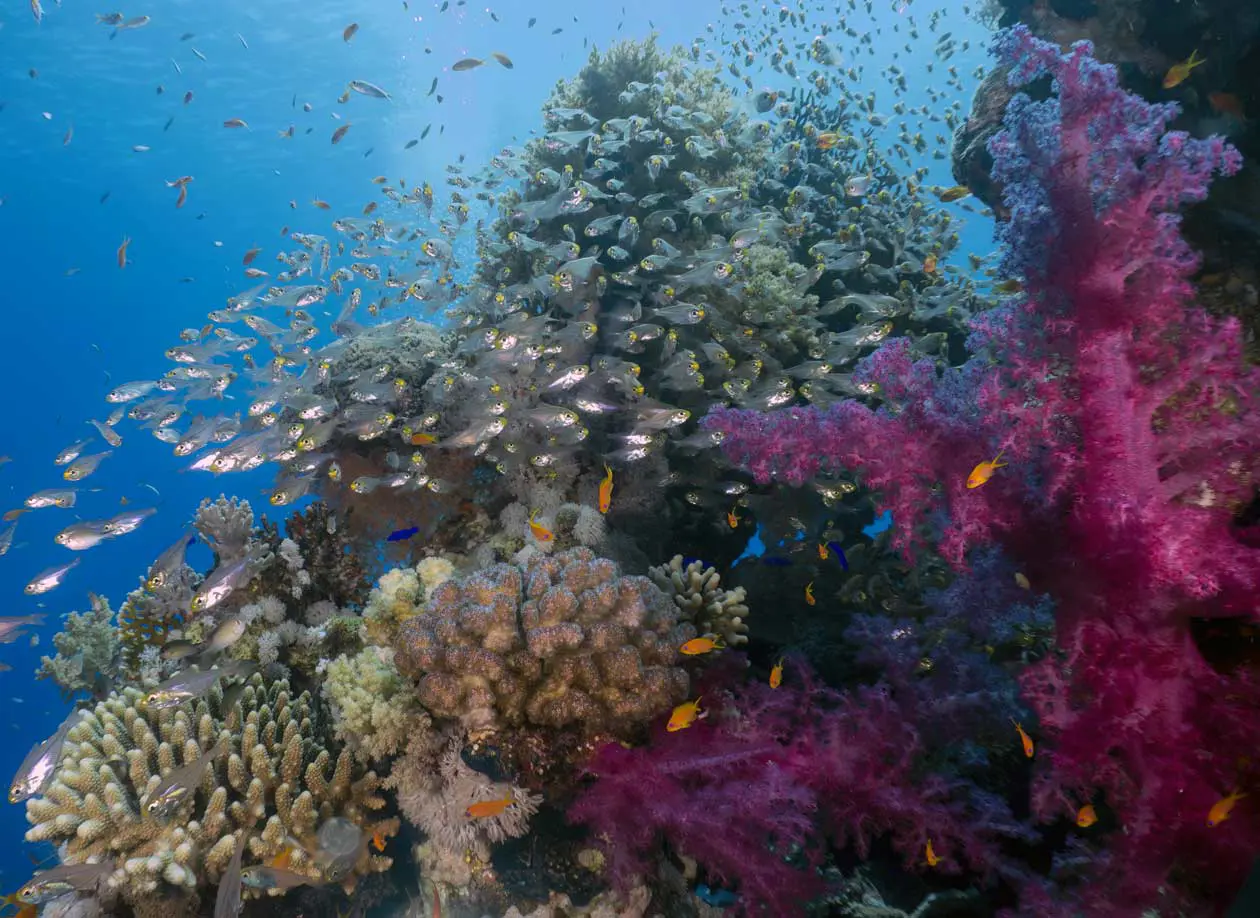
The Jeddah Waterfront expands the Corniche experience with spaces designed for leisure, families and scenic walks. Open areas, gardens, pedestrian paths, refreshment points and sea views make this area one of the most pleasant to experience the daily relationship between the city and the Red Sea. Along the coast, the Fakieh Aquarium is an interesting stop for families and Travellers curious about the region's marine biodiversity. The tanks and paths dedicated to the species of the Red Sea offer an accessible reading of the underwater world that characterizes this stretch of the Arabian Peninsula.
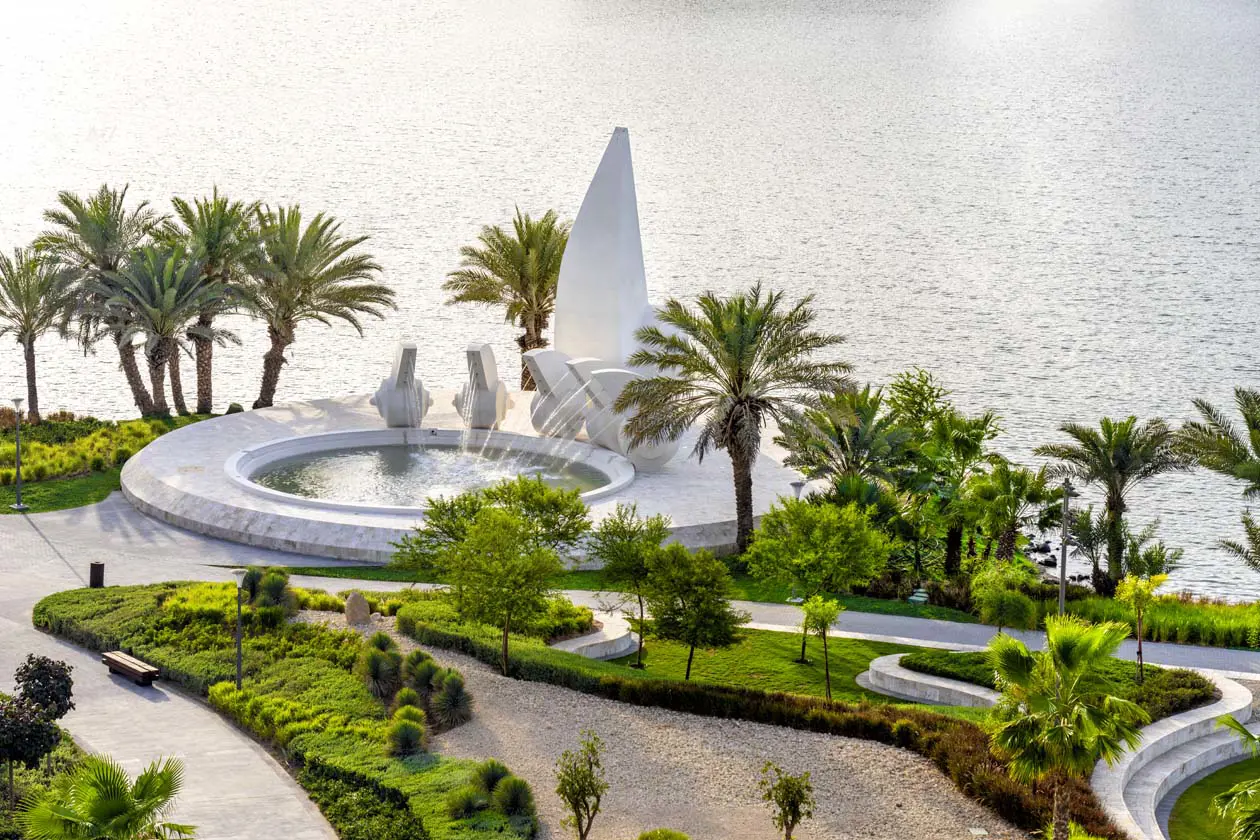
Also on the sea front, the Jeddah Yacht Club & Marina adds a more nautical and international dimension to the visit. It is a suitable place for those who love the atmosphere of marinas, walks on the pier and the more elegant side of coastal life, with the Red Sea as the protagonist. For those looking to spend more time outdoors, the Obhur Corniche is one of the most pleasant waterfront destinations. The area is suitable for walking, relaxing, experiencing the coastal landscape and discovering a Jeddah that does not consider the sea only as a backdrop, but as an essential part of its identity.
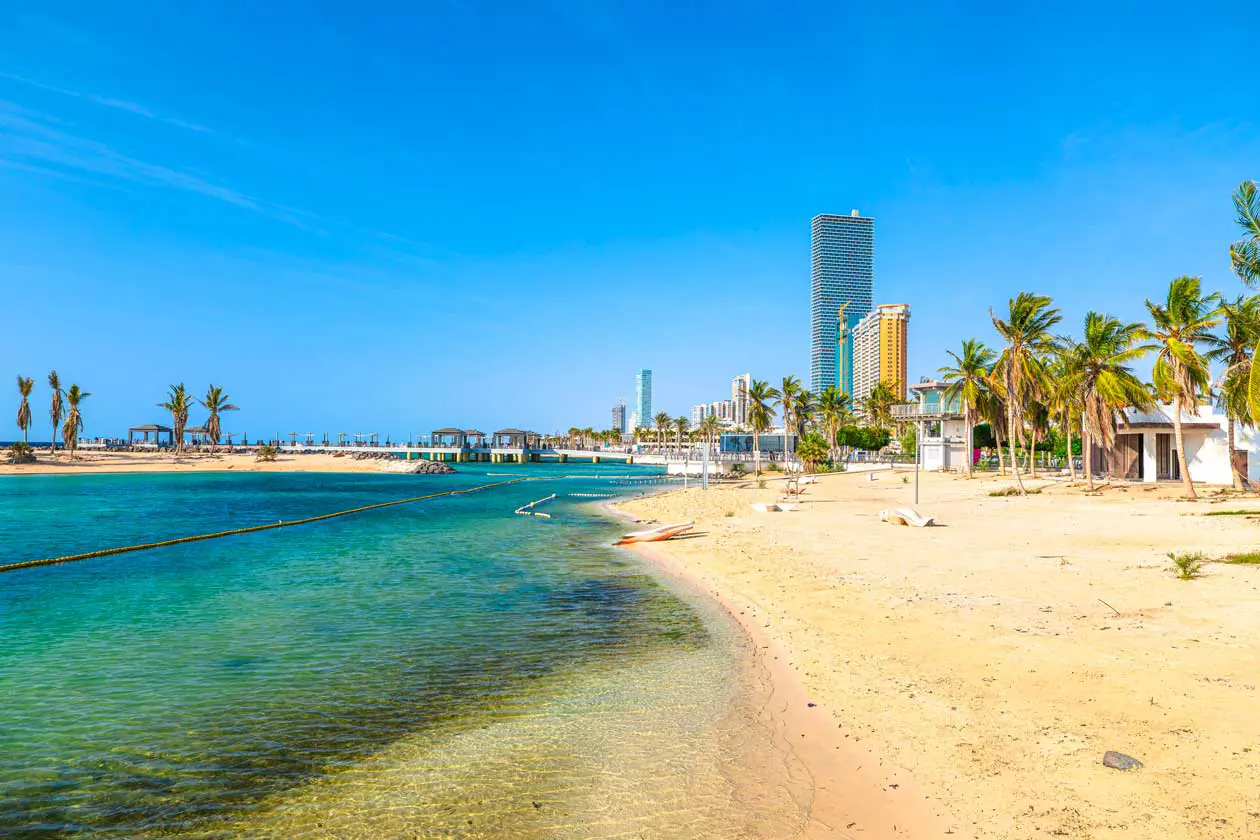
The urban route can also include the Jeddah Art Promenade, a waterfront area that combines promenade, public art, dining and contemporary atmosphere. It is a stop suitable for those who want to alternate the historical heritage of Al-Balad with more recent, scenic and leisure-oriented spaces.
Jeddah reveals itself in this way for well-harmonized contrasts: the coral stone of historic houses and digital installations, souqs and shopping malls, the spirituality of ancient thoroughfares and the lightness of evenings by the sea. It is precisely in this coexistence that the city finds its most original character.
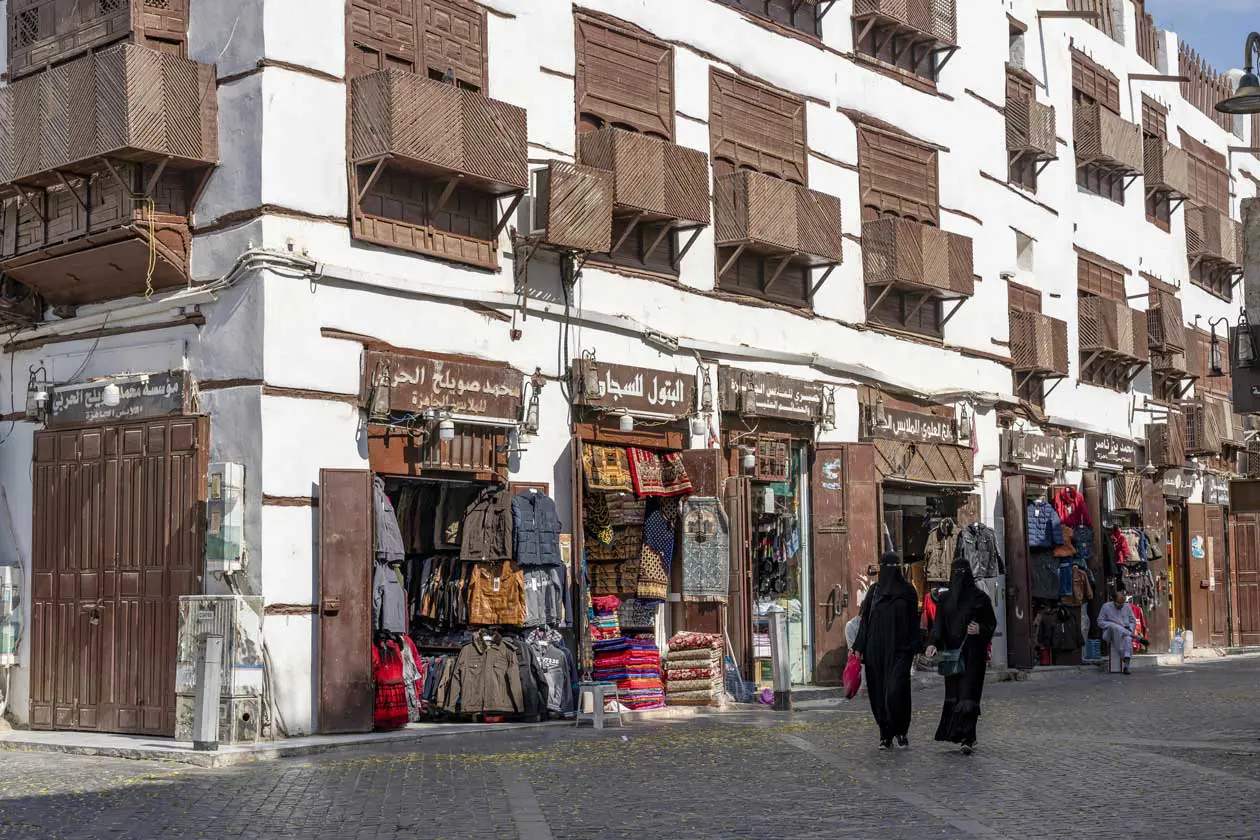
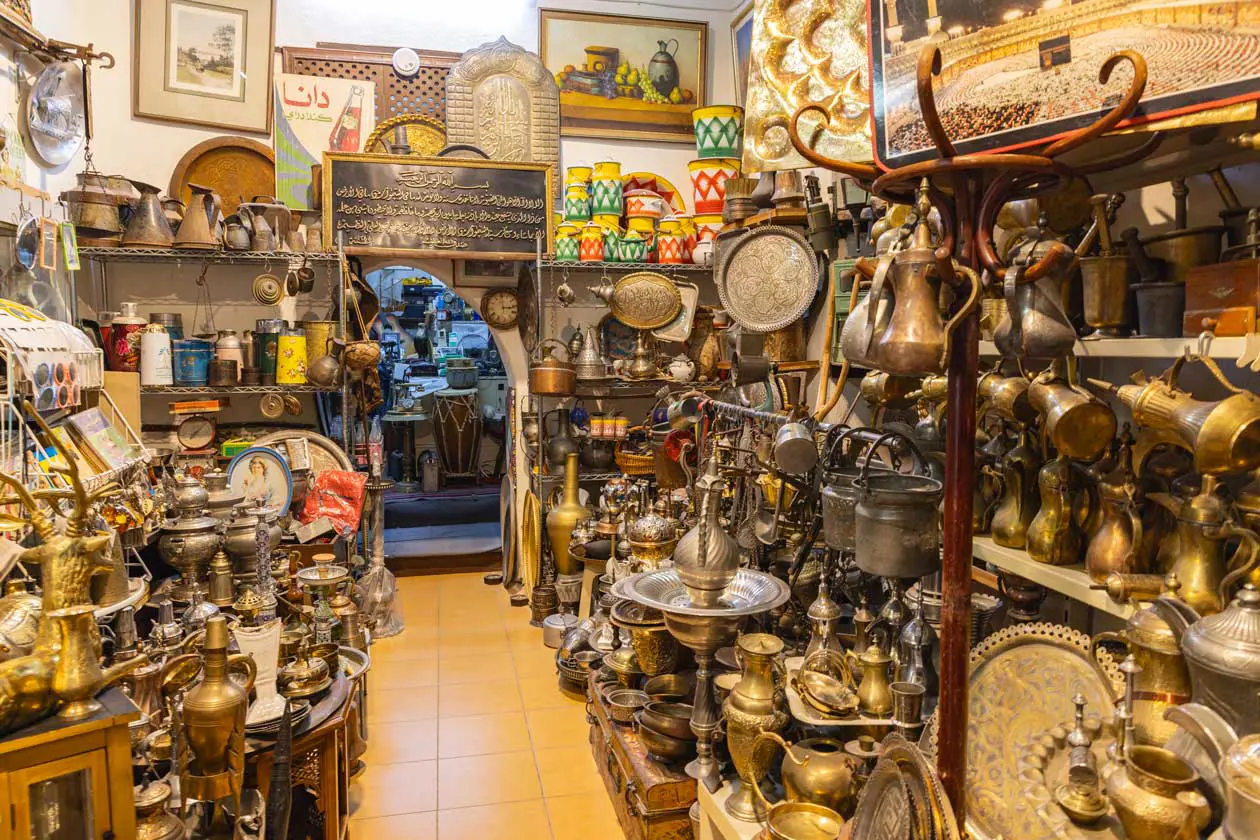
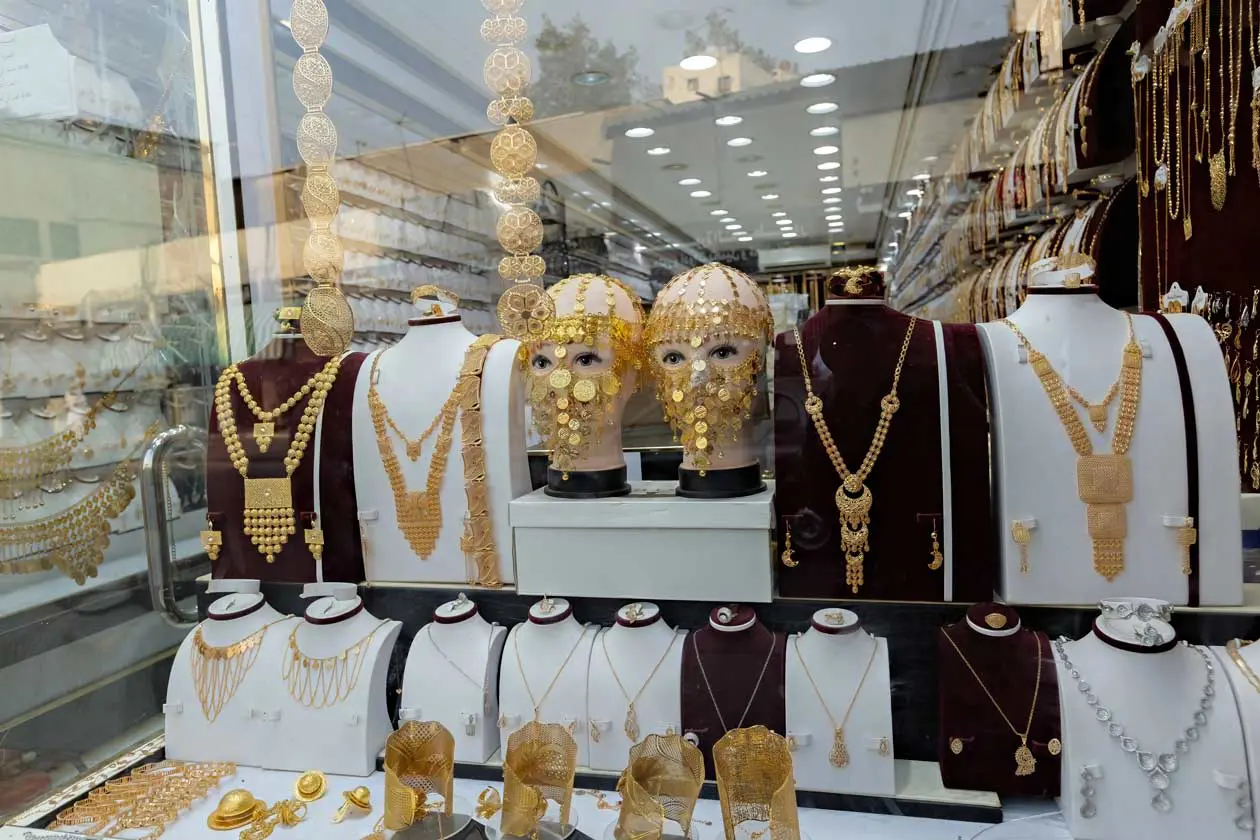
Shopping in Jeddah also proves to be an integral part of the travel experience. In the historic souqs, particularly in Souq Al Alawi and Souq Qabil, you will find Arabic jewelry, incense, spices, perfumes, textiles and handicrafts. These markets are ideal for discovering the more traditional side of the city and buying items related to local culture.
Alongside the markets, Jeddah also offers shopping malls and contemporary addresses. Jeddah Park is among the most popular destinations for shopping, dining and entertainment, while other malls in the city, such as Mall of Arabia and Red Sea Mall, allow you to combine international boutiques, local brands, cafes and services designed for a more urban and modern visit. The contrast between souq and mall makes shopping in Jeddah particularly varied, suitable for both those looking for traditional products and those who prefer a more contemporary experience.
Jeddah's cuisine
Jeddah's cuisine completes the journey with flavors related to the sea and Saudi tradition. In Jeddah, fresh fish from the Red Sea is worth trying, including najil, sijan, shrimp, and crab, prepared fried, grilled, or steamed. Among the most characteristic recipes you can also taste the Kozi Samak, a dish based on Hamour fish cooked with tomato, yogurt, garlic, onion and saffron, served with rice or pasta.
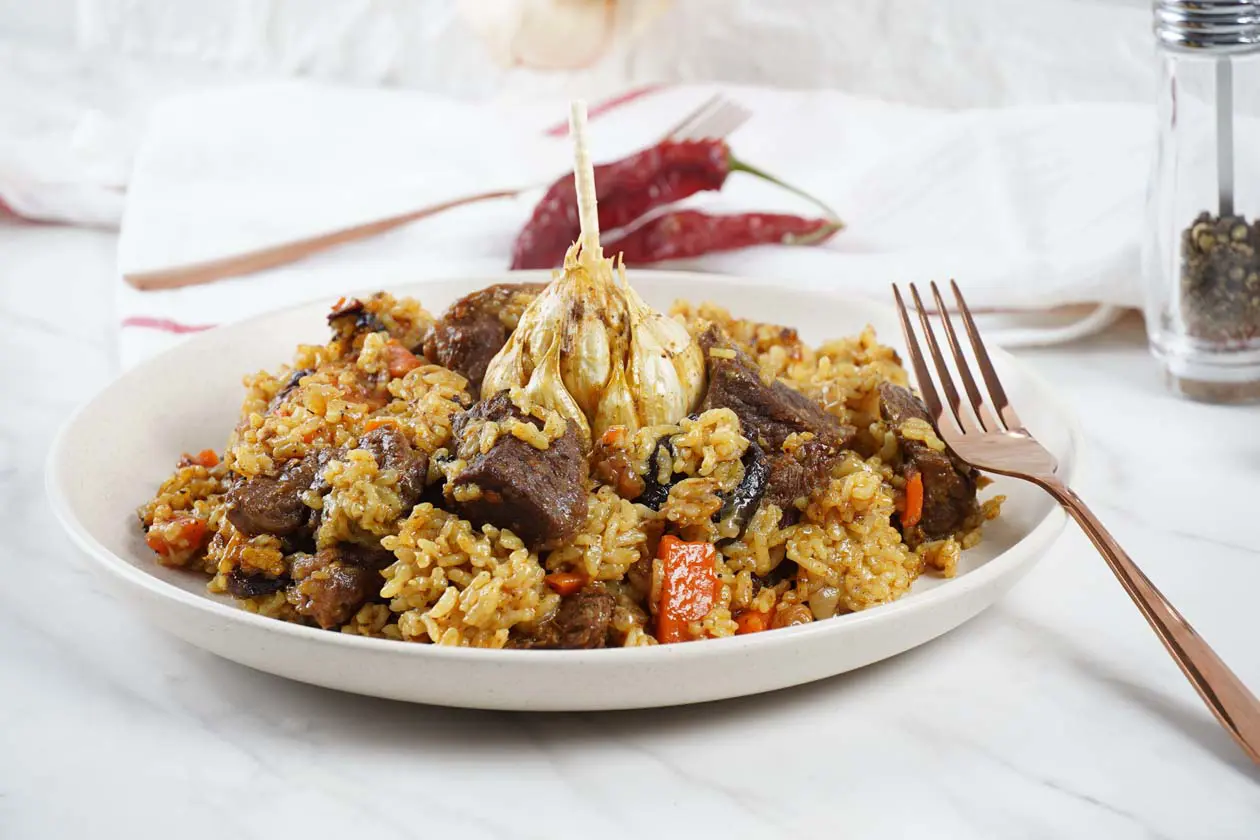
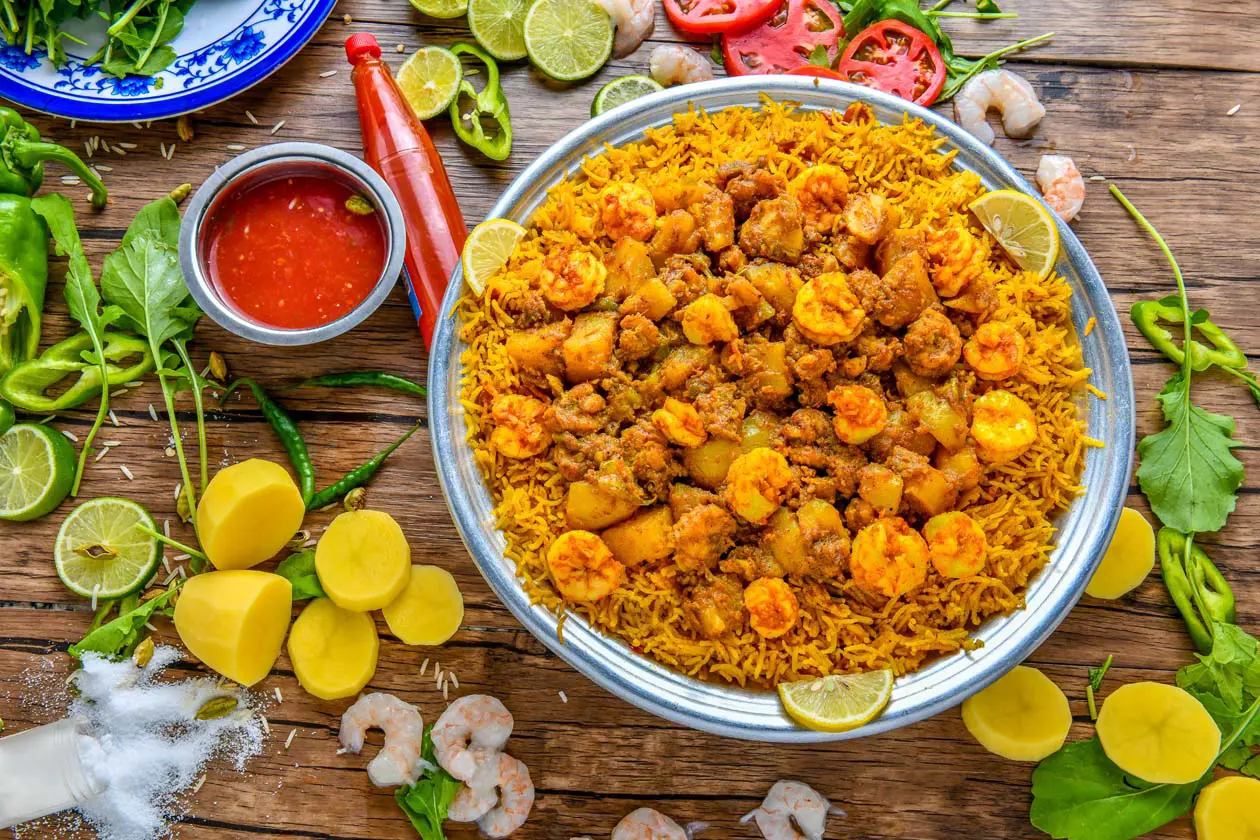
Another dish to try is Kabsa, a very popular preparation in Saudi Arabia based on basmati rice, meat or chicken, spices, vegetables, raisins and almonds. There are also more informal options in the markets and historic areas, ideal for sampling local flavours during your visit. In the cafes of the old town you can enjoy sweets, desserts and traditional drinks. Almond coffee is one of the most distinctive experiences to look for in historic Jeddah, along with Arabic coffee and the spicy flavors that accompany the Saudi hospitality culture.
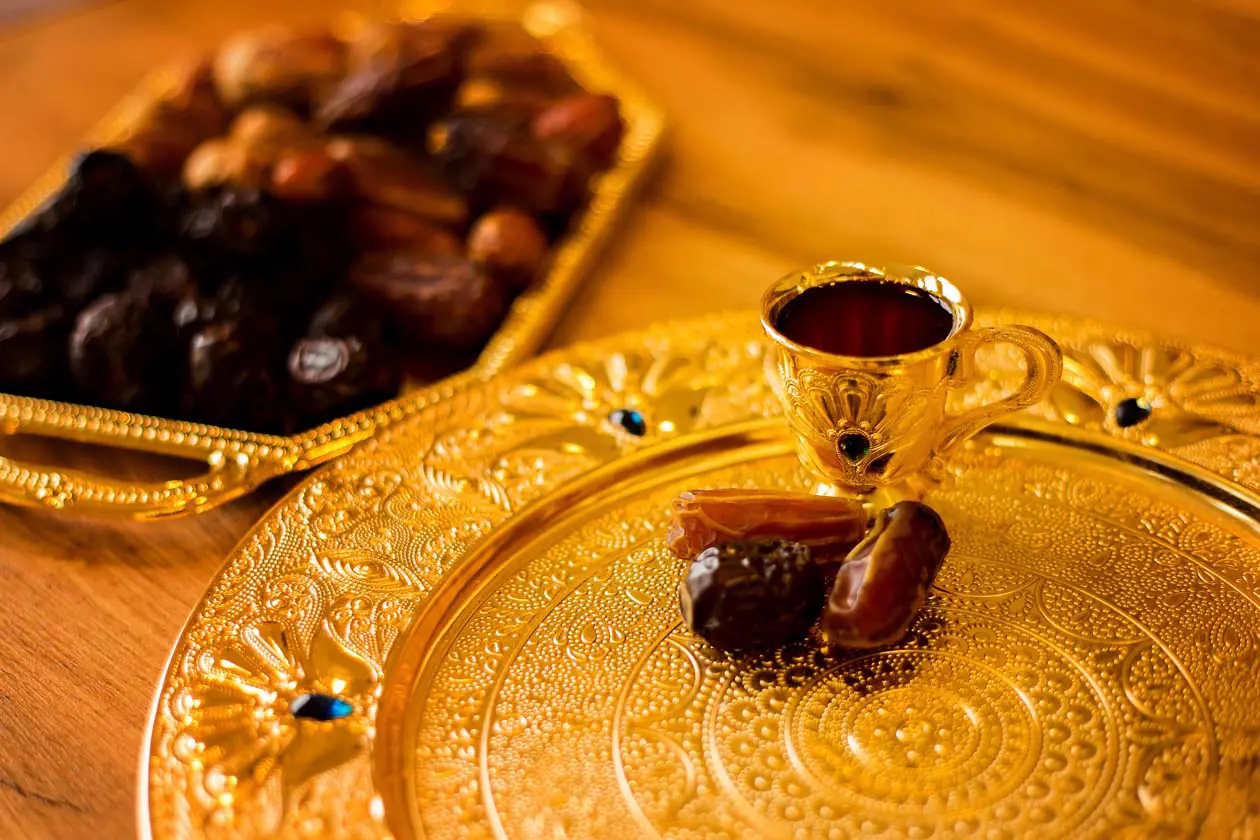
Between markets, cafes, fish restaurants and new gastronomic openings, Jeddah thus tells its character even at the table: a city of port, spices, encounters and contaminations, where cuisine becomes a concrete way to understand the link between the Red Sea, Arab tradition and Saudi daily life.
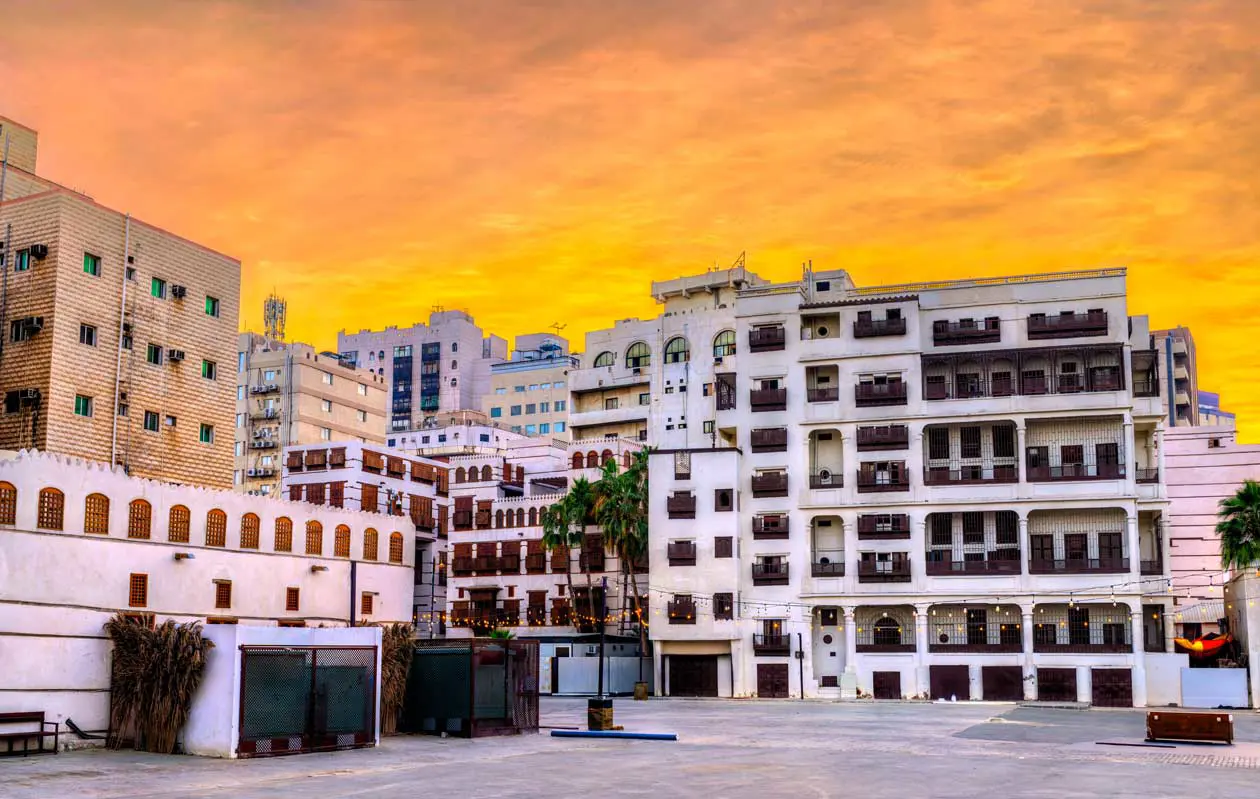
Jeddah Al-Balad Old Town Copyright © Sisterscom.com / Depositphotos
Jeddah offers different and special possibilities for accommodation including hotels, apartments or holiday homes.
To find the ideal hotel and the best offers, you can search by stars but also by neighborhoods or places of interest.