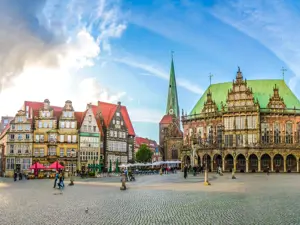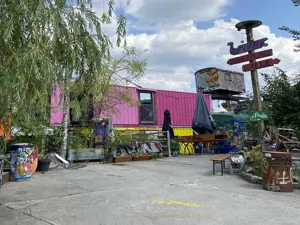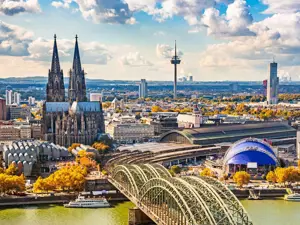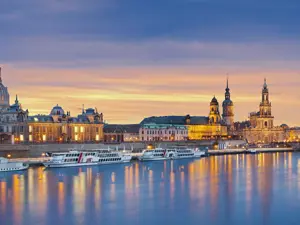
Germany’s capital and one of Europe’s most dynamic cities, Berlin is a place where history and the present coexist at every turn. Crossed by the River Spree, the city is home to monuments linked to Prussian history, reminders of the Second World War and the Cold War, major museums, contemporary architecture and distinctive neighbourhoods where creativity, music, design and urban culture have become an integral part of Berlin’s identity.
The city is vast and changes character from one neighbourhood to the next. Mitte is home to many of Berlin’s historic landmarks, Charlottenburg reflects the more elegant side of western Berlin, while Kreuzberg, Friedrichshain, Prenzlauer Berg and Neukölln reveal the capital’s more contemporary and multicultural character. With a few days to spare, Berlin is also an ideal destination for a city break, combining monuments, museums, neighbourhoods and vibrant urban life.
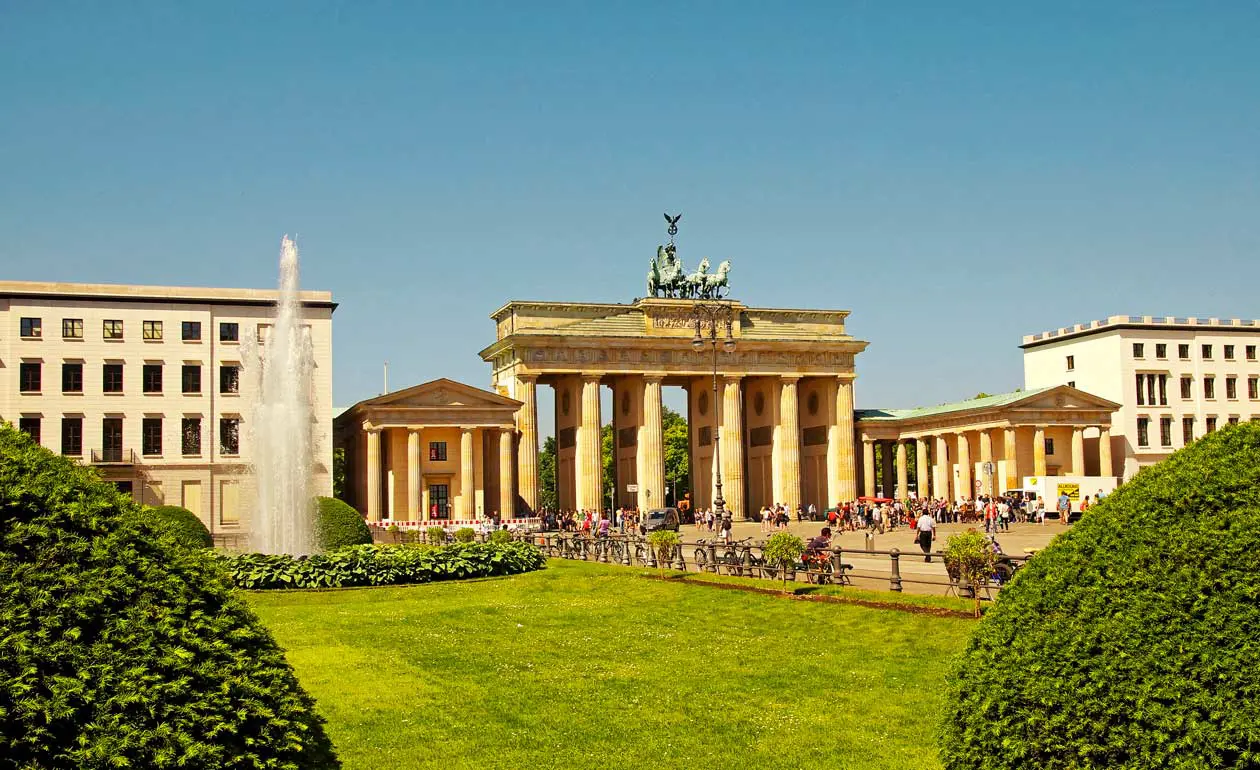


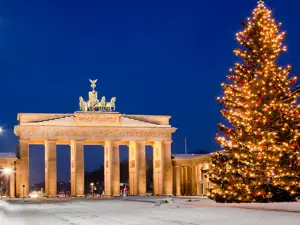
From the Brandenburg Gate, Unter den Linden runs through the historic centre to Museum Island. Along the boulevard stand some of the most representative buildings of Berlin’s Prussian and cultural heritage, including the Neue Wache, Humboldt University and the Staatsoper.
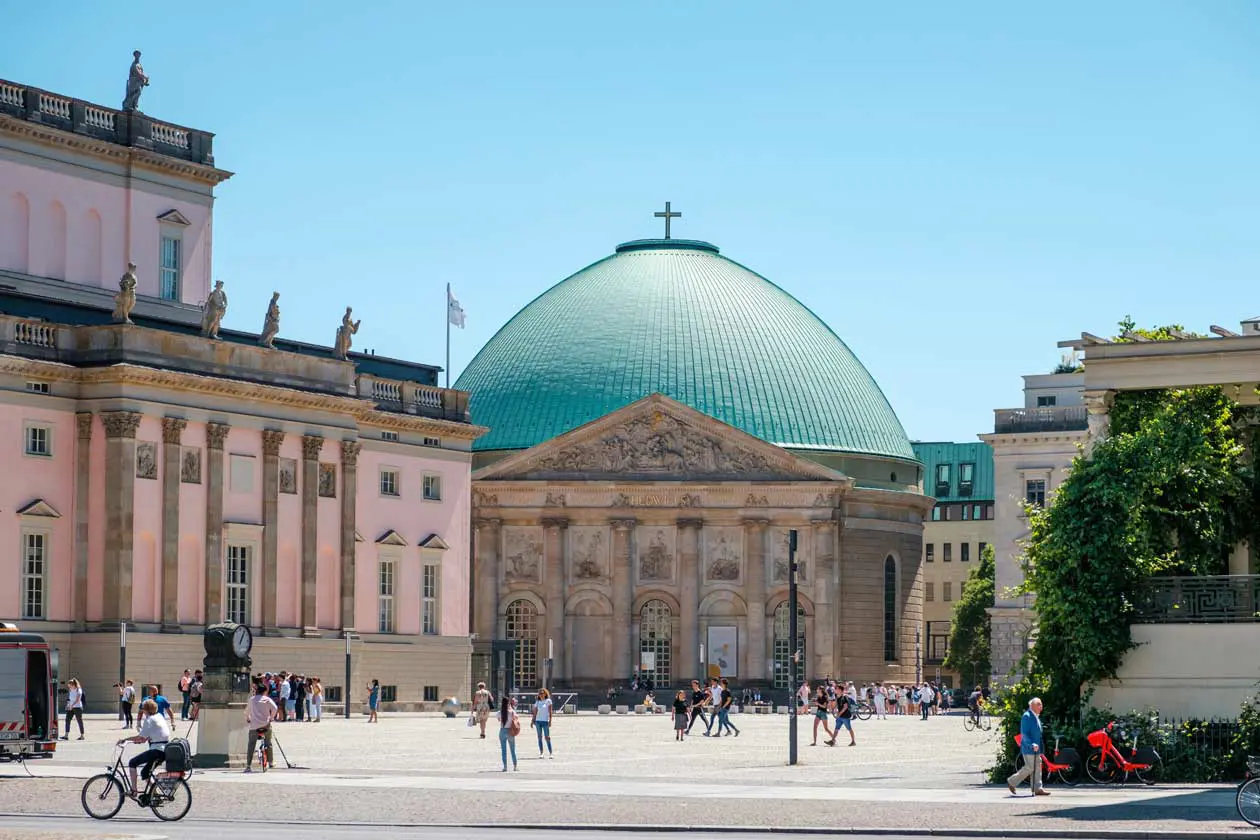
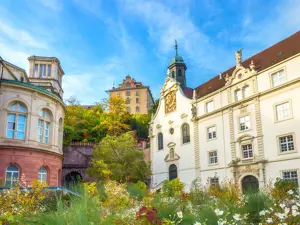
Nearby, Bebelplatz opens onto a square deeply connected to the history of the 20th century. An underground memorial here commemorates the 1933 book burning. The square is also framed by important historic buildings, including St. Hedwig’s Cathedral.
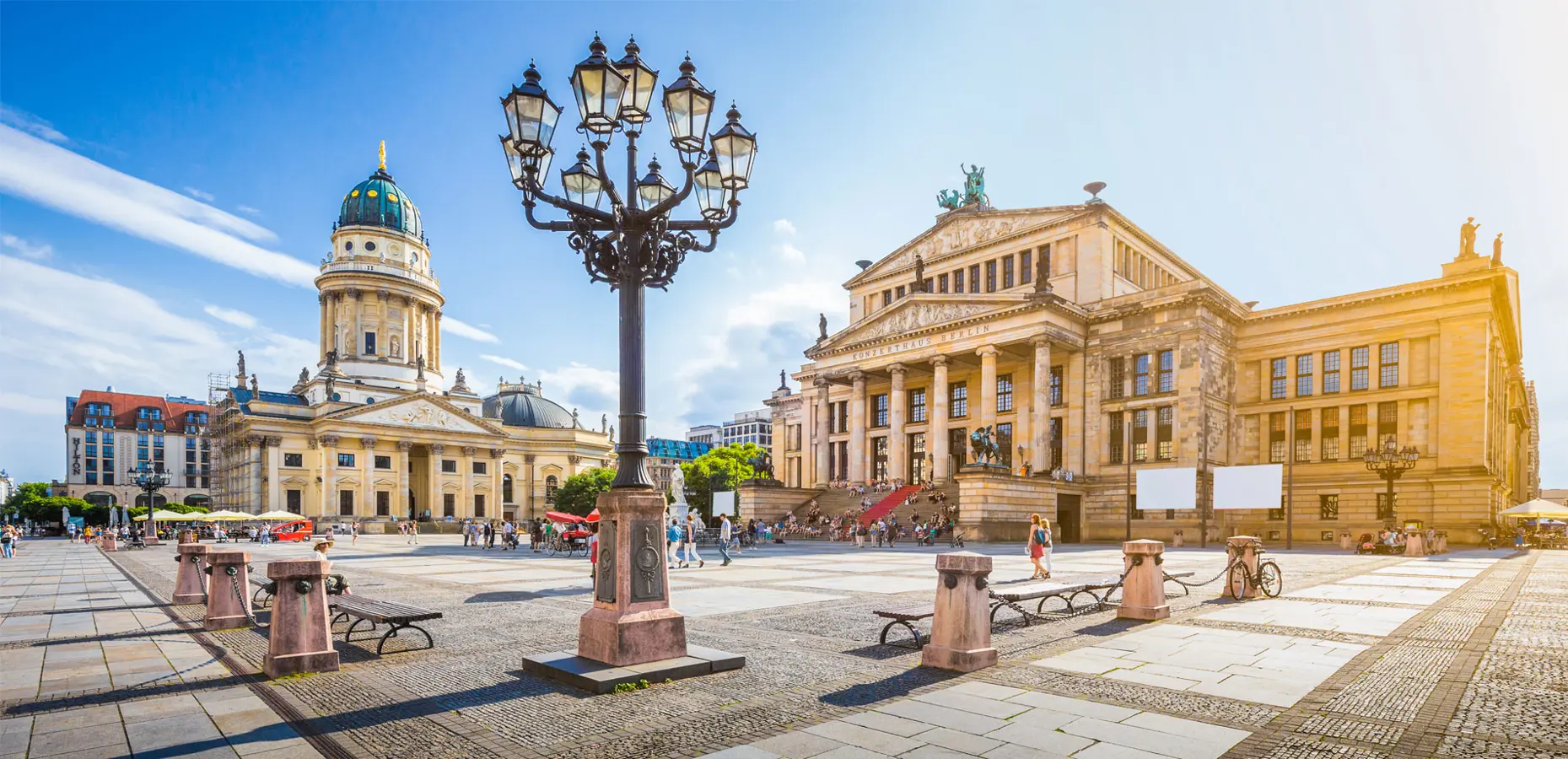
Tra le piazze più eleganti della città figura Gendarmenmarkt, riaperta nel 2025 dopo un importante intervento di riqualificazione. Al centro si trova il Konzerthaus Berlin, mentre ai lati si fronteggiano il Deutscher Dom, il Duomo tedesco, e il Französischer Dom, il Duomo francese. L’equilibrio delle architetture e delle due cupole monumentali rende la piazza uno dei luoghi più suggestivi del centro storico.
Alexanderplatz and the historic centre
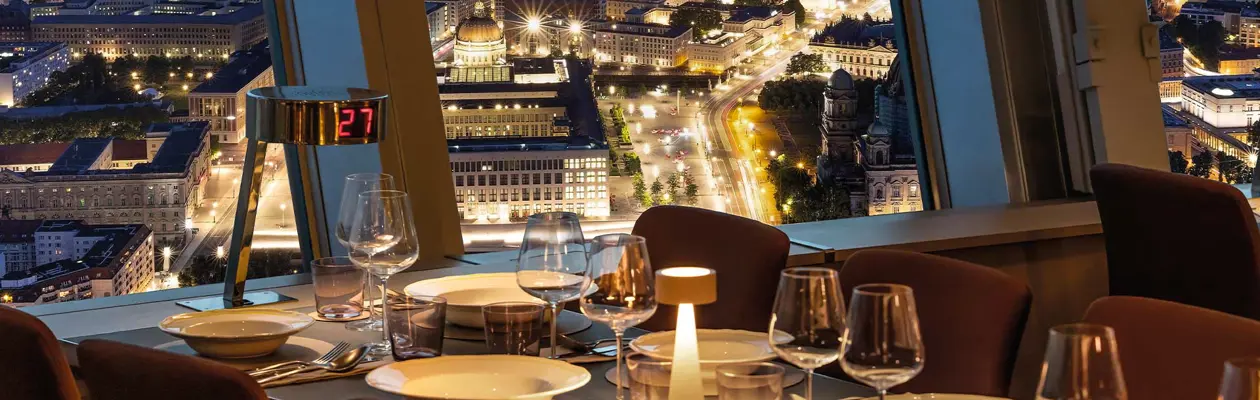
Another major landmark is Alexanderplatz, the vast square in former East Berlin and one of the city’s main public transport hubs. Rising above it is the Berliner Fernsehturm, the TV Tower, inaugurated in 1969 and standing 368 metres high. From the observation deck, more than 200 metres above the ground, visitors can enjoy sweeping views across much of the capital; the sphere also houses a revolving panoramic restaurant.

The square is also home to the Weltzeituhr, the World Time Clock, installed in 1969. Nearby are the Marienkirche, one of Berlin’s oldest churches, the Neptune Fountain, and the Rotes Rathaus, the Red City Hall, seat of the city government.
A few minutes from Alexanderplatz lies the Nikolaiviertel, or St. Nicholas Quarter, regarded as the oldest historic district in the city. Set close to the River Spree, it is characterised by small squares, narrow lanes, restaurants and façades that evoke medieval Berlin. Heavily damaged during the Second World War, the area was rebuilt in the 1980s. At its heart stands the Nikolaikirche, whose origins date back to the 13th century. Also worth visiting are the Ephraim-Palais and the Knoblauchhaus, a historic residence that offers an insight into the life of Berlin’s bourgeoisie in the 18th and 19th centuries.
Crossing the River Spree leads to Schlossplatz, home to the Humboldt Forum, built on the site of the former Berlin Palace, which served for centuries as the residence of the Hohenzollern dynasty. The contemporary building recreates the Baroque façades of the former palace on three sides, combining them with modern architectural elements. Inside, it houses museum collections, exhibitions and spaces dedicated to cultures from around the world.
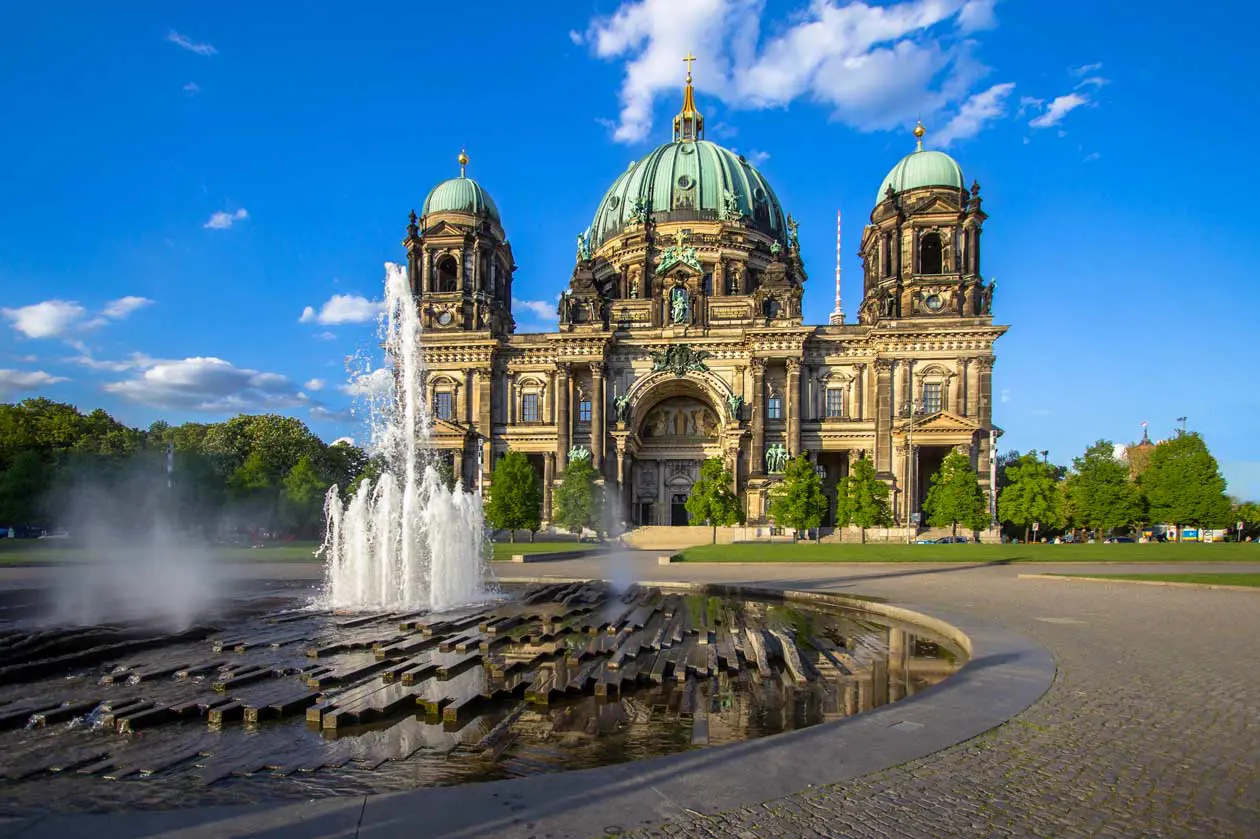
Nearby, overlooking the Lustgarten, stands the monumental Berliner Dom, or Berlin Cathedral, completed in the early 20th century. Its great dome dominates the skyline of the historic centre, while the interior features works of art, a grand organ and the Hohenzollern crypt.
Next to Berlin Cathedral lies the Museumsinsel, or Museum Island, a UNESCO World Heritage Site and one of the world’s most important museum complexes. It is home to the Altes Museum, dedicated to classical antiquities; the Neues Museum, which houses collections from ancient Egypt and the famous bust of Nefertiti; the Alte Nationalgalerie, featuring 19th-century painting and sculpture; and the Bode-Museum, devoted to sculpture, Byzantine art and numismatics.

The Pergamonmuseum, currently undergoing extensive renovation, will partially reopen on 4 June 2027, when the north wing and central section will once again welcome visitors. Highlights will include the Pergamon Altar, the Hellenistic architecture of the Antikensammlung, and the new exhibition of the Museum für Islamische Kunst. The south wing is scheduled to reopen in 2037. Nearby, Pergamonmuseum. Das Panorama remains open to visitors, presenting archaeological finds alongside an immersive panoramic reconstruction of ancient Pergamon.
Among the most enjoyable places to discover the creative side of Mitte are the Hackesche Höfe, a complex of eight interconnected courtyards built in the early 20th century. Their Jugendstil façades and historic buildings now house boutiques, design shops, studios, cinemas, cafés and restaurants.
Nearby, Haus Schwarzenberg offers a completely different atmosphere. The courtyard walls are covered with ever-changing graffiti, stencils, posters and installations. Inside are cultural and artistic spaces such as Neurotitan and the Anne Frank Zentrum, making the area particularly appealing to visitors interested in photography, illustration, street art and urban culture.

Modern Potsdamer Platz reflects the city’s dramatic transformation following reunification. Once crossed by the Berlin Wall, it is now characterised by contemporary architecture, offices, hotels, restaurants, cinemas and shopping spaces. It is one of the places where the contrast between the divided Berlin of the 20th century and the modern city is most striking.
Charlottenburg and West Berlin
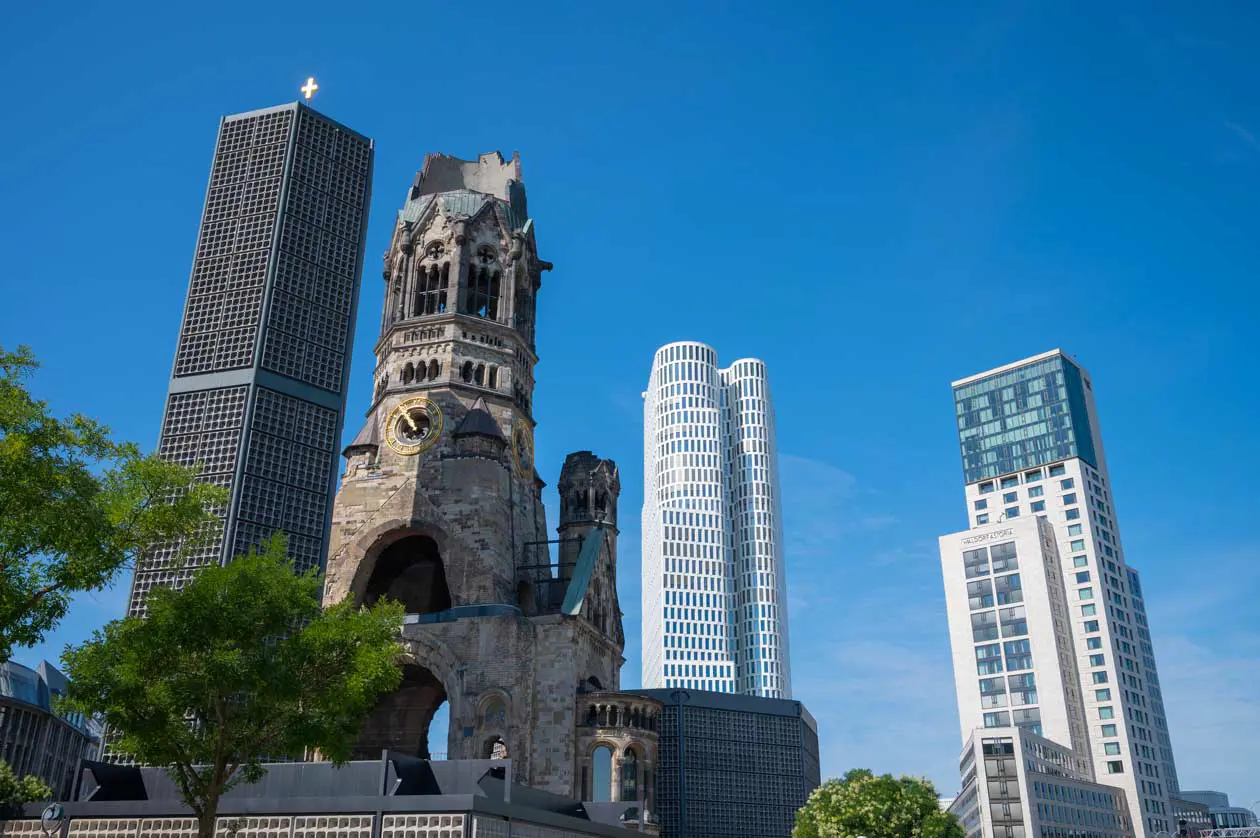
In the western part of the city, along Kurfürstendamm, stands the Kaiser Wilhelm Memorial Church (Kaiser-Wilhelm-Gedächtniskirche). The tower of the original church, badly damaged during the Second World War, was deliberately preserved as a reminder of the destruction caused by the conflict and was joined in the 1960s by modern buildings distinguished by their striking blue stained-glass windows. The area is also one of Berlin’s main shopping districts and is home to the famous KaDeWe, the city’s historic department store.
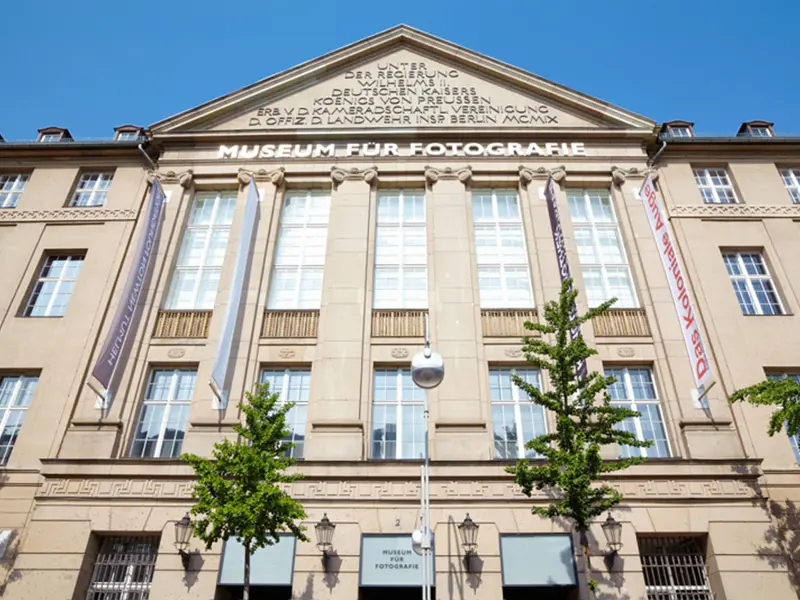
Among the city’s more contemporary destinations is Bikini Berlin, a concept shopping mall focused on fashion, design, independent boutiques and emerging brands. Photography enthusiasts will also find C/O Berlin, dedicated to contemporary photography and visual culture, near Zoologischer Garten station, as well as the Museum für Fotografie, home to the Helmut Newton Foundation.
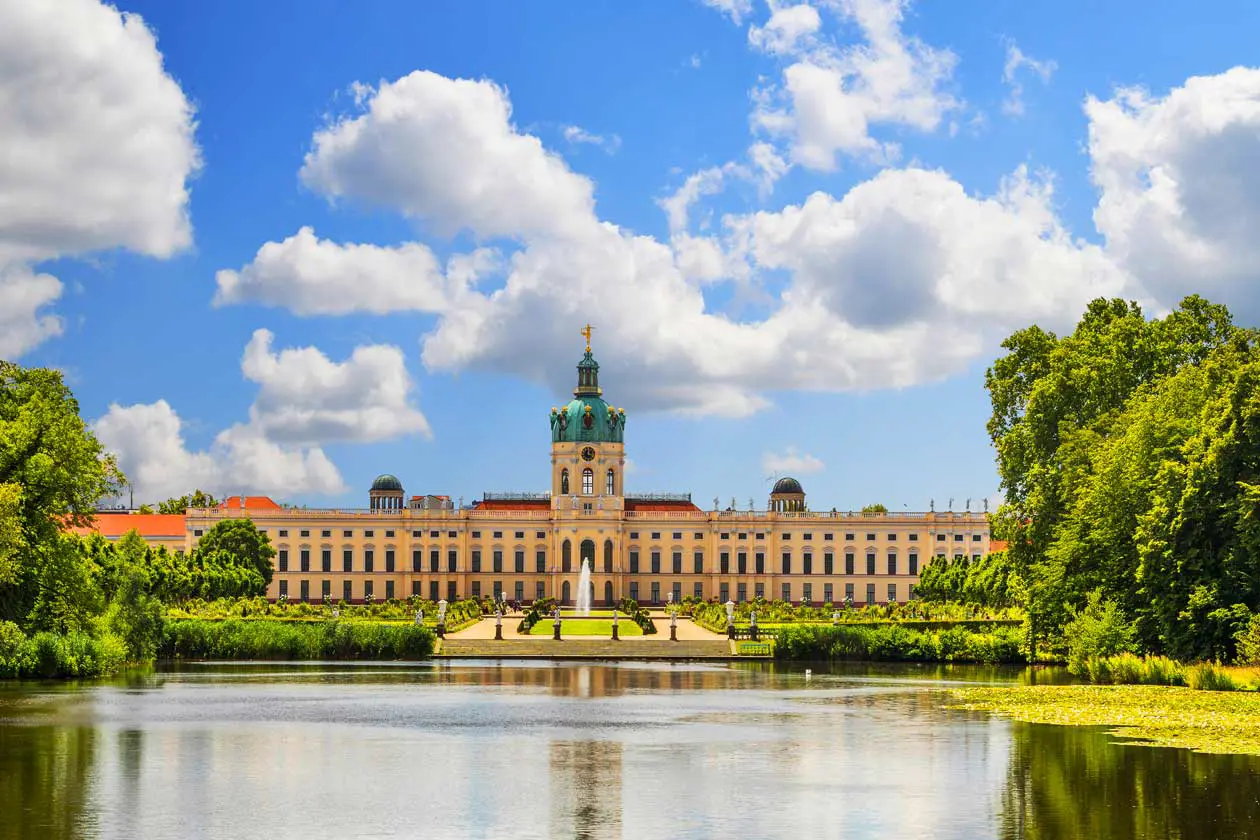
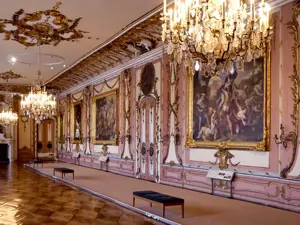
Also in the western part of the city stands Charlottenburg Palace (Schloss Charlottenburg), the most important surviving royal residence in Berlin. Built from the late 17th century onwards, the complex reflects the city’s Prussian past through Baroque halls, royal apartments, art collections and richly decorated interiors. Behind the palace stretches a large historic park with gardens, tree-lined avenues and ornamental ponds.
1989 marked a turning point in the history of Germany and Europe as a whole. On the night of 9–10 November, after weeks of peaceful protests and profound political change, the crossing points along the Berlin Wall were opened. Built in 1961, the Wall had separated East Berlin from West Berlin. Much of the structure has since disappeared, but numerous places across the city still preserve the memory of this division.

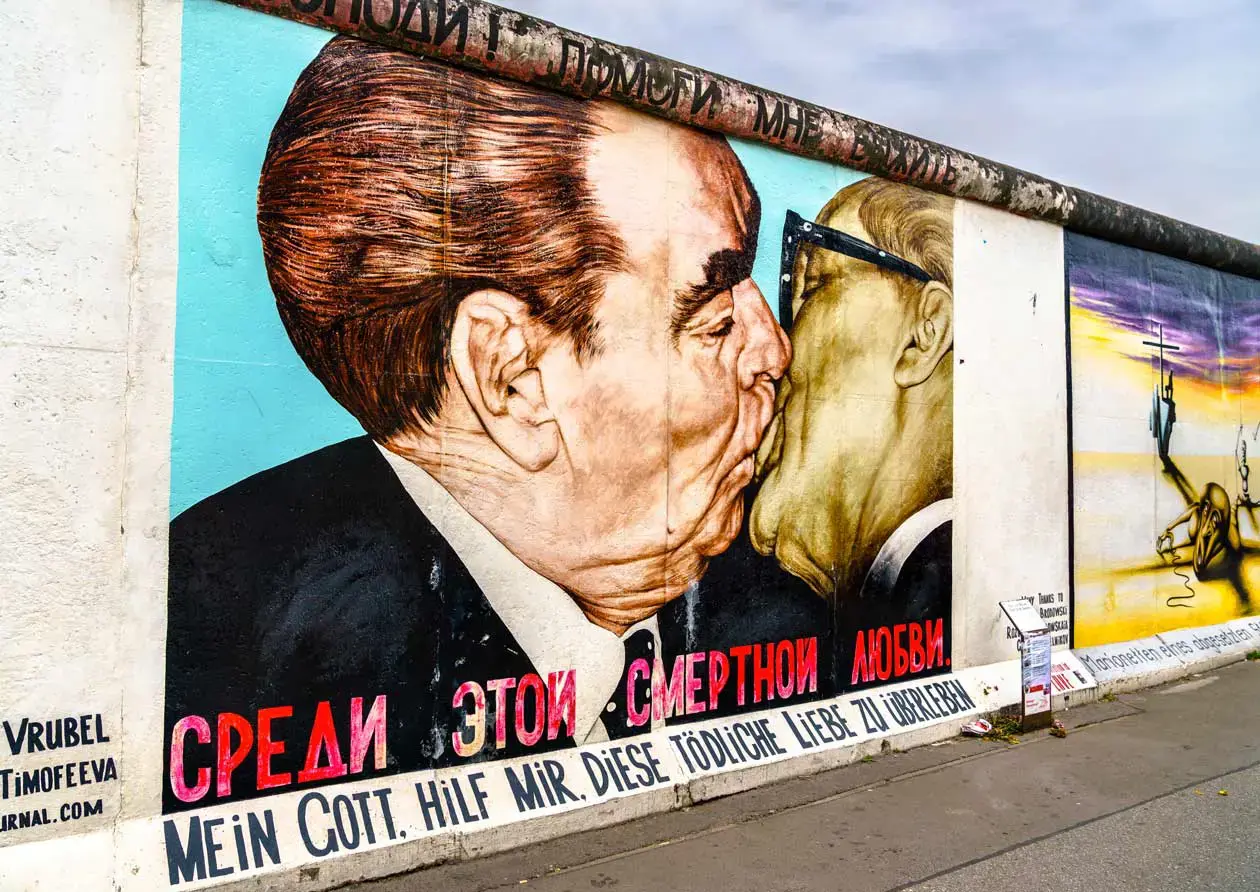
One of the best-known landmarks is Checkpoint Charlie, the former border crossing between the American and Soviet sectors. Nearby is the Mauermuseum - Museum Haus am Checkpoint Charlie, dedicated to the history of the Wall and the many attempts to escape from East Germany. Further east, along the River Spree, stretches the East Side Gallery, the longest surviving section of the Wall, transformed after 1989 into a vast open-air art gallery. More than one hundred works by international artists explore themes of freedom, division and political change, including Dmitri Vrubel’s famous “Fraternal Kiss”.
In the Bernauer Straße area stands the Berlin Wall Memorial, where sections of the former border fortifications and traces of the so-called “death strip” have been preserved. The documentation centre and the Chapel of Reconciliation offer a particularly direct insight into the consequences of the city’s division.
Places of remembrance from the 20th century
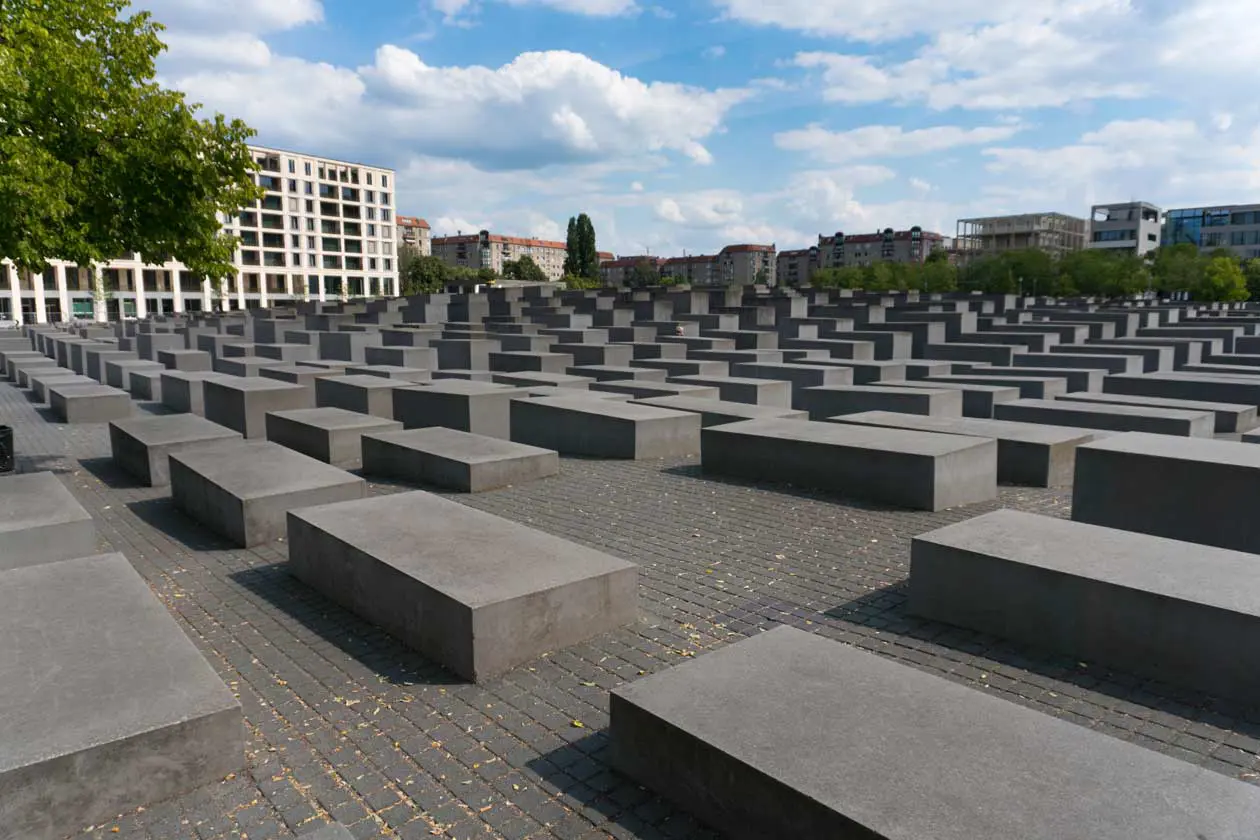
Berlin’s history can also be understood through the many sites dedicated to the memory of the victims of National Socialism. Near the Brandenburg Gate stands the Memorial to the Murdered Jews of Europe, made up of thousands of concrete stelae arranged across an undulating field.
The Topography of Terror stands on the site that once housed the Gestapo, the SS and other central institutions of the Nazi regime. Its permanent exhibition uses documents, photographs and personal testimonies to explain how the system of repression operated. In the same part of the city is the Gropius Bau, a major exhibition venue dedicated to contemporary art and culture.
Berlin’s neighbourhoods
A visit to the capital should not be limited to the monuments in the city centre. Berlin is a city of distinct neighbourhoods, each with its own atmosphere. Kreuzberg is one of the symbols of multicultural and alternative Berlin, with street art, markets, bars, international restaurants and creative spaces. Across the River Spree, connected to Kreuzberg by the Oberbaum Bridge, Friedrichshain still preserves traces of East Berlin architecture and is now one of the city’s liveliest districts for urban culture and nightlife.
Prenzlauer Berg, once a working-class district of East Berlin, is now characterised by elegant restored buildings, cafés, bookshops, boutiques and courtyards. The area is home to Mauerpark, particularly lively on Sundays thanks to its well-known flea market, and the Kulturbrauerei, a former brewery converted into a cultural centre.
Neukölln, meanwhile, is one of the neighbourhoods where contemporary Berlin’s multicultural and creative character is most evident, with international restaurants, small bars, cultural venues and a growing number of independent businesses.
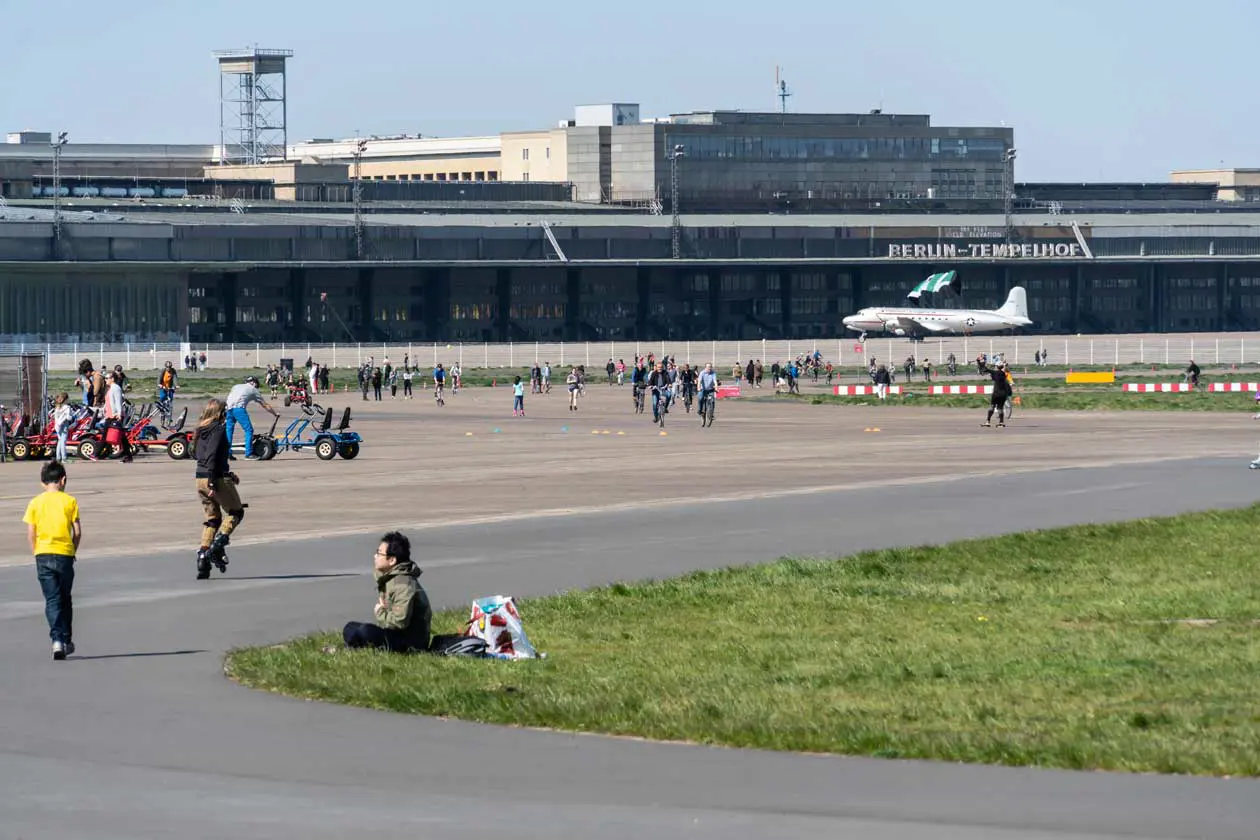
Among the city’s most unusual places is Tempelhofer Feld, a vast urban park created from the former Berlin-Tempelhof Airport. The old runways are now used for walking, cycling, skating and other sports, while the expansive lawns offer a rare sense of open space in the heart of the metropolis. The former airport also played a key role during the Berlin Airlift of 1948–1949, when the Western Allies supplied West Berlin during the Soviet blockade.
Berlin, a city of museums
Berlin has around 170 museums, with collections spanning archaeology, ancient and modern art, history, photography, technology, design and contemporary culture. Beyond Museum Island, numerous institutions across the city’s different neighbourhoods are well worth exploring. The Museum Berggruen houses a prestigious collection of modern art, including works by artists such as Picasso, Klee, Matisse and Giacometti. At the Bode-Museum, on Museum Island, visitors can discover sculpture from the Middle Ages to the 19th century, Byzantine art and the Münzkabinett, one of the world’s major numismatic collections.
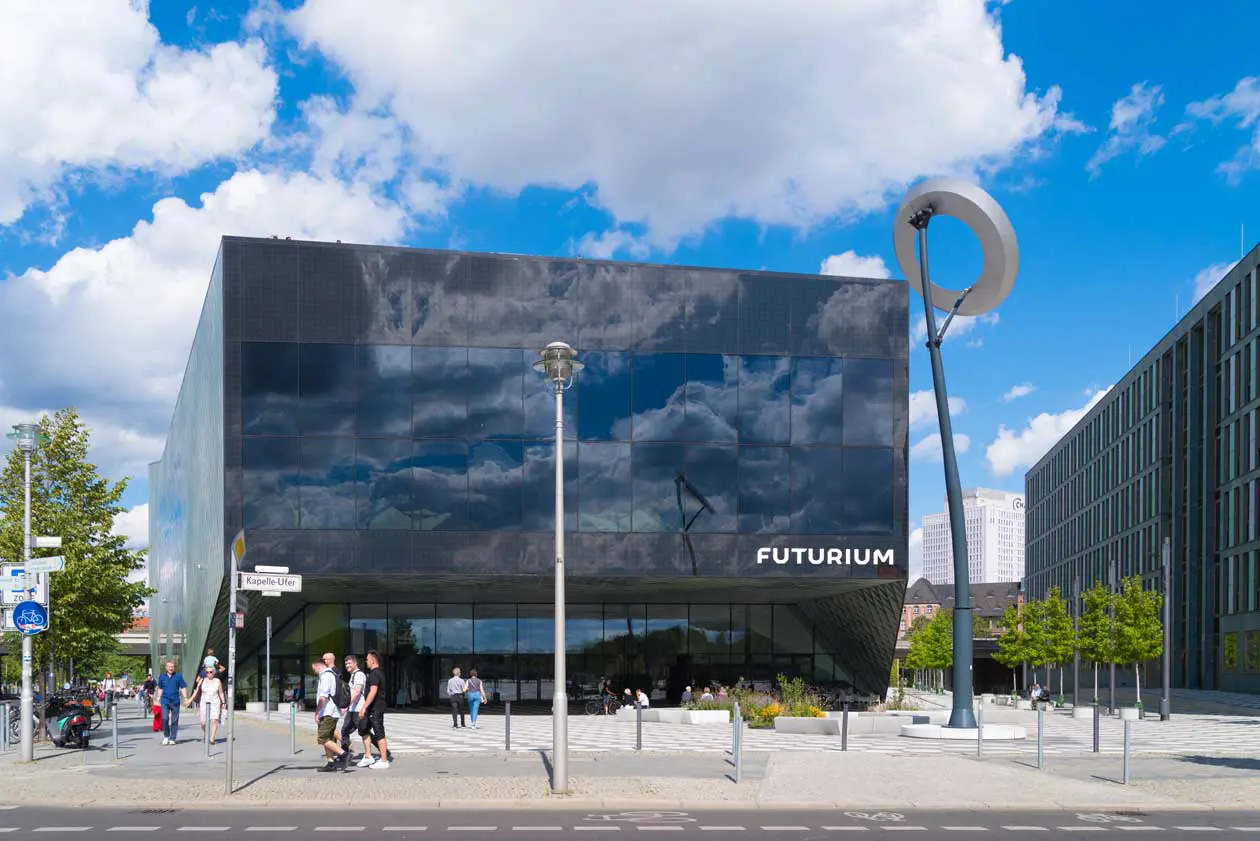
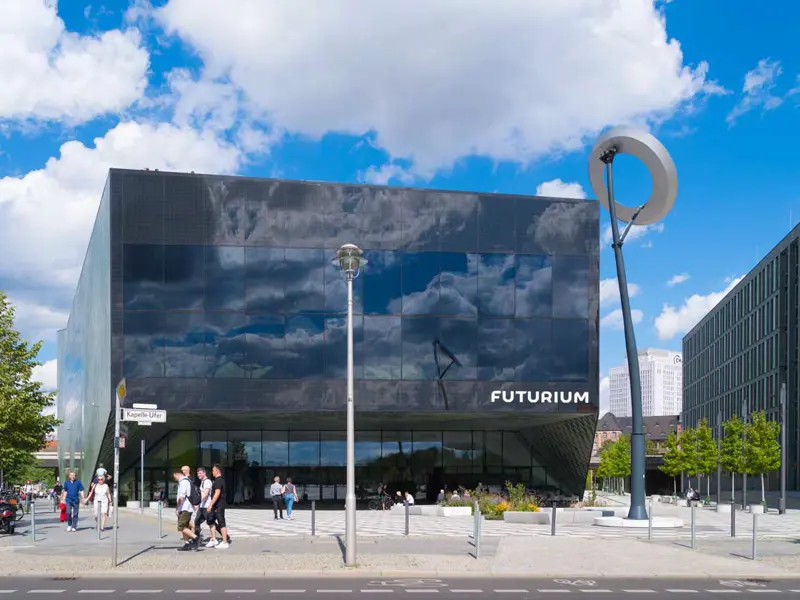
The Museum für Fotografie, home to the Helmut Newton Foundation, is an important stop for anyone interested in photography and contemporary visual culture. Among the city’s newer museums is the Futurium, near Berlin Central Station, which explores major questions about the future through themes such as artificial intelligence, robotics, sustainability, new technologies and urban transformation. In Kreuzberg, the Berlinische Galerie focuses on art produced in Berlin from the 19th century to the present day, spanning painting, photography, graphic art, architecture and installations.
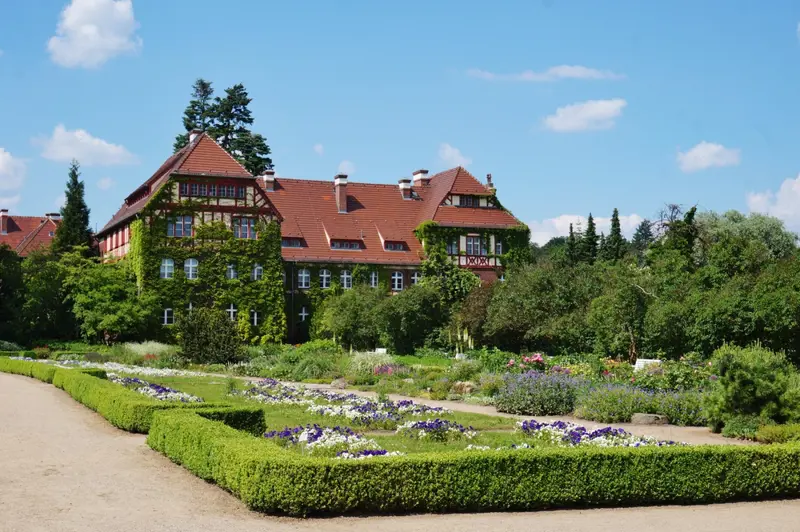
Completing the museum experience is the Berlin Botanical Garden (Botanischer Garten), one of the city’s major scientific green spaces. Created between the late 19th and early 20th centuries, it is home to thousands of plant species from different climatic regions around the world. The greenhouse complex is particularly impressive, while the nearby Botanical Museum explores the connections between scientific research, plants and biodiversity.
Berlin offers a wide variety of shopping experiences. Kurfürstendamm remains one of the city’s main shopping streets, lined with international boutiques, major brands and the nearby KaDeWe department store. Also in City West, Bikini Berlin offers a more contemporary shopping experience focused on fashion, design and concept stores.
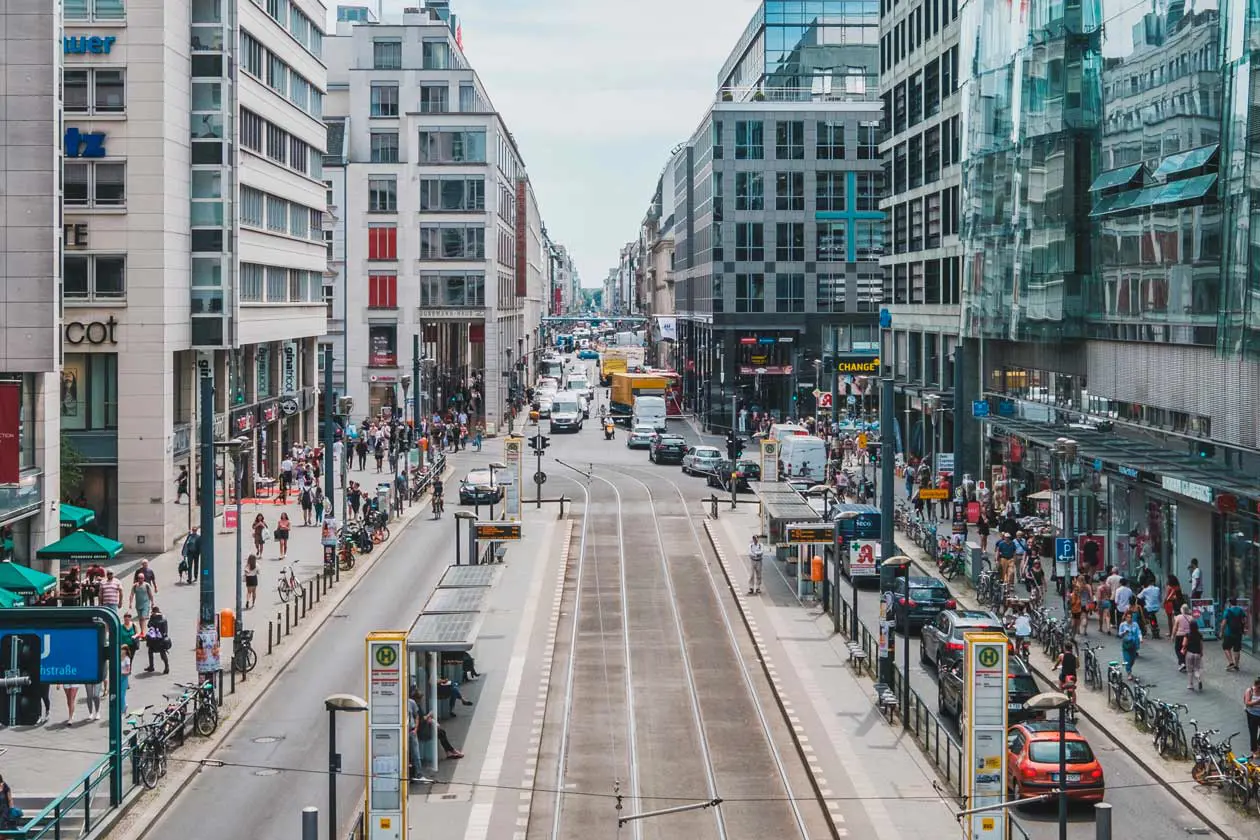
In the city centre, Friedrichstraße remains one of Berlin’s main shopping thoroughfares, although Galeries Lafayette, long one of its best-known landmarks, closed in 2024. For independent shopping, Mitte, Kreuzberg and Prenzlauer Berg are particularly appealing, with fashion and design stores, bookshops, record shops, vintage finds and small creative labels. The Hackesche Höfe combine shopping with striking architecture, while on Sundays Mauerpark is one of the city’s best-known spots for vintage clothing, records, books, photography, crafts and second-hand goods.


Photos for editorial use only: Copyright © Sisterscom.com, Shutterstock / Depositphotos
All rights reserved. Copyright © Sisterscom.com
germany.travel - visitberlin.de
Partnership with Travelpayouts

Berlin offers a variety of unique accommodation options, including hotels, apartments, and hostels.
To find the ideal hotel and the best deals, you can search by star rating, as well as by neighborhood or points of interest.


Berlin's Museum Island is a UNESCO World Heritage Site and includes 5 museums: the Altes Museum, the Neues Museum, the Alte Nationalgalerie, the Bode Museum, and the Pergamonmuseum. Berlin has about 170 museums dedicated to art, history, photography, design, archaeology, and contemporary culture.
Among the most important to visit are, besides the museums of the Museumsinsel, the Neue Nationalgalerie, the Jewish Museum, the DDR Museum, and the institutions of the Charlottenburg museum district, where 9 museums and collections are located a short distance from each other.
The Pergamon Museum reopens from June 4, 2027, with the north wing and central building, the Pergamon Altarpiece, the Hellenistic Architecture Hall, and the new exhibition at the Museum für Islamische Kunst, which also includes the monumental façade of Mschatta. Among the new features is Ocean Berlin, opening in spring 2027 on the Rummelsburger Bucht in Berlin-Lichtenberg: a center dedicated to marine ecosystems, conceived as the largest aquarium in Germany. The historic headquarters of the Bauhaus Archiv / Museum für Gestaltung on Klingelhöferstraße will also reopen at the end of 2027, while the Temporary Bauhaus Archiv in Charlottenburg can be visited.


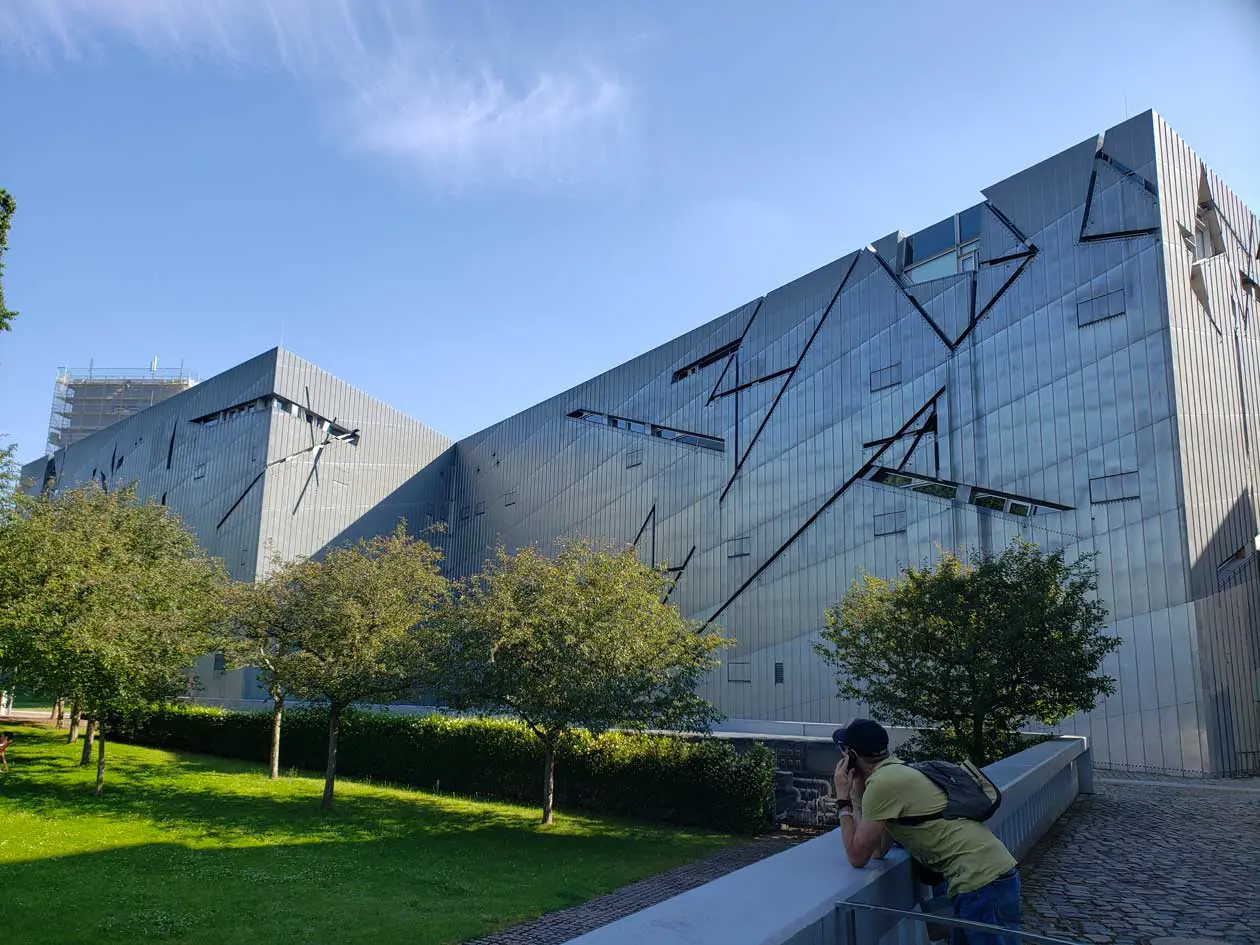
Jewish Museum of Berlin
The Jewish Museum of Berlin tells the story of over two thousand years of Jewish history and culture in Germany through objects, documents, installations, and testimonies. The building designed by Daniel Libeskind is an integral part of the exhibition route and represents one of the city's most significant museums.
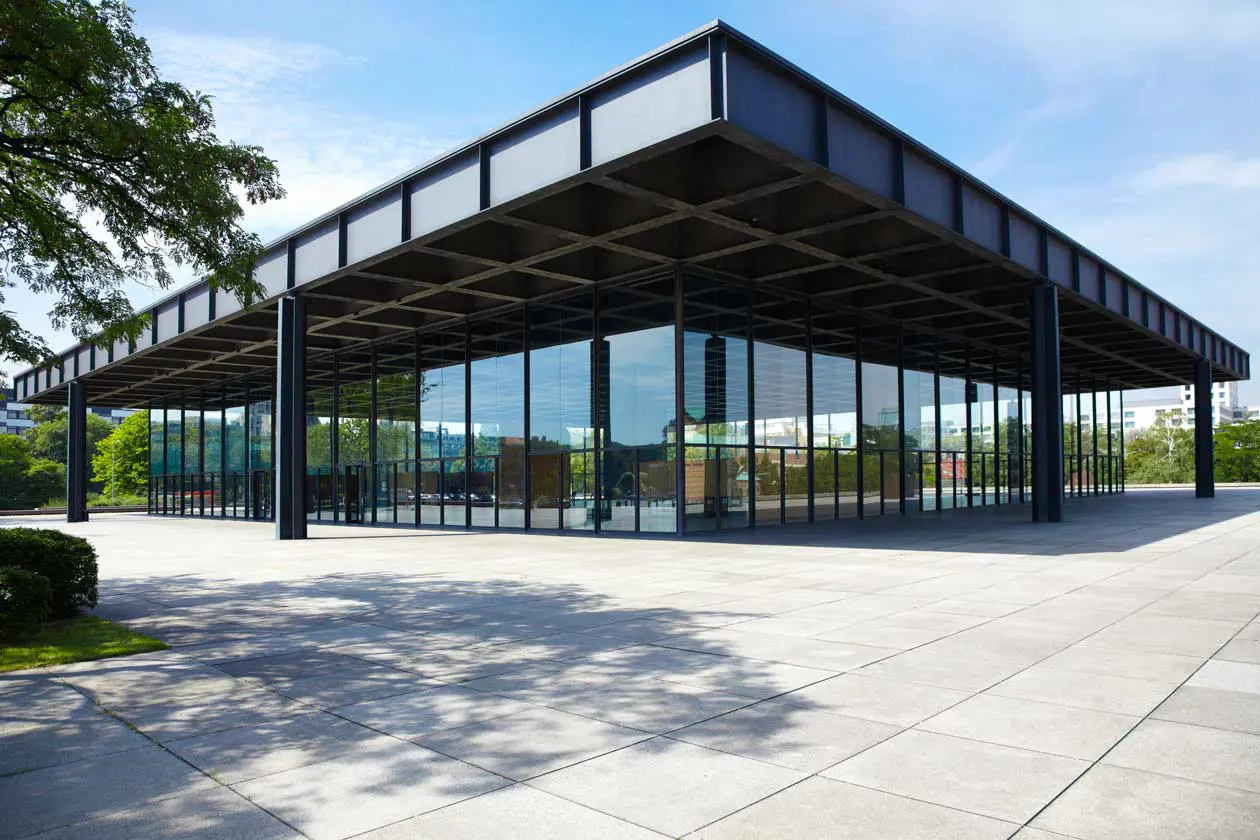
New National Gallery
The Neue Nationalgalerie, designed by Ludwig Mies van der Rohe, is one of Berlin's masterpieces of modern architecture. It houses important works from the twentieth century, with particular attention to Expressionism, Cubism, Bauhaus, Surrealism, and postwar art.
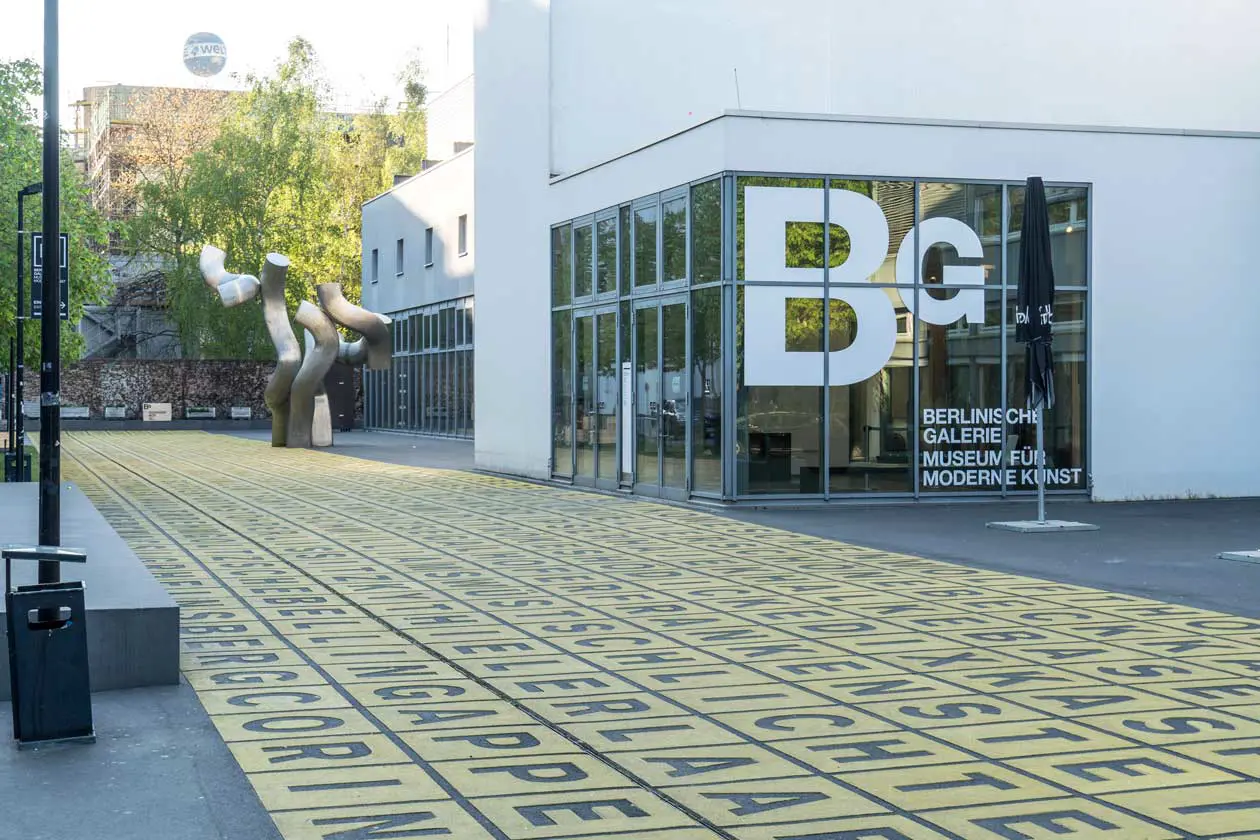
Berlin Gallery
The Berlinische Galerie is dedicated to art produced in Berlin from the 19th century to today. The collections include painting, photography, graphics, architecture, and installations, offering a broad view of the city's creativity and the main artistic movements that have shaped its history.
Hamburger Bahnhof
National Gallery of the Present
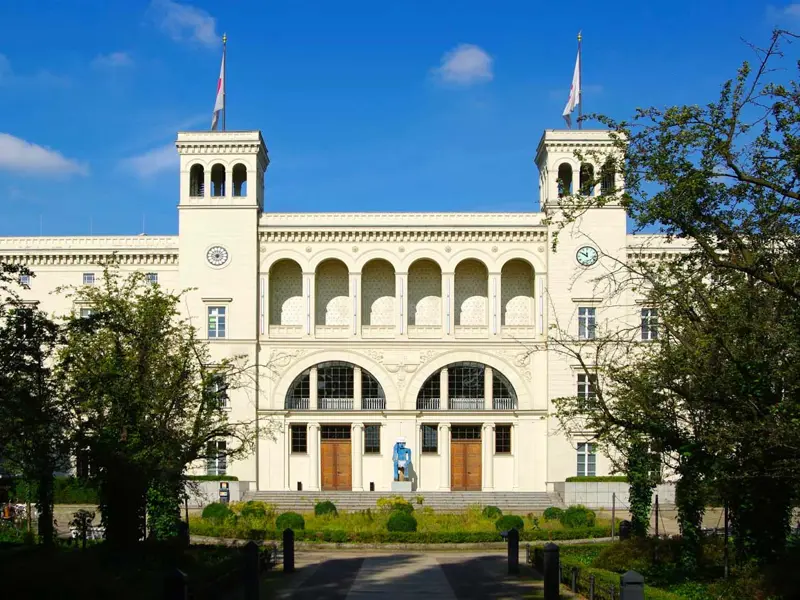
The Hamburger Bahnhof is one of Berlin's main contemporary art museums. Housed in a former railway station, it features works and installations from the second half of the twentieth century to today, with temporary exhibitions and a collection dedicated to the international art scene.
Future
Futurium is dedicated to the major themes of the future, from artificial intelligence to sustainability, from technology to urban transformations. Through interactive installations and thematic paths, it invites reflection on how society, cities, work, and daily life could change in the coming decades.


Partnership with GetYourGuide
EXPERIENCES AND TOURS IN BERLIN
Berlin by panoramic bus and cruise on the Spree
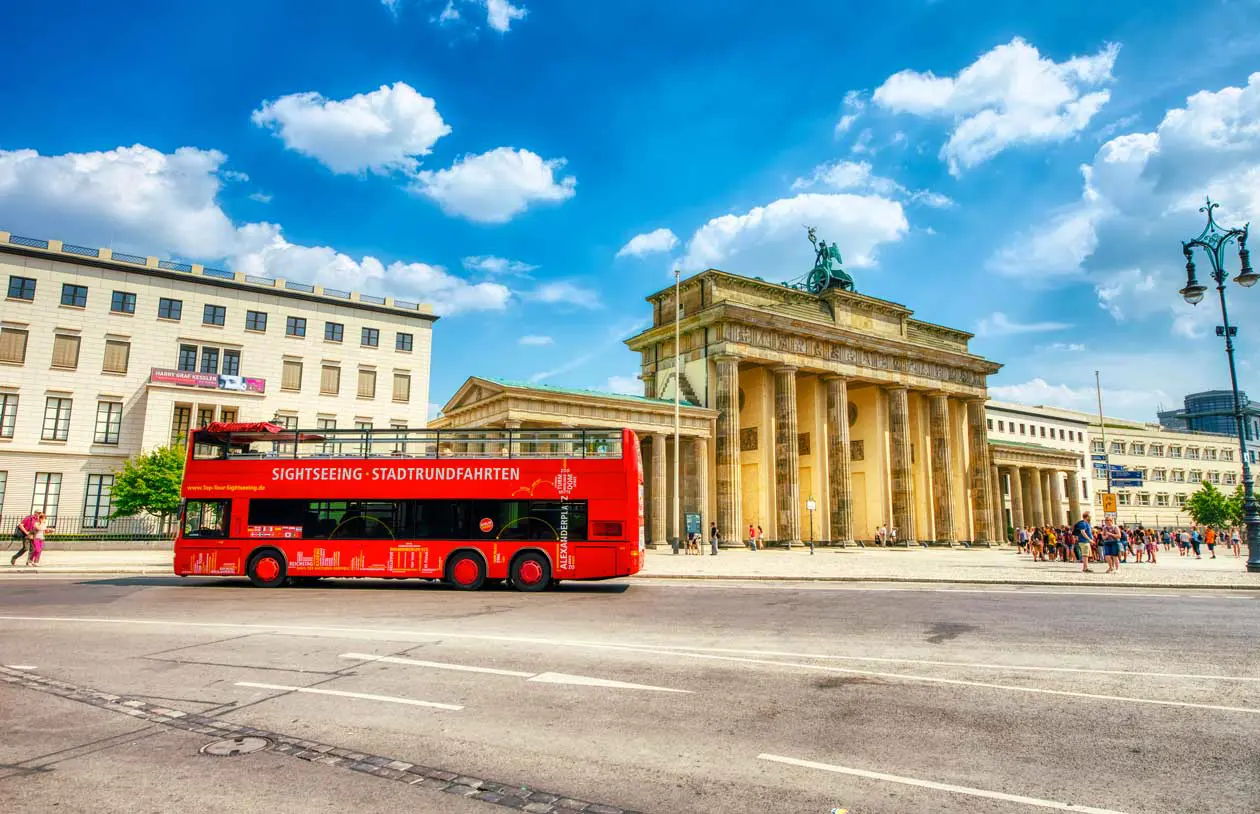
A convenient way to visit Berlin by tourist bus, reaching the main attractions and freely choosing where to get on and off along the way. Stops include Checkpoint Charlie, Brandenburg Gate, and Deutscher Dom, with multilingual audio guide and Wi-Fi on board. You can also combine the tour with a cruise on the Spree with the same ticket. Buses depart every 25-35 minutes and the Classic Tour and the East and West Berlin Tour are available, with passes valid for 1 or 2 days. Free cancellation up to 24 hours before with full refund. Bookings: City Sightseeing Berlin or Big Bus Tours.
Berlin from the Spree: panoramic city cruise
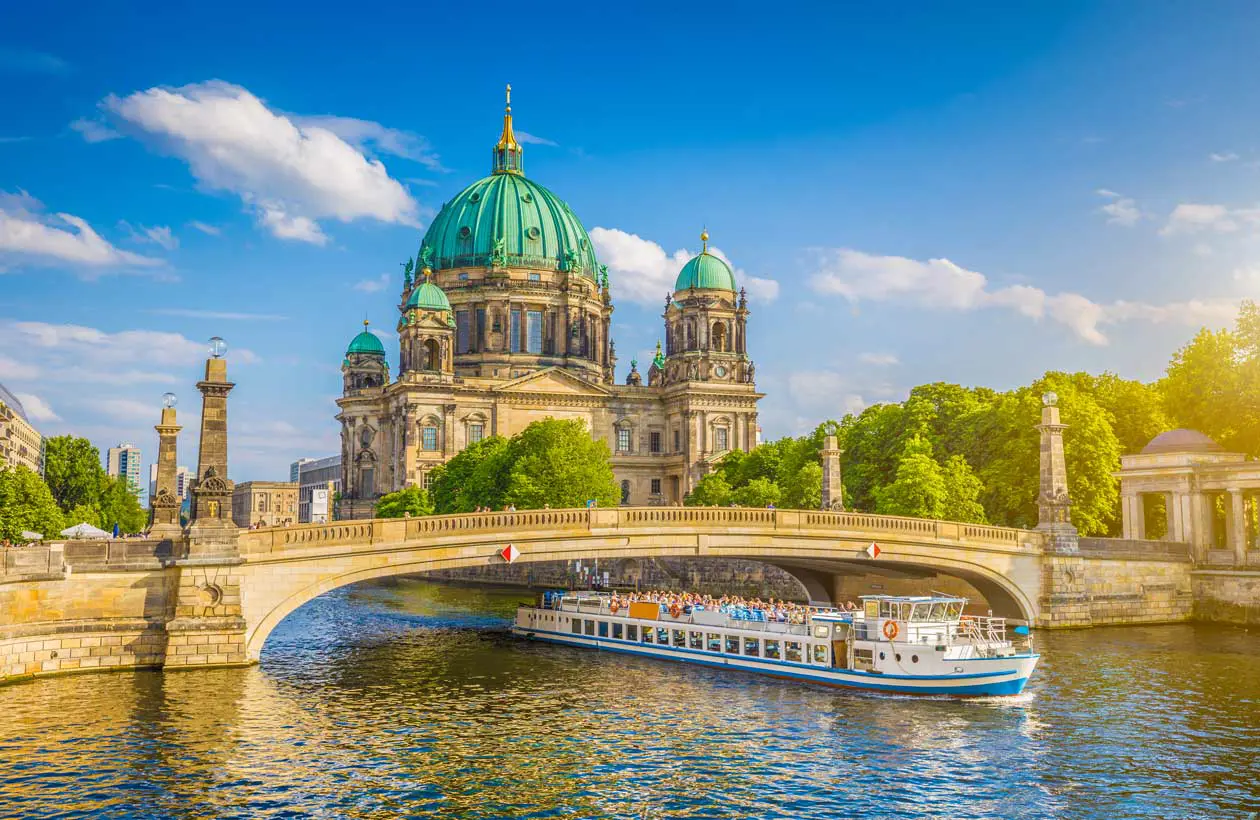
Discovering Berlin from the Spree allows you to observe the city from a different perspective, with cruises lasting about 1 hour or 1 and a half hours and various itineraries available. From the water, you can admire some of the main monuments and central districts, with free cancellation up to 24 hours before and a full refund. Bookings: Cruise departing from Friedrichstraße passing in front of Museum Island, Berlin Cathedral, Reichstag, and government district, or Sightseeing cruise from Berlin Central Station, mainly dedicated to the city's government and museum area.
Berlin Museums and Museum Island: tickets and admission
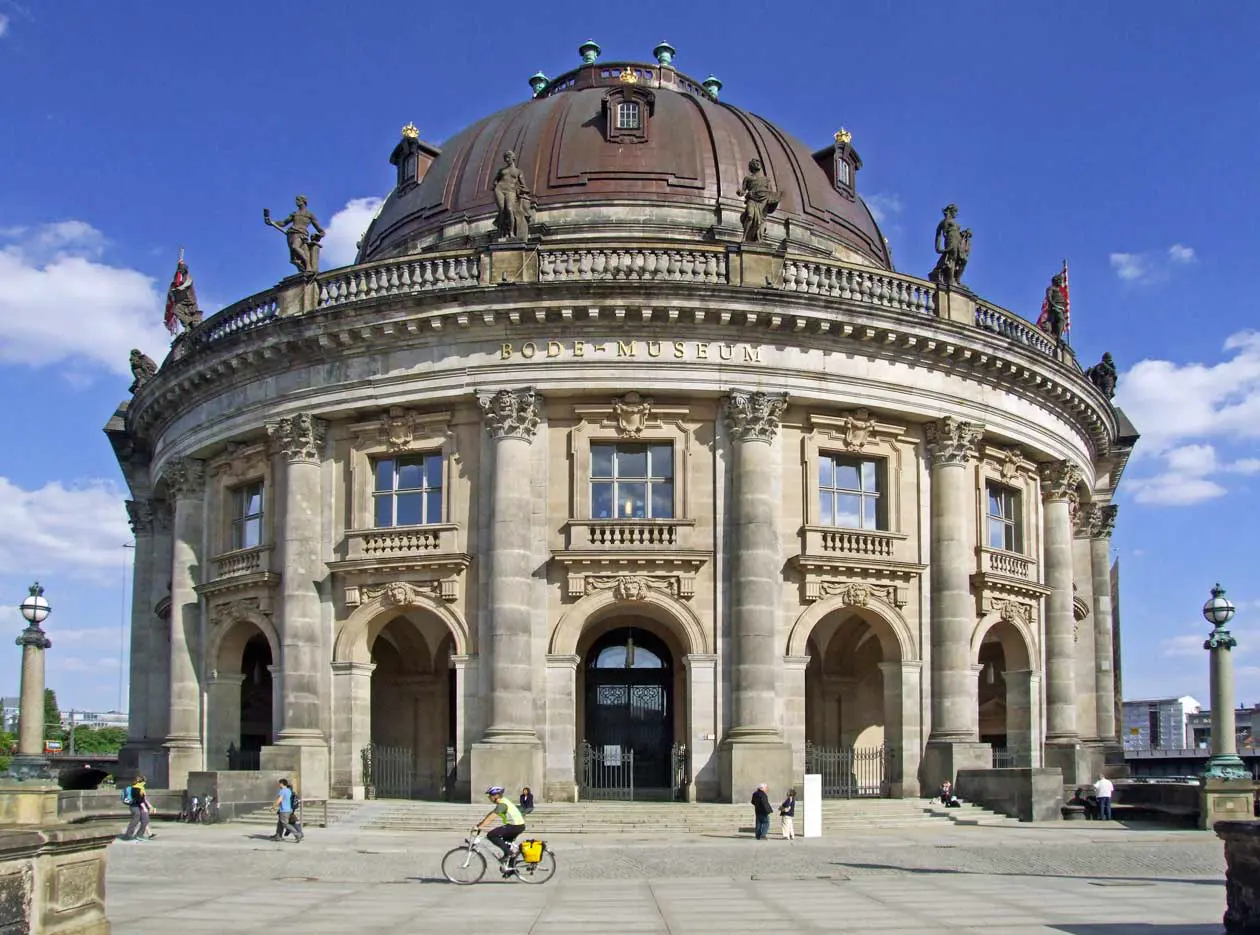
The Museumsinsel-Ticket is valid for one day and allows you to visit five important museum sites: Altes Museum, Neues Museum, Bode-Museum, Alte Nationalgalerie, and Pergamonmuseum. Das Panorama. The collections range from archaeology to 19th-century art: at the Neues Museum you can admire Egyptian and Nubian collections, including the famous bust of Nefertiti; the Bode-Museum is mainly dedicated to sculpture, Byzantine art, and numismatics; The Altes Museum collects works from ancient Greece and Rome. Non-refundable activity. Reservations: Ticket for Museum Island/Museumsinsel-Ticket.
Alternatively, single tickets can be purchased for other important museums in Berlin, such as the Berlinische Galerie - Museum of Modern Art, dedicated to modern and contemporary art; Neue Nationalgalerie with important works from the 20th century, or the Hamburger Bahnhof Museum , one of the city's main contemporary art museums.
Panoramic dinner at the Sphere in Berlin's TV Tower
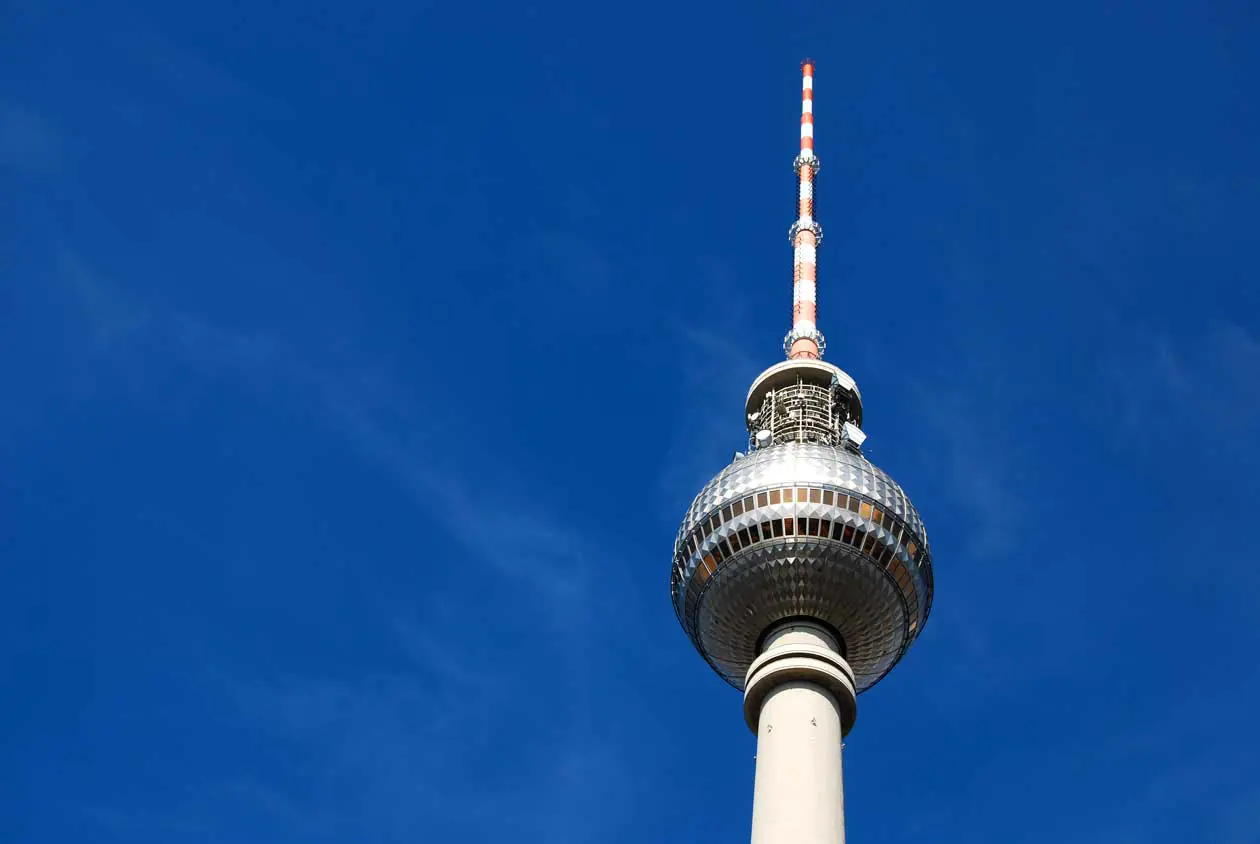
A gastronomic experience with panoramic views at the revolving Sphere Tim Raue restaurant in the Berlin TV Tower, the tallest in the European Union. The ticket includes priority entry, direct elevator access, and a reserved table with a 360° view of the city, from the Brandenburg Gate to the Reichstag and Berlin Cathedral. Food and drinks are not included, and the restaurant offers an à la carte menu. Non-refundable activity. Reservation: table at the Sphere restaurant in the TV Tower. Alternatively, you can visit only the tower by purchasing the Berlin TV Tower Ticket. The ticket is non-refundable.
Nightlife in Berlin: Icebar, pub, DJ bar, and club
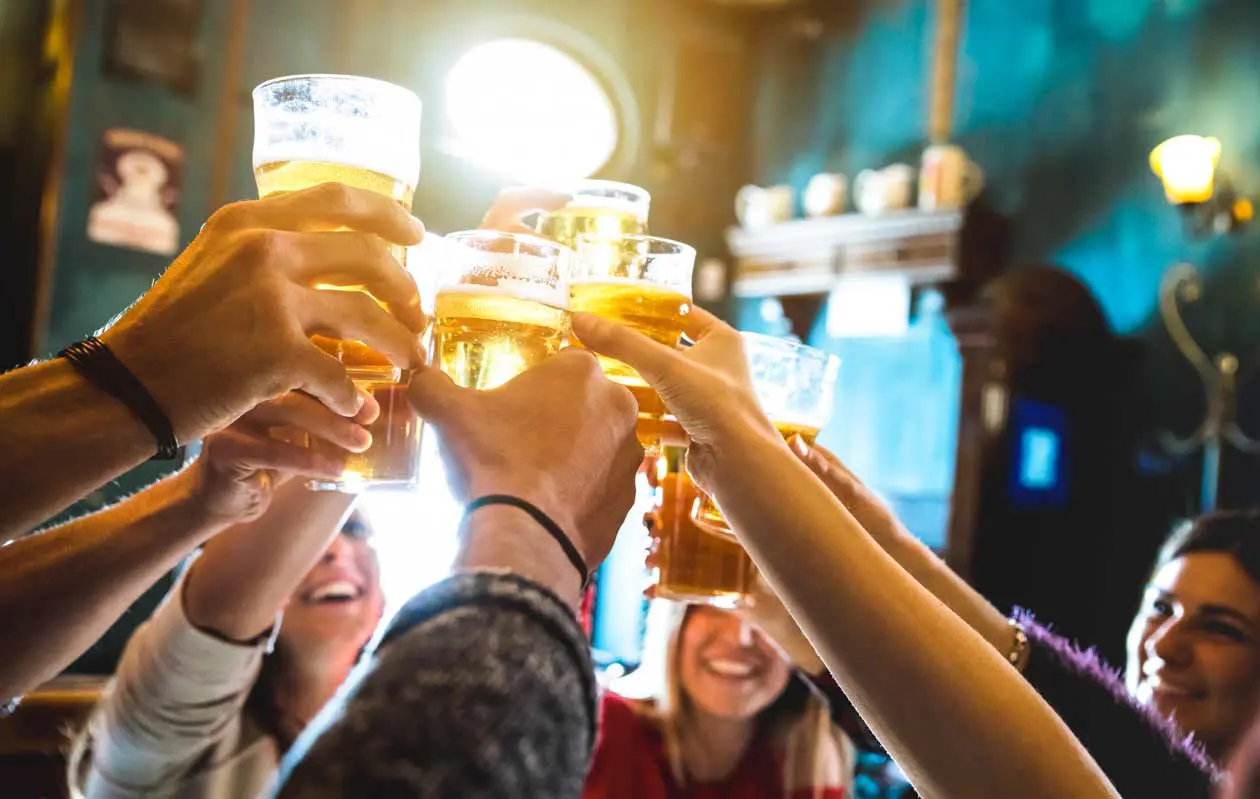
To experience Berlin at night, you can choose from various experiences dedicated to pubs, bars, and clubs, with options ranging from the most unusual venues to guided tours of the city's nightlife. Among the options is Icebar Admission with free drinks, a venue made with about 69,000 kilos of ice.
For those who prefer the club scene, there is skip-the-line entry to 3 Berlin clubs, welcome shots, a local nightlife guide, and access to three venues with different atmospheres and musical genres, from techno to hip hop, funk, and Latin music.
Alternatively, a guided tour of Berlin's bars and parties lets you discover the nightlife between Mitte and Friedrichshain, passing through DJ bars and VIP nightclub venues. Options include cancellation up to 24 hours before with full refund.
Discover other experiences in Berlin