A journey through Germany's regional beers
When you think of German beer, the first reference is often the Oktoberfest in Munich. In reality, Germany's brewing culture is much broader and more differentiated: the country has over 1,500 breweries and about 7,000 varieties of beer, with recipes, styles and traditions deeply linked to the individual Länder.
Discovering Germany through its beers therefore means crossing very different territories, from medieval monasteries to Hanseatic cities, from historic villages to ancient workers' quarters. Beer thus becomes the common thread of a true Genussreise, a journey of taste that combines culture, gastronomy and territory and allows you to get to know local identities more closely.
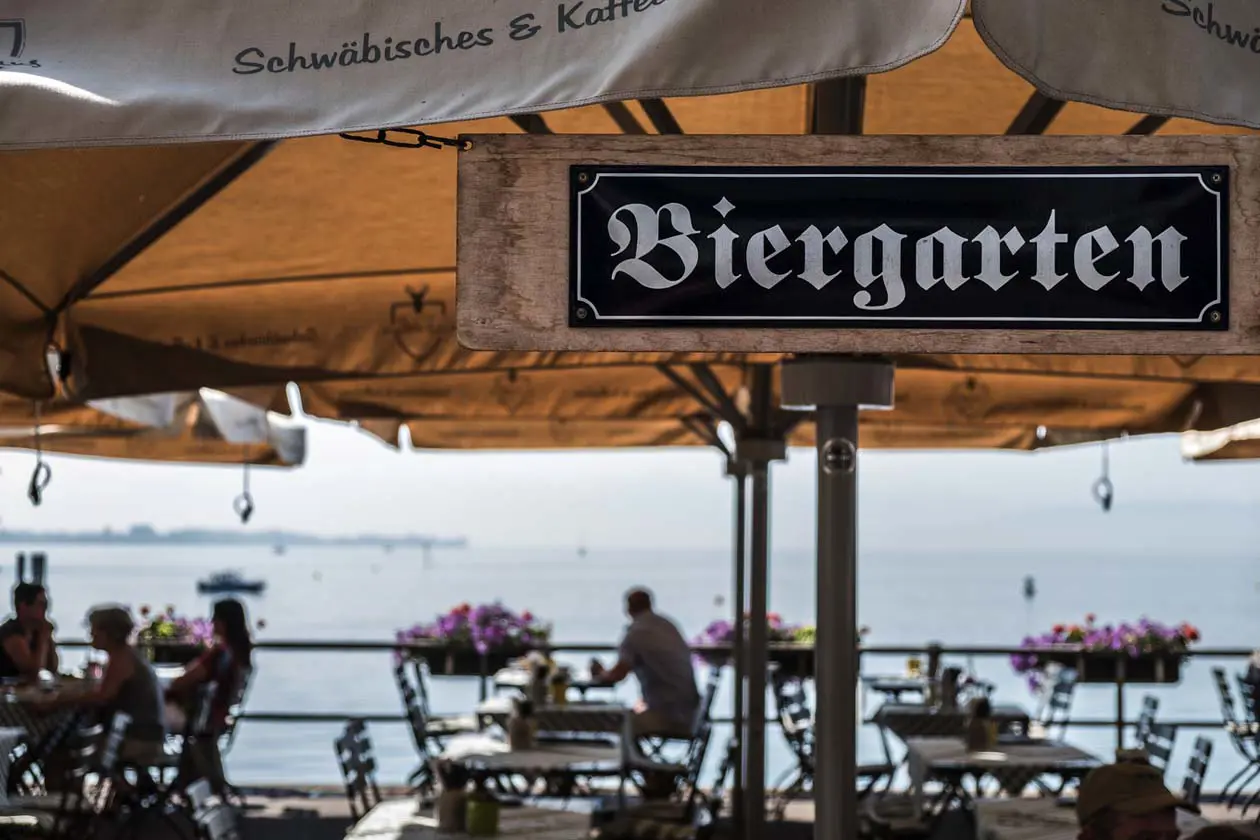
For those looking for authentic experiences, the beer itineraries offer the opportunity to combine cultural heritage, gastronomic specialties and meeting with communities. More than just a national drink, beer thus becomes a key to understanding German history and lifestyle.
Bavaria, beyond the Oktoberfest
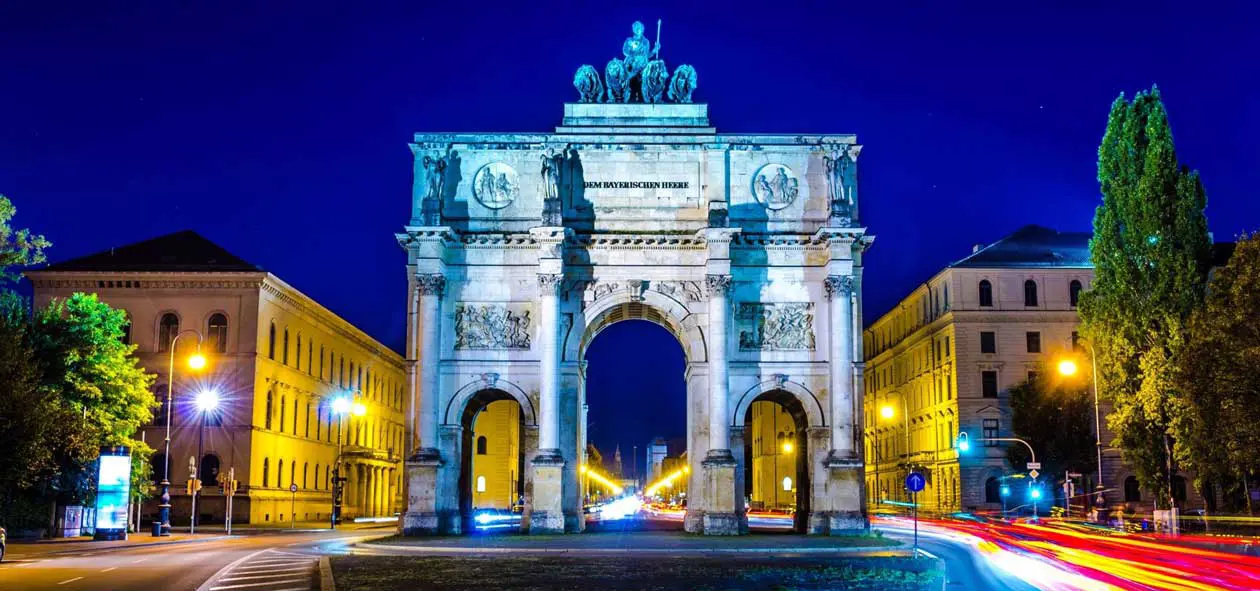
Bavaria is the symbolic heart of German beer culture, but its tradition goes far beyond Munich and the Oktoberfest. Over 620 breweries operate here, and the Hallertau region is one of the most important hop-growing areas in the world.
In Freising there is the Weihenstephan monastery, linked to a brewing tradition documented from 1040 and considered the oldest brewery still active in the world.
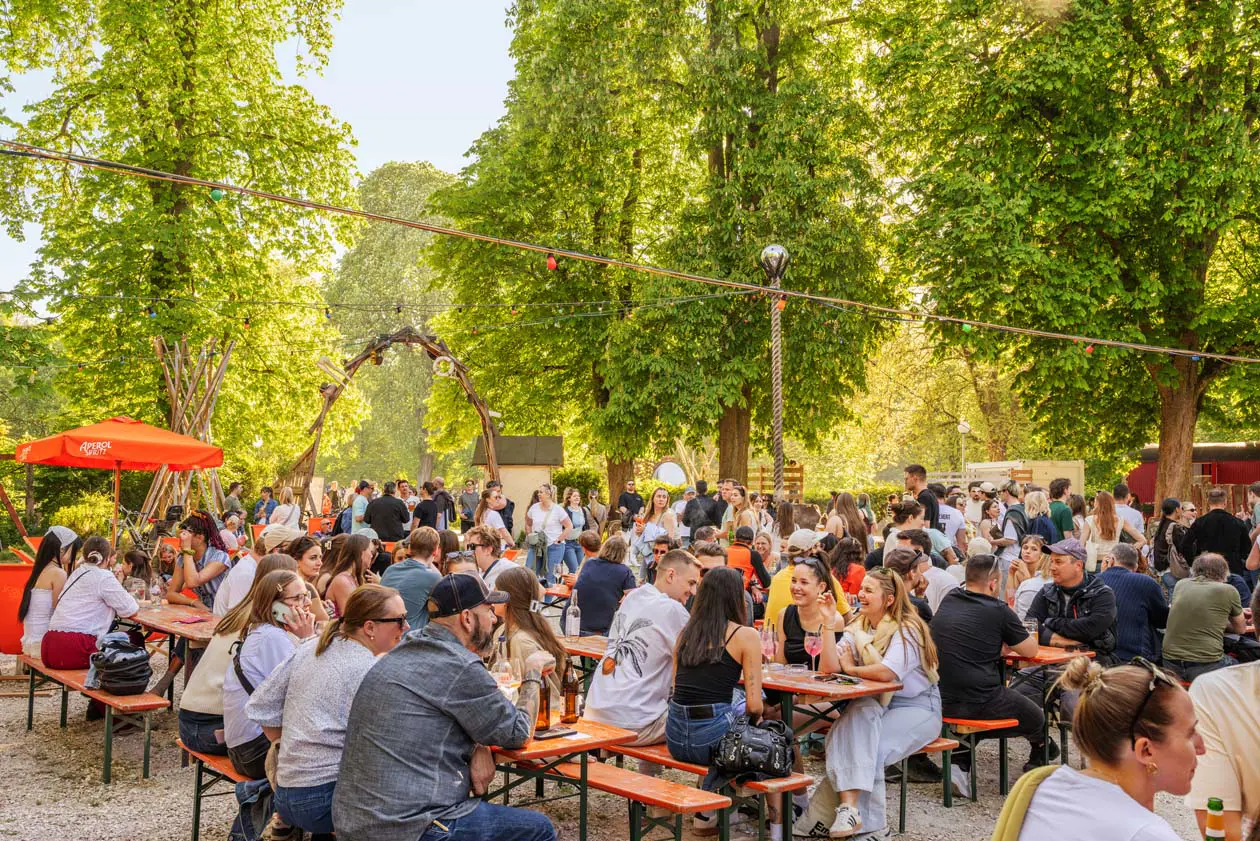
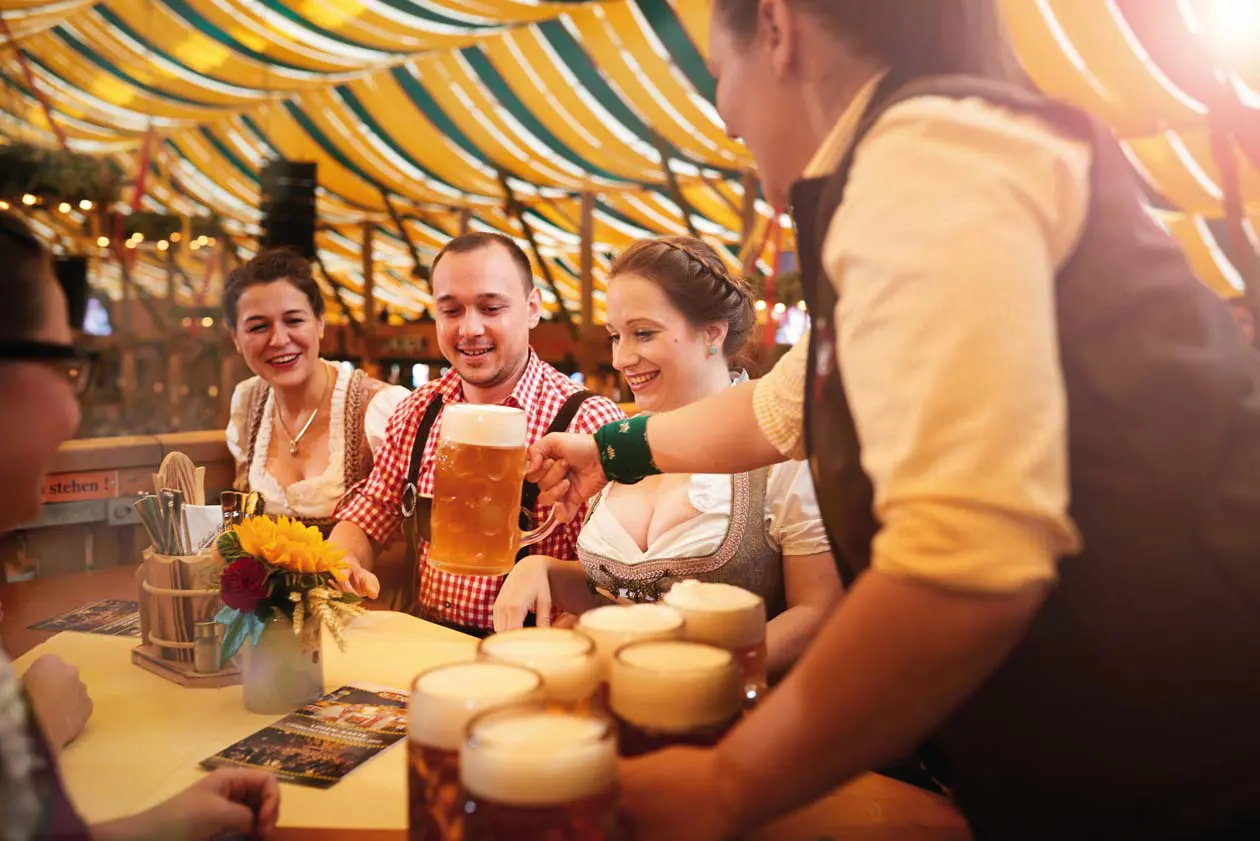
Further south, between Munich and the Alps, traditional beer gardens tell the story of a way of life in which beer continues to be an integral part of everyday sociality.
Among the most interesting stops there is also the Abbey of Weltenburg, in Lower Bavaria, overlooking the spectacular Danube gorges. The monastery is home to one of the oldest monastic breweries in existence, active since 1050, and is a particularly suitable destination for those who want to combine landscape, history and brewing tradition.

Franconia, the highest density of breweries in Europe
Franconia, in the northern part of Bavaria, is one of the most interesting territories for those who want to learn more about German beer culture. Here you will find the highest density of breweries in Europe and beer represents a very strong identity element, comparable to the role that wine plays in other German regions. Cities such as Bamberg, Bayreuth, Kulmbach and Forchheim preserve a wide variety of traditional styles.
Bamberg is particularly known for Rauchbier, the smoked beer made from malts dried over a wood fire. Kellerbier and Zwickelbier, unfiltered beers with a more rustic character, are also widespread throughout the region, often served directly in the cellars of breweries.
A trip to Franconia also allows you to encounter small family-run breweries, historic inns and hiking routes that connect villages where the brewing tradition has remained almost unchanged for centuries.
Cologne and the Kölsch
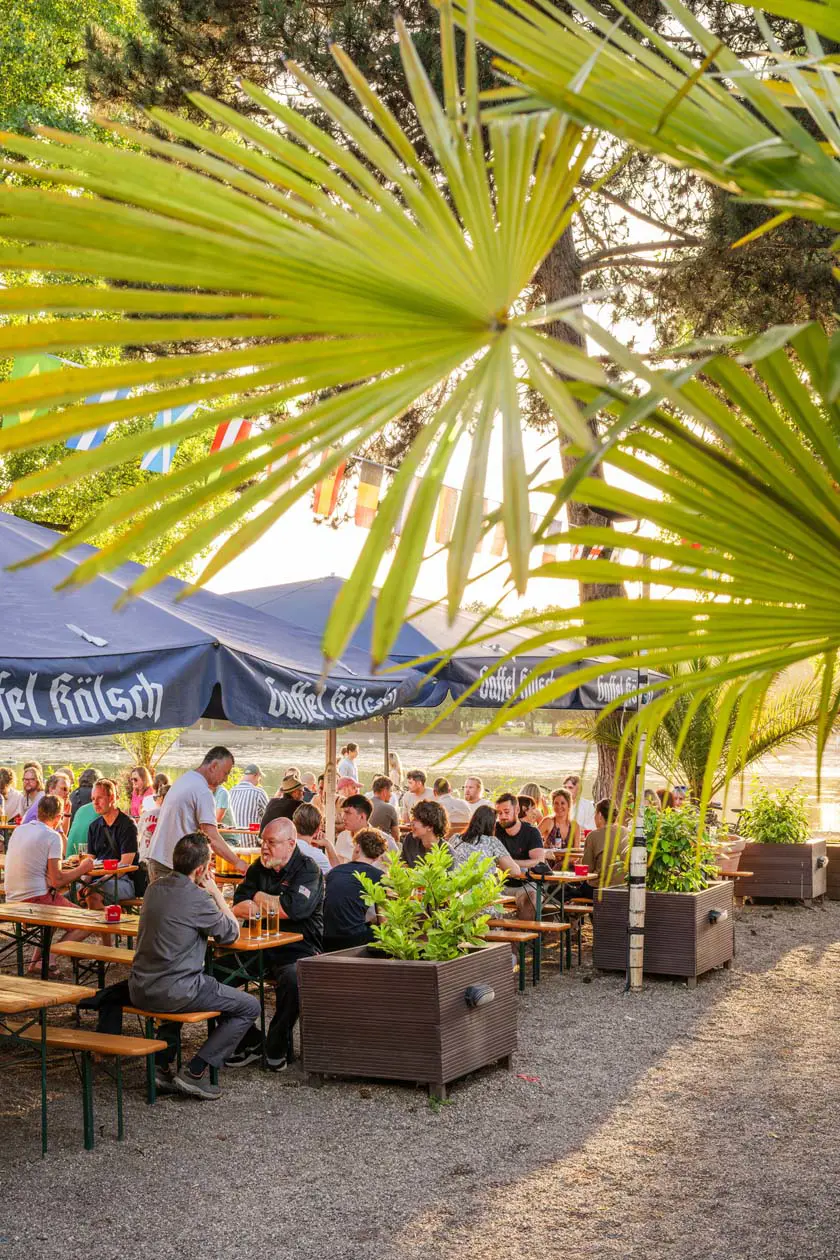
Moving to North Rhine-Westphalia, Cologne proudly defends one of the country's most recognizable beers: Kölsch. Clear, fresh and delicate, it is a top-fermented beer that can only be produced in the metropolitan area of the city, according to the rules established by the Kölsch Convention. In the traditional breweries of the old town, it is still served in the characteristic 20-centiliter cylindrical glasses, maintaining a ritual deeply linked to the daily life of the city.
Düsseldorf and the Altbier
Less than fifty kilometers from Cologne, Düsseldorf offers a completely different tradition. Here the symbolic beer is Altbier, a historic amber top-fermented beer and one of the most important expressions of West German brewing culture.
Some of the city's best-known breweries continue to operate in the historic Altstadt district, including Uerige, Füchschen, Schumacher and Zum Schlüssel, where production continues according to methods handed down from the nineteenth century. The entire old town is considered one of the symbolic places of German beer culture.
Saxony and the Schwarzbier
In East Germany, and in particular in Saxony, you will encounter some of the most characteristic interpretations of Schwarzbier. This dark, almost black-colored beer is described as balanced and easy to drink and is one of the most recognizable regional specialties. Here, brewing culture is also intertwined with the industrial and mining history of the former East Germany, offering Travellers a lesser-known face of the country.
Berlin and the Berliner Weisse
Berlin also retains its own historical style: the Berliner Weisse. Light, acidic and refreshing, it was already appreciated in the eighteenth century and today it is experiencing a new phase of popularity thanks to the rediscovery of historical brewing traditions. Alongside traditional recipes, Berlin has also become one of the main centers of German craft beer, creating a dialogue between innovation and brewing memory.
Hamburg, Bremen and northern Germany
In the north of the country, between Hamburg, Bremen and Lower Saxony, lagers and Pils, drier and hoppy beers, predominate. These styles reflect the commercial history of Hanseatic cities and relations with northern European countries. In this part of Germany, beer has accompanied the life of ports and sea routes for centuries, giving rise to a brewing culture different from that of the southern hinterland.
A journey into German beer culture
Following regional beers means crossing Germany from south to north , discovering very different territories, cities and traditions. From Bavaria to Franconia, from Kölsch in Cologne to Altbier in Düsseldorf, from Schwarzbier in Saxony to Berliner Weisse, up to the Pils and Lager in the north, each style tells a piece of local history. It is precisely this variety that makes beer an excellent common thread for exploring the country with a slower and more conscious approach, between cultural heritage, gastronomy and territorial identities.