It's possible that some of this content has been automatically translated.
30 October 2026
Between Potsdam and Berlin, art and history in Prussian castles
Italian Baroque masterpieces, court culture and major restorations accompany the new tale of Sanssouci and Charlottenburg
Between Potsdam and Berlin, Prussian castles and gardens are preparing for a new cultural season made up of restorations, exhibitions and reopenings. Thanks to the Foundation of Prussian Castles and Gardens of Berlin-Brandenburg - which protects and enhances a heritage spread between Berlin, Potsdam and Brandenburg - castles and gardens offer an exciting journey through Prussian history.
Among the protagonists are the Italian Baroque masterpieces that have returned to the New Sanssouci Palace in Potsdam, an exhibition dedicated to the art of court desserts at Charlottenburg Palace in Berlin and the restoration project of the Roman Baths in Sanssouci Park.
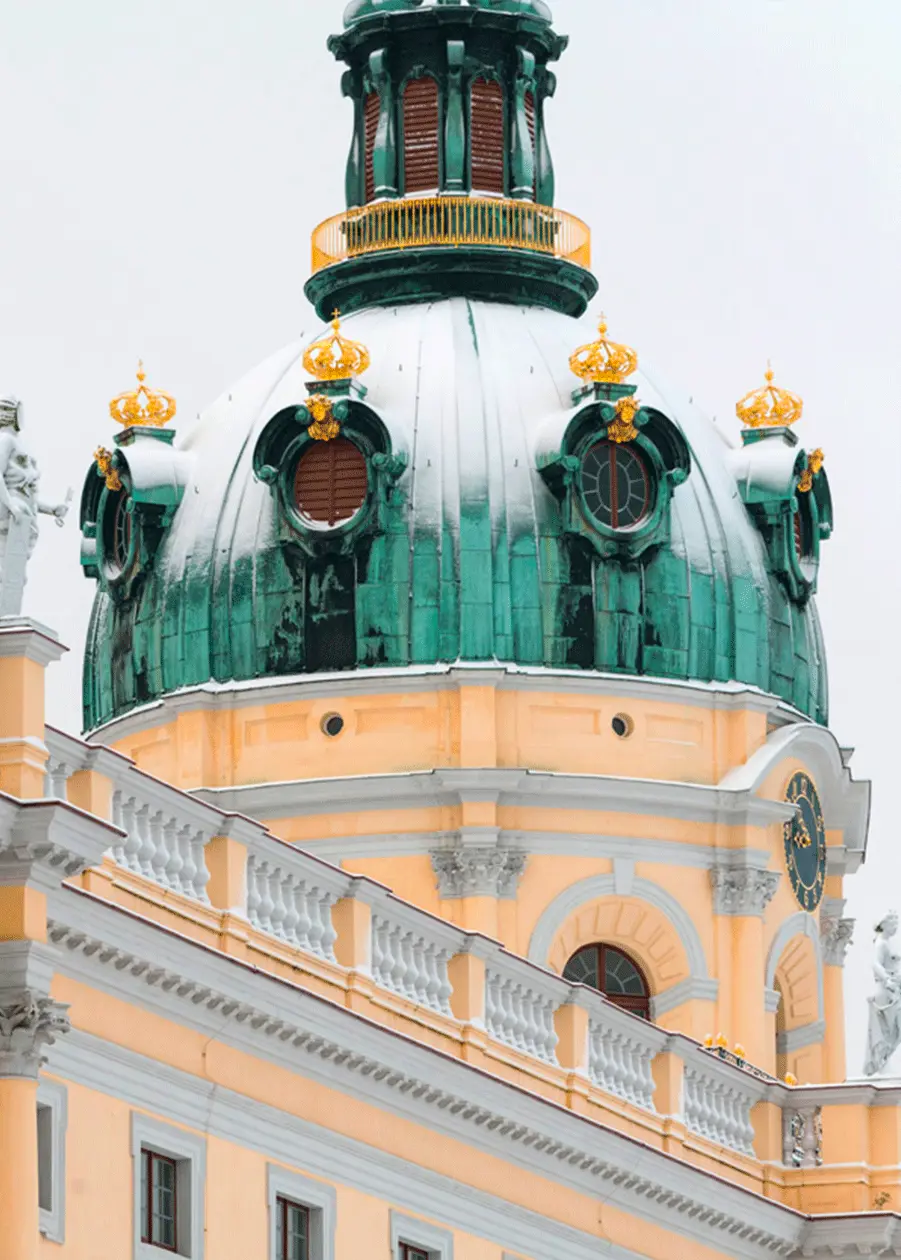
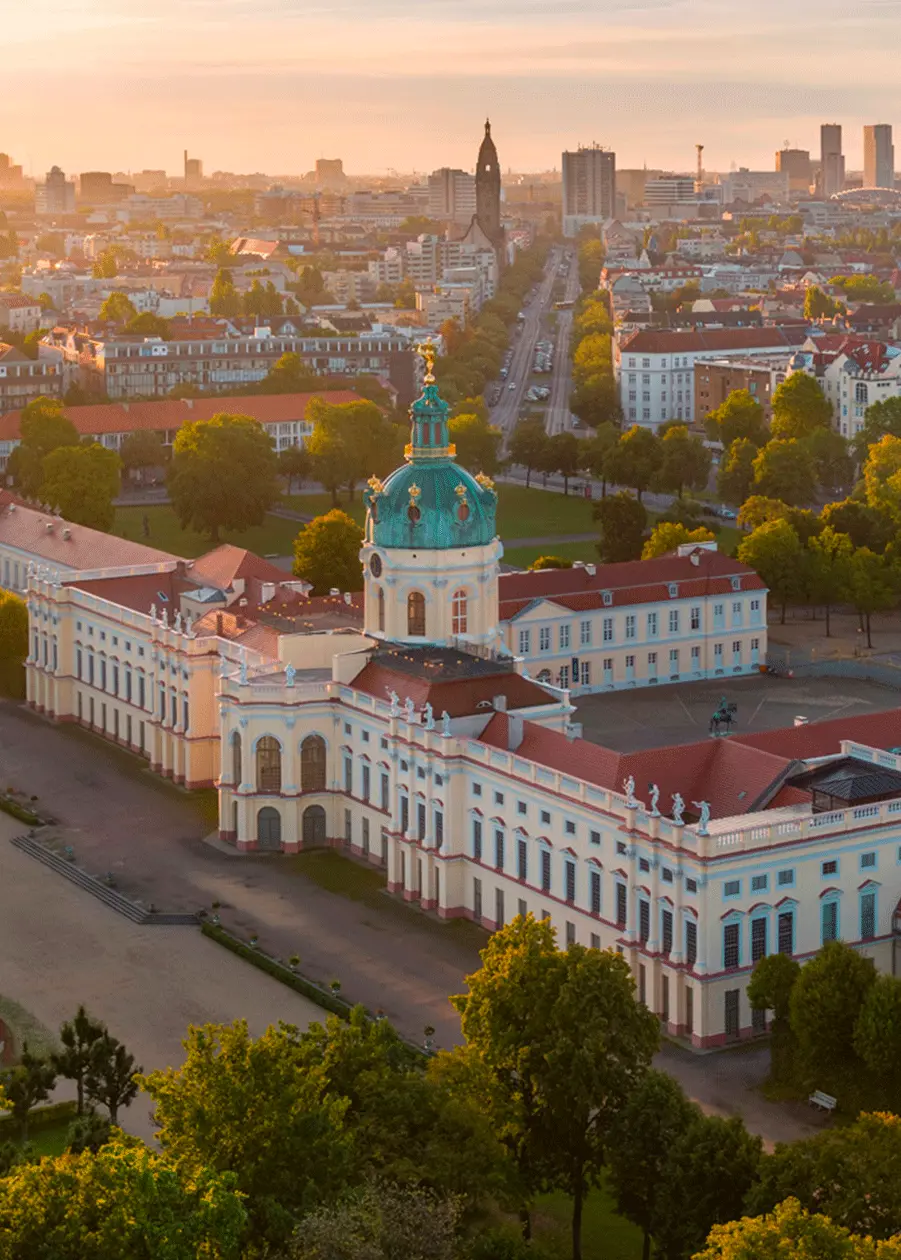
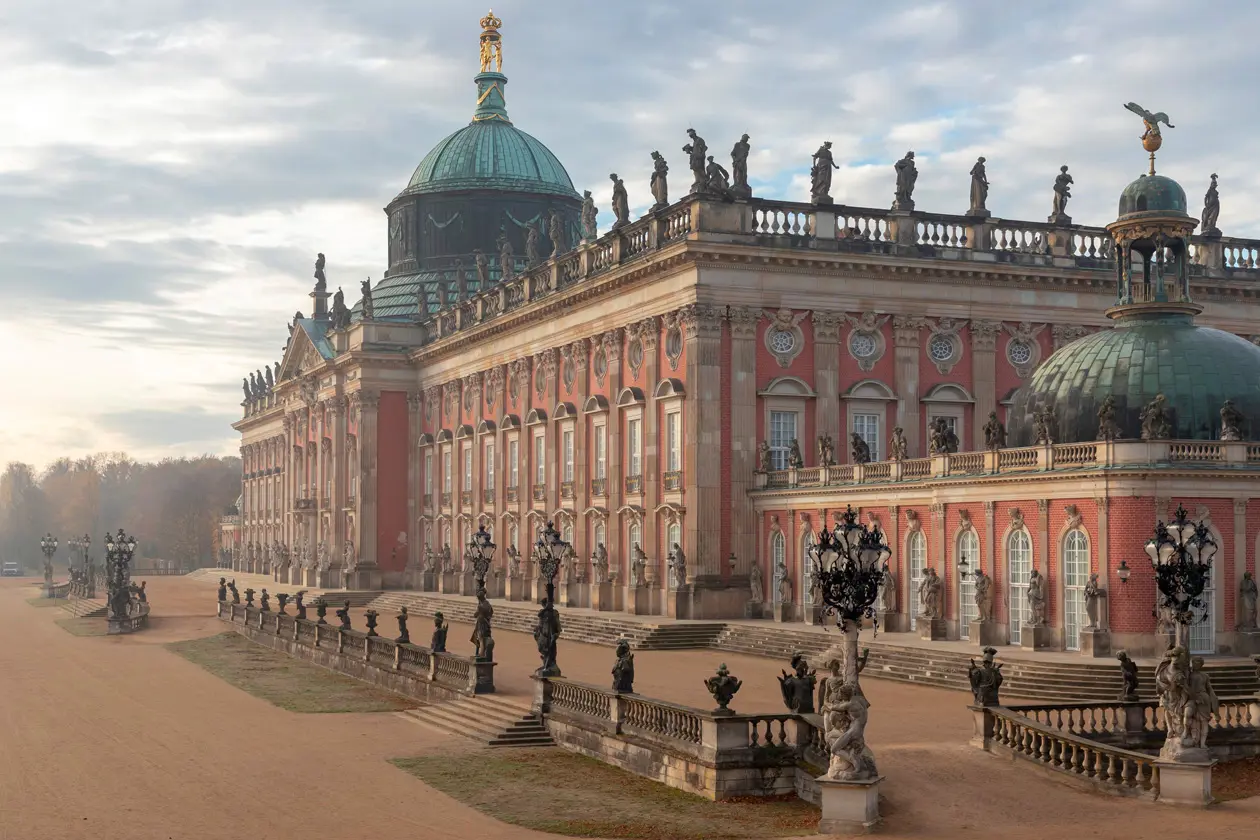
In addition to the Charlottenburg Palace in Berlin, one of the most evocative destinations,just 34 kilometers from the center, there is Potsdam, a city linked to Prussian history and famous for the Sanssouci Palace, the New Palace(Neues Palais) and the Barberini Palace which recalls the Barberini Palace in Rome.
The Italian masterpieces of the New Sanssouci Palace in Potsdam
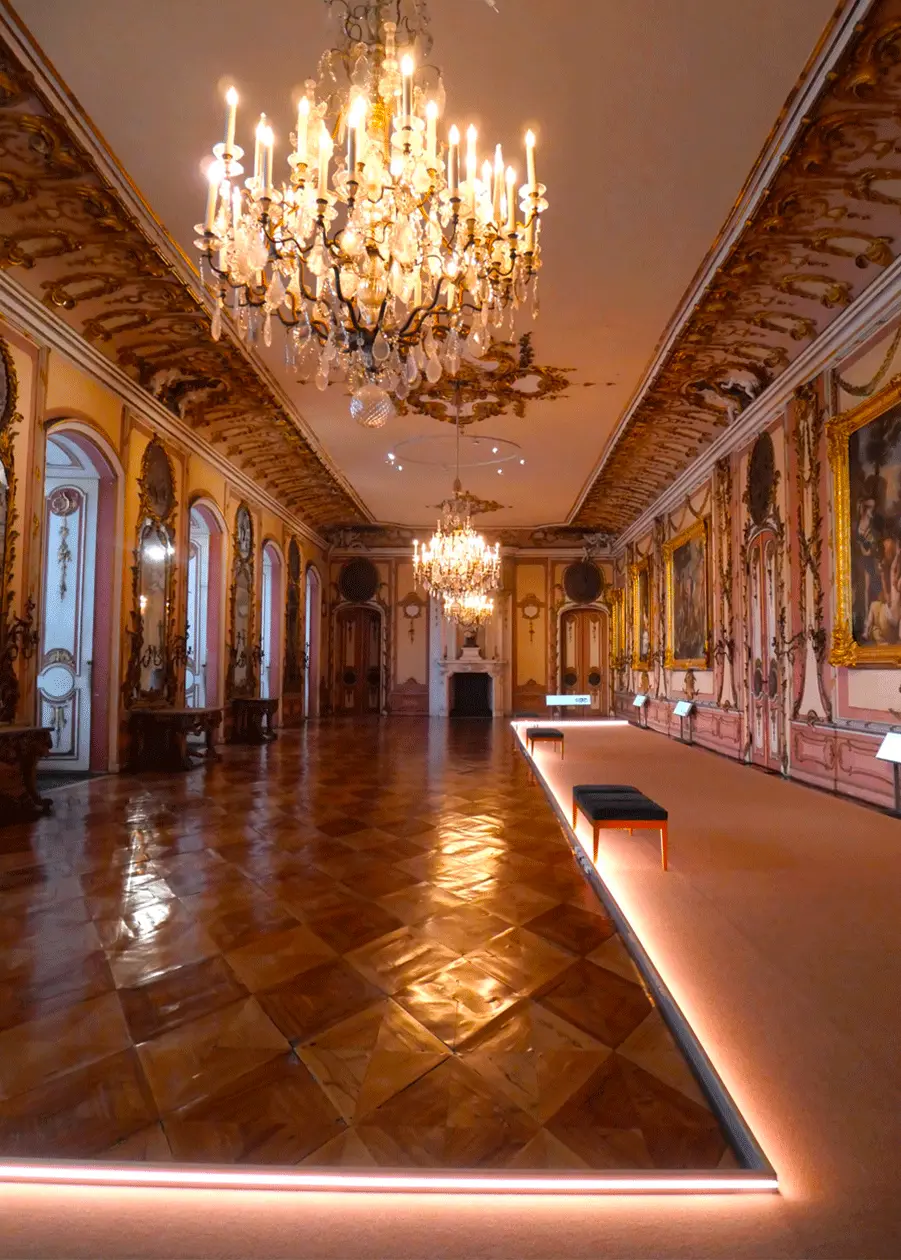
In the Upper Gallery of theNeues Palais in Potsdam, at the western end of Sanssouci Park, precious Italian Baroque paintings belonging to the Prussian Castles and Gardens Foundation of Berlin-Brandenburg are exhibited.
The works were part of the original furnishings of the room and were purchased by Frederick the Great and included in the boiserie in 1768. For this reason, over the course of more than two centuries they have been removed only in exceptional cases. The gallery remained closed for thirty years, while the restoration of the paintings and frames took more than six years.
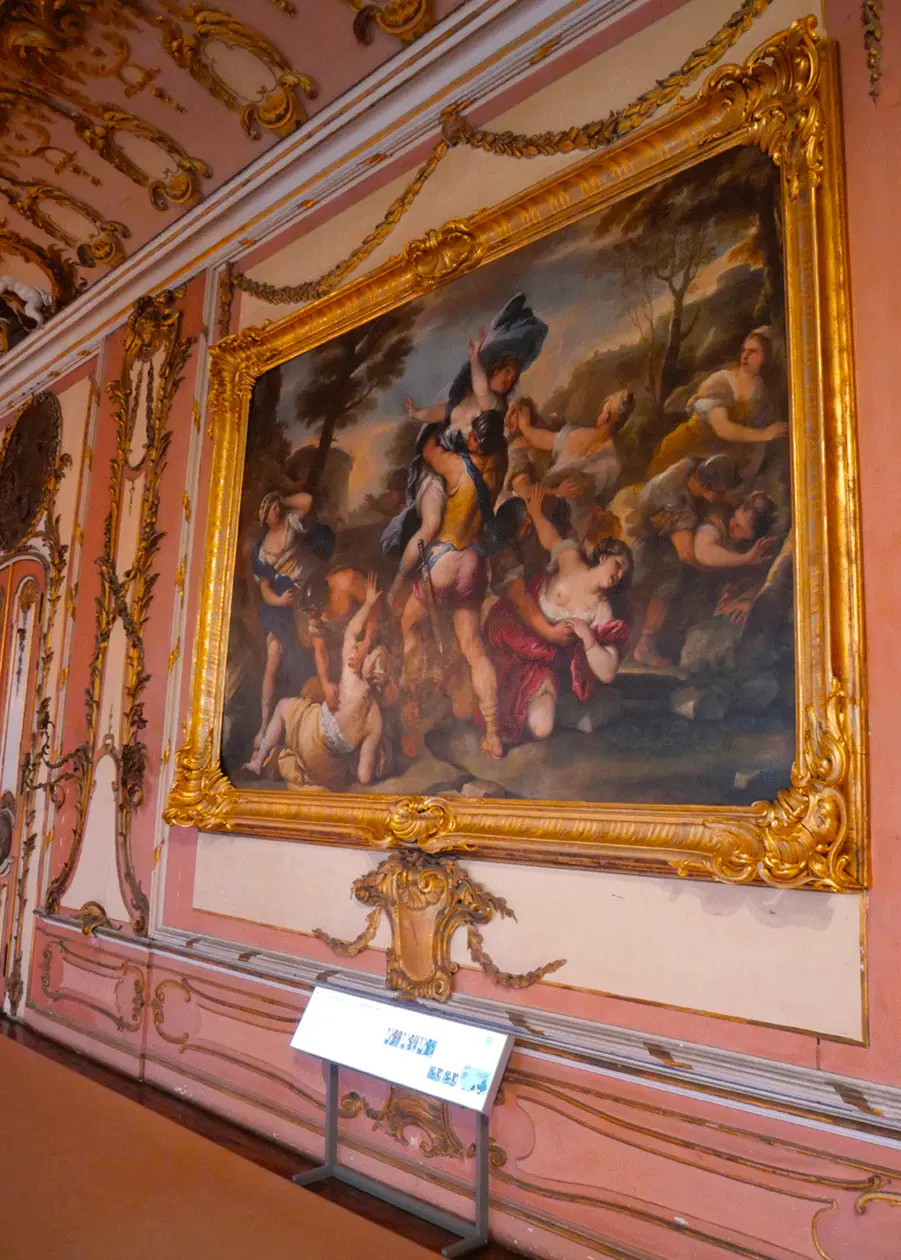
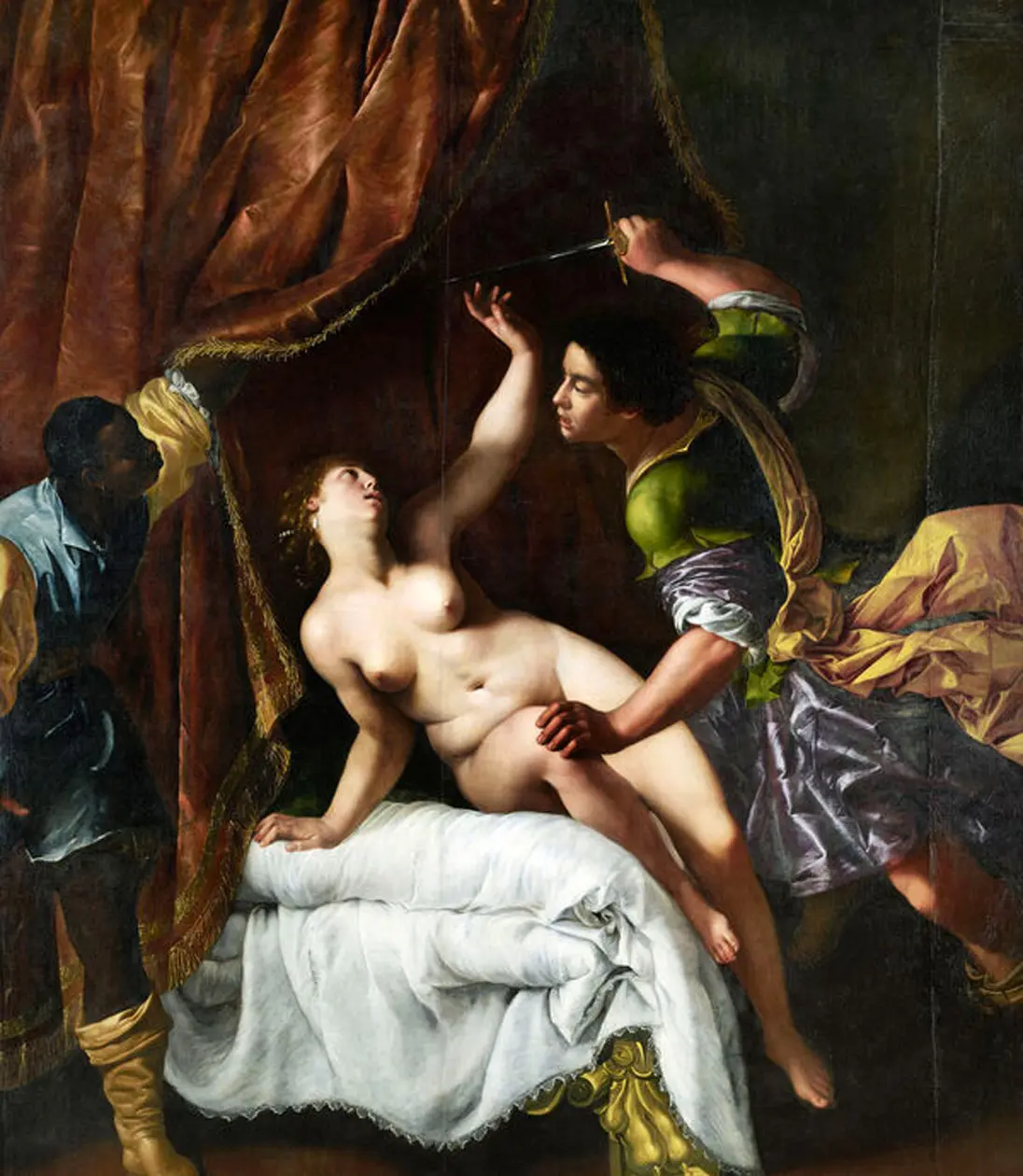
Among the works are "Diogenes" and "The Suicide of Lucretia" by Guido Reni, "Bathsheba at the Bath" and "Lucretia and Tarquinio" by Artemisia Gentileschi, as well as "The Judgment of Paris" and "The Rape of the Sabine Women" by Luca Giordano. It was not until the early twentieth century that it was discovered that two of the paintings purchased by the Prussian ruler had been made by Artemisia Gentileschi.
The refinement of the Italian Baroque that had so fascinated the Prussian court offers a journey into the art, history and light of seventeenth-century Italy right in the heart of Potsdam.
The Roman Baths in Sanssouci Park in Potsdam
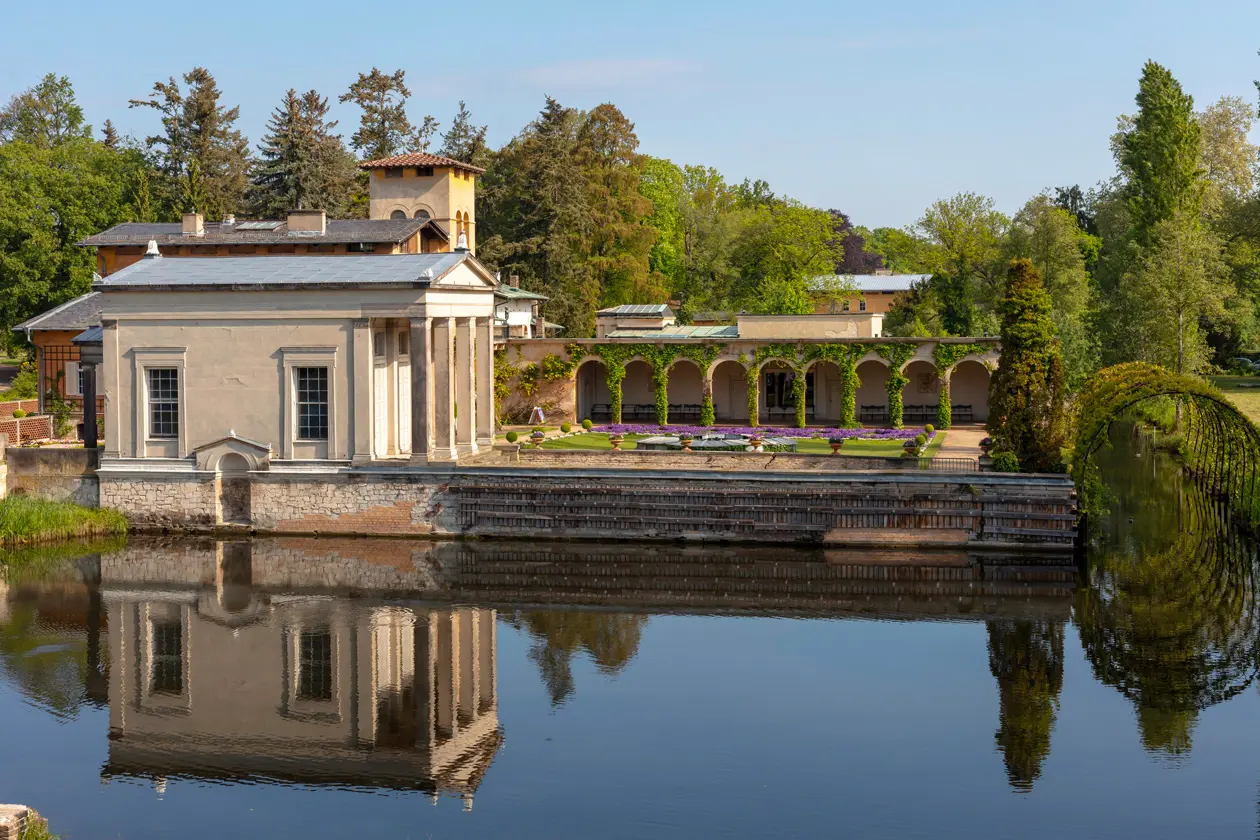
In Sanssouci Park, the complete restoration of the Roman Baths, part of the Charlottenhof Castle complex and a place deeply linked to the imagery of the Italian landscape, is also planned. The Prussian Crown Prince Frederick William IV, inspired by his trip to Italy in 1828, had his summer residence built between 1829 and 1849 on the basis of his plans and drawings by Karl Friedrich Schinkel and Ludwig Persius. Vine-covered pergolas, terraces, Italian-style architecture and the landscaped park created by Peter Joseph Lenné still define the character of the complex today.
Considered one of Schinkel's great classicist masterpieces, the Roman Baths also influenced architects of classical modernism such as Le Corbusier and Mies van der Rohe. The complex will be completely restored as part of a state investment program. The work is expected to be completed by the end of 2028, when the museum site dedicated to the memory of Italy will be able to reopen to visitors.
The Charlottenburg Palace in Berlin
Charlottenburg Palace is one of the most interesting visits in Berlin for those who want to discover the history of the Prussian court up close. The route passes through royal apartments, state rooms and richly decorated rooms, allowing you to see how the Hohenzollerns lived and received.
Among the most evocative spaces of the Old Palace you can admire the Porcelain Cabinet, the chapel and the bedroom of Frederick I, along with art collections and historical furnishings. The visit can be completed with a walk in the gardens of the complex, making Charlottenburg a suitable stop for those who want to alternate history, architecture and green spaces during their stay in Berlin.
As per tradition, at Charlottenburg Palace you can also visit the traditional Berlin Christmas market, with handicrafts, gift ideas and festive atmospheres. In addition, from 25 September 2027 to 9 January 2028, the New Wing ofCharlottenburg Palace will host "Verzuckert", a temporary exhibition dedicated to the art of court desserts between the eighteenth and nineteenth centuries to discover the sweets that accompanied the sumptuous royal banquets.
By the Editorial staff of Avion Tourism Magazine
Text source and photo: Press Office of the Prussian Castles and Gardens Foundation of Berlin-Brandenburg / German National Tourist Board