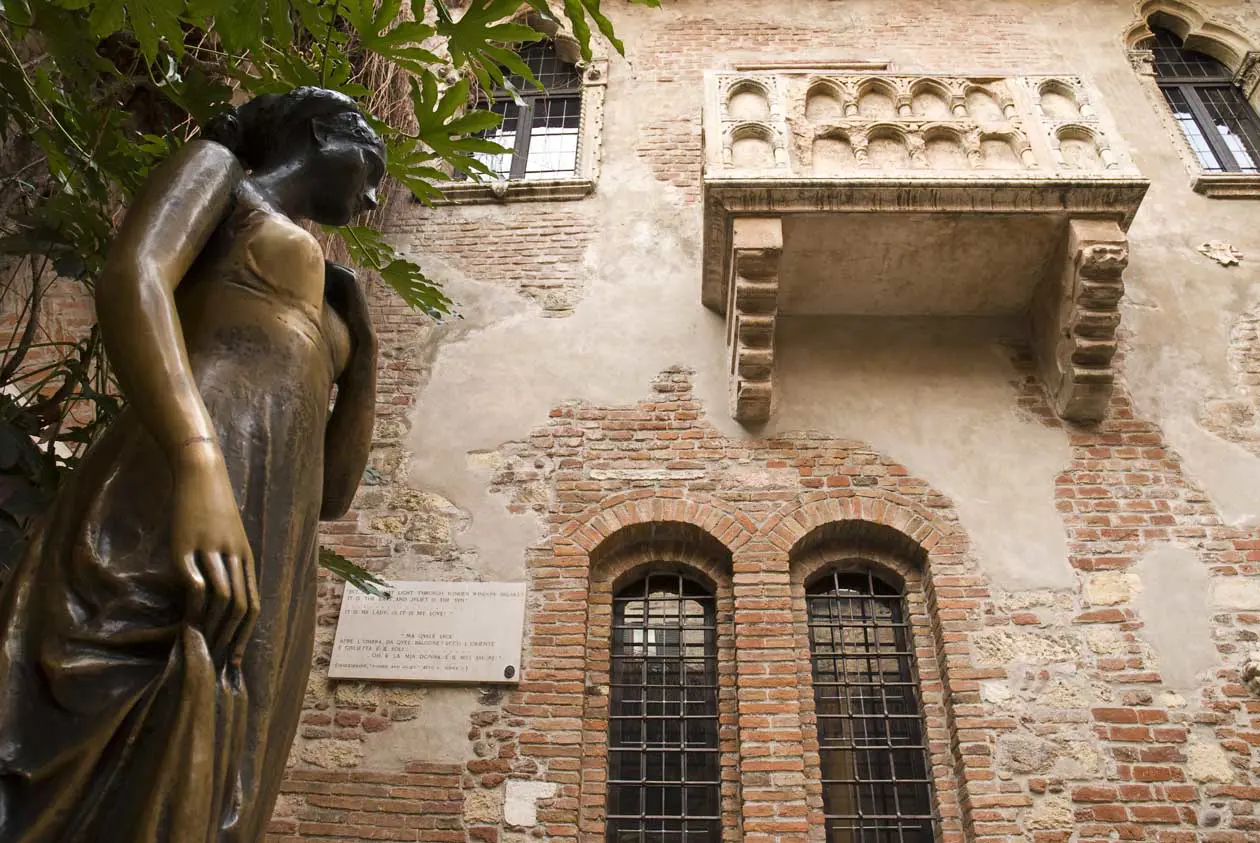

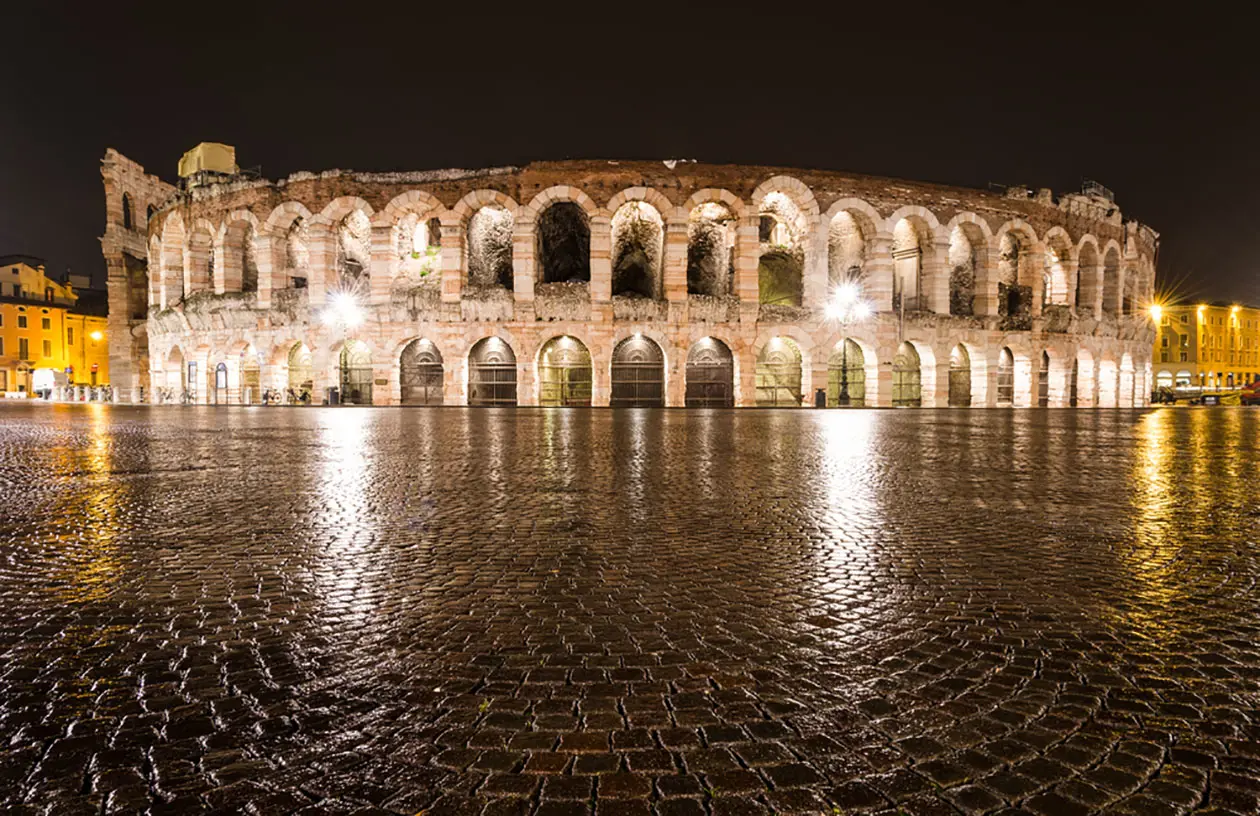
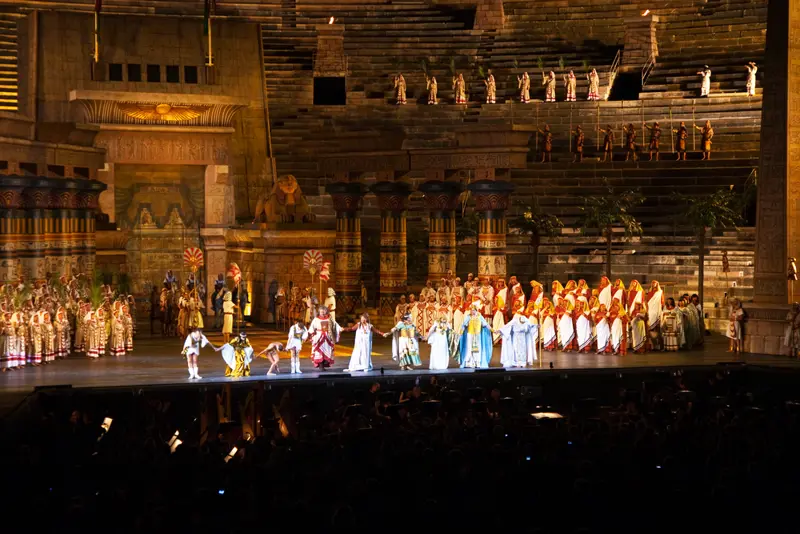
the Arena, a spectacular open-air theater, where each year one of the most famous opera seasons in the world takes place;
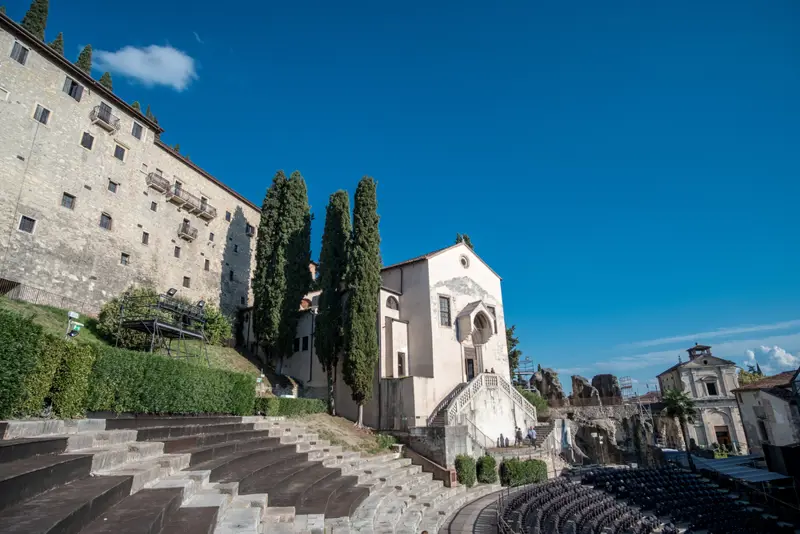
the Roman Theatre, which plays host to the Estate Teatrale Veronese (Verona Theatre Festival Season) and the Shakespeare Festival;
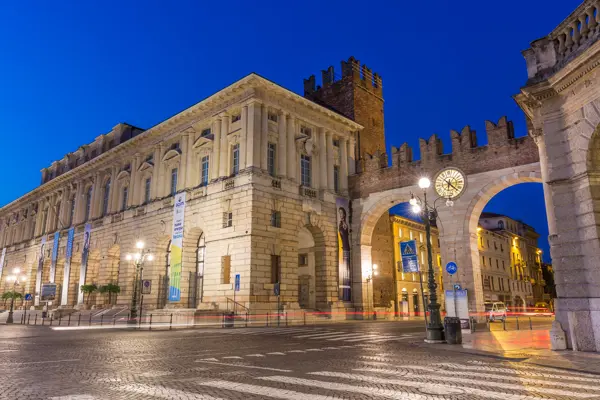
the imposing, monumental Arco dei Gavi (Gavi Arch), built in the 1st century A.D., at the end of the reign of Augustus, by the Gavia family, one of the most prominent families of the time in terms of wealth and prestige;
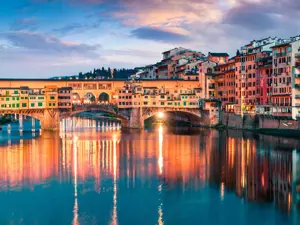
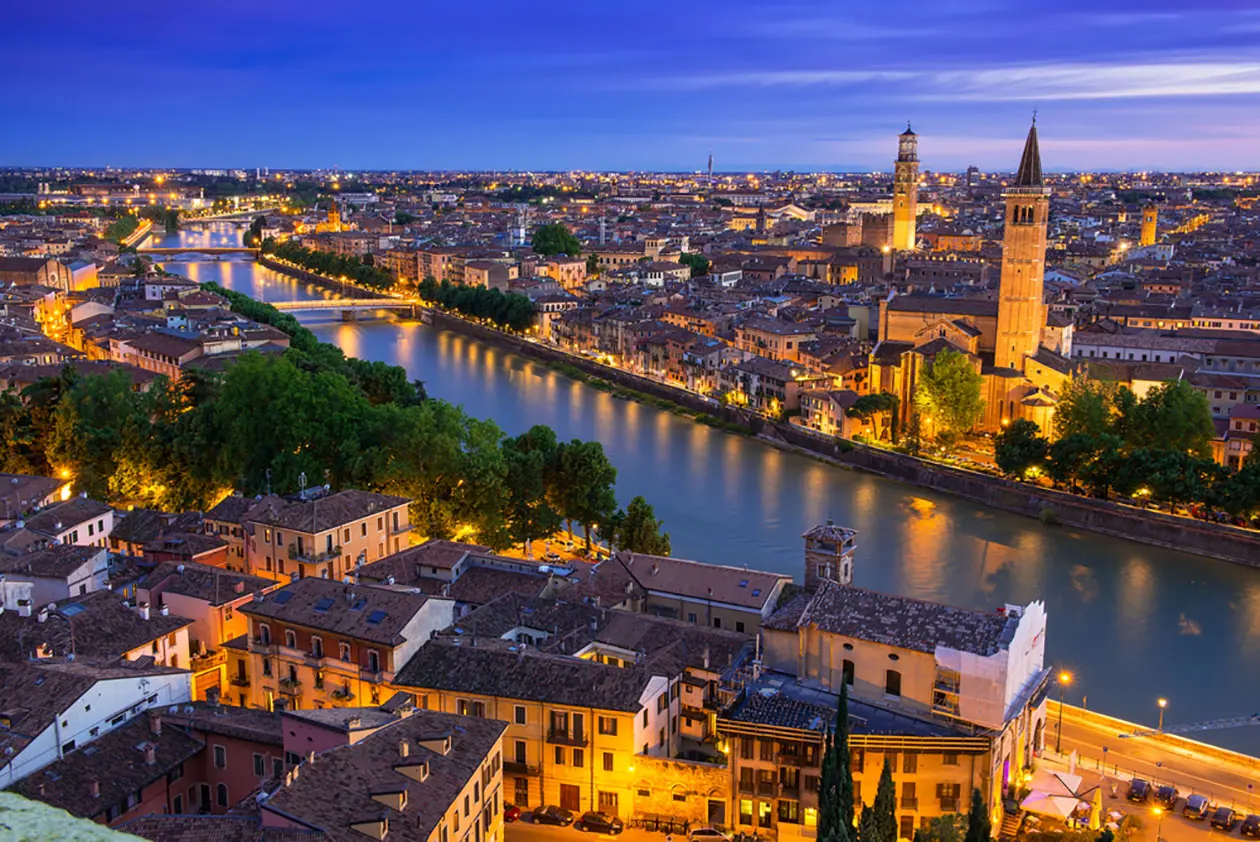
Ponte Pietra (Stone Bridge), the city’s oldest crossing over the River Adige.
the medieval Domus Mercatorum, once the home of the city’s guilds of merchants,
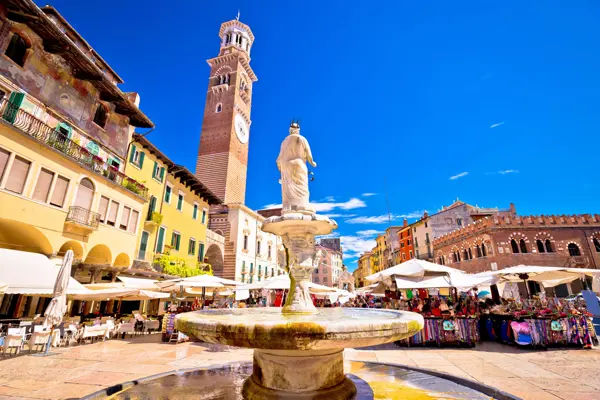
the thirteenth-century Torre del Gardello, on which the first public clock was installed in 1370 at the request of Cansignorio della Scala;
the historic Palazzo del Comune (City Hall);
in the middle of the square, the old fountain of the Verona "madonna", (madonna in medieval language meant lady, noblewomen), which depicts a woman made local red marble, a symbolic representation of the city and one of the most important and much loved monuments of the Veronese people. It was built in 1368 to celebrate the city’s splendour under the famous Signoria della Scala, the Lords of Verona, by one of its most important members, Cansignorio.
The Church of Santa Anastasia, the most important Gothic monument of the city, is also well known. Inside, in the Cappella Cavalli, is the spectacular fresco ‘The Virgin Mary on the Throne’ by the Veronese artist Altichiero da Zevio, who was very well known at the time. In this work, the Virgin Mary is depicted surrounded by angels and members of the Cavalli family, who are presented by their patron Saints. Another gem of the Veronese Gothic style is found in the Cappella Pellegrini: "St. George and the Princess", the work of Pisanello, which is resplendent in gold, silver and vivid colors.


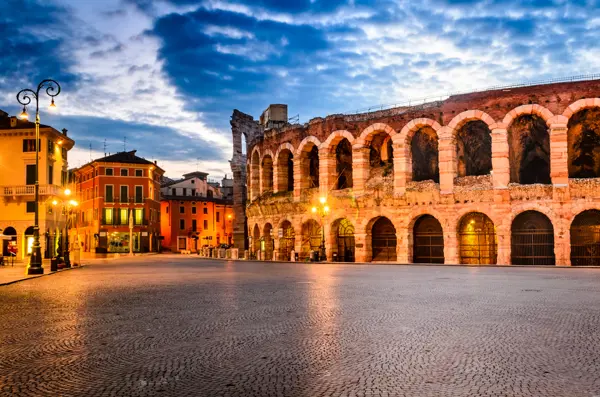
The Roman Amphitheater is the most famous monument in Verona and is a must see for the tourist. The monument was built in the first half of the 1st century a.D. and it is the 4th largest amphitheater in Italy after Rome’s Colosseum, the amphitheater of Capua and Milan. Its elliptical shape produces perfect acoustics from any stand point and allows it to accommodate a large number of spectators. Since 1913 the Arena is the stage for different entertainments
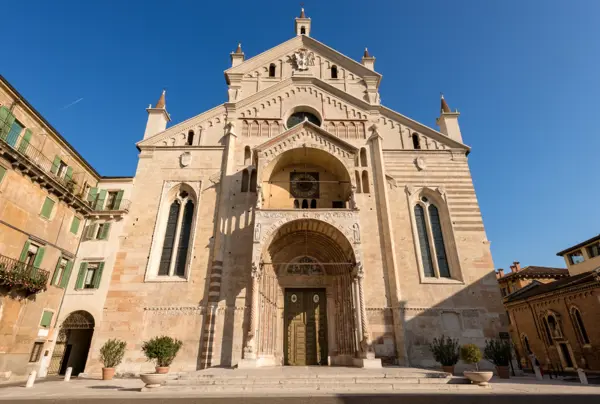
The Cathedral, which is dedicated to S. Maria Assunta, is a complex of architectural buildings which include S. Giovanni in Fonte, S. Elena, the Canons’ cloister, theCapitular library, the square in front of the church. Outside you can admire: the Romanesque façade, Nicolò double level porch (1138), the portal with its lunette and reliefs, the splendid side porch and the apse area. Inside, instead of particular interest are: Sammicheli’s original choir screen, the chapels with works by Falconetto, Liberale, Giolfino, Torbido, Titian’s “Assumption” 1530.
The Museum of the Fondazione Arena of Verona, housed in the historic Palazzo Forti, brings the visitor to discover the creativity and excellence of Italian Opera Lirica. Thirty rooms hosting different historical paths and multimedia as well as books, photographs, letters, scores, sketches, figures and scenes to learn about the process of birth of opera.
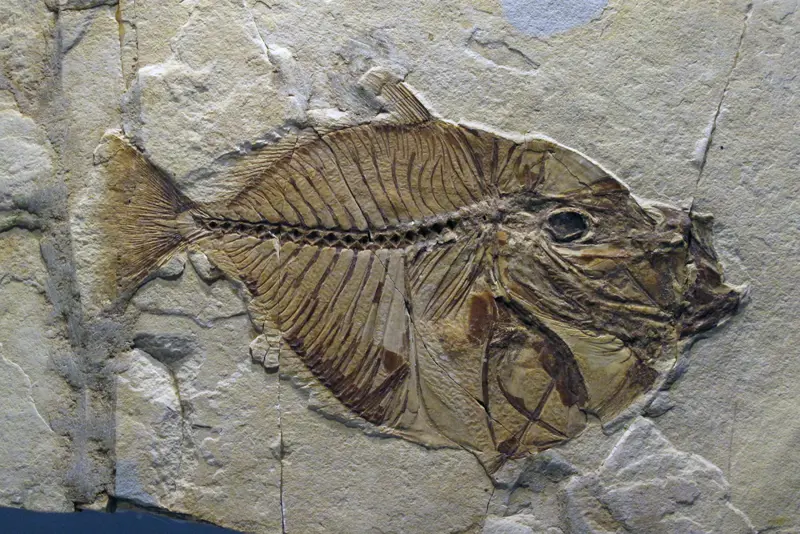
The Museum of Natural History in Verona is located in the prestigious Palazzo Pompei and hosts various sections dedicated to the scientific study of minerals, rocks, paleontology and zoology. The scientific material was collected in the course of almost five centuries, from the museum's researchers and naturalists. Well-ordered and cataloged, includes millions of natural objects which are an important asset.
Excursions in Verona and surroundings
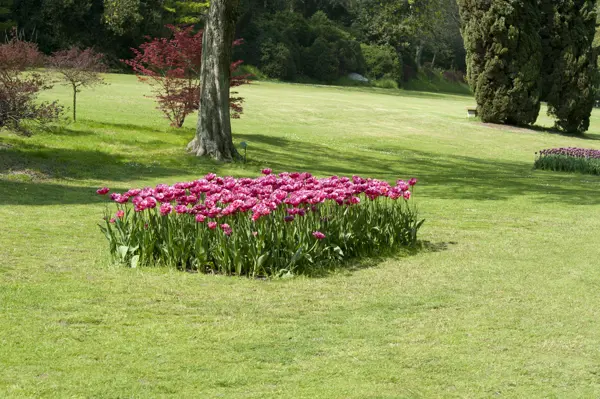
The Parco Giardino Sigurtà covers an area of 600'000 square meters and was open to the public in 1978. The Garden-Park is considered one of the most amazing parks in the world. There are many attractions in the park and there are different opportunity to visit it: on foot, with fun train, by bicycle, by golf cart or by shuttle. The Park covers the edges of the hills close to Lake Garda, just eight kilometers south of Peschiera.