
 You're browsing offline! External links will become available when you're online
The travel guides
to European destinations
connected with BGY
More than 100 destinations across 36 countries
become a travel story
shaped by inspiration, atmosphere, itineraries
and places to discover
BGY’s extensive European network is not simply a map of departures, but also a rich collection of destinations, cultures and landscapes waiting to be explored. From the capitals of Northern Europe to Mediterranean cities, from the urban centres of Western Europe to the destinations of Central and Eastern Europe, each connection opens the door to a different experience, shaped by local identity, urban charm, traditions, natural scenery and opportunities for discovery.
To accompany passengers not only to their destination, but also through the travel experience itself, dedicated tourist guides have been created for the connected European cities and destinations. Conceived as practical yet inspiring tools, these guides help travellers discover each destination more deeply by highlighting its attractions, atmosphere, itineraries and distinctive character, turning the choice of where to go into a richer and more engaging journey.
Adding to this broad travel narrative, the summer season also brings new European routes, further enriching the range of connected destinations.
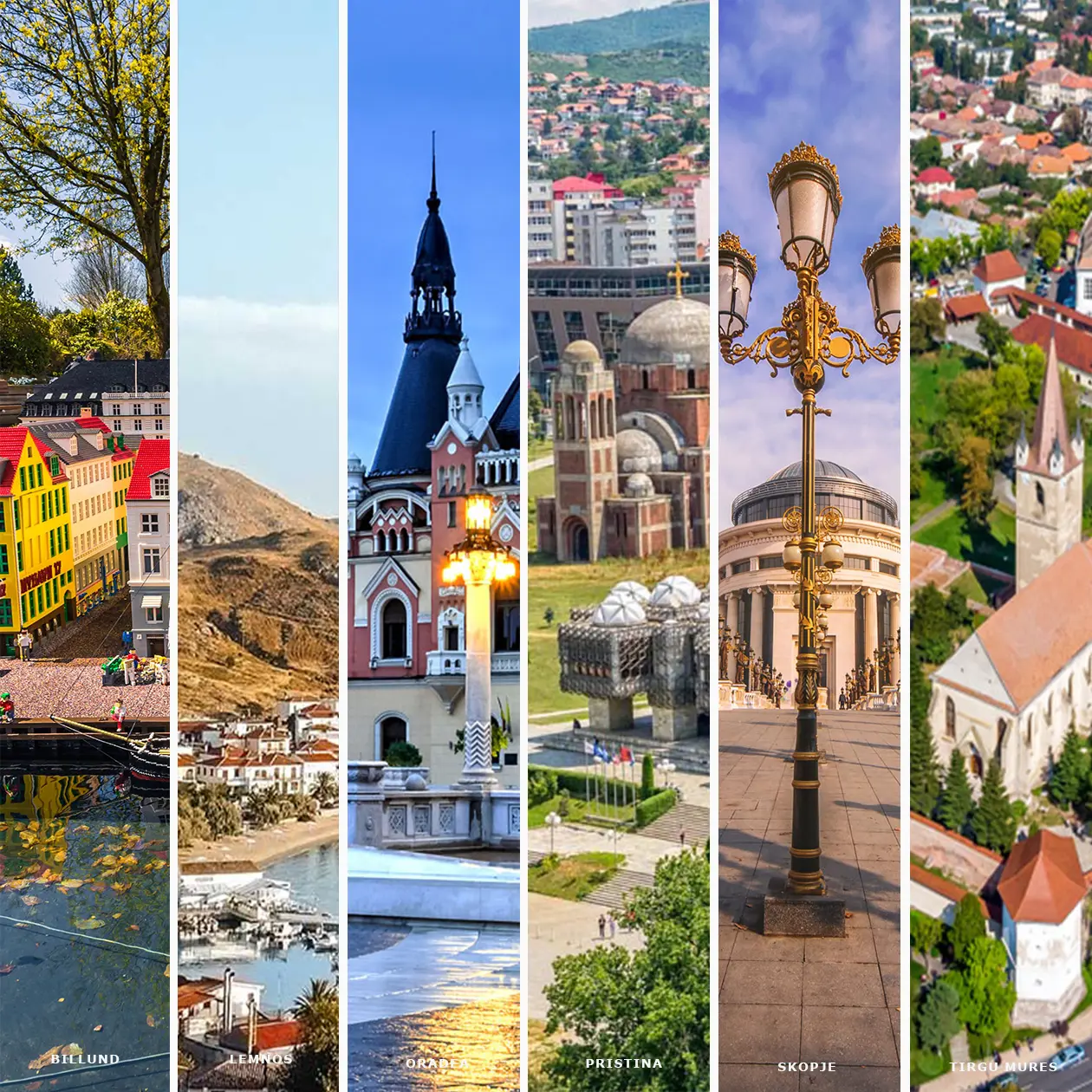
New European routes
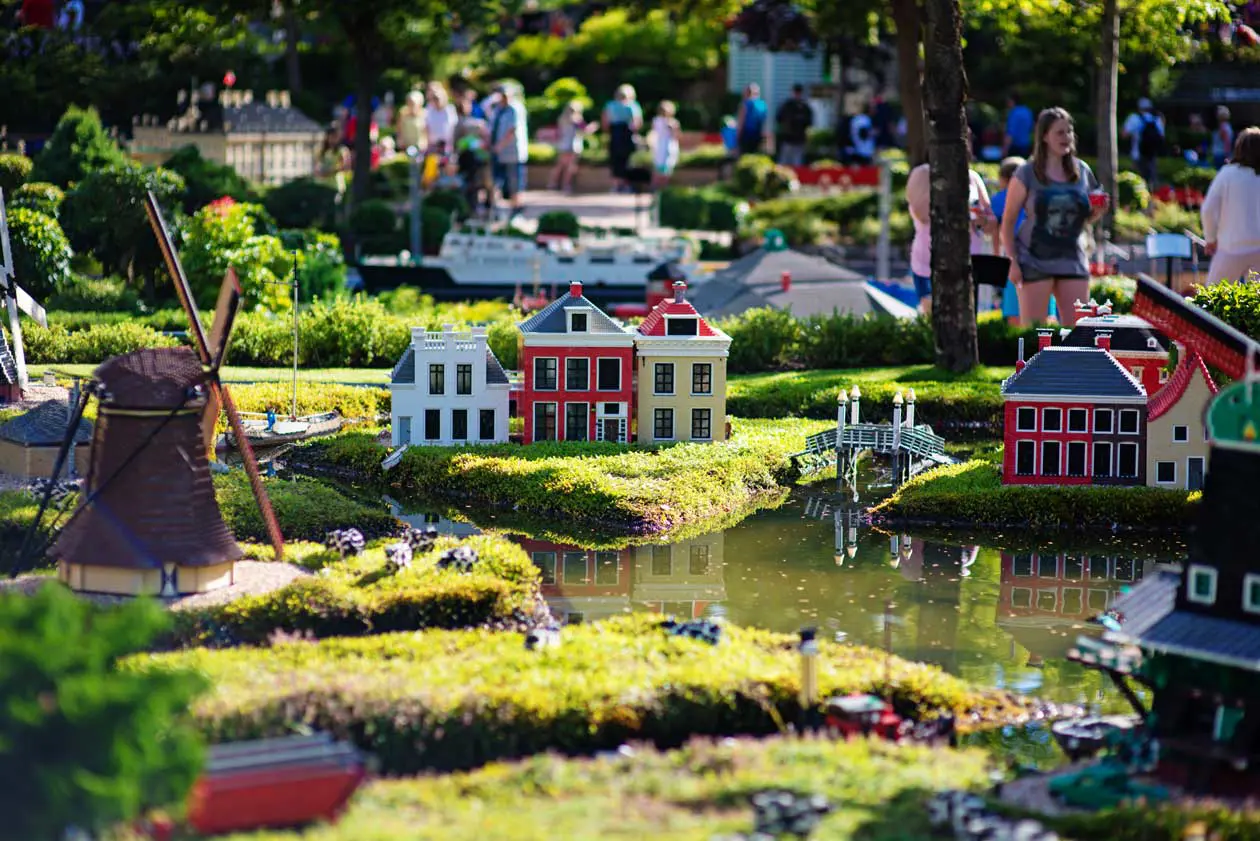
Billund is a truly special place, shaped around the Lego toy company founded in 1932. A trip to Billund is like stepping into the world of imagination and the tradition of creative play. This Danish town, served by an efficient airport, is home to the iconic Legoland theme park, where visitors can relive the magic of the famous plastic bricks that have inspired generations of children and teenagers. Since 2009, Legoland Billund Resort has grown into the largest family resort in Northern Europe, bringing together the new Lalandia holiday centre and the Lalandia Aquadome water park. It is a world of fun and adventure that opens its doors wide to visitors.
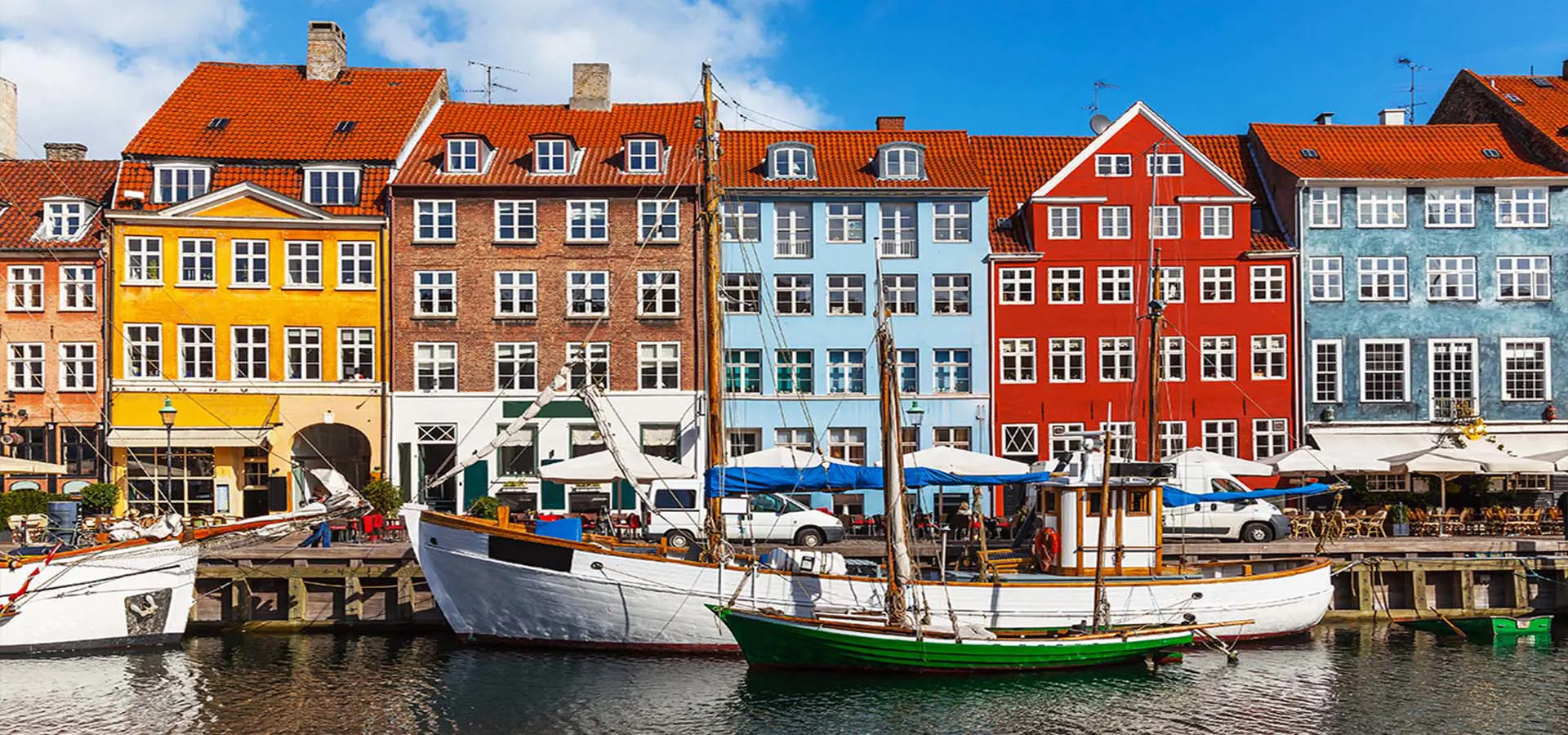
Capital of design and sustainability
Tradition, elegance and modernity are woven into the very fabric of Copenhagen. Far removed from the bustle of larger capitals yet effortlessly appealing, it is a city that is a genuine pleasure to explore.
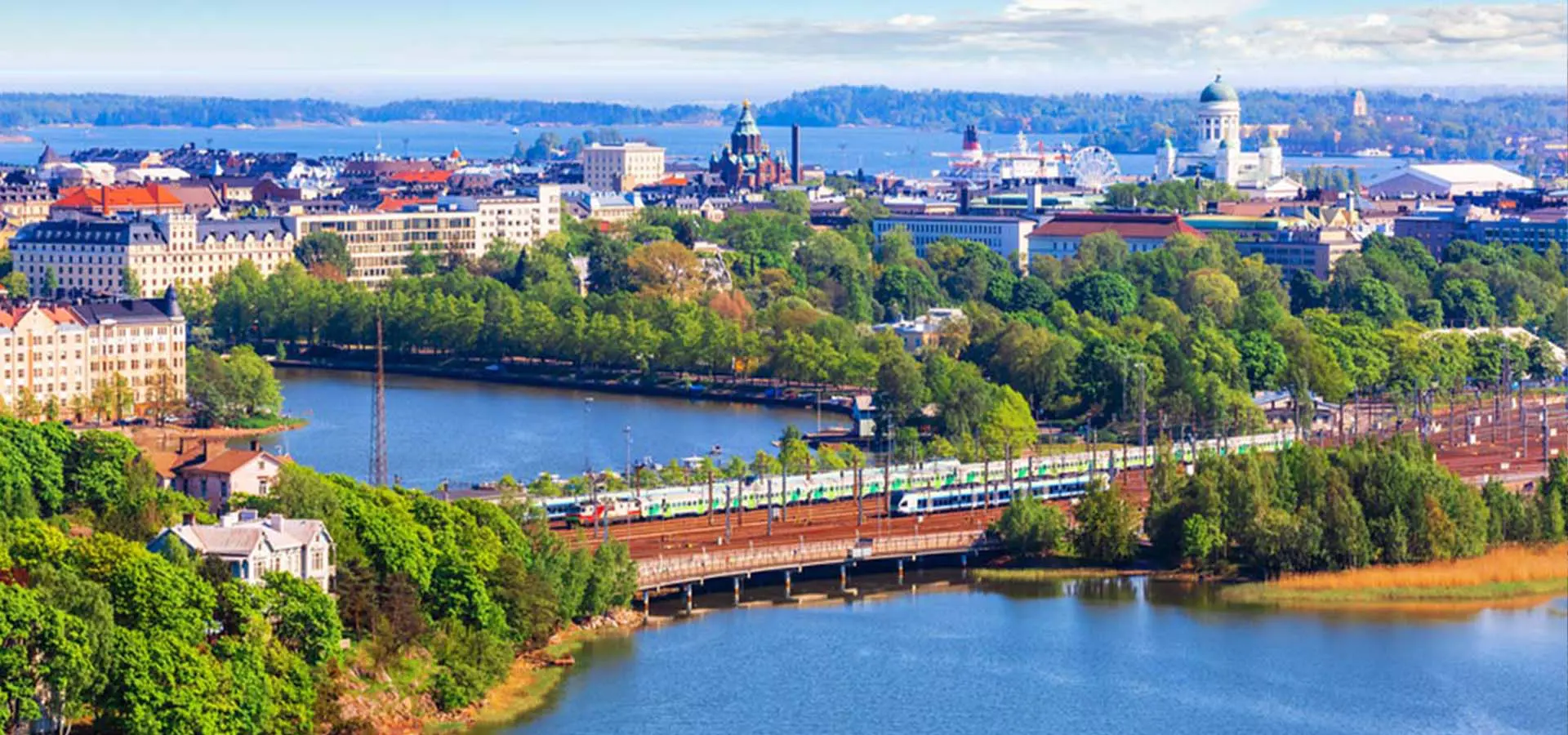
Design and history on the Baltic
Helsinki is the gateway to southern Finland, with forests and crystal-clear lakes just a short drive from the city centre. It is a modern European cultural capital, especially renowned for its design heritage and high-tech innovation.
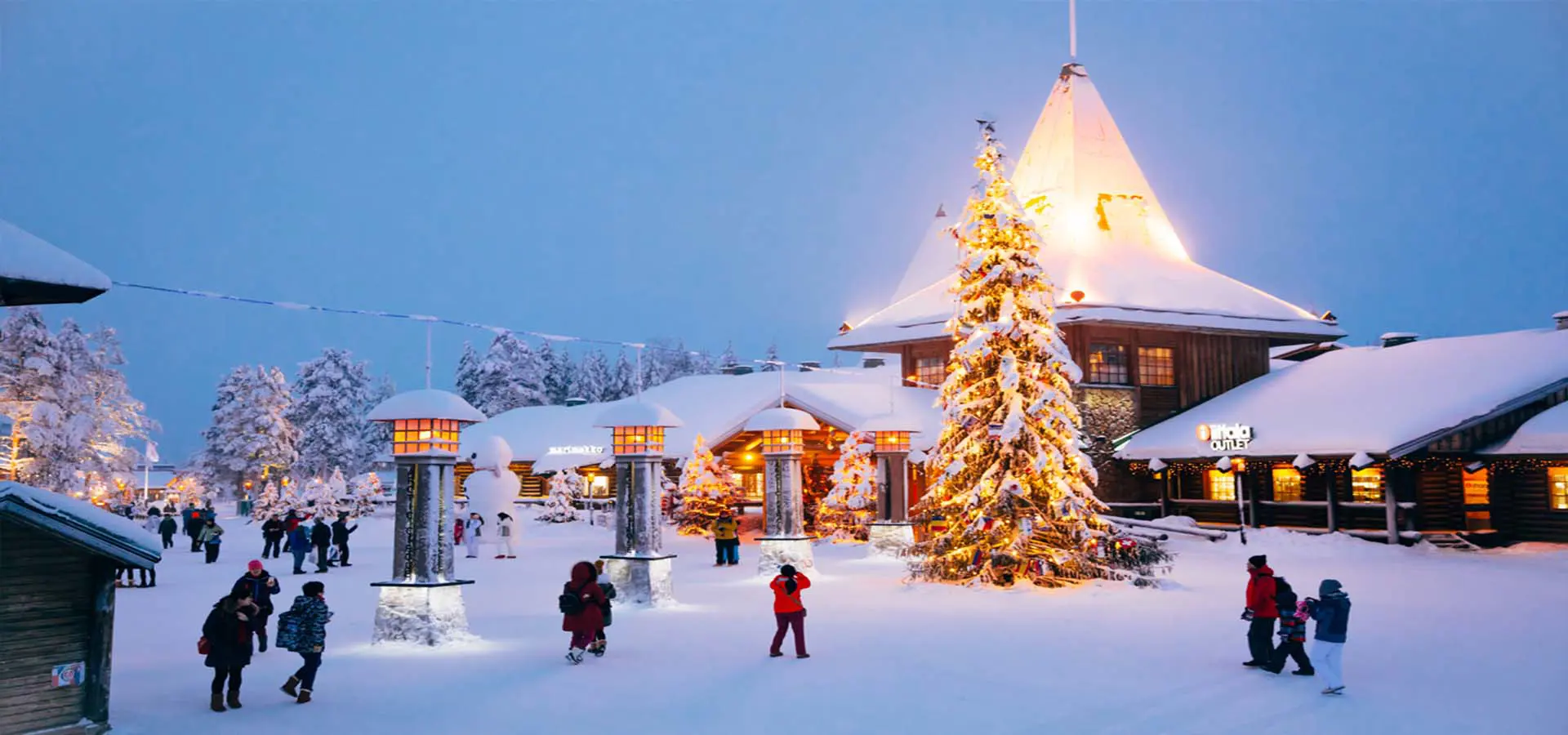
The magic of the Arctic in the land of Santa Claus
Rovaniemi is a one-of-a-kind destination, offering the chance to enjoy a wide range of unforgettable experiences - from nature and culture to adventure, rich local flavours, and the irresistible, authentic atmosphere of Christmas.
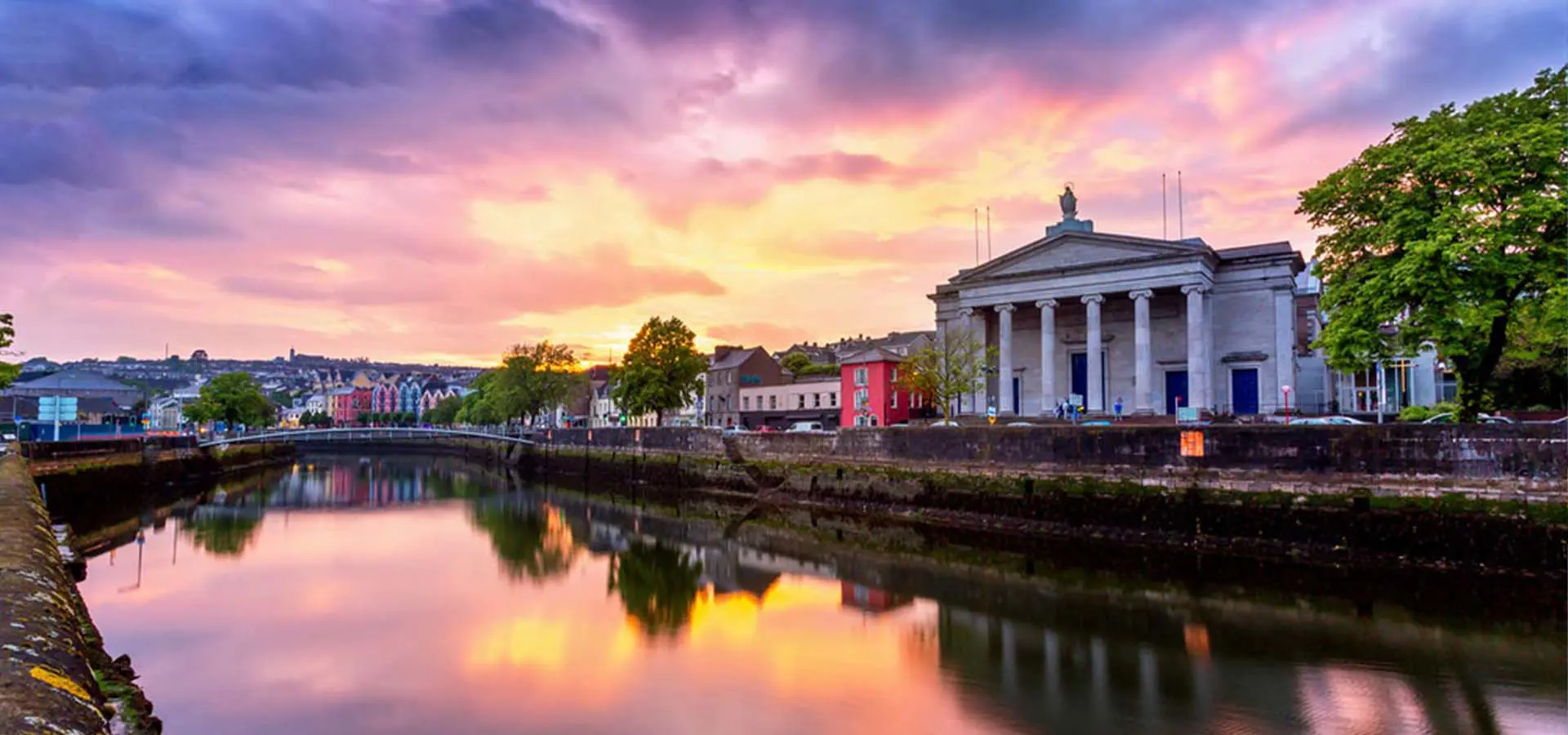
A charming and lively Irish city
The people of Cork are deeply proud of their city, which they regard as offering a better quality of life than any other city on the island - even Dublin. Some even insist, with genuine conviction, that Cork is the true capital of Ireland.
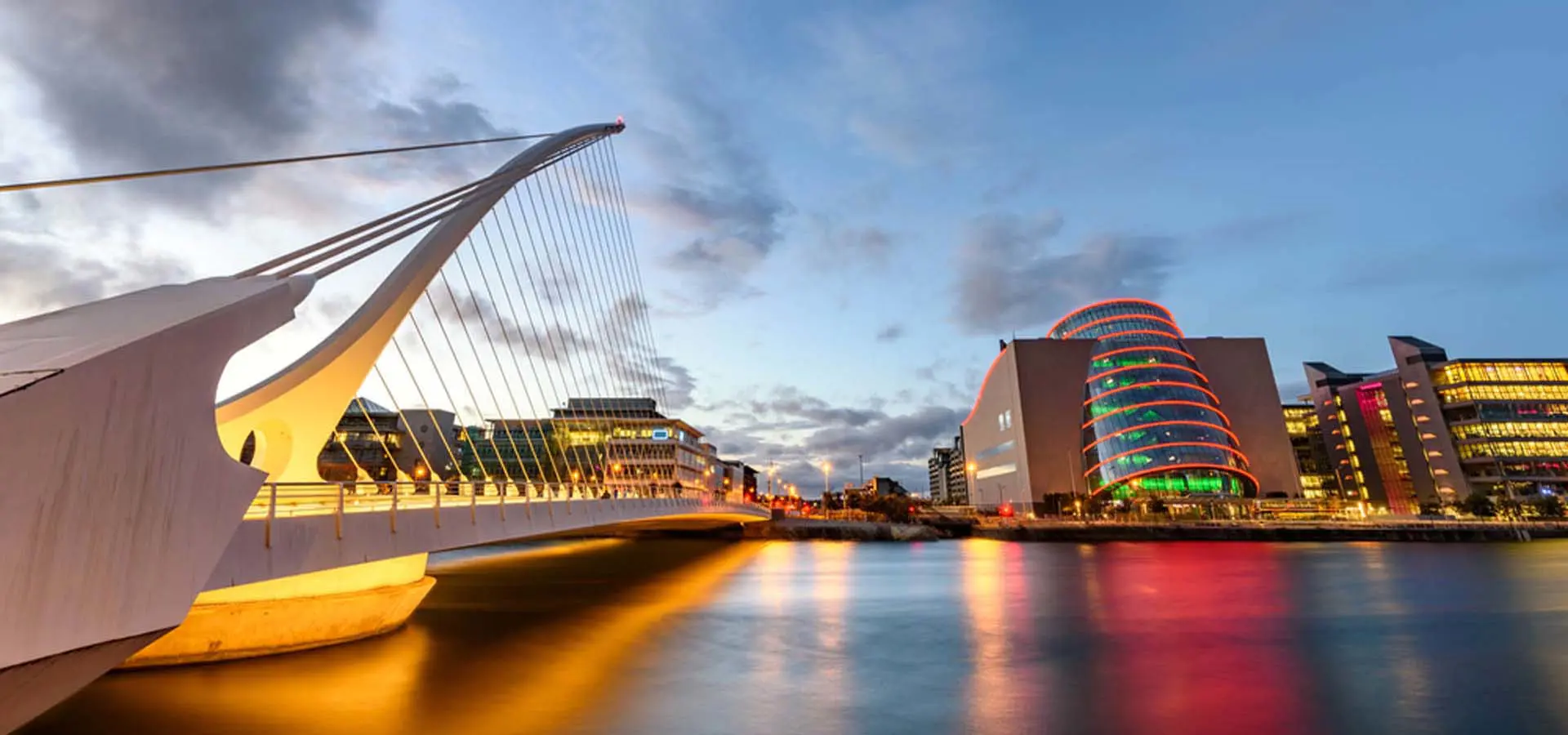
A beautiful and elegant “friendly” city of Europe
Named the friendliest city in Europe and designated a UNESCO City of Literature, Dublin offers a lively city centre, parks and gardens, sea views and stylish boutiques. There is no doubt that it is one of Europe’s most vibrant capitals.
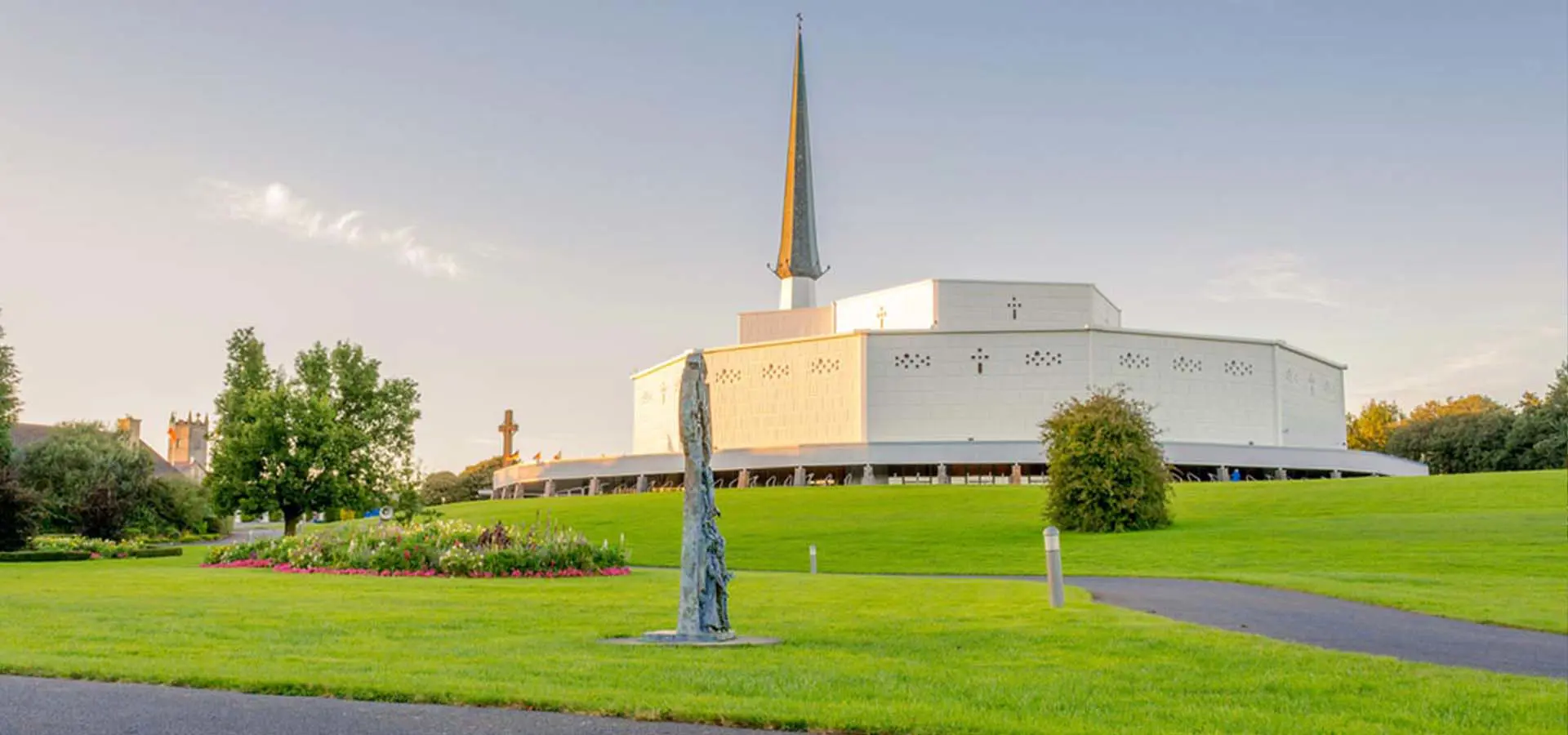
The city of Ireland’s largest shrine
The Irish town of Knock, a destination for both tourism and spirituality, stretches between Blue Flag beaches and seas, interwoven with open, windswept plains in a landscape of striking natural beauty.
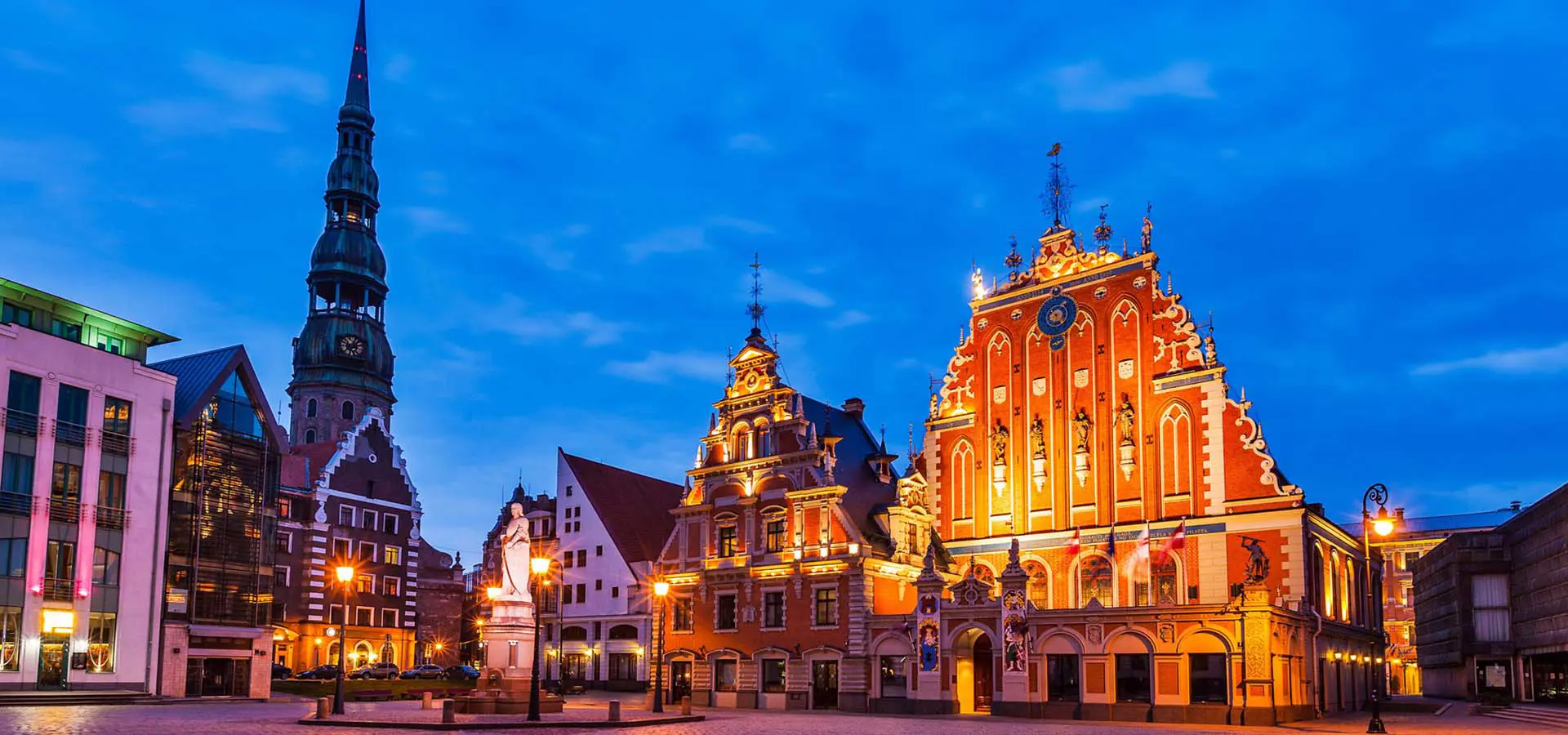
A perfect blend of history and modernity
Riga, the largest city in Latvia and in the Baltic region, has long been shaped by trade and stands out as an architectural gem, where Northern Gothic and Art Nouveau come together in remarkable harmony.
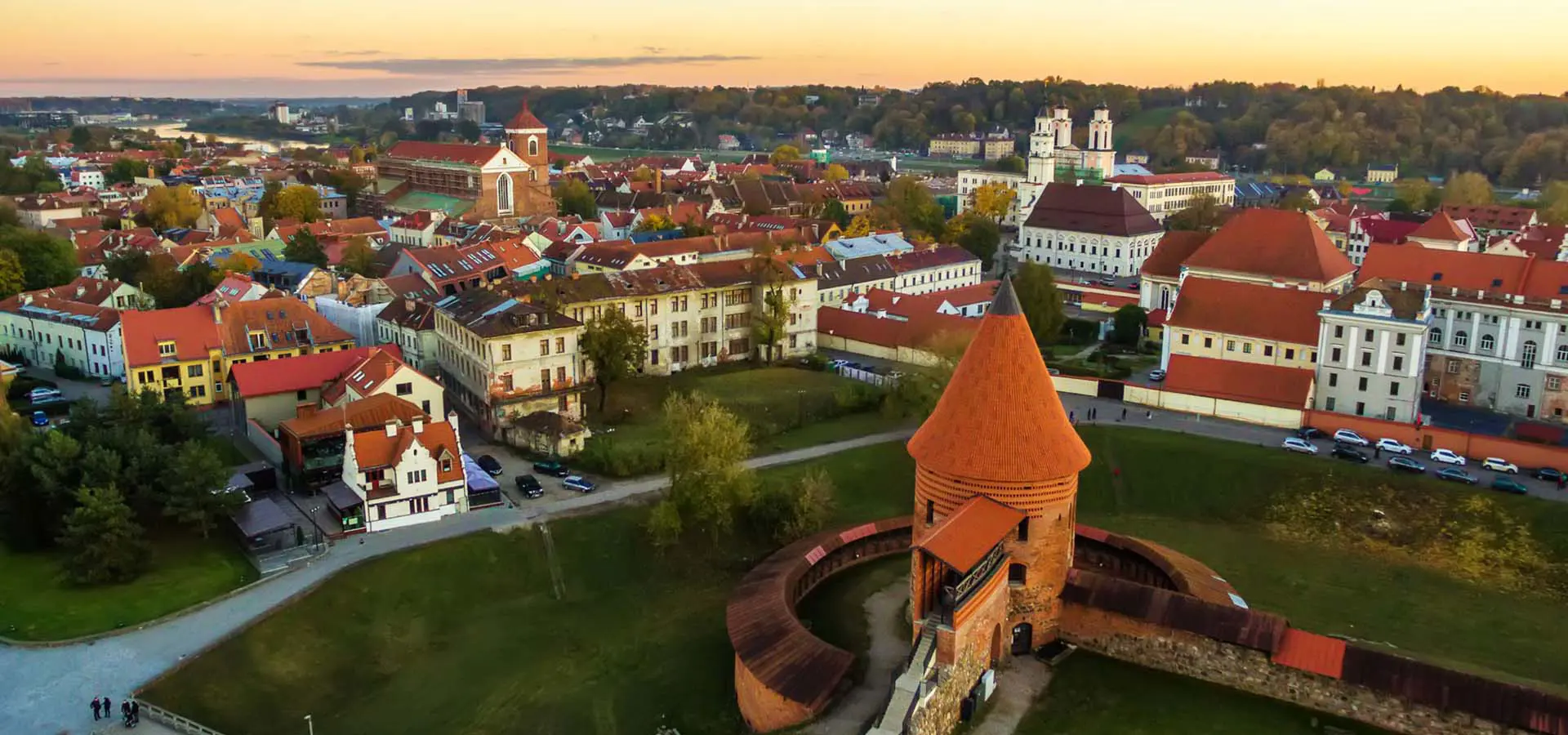
A city of ancient charm and a modern heart
A majestic brick fortress with towers overlooking the old town and a 16th-century Baroque town hall define the skyline of Kaunas, Lithuania’s second city, which captivates visitors with its beauty and urban harmony.
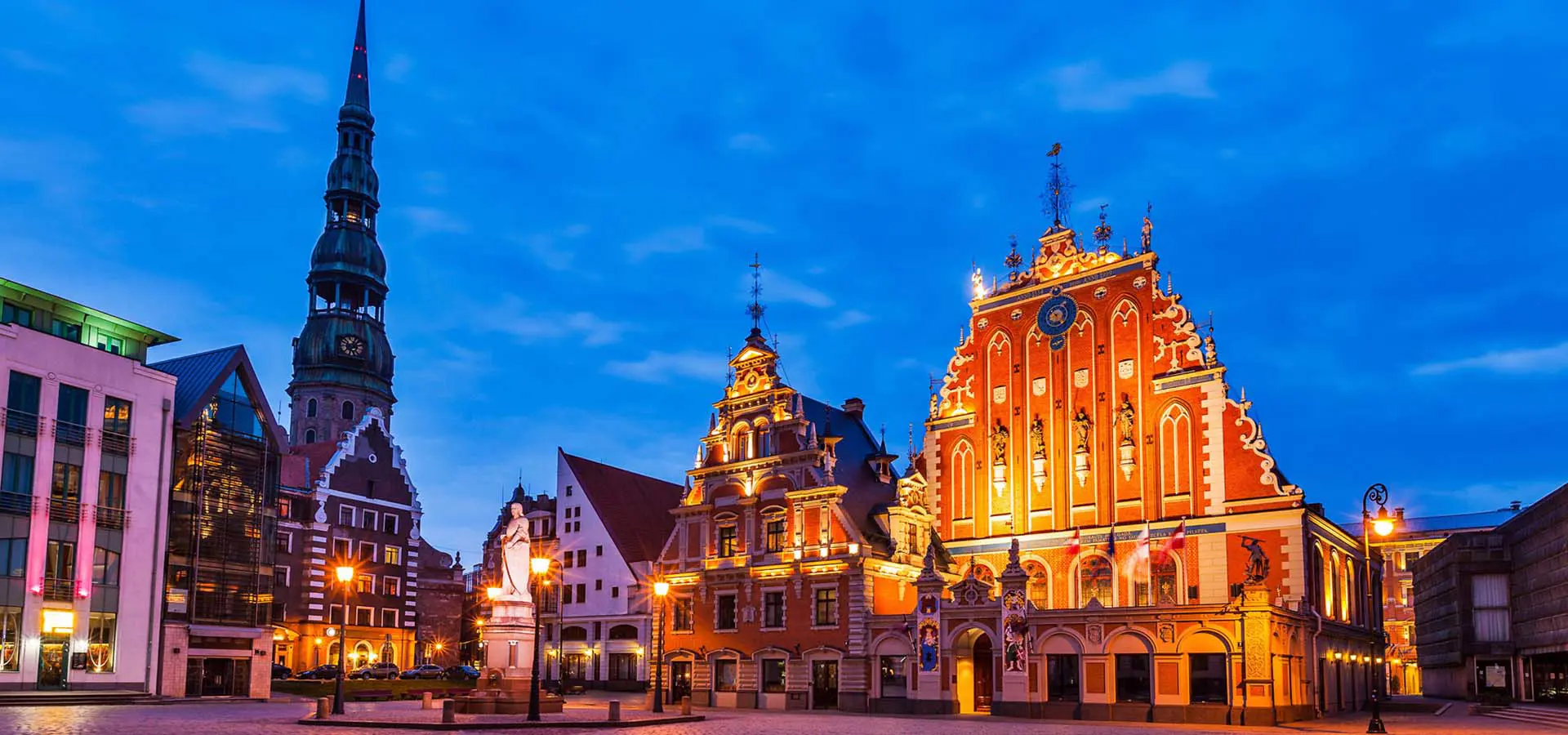
A Baroque city on the border between two worlds
The capital of Lithuania, Vilnius has only relatively recently opened itself to tourism and is one of the most fascinating and historically rich cities in the Baltic region. It is therefore a comparatively new destination, still waiting to be fully discovered.
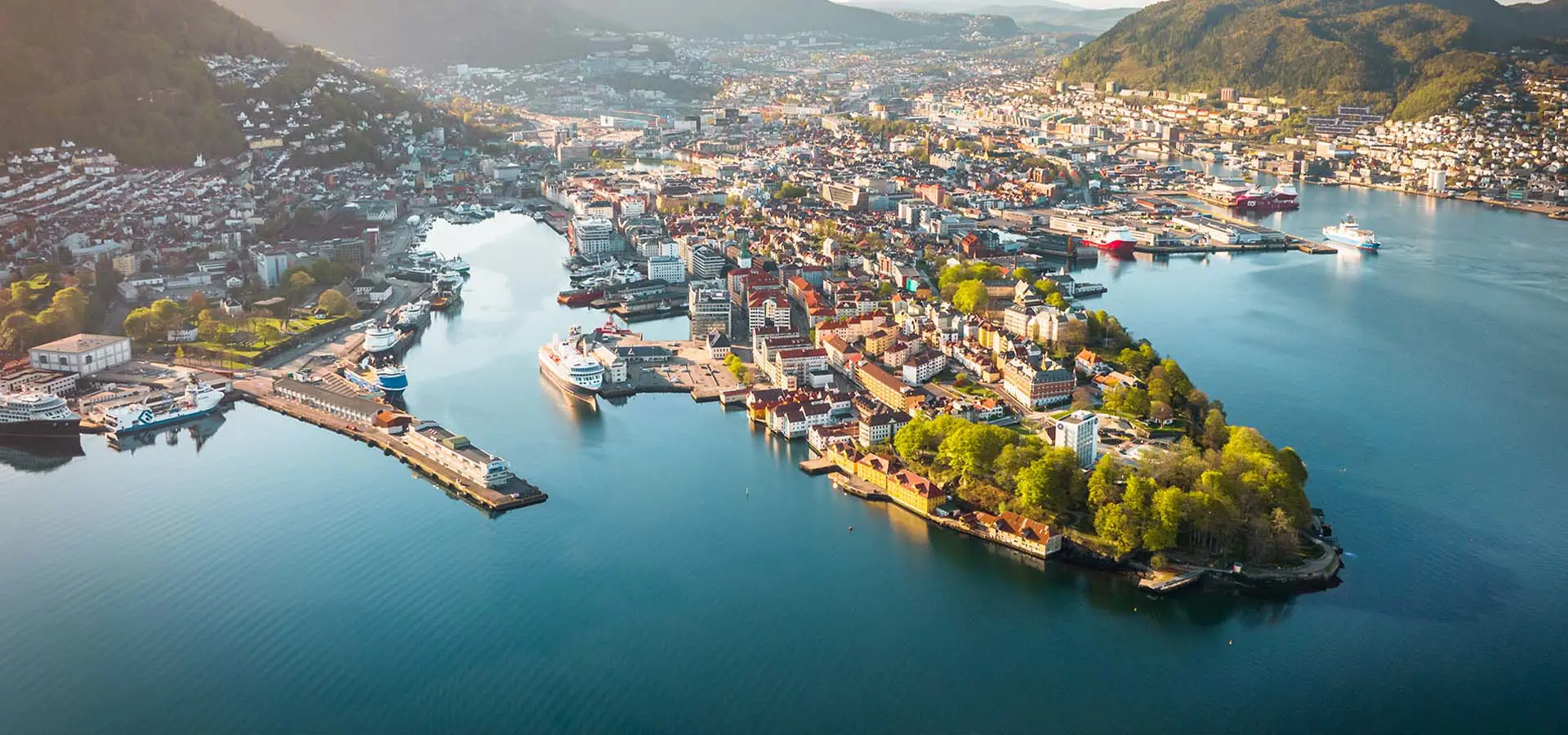
The city at the heart of the fjords
Bergen is a captivating city on Norway’s western coast, surrounded by seven mountains, the fjords and the waters of the Atlantic Ocean. The second-largest city in Norway after the capital, Oslo, it is renowned for its spectacular scenery and breathtaking views.
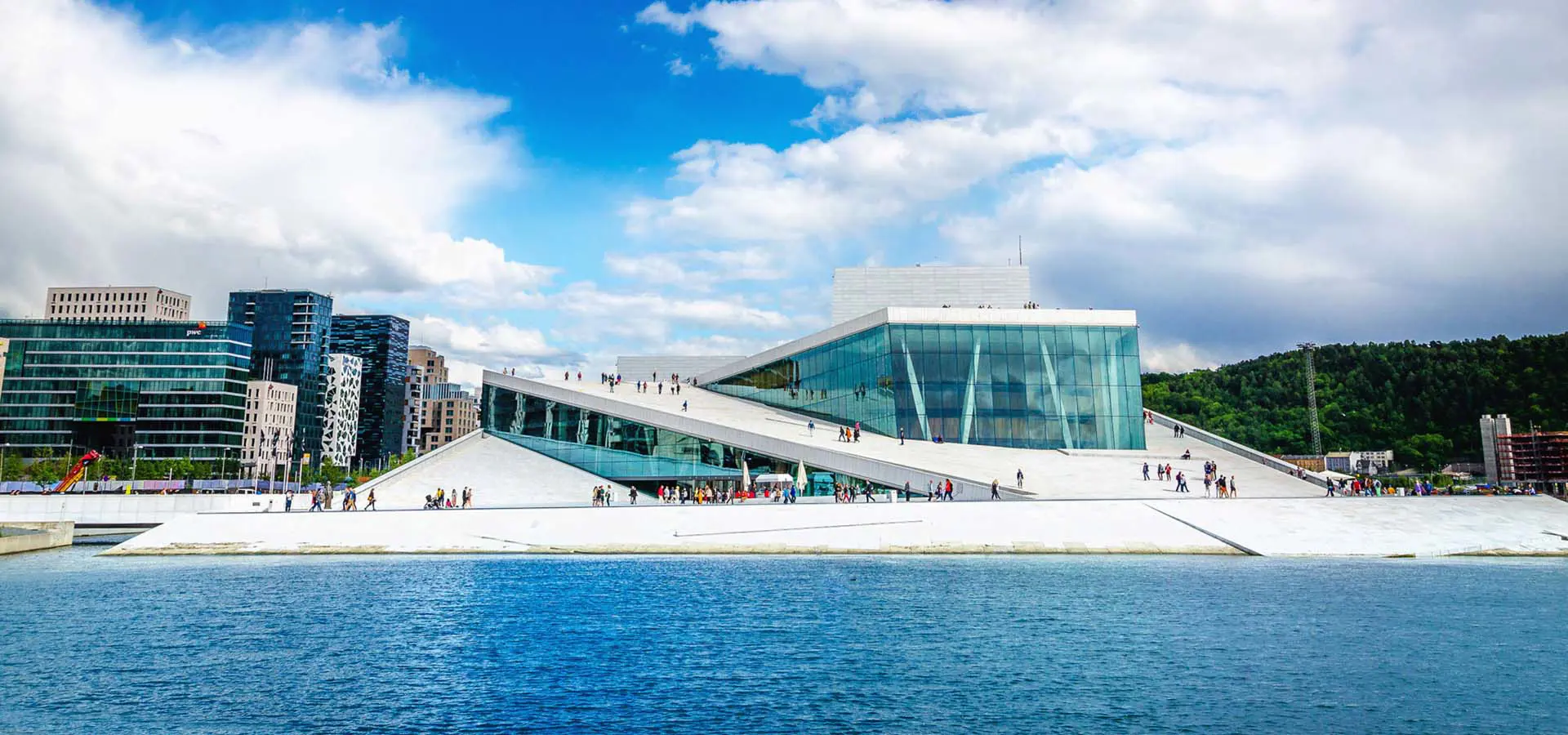
A surprising city to enjoy all year round
Oslo, the capital and largest city of Norway, lies on the shores of the Oslofjord and is surrounded by spectacular natural beauty, with forests and rolling hills close at hand. This blend of urban life and natural landscapes is what makes Oslo truly unique.
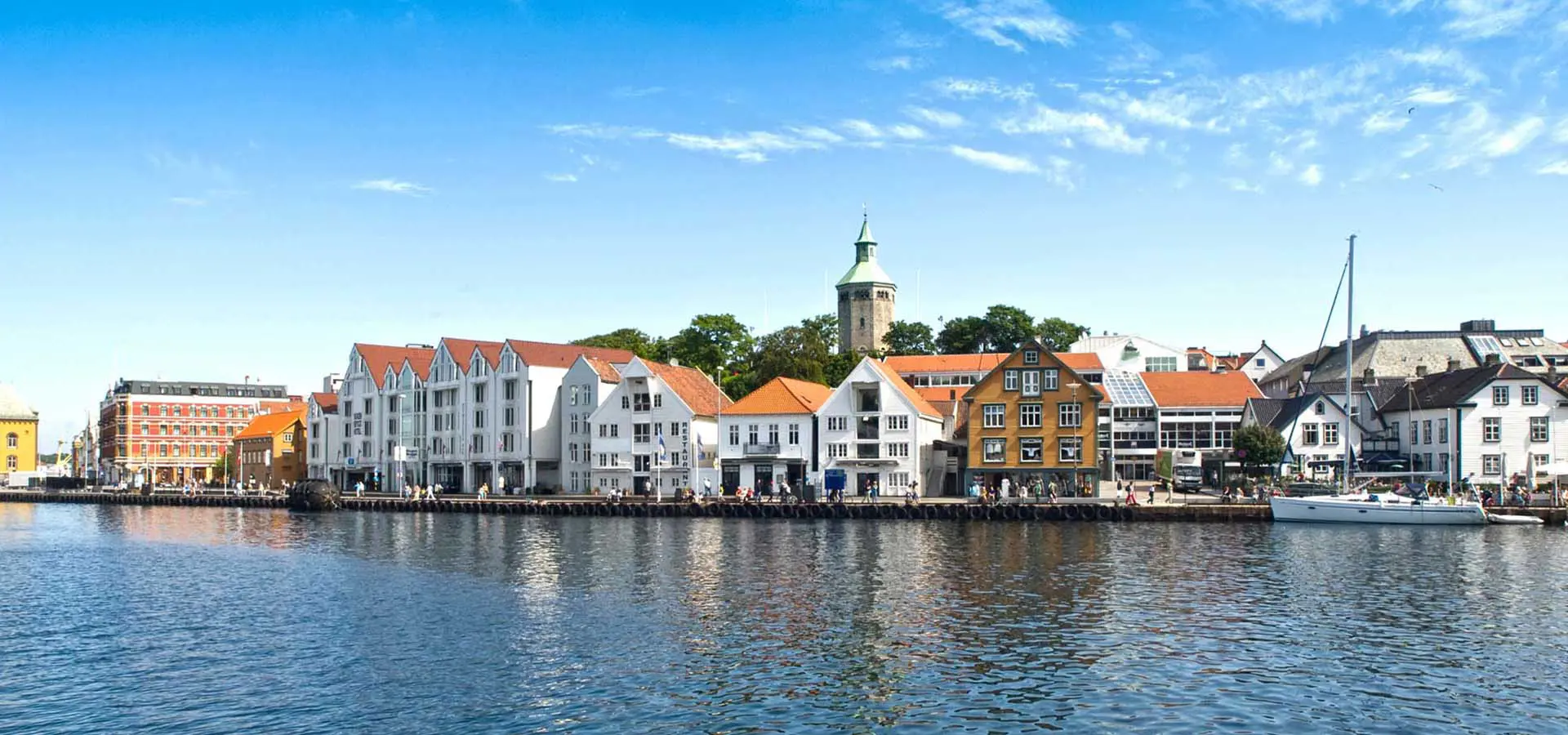
The creative city on the North Sea, among the Norwegian fjords
Stavanger is one of Norway’s oldest cities and offers a journey shaped by culture, history, art, good food and natural beauty.
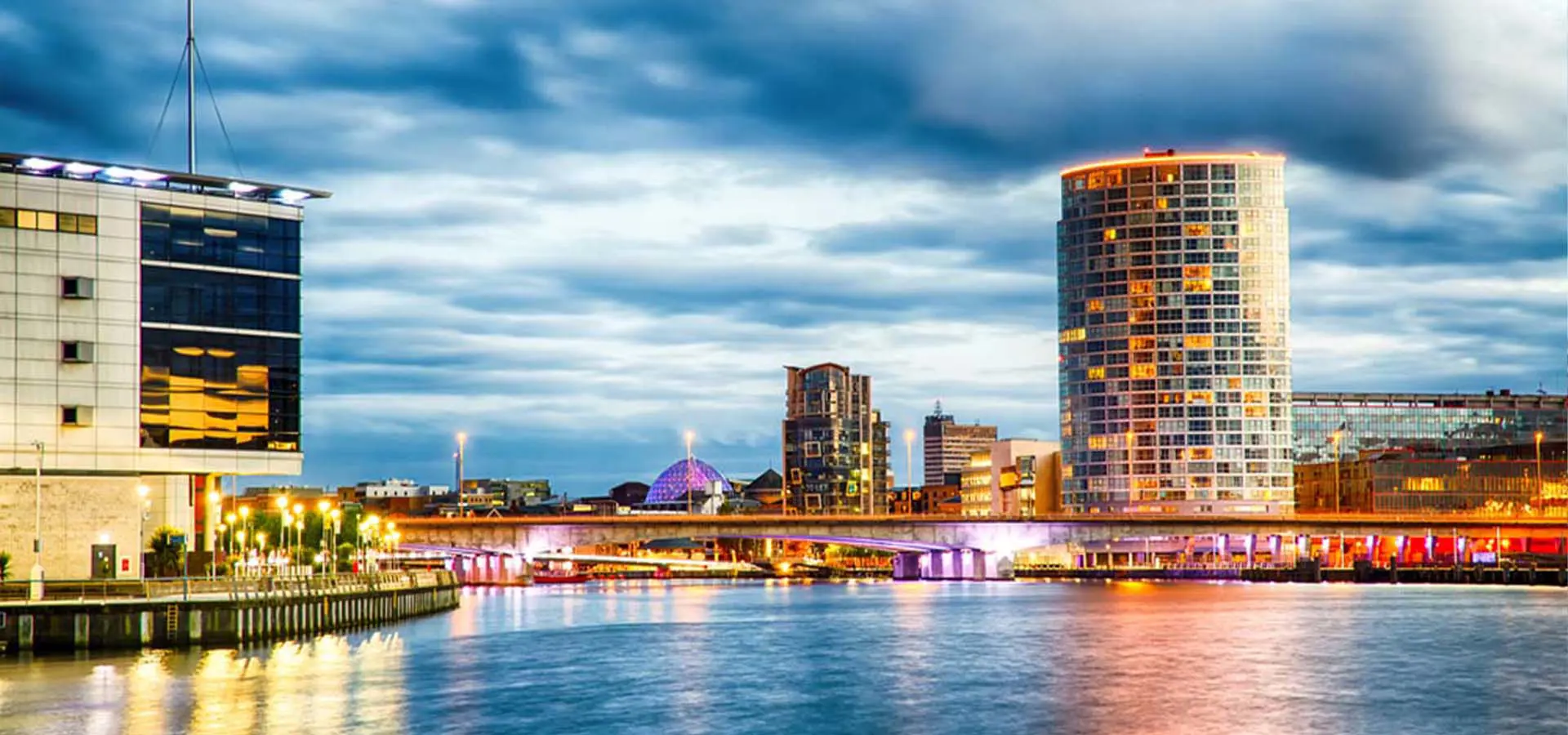
Europe’s most welcoming capital
Belfast is an elegant port city, renowned for its shipbuilding heritage, yet at the same time deeply rooted in Irish traditions and animated by a positive dynamism that gives it a vibrant atmosphere rich in human warmth.
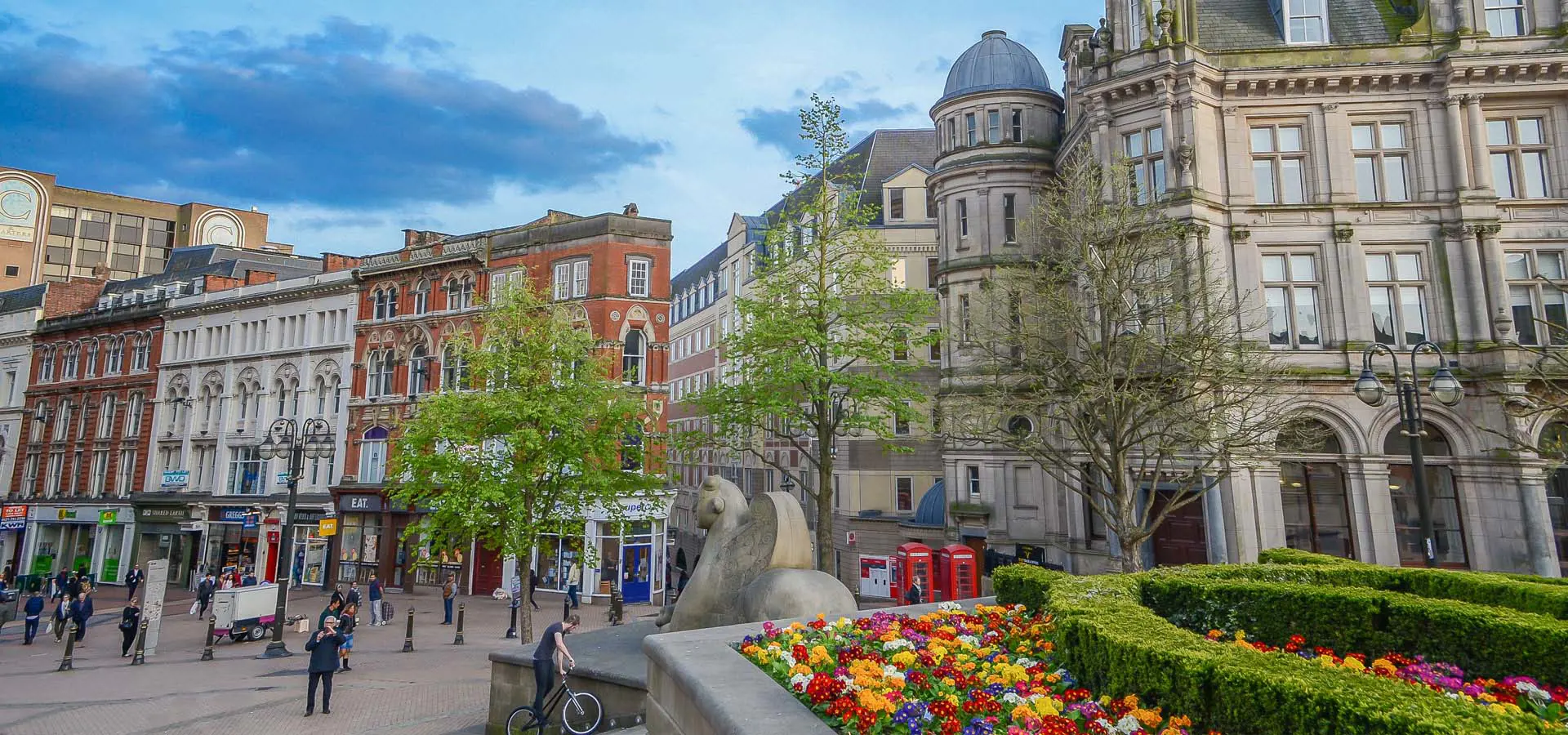
The surprising city of canals
Birmingham is a dynamic, many-sided city - lively, energetic and full of character. Less than 200 kilometres from London, it is also known for one of Britain’s most distinctive accents, instantly recognisable for its unique sound.
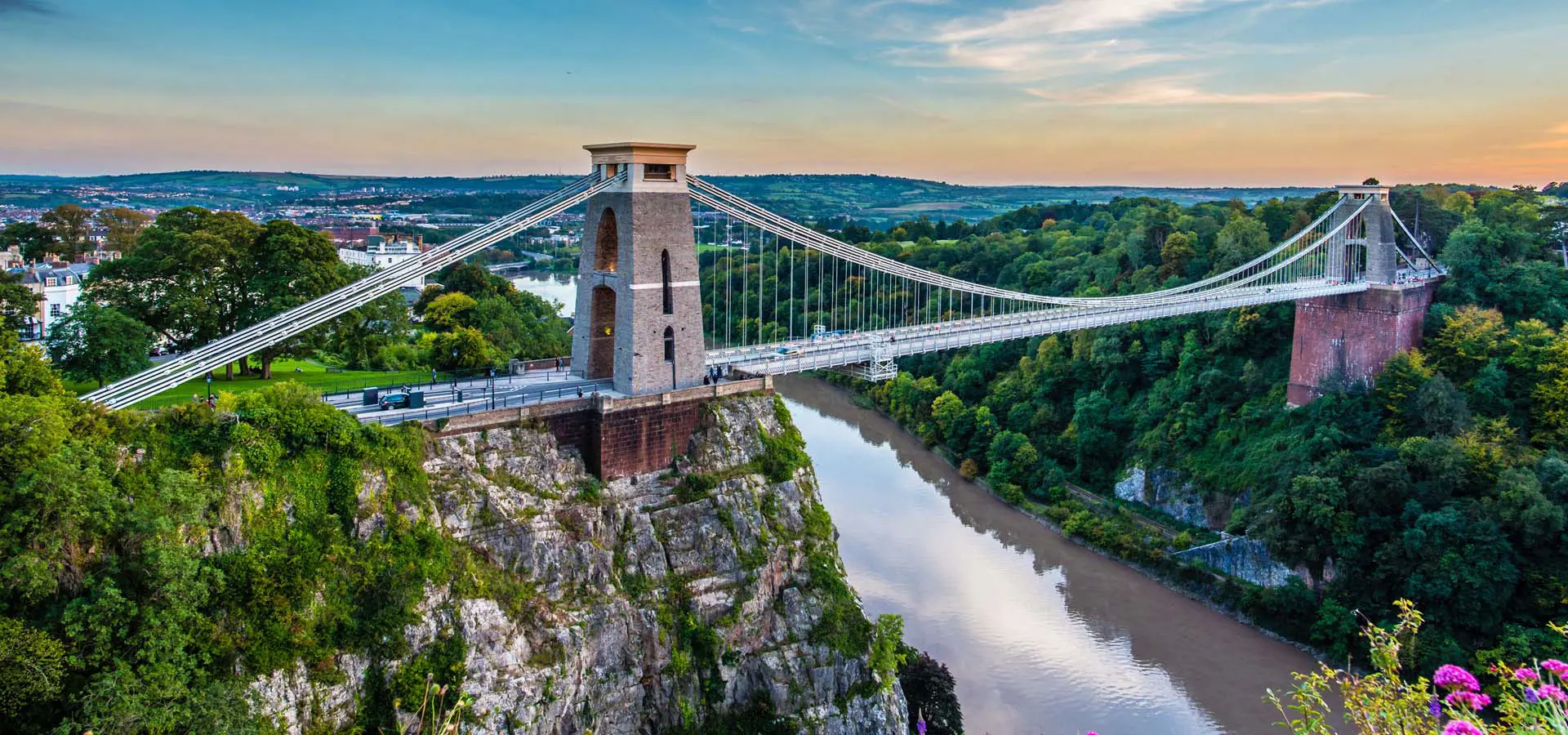
A blend of modernity and ancient tradition
This British city may lie slightly beyond the most obvious destinations in the United Kingdom, yet it is well worth discovering for its compelling mix of modern energy and long-standing tradition, shaped by a rich historical past.
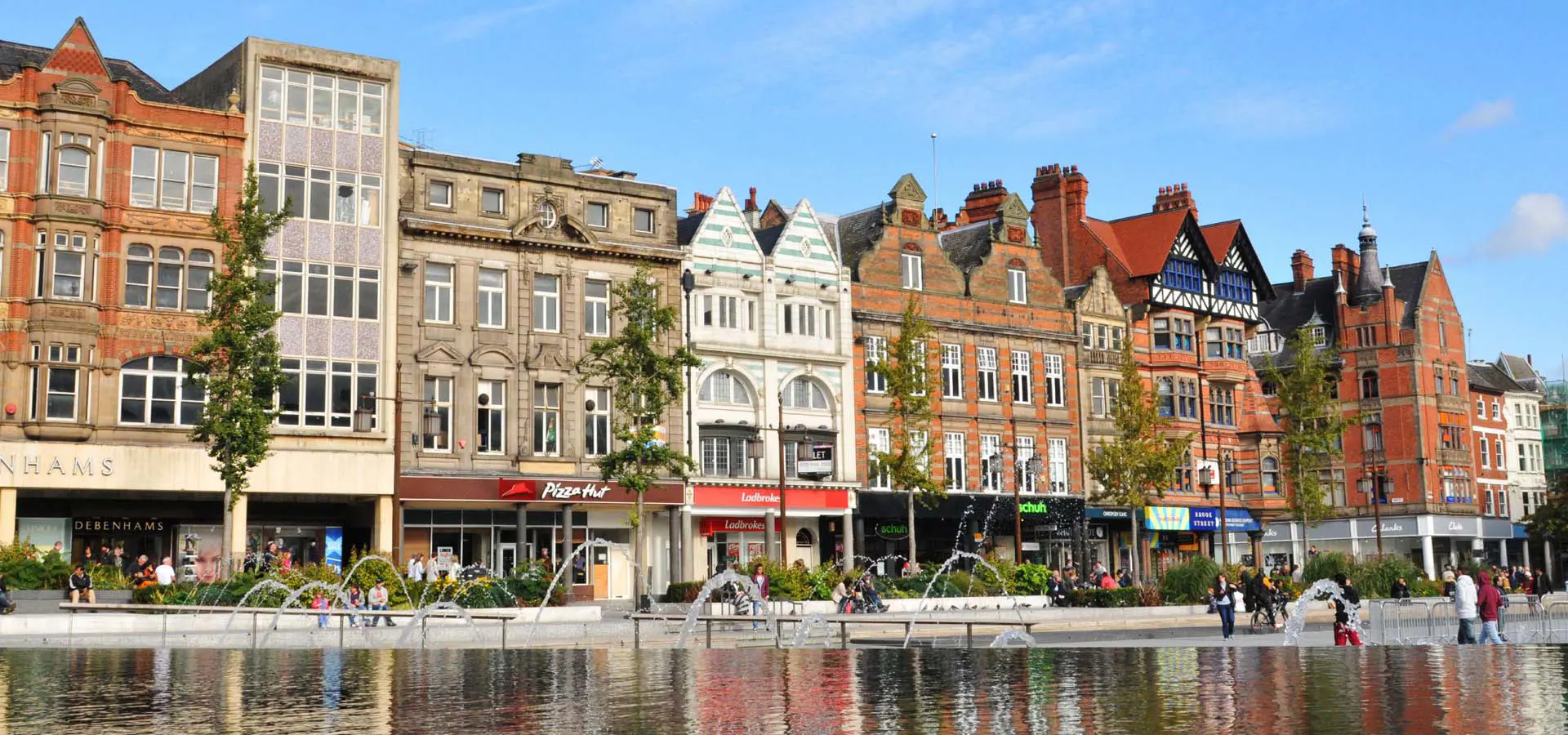
The city of Robin Hood
The historic county town of Nottinghamshire is famously associated with the legend of Robin Hood. Located in the East Midlands, around 120 miles from London, Nottingham stands on the River Leen.
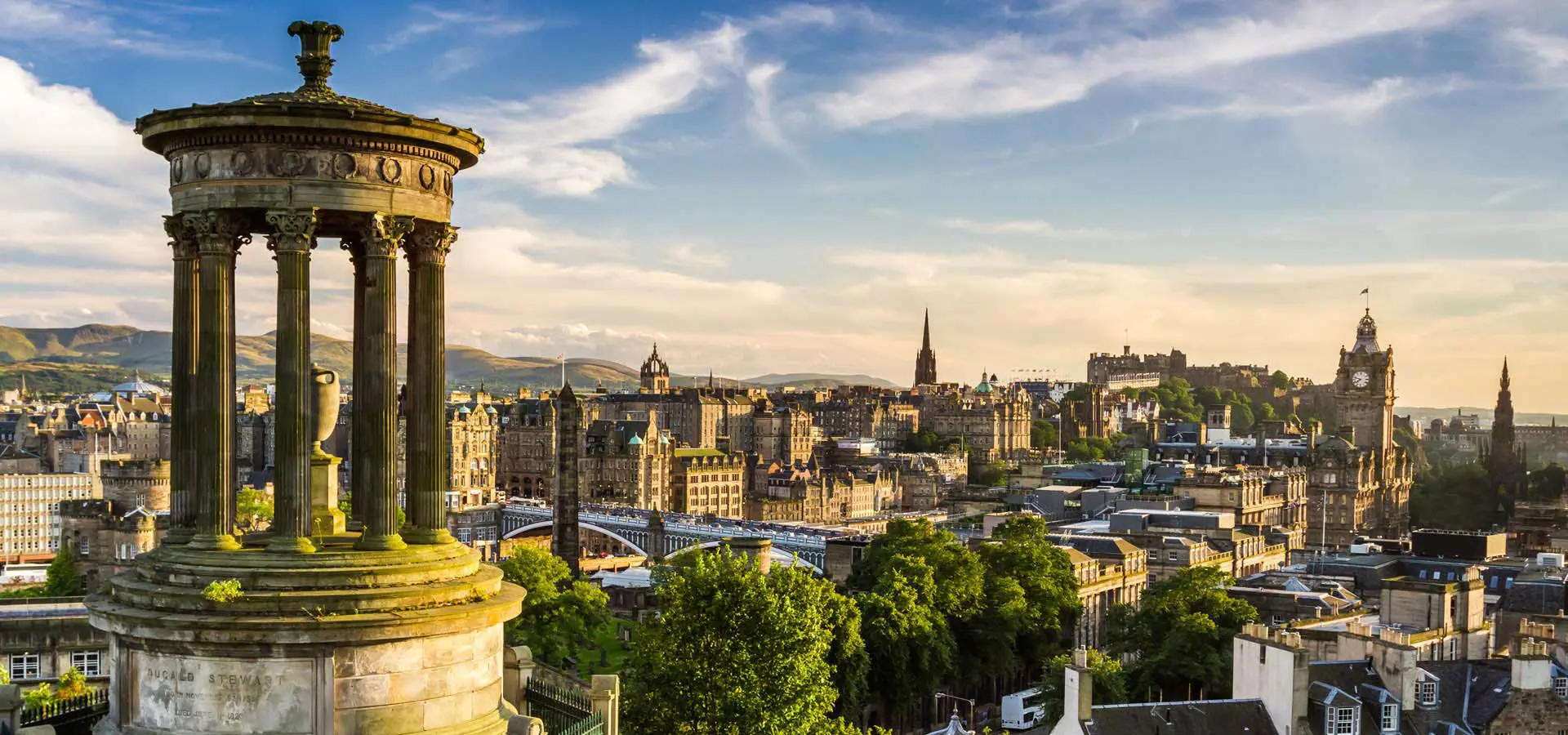
A mosaic of history, culture and natural beauty
Scotland’s capital since 1437, Edinburgh leaves a lasting impression with its glorious past, its dramatic setting across seven hills, its iconic Castle, and the streets of both the Old Town and the New Town.
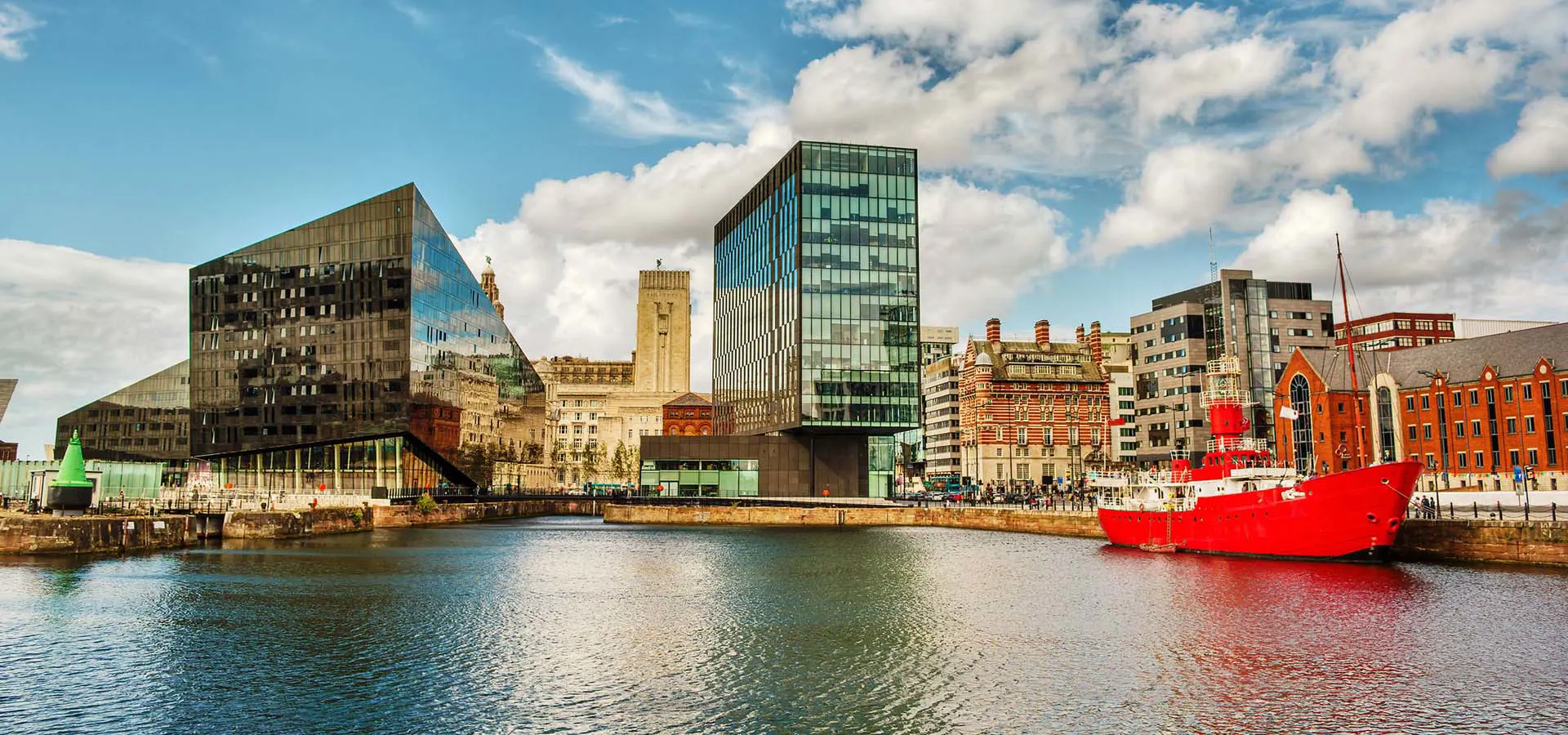
The birthplace of The Beatles
Liverpool, the birthplace of The Beatles and a UNESCO World Heritage city, is deeply rooted in a long maritime and port tradition. It is also home to some of the most important art collections in the UK.
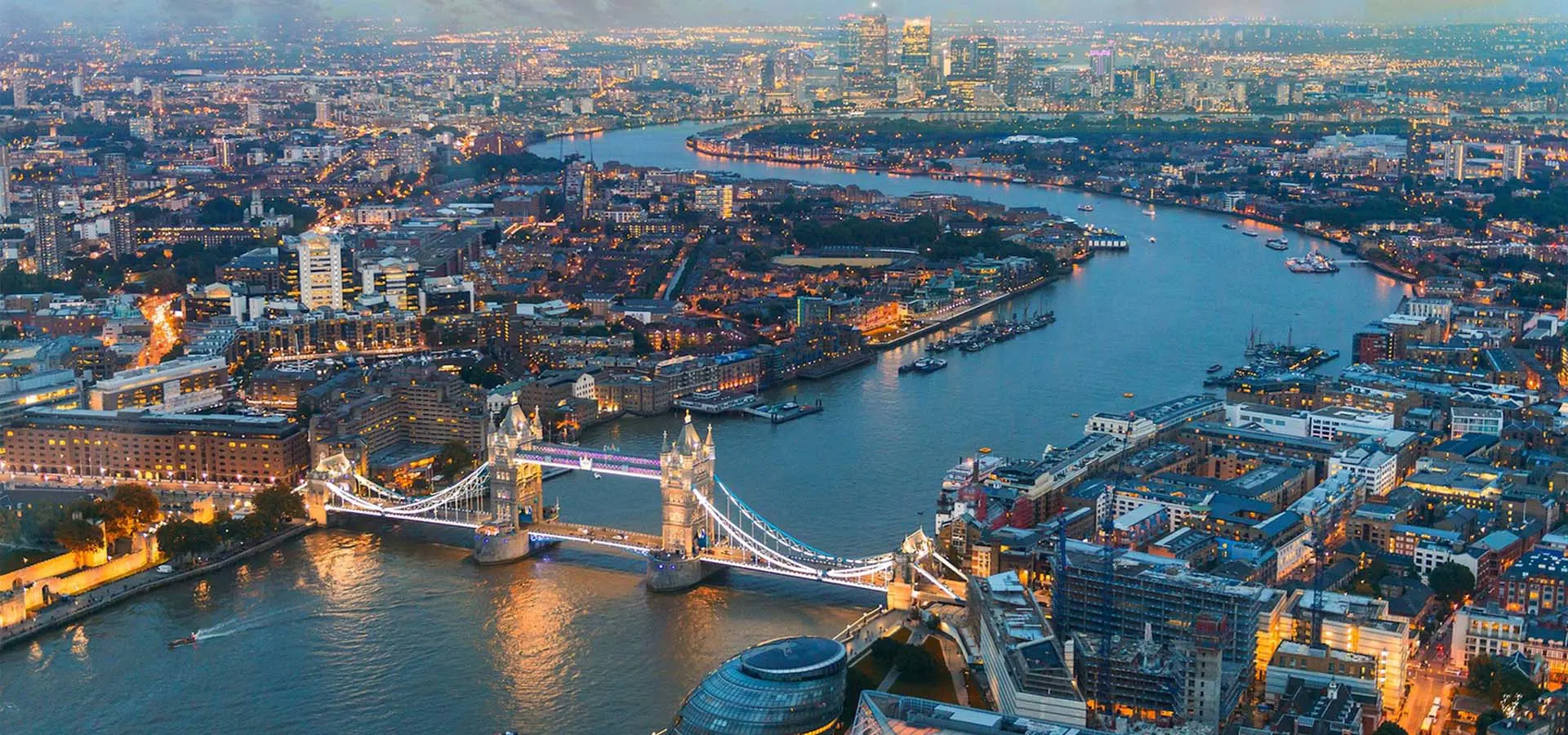
A global, open and welcoming city
A royal and monumental city, majestic in its architecture, London remains rooted in tradition without ever giving up its taste for modernity. It boasts a skyline and a wealth of places of historic significance.
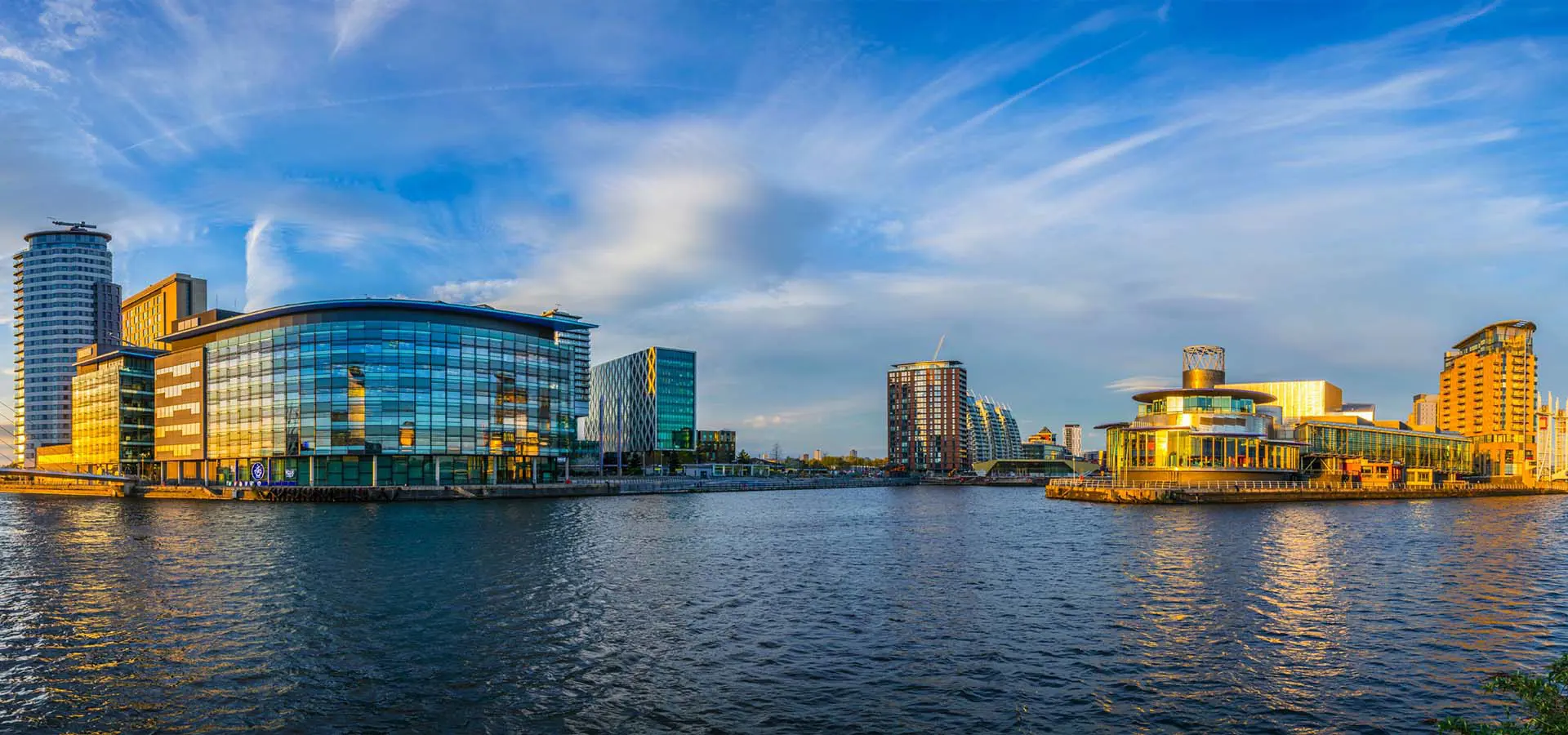
A vibrant city of culture and events
Manchester, in the north of England, is a city that reflects the distinctive character of English sophistication. Once predominantly industrial, it has successfully transformed itself into a truly contemporary metropolis.
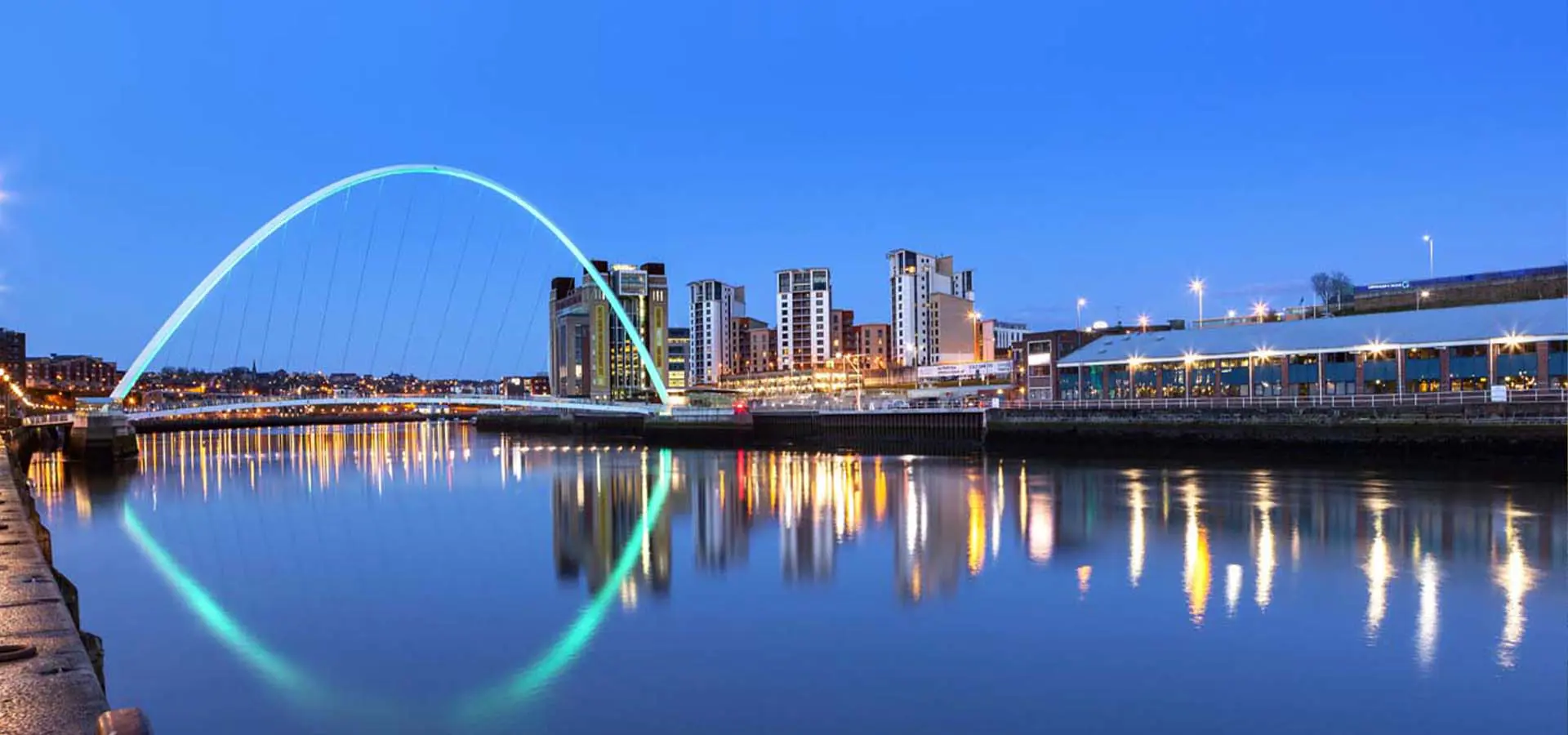
The vibrant city on the River Tyne
In the heart of north-east England, Newcastle upon Tyne, also known simply as Newcastle, blends its historic heritage with a lively and dynamic cultural scene.
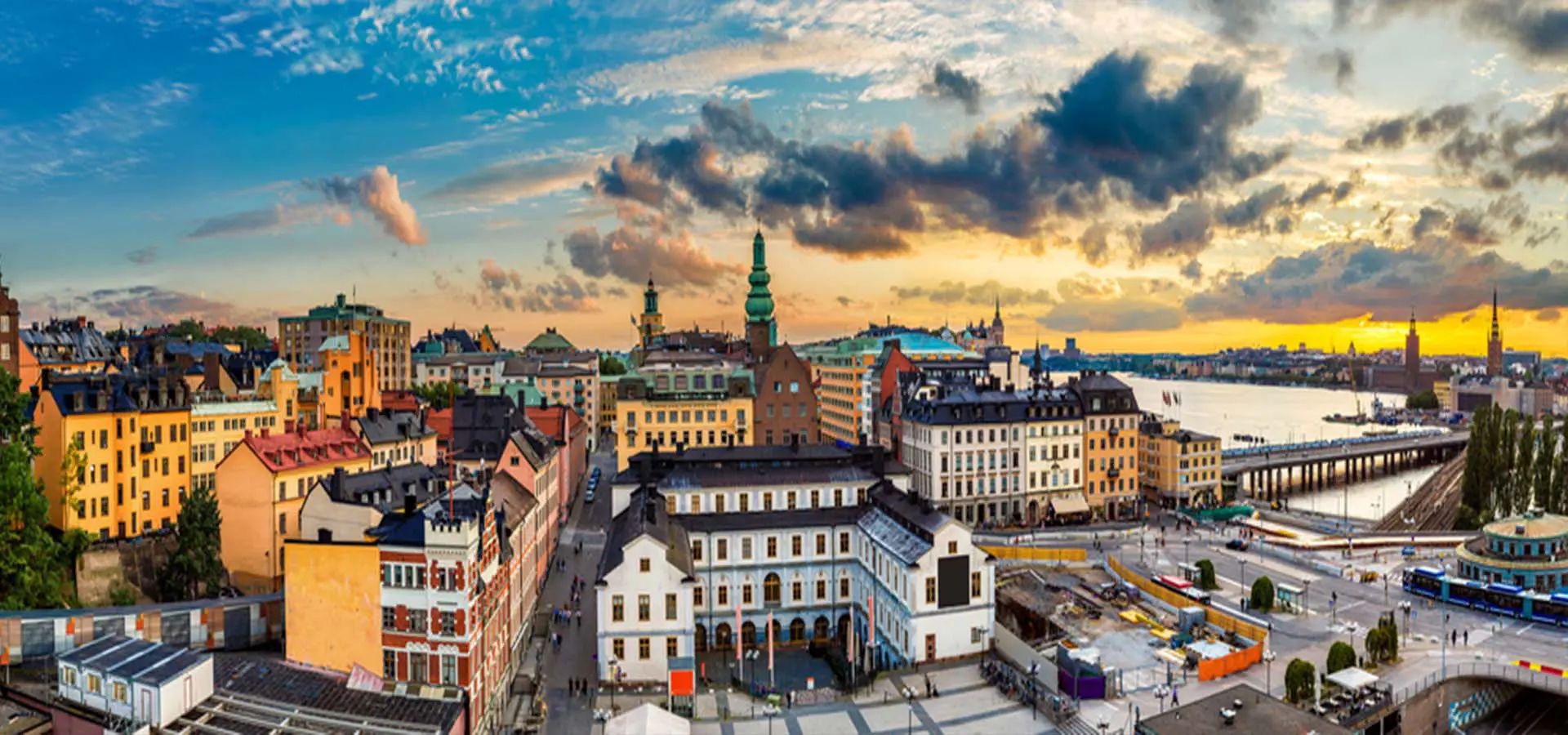
A capital of innovation and design
Historic charm, design and delightful contrasts define this vibrant and modern Nordic capital. Stockholm is a city shaped by the magic of the most elemental force of all: water.
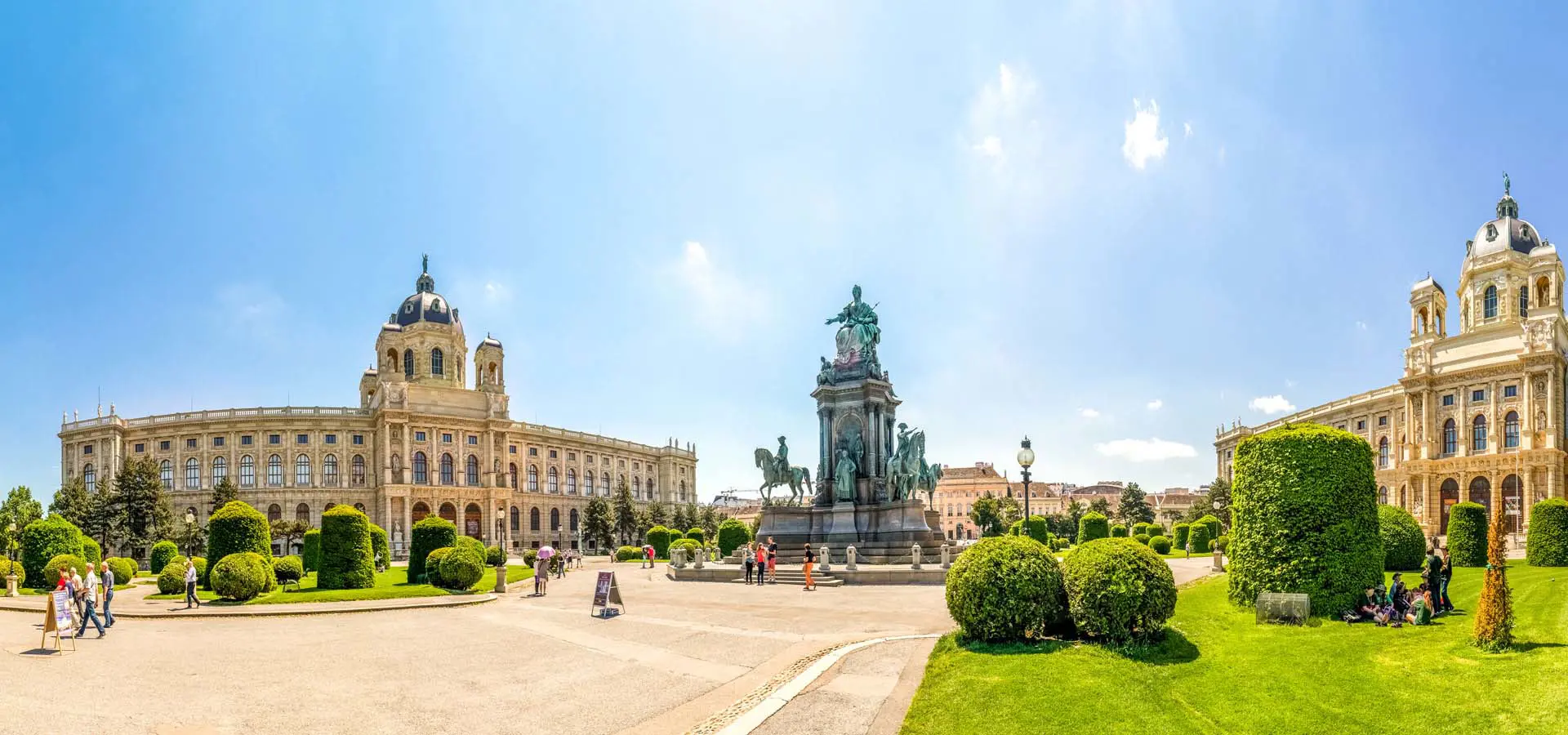
The world capital of music with an imperial past
It is impossible not to associate Vienna with concerts, balls, evenings at the Opera, music festivals, and the notes of Mozart, Schubert, Strauss, Beethoven and Mahler.
Belgium
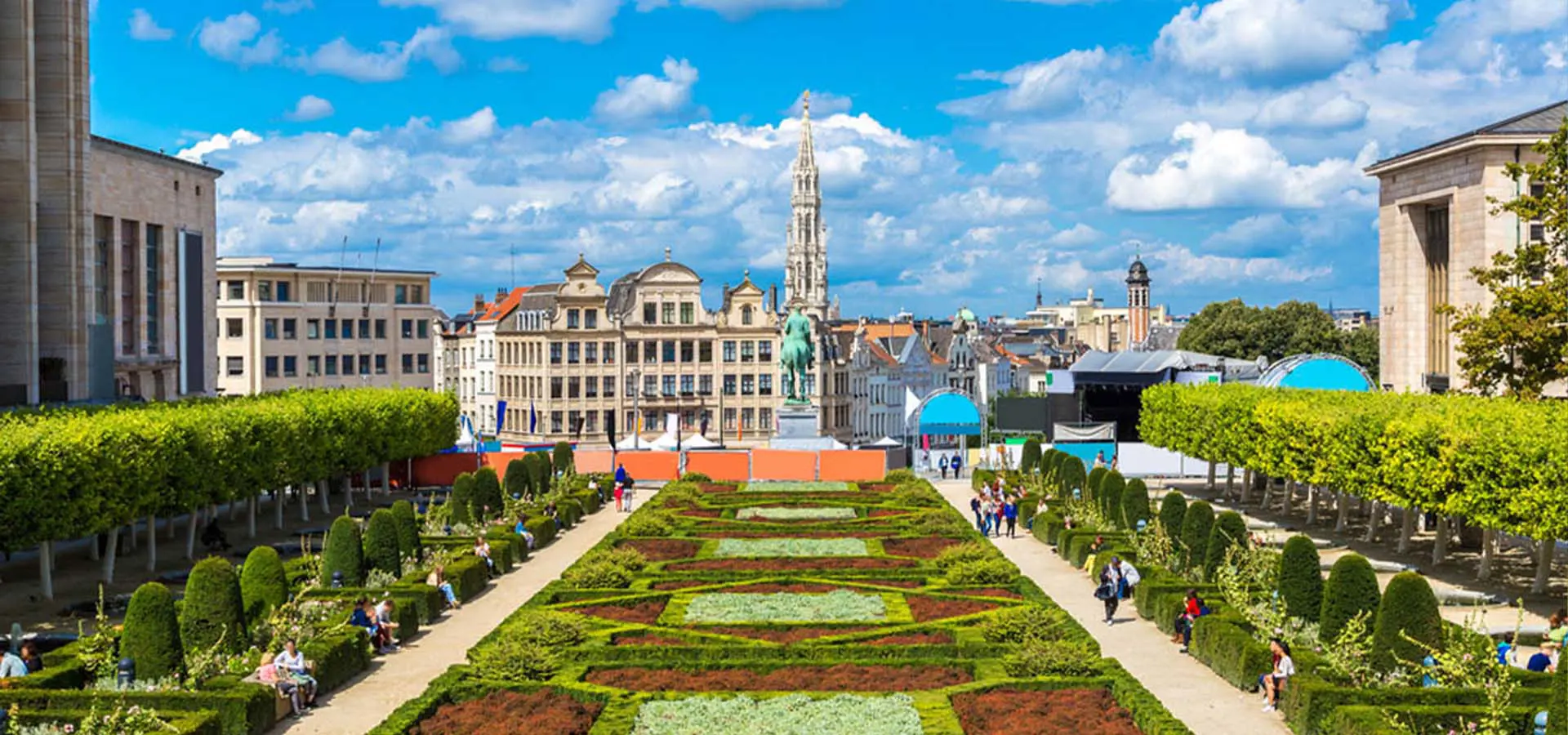
The heart of Europe and a cosmopolitan city
Brussels is rich in history and culture, and also offers an exceptional natural heritage through its parks and green spaces. The Grand Place, framed by princely buildings, is the natural starting point for any visit.
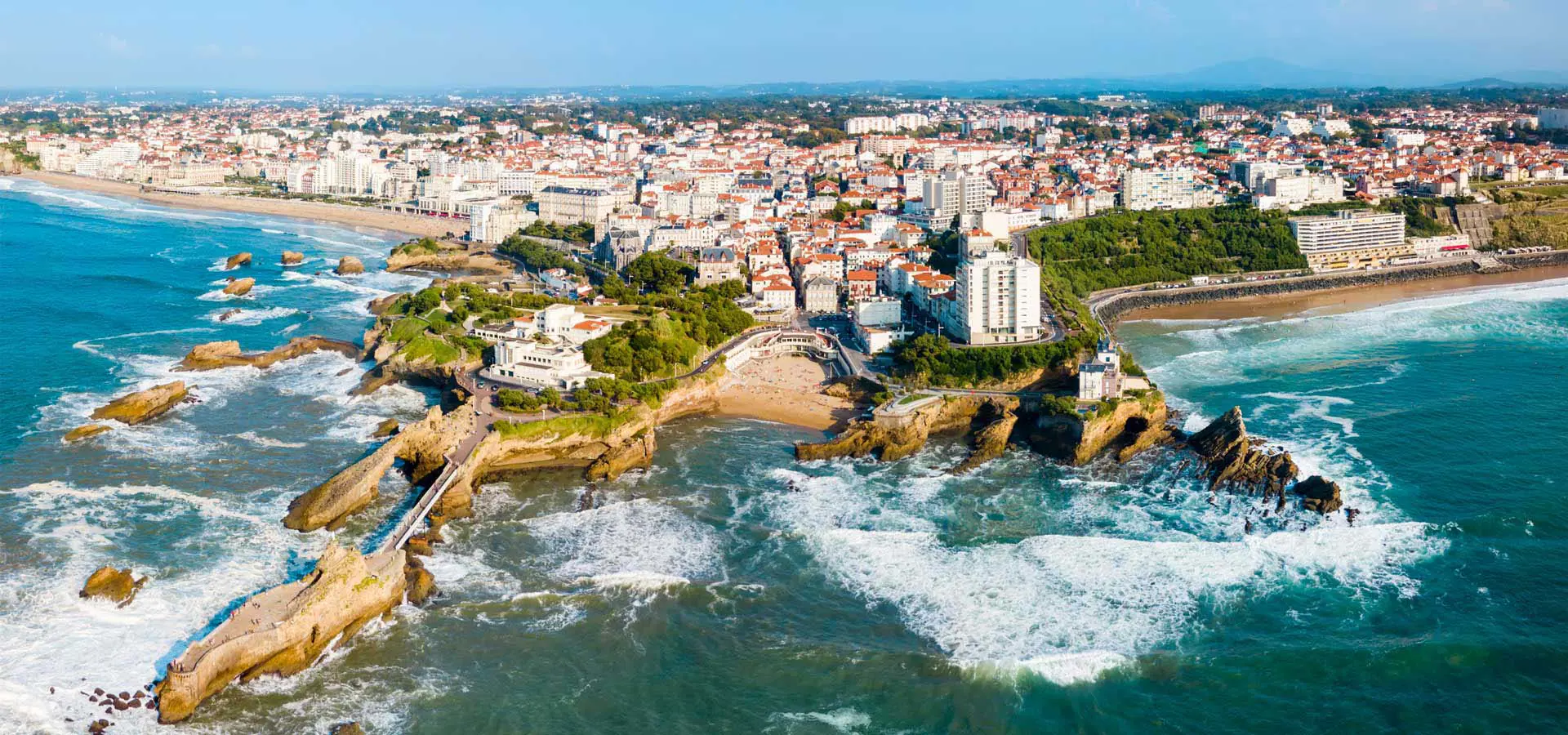
An elegant seaside destination on the Basque Coast
In the heart of the Basque Coast, Biarritz stands out as one of France’s most beautiful and culturally rich destinations, attracting travellers from around the world.
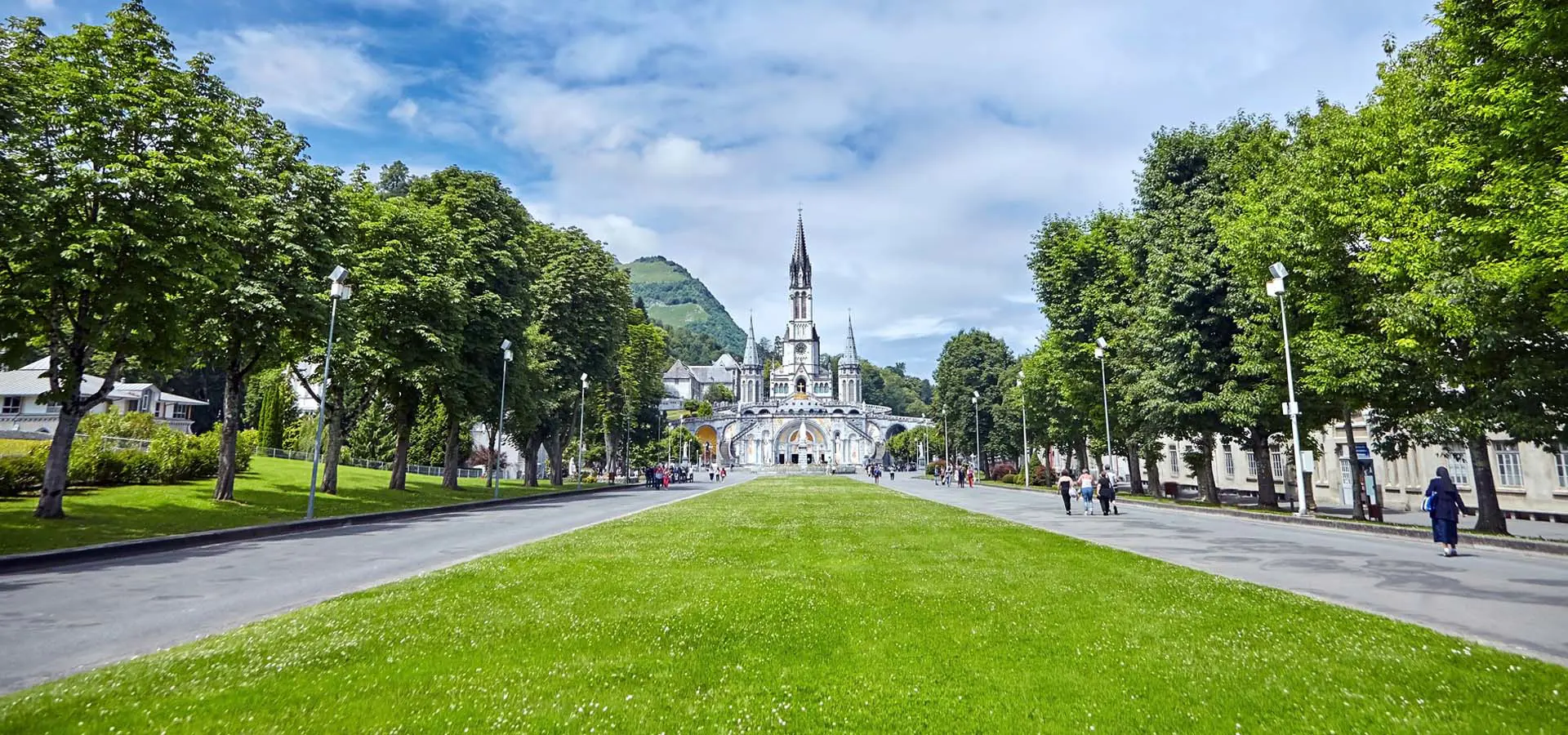
A fascinating spiritual destination
Lourdes, Europe’s leading pilgrimage city after Rome, welcomes millions of visitors each year and has been known as a sacred place since 1858, following the apparitions of the Virgin Mary.
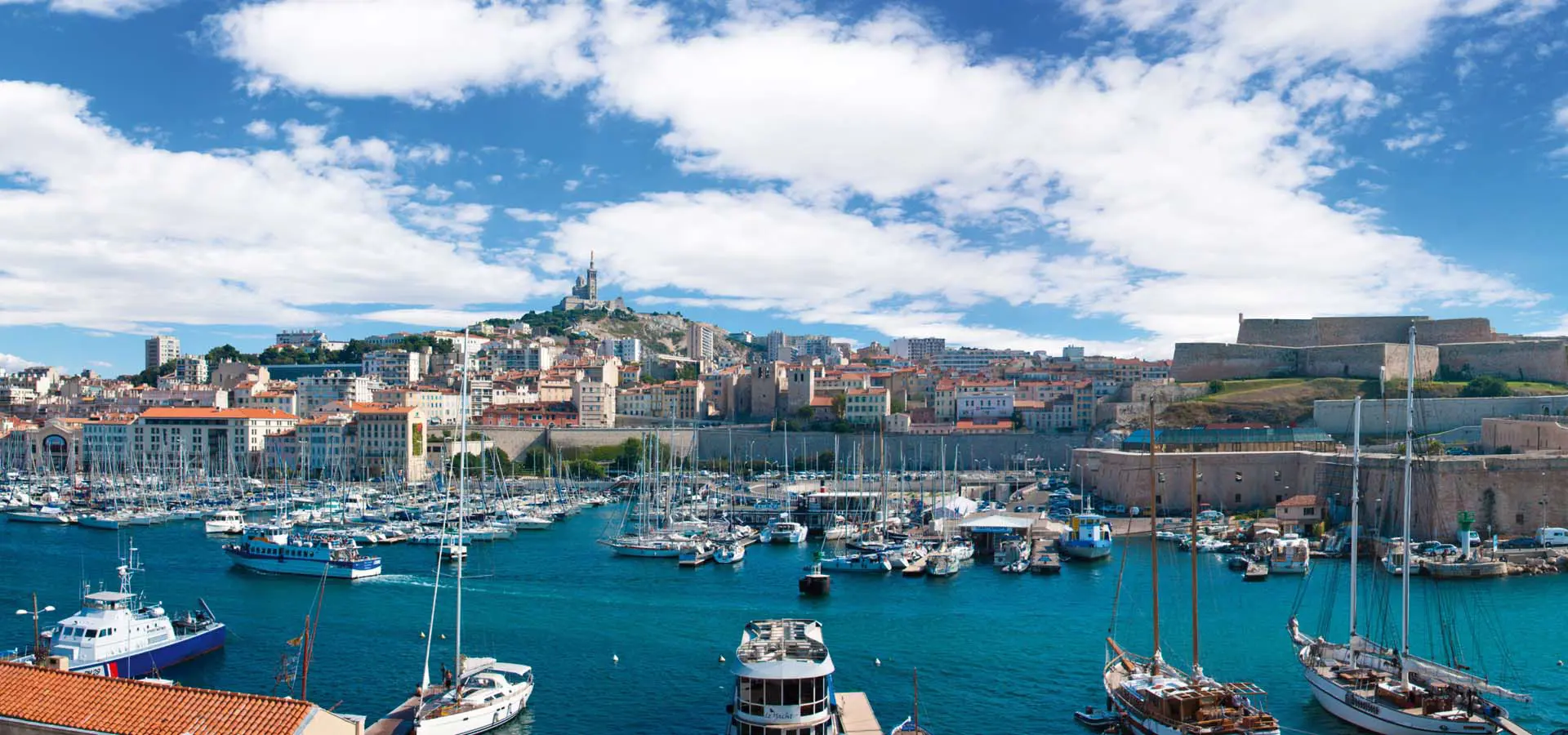
A fascinating port city of culture, history and nature
Marseille is one of France’s most multicultural and multi-ethnic cities, as well as a major political and commercial centre thanks to the activity of its port. The city has also inspired a number of celebrated painters.
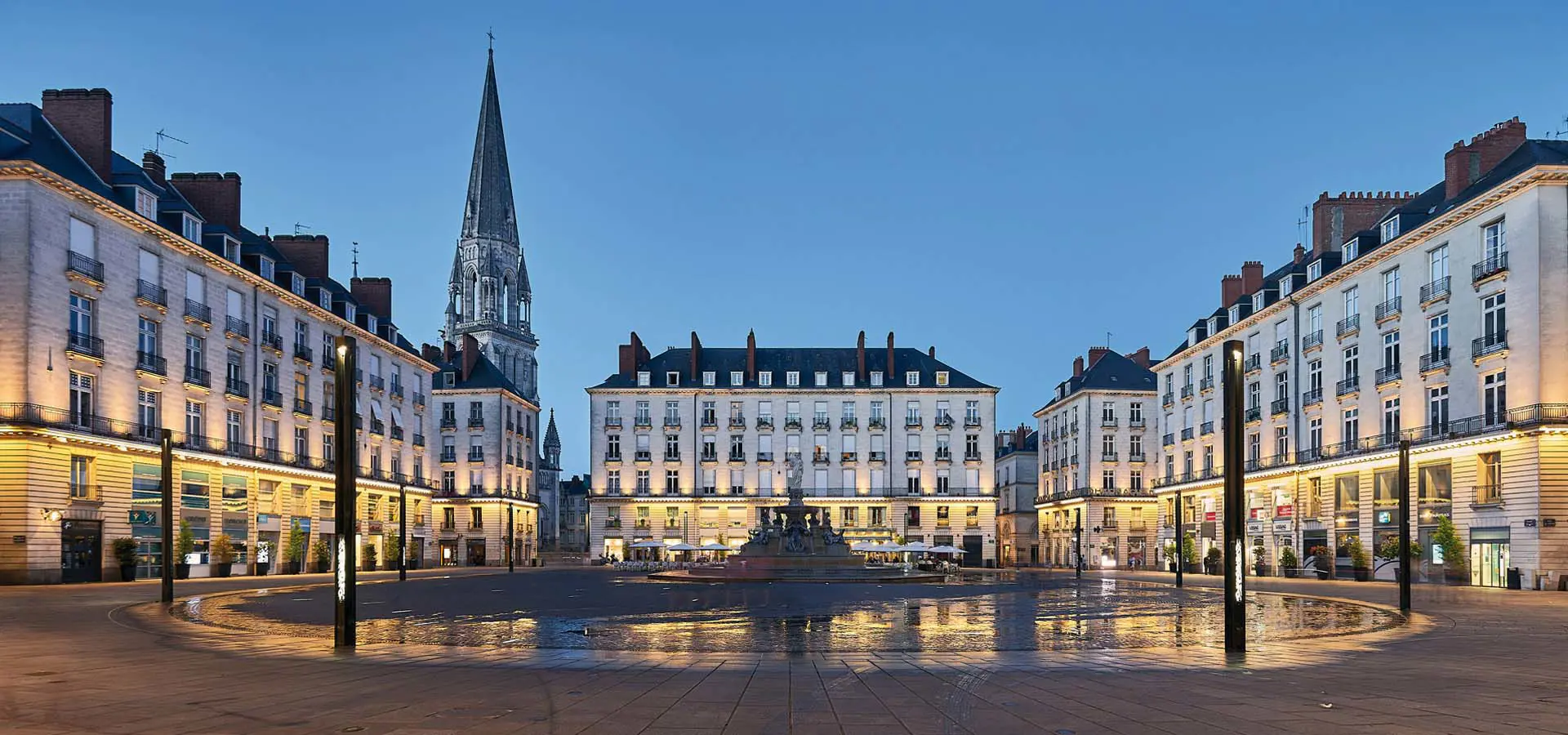
The heart of Brittany, embraced by the Loire
The waters of the Loire, France’s longest river, surround Nantes before flowing into the western Atlantic. The city is an ideal base for discovering the wonders of the Loire Valley castles.
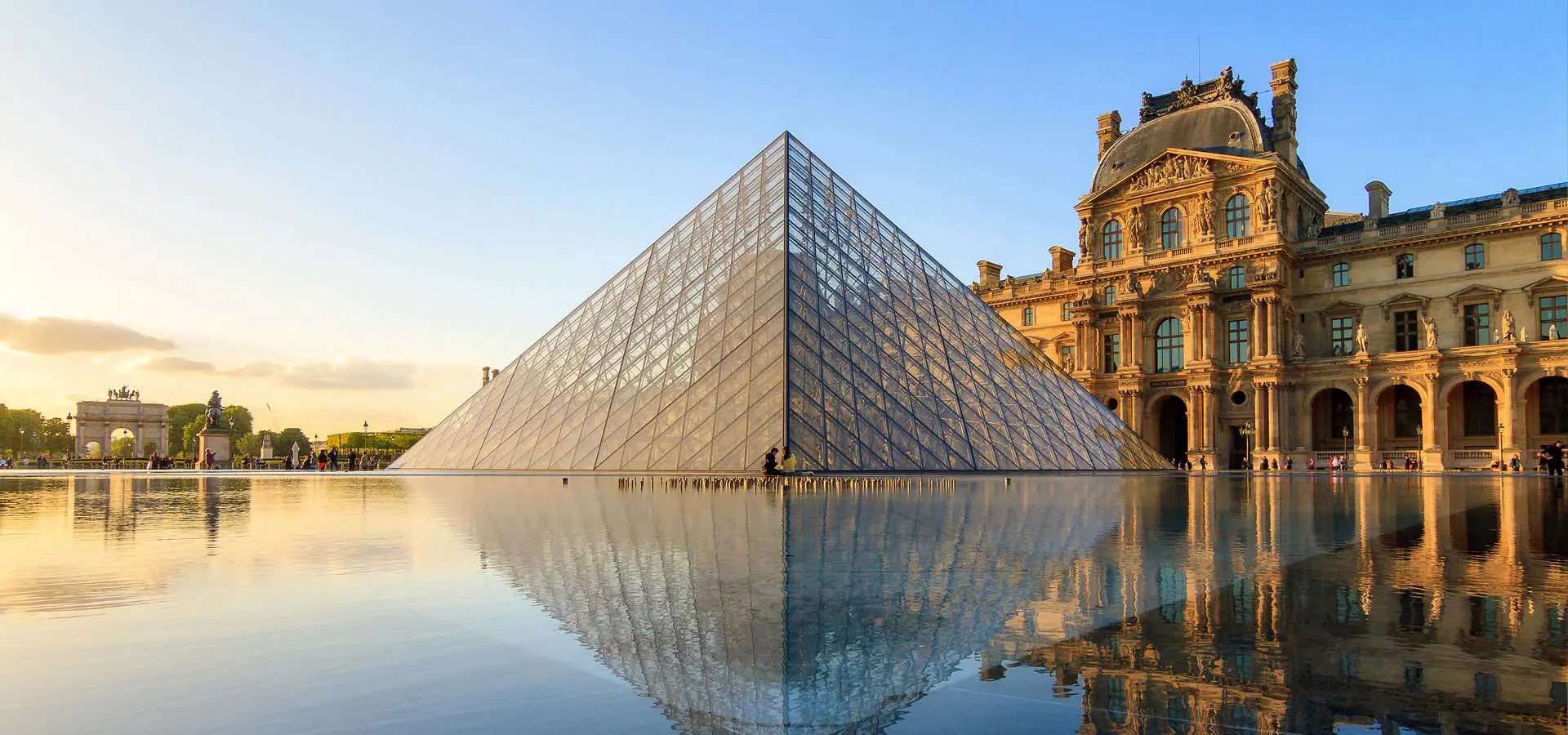
The timeless charm of a capital
Paris is one of the most beautiful and romantic cities in the world. The Ville Lumière, or City of Light, is enveloped in a cosmopolitan charm that has captivated visitors for centuries.
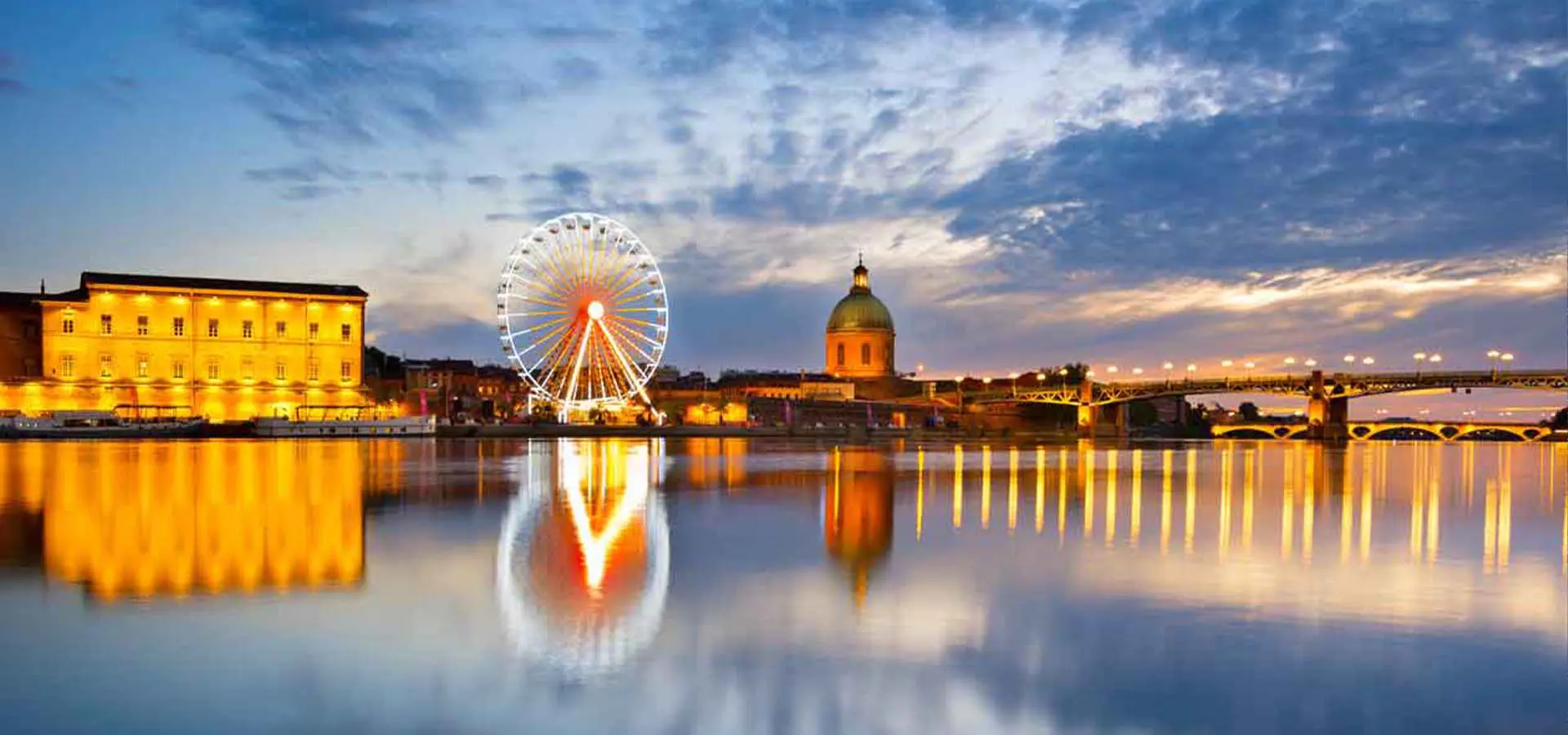
The Ville Rose on the Garonne
Just a few kilometres from the Pyrenees, Toulouse owes its nickname, the Ville Rose, to the pinkish-red bricks used to build the buildings of its historic centre.
Germany
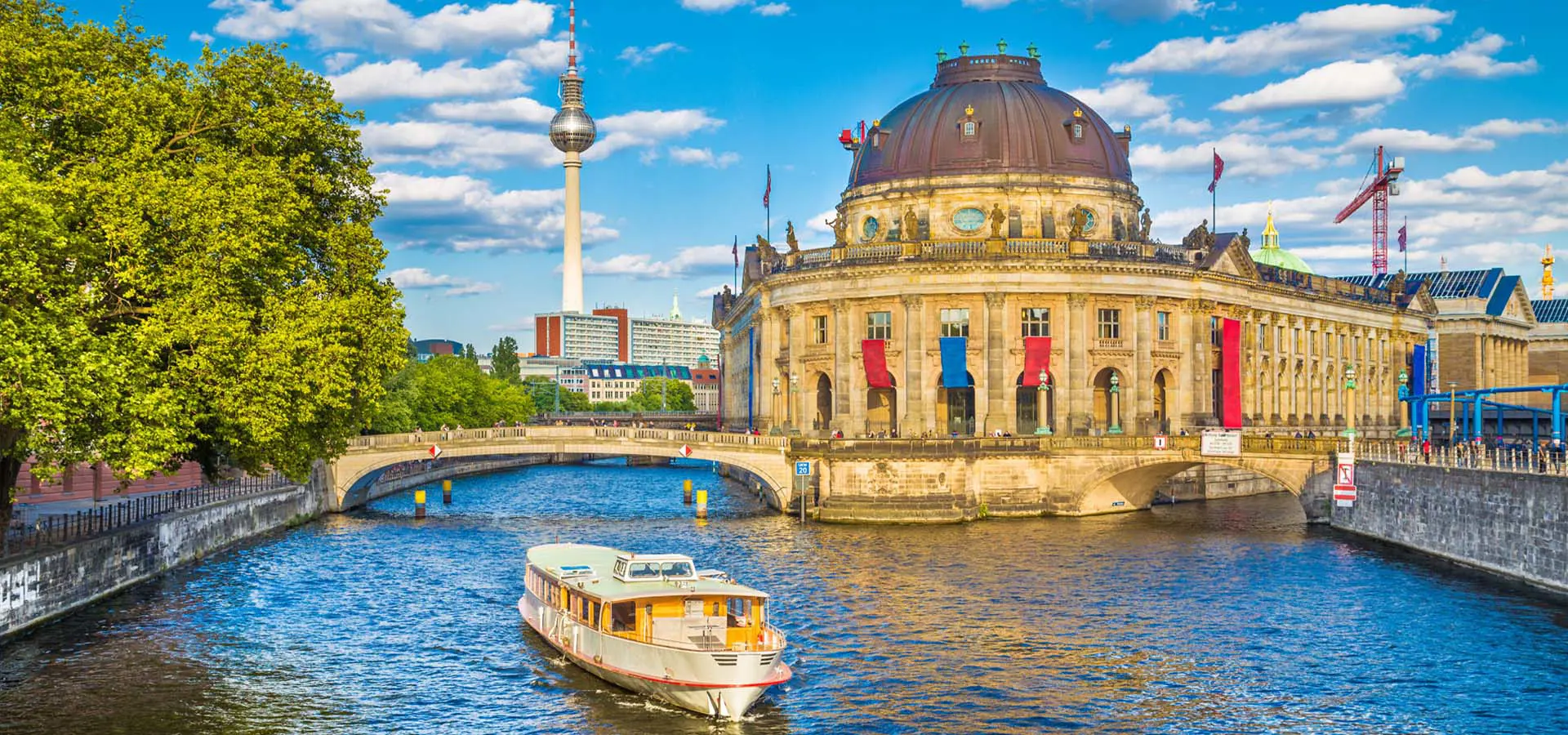
History, art and modernity in Europe’s most eclectic capital
The Brandenburg Gate, Berlin’s iconic symbol, remains one of the city’s greatest landmarks and a powerful witness to German history. A visit to the city often begins here, before unfolding through a series of places of remarkable interest.
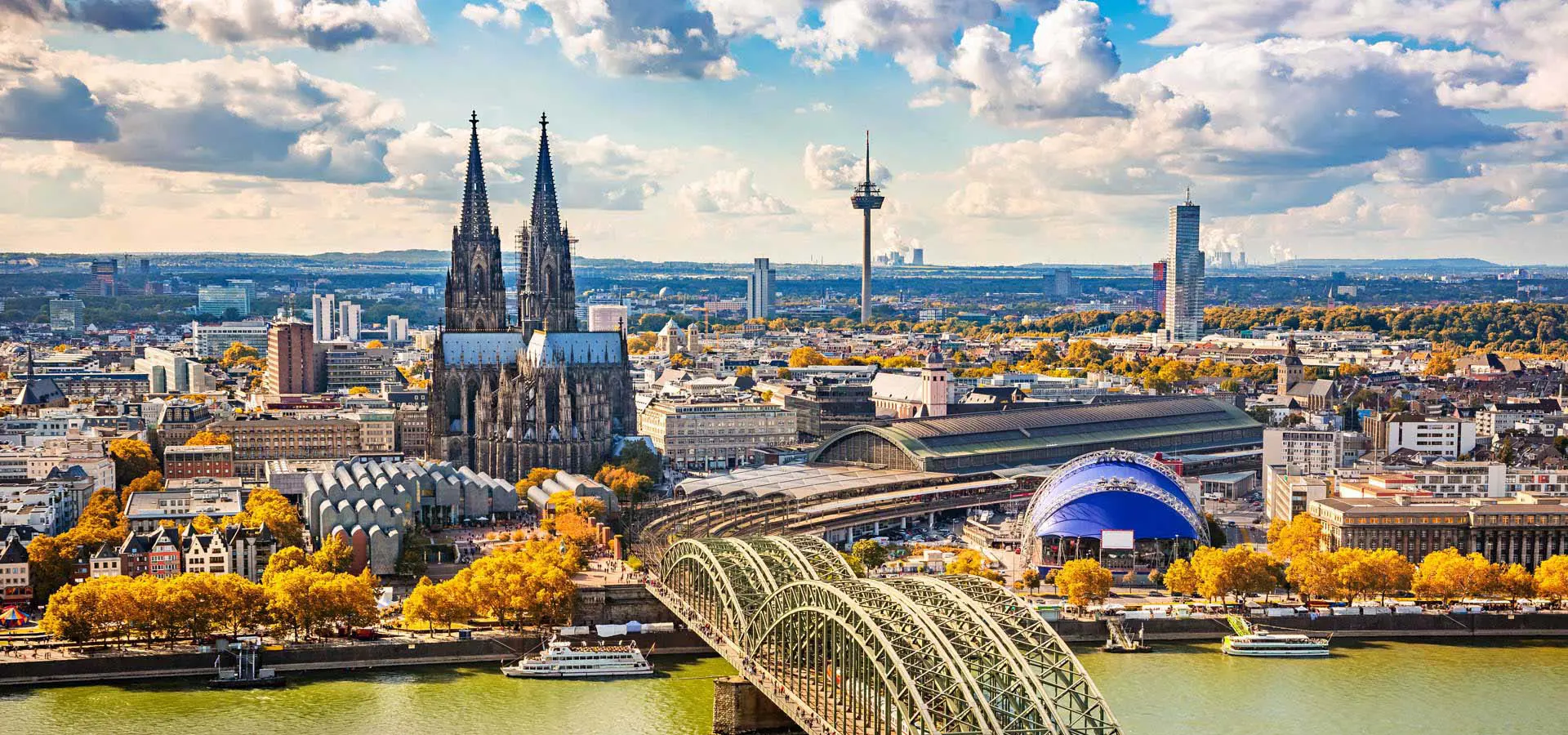
Germany’s oldest city
More than 2,000 years of history can be traced through its streets and monuments. At the heart of the city, right on the banks of the Rhine, stands the Cathedral - the undisputed symbol of Cologne and, perhaps, of the entire nation.
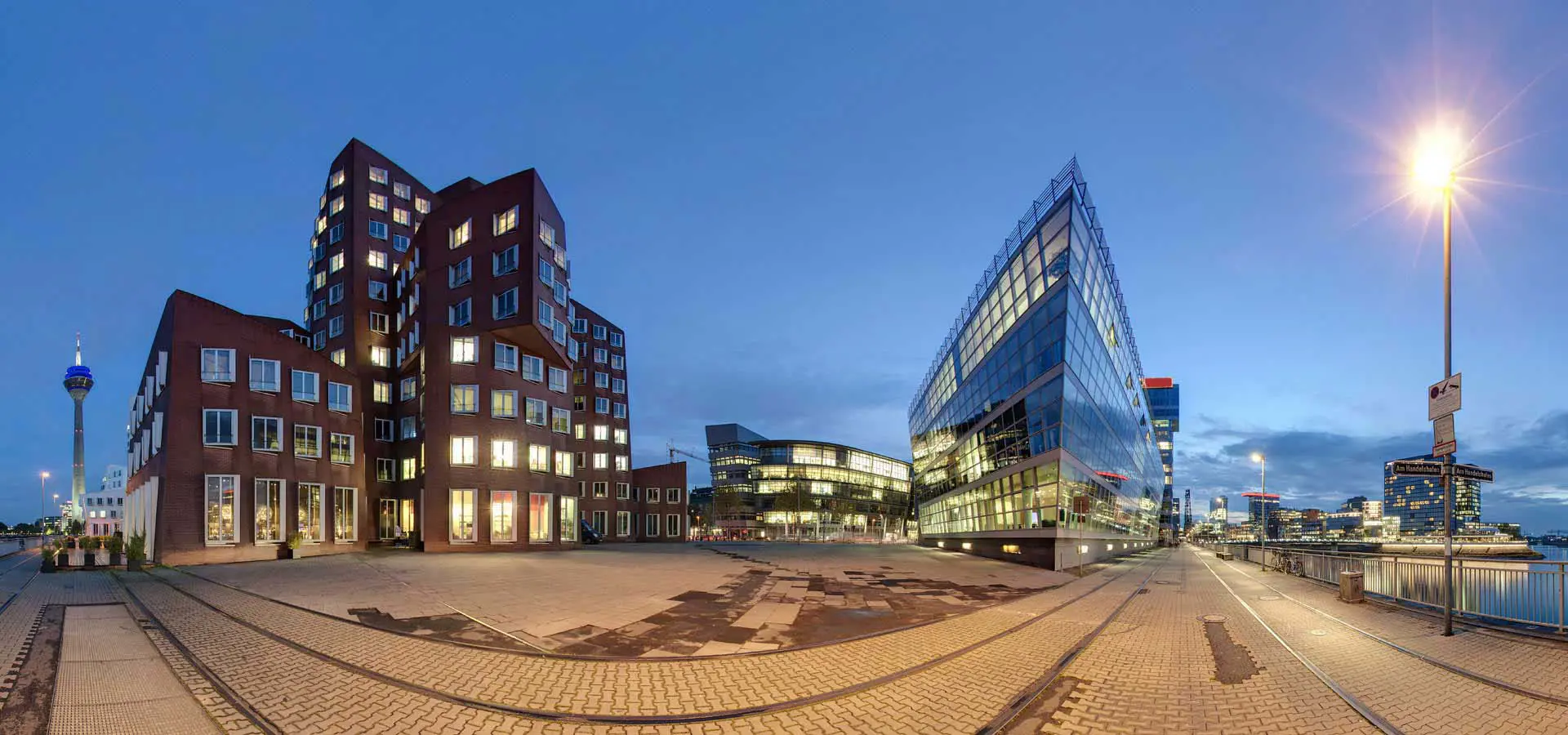
History, art, architecture and entertainment along the Rhine
Düsseldorf is a city that embodies Germany’s elegance, history and cultural vibrancy. Set on the picturesque banks of the Rhine, it offers a rich and rewarding experience.
Luxembourg
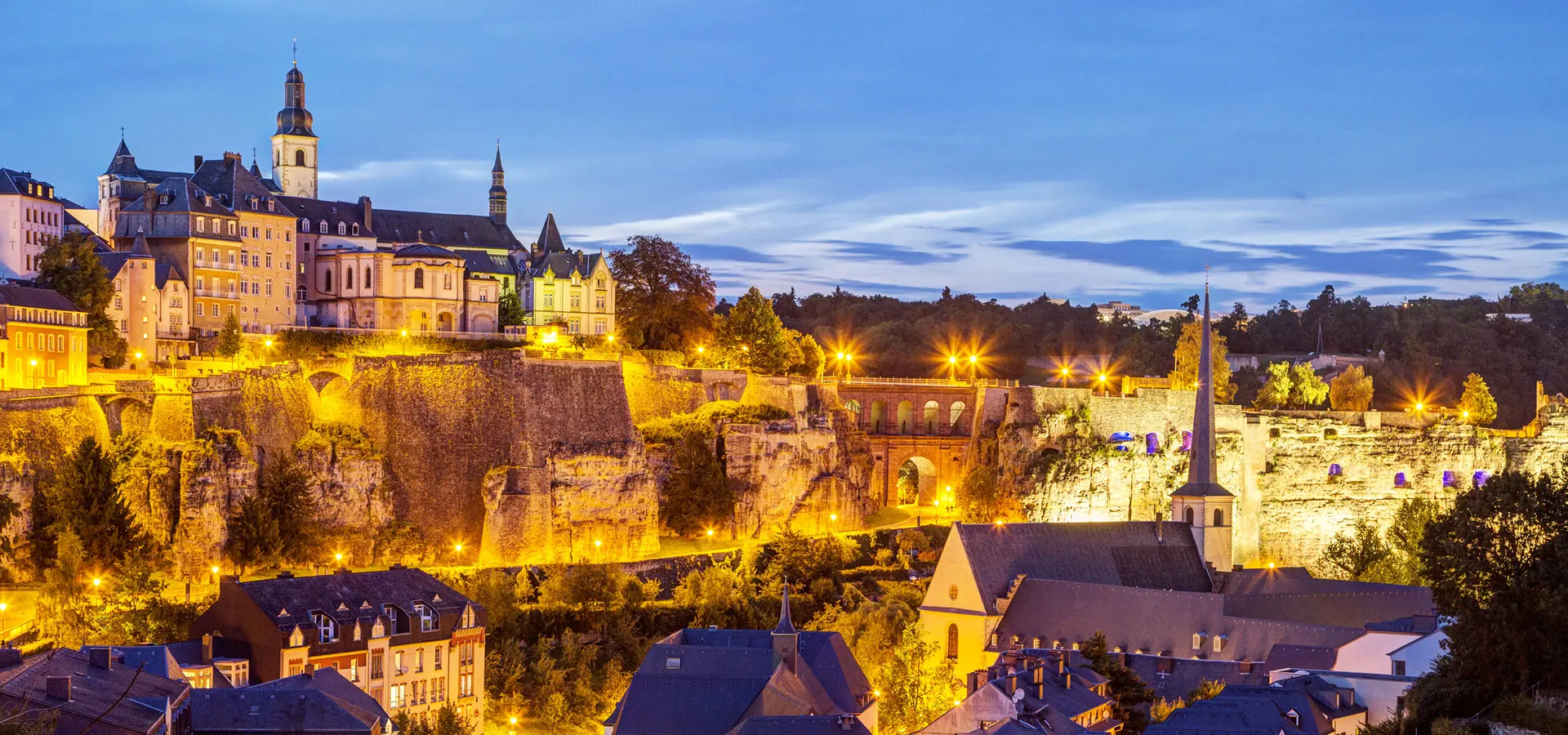
The capital of the Grand Duchy, in the green heart of Europe
Nestled between Germany, France and Belgium, Luxembourg is a meeting point of the cultures of these countries. Its capital, of the same name, is rich in monuments and historic landmarks.
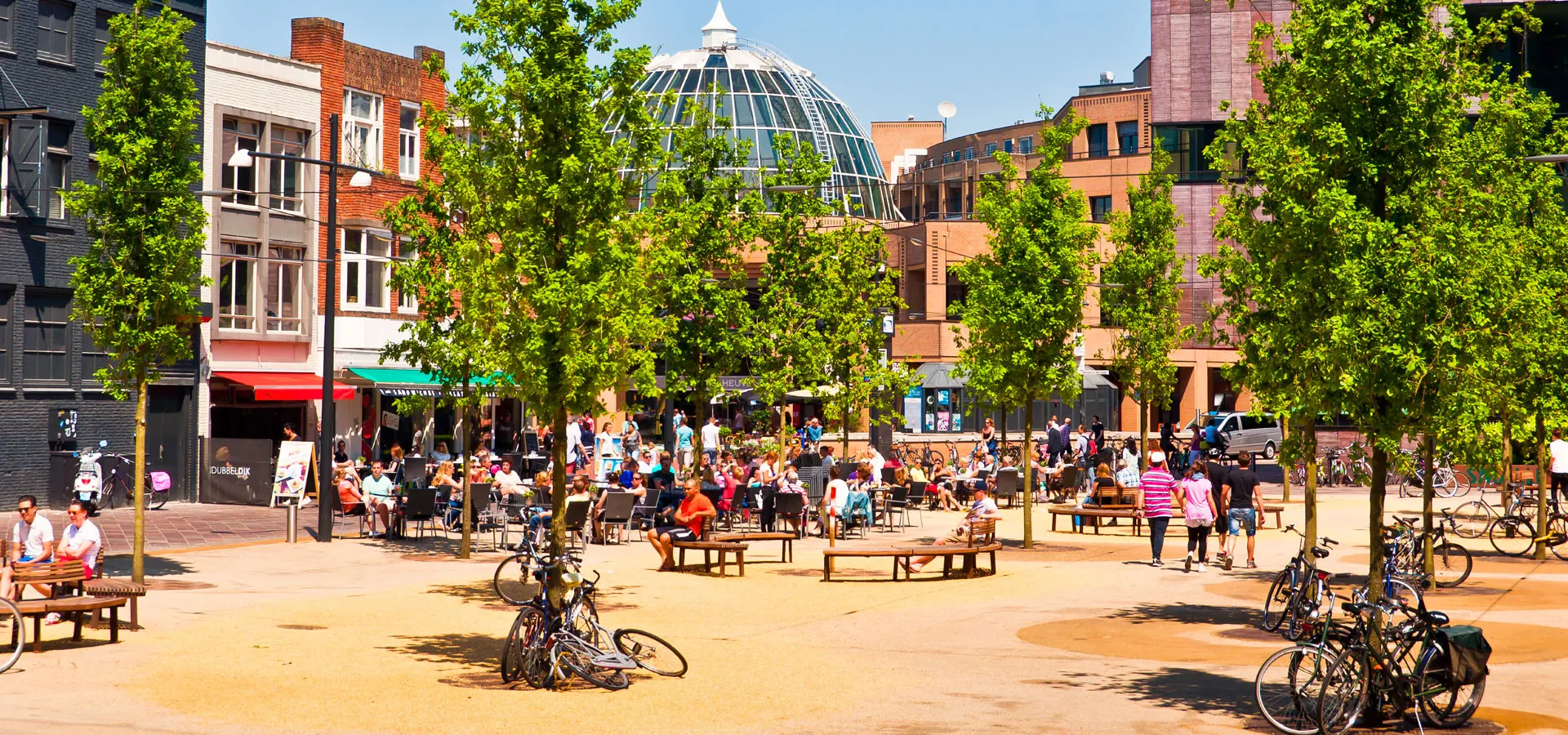
The “City of Light”
From the light bulb to the Ville Lumière, the step was a natural one for Eindhoven: it was in this vibrant city in the south of the Netherlands that Philips produced its first light bulbs.
Portugal
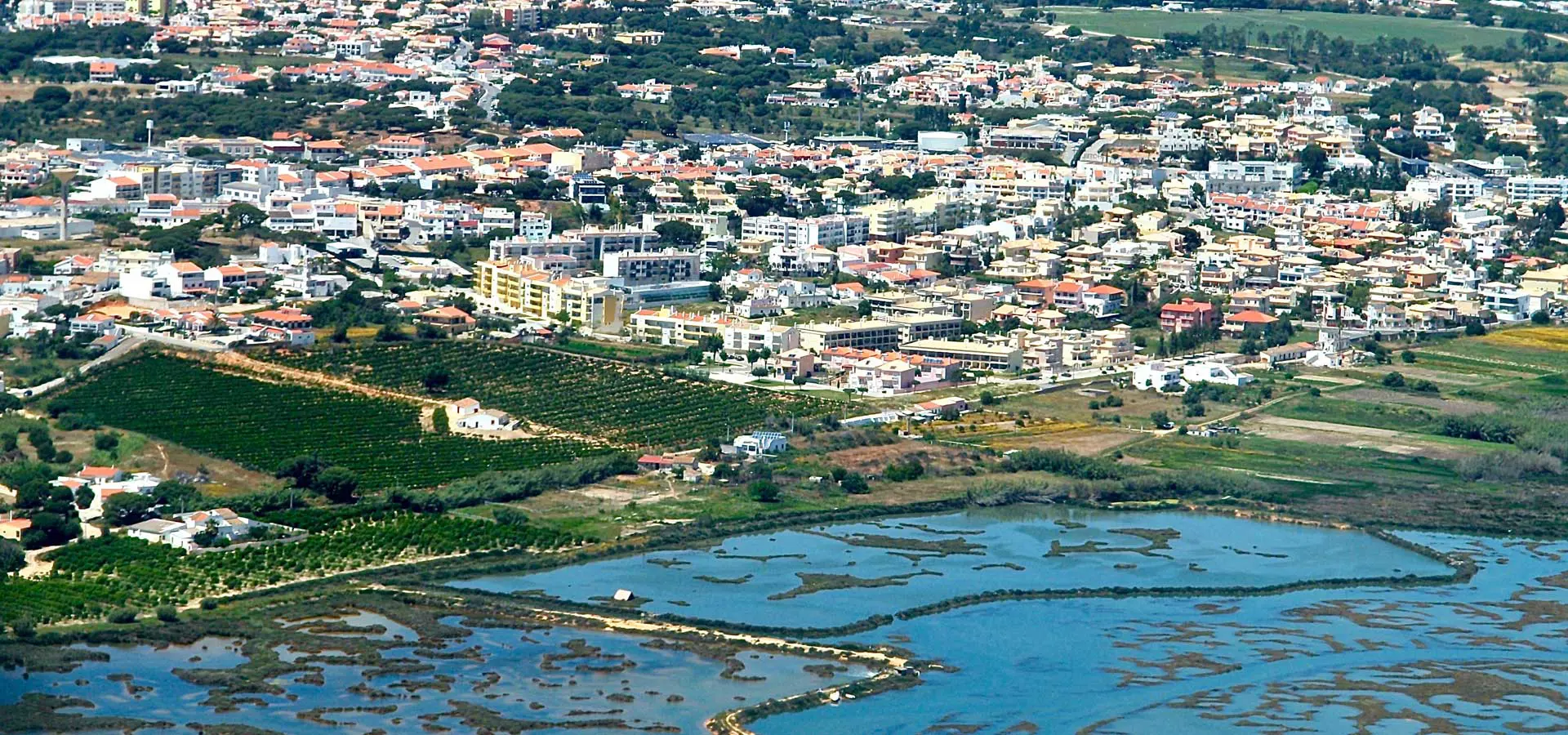
A journey along the Algarve coast
The gateway to the Algarve, Portugal’s southernmost region, Faro enchants visitors with its blend of unspoilt nature and ancient history.
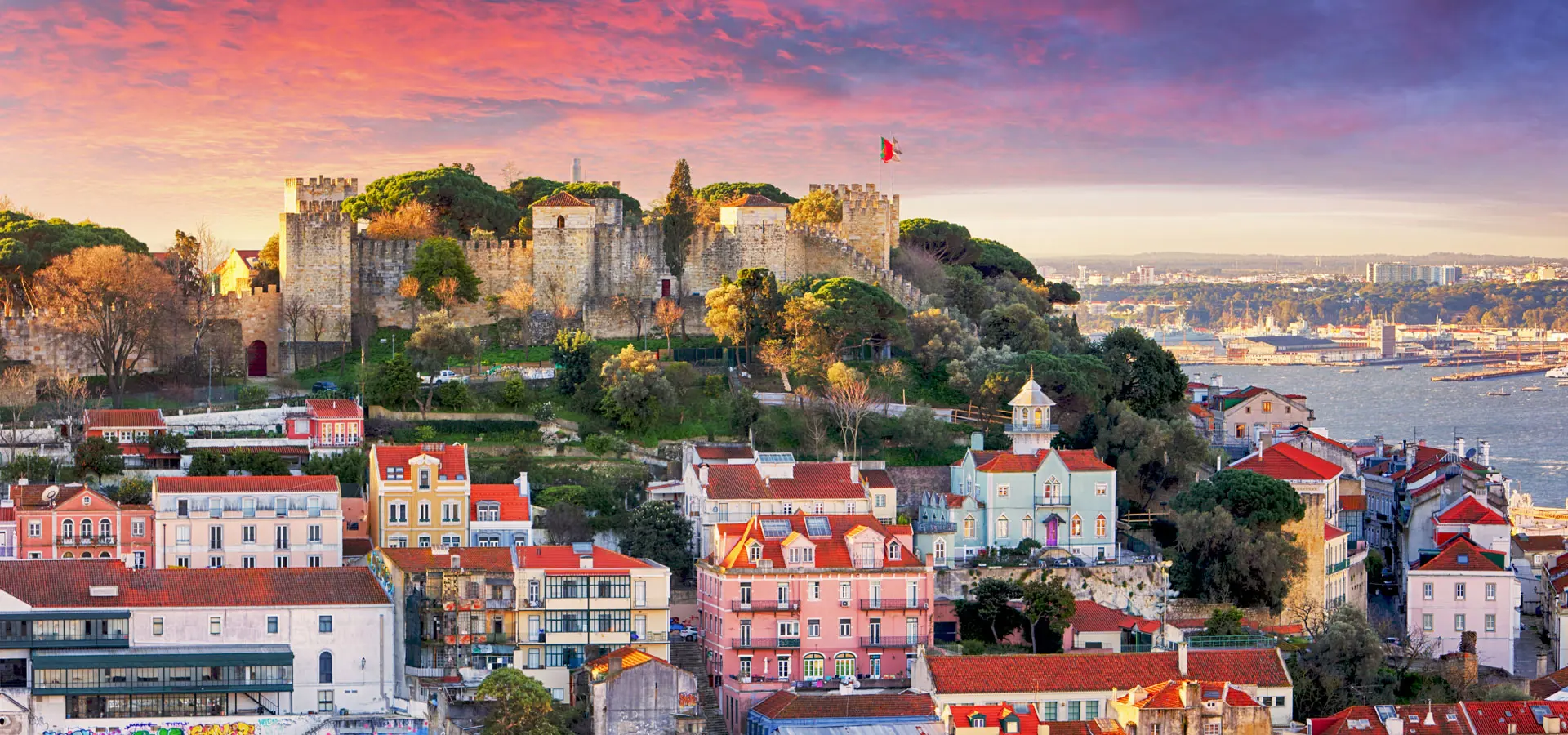
The capital of Portugal, guardian of a glorious past
Few capitals embody the essence of an entire nation’s life and history as completely as Lisbon, the capital of Portugal.
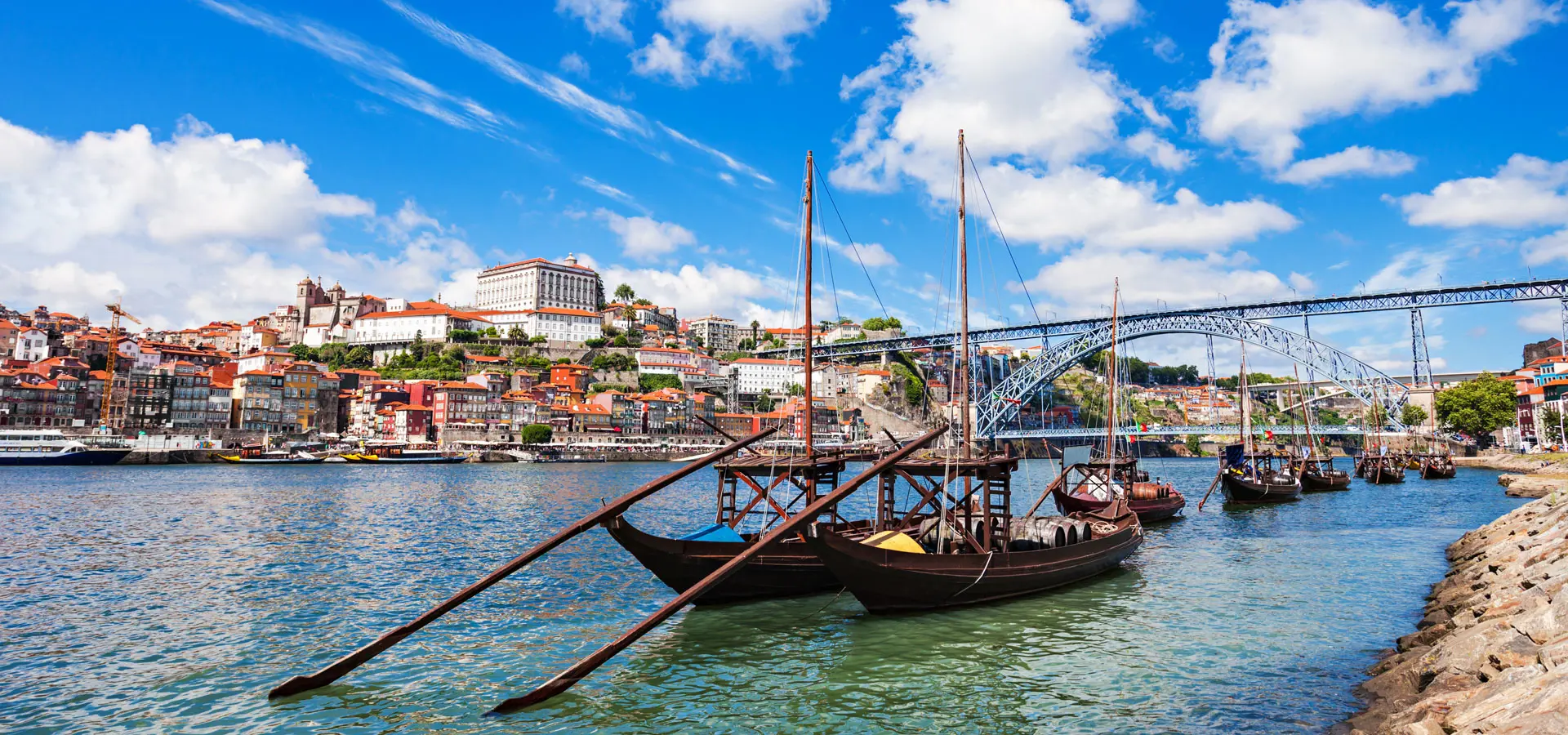
The city that gave the nation its name
In the north, in the country’s oldest and most productive region, lies Porto - Portugal’s second-largest city, yet its foremost in terms of history and tradition.
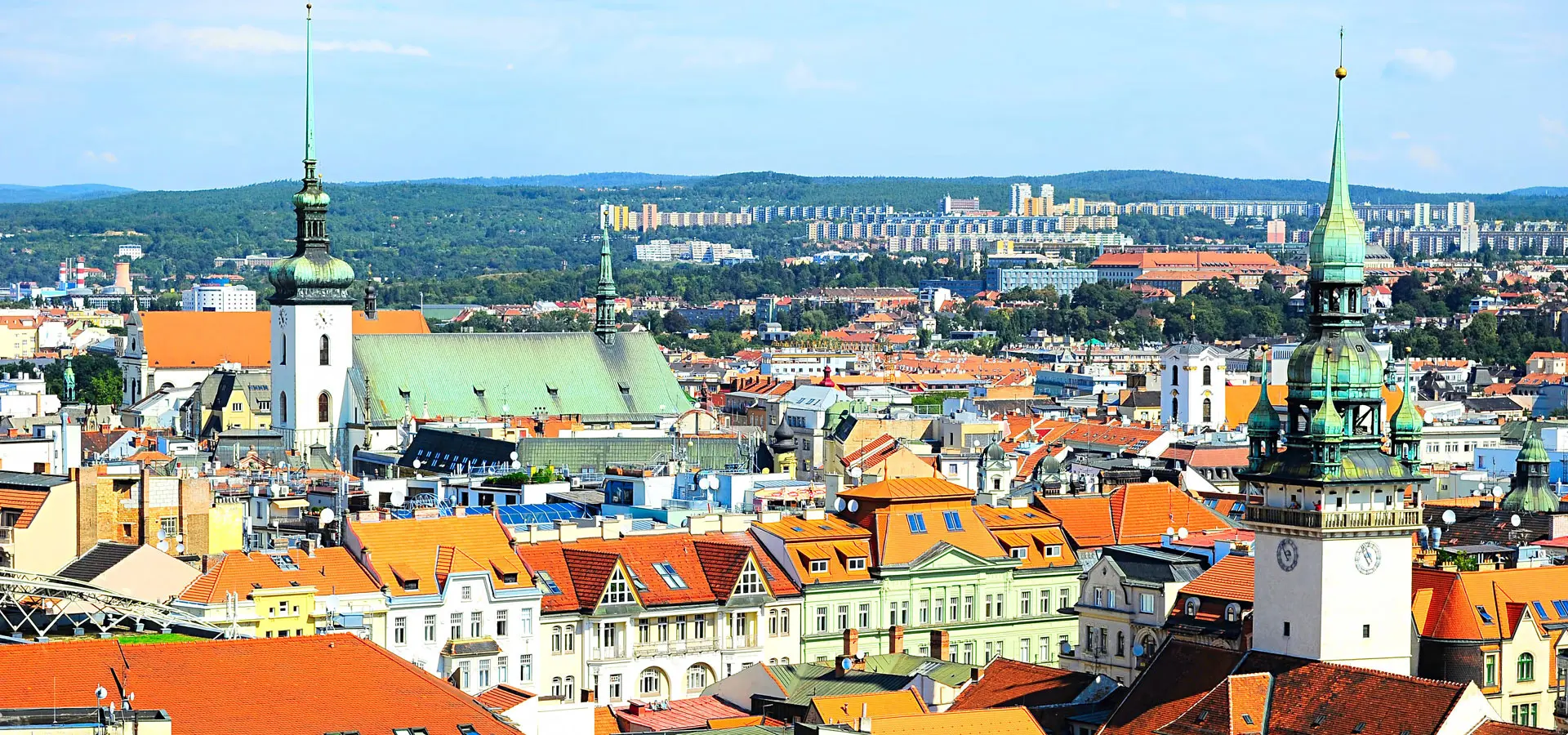
A Moravian jewel of history, innovation and culture
The second most important city in the Czech Republic, Brno is also the capital of Moravia. It is dominated by Špilberk Castle, where the Gothic palace has been remarkably well preserved.
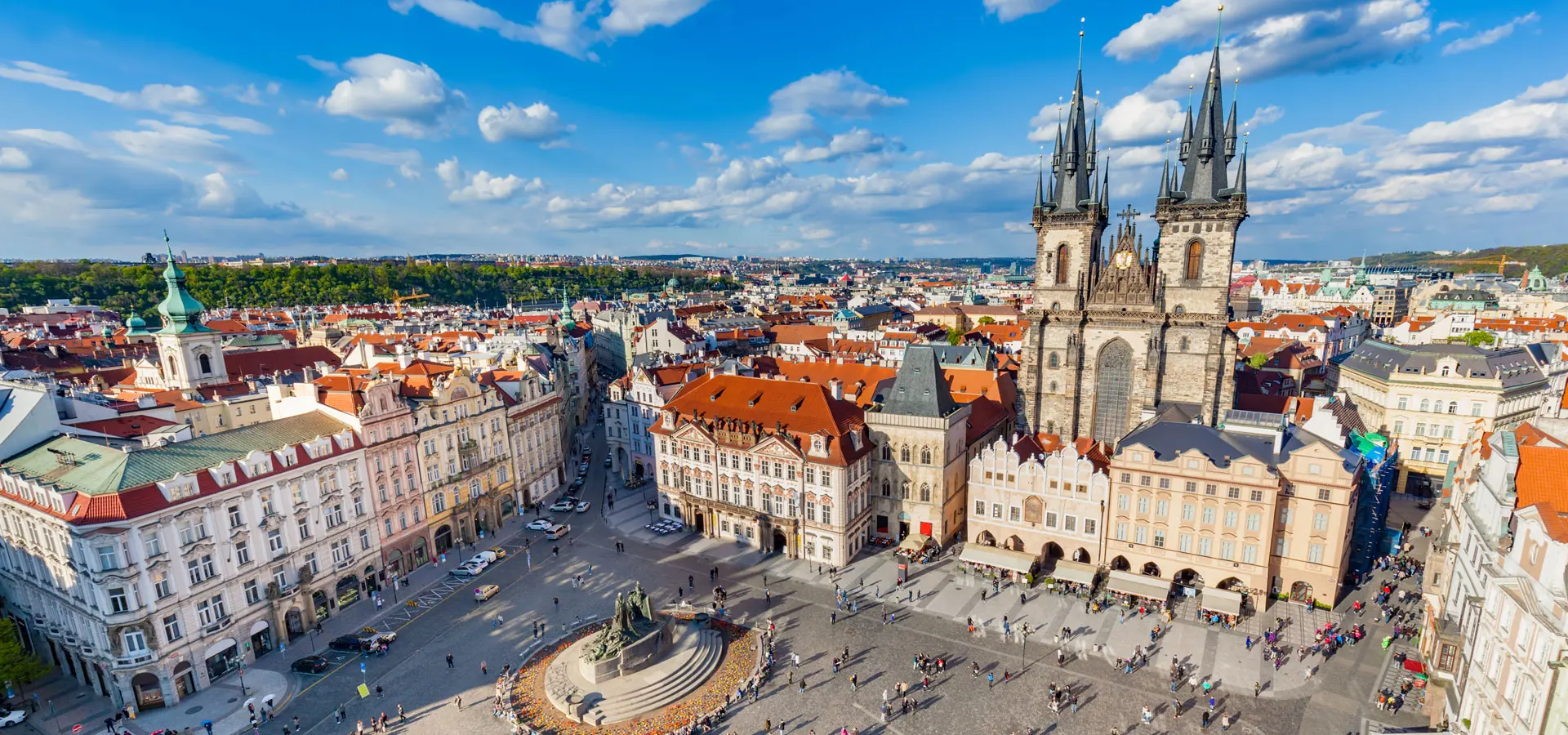
A magical city of a hundred towers
“Prague of a Hundred Towers”, “Prague, Mother of Cities”, “Magical Prague” - these are just some of the nicknames that capture the spirit of Prague, a city listed as a UNESCO World Heritage Site.
Moldova
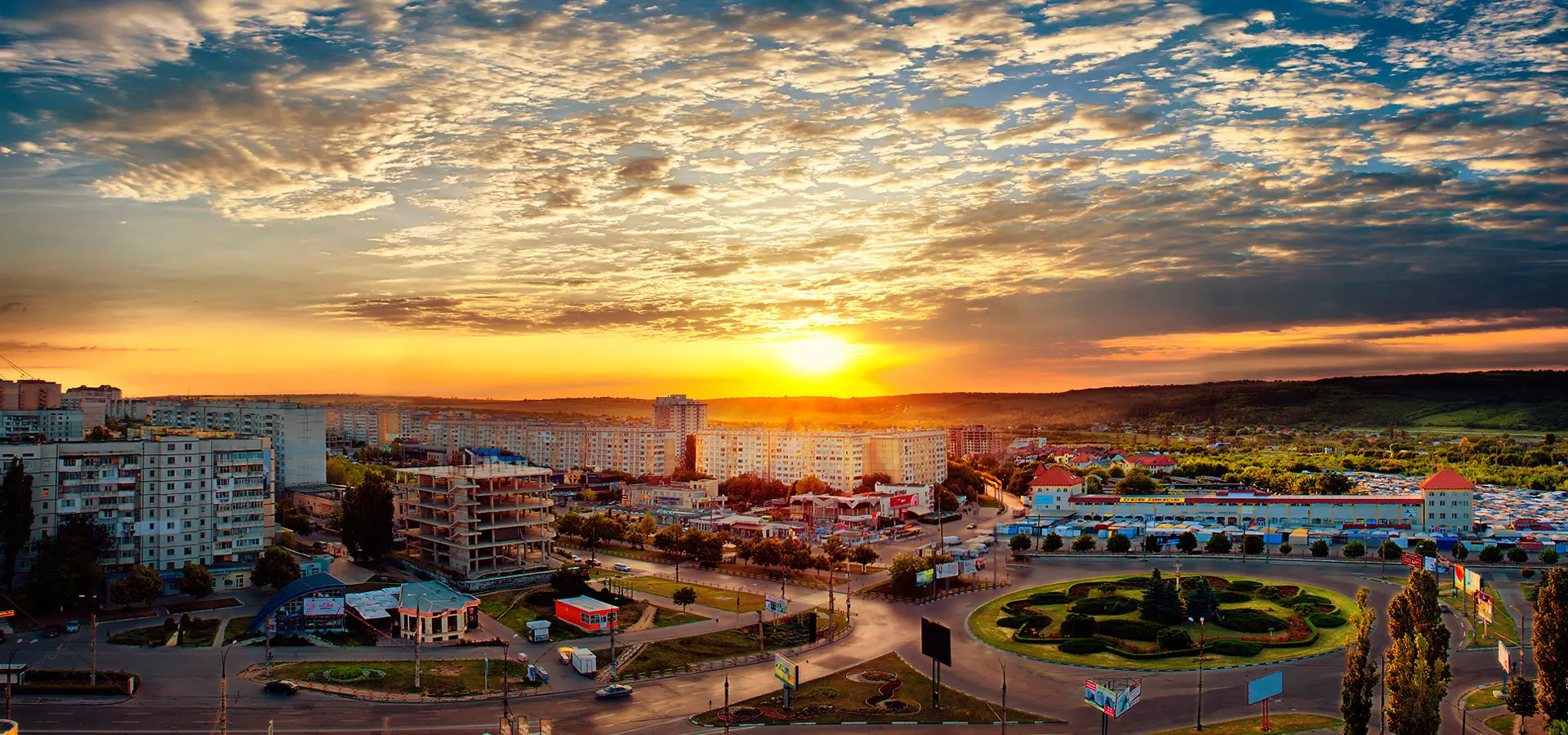
The Moldovan city with a green heart
Regarded as one of Europe’s greenest cities, Chișinău offers architectural beauty and monuments of rare artistic value, as well as wooded hills and peaceful valleys.
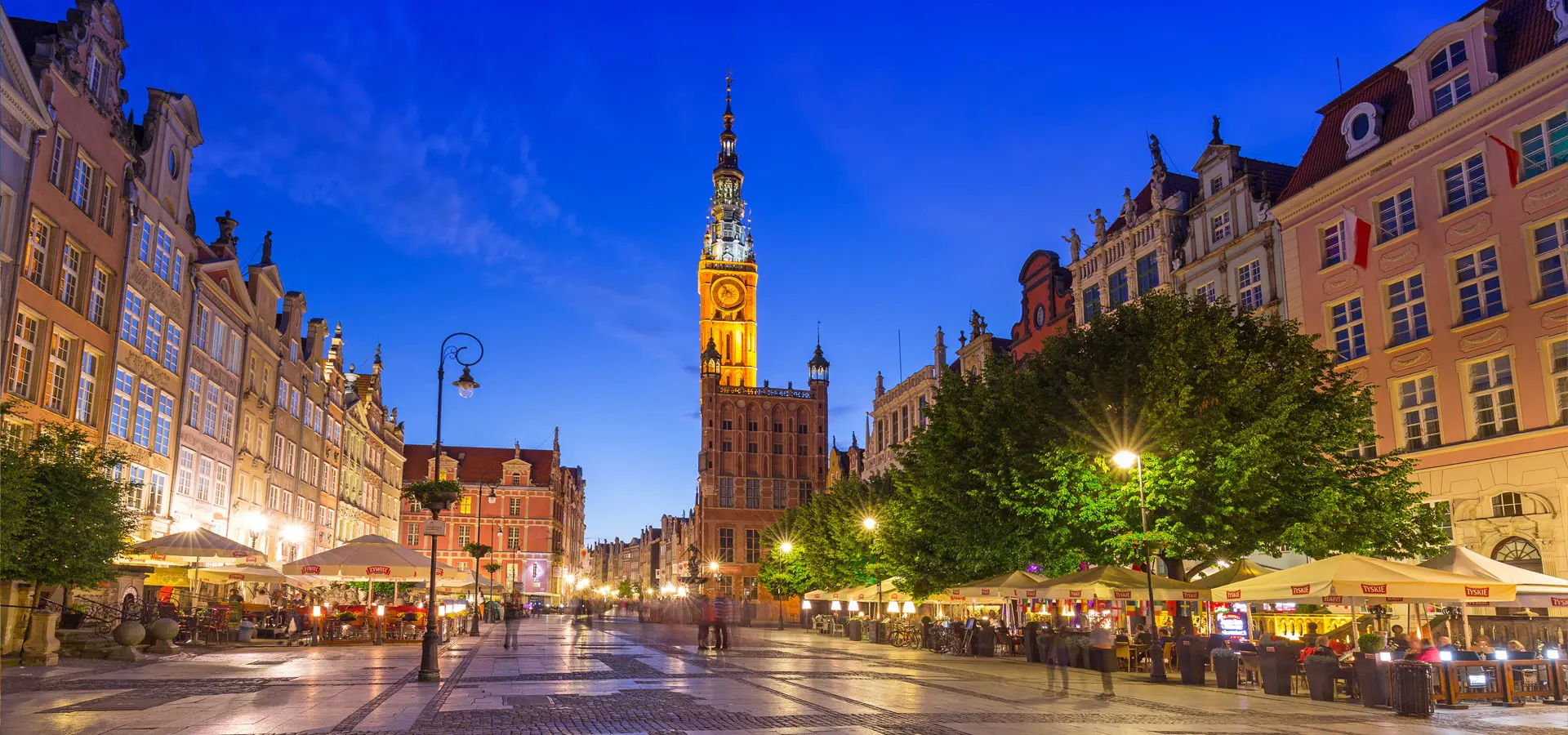
The historic capital of amber
On the Baltic Sea stands one of Poland’s oldest and most historically significant cities. The oldest part of Gdańsk stretches from the Highland Gate to the Green Gate, along what is known as the Royal Route.
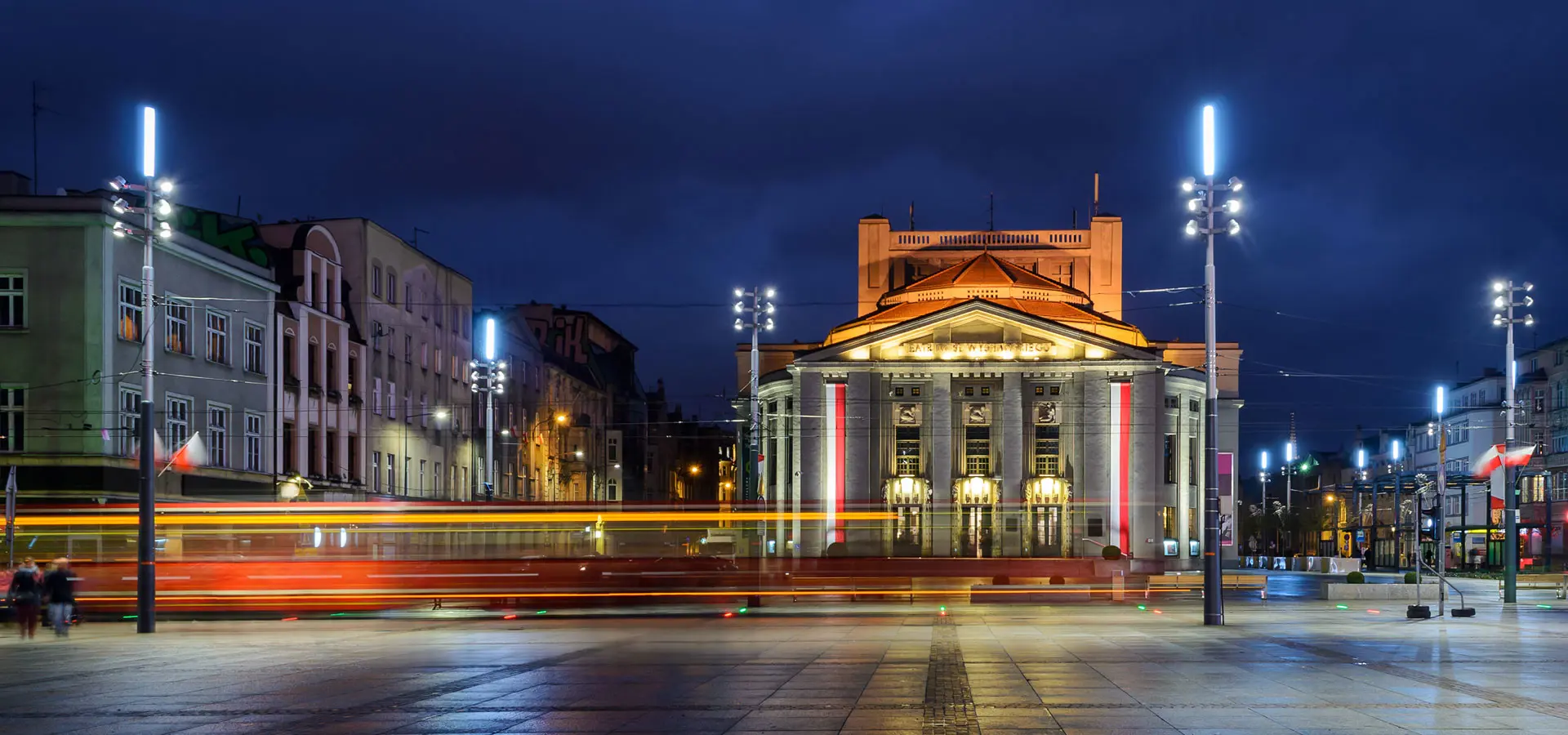
The Polish city where industry, music and innovation come together
Katowice is an ideal base for reaching two of Poland’s most visited places: the Auschwitz concentration camp and the Sanctuary of the Black Madonna of Jasna Góra.
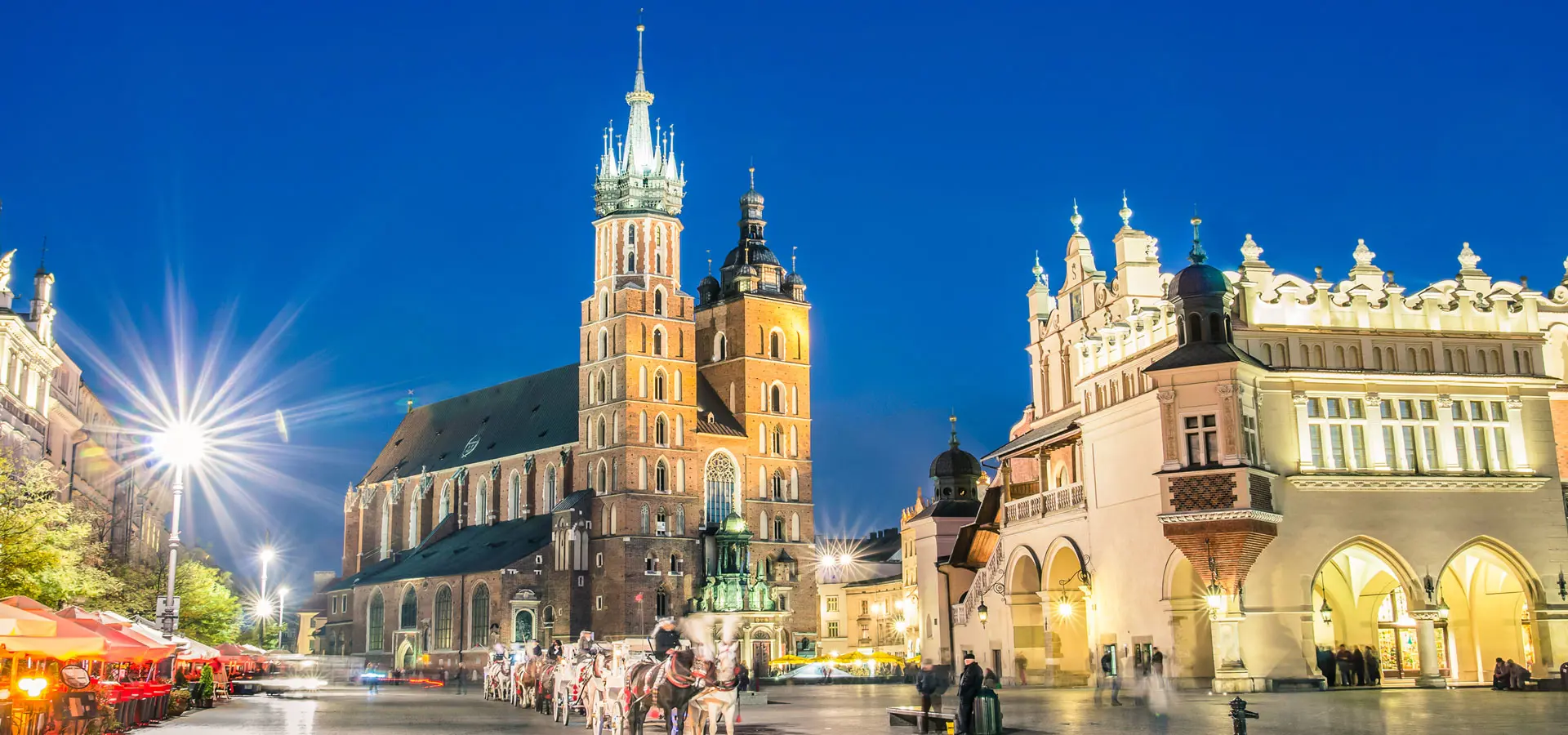
A royal city rich in culture
Set on the banks of the Vistula, Kraków is one of Europe’s most compelling tourist destinations, renowned for its wealth of priceless monuments of art and culture.
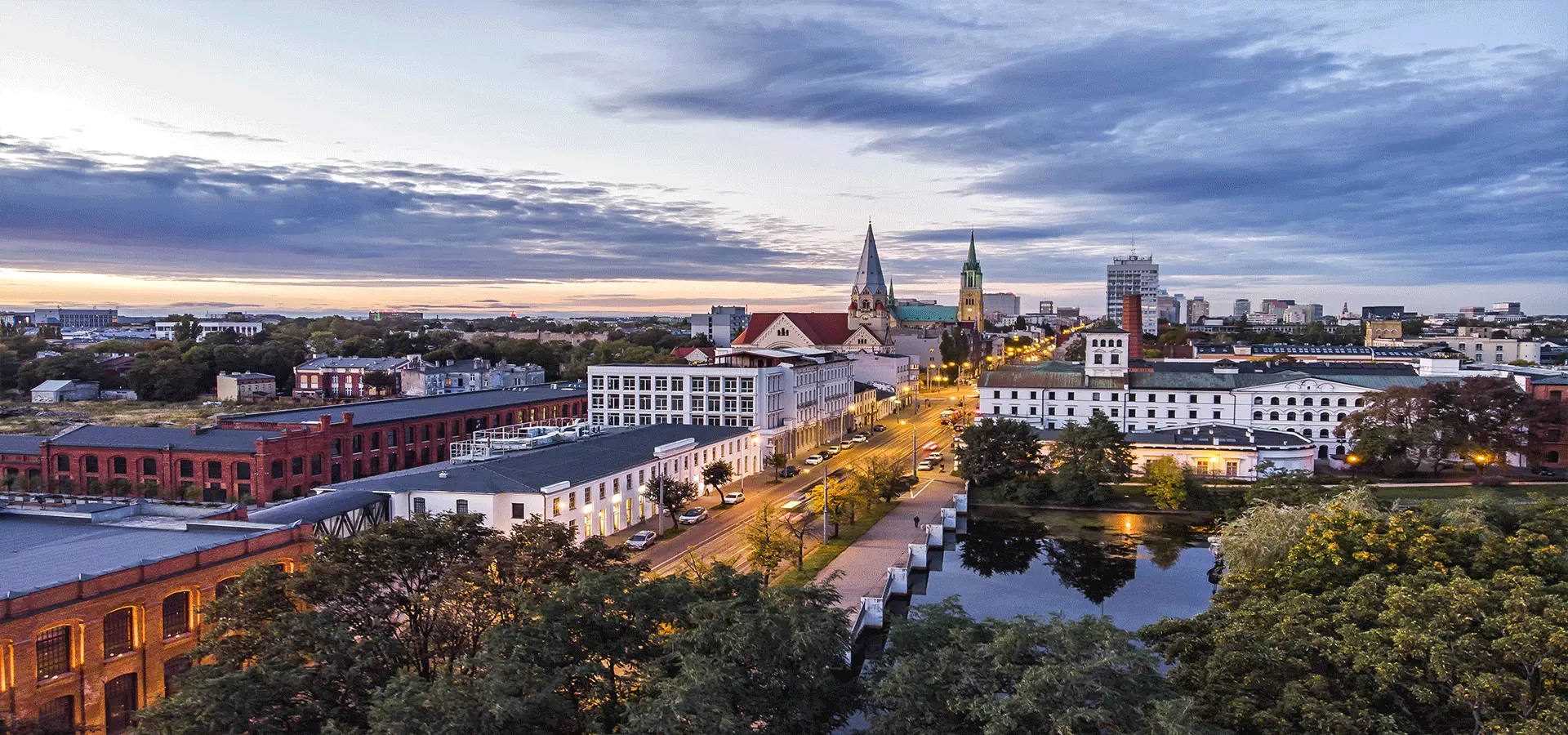
Poland’s creative city
Łódź, Poland’s third-largest city, is a distinctive destination where its industrial past blends harmoniously with a lively and creative present.
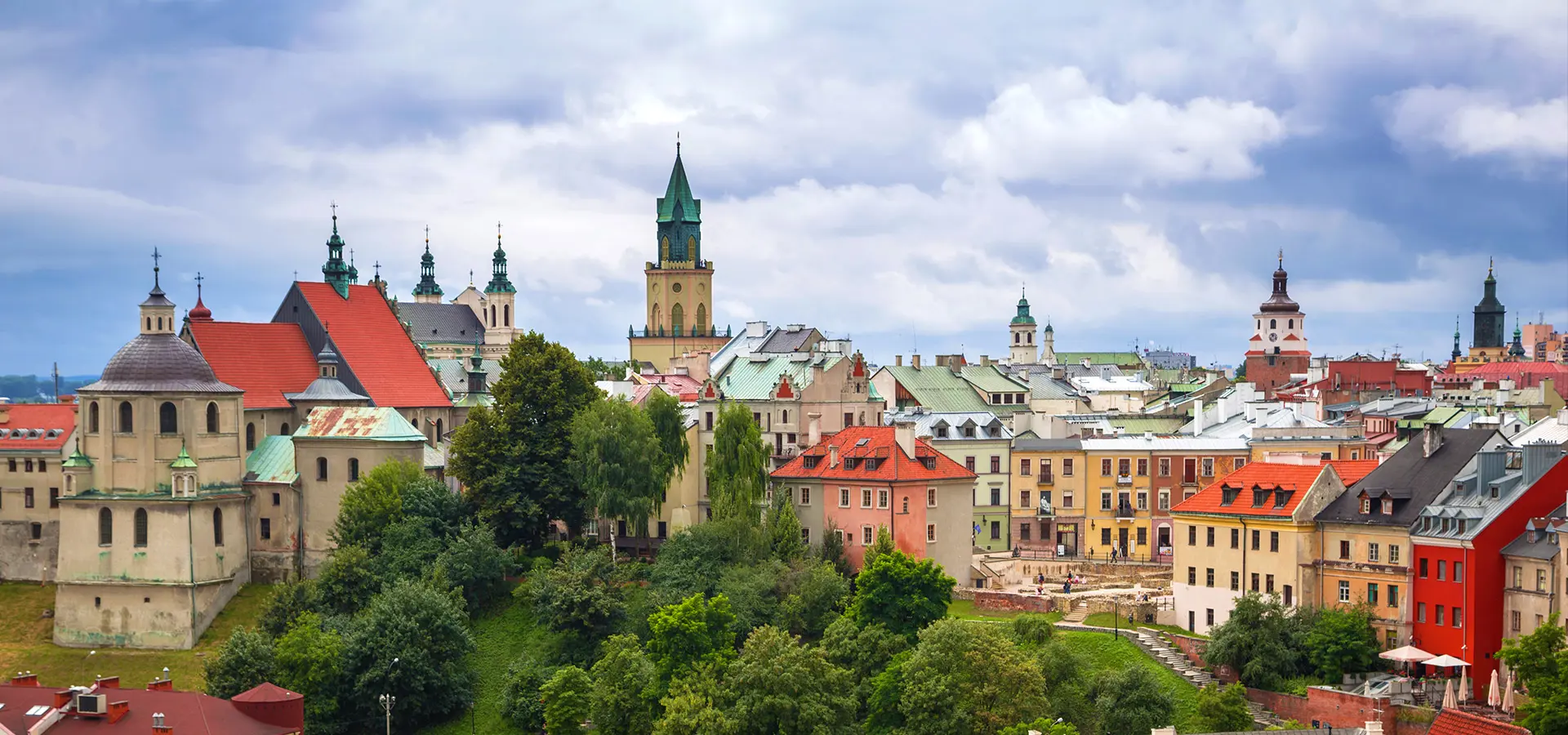
Poland’s hidden gem
Located in the heart of eastern Poland, Lublin is an open, romantic city full of life, art, history and culture. Its history dates back to the 13th century, and over the centuries it has served as a meeting point between East and West.
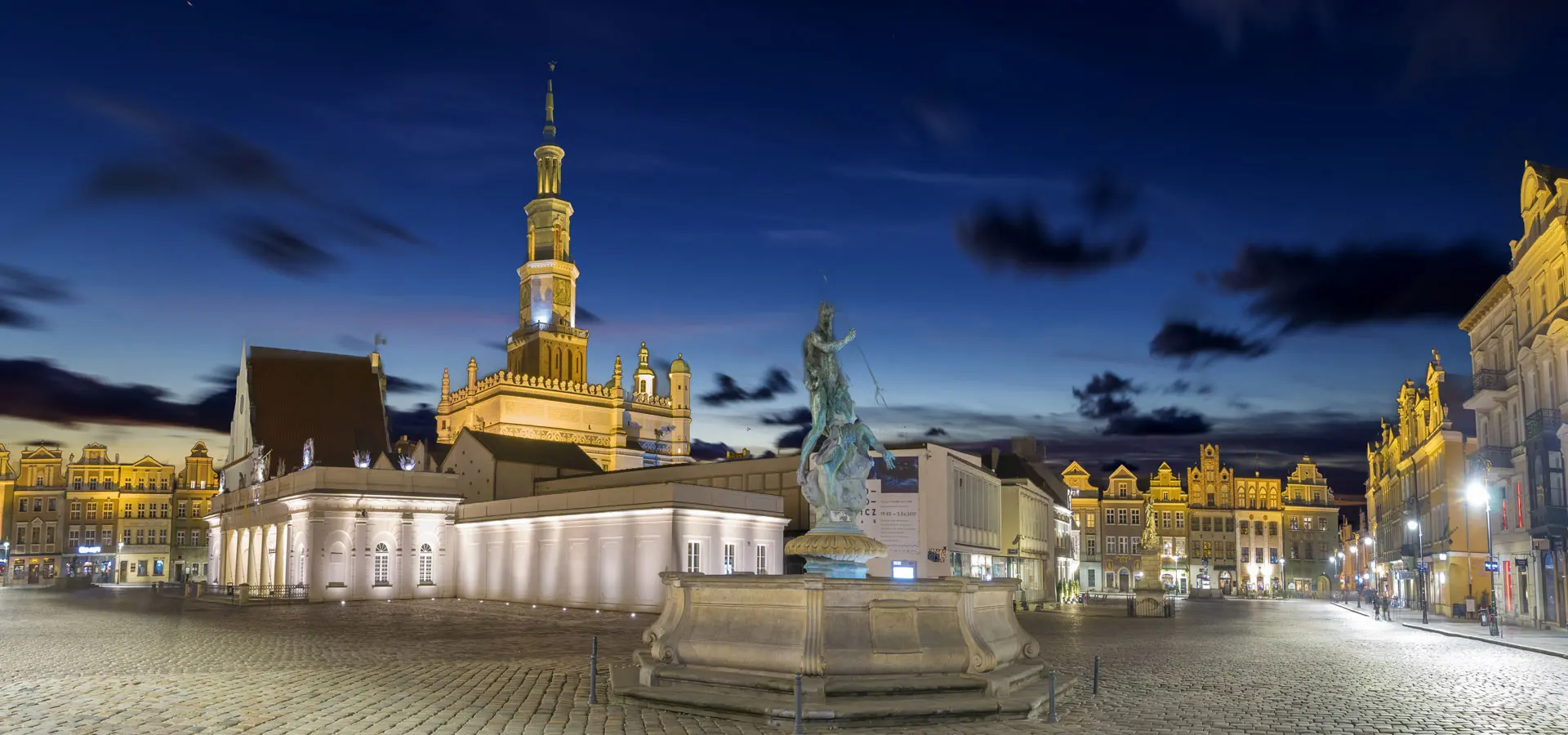
The legendary cradle of Poland
A city with a history spanning more than a thousand years, Poznań is home to monuments built in every architectural style, beginning with the pre-Romanesque. Around a third of its urban area is made up of green spaces.
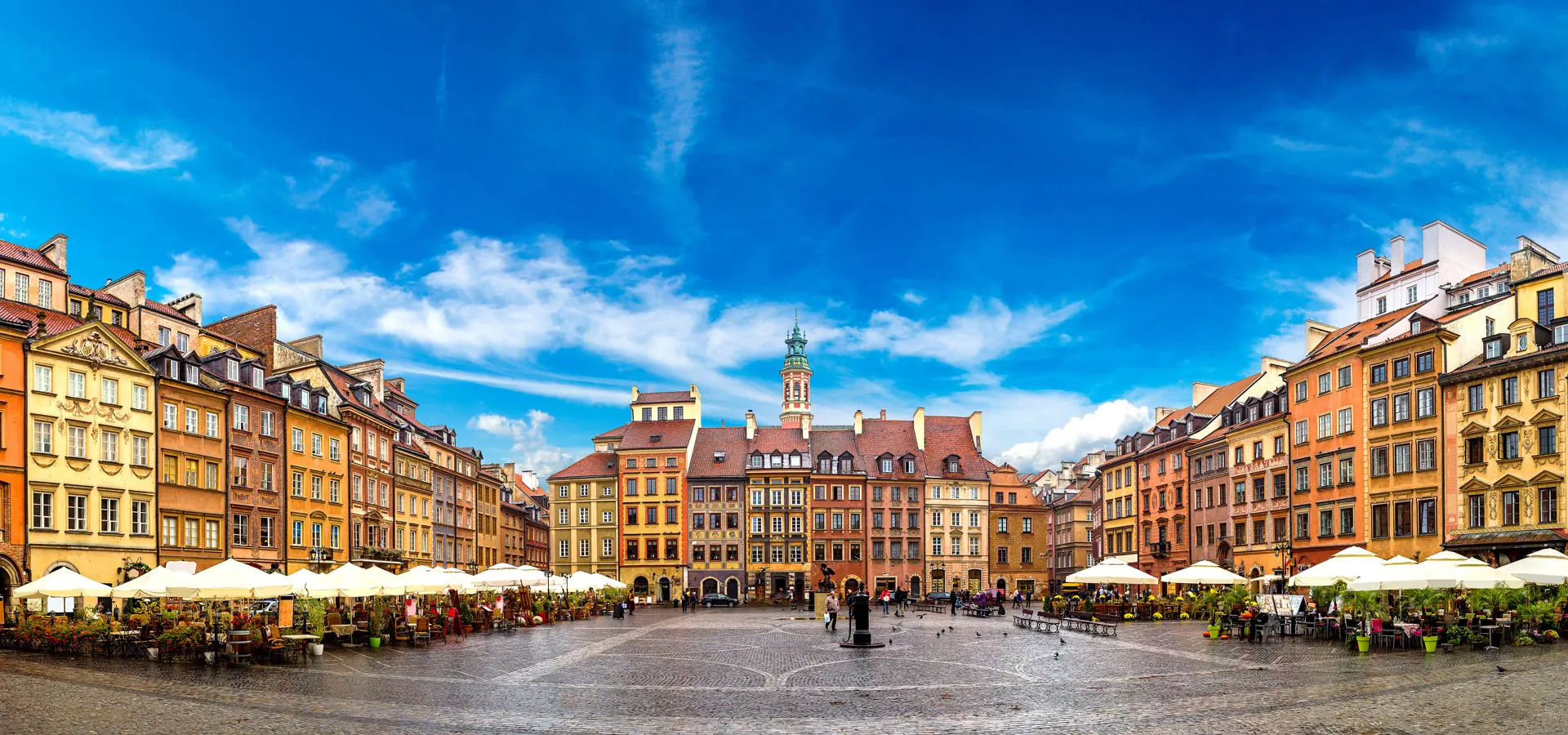
The Paris of the North
Warsaw has always been defined by a successful blend of old and new, and despite its turbulent history, it remains a lively city full of charm.
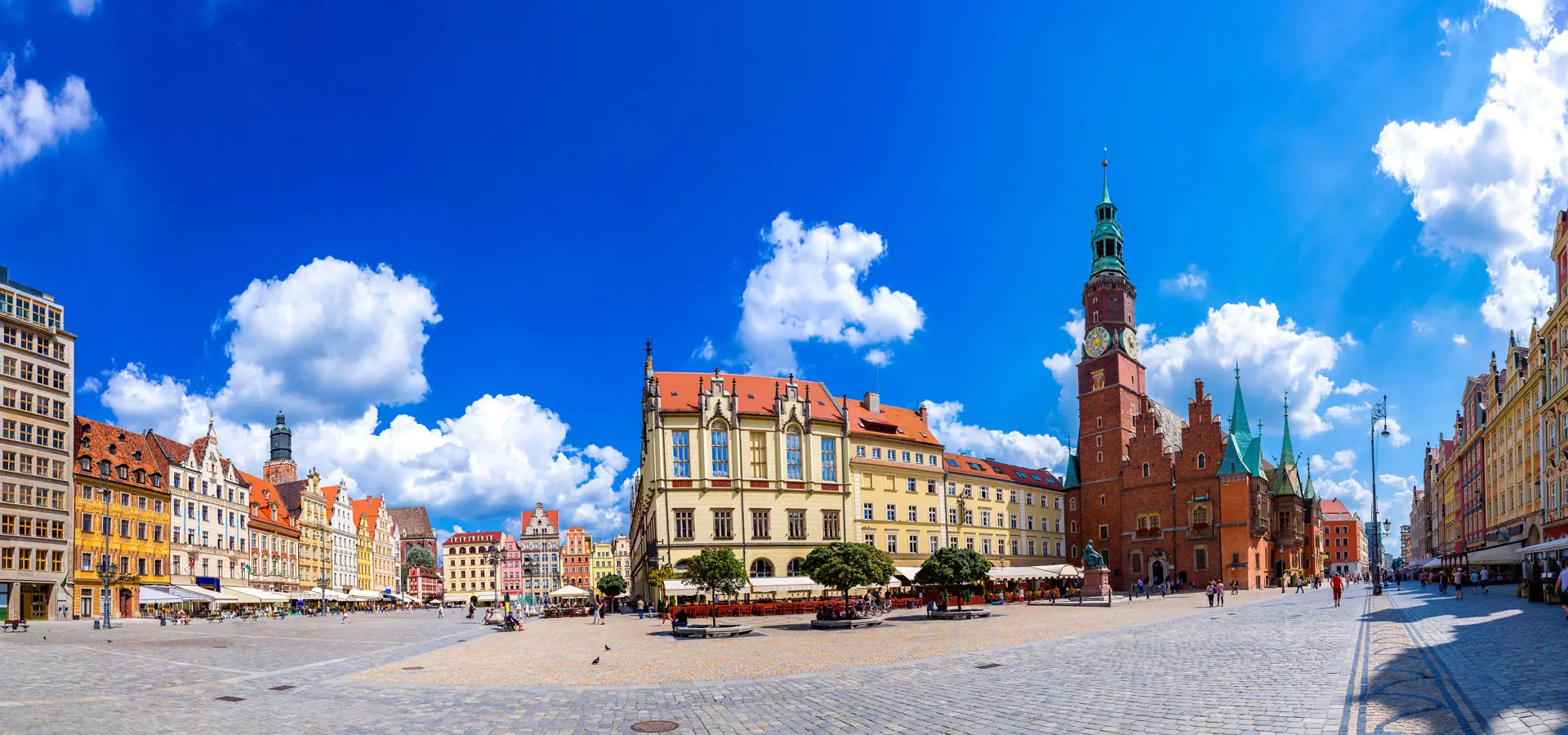
A fascinating Polish city of bridges and historic architecture
Wrocław is one of Poland’s oldest cities. Set on the Oder River and crossed by canals, it stretches across 12 islands linked by 112 bridges.
Romania
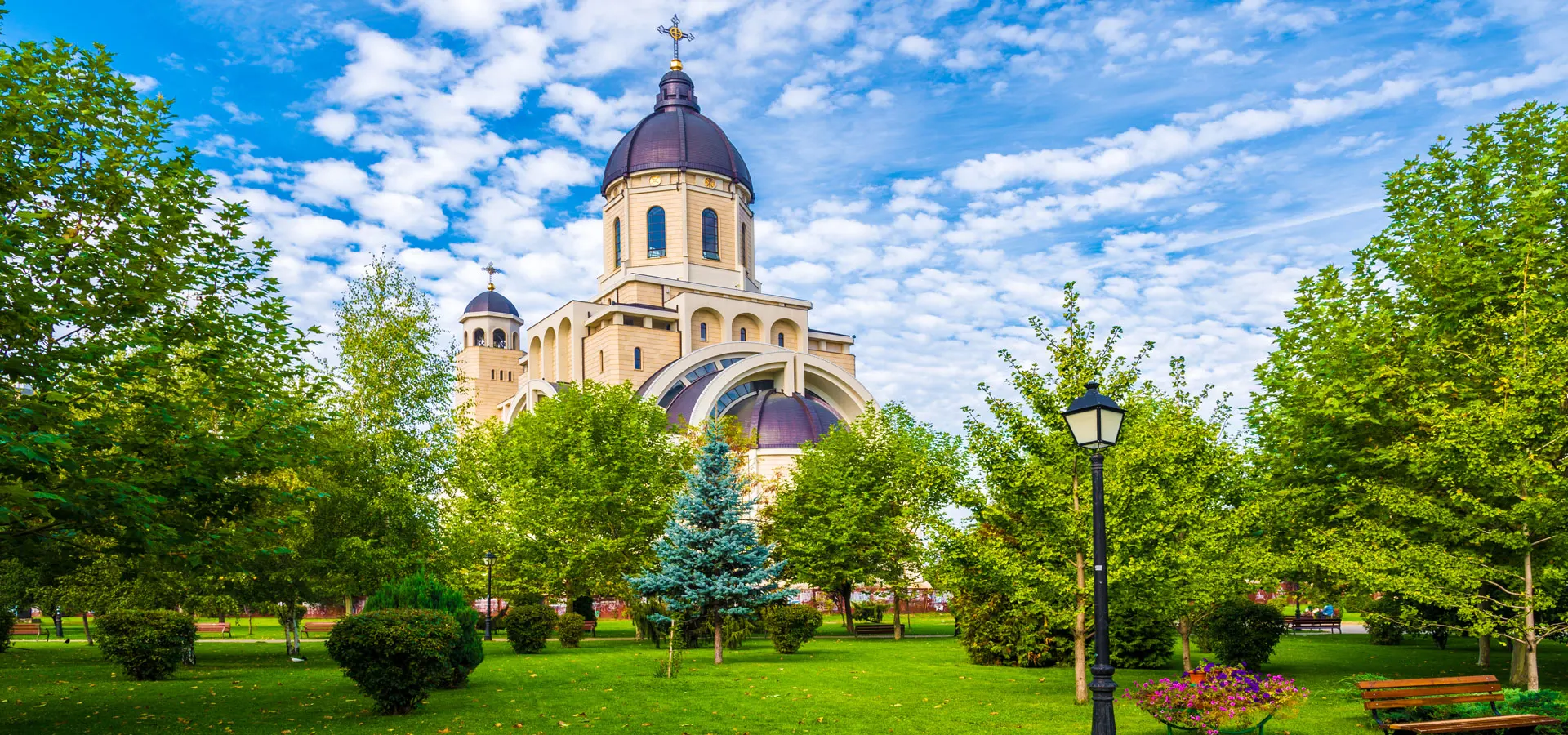
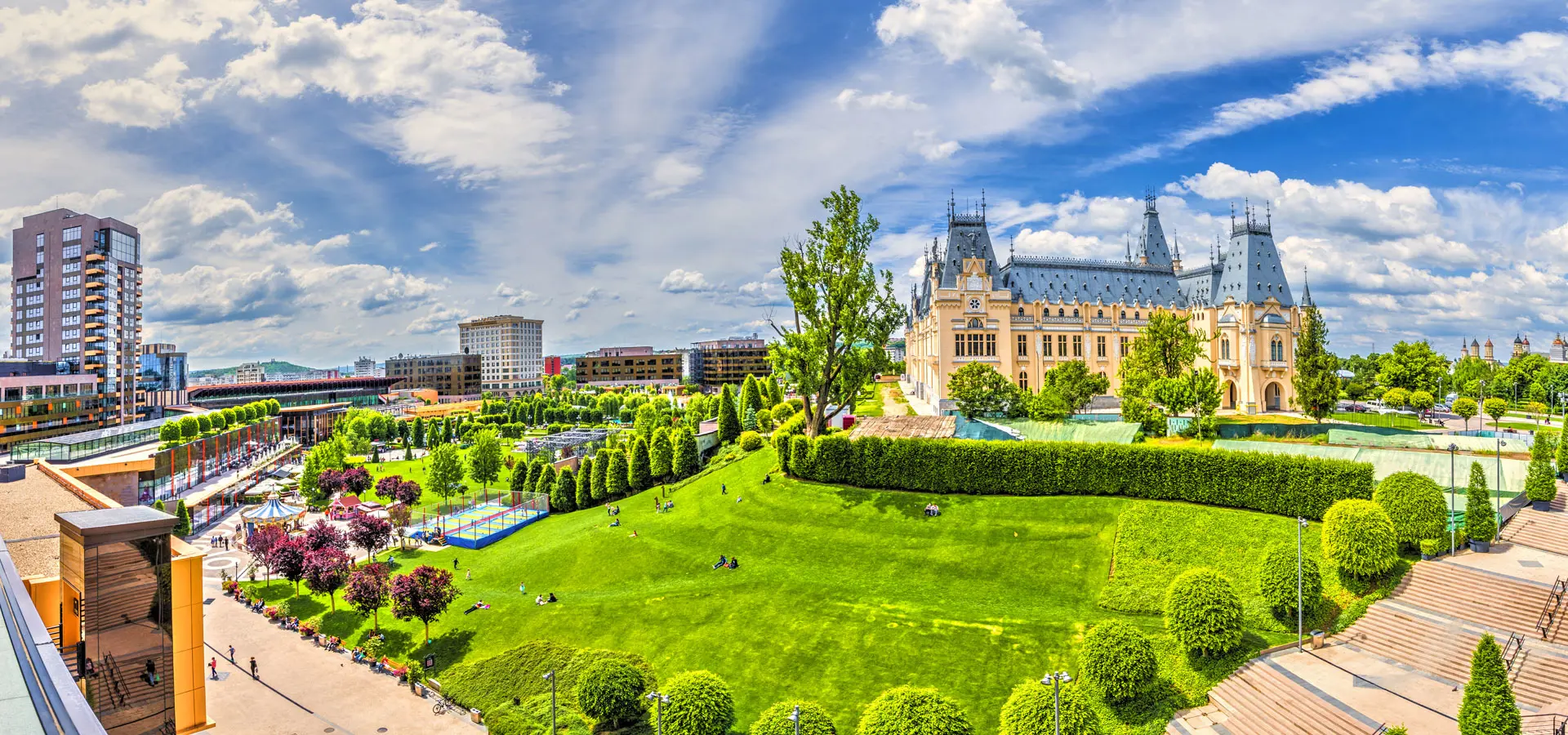
One of Romania’s oldest cities
Marked by urban architecture dating back to the medieval period, with a predominantly Gothic character, Bacău also features an interesting street layout that dates from the Napoleonic era.
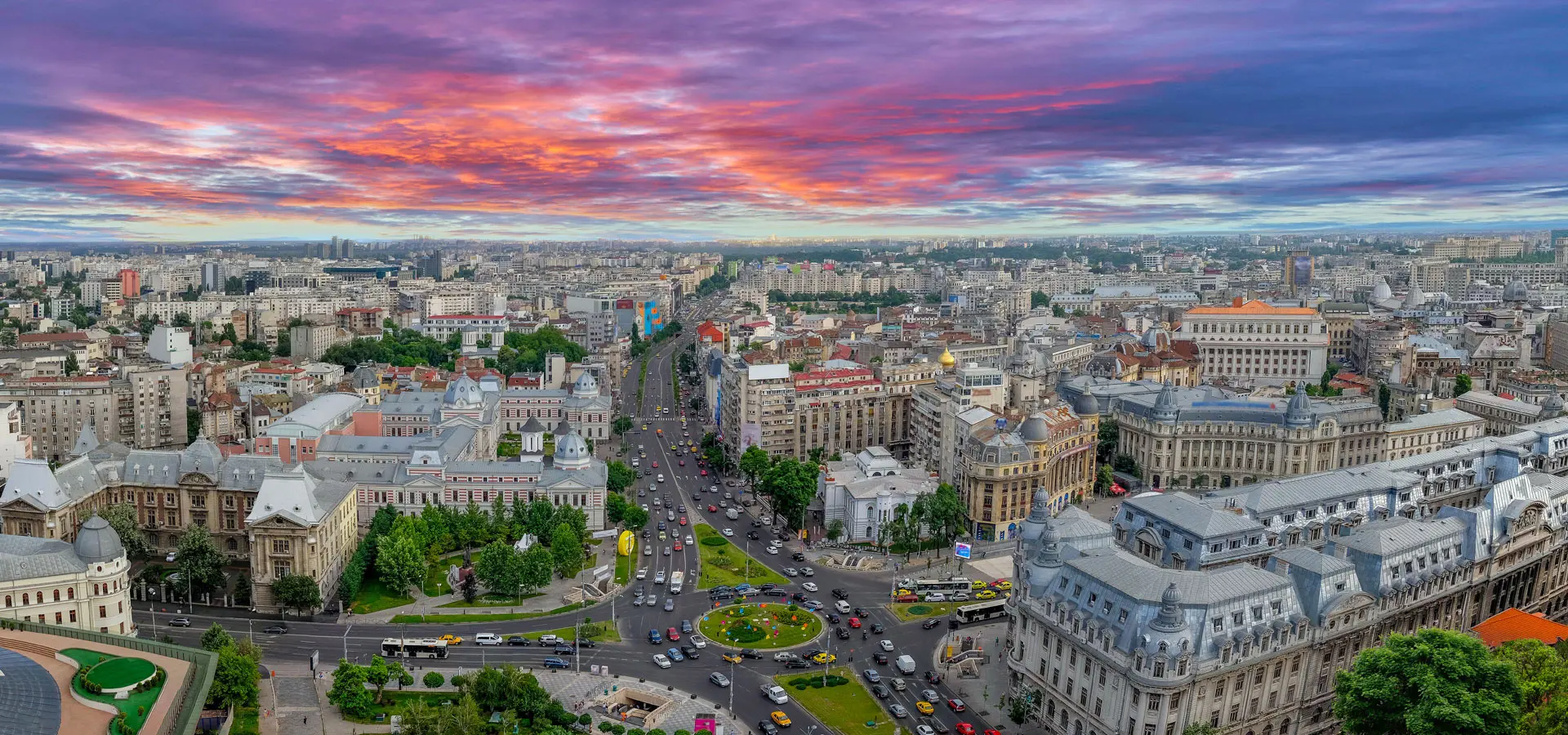
Bucharest’s new face
Since 1989, after the fall of the communist regime, Bucharest has continued its rebirth, rediscovering the cultural vitality that has shaped its artistic, academic and financial life since the 14th century.
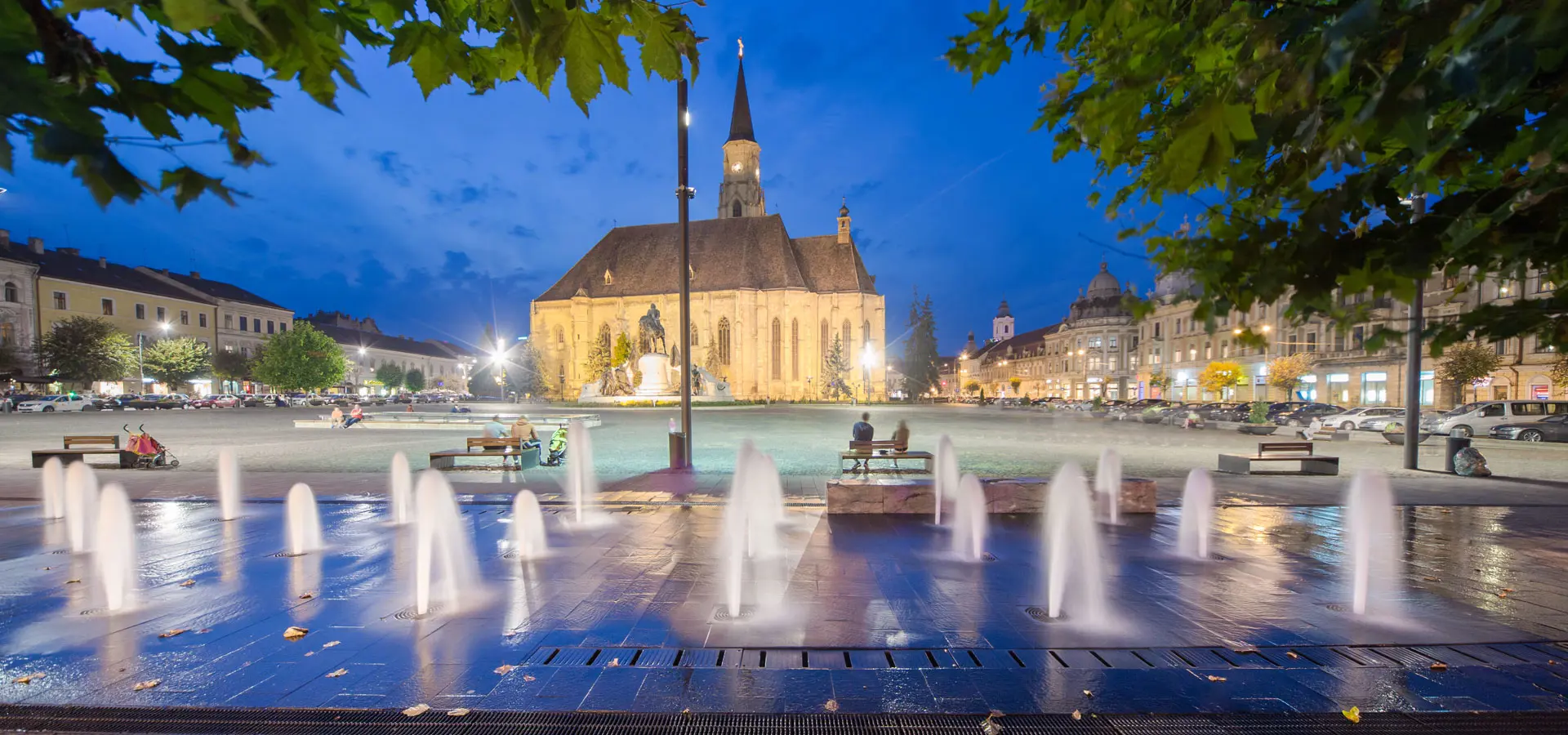
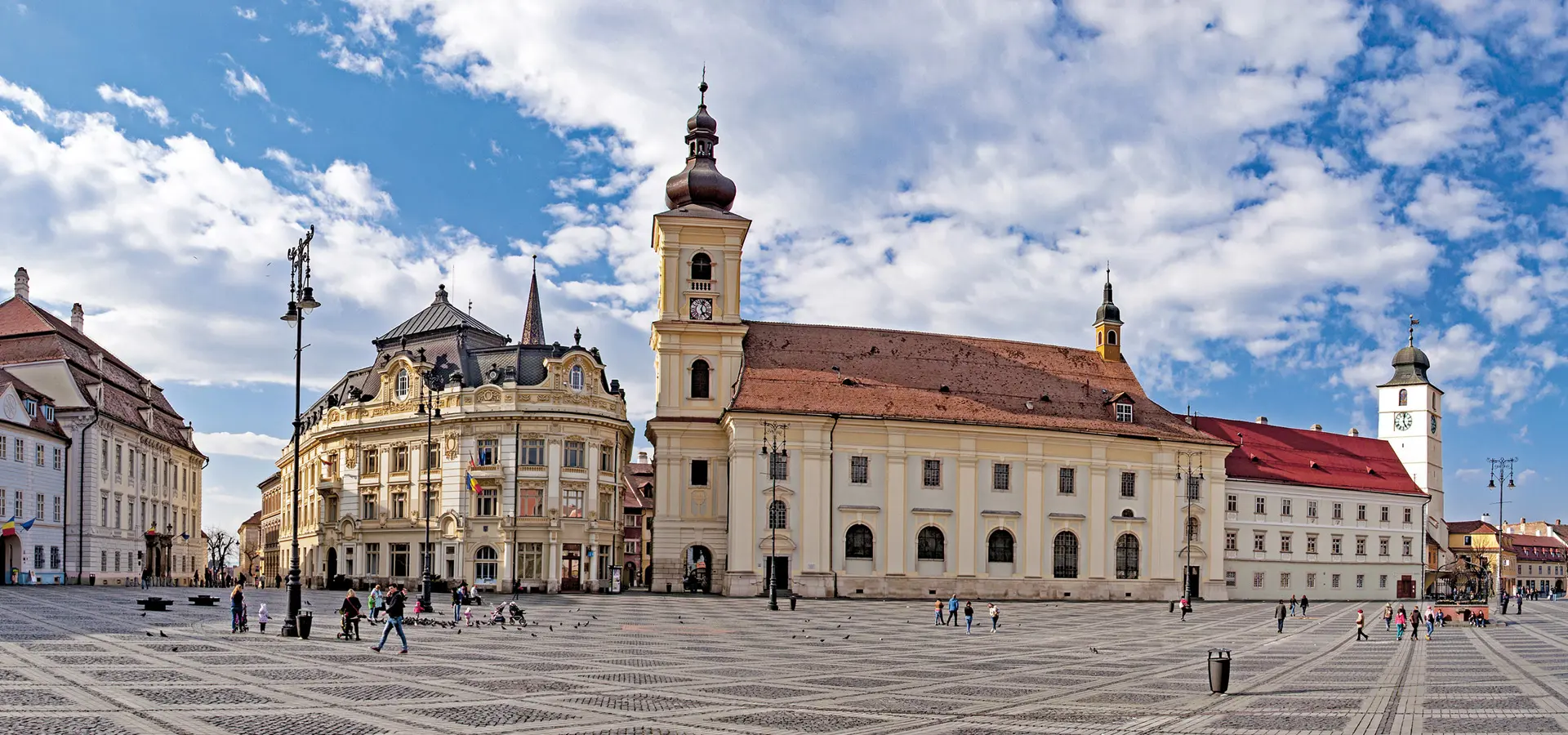
Romania’s multi-ethnic city
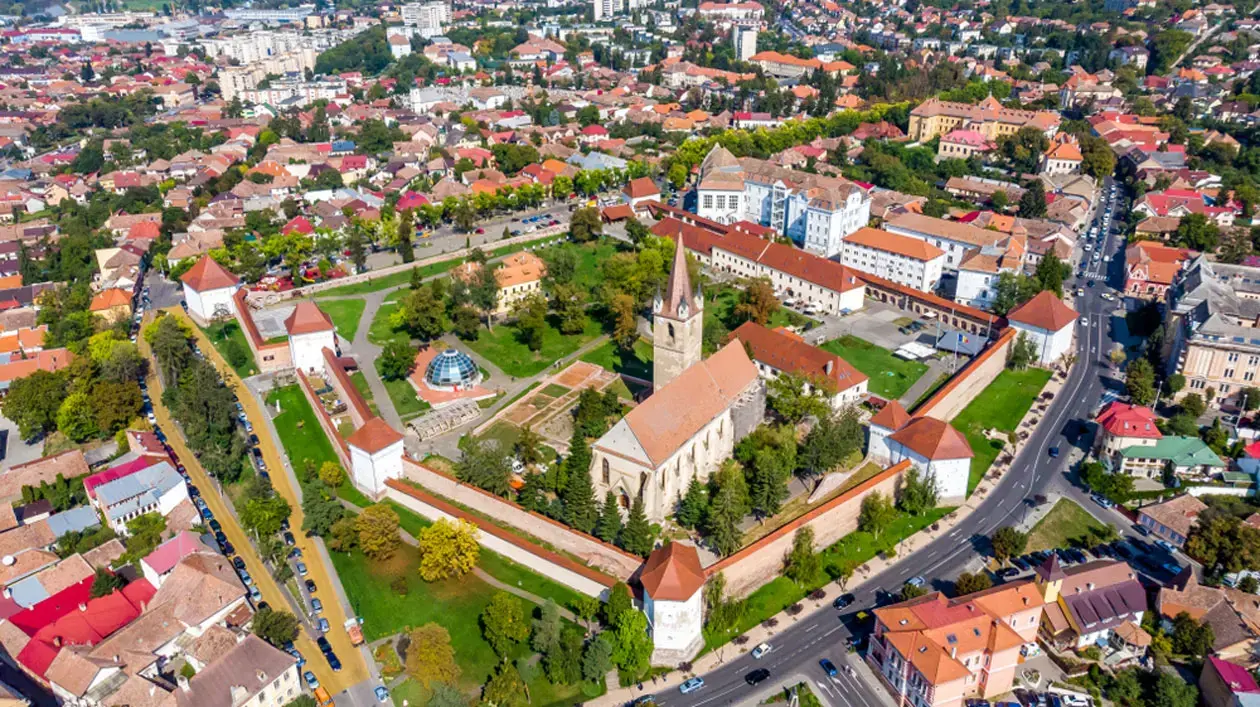
The historic capital of Transylvania, around 480 km north-west of Bucharest, Cluj is a leading cultural city and a university centre of great prestige.
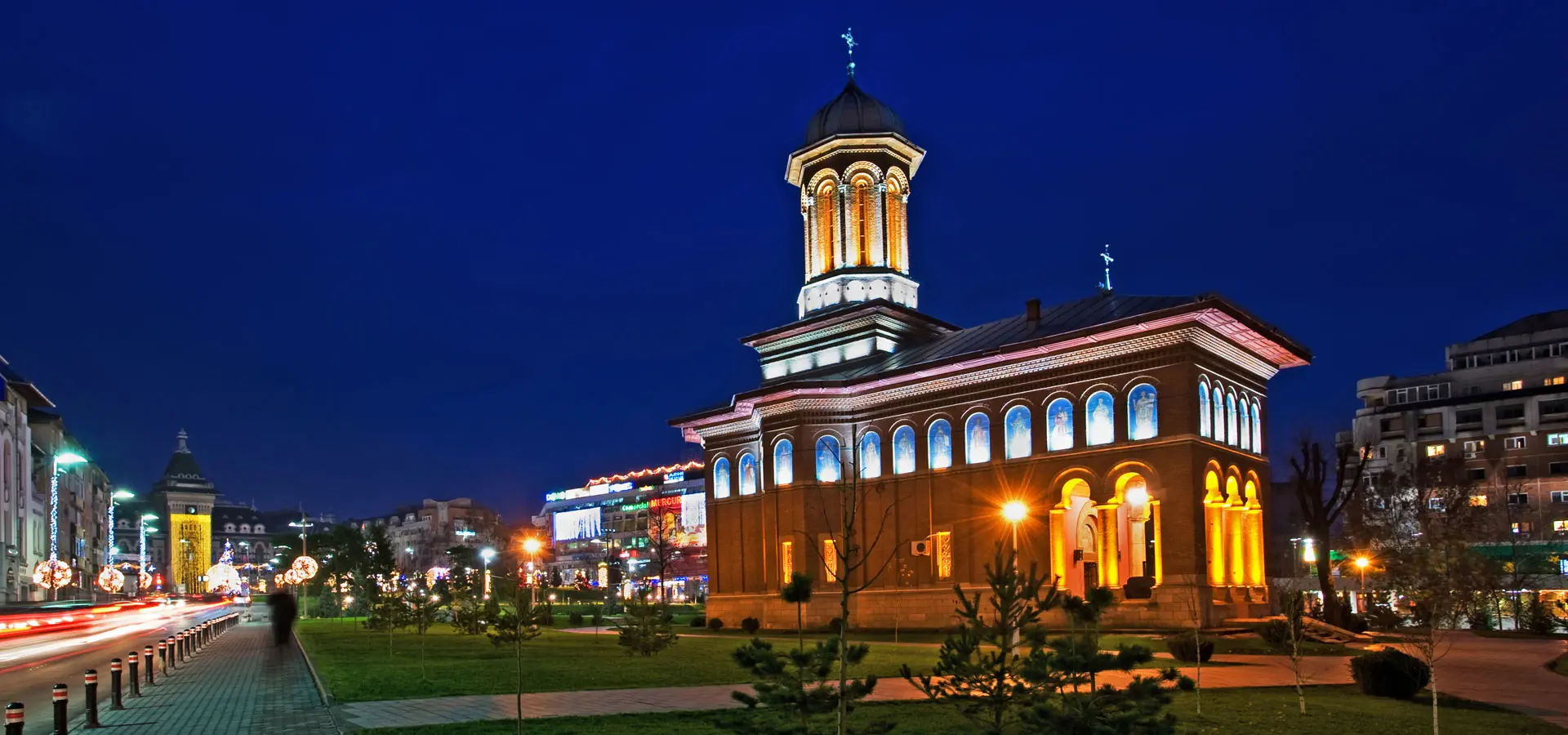
The university city
Craiova, a university city in southern Romania, is an important industrial, commercial, cultural and scientific centre with a strong academic tradition.
Hungary
The heart of Albania
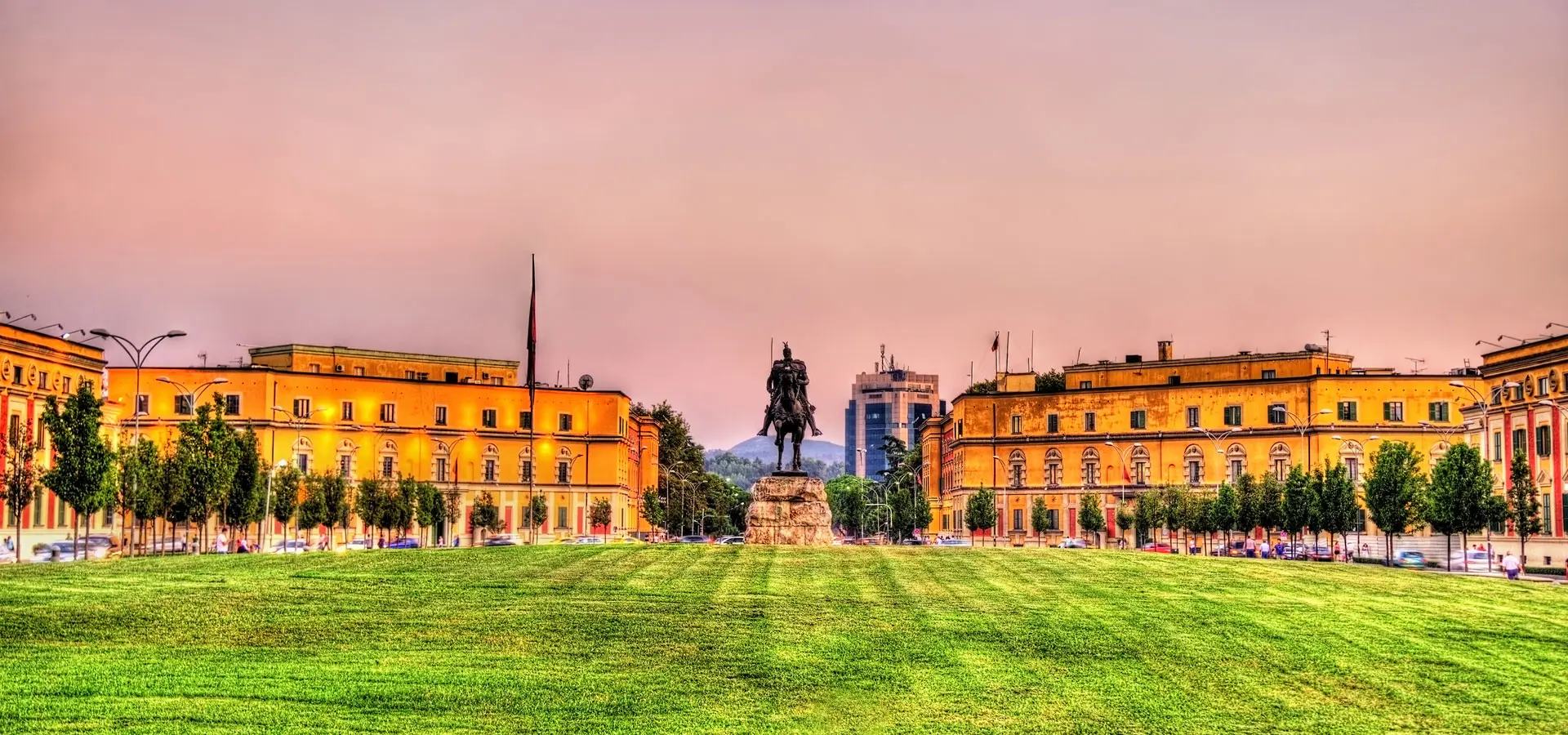
The capital of Albania, Tirana is today the country’s main centre for industry and commerce. As the many archaeological sites attest, it also boasts a history that stretches back thousands of years.
The city where East meets West
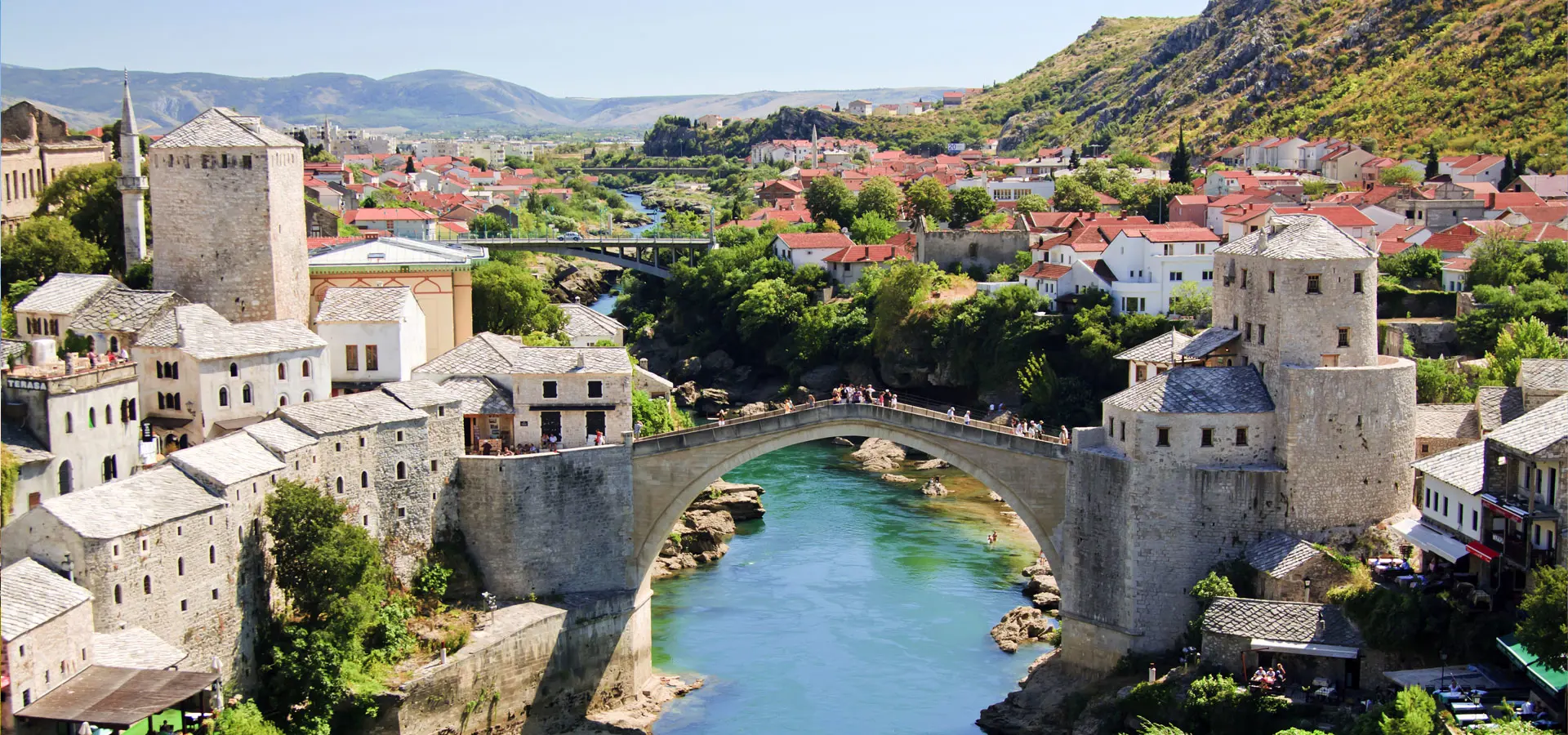
Built along the banks of the Neretva River, the capital of the Herzegovina region is widely known for its iconic Old Bridge (Stari Most).
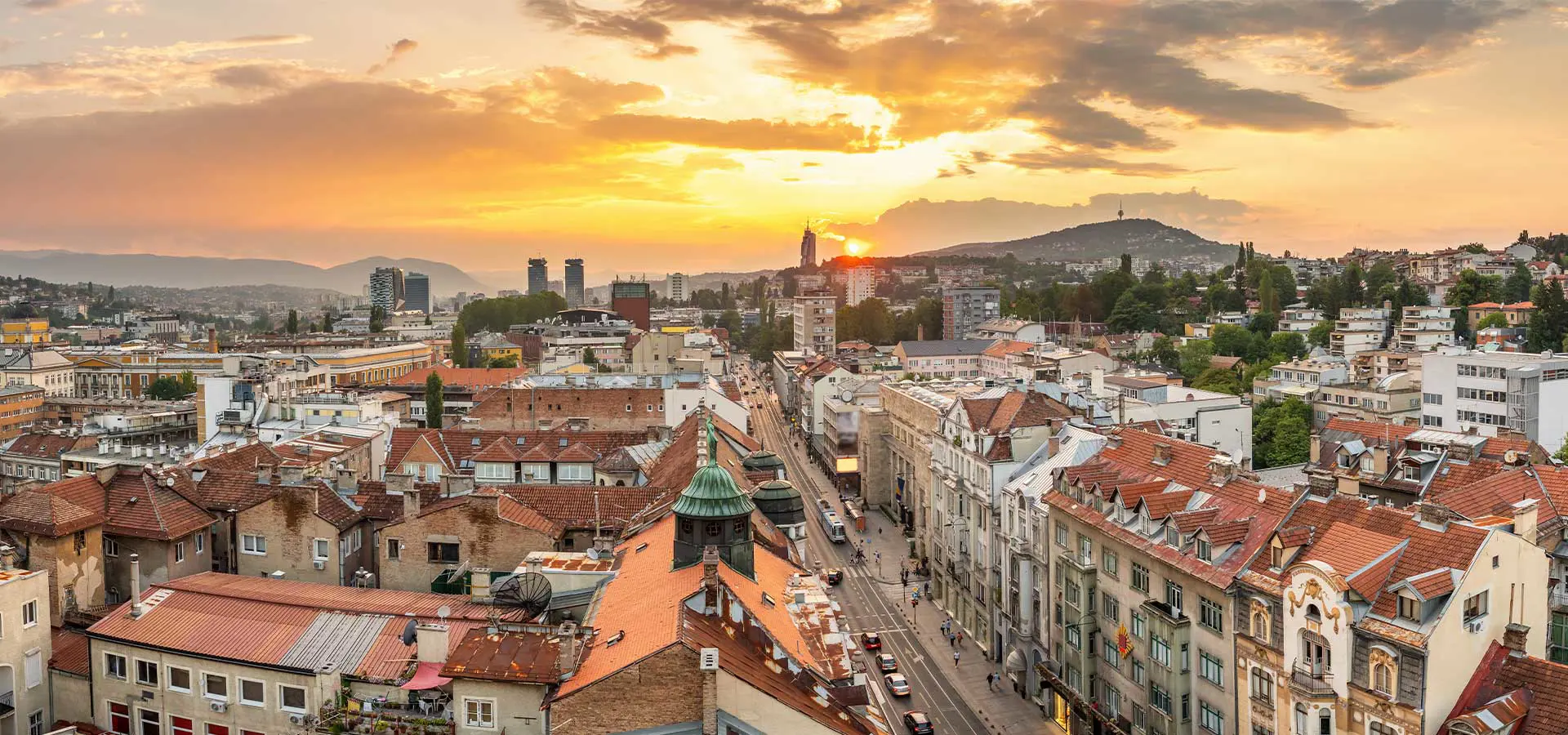
The historic and cultural heart of the Balkans
Sarajevo, the capital of Bosnia and Herzegovina, lies in the valley of the Miljacka River, surrounded by the Dinaric Alps. It is a city rich in history and culture.
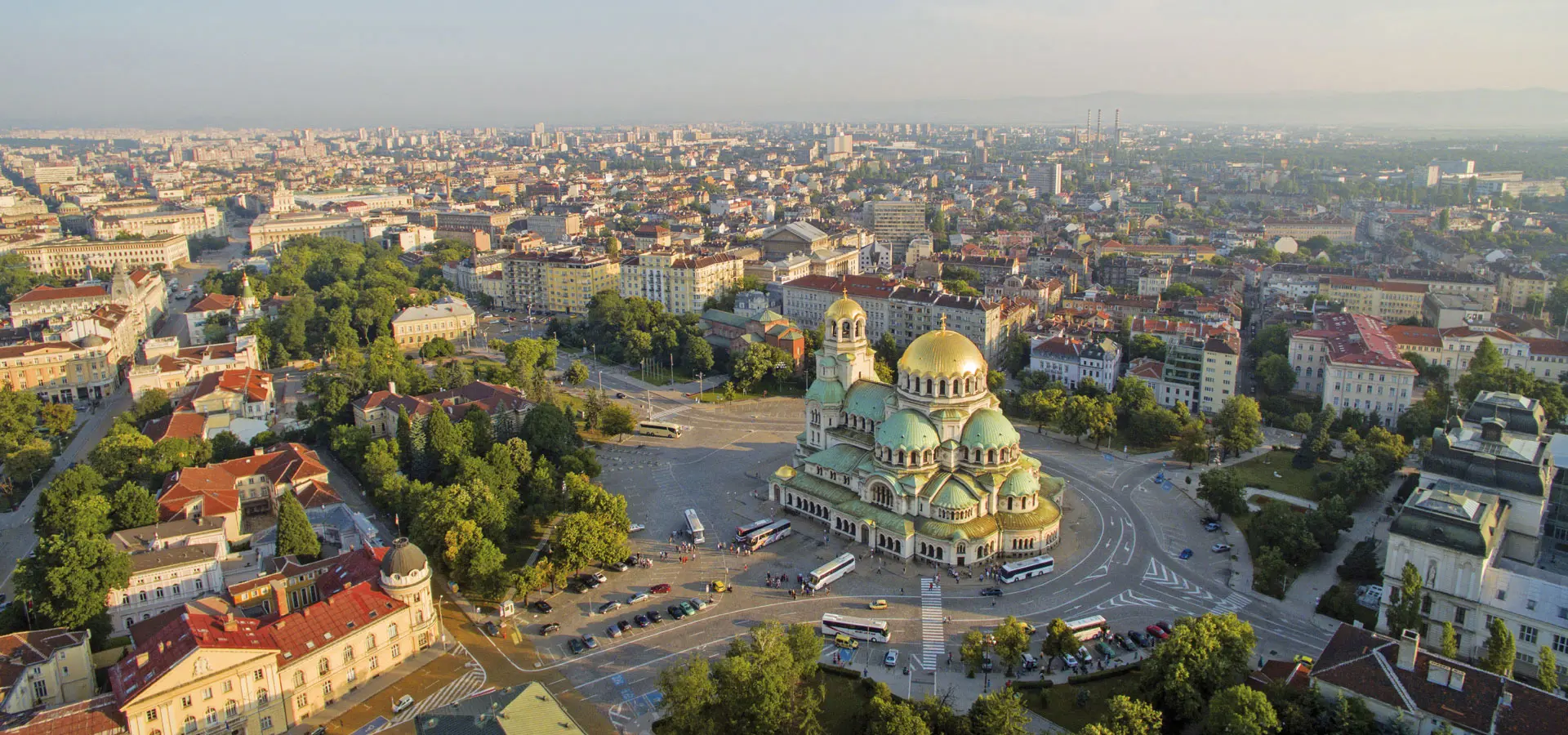
A dynamic city with a history spanning millennia
In the heart of the Balkan Peninsula, Sofia is a modern and elegant city - cosmopolitan, lively and distinctly Western in character - rich in greenery and parks, with a historic centre dotted with grand monuments.
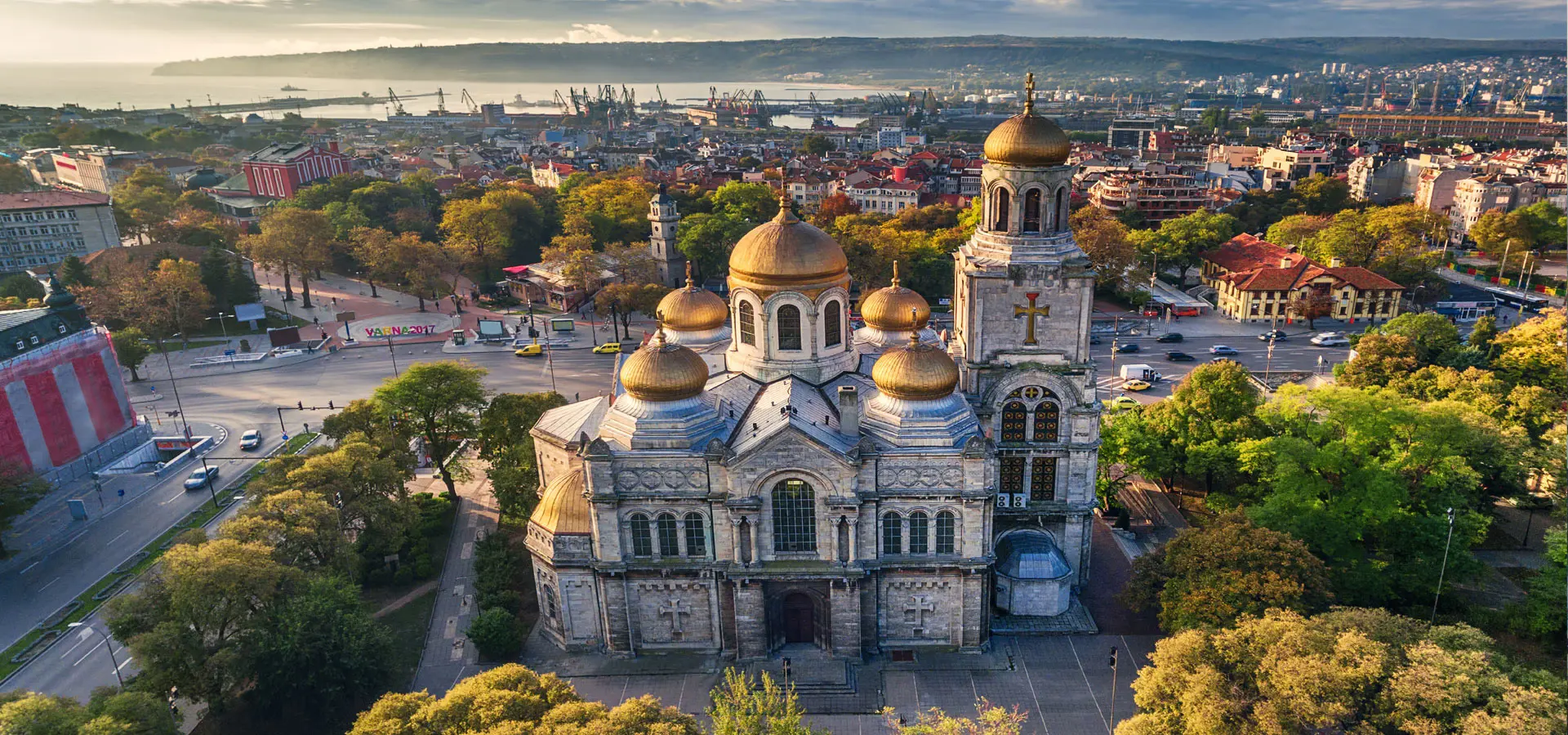
Bulgaria’s third city after Sofia and Plovdiv
Varna is a lively commercial centre built around its highly efficient port, the most important on the Black Sea. Its main activities have long been trade, transport and shipbuilding.
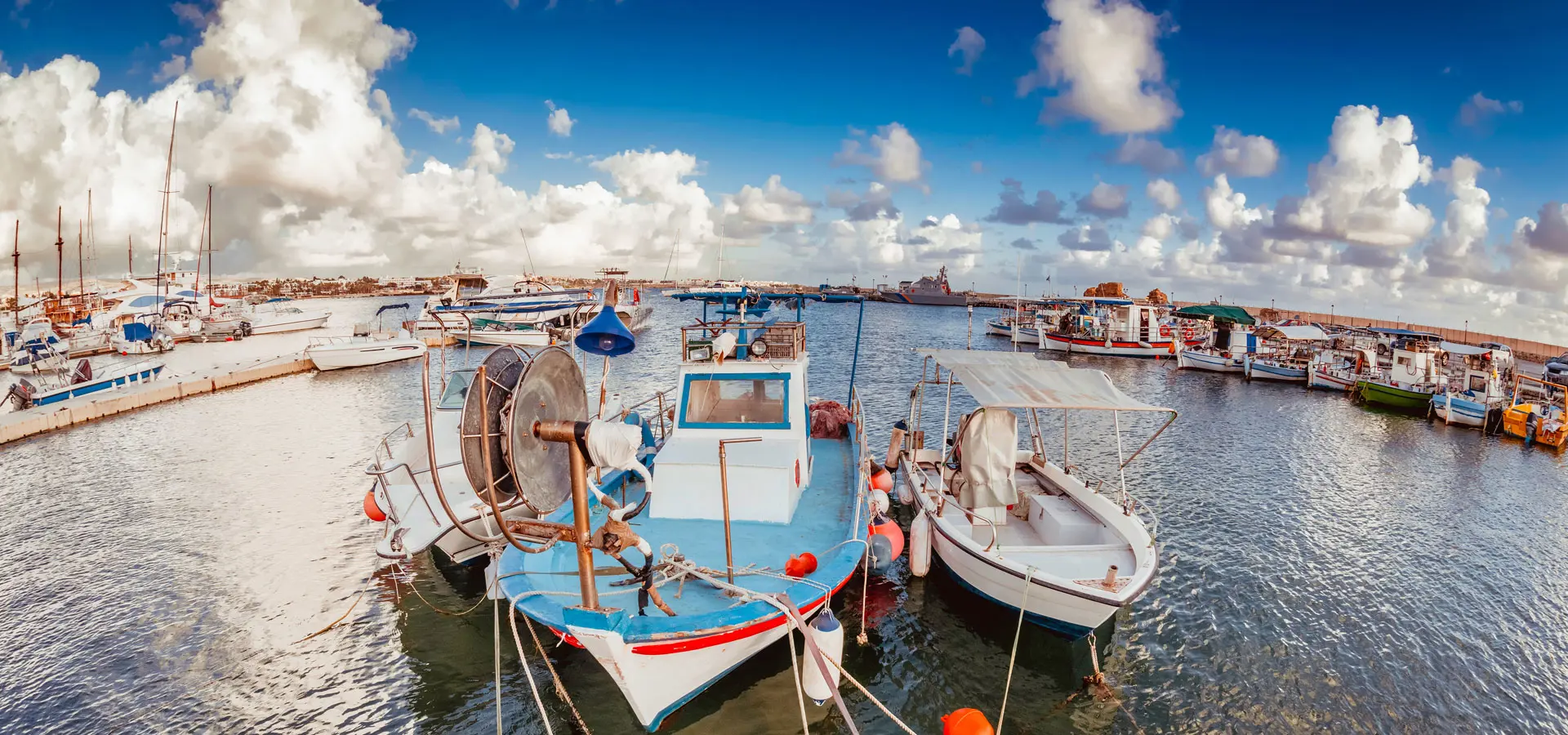
The city of Aphrodite
Paphos is located on the island of Cyprus, which preserves ten thousand years of Mediterranean history and, according to legend, is the birthplace of the goddess Aphrodite.
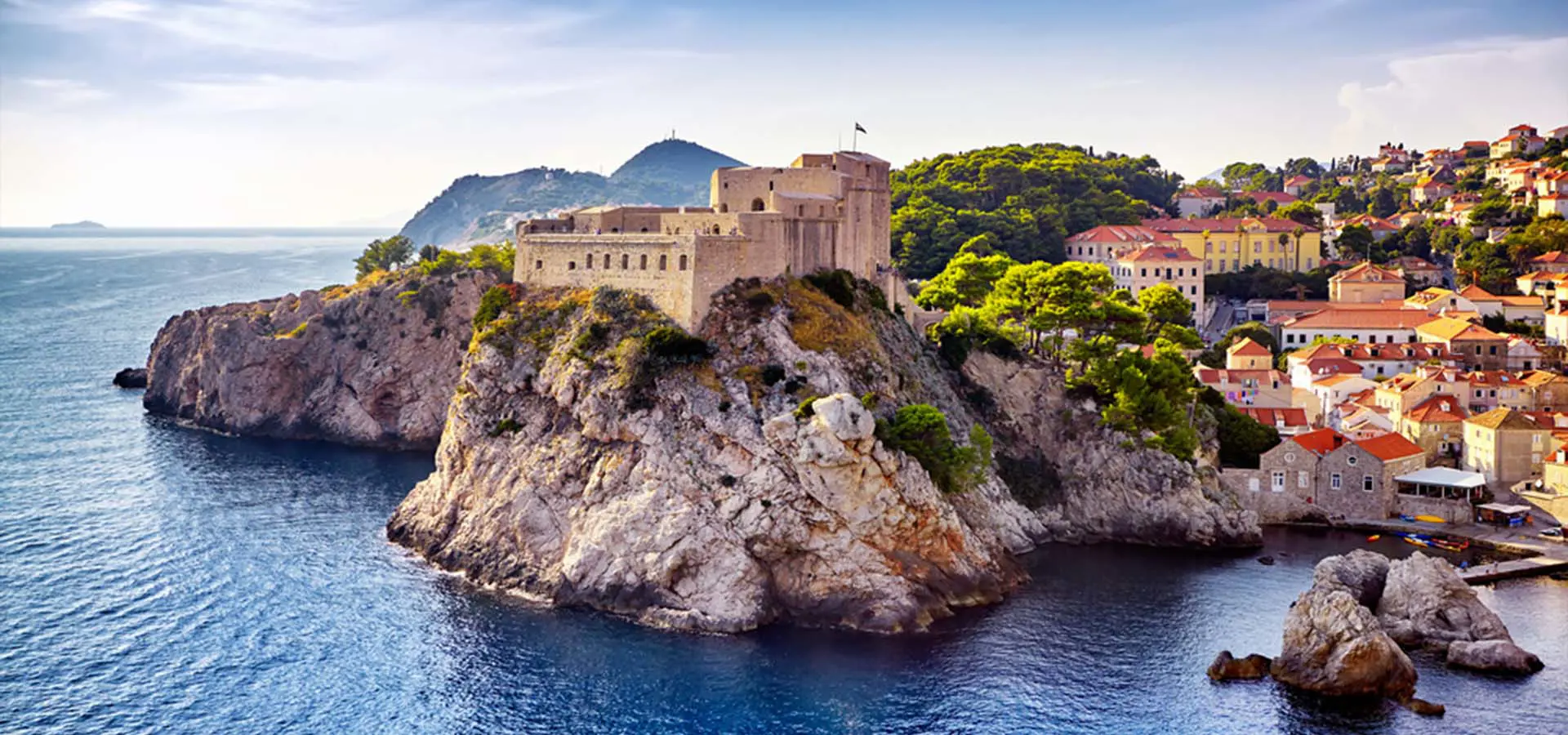
A city rich in art, culture and architectural treasures
Dubrovnik, located on the southern Adriatic coast, is not only a favourite destination for holidays by its crystal-clear blue sea, but also a cultural landmark, a true open-air museum.
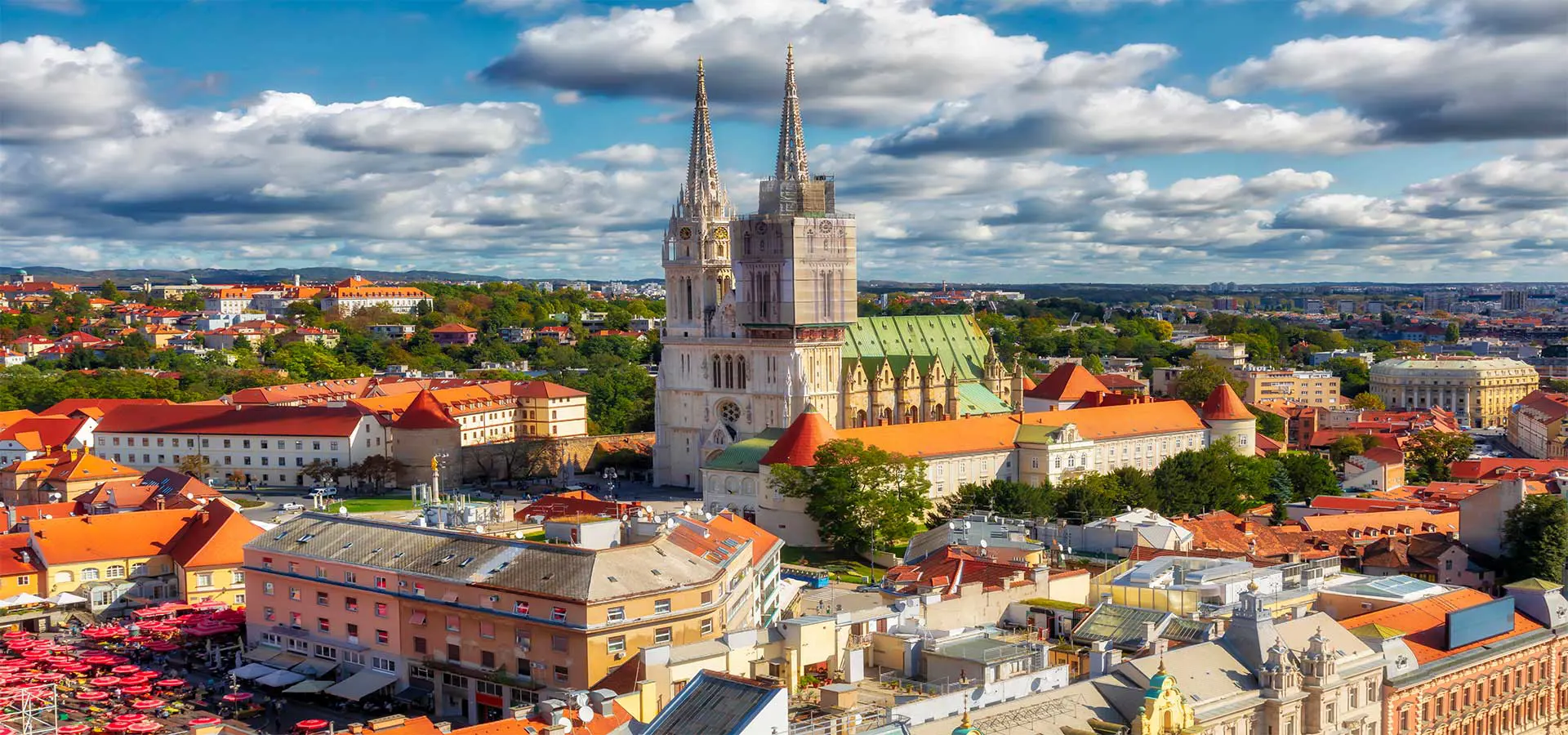
The green and cultural heart of Croatia
Zagreb, the capital of Croatia, lies on the southern slopes of Mount Medvednica and stretches along the banks of the Sava River. The city stands out for its wide green spaces and its calm, relaxed atmosphere.
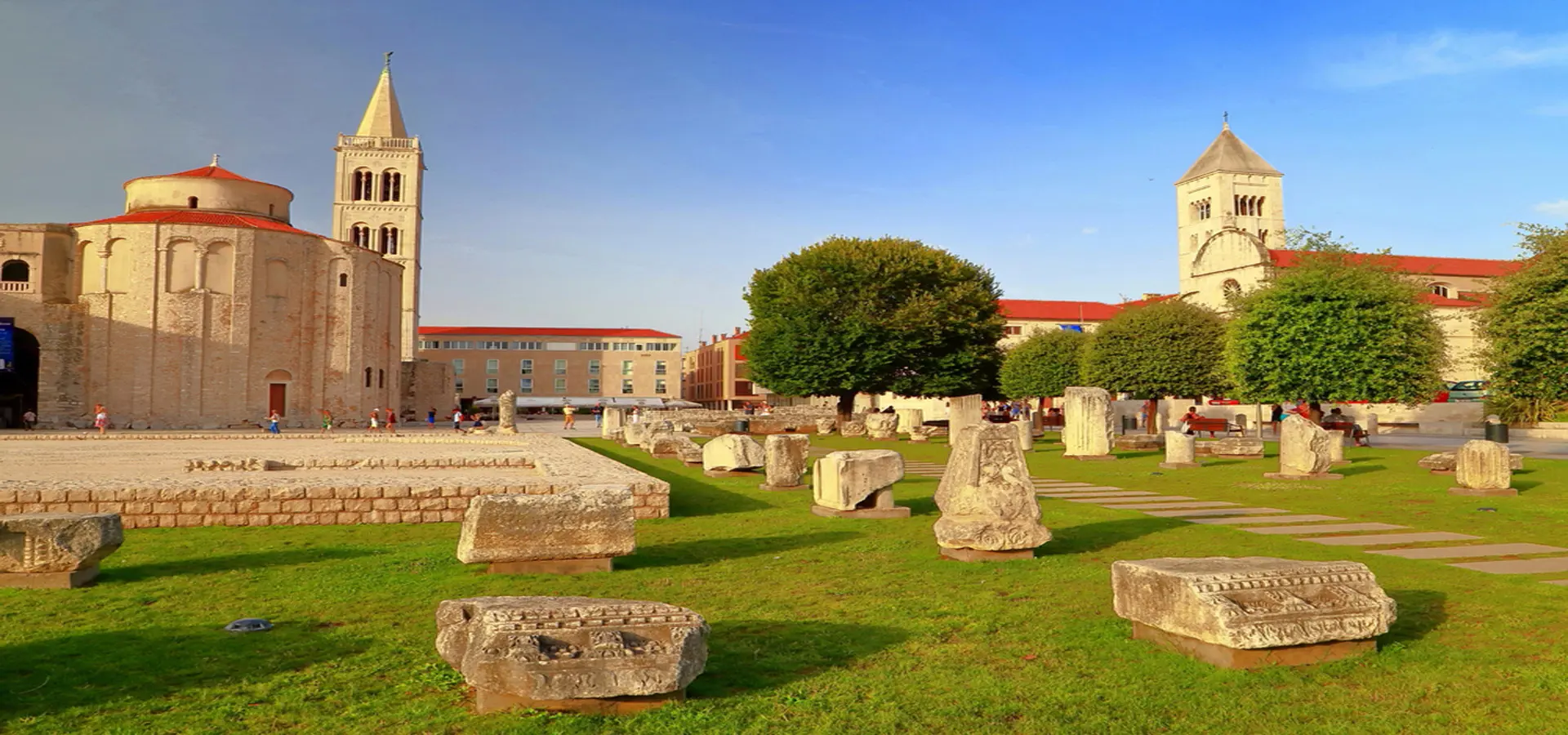
A jewel overlooking the Adriatic
The city has always captured the imagination of its visitors with its setting on Croatia’s Dalmatian coast and its lively, cultured and welcoming way of life.
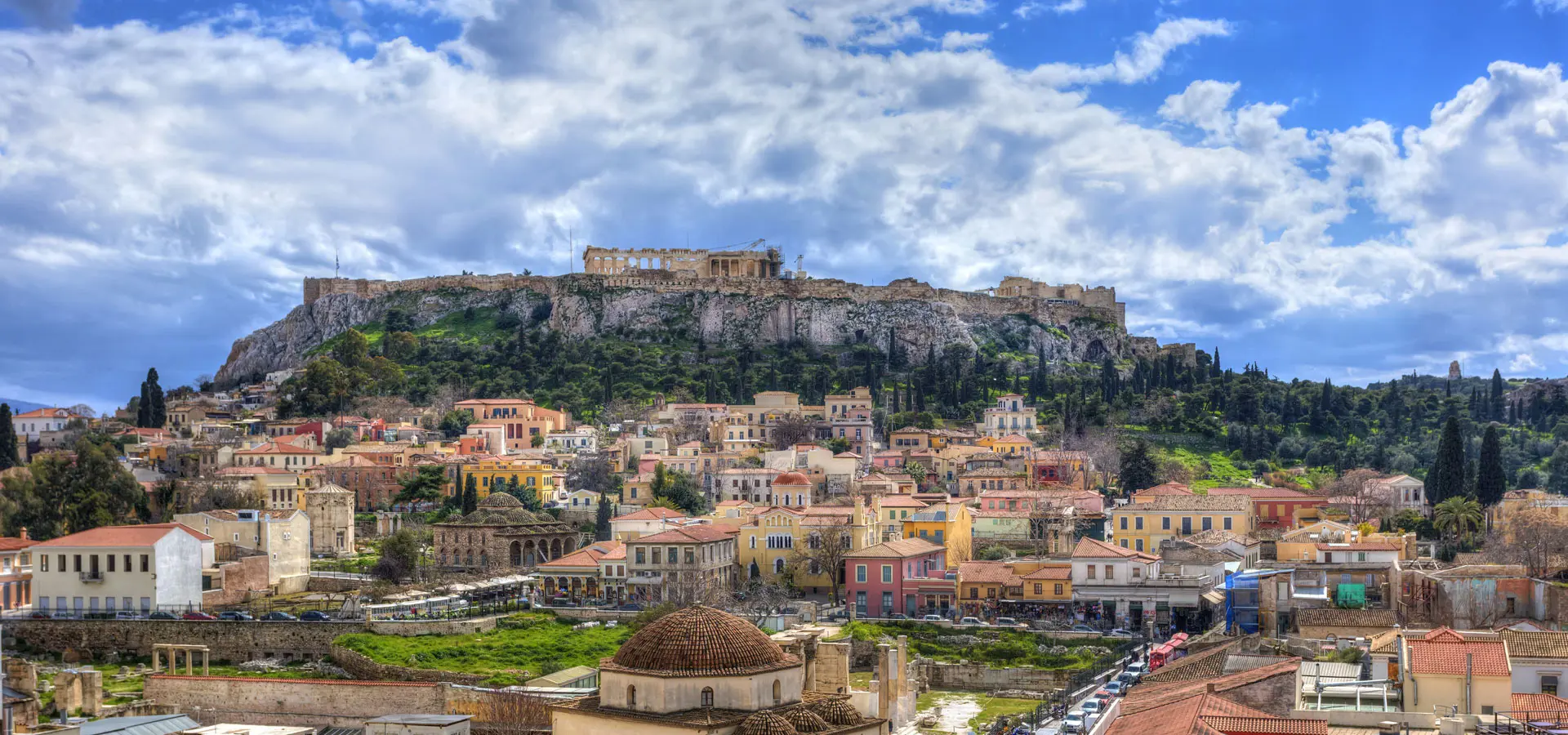
The cradle of classical civilization
Athens is the legendary cradle of classical civilization, home to iconic monuments such as the Acropolis, the Parthenon, Hadrian’s Gate and the University. The city continues to impress and inspire with its extraordinary artistic heritage.
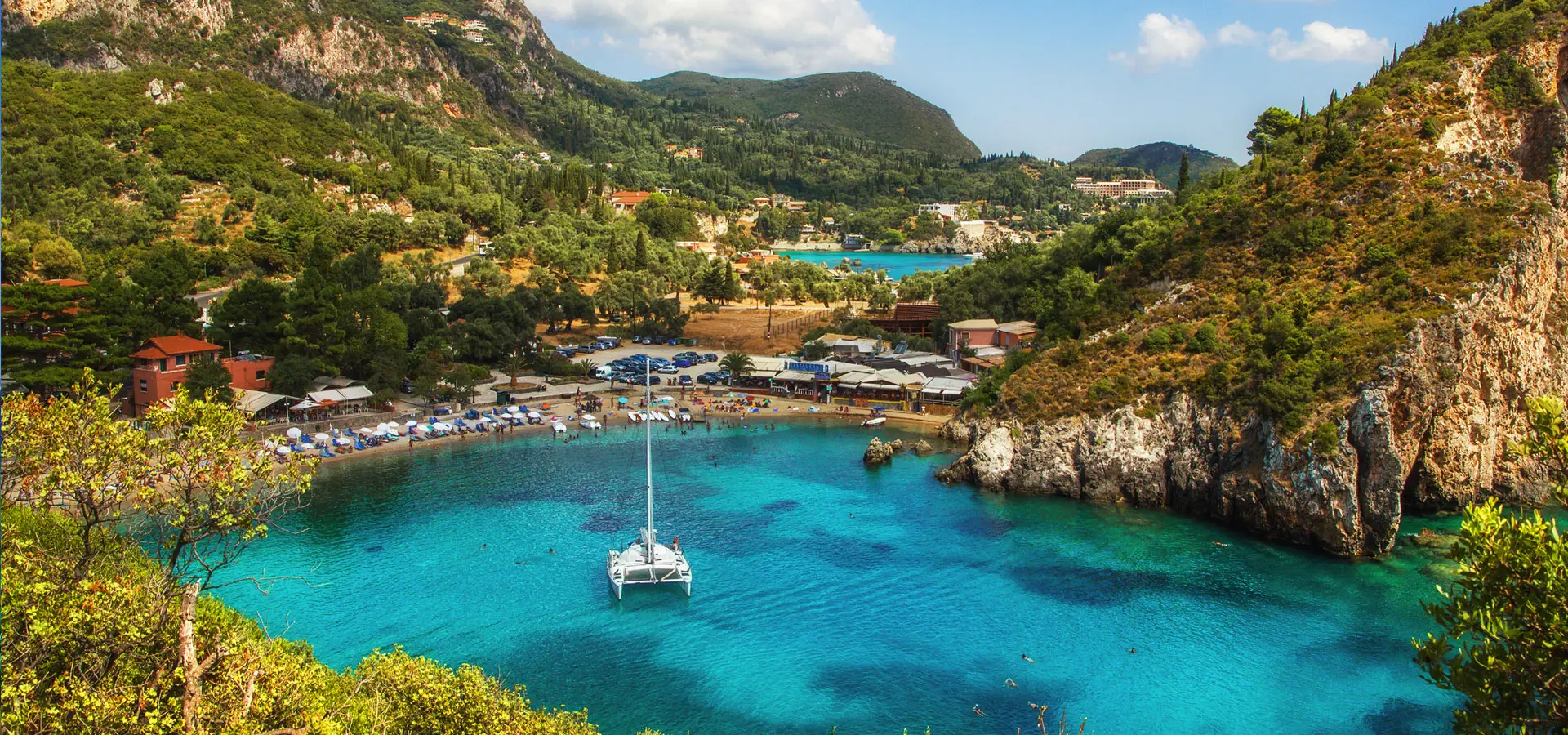
The largest medieval city in Greece
A wonderful climate, long stretches of beaches, ancient monuments, green landscapes and mountains make Corfu one of the favourite destinations for both Greek and international travellers. The origin of its name is rooted in mythology, linked to the legend of Poseidon.
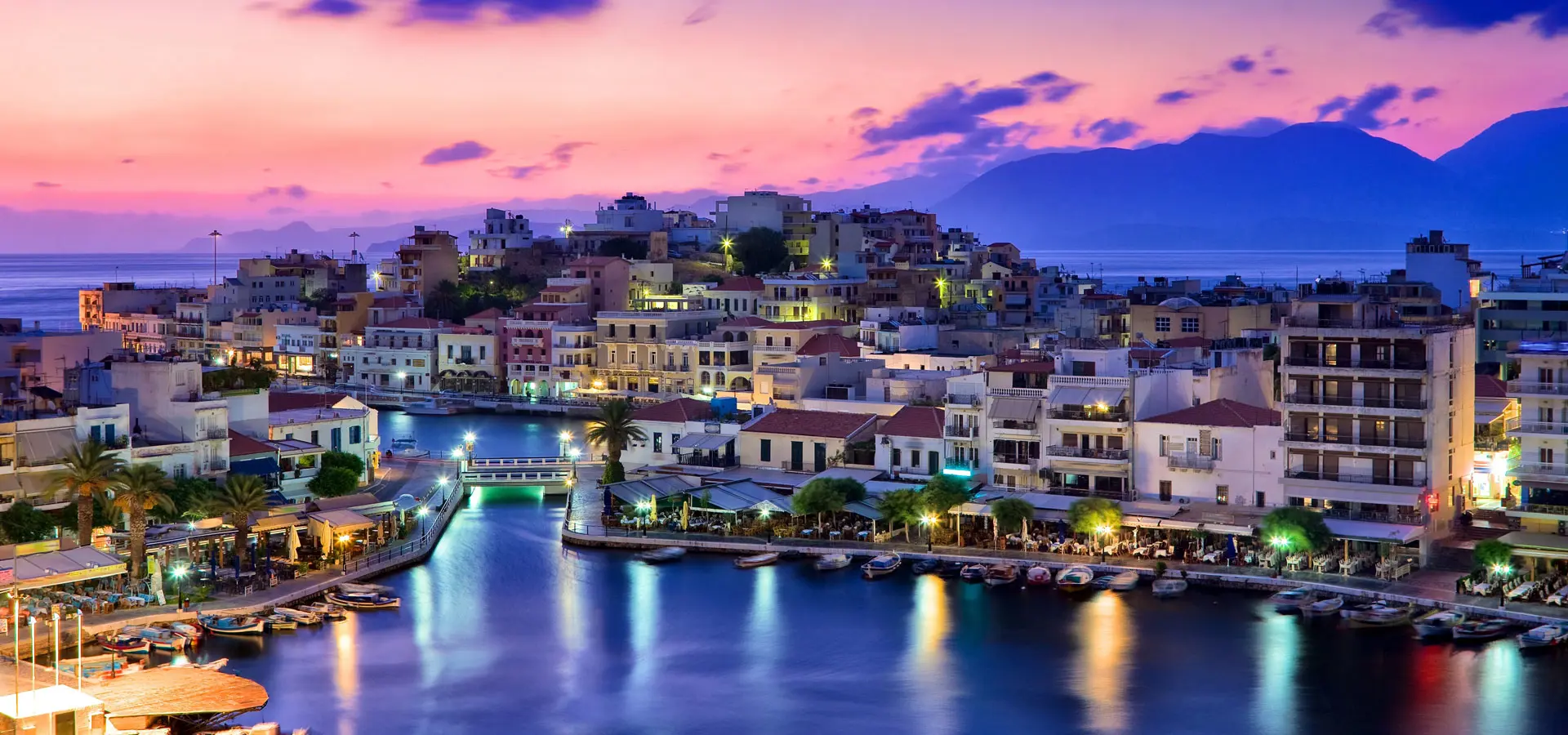
A Mediterranean paradise of culture and beauty
Crete, the largest island in Greece and the southernmost in Europe, is one of the most popular destinations in the Mediterranean. Between 2800 and 1450 BC, it was home to the first advanced European civilization (the Minoan), symbolised by the Palace of Knossos.
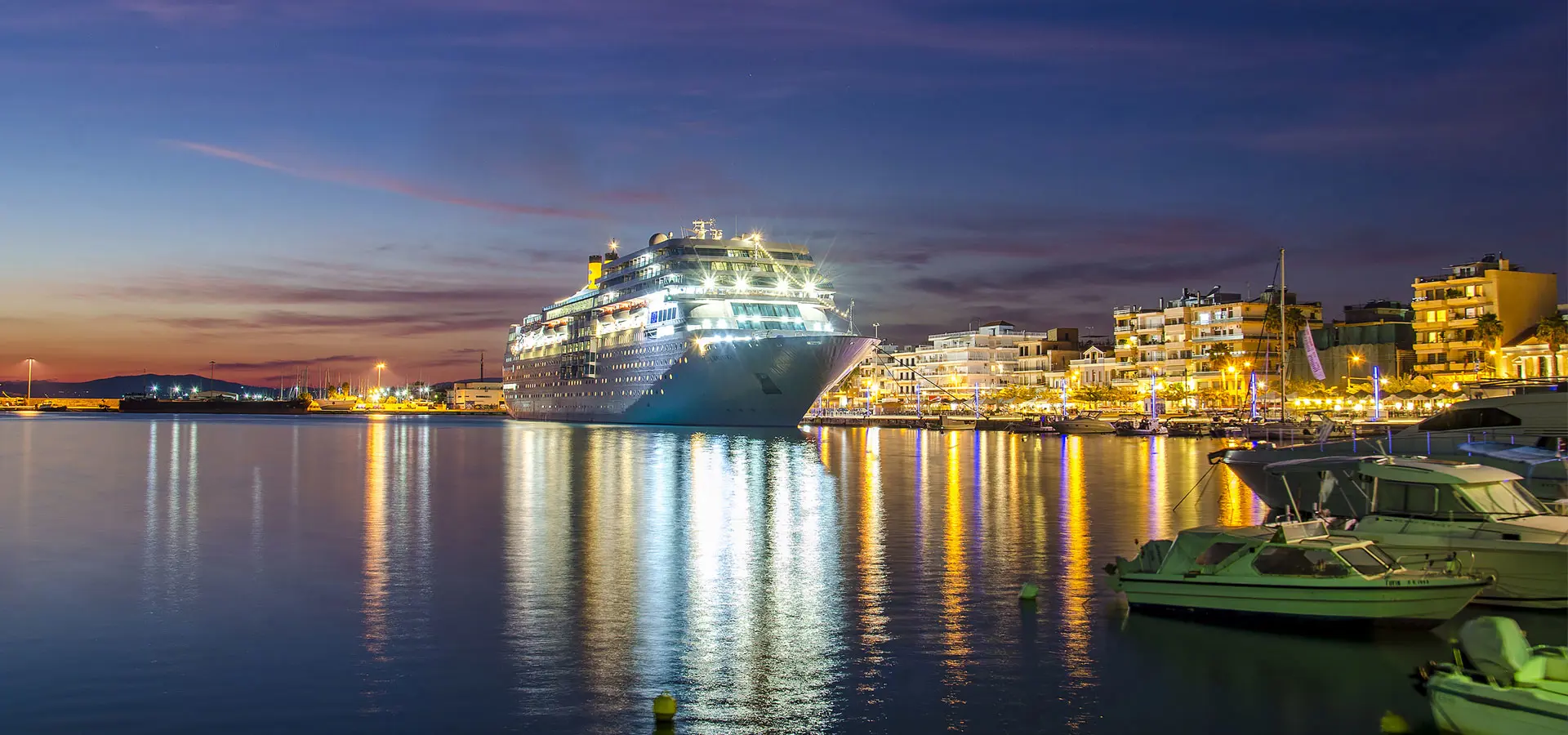
Where history and nature meet
Kalamata, the capital and main port of Messenia, overlooks the Ionian Sea and stands near the site of ancient Pharai, about 238 km from Athens and 140 km from Patras. Set within the natural beauty of the region, it is dotted with significant archaeological landmarks.
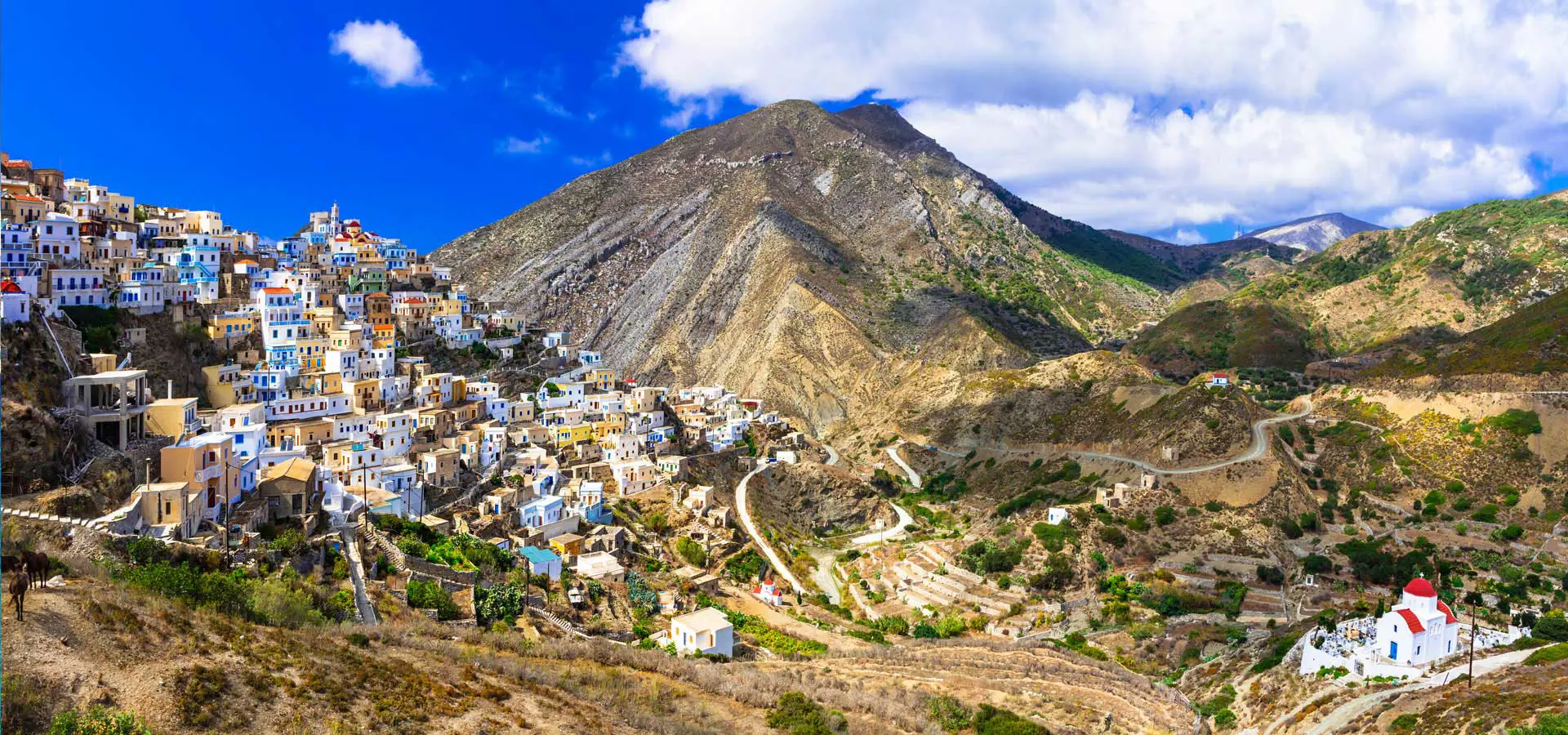
The mythological island of the goddess Athena
Karpathos has preserved the traditions that make it so captivating. Everything here is rooted in an ancient past and in mythology: the island is mentioned by Homer in the Iliad, and according to legend it was home to Iapetus, king of the Titans, and to the goddess Athena.
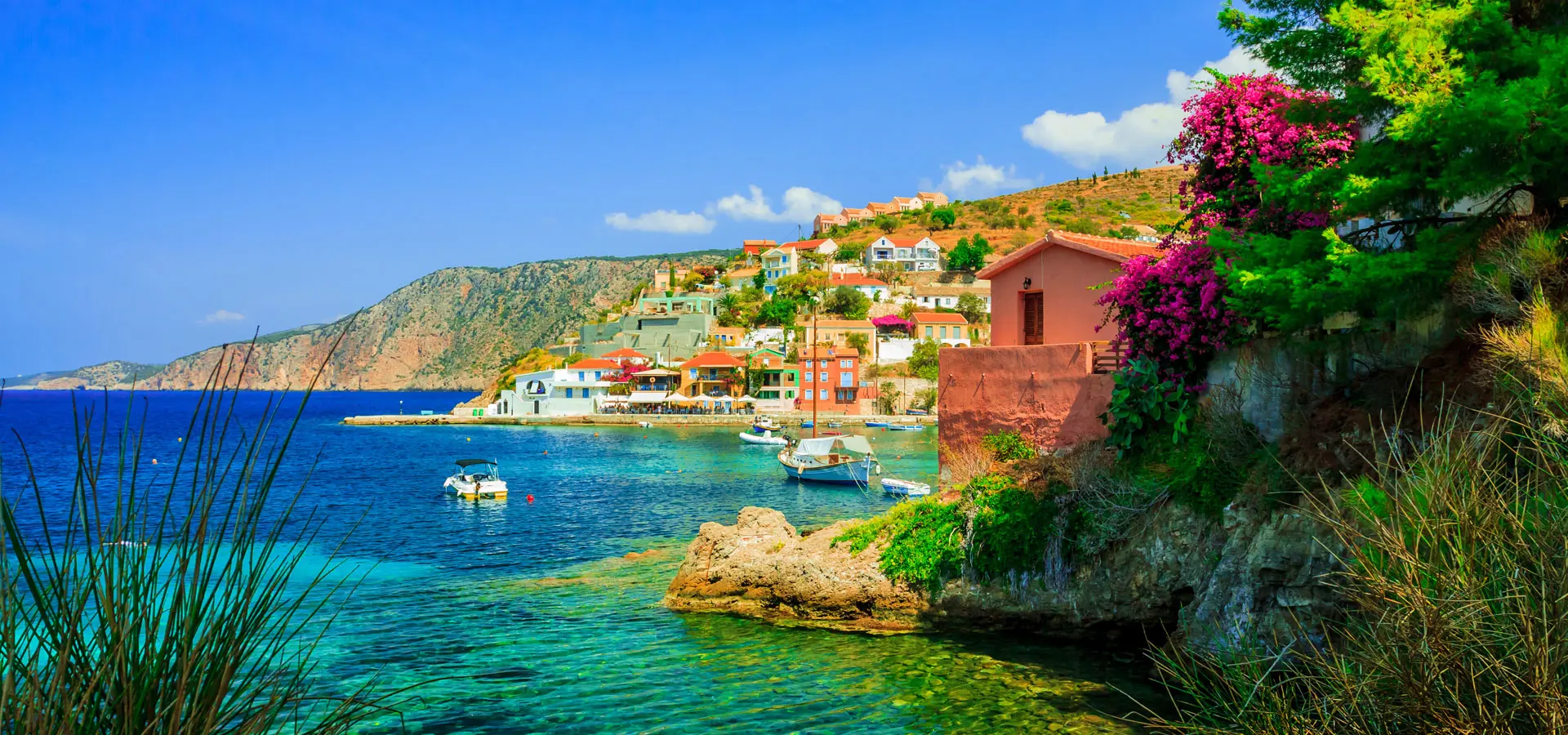
A captivating stretch of land facing the Peloponnese
Kefalonia is a beautiful island facing the Peloponnese, set in the middle of a crystal-clear blue sea, with outstanding beaches, mysterious caves, stunning landscapes and a rich cultural heritage.
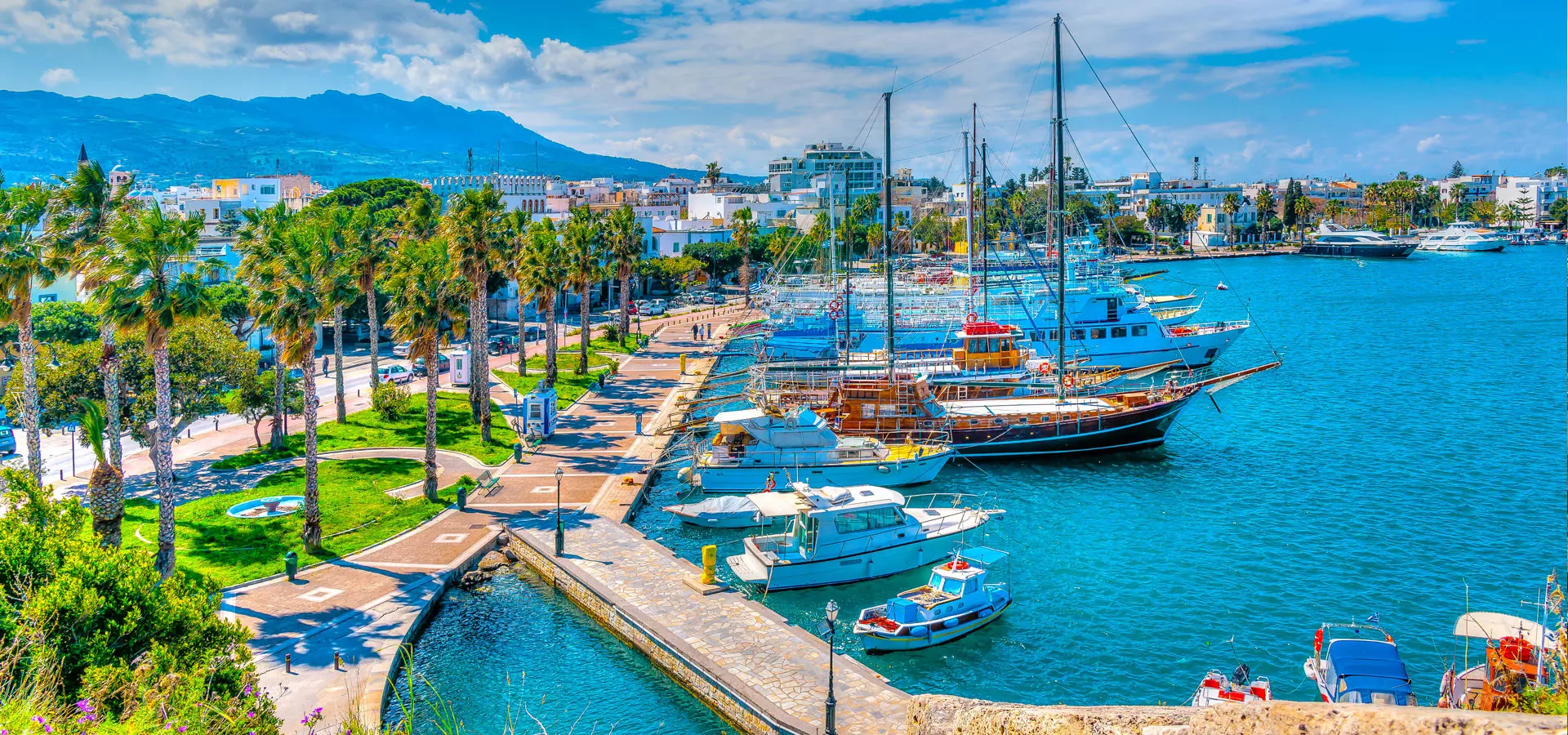
The mythical island of the blessed, homeland of Hippocrates
In the south-eastern corner of the Aegean Sea lies the lush island of Kos, birthplace of Hippocrates. According to legend, it was here that the father of medicine delivered to his students the famous Hippocratic Oath.
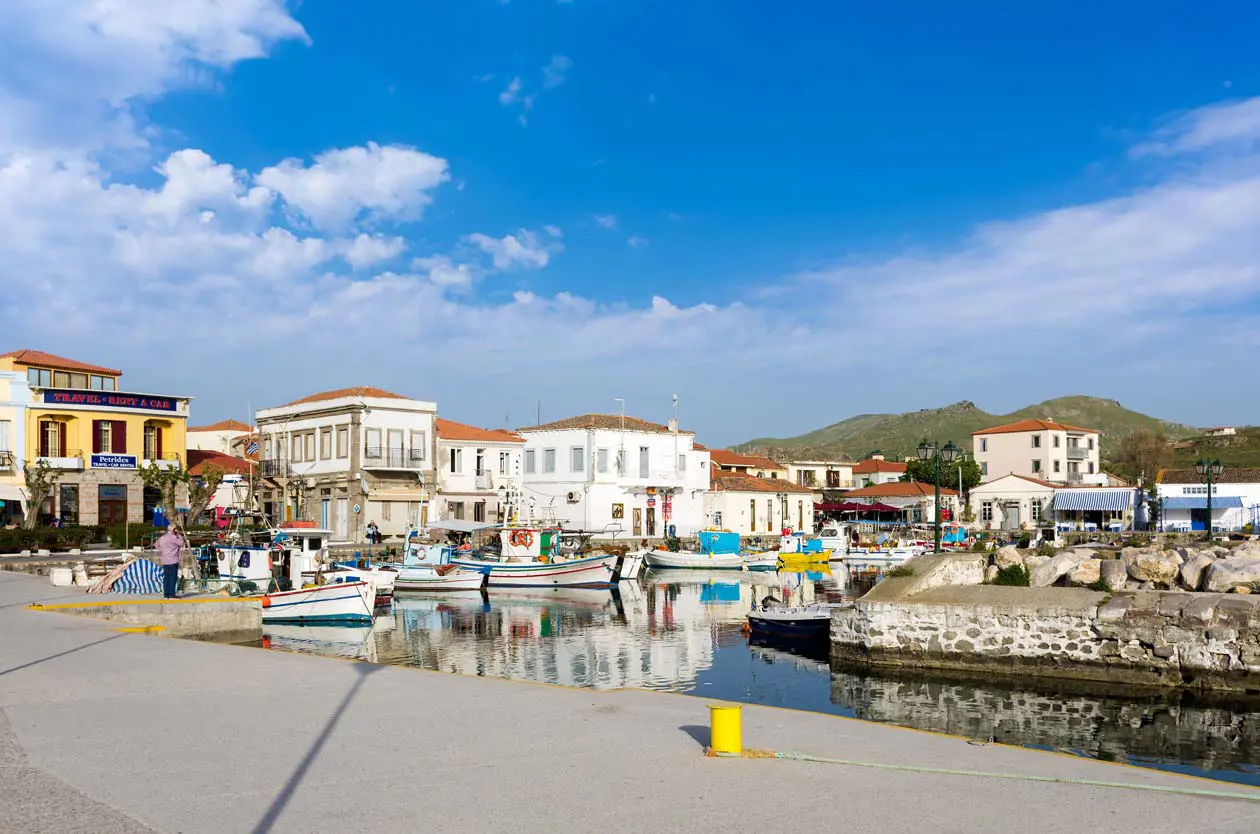
Legend has it that Hephaestus, god of fire and metallurgy, had his forge on the island of Lemnos. According to myth, he fell onto the legendary Mount Mosychlos after being hurled down from Olympus by Zeus in a fit of anger. This founding myth still helps shape the island’s identity today, suspended between primordial force and ancestral allure. In the north-eastern Aegean Sea, Lemnos (known in Greek as Limnos, and also referred to as Lemno) stands out as an authentic destination, far from mass tourism, where nature, intense flavours and a strong cultural identity evoke a more ancient world.
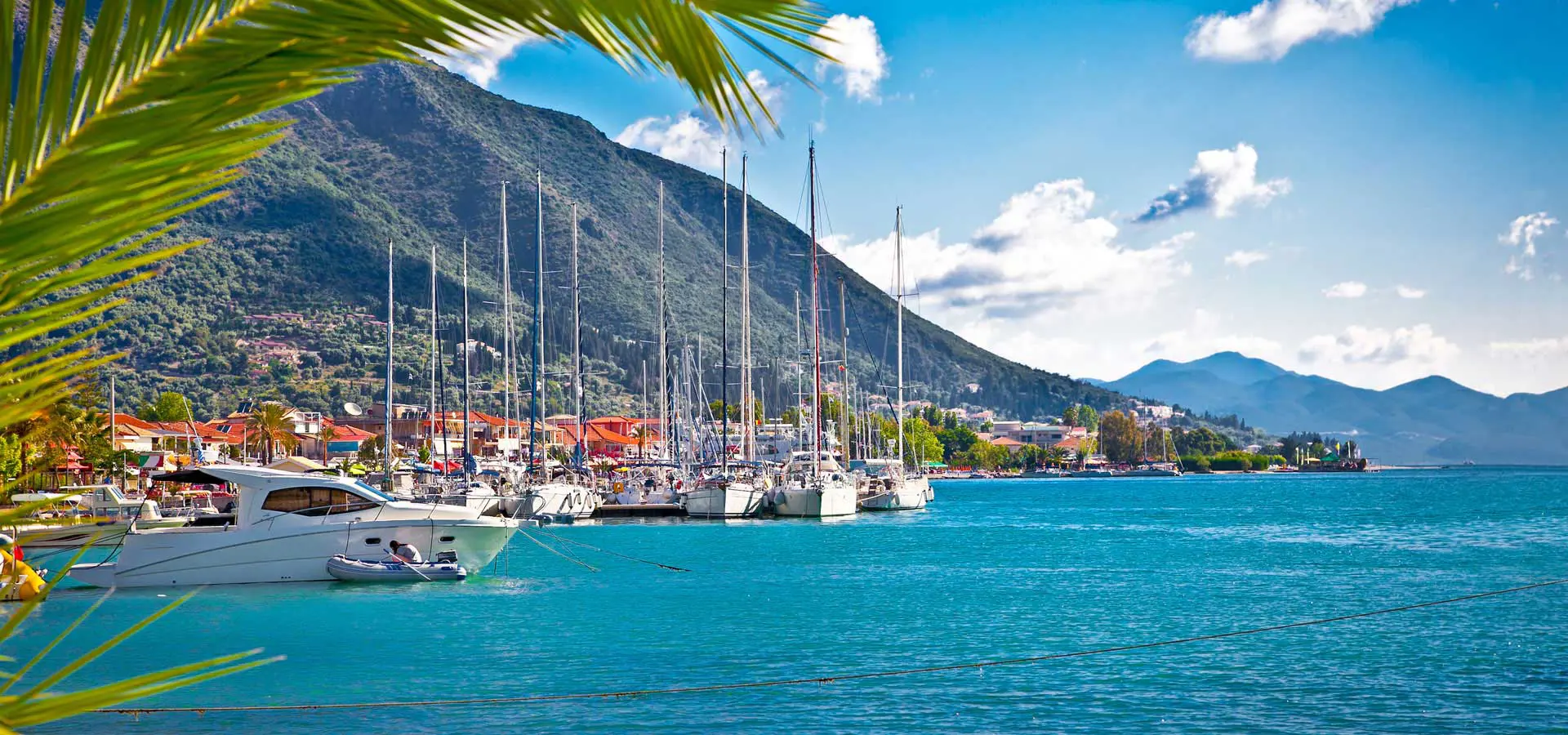
A paradise of nature surrounded by an azure sea
As soon as you land at Aktion Airport in nearby Preveza, on the edge of Epirus, on your way to Lefkada, you already feel immersed in a natural paradise surrounded by an intensely blue sea.
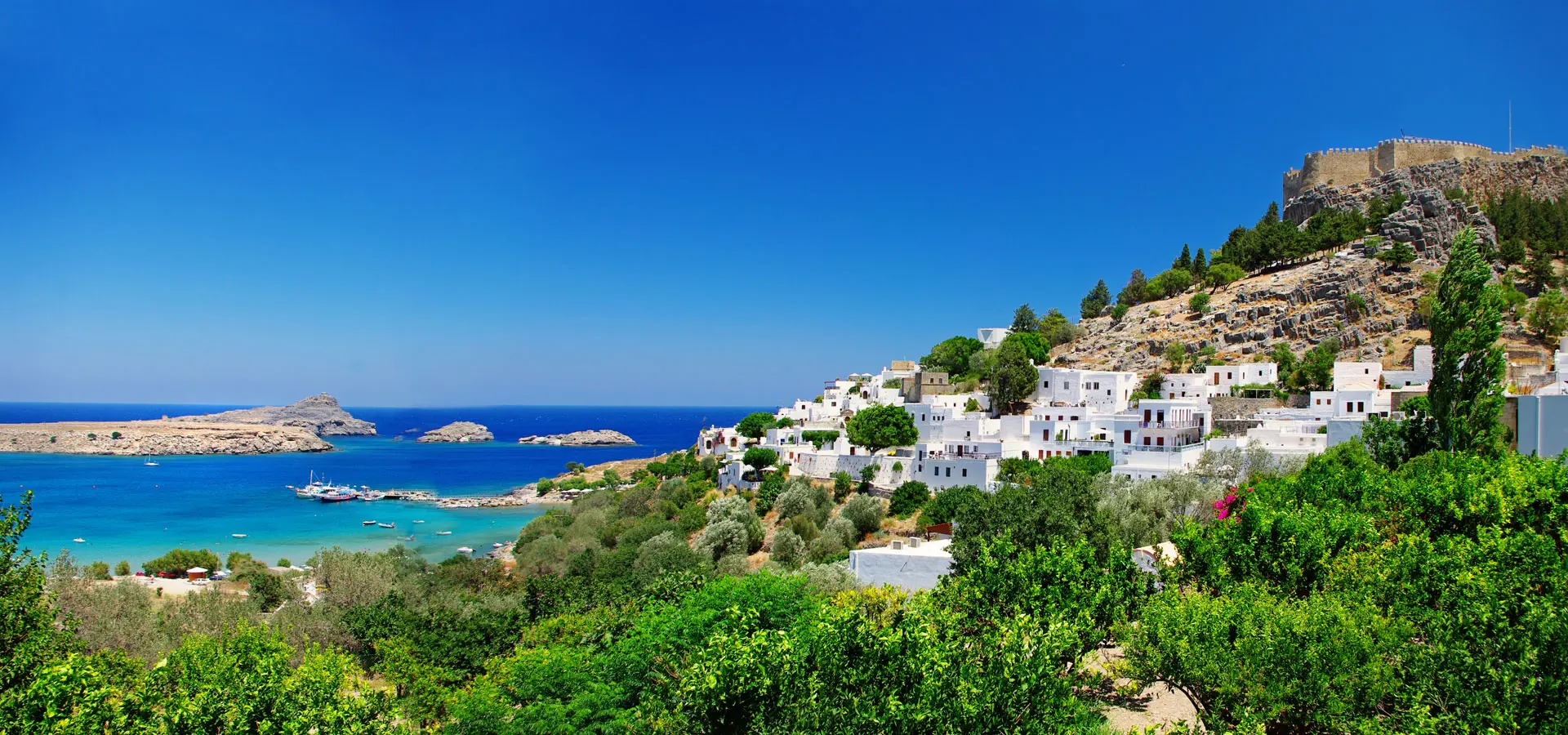
The largest island of the Dodecanese
A crossroads of cultures and a bridge between East and West, dedicated to Helios, the sun god, the island of Rhodes was once home to the statue of the Colossus, one of the Seven Wonders of the World.
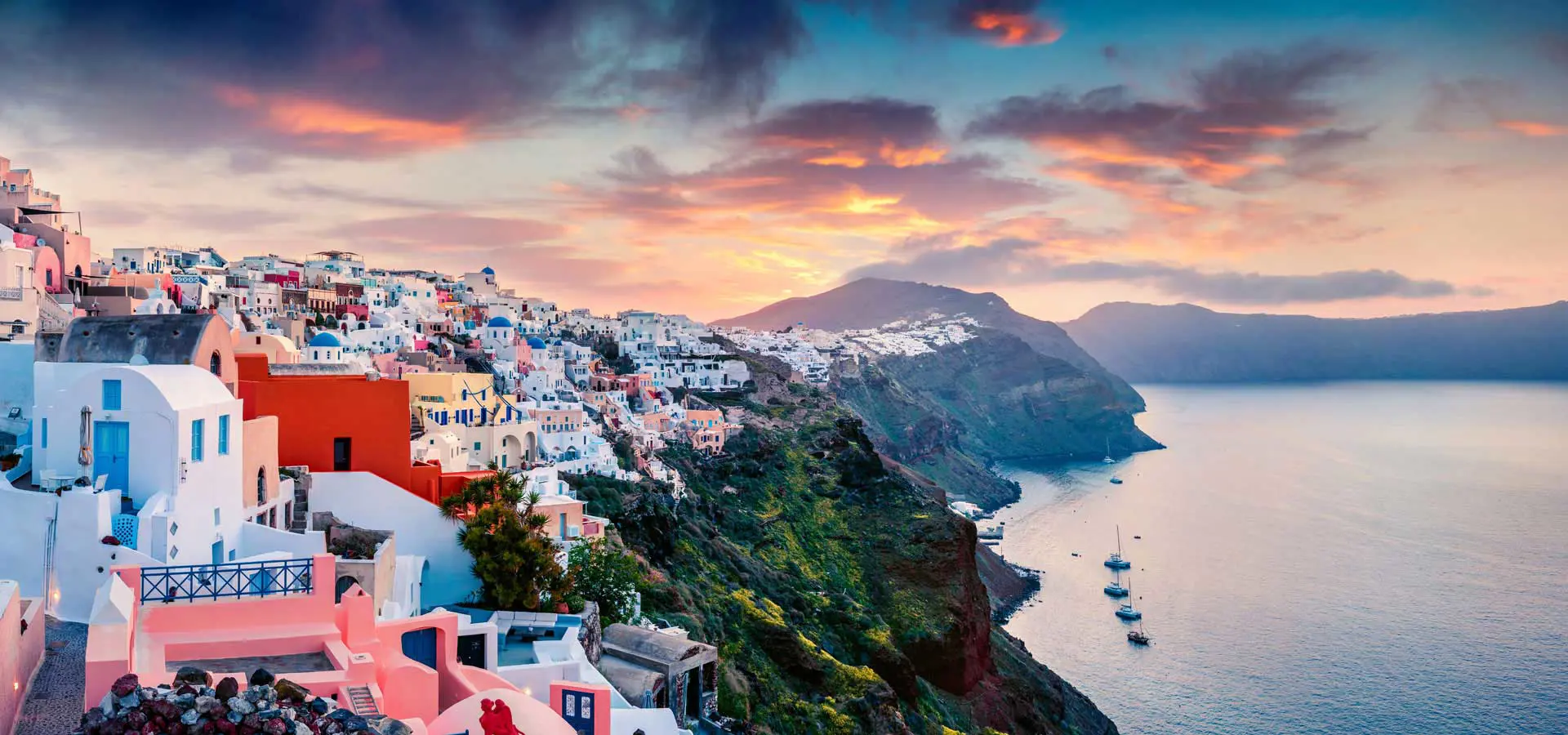
The largest of the Cyclades, with romantic charm
The island of Santorini, also known as Thera, has been called the “prehistoric Pompeii” because the excavations that came to light had been buried by the lava of the terrifying volcanic eruptions of millennia ago, much like what happened to the Campanian town.
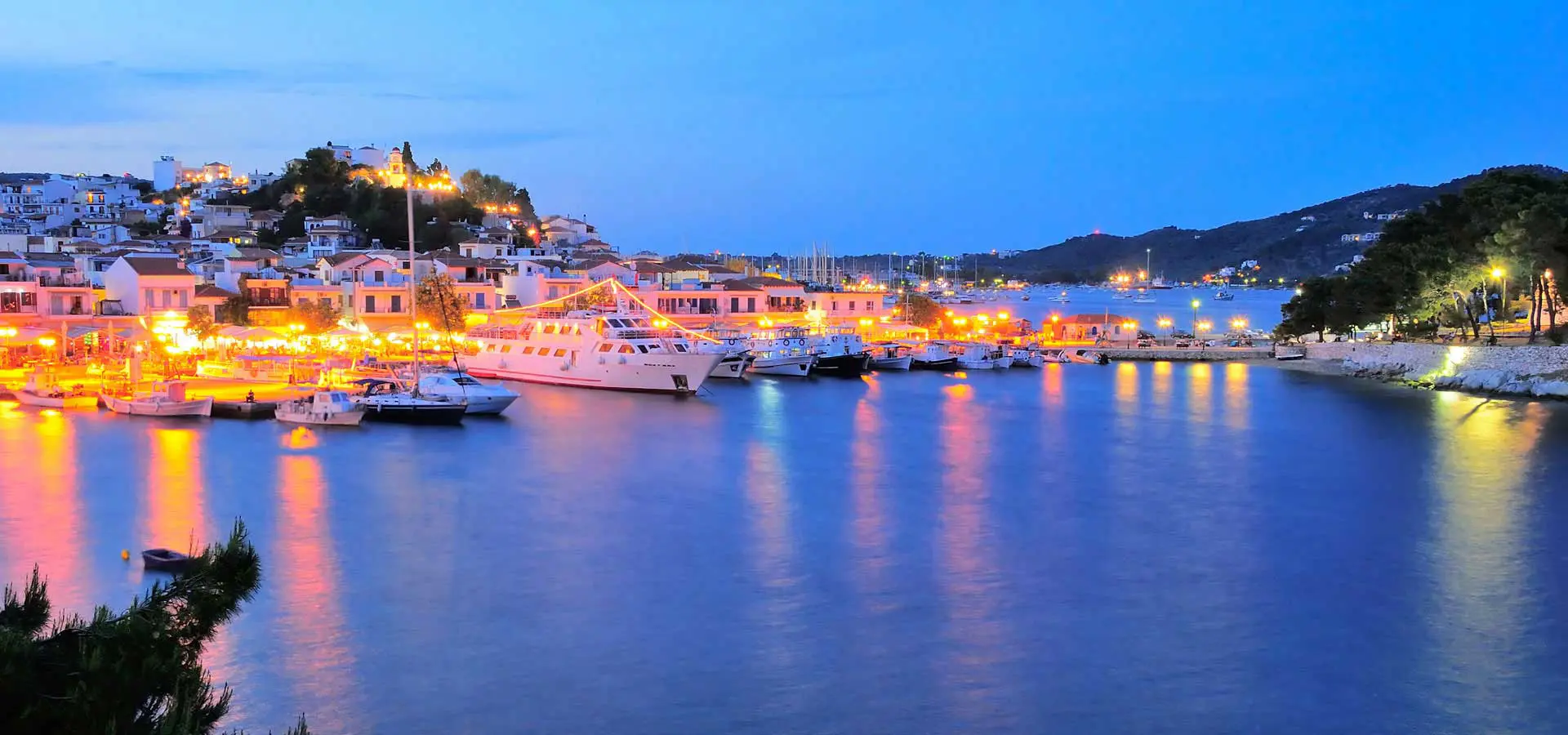
Greek paradise in the Aegean Sea
Skiathos is the smallest island in the archipelago, but also the liveliest, most fashionable, and greenest. Along its 44 kilometres of coastline lie as many as sixty beaches, washed by clear, crystal waters; the most famous is Koukounaries, considered the most beautiful beach in the entire Mediterranean.
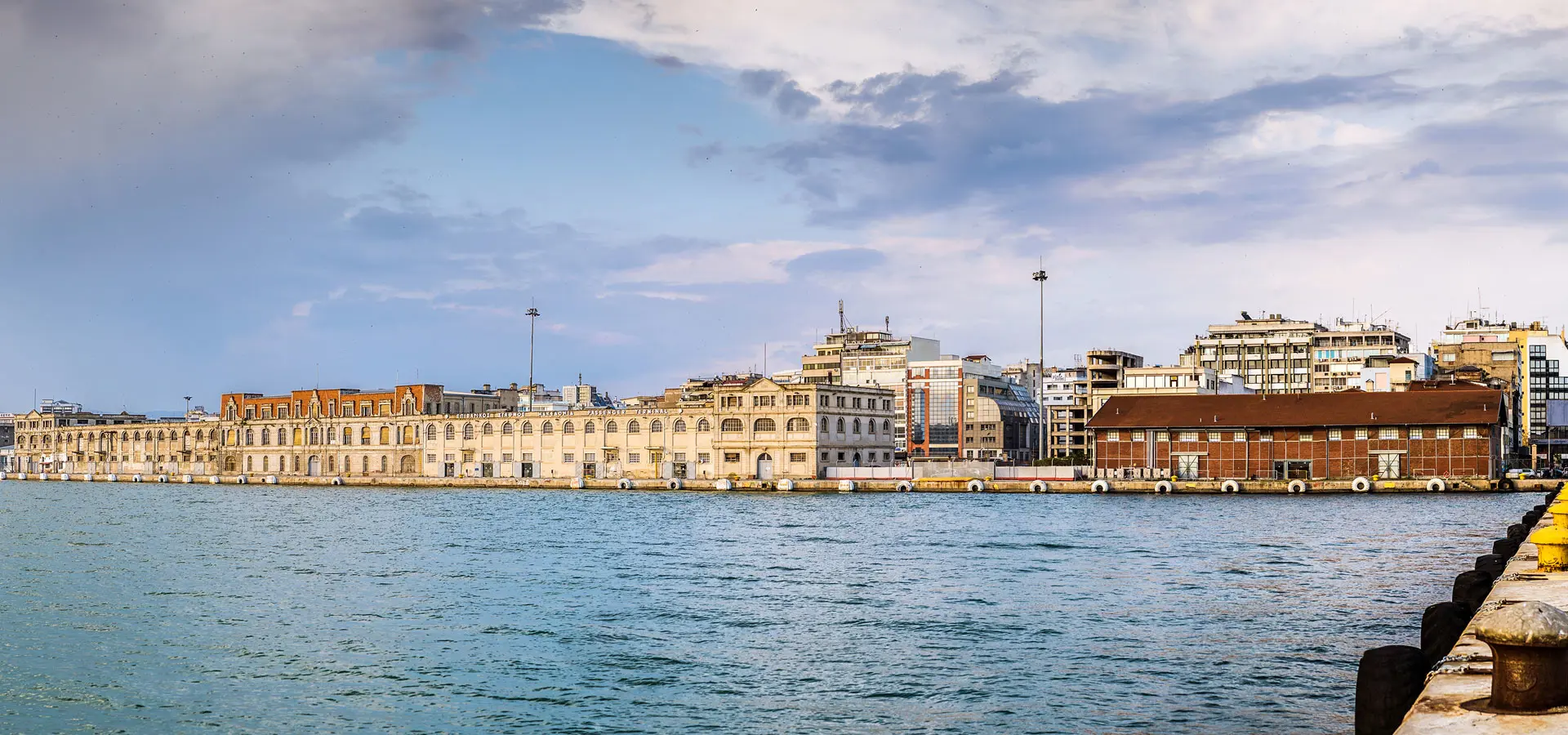
The pearl of northern Greece, a crossroads of history
Thessaloniki is considered Greece’s second capital, because it is the country’s second-largest city after Athens and the capital of the Macedonia region. Located by the sea and founded in 315 BC, the city is named after Alexander the Great’s sister, Thessaloniki.
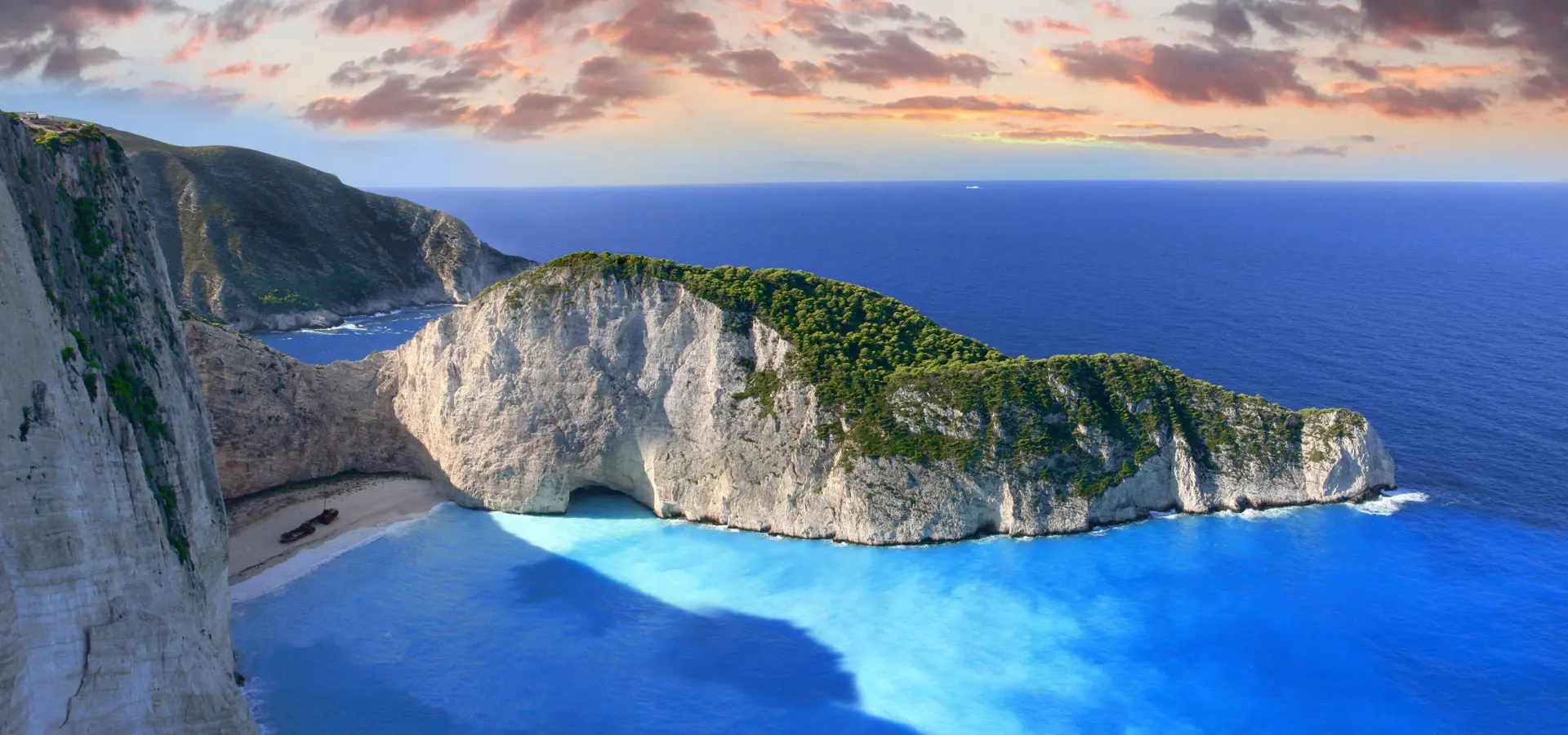
High cliffs, unspoilt beaches, and turquoise sea
A captivating Greek island, the third largest in the Ionian Sea after Corfu and Kefalonia, Zakynthos is famous for its vegetation, as well as for its cliffs and unspoilt white beaches overlooking turquoise waters: flowers are everywhere, and the Venetians called it the “Flower of the East.”
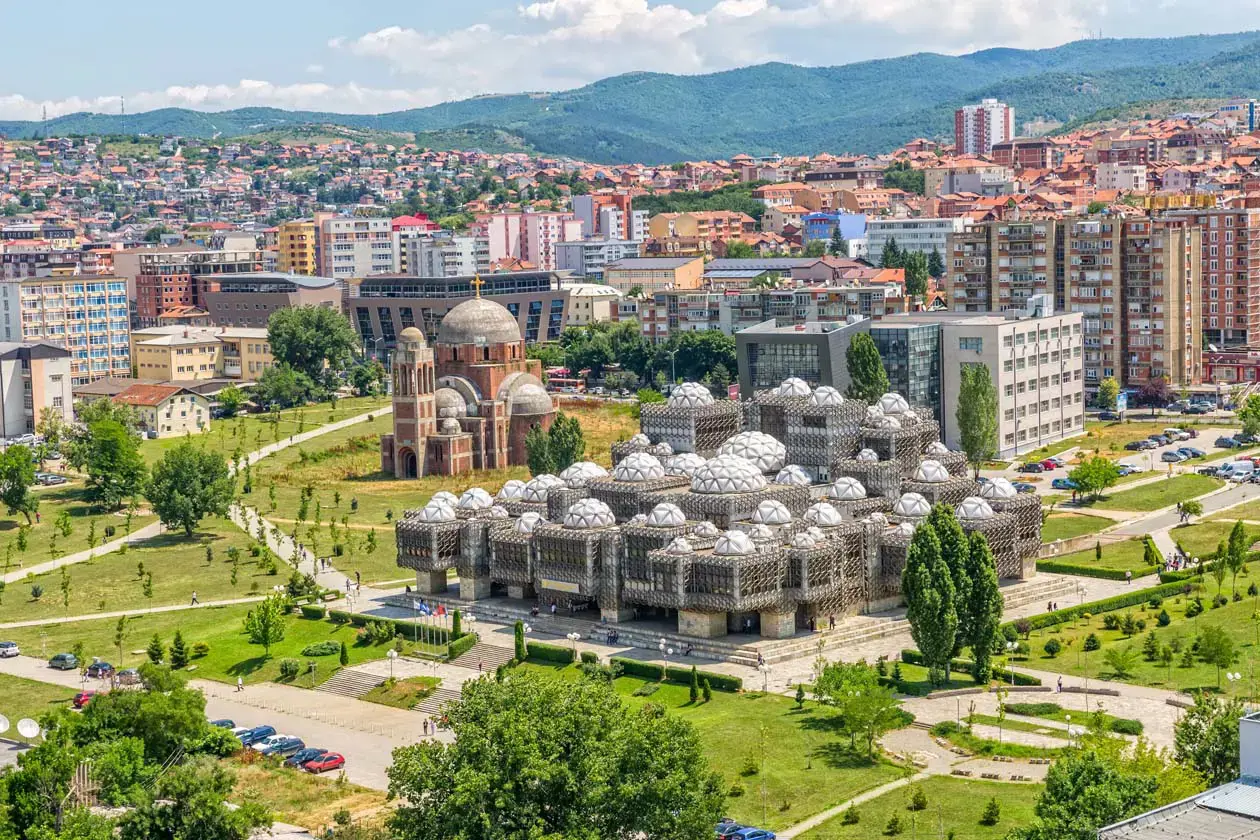
Kosovo
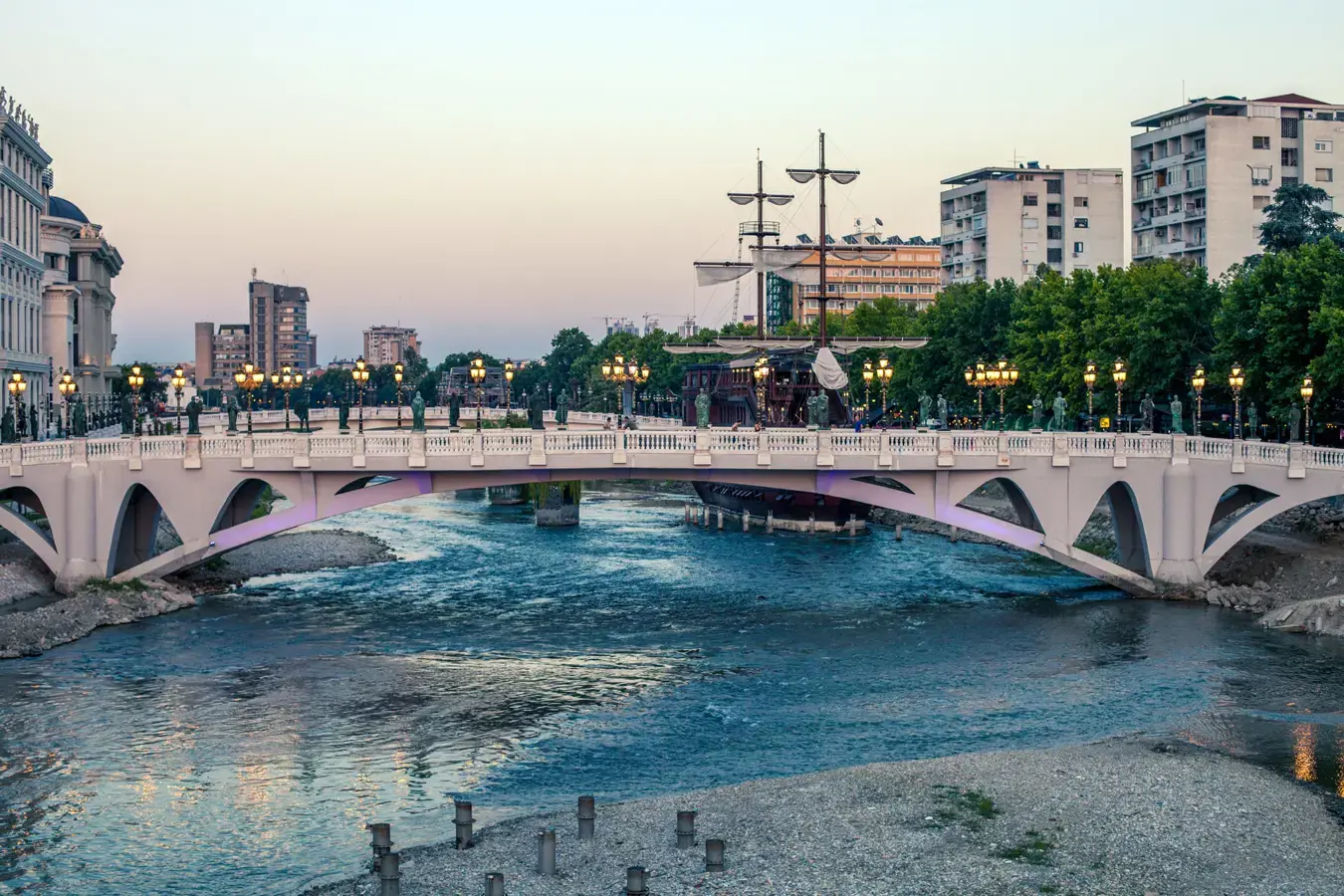
Macedonia
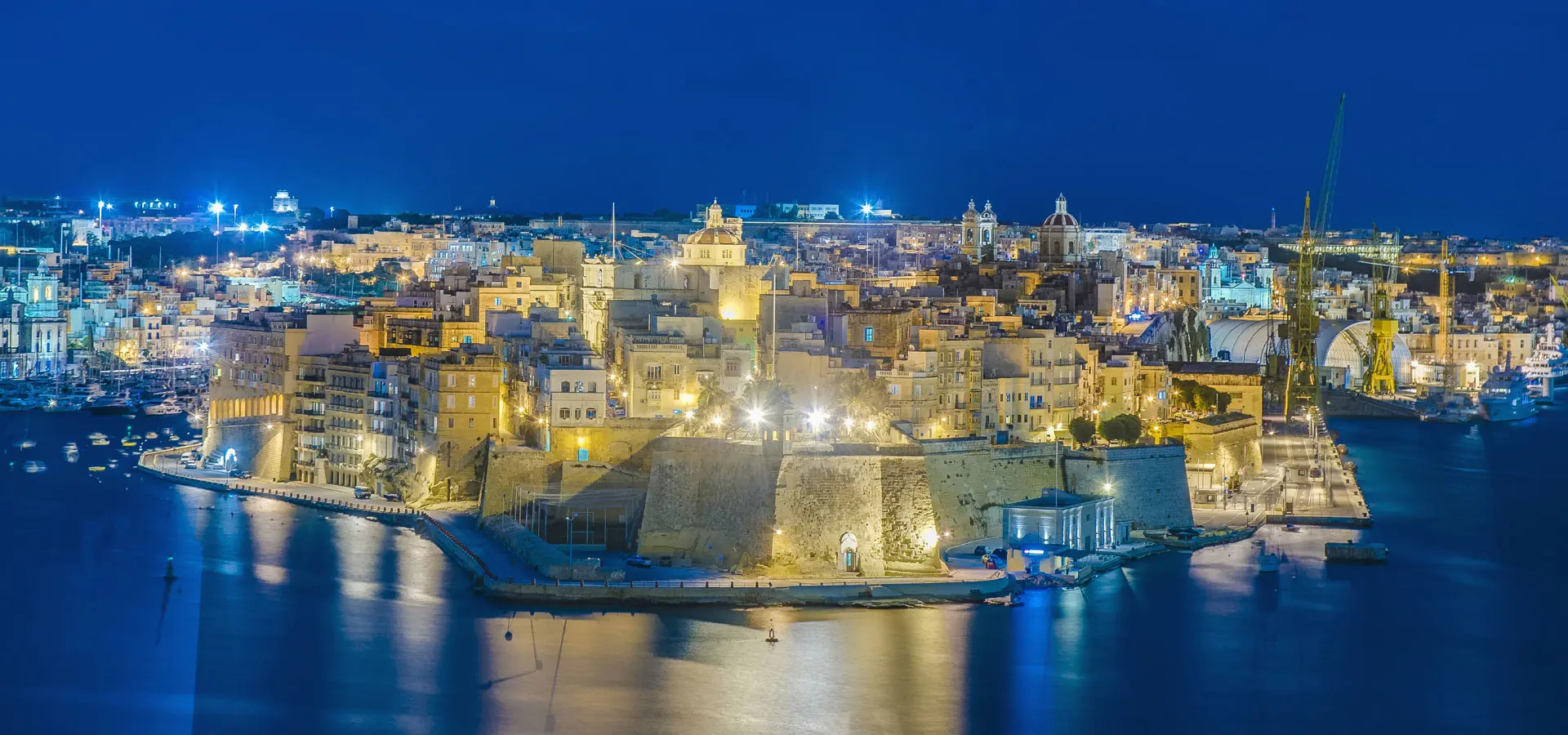
Malta
Serbia
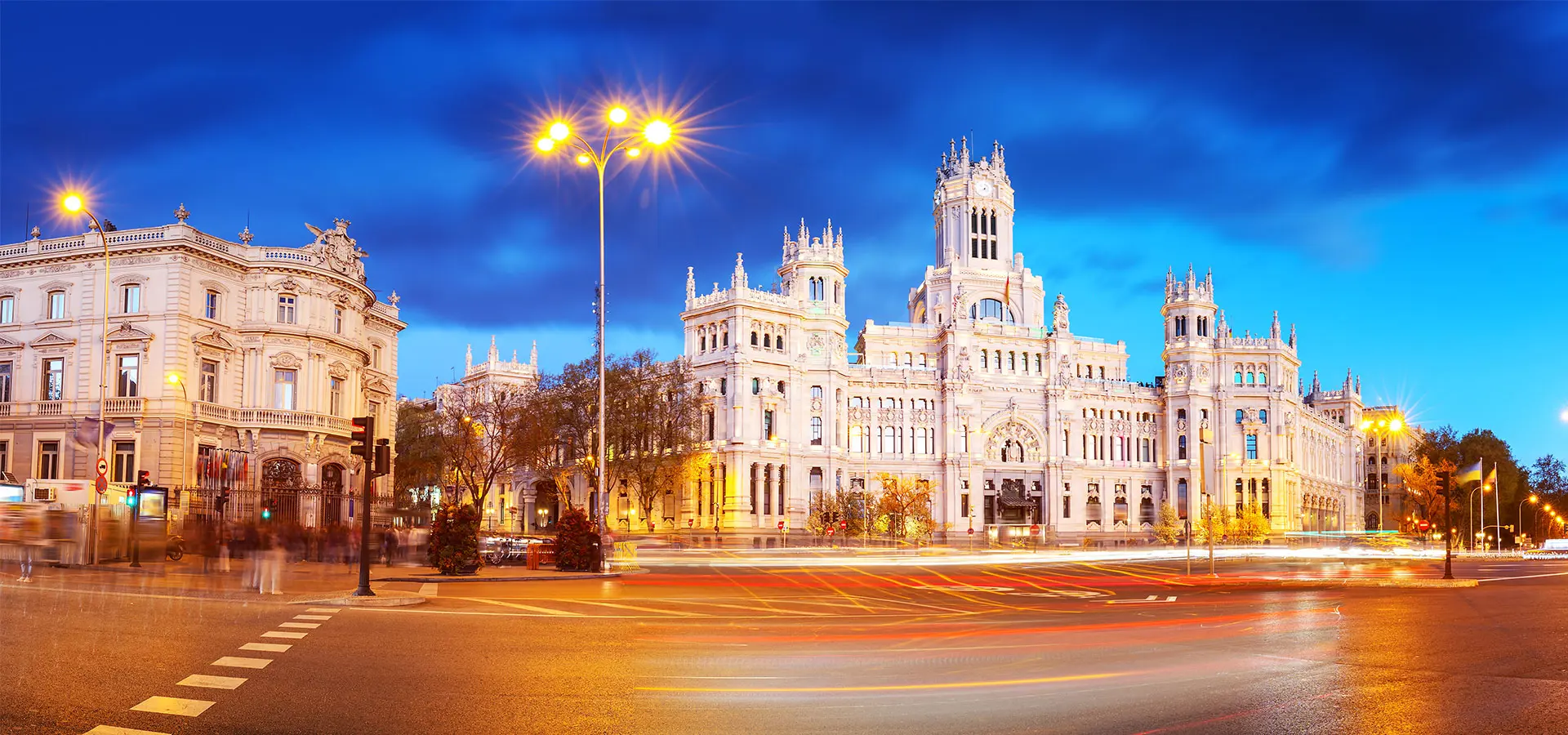
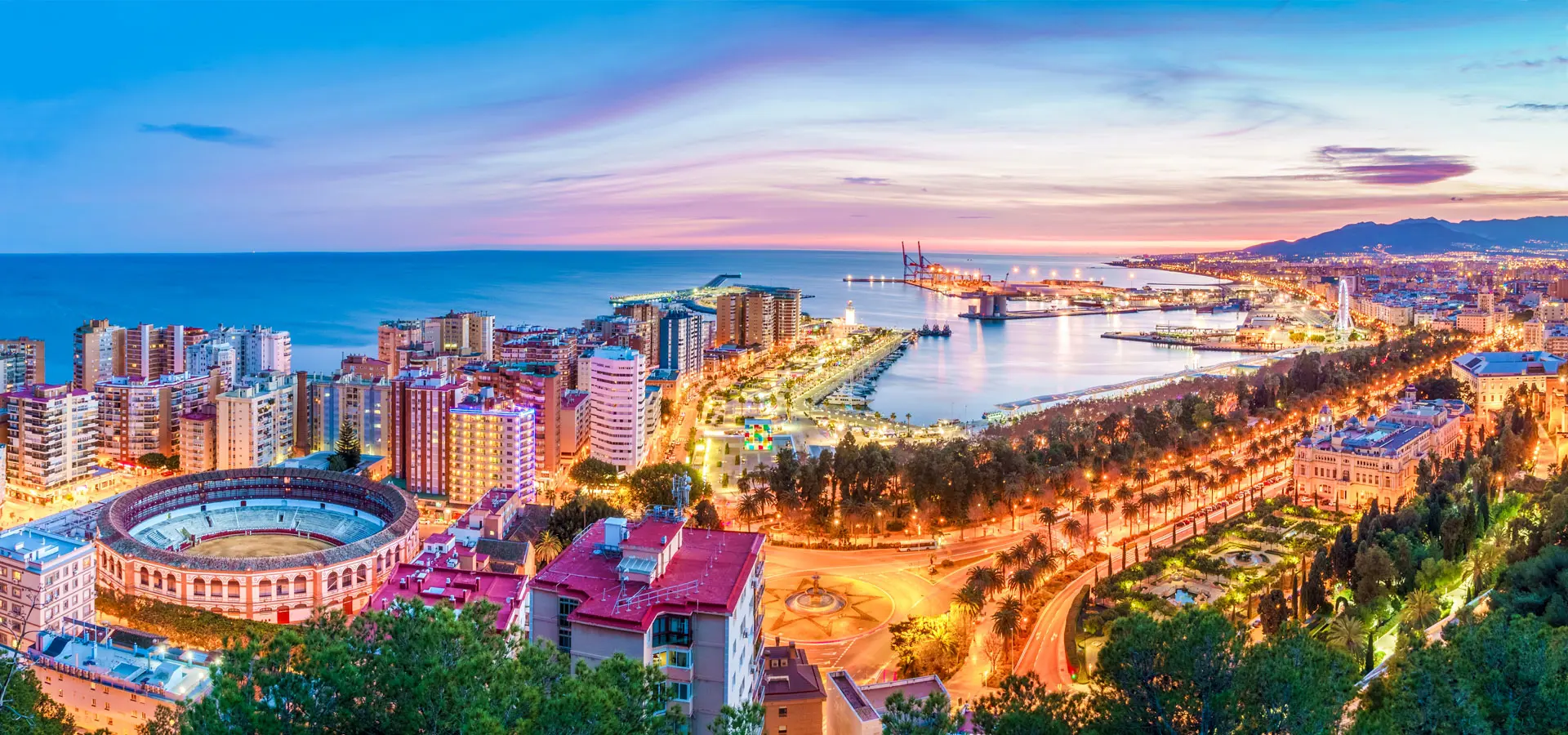
Pearl of the Costa del Sol
Malaga, the birthplace of painter Pablo Picasso, preserves the richness and warm atmosphere typical of Andalusia and embodies its most characteristic features. The Alcazaba citadel (8th-11th century) is one of the city’s symbols.
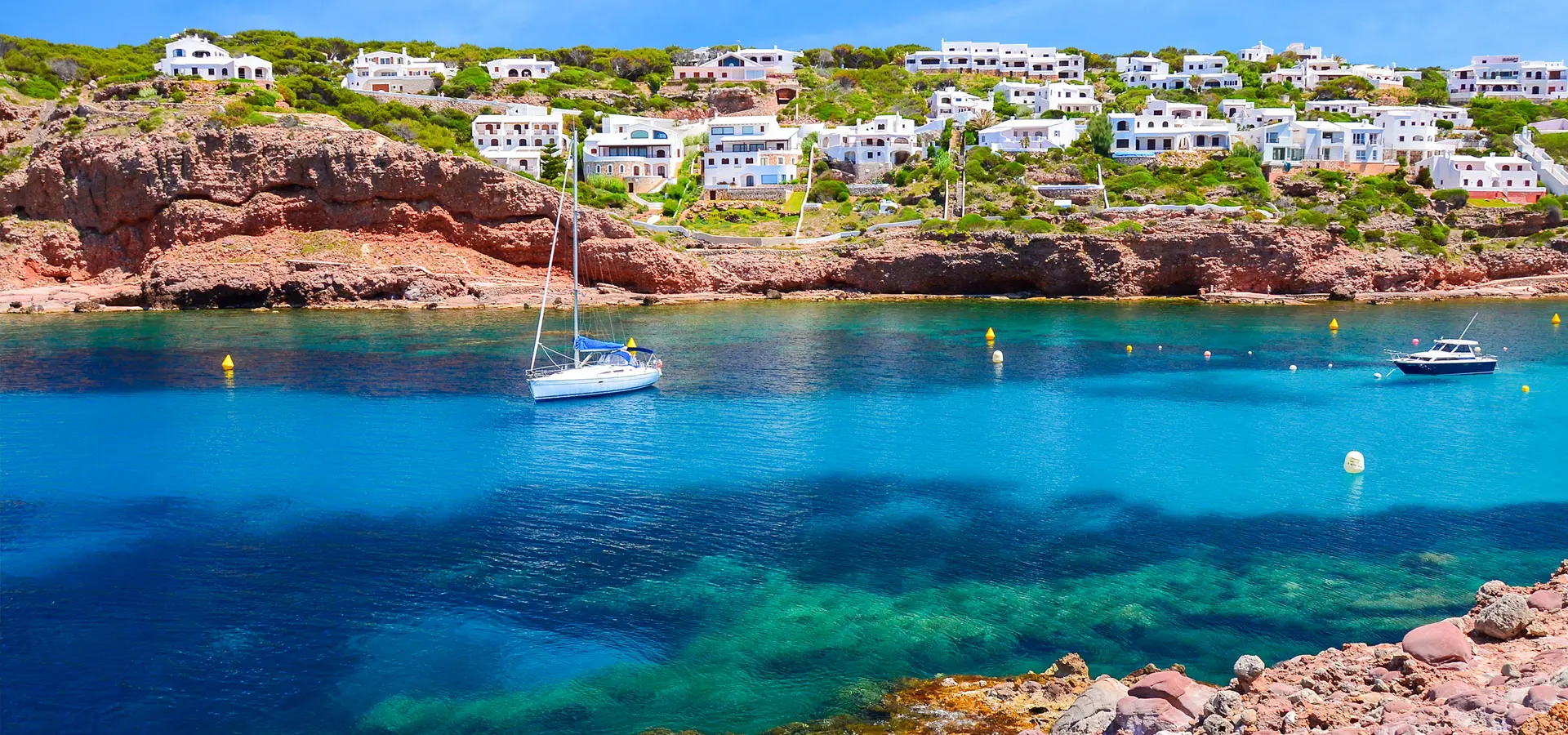
A natural fjord, gateway to numerous civilizations
It is no exaggeration to describe the natural harbour of Mahón, capital of the island of Menorca, as the largest in the Mediterranean and one of the safest. At the heart of the city lies the large Plaza de España, home to important monuments.
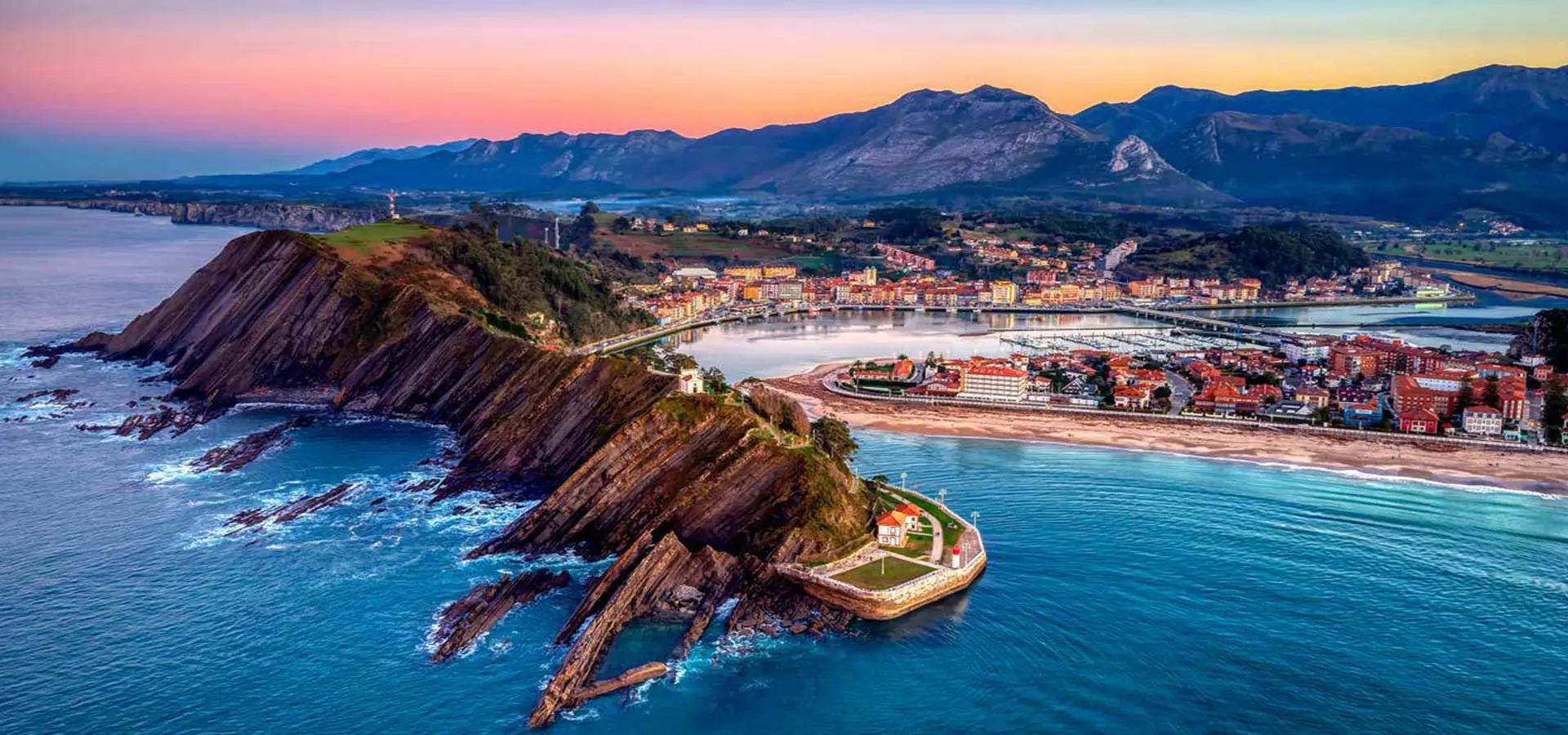
A stop along the Camino de Santiago in Asturias
The region of Asturias, in the far north of Spain, is unspoilt, a true natural paradise. It is dotted with forests, mountains, cliffs, long white beaches, and fishing villages with small harbours.
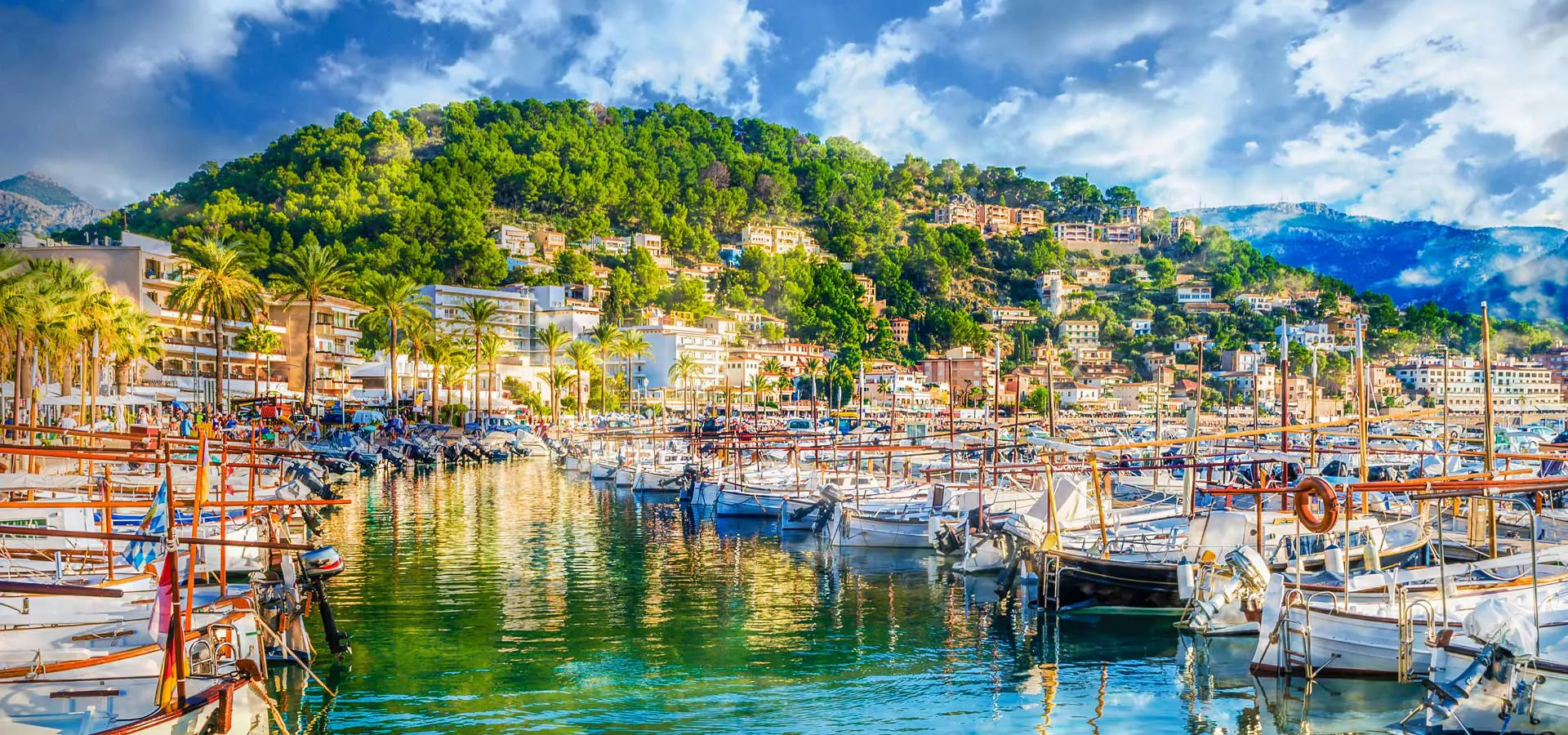
Landing on the island of tranquility
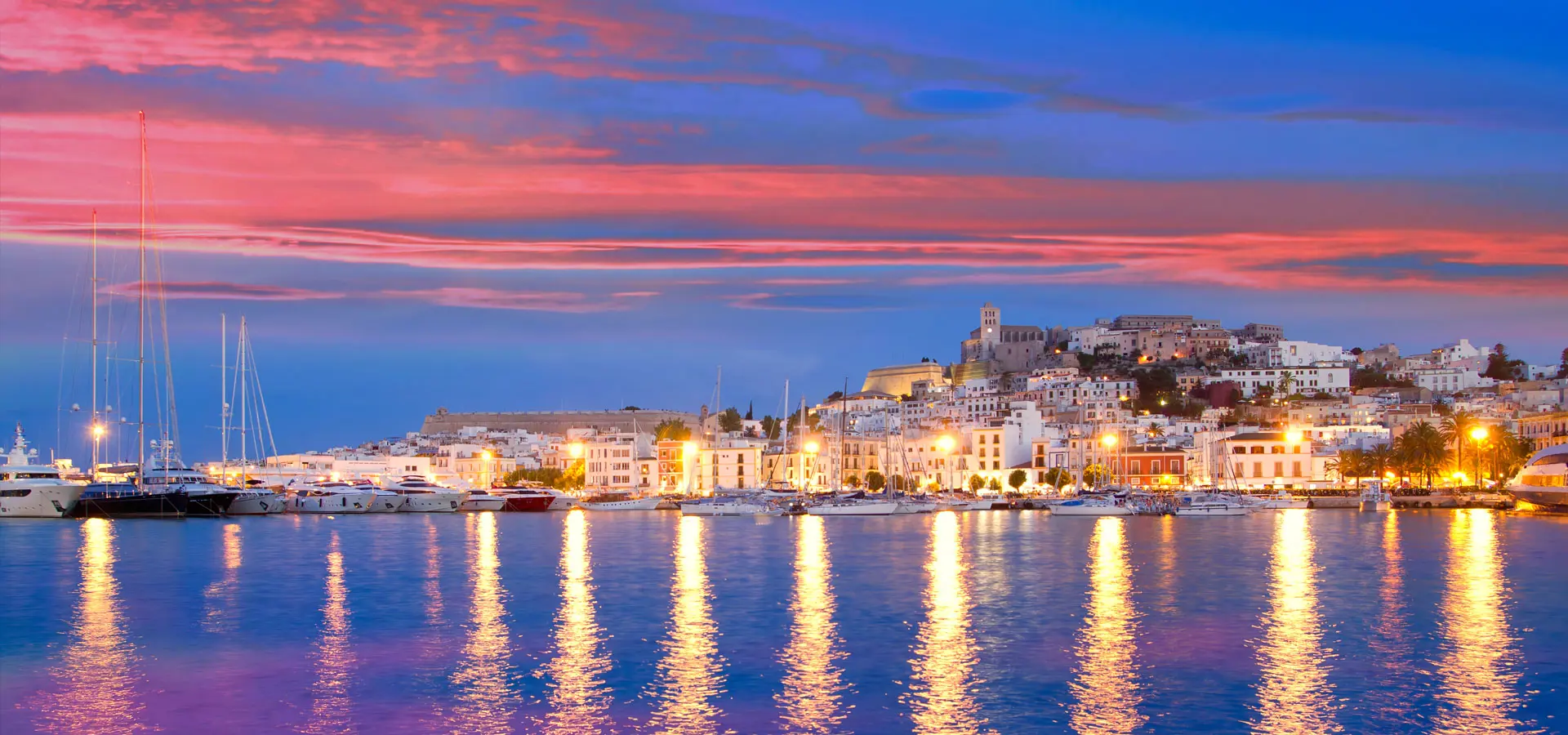
The largest of the Balearic Islands is a true oasis of peace, bathed in Mediterranean sunshine. Mallorca is the island of tranquility and light, a haven where the spirit can surrender to the contemplation of beauty.
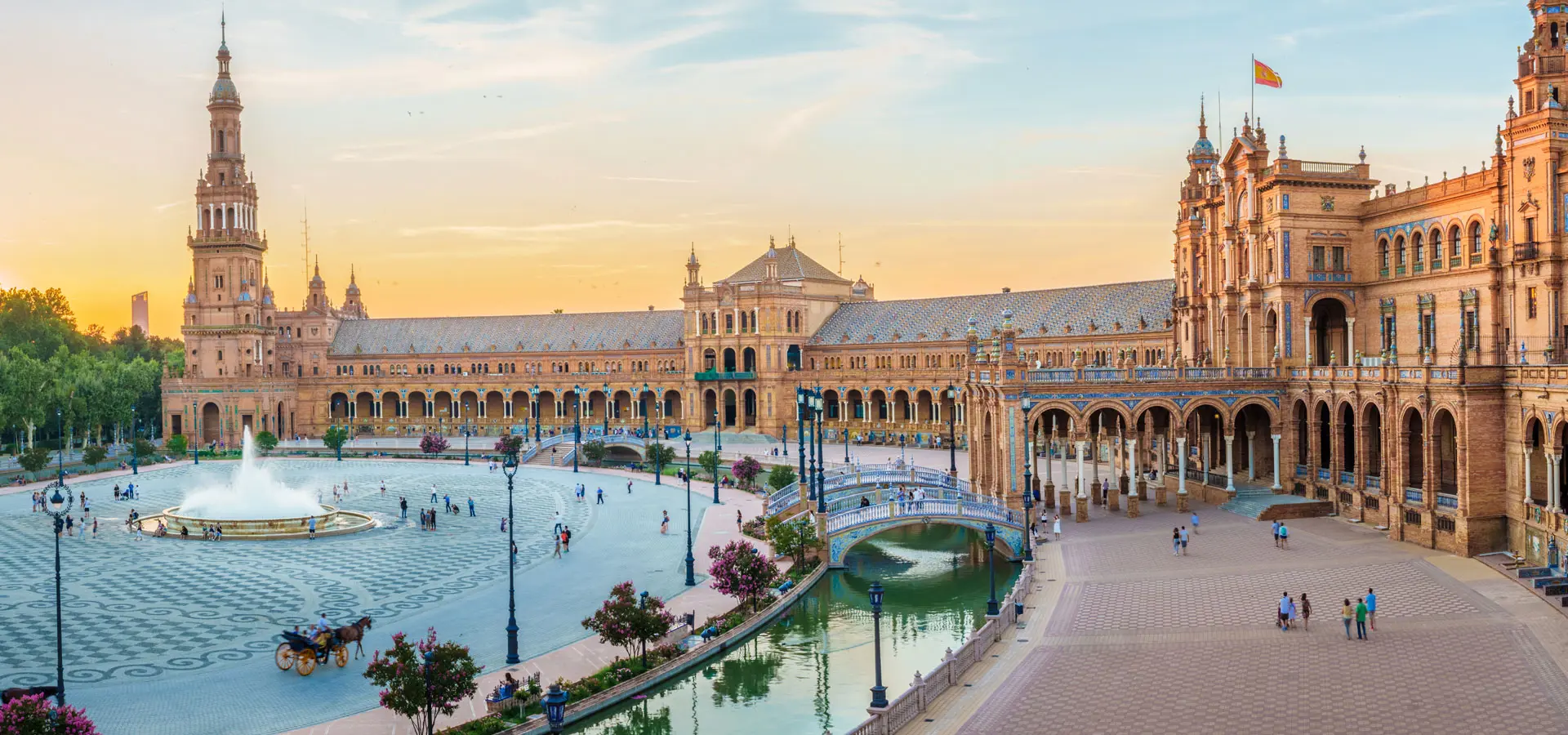
A crossroads of styles and culture
Seville, the capital of Andalusia, offers sunshine, warmth, light, joy, culture, history, and folklore. Its streets, lined with generally low-rise buildings, form a vast labyrinth that makes walking through the city especially enjoyable.
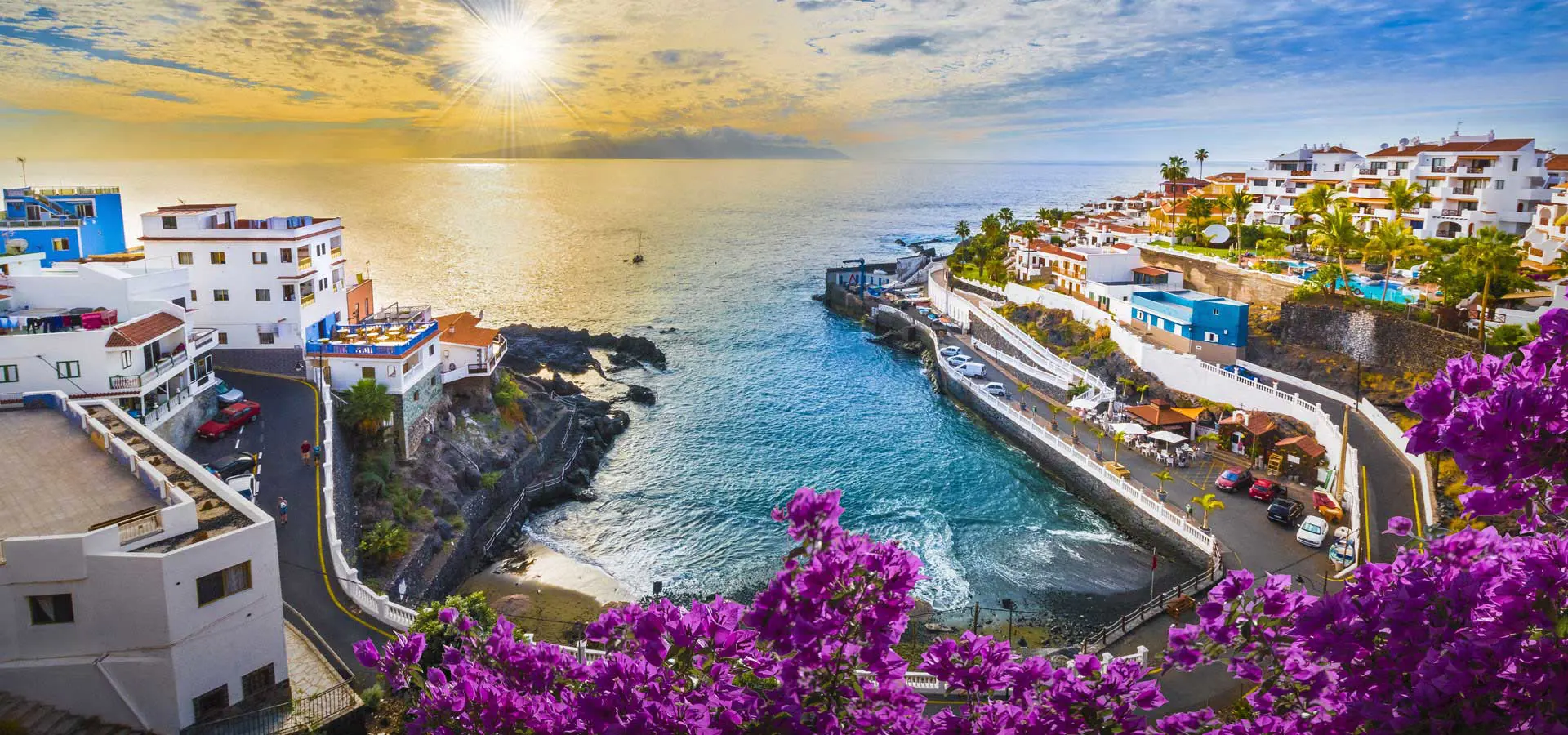
The treasure island
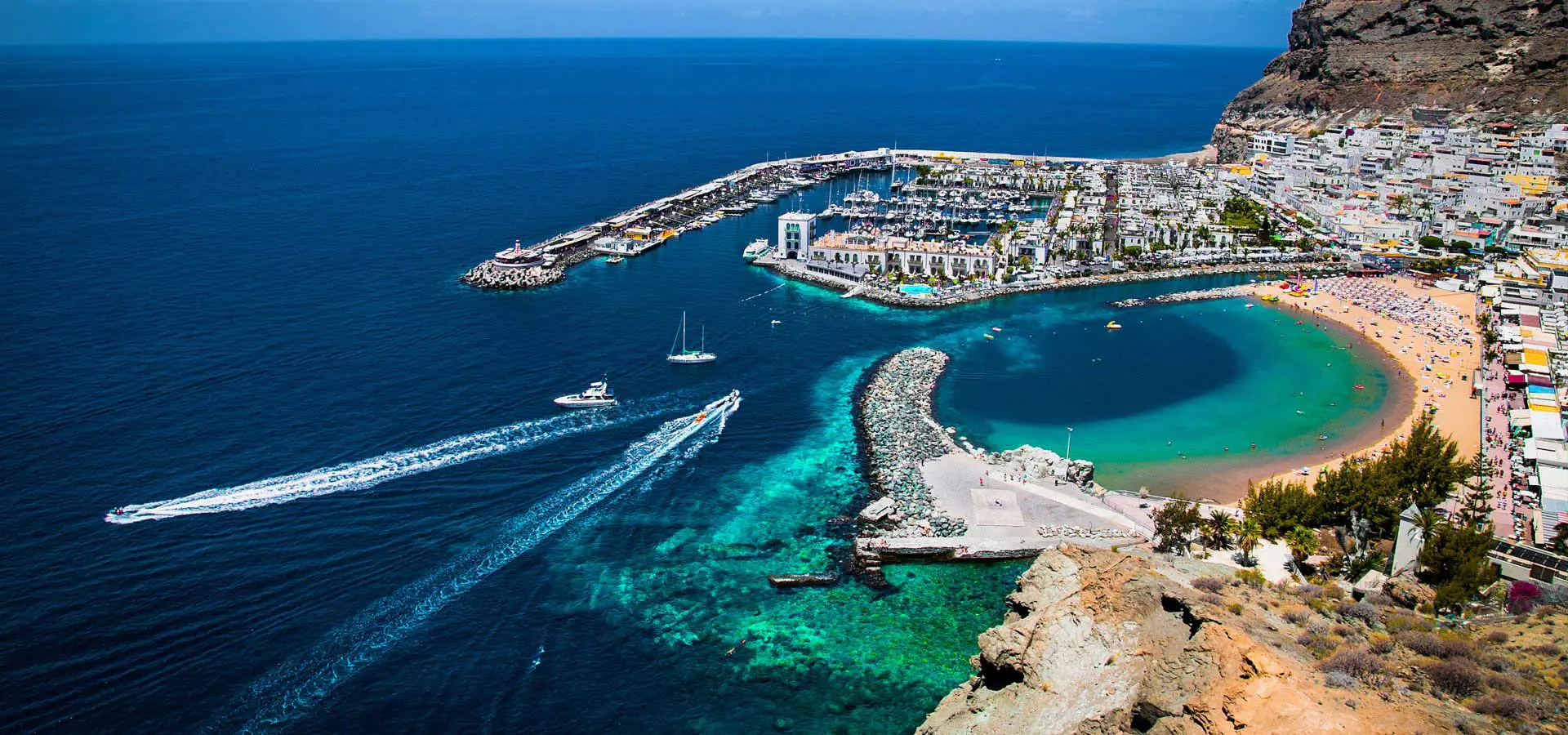
A National Park, protected natural areas, and World Heritage Sites are just some of the many “treasures” awaiting those who arrive on the island. Tenerife is the largest of the islands in the volcanic Canary archipelago and occupies a central position among Gran Canaria, La Gomera, and La Palma.
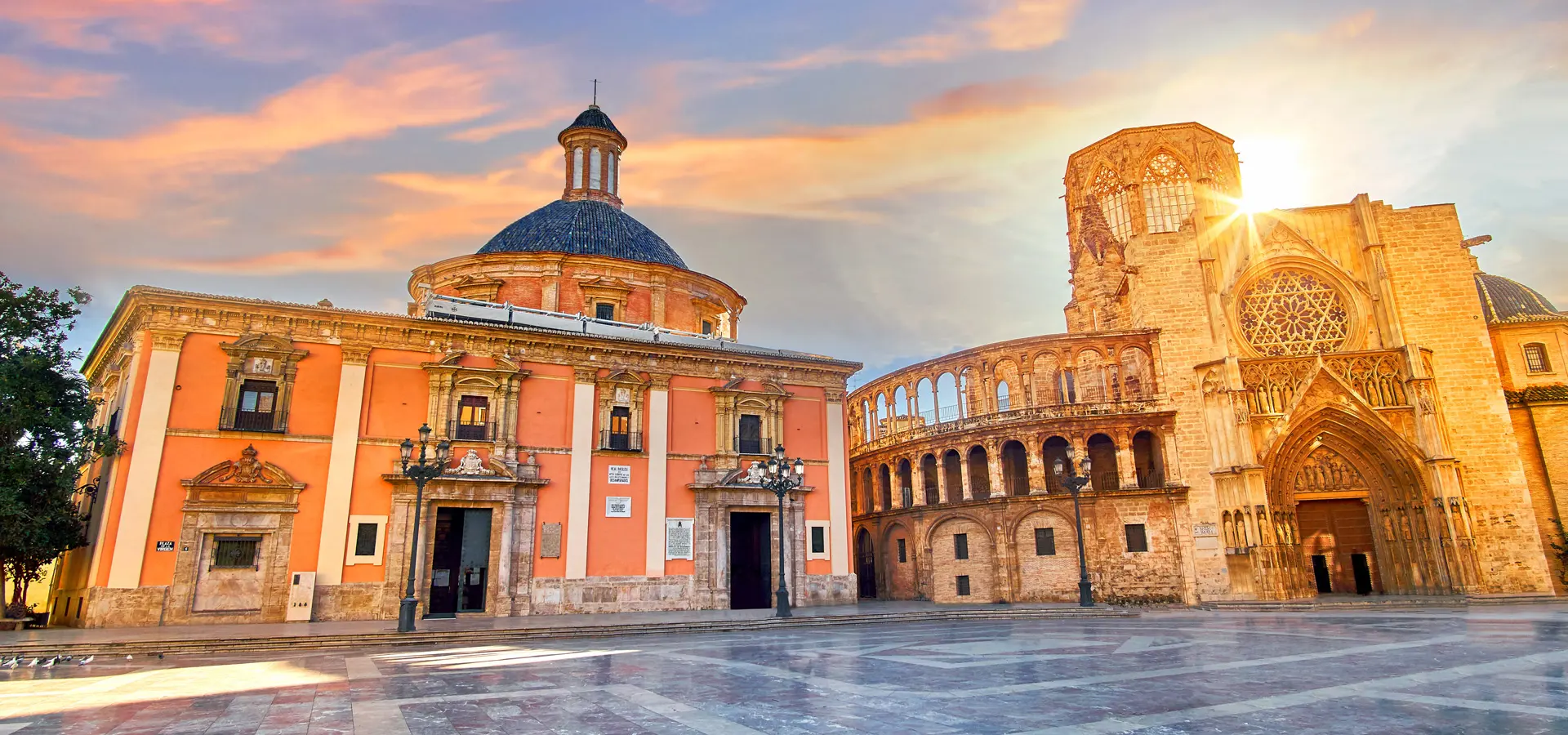
The city of art and creativity
The ideal starting point for discovering Valencia is its historic centre. In fact, thanks to its historical, cultural, and architectural heritage, it has been recognised by UNESCO for its outstanding universal value, visible in La Lonja de la Seda, the Tribunal de las Aguas, and Las Fallas.

Green capital of the Basque region
Distinctive houses with their typical miradores, the old projecting balconies, line the streets and squares of Vitoria, a city stretching between a hilltop old quarter and the plain of the newer ensanche, harmoniously combining the architecture of its past with avant-garde buildings.
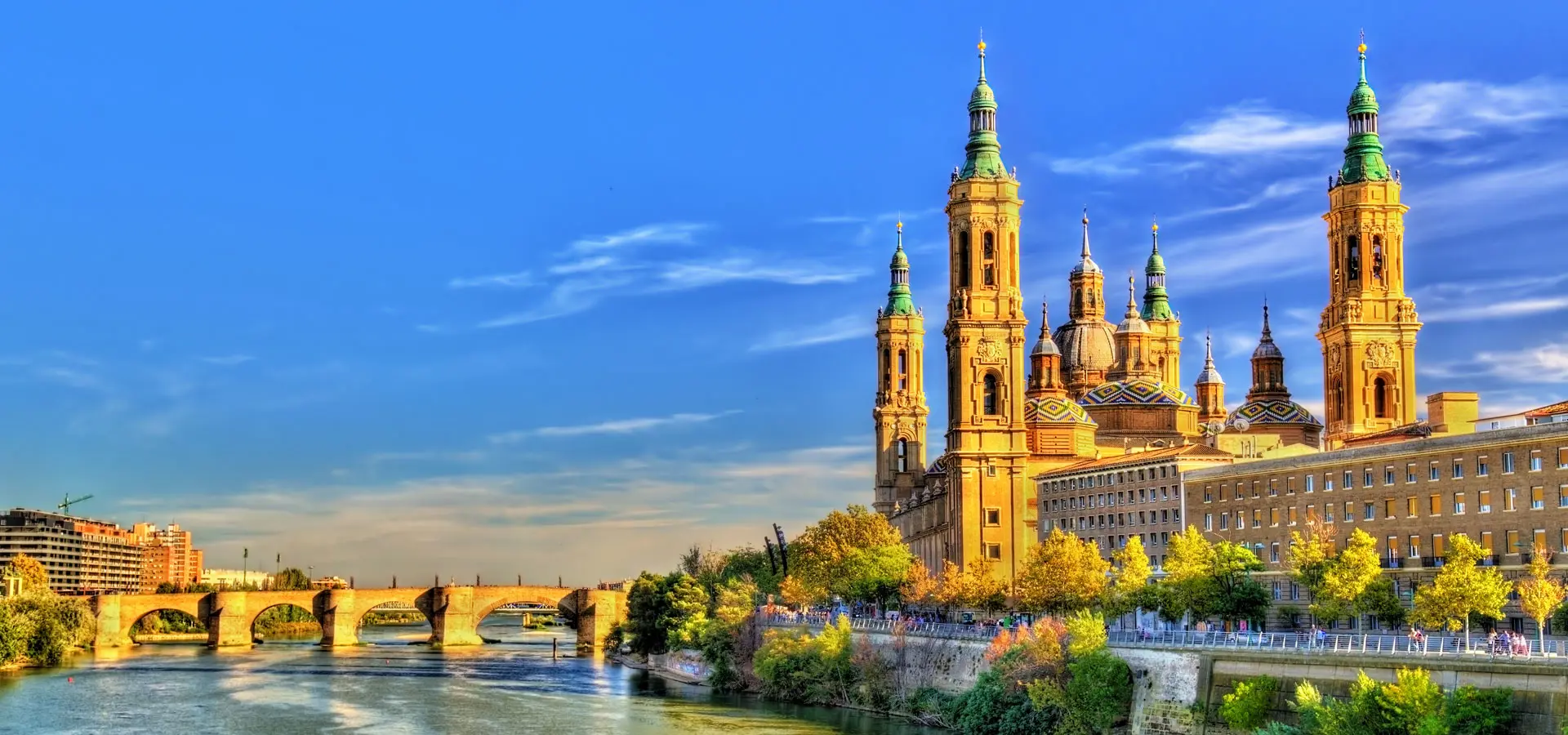
Aragon’s treasure chest with two thousand years of history
Zaragoza, welcoming and modern in a setting of extraordinary monumental and artistic beauty, is the city where the overlap of cultures is felt more than anywhere else in Spain.
Turkey
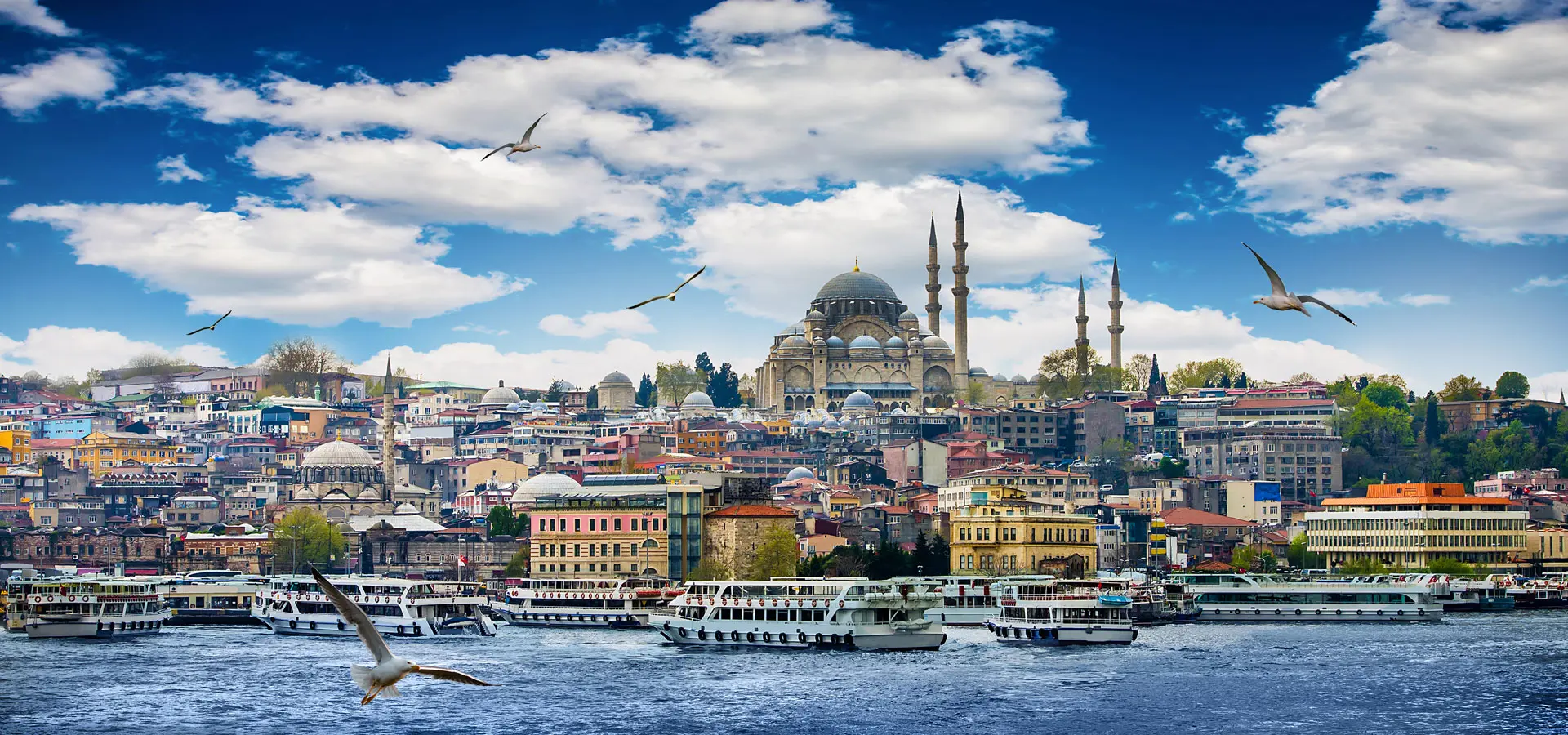
The city spanning two continents
Istanbul stretches along the shores of the Bosphorus Strait, where the waters of the Black Sea meet those of the Sea of Marmara. The European side of the city, divided in two by the Golden Horn, preserves the legacy of three empires.