BGY connects 16 Italian cities and confirms itself as a strategic starting point
to reach some of the most popular destinations of summer 2026.
Italy continues to be one of the most desired destinations in the world, a country capable of renewing its charm in every season thanks to a unique combination of art, landscapes, history, traditions and quality of life. From cities of art to iconic coasts, from villages to islands, up to food and wine experiences, shopping and slow tourism, the Bel Paese contains a rare variety of atmospheres and travel reasons.
In this scenario, Milan Bergamo Airport confirms itself as a strategic gateway to discover some of the most authentic and representative expressions of Italy. There are 16 Italian destinations connected by the airport: Alghero, Bari, Brindisi, Cagliari, Catania, Crotone, Foggia, Lamezia Terme, Lampedusa, Naples, Olbia, Palermo, Pantelleria, Pescara, Salerno and Trapani. A network that crosses the country from north to south and that allows you to build itineraries that are different in style, rhythm and inspiration, but united by a central element: the possibility of experiencing an Italy made up of strong identities, widespread beauty and deeply recognizable territories.
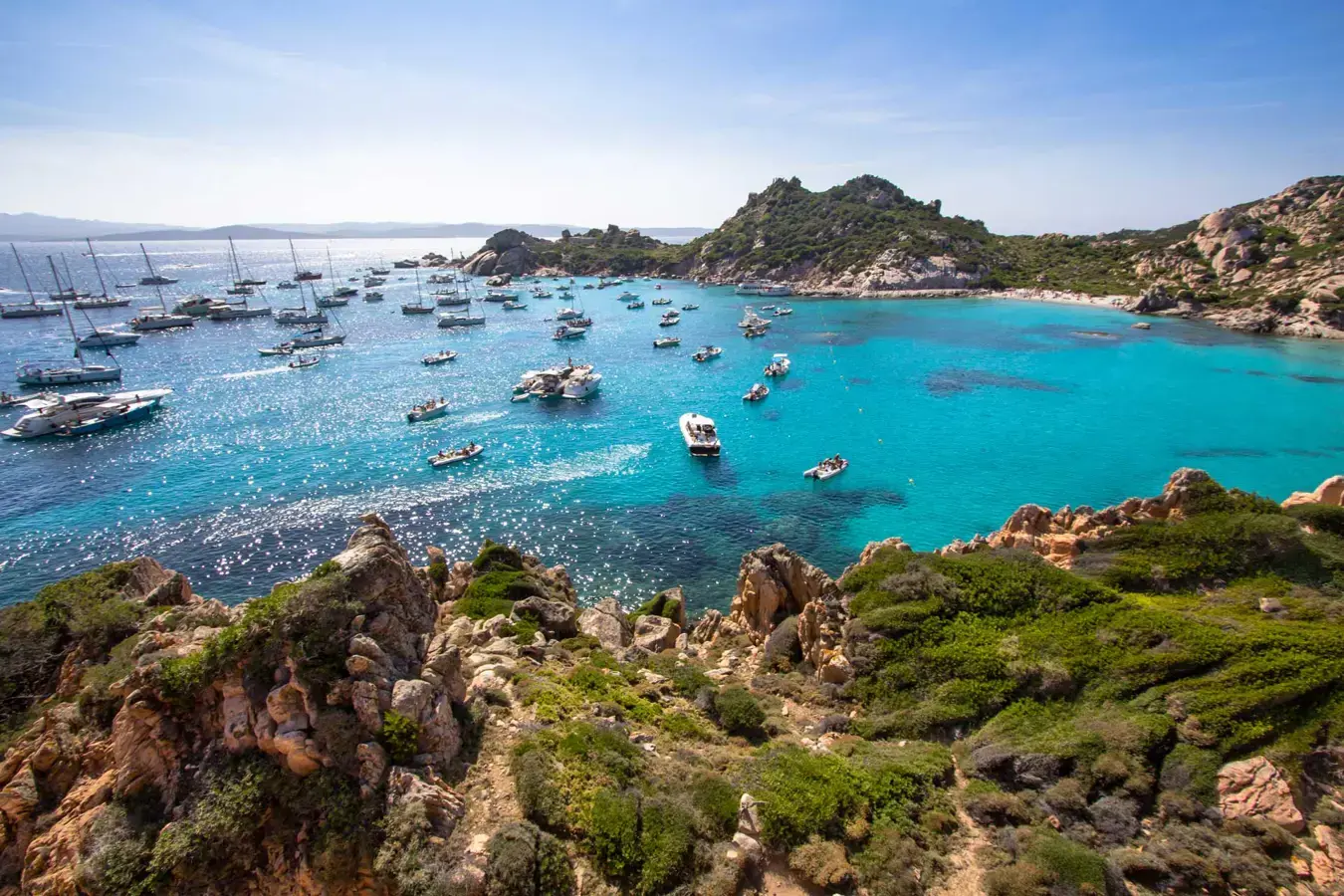
Sardinia tells its story through three complementary accesses. Alghero recalls the charm of the north-west of the island, between transparent sea, nature and Mediterranean memory; Olbia is one of the main gateways to Gallura and the Costa Smeralda; finally, Cagliari combines beaches, light, urban liveliness and a character that is increasingly appreciated by those looking for a summer city break. Three different ways of entering a region that continues to occupy a privileged place in the imagination of Italian tourism.
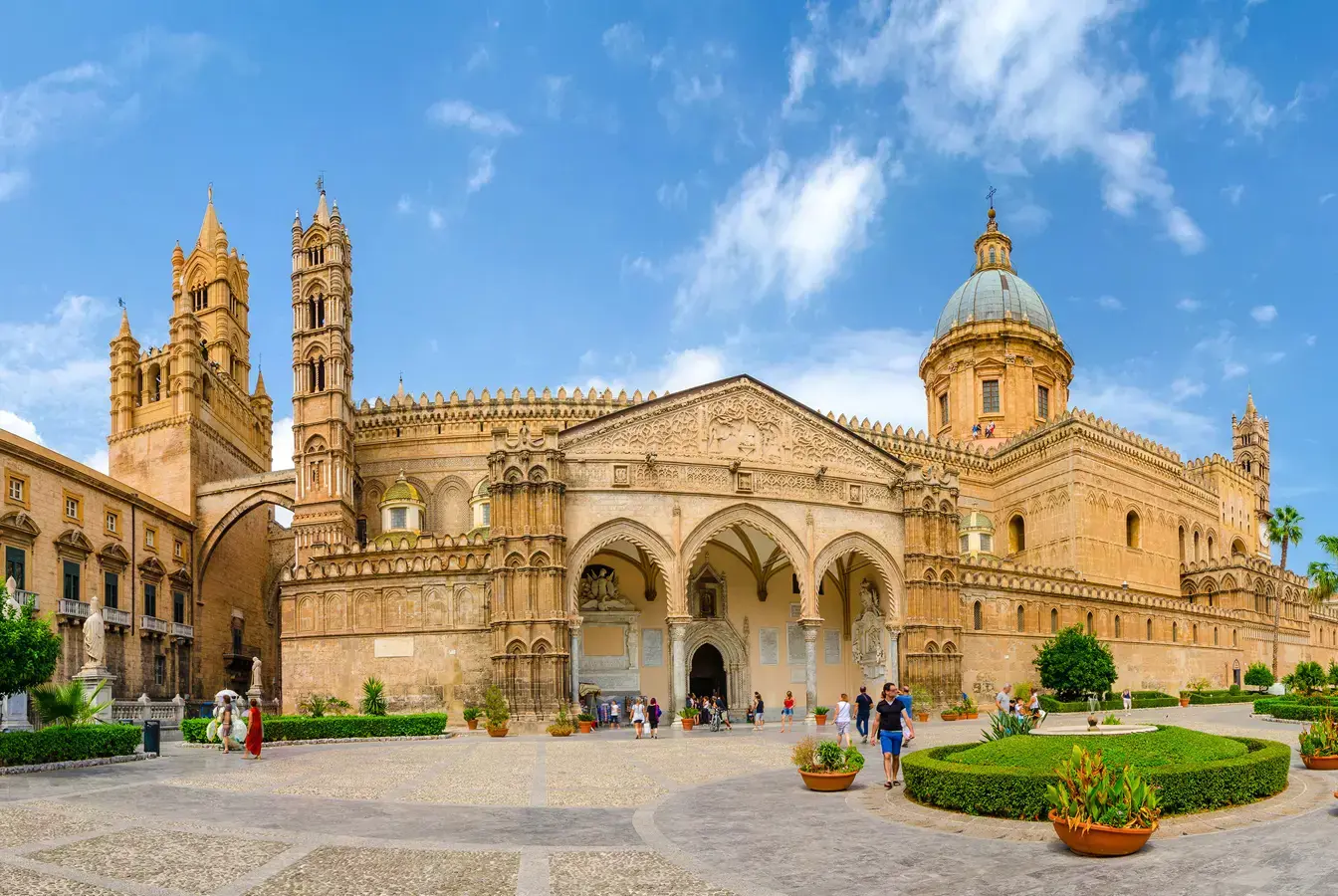
Sicily also plays a central role in this story. Catania, Palermo and Trapani offer access to a stratified, intense land, made up of historical heritage, markets, flavors, landscapes and cities with a strong personality. Added to these are Pantelleria and Lampedusa, two islands that evoke an even more immersive idea of travel, suspended between nature, wind, sea and silence. They are destinations that speak to those looking for authenticity, but also to those who want a summer with an exclusive and profoundly Mediterranean character.
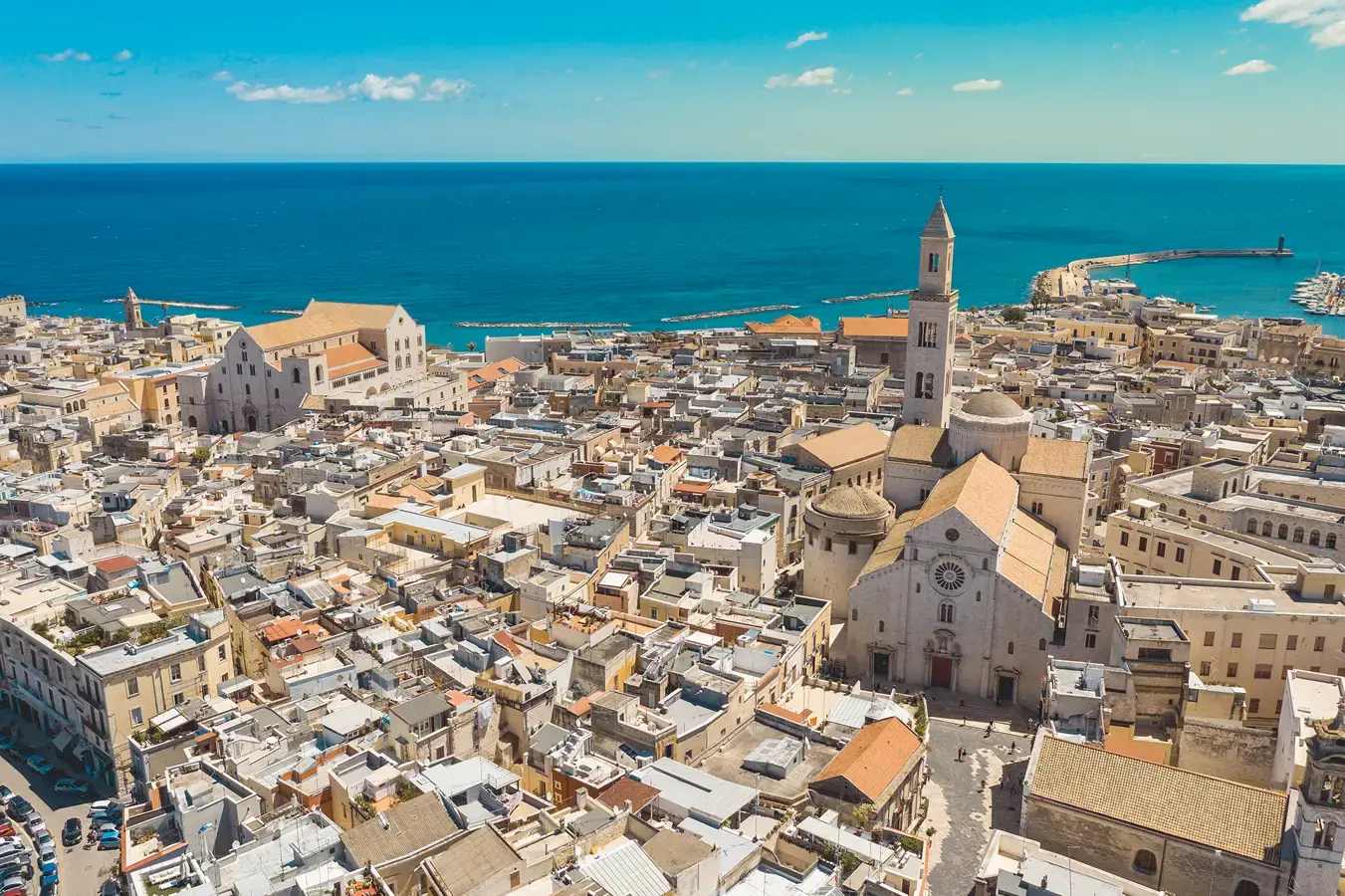
On the Adriatic and Ionian side, Bari, Brindisi and Foggia enhance the appeal of Puglia, a region that in recent years has consolidated its attractiveness thanks to the balance between beaches, white villages, religious heritage, hospitality and territorial gastronomy. In Calabria, on the other hand, Crotone and Lamezia Terme pave the way for a more authentic and still surprising dimension of Italian travel, between spectacular coasts, slower rhythms, deep roots and an identity that retains a strong link with the landscape and tradition.
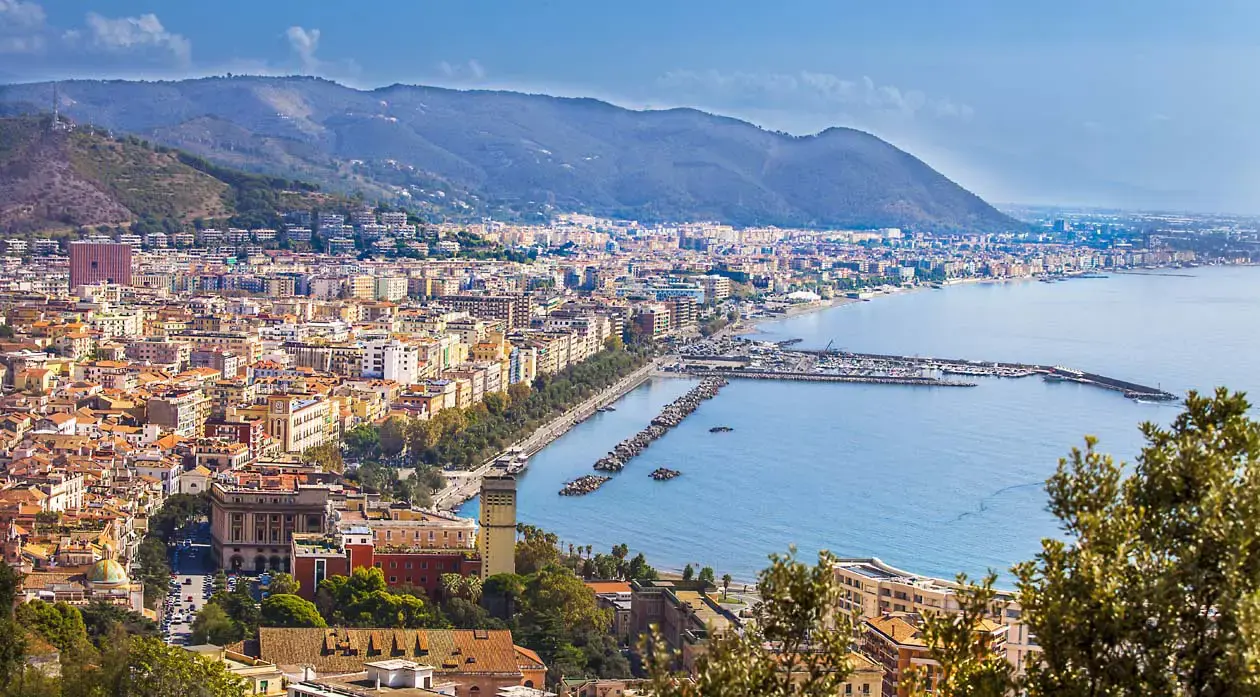
Among the destinations of the network, Naples naturally also stands out, one of the most magnetic cities in the country, capable of combining historical heritage, urban energy, sea and gastronomic culture in an unrepeatable way. Salerno further expands the range of possibilities towards the Italian South, confirming itself as a precious access to an area of great tourist attraction. Finally, Pescara adds to the offer a destination that combines the Adriatic Sea with the proximity to a hinterland rich in nature, villages and traditions.
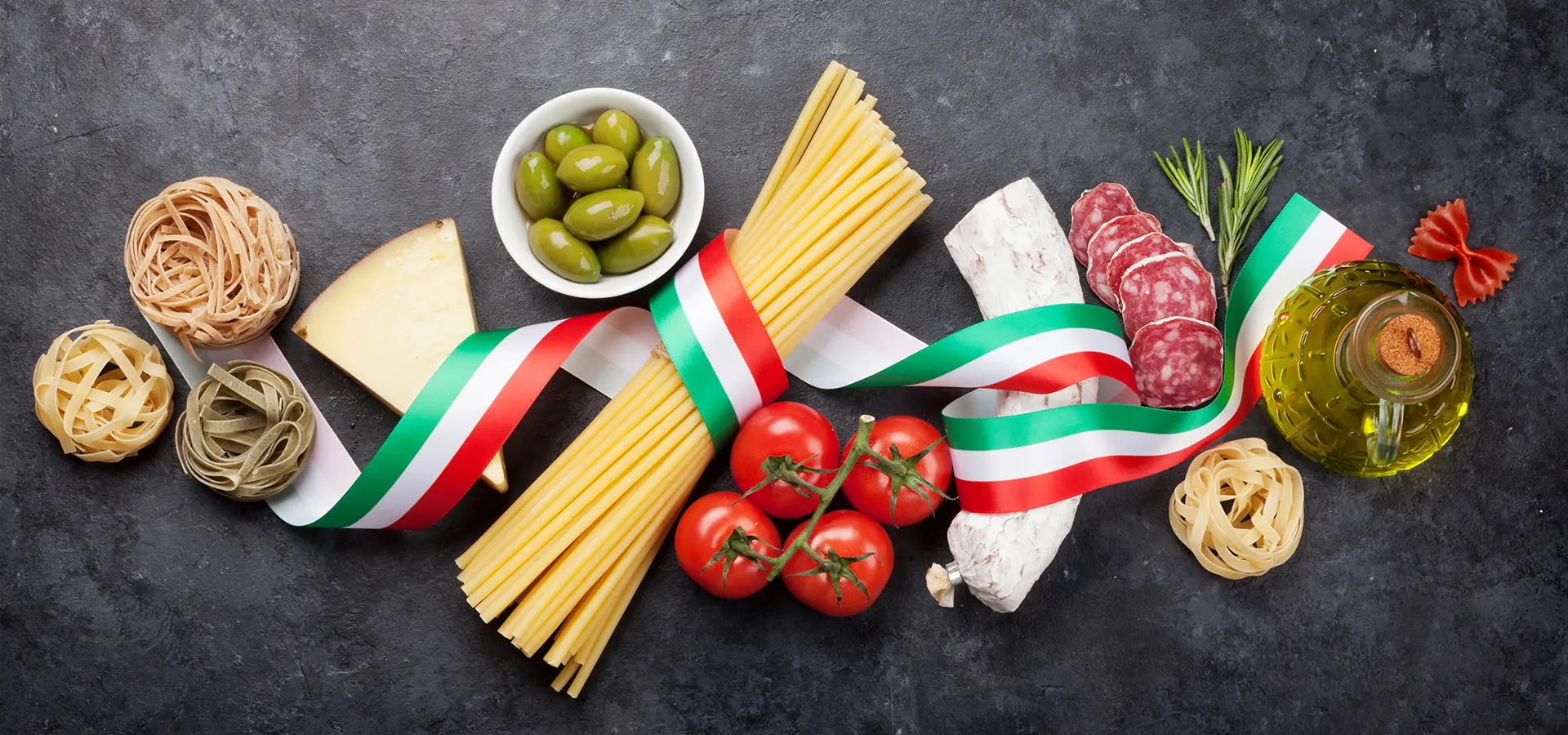
What makes Italy even more special is its relationship with food, which is not only an element of hospitality, but an integral part of the travel experience. Italian gastronomic culture is linked to handed down knowledge, local productions, convivial rituals and territorial identities. The UNESCO recognition attributed to Italian cuisine as an intangible cultural heritage is also part of this framework, defined by UNESCO as a set of skills, knowledge, practices and traditions related to cultivation, fishing, cooking and above all the sharing of food.
Milan Bergamo Airport's domestic network is not just a set of connections, but an invitation to explore the country through some of its most recognizable and beloved forms.
The tourIST guides
of the Italian cities reachable from BGY
Milan Bergamo Airport accompanies passengers not only to their destination, but also in the experience of travel,
thanks to tourist guides dedicated to all the connected cities: a tool designed to inspire the choice of destination
and to help visit it, enhancing its attractions, itineraries and identity.
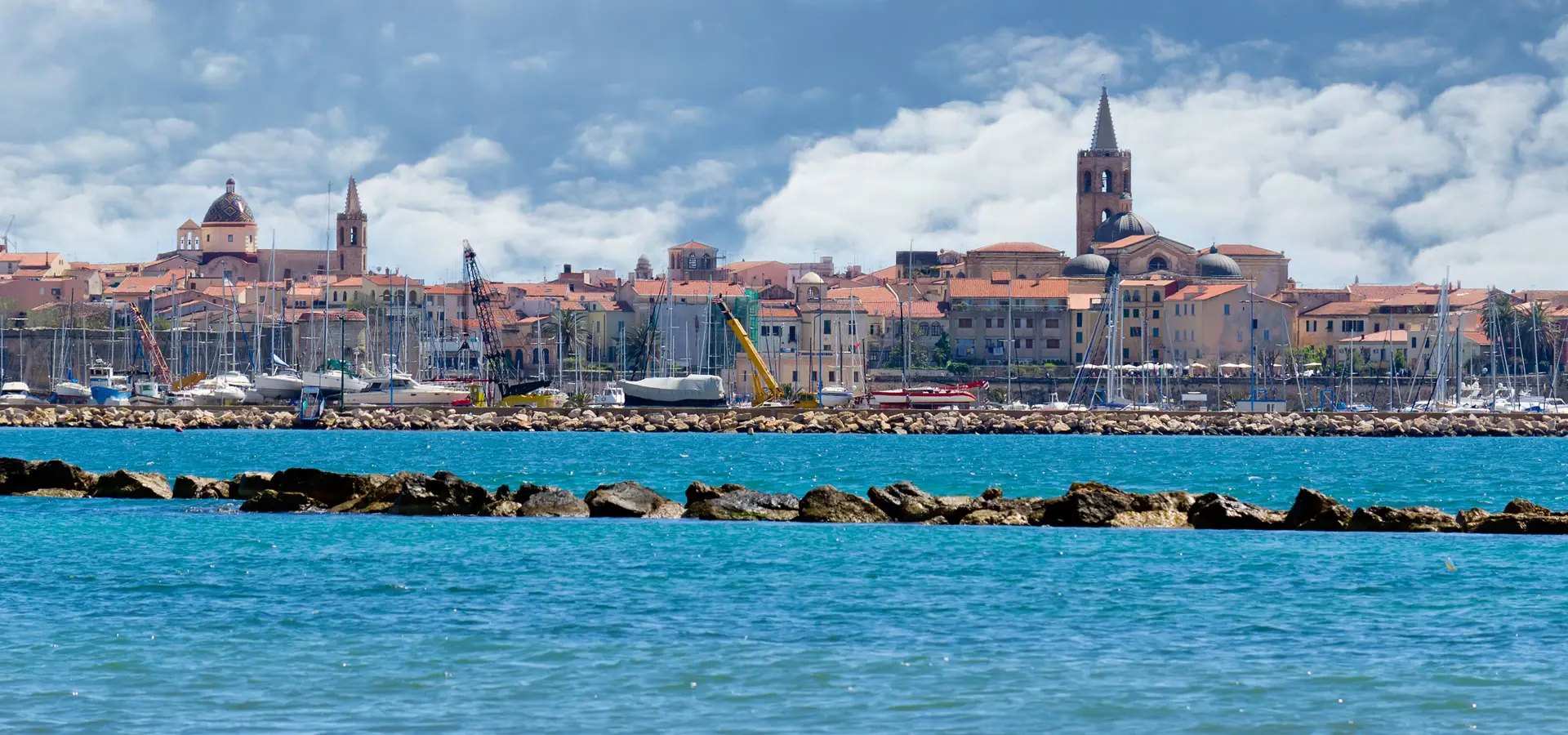
From the north you can admire the extraordinary spectacle of small coves and inlets, as well as Isola Piana, Capo Caccia andthe forest refuge of Monte Timidone, where you can follow horseback riding itineraries or try your hand at climbing on the rock walls.
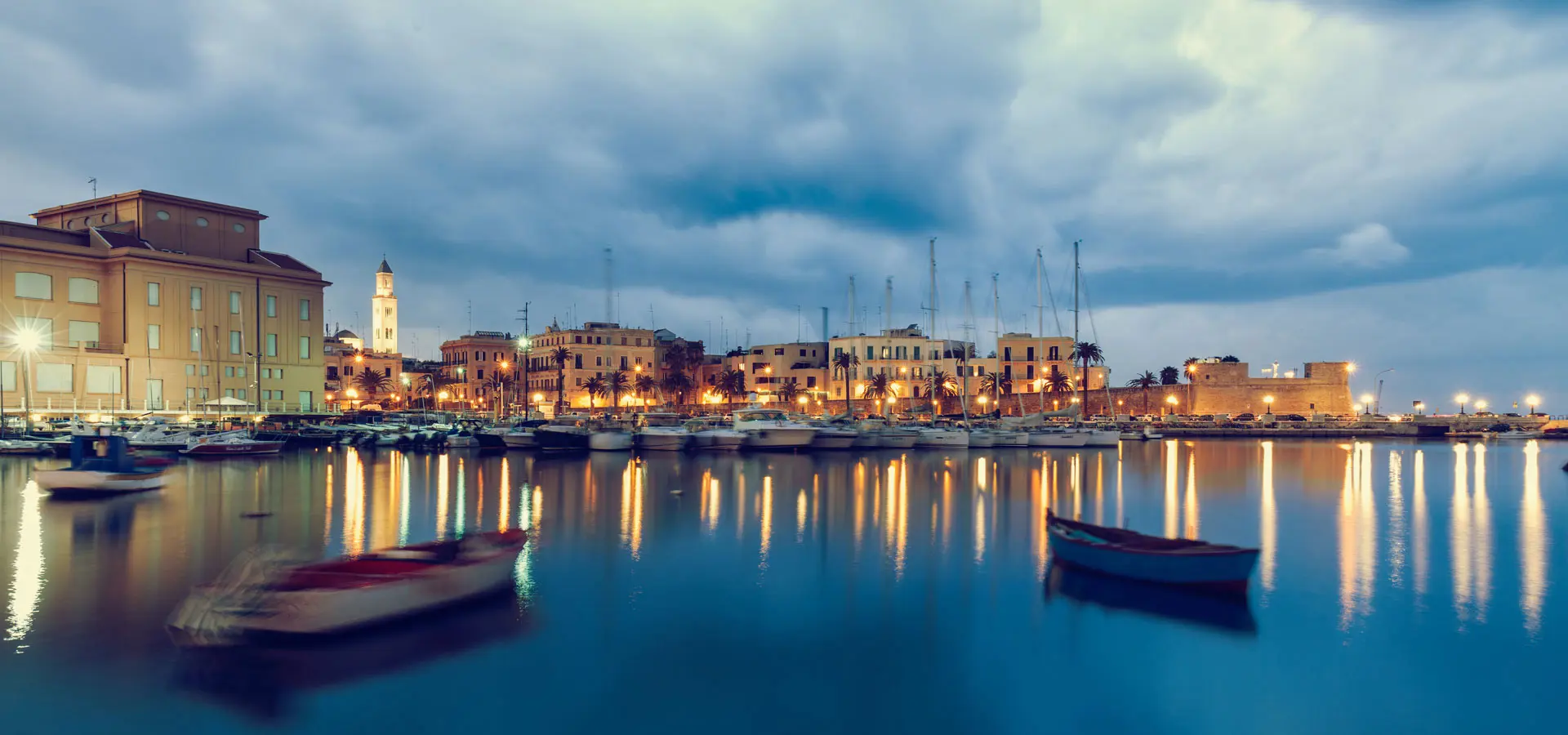
Bari, overlooking the sea, presents itself, seen from above, with a singular bird shape with outstretched wings, whose head is made up of the nucleus of old Bari. The list of peoples to whichit was subject is long, from the Roman Empire to the Arabs, and then to the Lombards, Byzantines and Saracens.
A port city at the crossroads of peoples and cultures
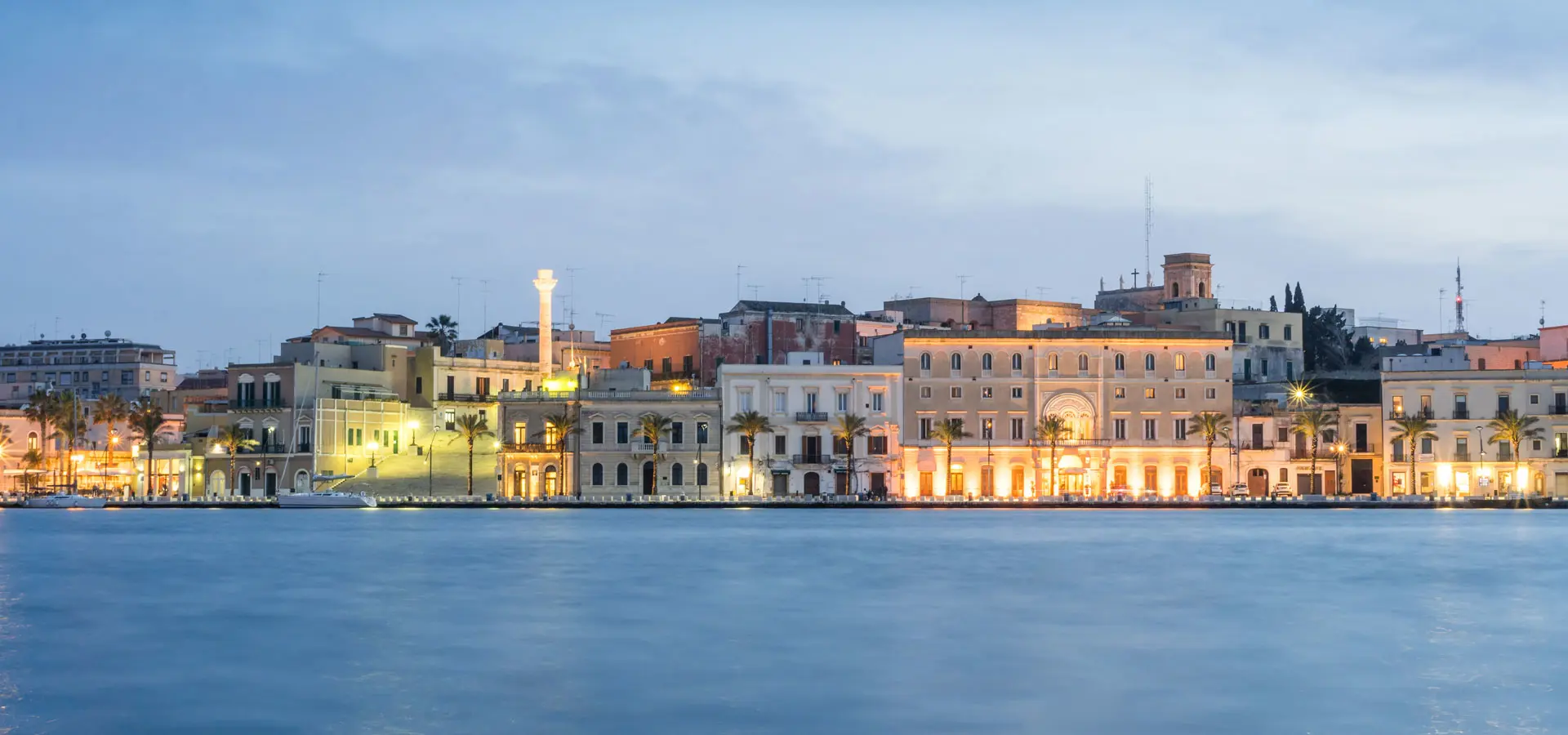
Since Roman times, Brindisi has represented the terrestrial terminal towards the East. A city with a two-thousand-year history linked to its port, on the front of which the terminal columns of the Appian Way were erected.
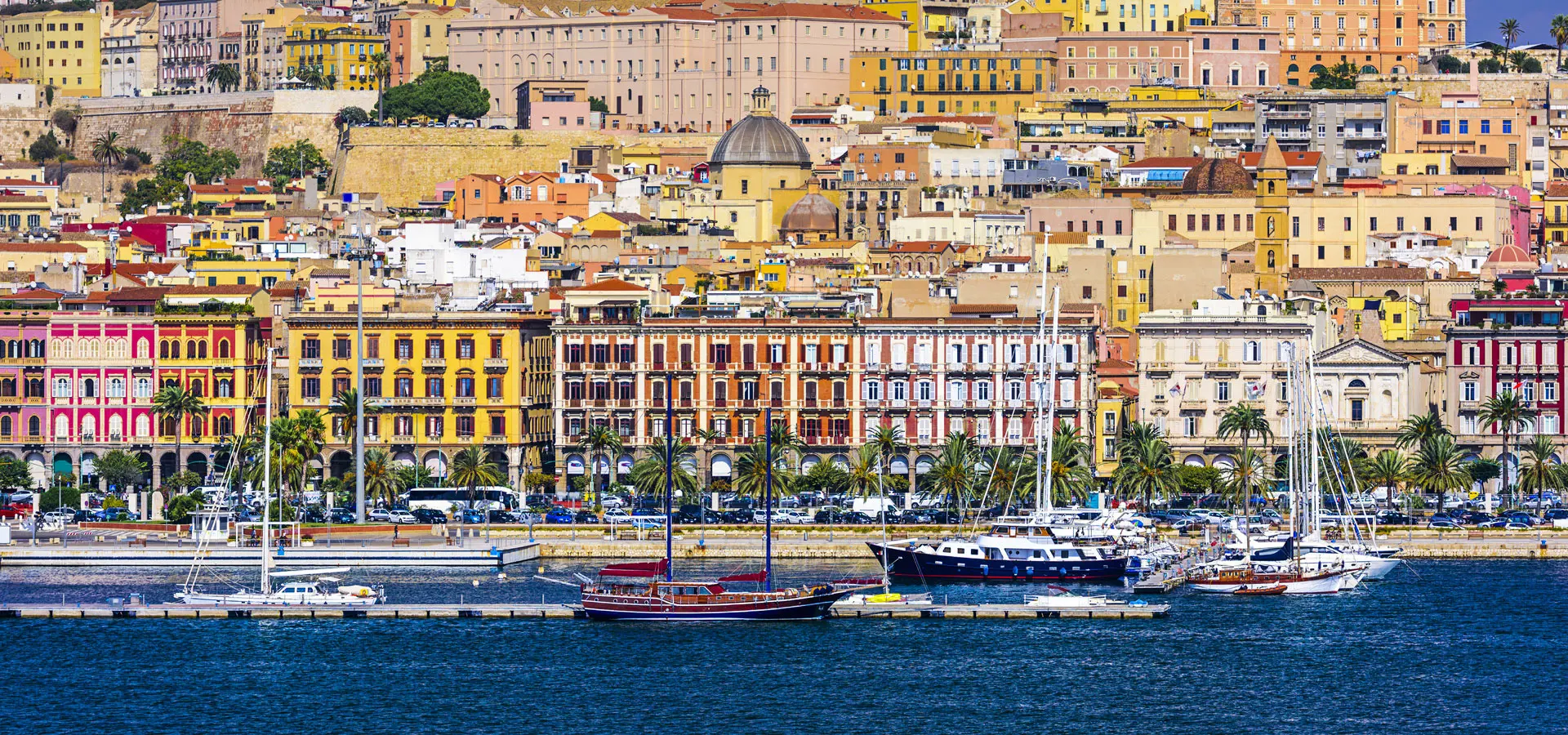
Walking through the streets of Cagliari you can perceive the millenary history of this city which finds its origins in the Neolithic when it was built by the Phoenician-Punic rulers.
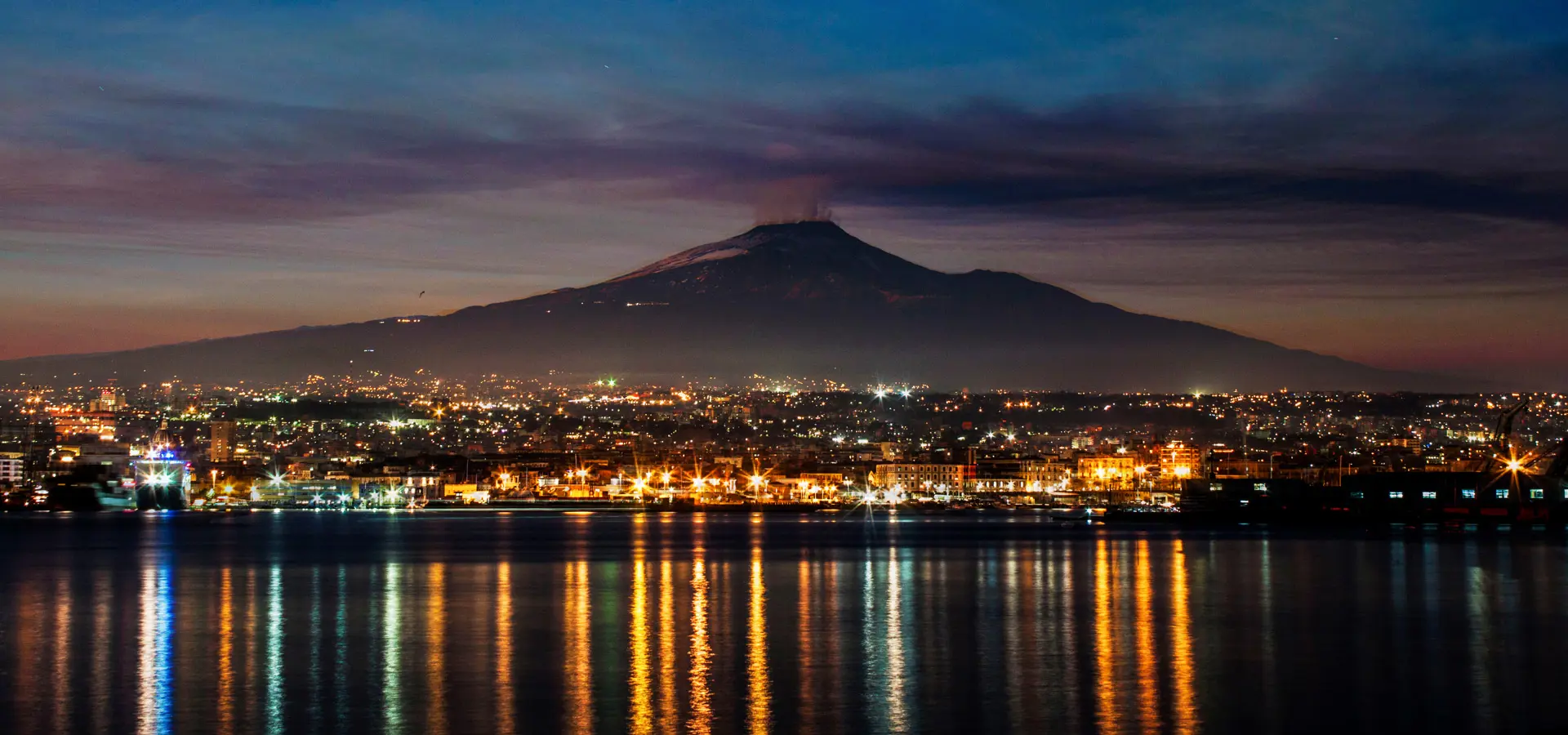
Catania is the queen of the Baroque and has an eighteenth-century architectural layout, but its origins date back to the ancient Greek colony of the Chalcidians of Naxos, who settled at the foot of Etna in 729 BC.
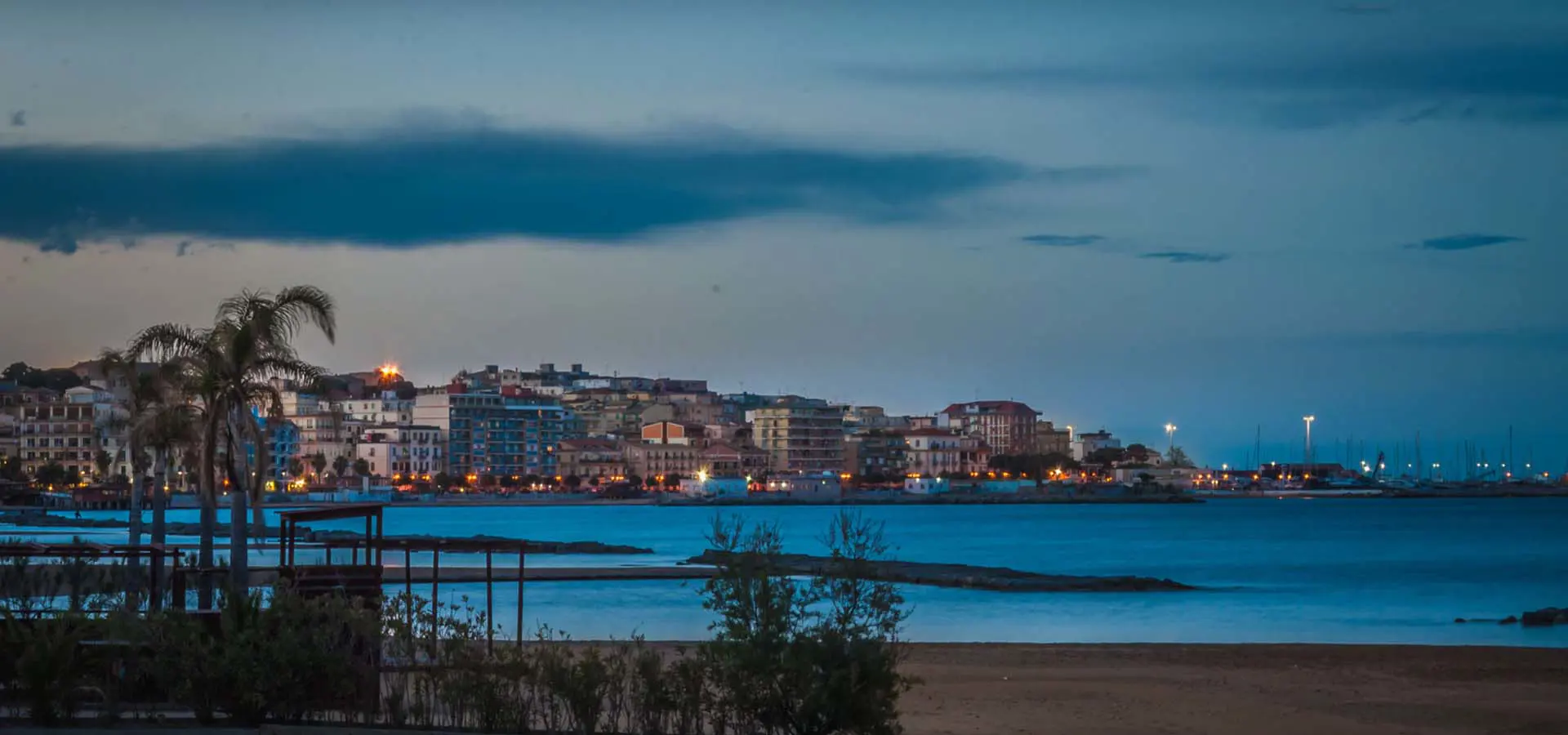
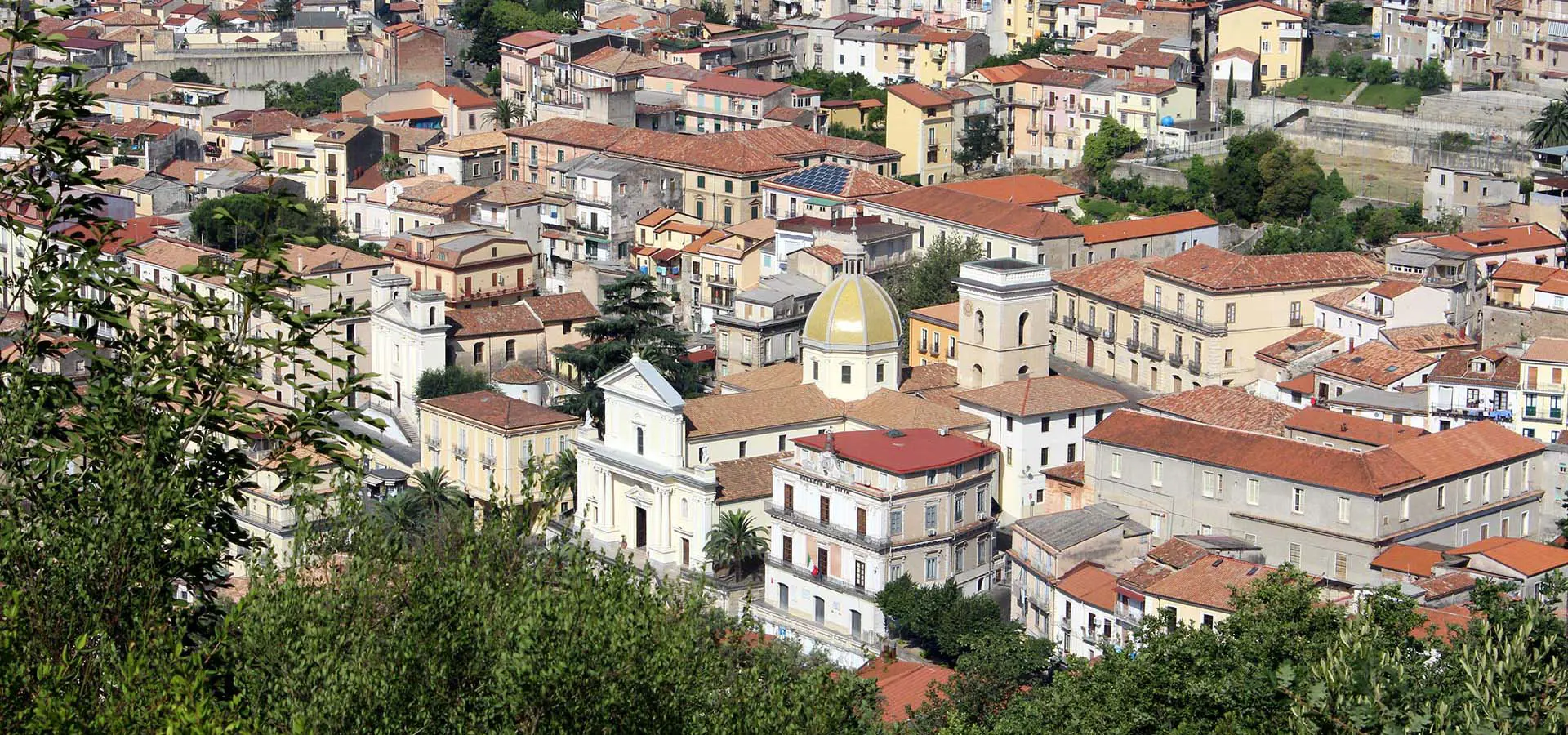
Crotone, thanks to the beauty of its land and its coasts, is one of the richest cultural heritages. The city revives its ancient splendor through an evocative tourist-cultural itinerary.
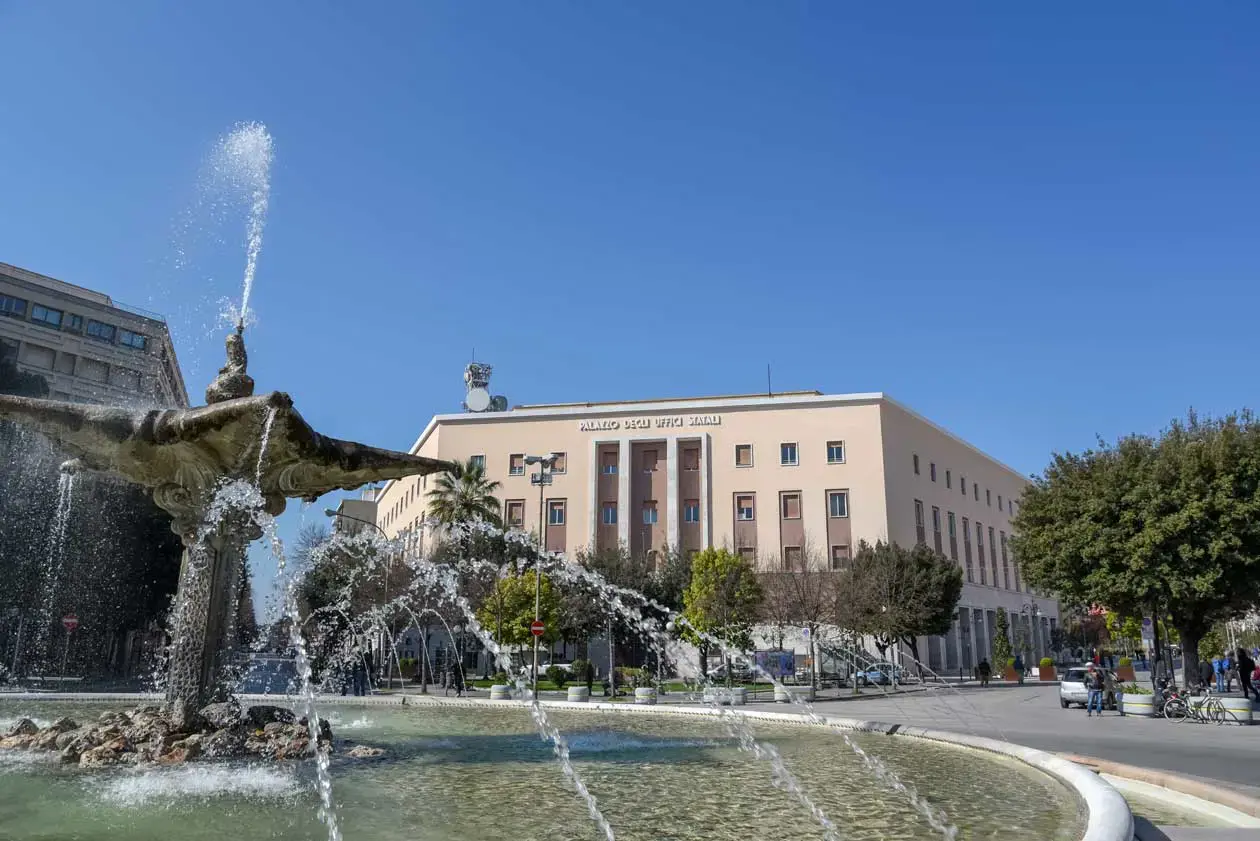
Foggia is a fascinating city in the Puglia region of Southern Italy, offering visitors an authentic and fulfilling experience. With its ancient churches, historical monuments, and typical cultural attractions, it provides an unforgettable journey for those who visit.
Lamezia Terme has managed to establish itself in the Italian and international limelight both for its accommodation facilities (including a strategic airport and the renowned spas) and for its interesting archaeological sites.
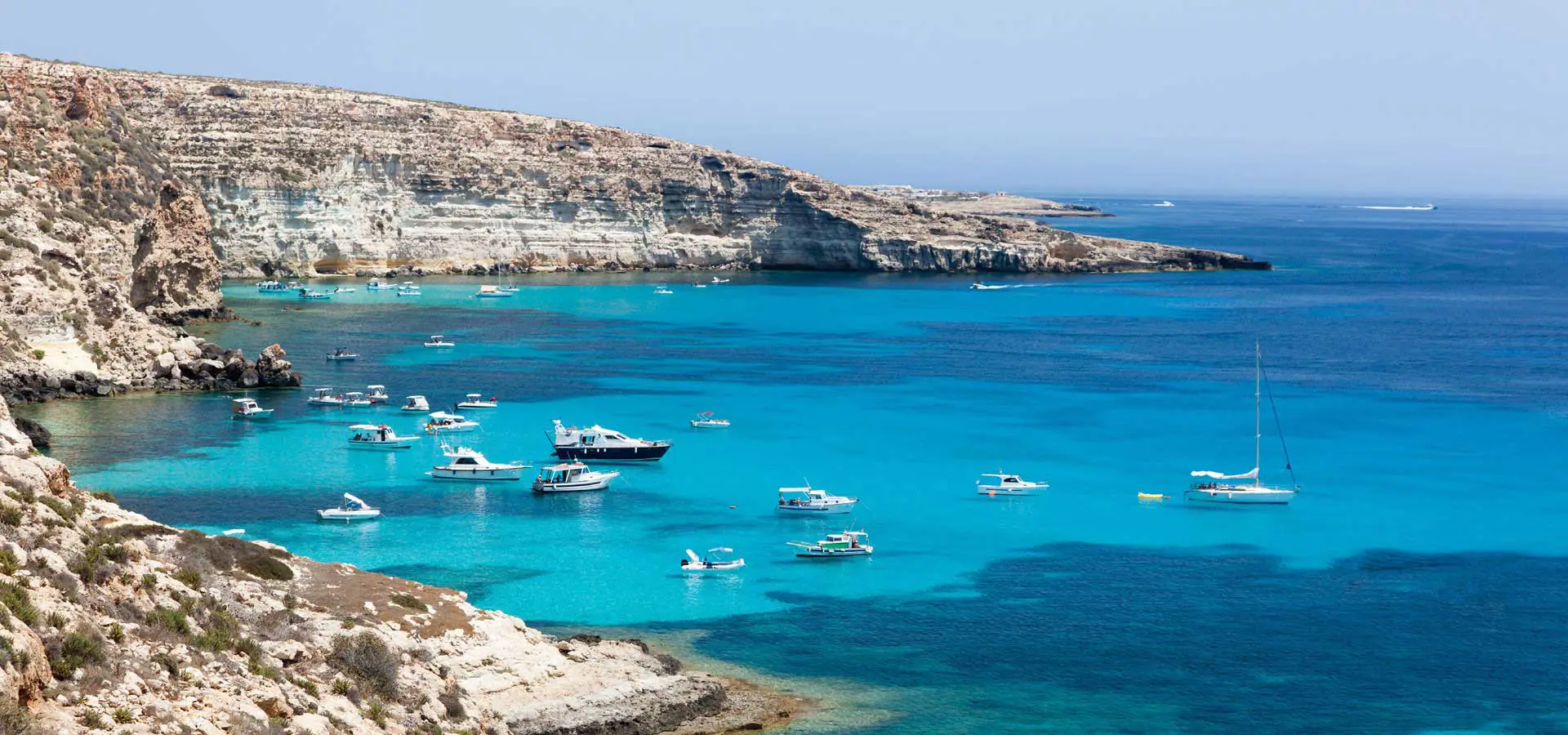
The island ofLampedusa is the largest of the archipelago of the Pelagie Islands and surprises for its nature rich in rare botanical species but also for its ancient history and archaeology.
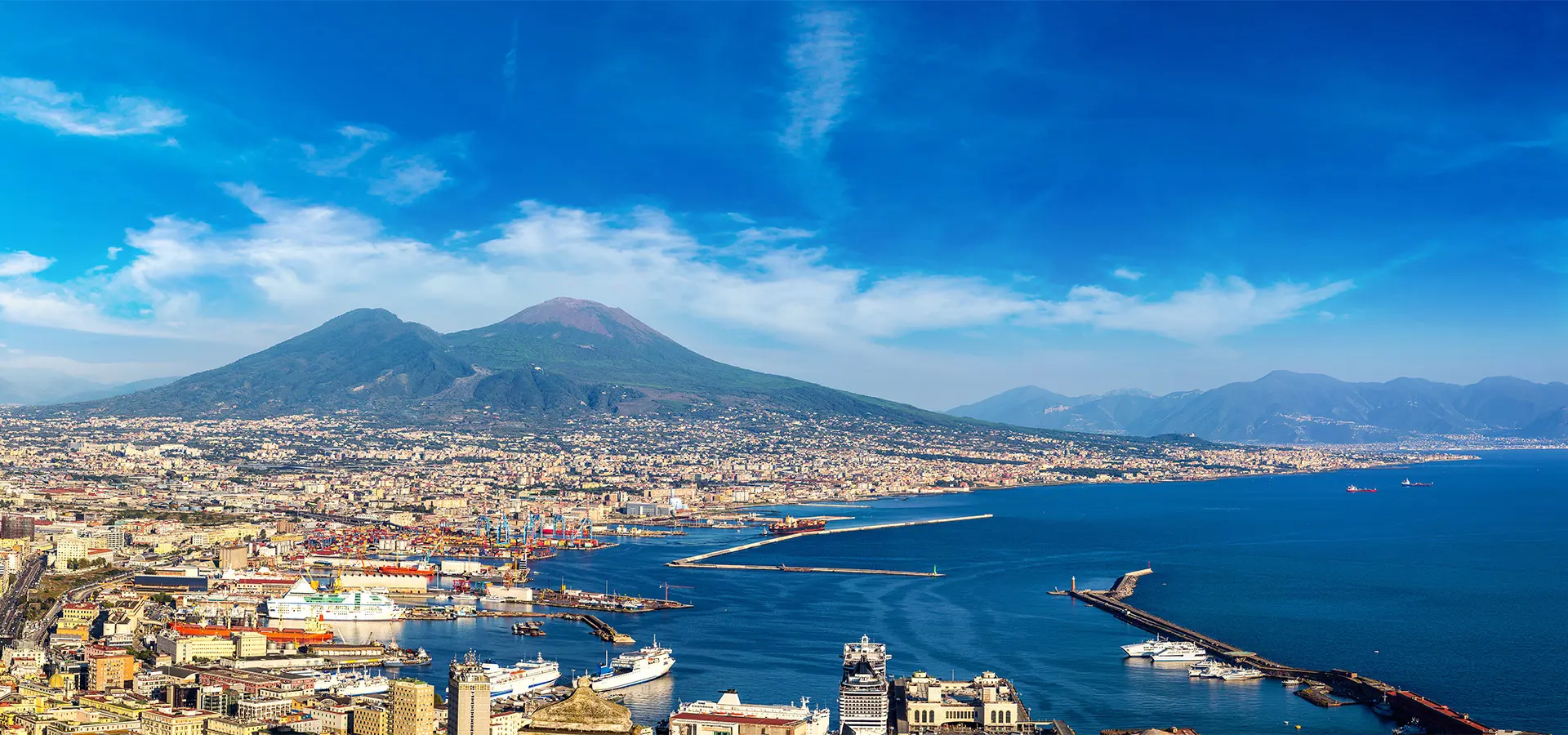
The magical thousand-year-old city at the foot of Vesuvius
The city, overlooking a bay, contains 2,500 years of history and unique places in one of the most fascinating lands in the Mediterranean. Piazza del Plebiscito, in front of the Royal Palace, is the symbol of the renewal of Naples.
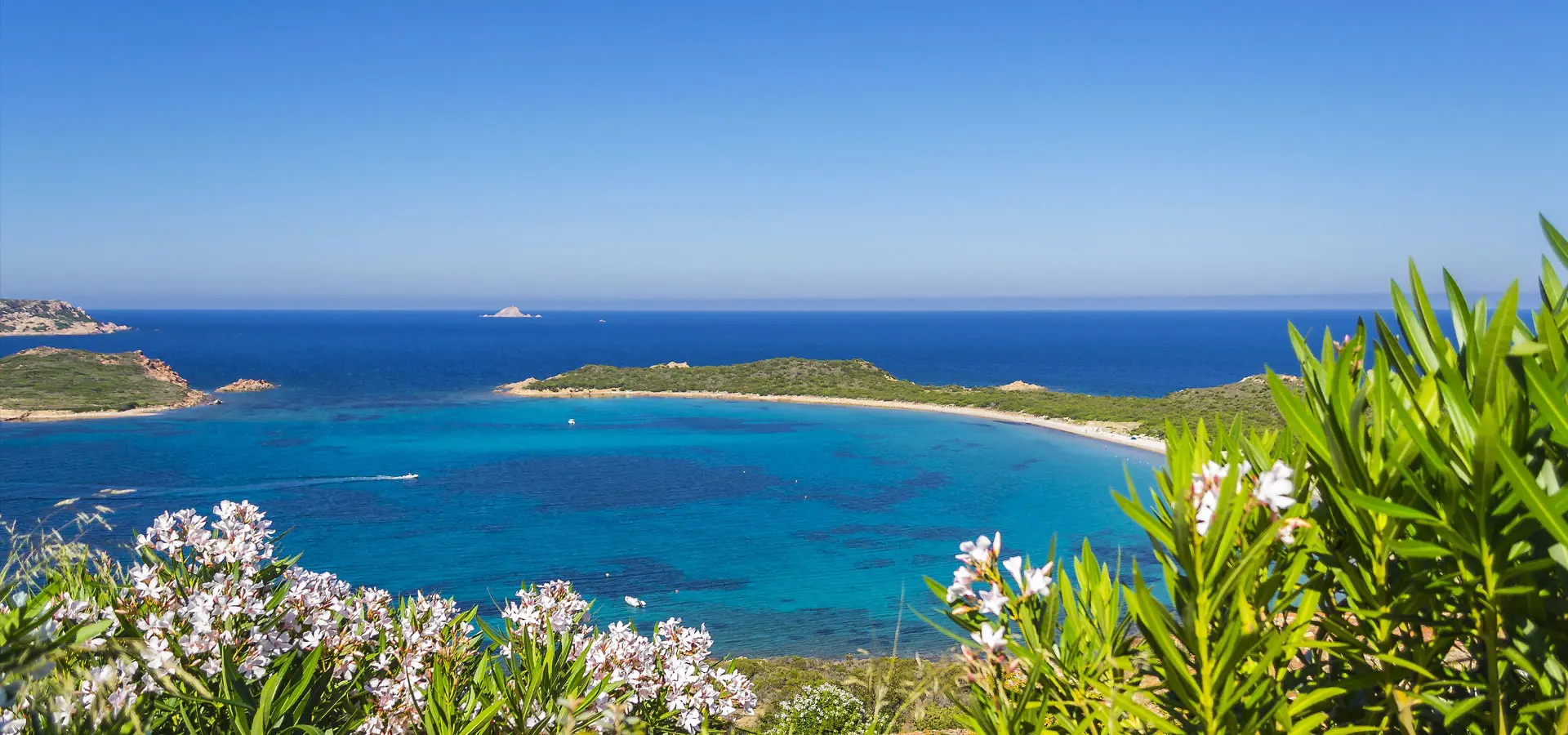
Olbia, nestled among the granite rocks overlooking the Costa Smeralda, boasts, together with Porto Rotondo and San Pantaleo, the tourist port of Portisco and the Marina di Olbia, among the most important in Sardinia.
Cities with a unique and surprising cultural heritage
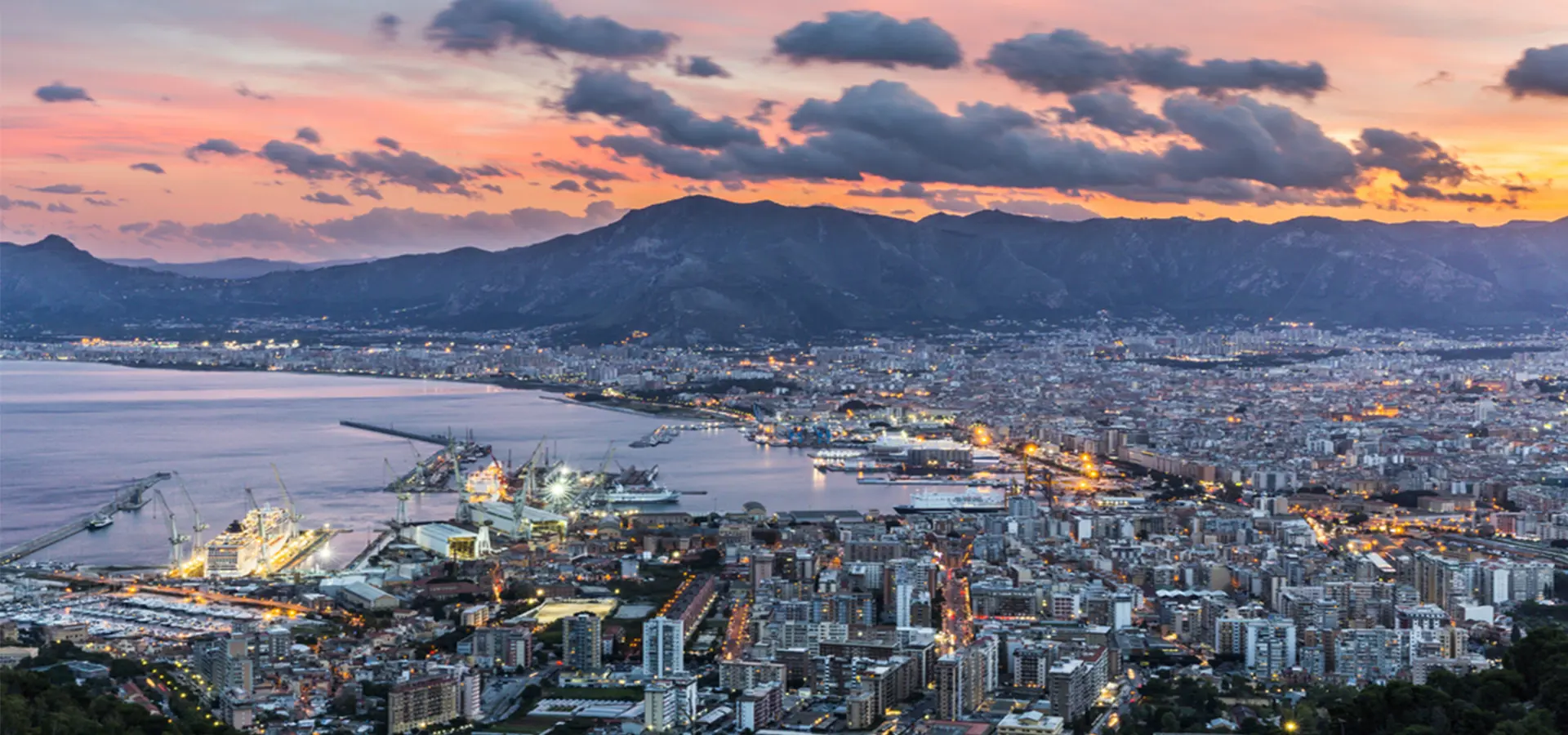
Palermo preserves one of the richest artistic heritages in Italy, the result of the dominations that have shaped its face over the centuries. From the Romans to the Spanish, every civilization has left a mark on the city with one of the largest historic centers in Europe, with over 500 monuments including palaces, churches and theaters.
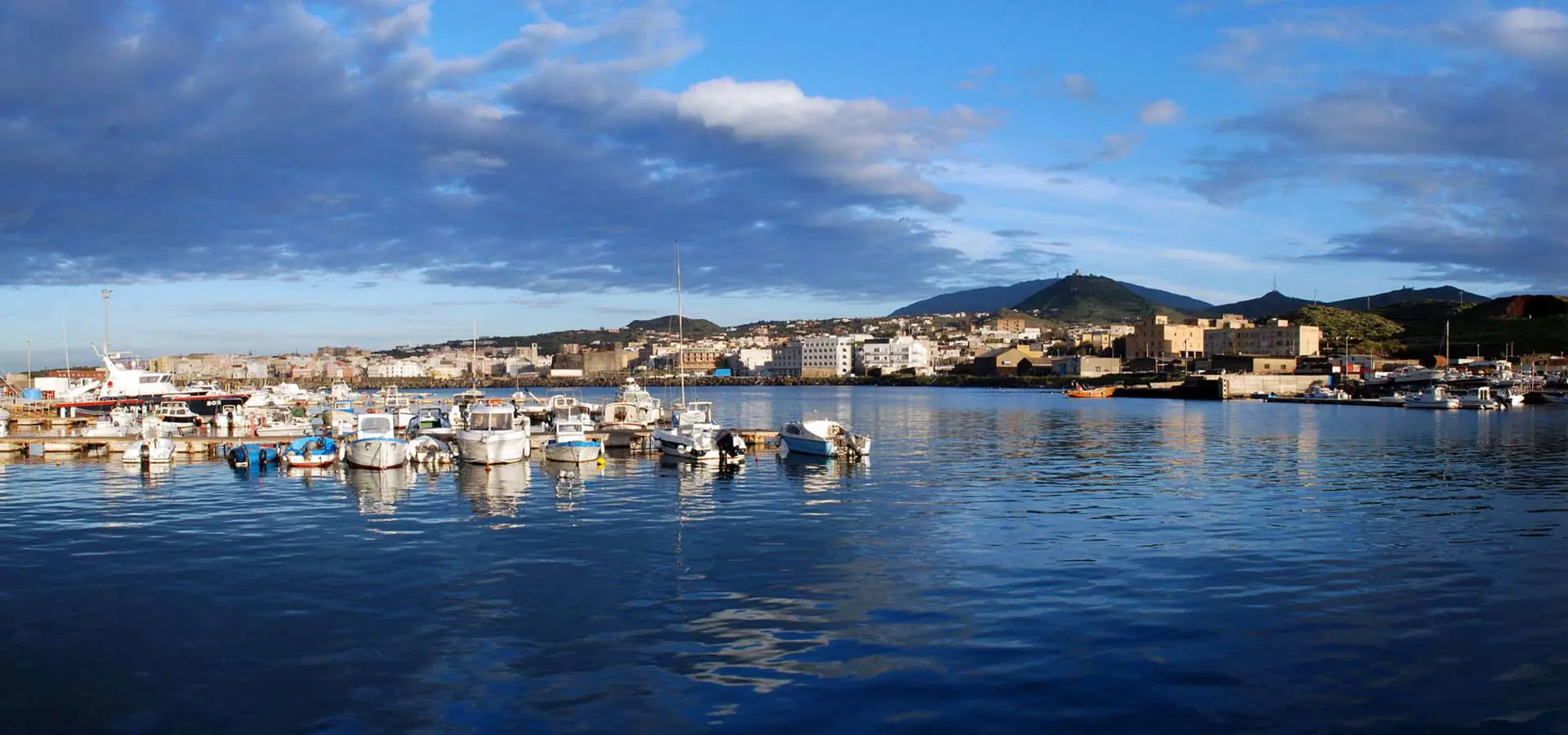
Since ancient times, due to its strategic geographical position, between Sicily and Africa, the island of Pantelleria has played a fundamental role in trade between the two continents. The oldest settlement, overlooking the sea and surrounded by a mighty wall, is the Village of Mursia.
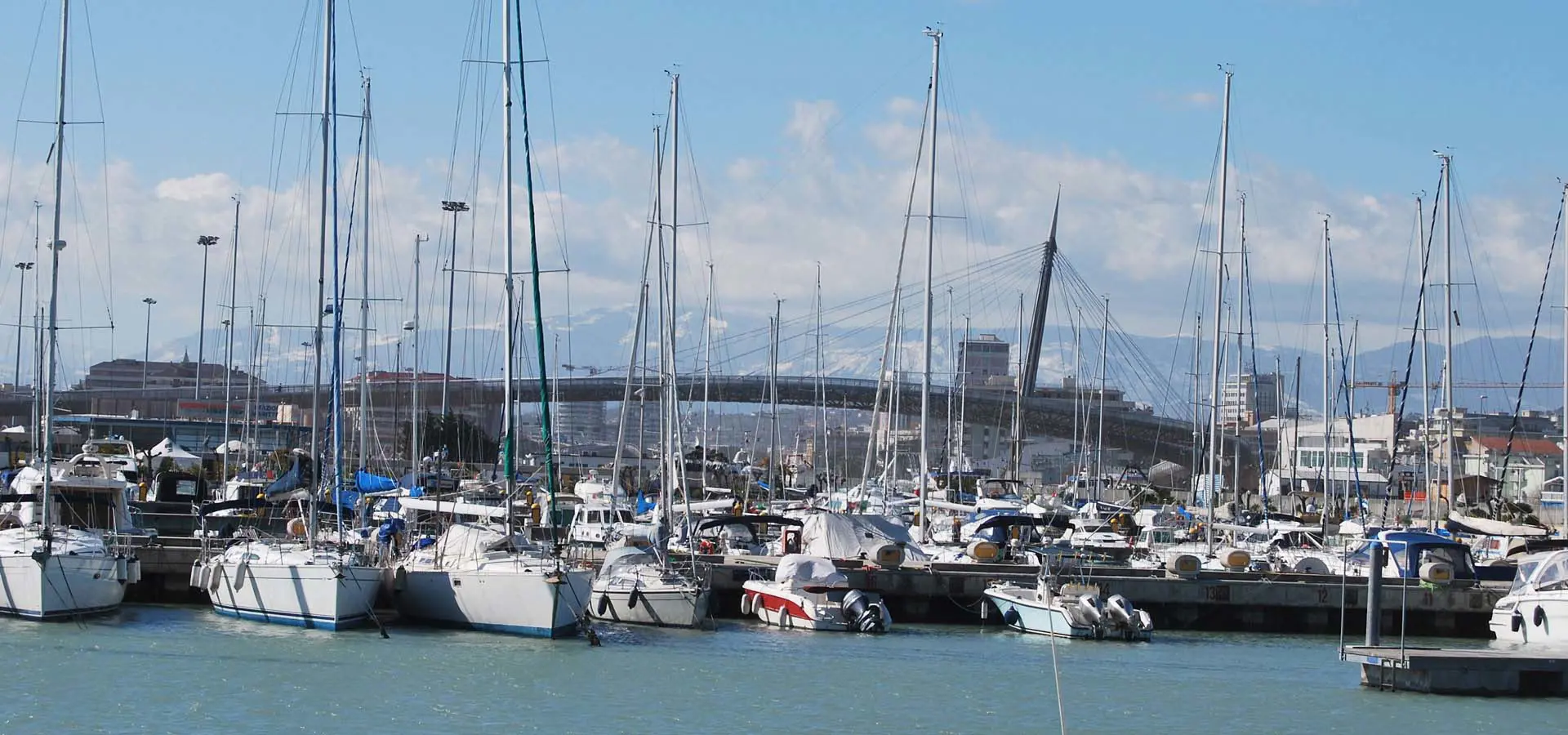
Located at the mouth of the river of the same name, Pescara looks like an airy and modern city on the Adriatic Sea of Abruzzo, and yet less than an hour away from the highest peaks of the Apennines. The city of Pescara has been an elite tourist destination since the early twentieth century.
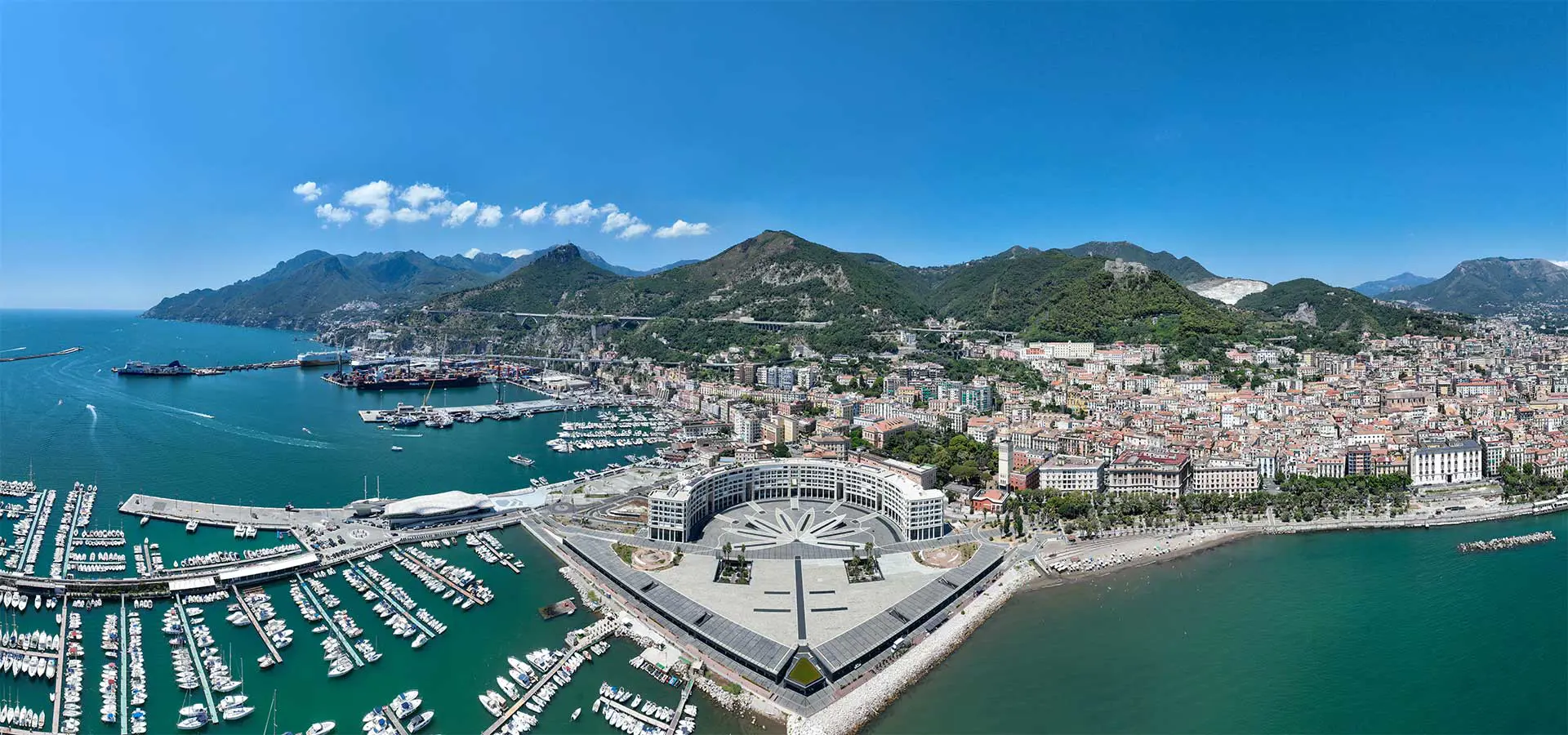
Salerno, overlooking the Tyrrhenian coast of Campania, captures the imagination with its thousand-year history, its monuments and a vibrant cultural life. It is located south of Naples on the Tyrrhenian Sea and enjoys a mild climate, making it an ideal destination all year round.
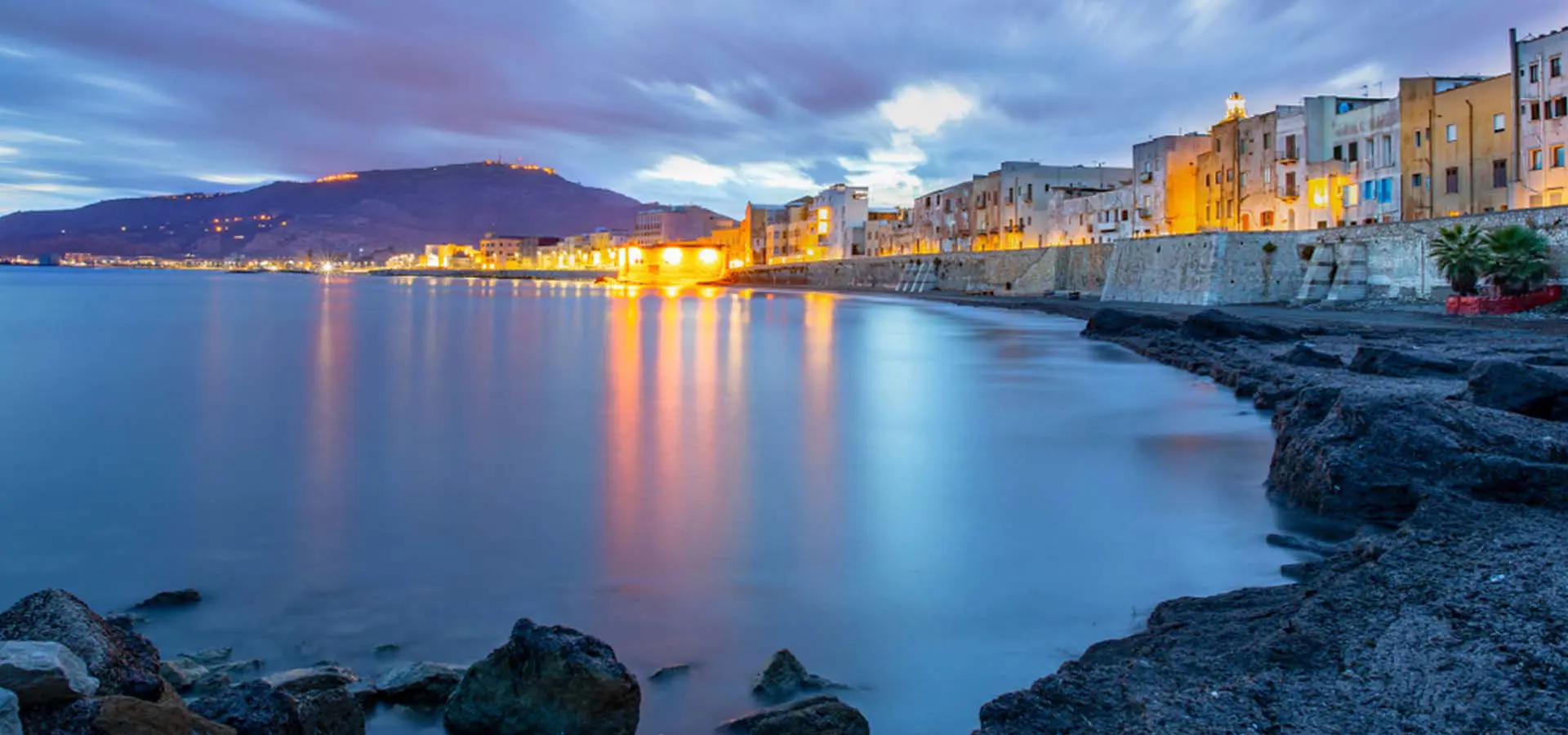
Trapani, located in the western part of Sicily, is called the "city between two seas" because it is located on a strip of land bathed by the Mediterranean Sea on one side and the Tyrrhenian Sea on the other. Over the centuries it has maintained its sickle shape with the Ligny Tower at the end.

 You're browsing offline! External links will become available when you're online