
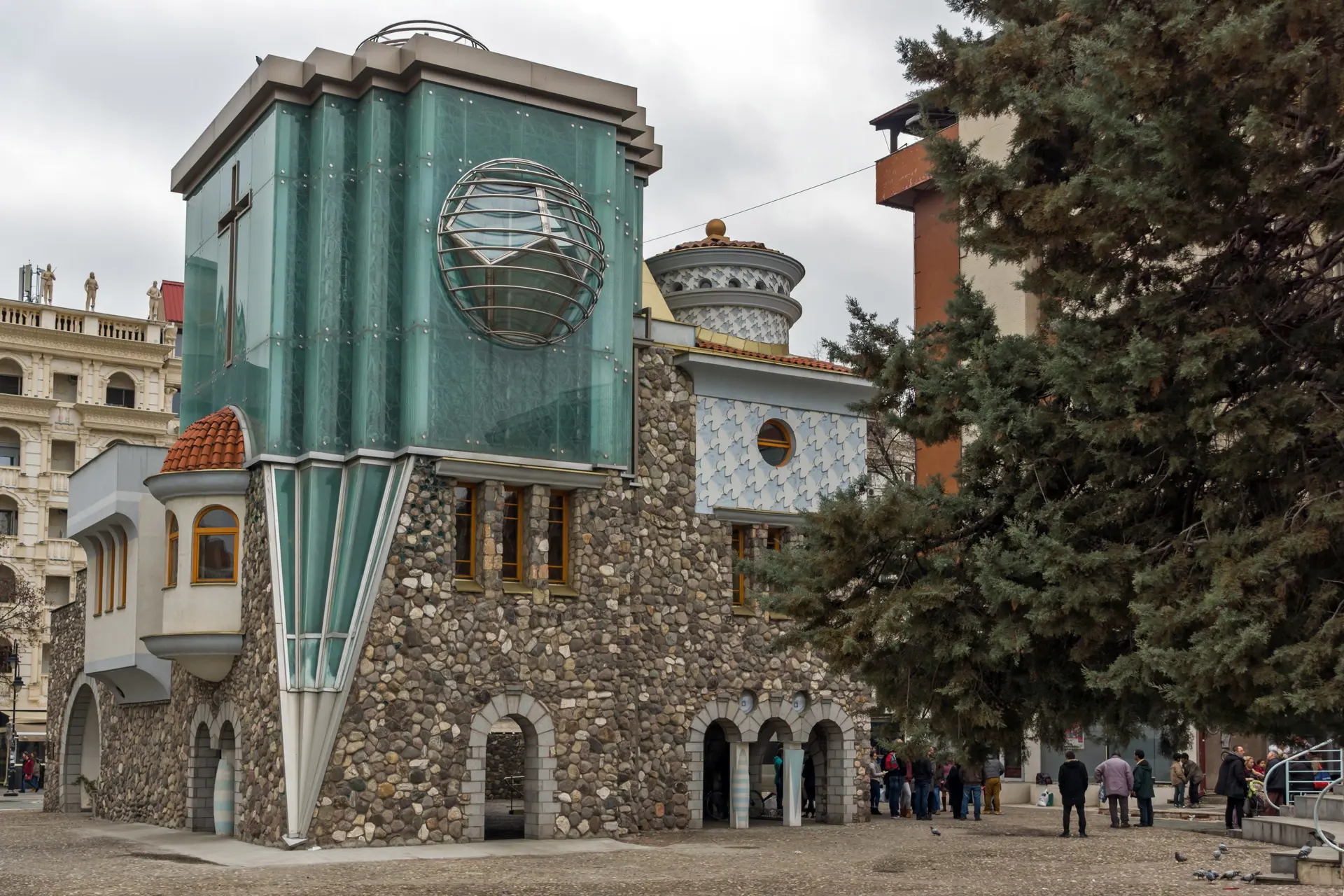
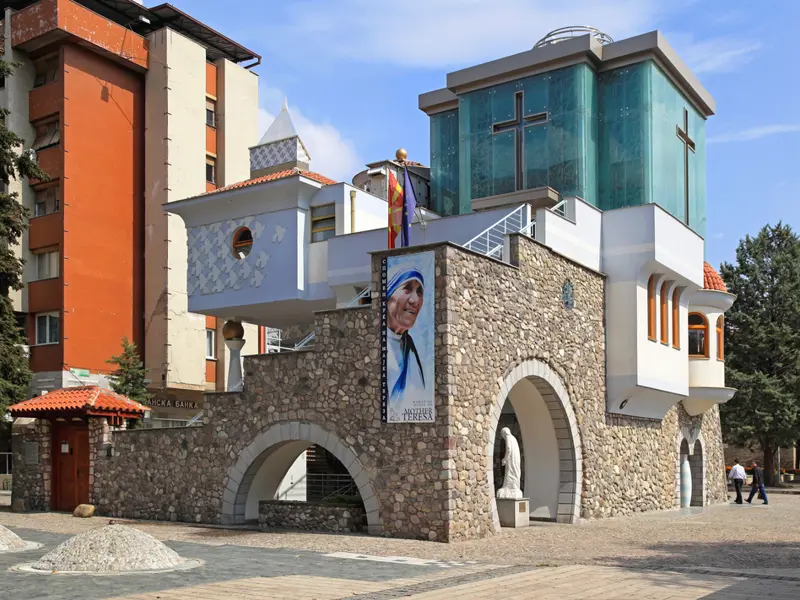
A short stop at the memorial house of Mother Teresa is also well worth while. Designed by the architect Bozinovski, the house was built in her honour as a citizen of Skopje and as a spiritual reflection of the entire city.
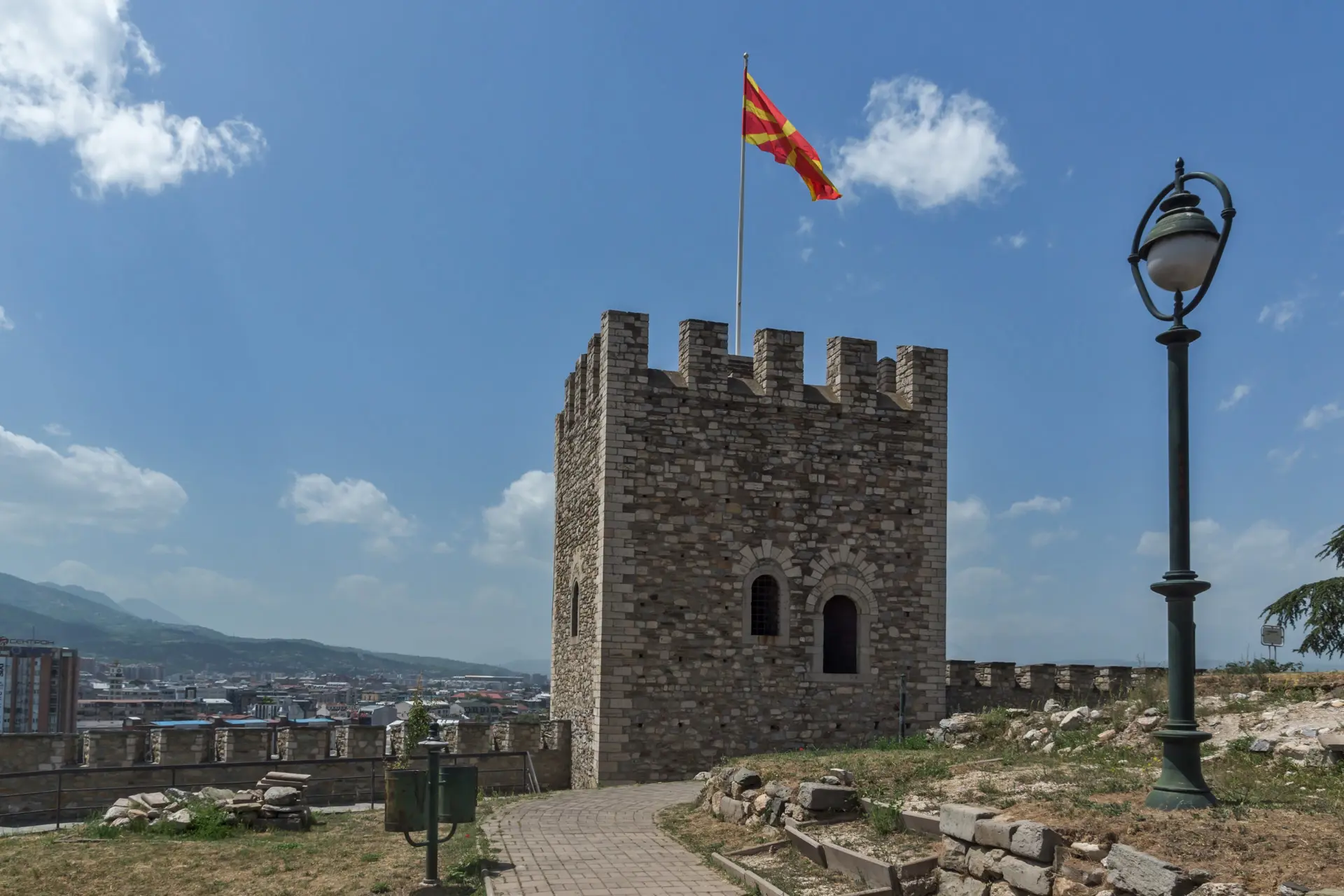
The green heart of the city instead provides moments of well-being and serenity. A large tree-lined park along the river and the wooded hills of Mount Vodno overlook the city to the southwest, while, a stone’s throw from the centre, stands Mount Vodno, topped by the enormous Millenium Cross which presides over the city. This point offers a magnificent panoramic view. The preferred period for visiting Skopje is in the spring and autumn when the weather is at its best for enjoying all the city’s attractions.
Photos: Copyright © Sisterscom.com, Shutterstock
All rights reserved. Reproduction prohibited.
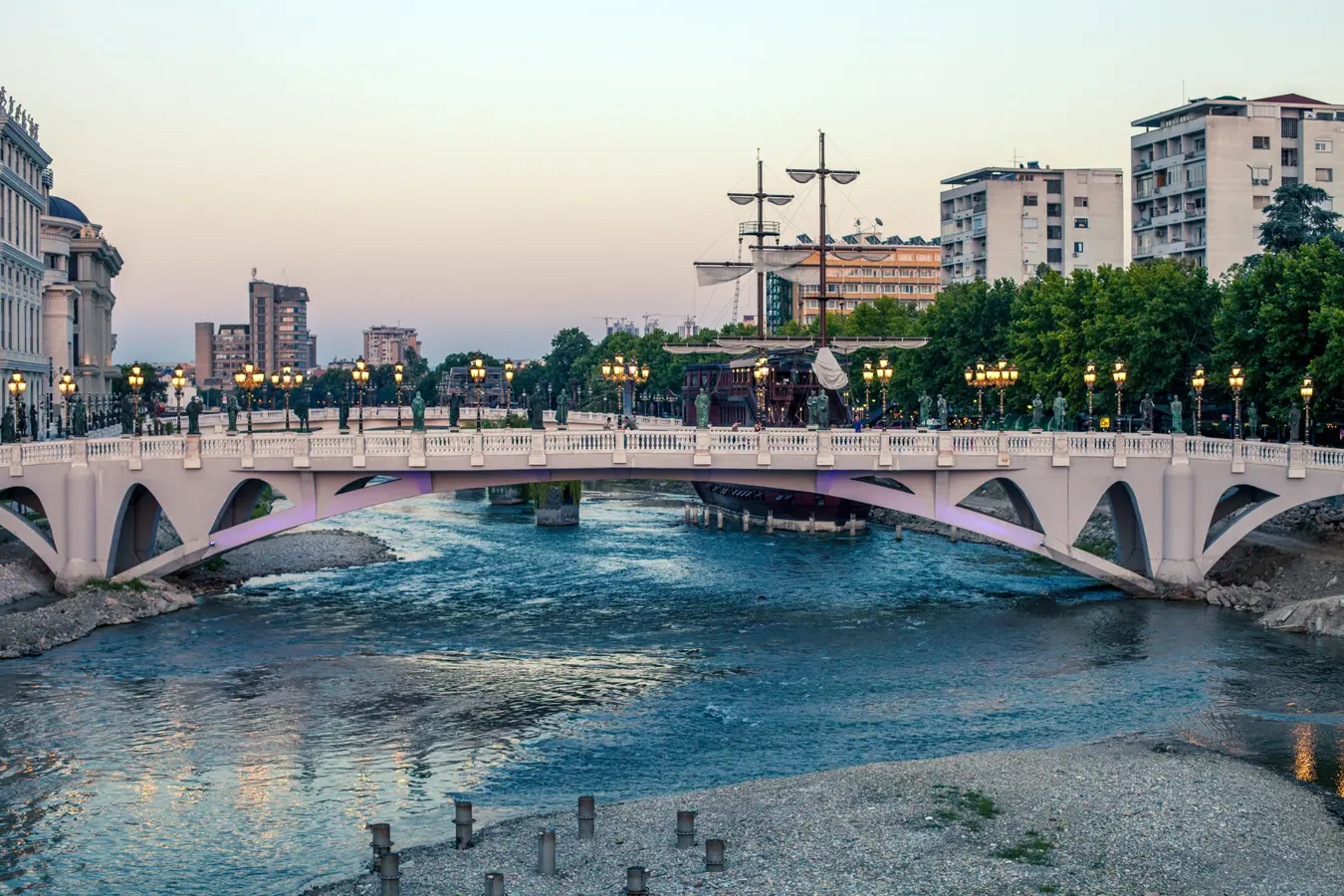


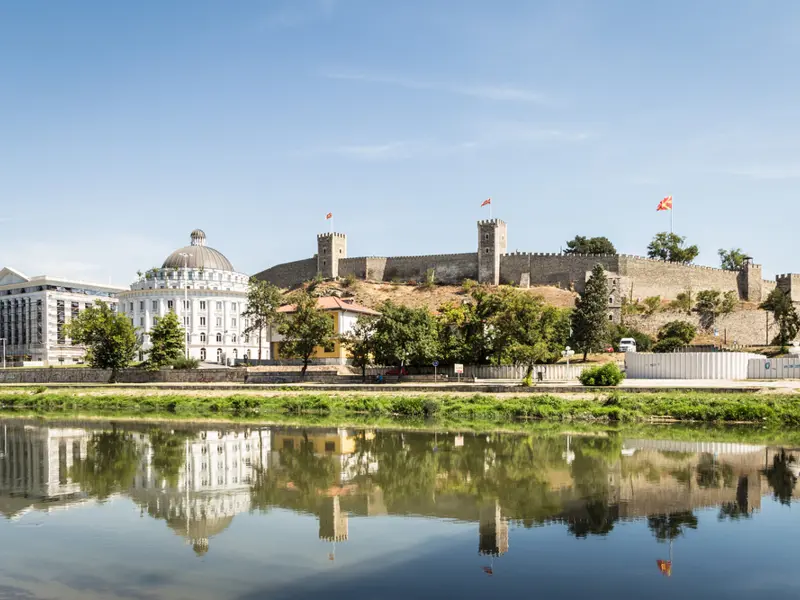
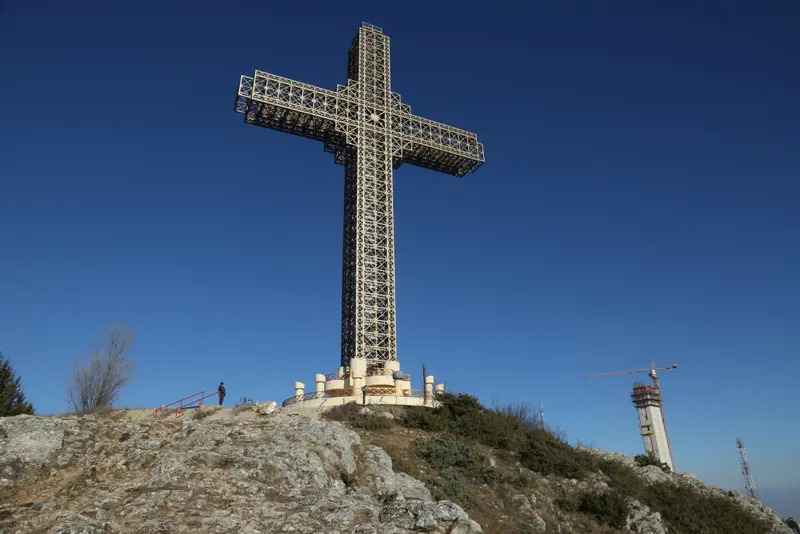
The Cross, situated on the top of Mount Vodno, is 66 metres tall and situated 1,066 metres above sea level. It was built as a memorial to Christianity in Macedonia and the world, and its construction, which began in 2002, was financed by the Macedonian Orthodox Church and by the donations of Macedonians from all over the world. The place where the cross stands has been called since ancient times “Krstovar” which means “place of the cross”.
In 2008, on the Macedonian Republic’s Independence Day, a lift was installed inside the cross and subsequently a restaurant and a souvenir shop were opened alongside; in 2011 a cableway was inaugurated. At night the cross shines brightly above the city.
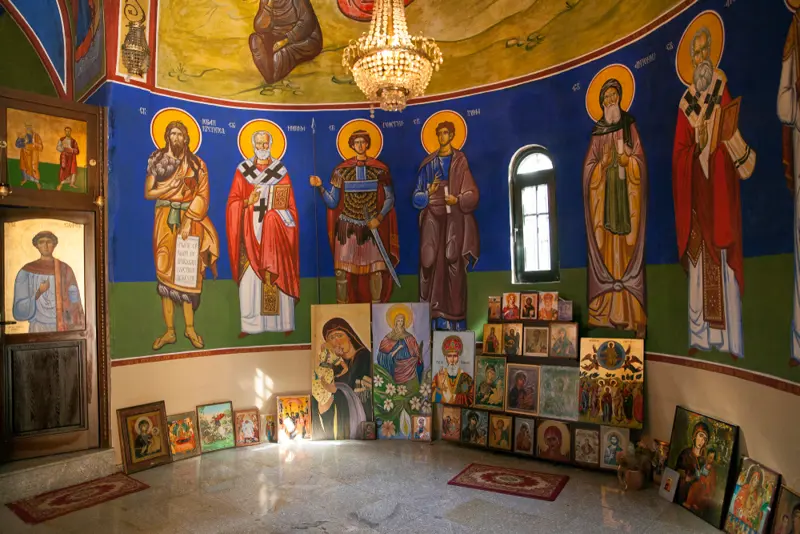
The Church of St. Panteleimon, one of the oldest and most important in Macedonia, is found only 15 minutes from the city in the small village of Gorno Nerezi. It was built and frescoed in 1164 during the rule of the Byzantine prince Alexius Comnenus, whose name is incised on the stone above the entrance to the church, and was dedicated to St. Panteleimon, the protector of health. The paintings transmit the emotions of the faces depicted, and the most impressive fresco in St. Panteleimon created under the influence of apocryphal religious literature is The Lamentation of Christ. This masterpiece displays traits associated with Renaissance art at a stage much earlier than the blossoming of the Italian Renaissance.
Founded in 1951, the museum complex is devoted to the archaeology, history, ethnology, history of art and contemporary art of the city. The exterior of the museum is partly in ruins, while the clock outside is frozen at 5.17 on the morning of the tragic earthquake of 27 July 1963, which almost demolished the city. Once known as the Museum of the People of Skopje City, in 1965 it was renamed the City Museum.
This museum was founded in 1964 on the initiative of several famous artists, art historians and international associations. Thanks to the donations it has received, the collection includes international works such as those by Picasso, Hartung, Calder and Vasarely. In addition to its valuable international collection, it houses works by modern Macedonian artists.
Partnership with GetYourGuide