Falcon 10X, Dassault's new business jet
With the Falcon 10X, Dassault Aviation introduces a new business jet designed from the ground up to sit at the top of the ultra-long-range segment. According to data released by the manufacturer, it is the largest and most capable purpose-built business jet ever developed by Dassault, an aircraft created to combine cabin size, range, performance, safety and technology in a single completely new program.
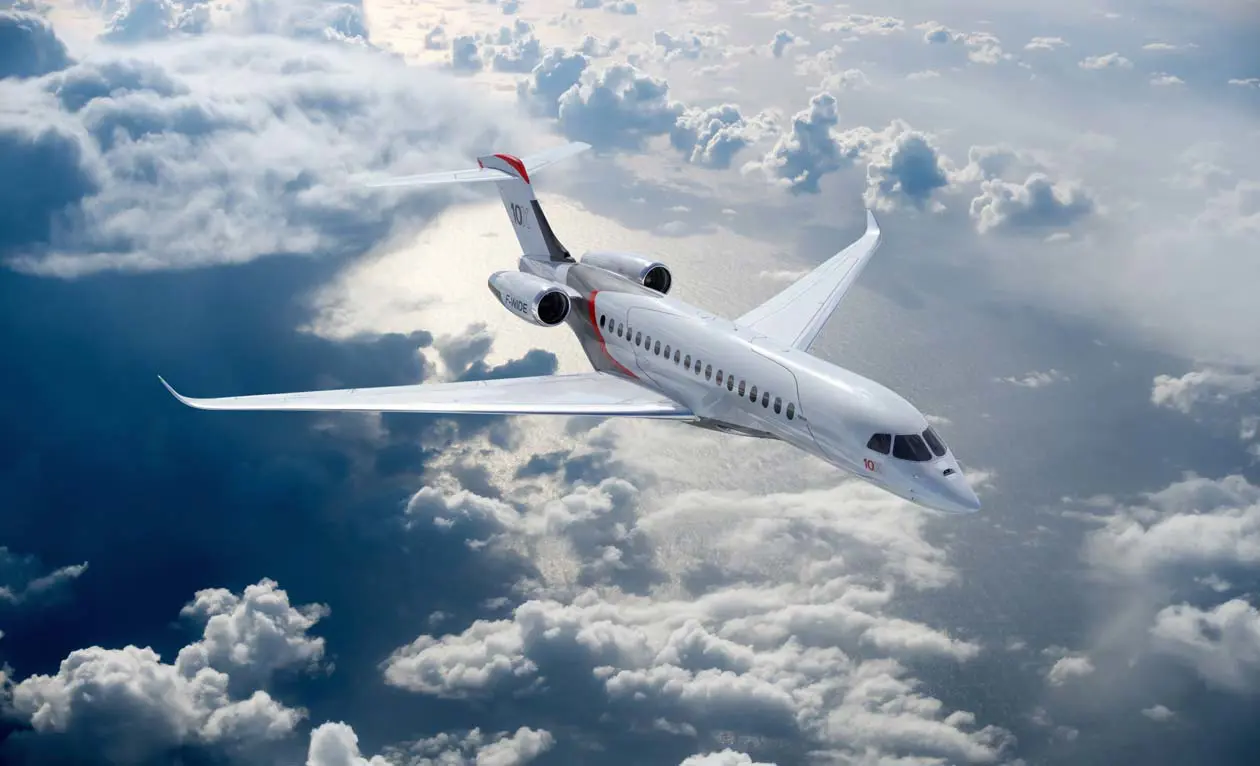
The Falcon 10X design does not derive from a previous model, but from an entirely rethought approach. Dassault has chosen to develop a 100% new aircraft, accompanying this program with new dedicated industrial facilities, including a composite wing plant in Anglet, France, and a new final assembly building in Bordeaux-Mérignac. The stated goal was to create a business jet with the largest cabin volume in the segment, while maintaining the typical performance of the Falcon family at high altitudes and the possibility of operating even in airports normally used by business aviation, without the need for specialized airport infrastructure from the airline.
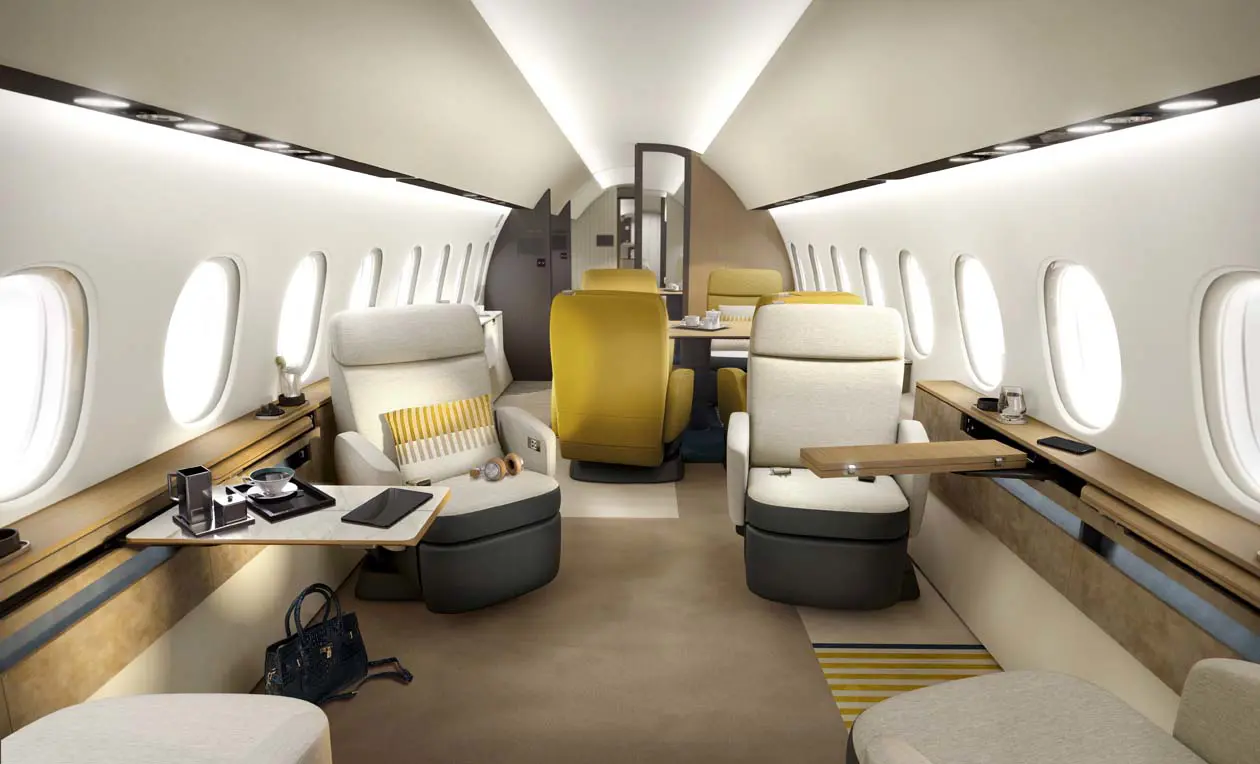
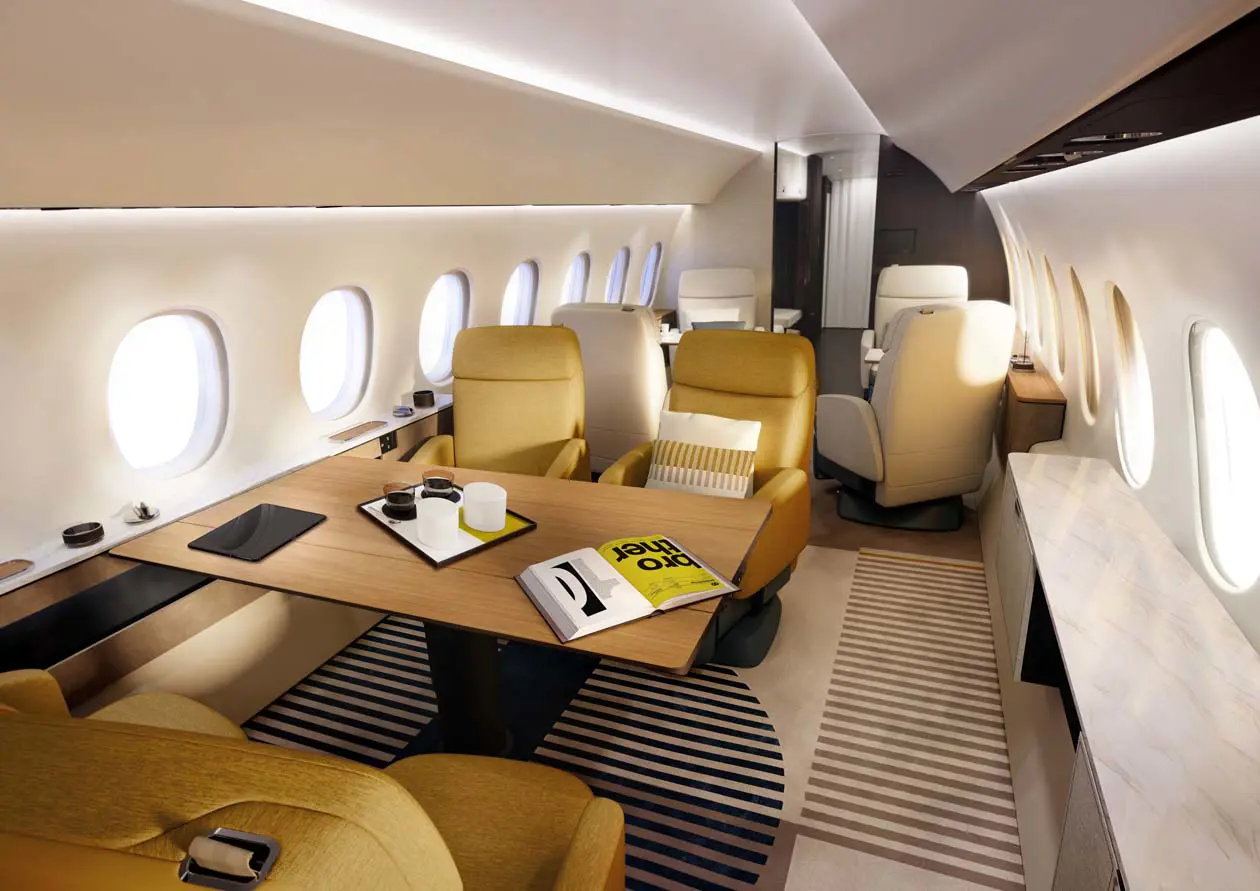
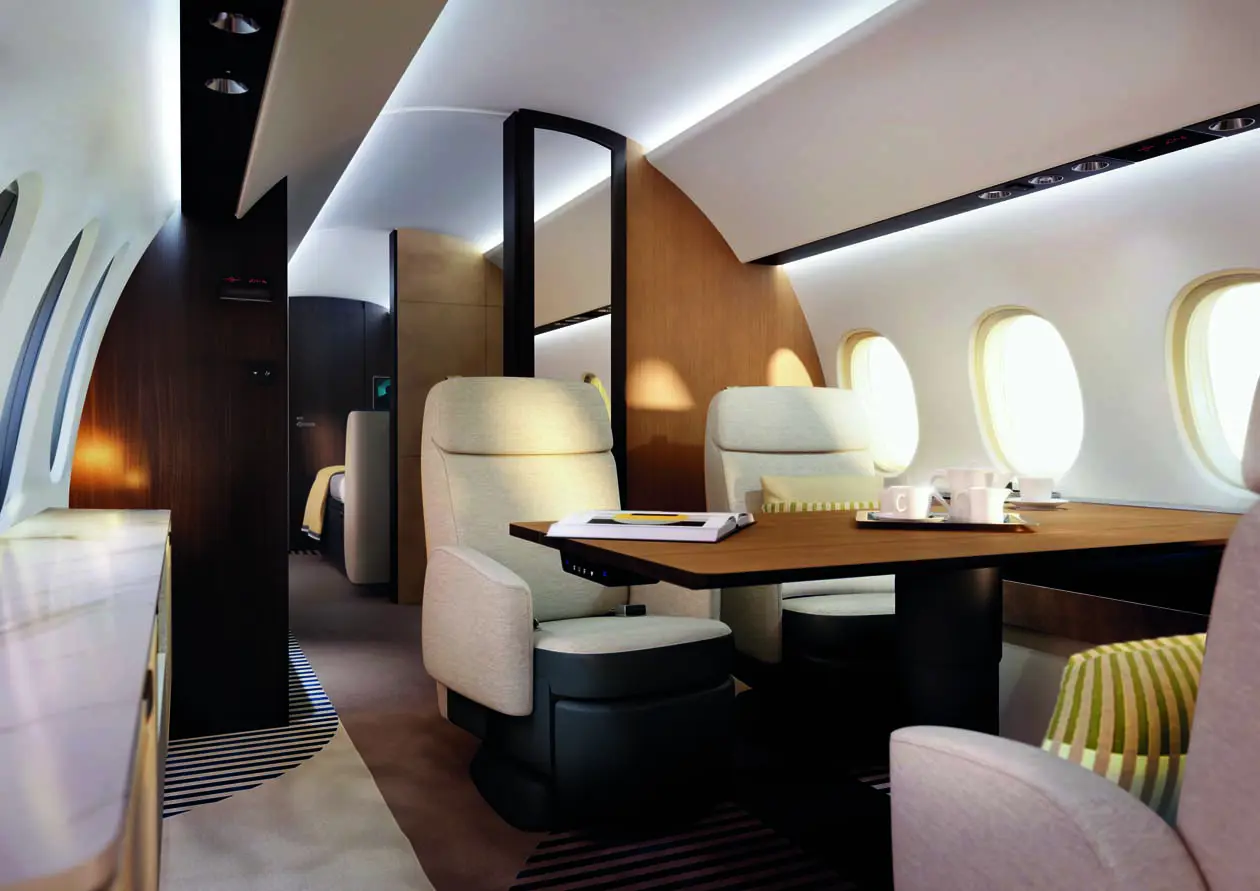
The first distinguishing element of the Falcon 10X is the cabin. With a volume of 2,780 cubic feet (78.7-79 cubic meters), it is listed as the largest of the purpose-built business jets. The cabin measures 2.03 meters high, 2.77 meters wide and 16.4 meters long. It is almost 20 centimeters wider than competitors, and it is precisely this wider section that allows for a much more flexible interior configuration than is normally available in the segment.
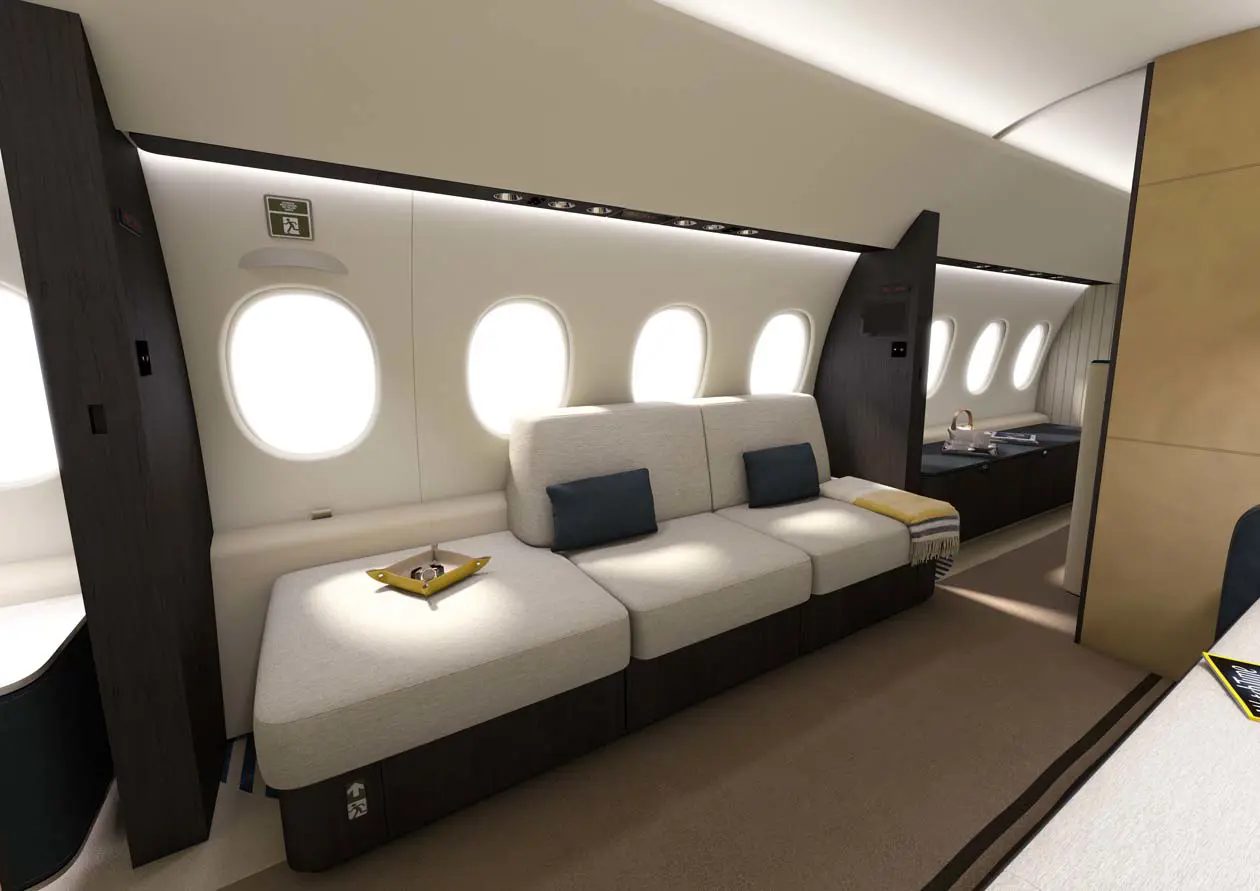
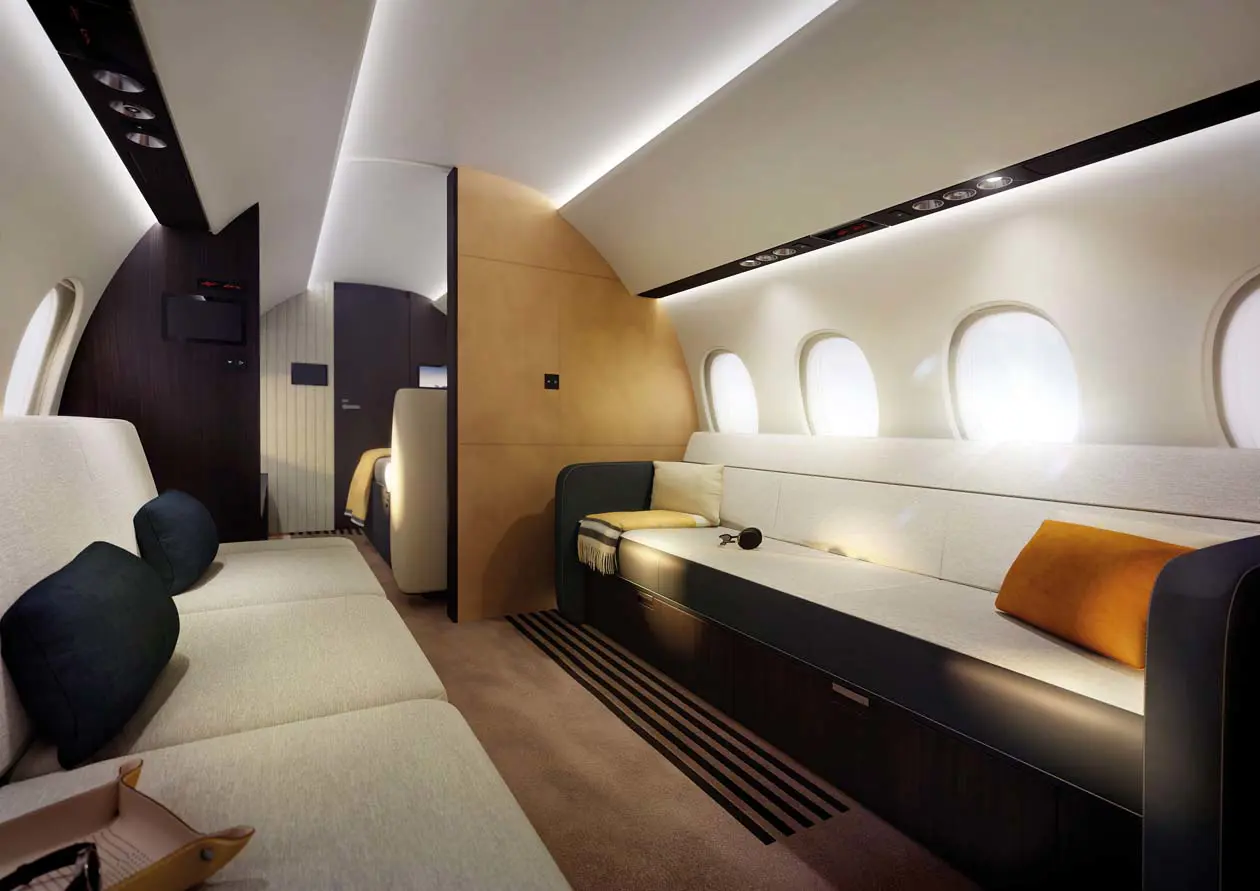
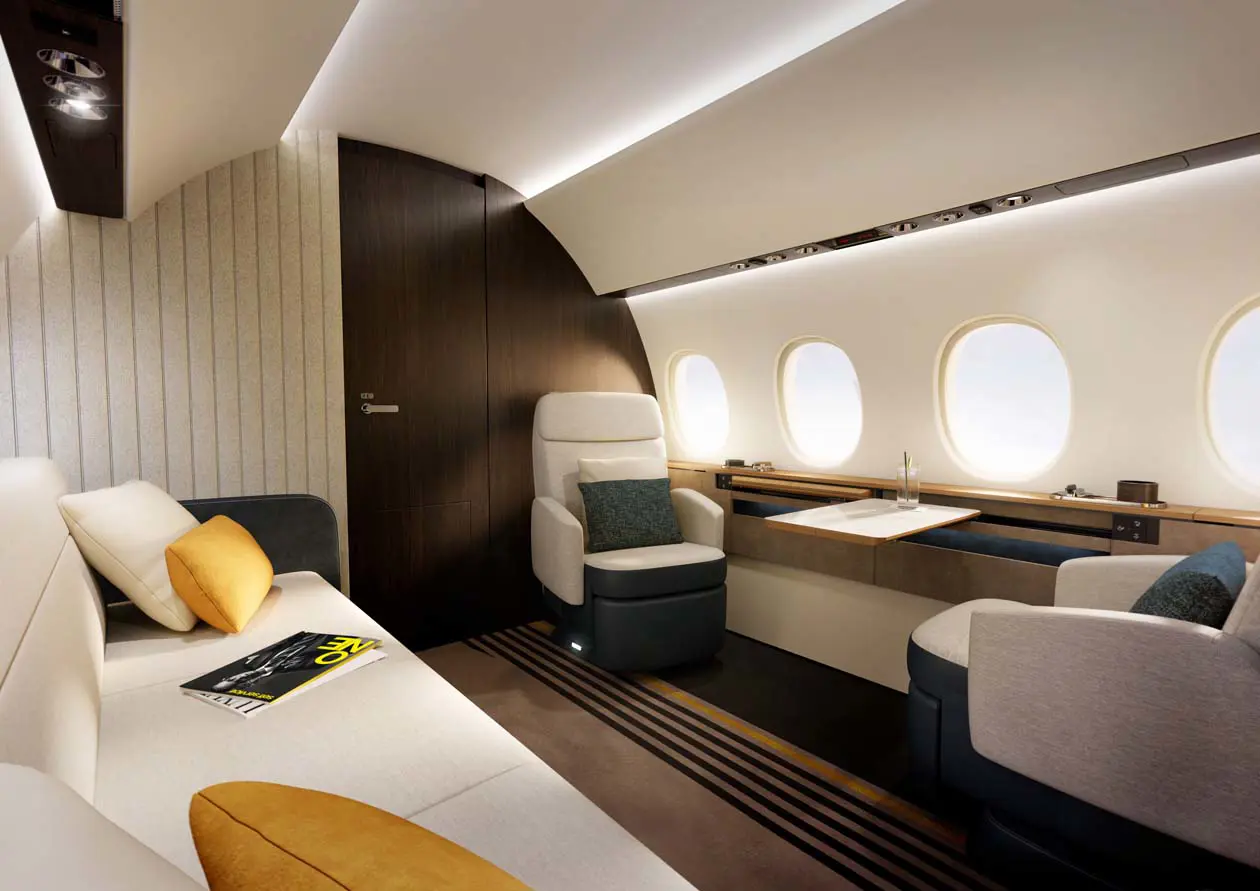
The cabin has in fact been designed with a modular logic. The basic configuration includes four zones, each 2.7 meters long, with four windows on each side. However, these sections can be reconfigured into compartments of different lengths and with a different number of windows, so as to adapt the aircraft to different missions and preferences. A rear sleeping suite, for example, can reach 4.7 meters in length, include seven windows and a large bathroom with a shower. The manufacturer also specifies that the Falcon 10X can be equipped with a full-size queen-size bed, indicated as a unique solution in business aviation.
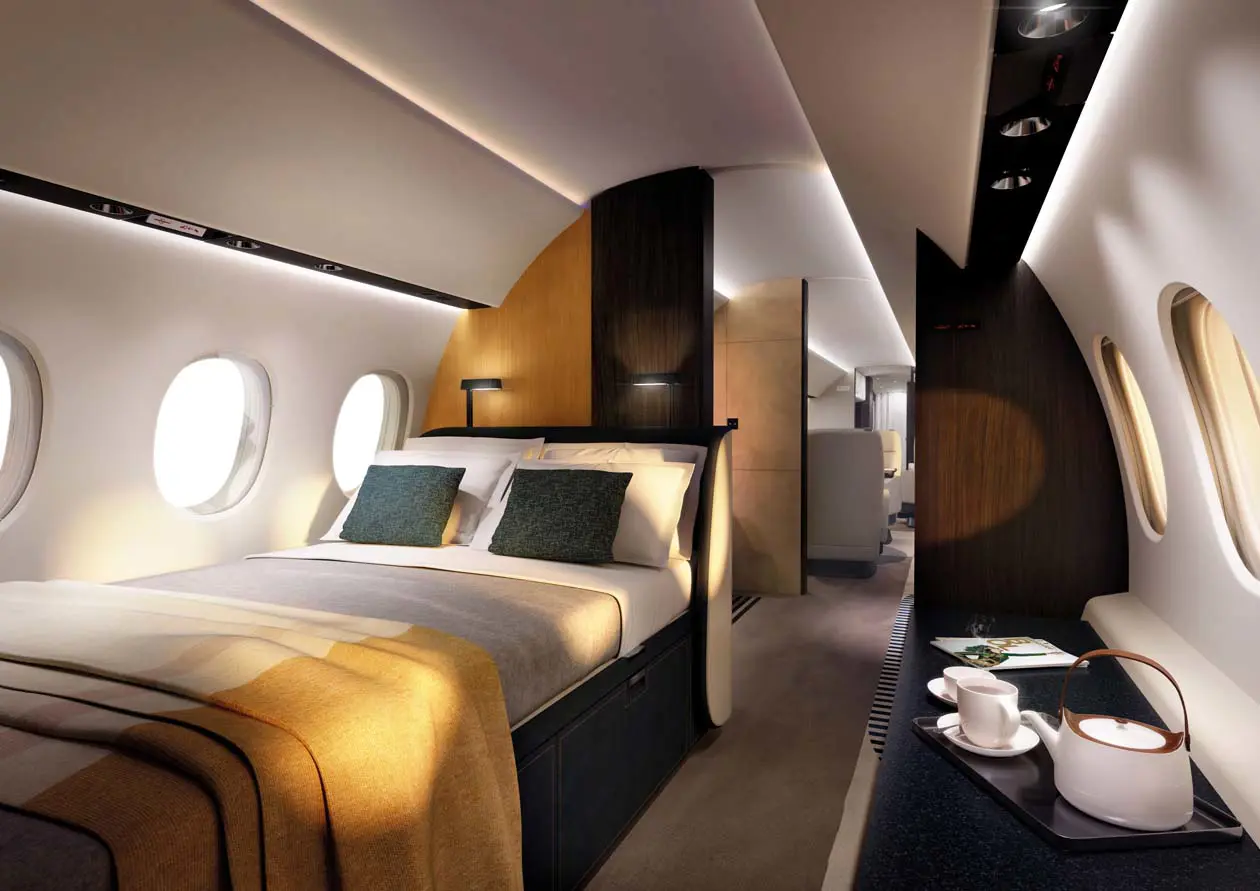
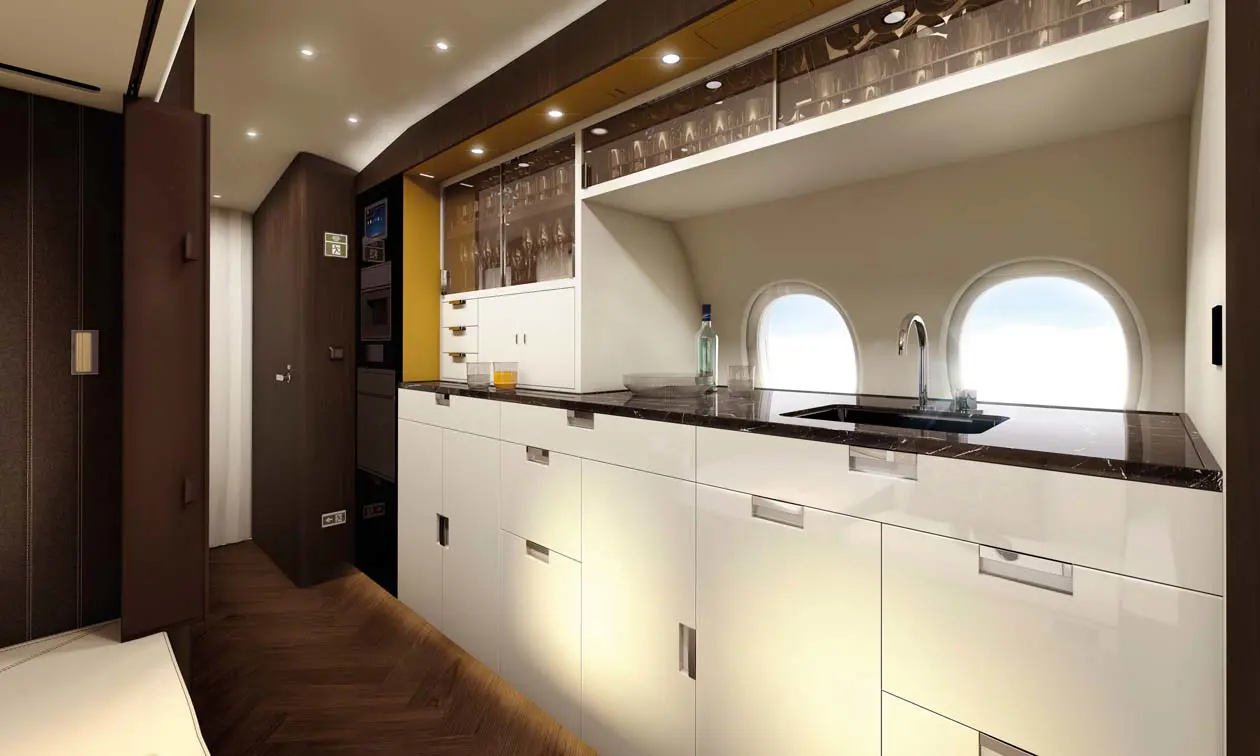
The versatility of the on-board environment also allows you to configure small compartments for private conversations or as a media center for presentations and video content, while dining or conference areas can have four or more windows on each side. According to Dassault, greater freedom of movement is also one of the concrete benefits of the new interior section: more side space, easier passage in the aisle, greater comfort for standing even away from the centerline of the cabin, larger washers and greater storage volume in galley areas.
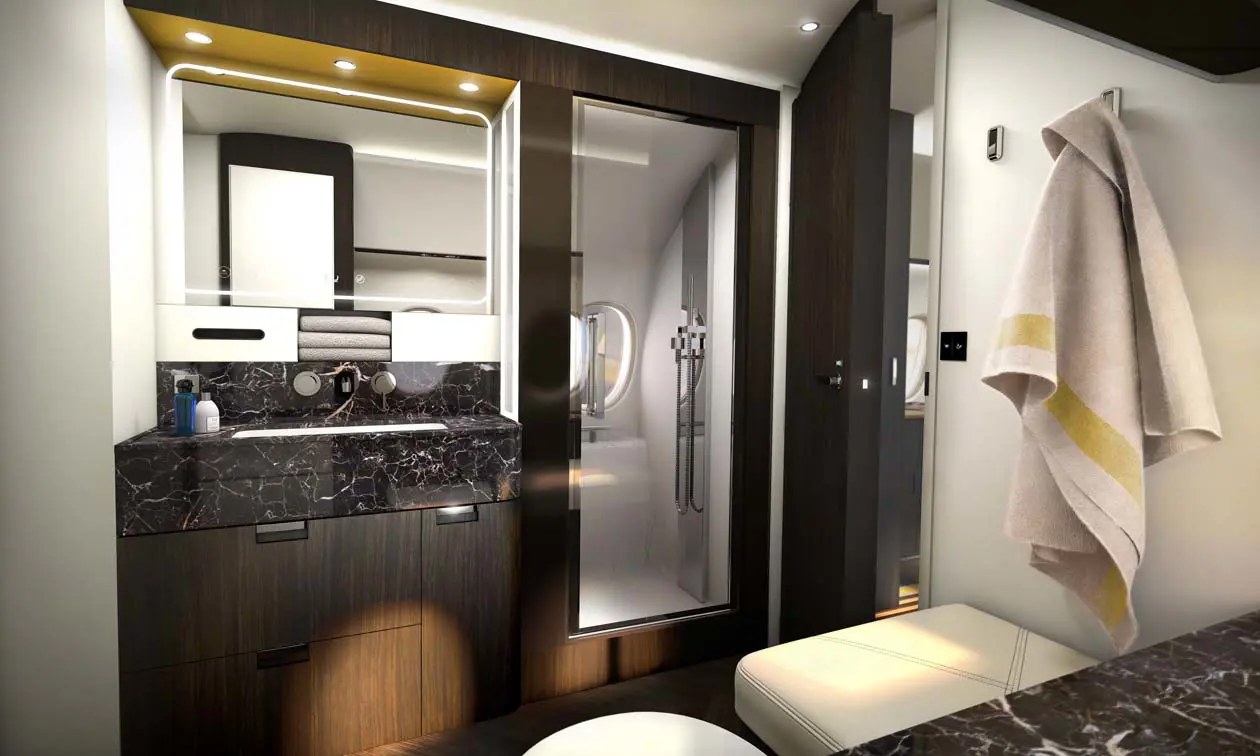
Among the most important aspects for passenger comfort is also the quality of the interior environment. The cabin will maintain a pressure equivalent to 3,000 feet while the aircraft flies at 41,000 feet, a figure designed to reduce fatigue during long flights. In addition to this, there is a new generation filtration system, capable of eliminating ozone and potential pollutants such as volatile organic compounds, 100% pure air and temperature control in each of the four zones of the cabin, with air diffusion from both top and bottom to maintain a uniform temperature.
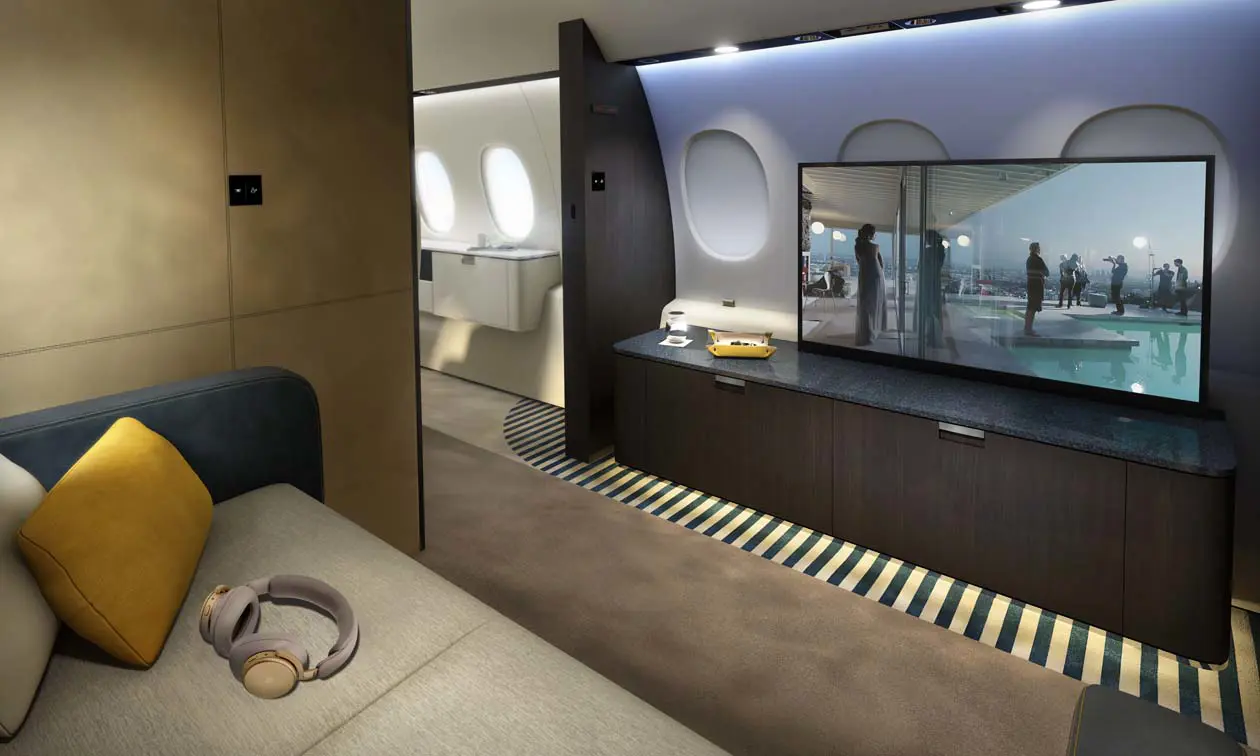
The interior brightness has also been the subject of particular attention. The Falcon 10X has 38 windows, almost 50% larger than those of the Falcon 8X, a choice that, according to the manufacturer, makes this the brightest cabin in business aviation. On the acoustics front, Dassault says the 10X will use advanced noise reduction technologies to maintain sound levels at least comparable to those of the Falcon 8X and 6X, which are now listed as the quietest in their class, with values below 50 dB SIL.
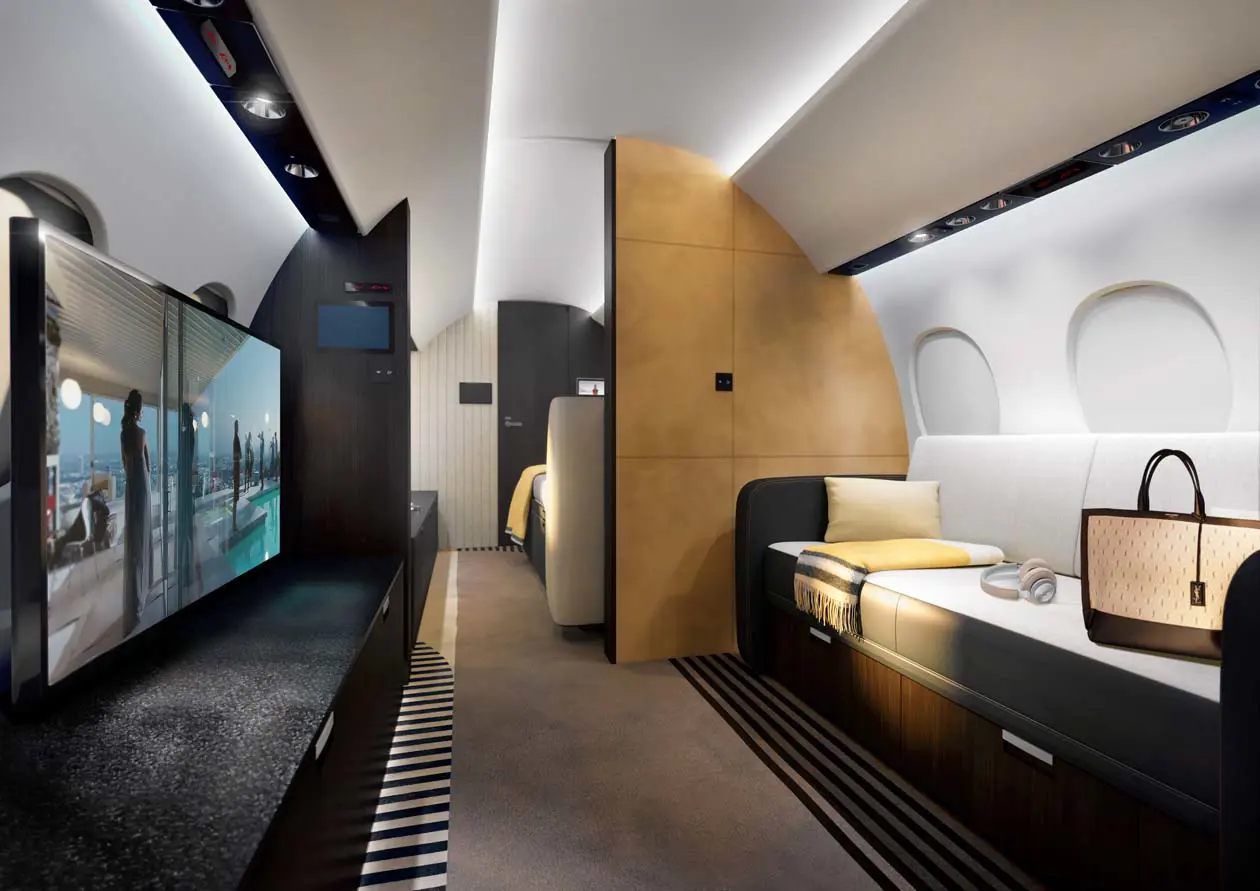
Connectivity is another pillar of the project. The cabin will offer high-speed connection options for in-flight communications and streaming internet access, with low-latency LEO systems such as Starlink and high-speed geostationary systems such as Honeywell JetWave-X. There will also be on-board technologies for the distribution of video and audio content in high definition to passenger devices or cabin displays. The control of internal functions will be manageable via mobile application, touchscreen and physical controls.
The luggage compartment is also very large, which at 198 cubic feet (5.60 m³) is listed as the largest in the ultra-long-range segment. The electrically operated hatch has been designed for easy loading and unloading, while an additional separate compartment allows you to store specific equipment, such as a fly-away kit.
In terms of performance, the Falcon 10X claims a maximum range of 7,500 nautical miles (13,890 km) at Mach 0.85, with a configuration of 8 passengers, 4 crew members, ISA conditions, sea level, no wind and NBAA IFR reserves. The maximum certified operating speed is Mach 0.925, while the maximum certified altitude reaches 51,000 feet (15,545 meters). Dassault also indicates a balanced field length of less than 6,000 feet (1,829 meters) and a landing distance of less than 2,500 feet (762 meters).
In operational terms, these performances allow the aircraft to cover non-stop numerous pairs of intercontinental cities such as New York - Shanghai, Los Angeles - Sydney, Paris - Santiago and Hong Kong - New York. For a high-speed cruise at Mach 0.90, routes such as New York - Dubai, Geneva - Singapore and Hong Kong - San Francisco are mentioned. Despite its size, the aircraft is described as capable of operating even on airports typical of business aviation and on airports with challenging approaches; the manufacturer also specifies that the Falcon 10X will be enabled for London City Airport.
The Falcon 10X's cockpit represents another of the program's great technological leaps: new NeXus cockpit, automation to reduce crew workload and fatigue on long-haul missions, more space and large windows, including large side windows useful for observing the wings, checking for ice and checking the margin of the wingtips, as well as during maneuvers such as circular approaches and approaches up to 100 feet, reducing the likelihood of weather-related hijackings.
On the operational front, Dassault highlights advanced systems that help reduce unforeseen events, improve the ability to operate in complex weather conditions and increase safety margins. Maintenance has also been designed in a more advanced key, with continuous monitoring of the aircraft systems to offer greater reliability and better planning of technical interventions.
From a construction point of view, the Falcon 10X introduces a new fuselage, a new composite wing and an optimized configuration to combine efficiency, autonomy and performance. The new wing, in particular, has been designed to improve aerodynamics and reduce weight, while the two Rolls-Royce Pearl 10X engines are designed to offer high power, more efficient consumption and increasing attention to sustainability, also with certification for the use of 100% SAF.
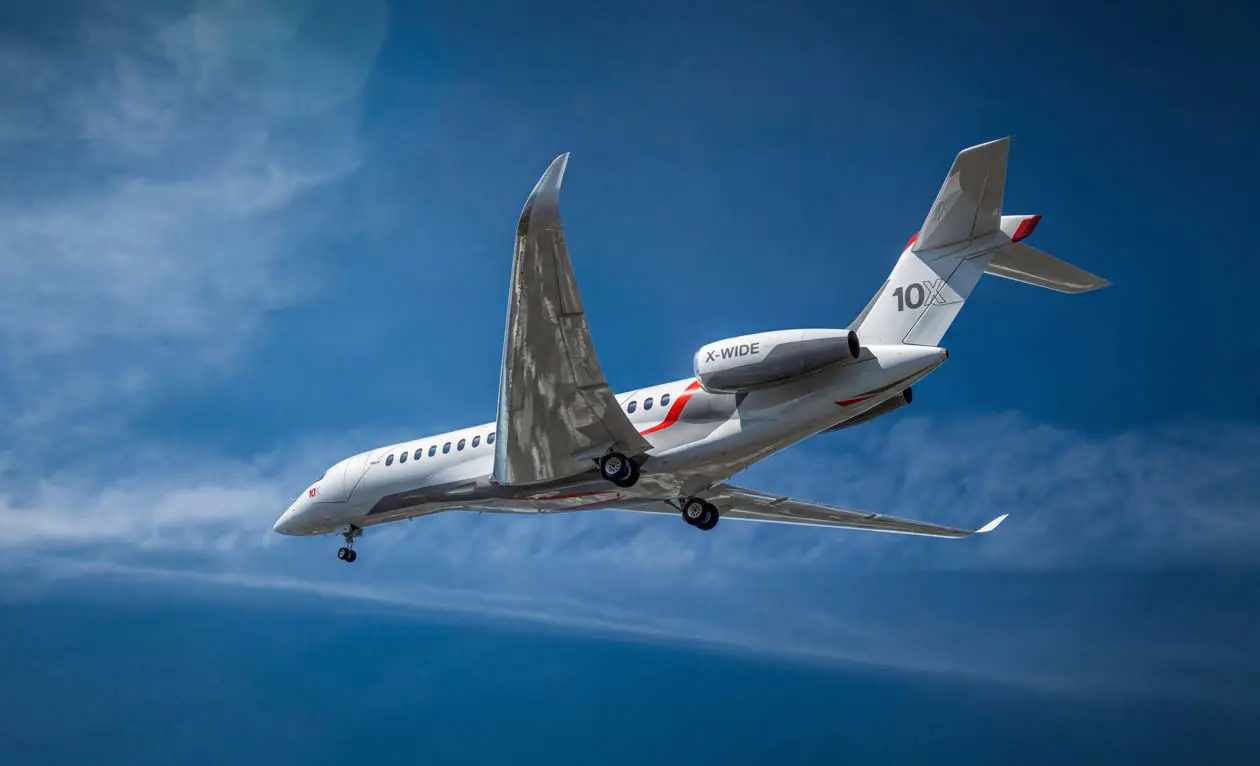
Overall, Dassault's Falcon 10X offers not only a superior cabin, but also an aircraft designed to ensure greater operational efficiency, high safety standards and reliability in long-haul missions. The Falcon 10X was unveiled by Dassault Aviation in Bordeaux-Mérignac, France on March 10, 2026. On that occasion, Dassault described the aircraft as its most ambitious business jet ever and as a new benchmark for the future of long-haul business aviation. After the presentation, the program was indicated as starting towards the next phase of flight tests, intended to validate its performance and bring into service the most advanced Falcon ever built by the French manufacturer.
Text by the editorial staff, Avion Luxury Magazine
Text source and photo: Dassault Aviation Press Office
Photo: Copyright © Dassault Aviation
Partnership with Villiers
Private jet

Partnership with Booking.com / Travelpayouts
Luxury hotel