easyJet focuses on efficiency and sustainability
easyJet announces a major retrofit programme for its Airbus A320ceo fleet with the installation of Airbus sharklets. The initiative, already launched in collaboration with the European manufacturer, will be completed by summer 2026 and will bring concrete benefits in terms of fuel efficiency, emission reduction and optimization of operating costs.
Sharklets are aerodynamic devices applied to the wingtips that increase the effective wingspan and reduce the drag induced by lift, with a reduction in fuel consumption of up to 4%.
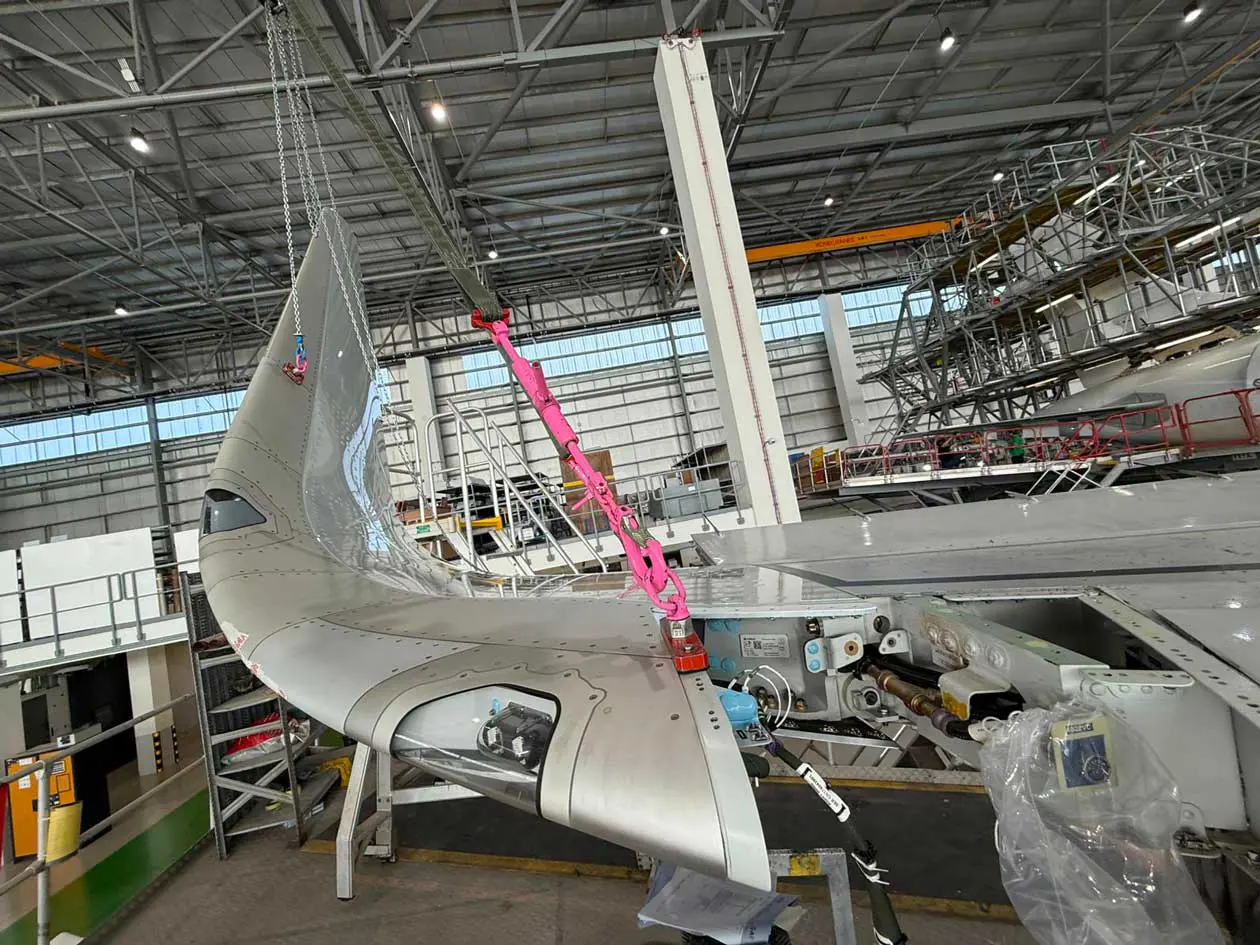
Why sharklets are more efficient:
- they weaken the vortices at the wingtips, reducing the energy dispersed in the air whirlpools;
- they effectively increase the aspect ratio of the wing (the wing behaves as if it were longer) without having to really extend the wingspan, avoiding space and structural problems;
- Their curved, integrated shape is more aerodynamic than previous flat wingtips or simple winglets, creating smoother airflow and less induced drag.
Once the retrofit is complete, easyJet estimates an annual saving of 2,156 tonnes of fuel across the entire fleet concerned, equivalent to a reduction of almost 7,000 tonnes of CO₂ each year.
In addition to the environmental benefits, the new devices will extend flight range to up to 100 nautical miles and increase the capacity of each aircraft by up to six seats, further improving overall efficiency. The A320ceos involved currently operate from some of the main bases of the easyJet network, including London (Gatwick Airport), Lisbon, Berlin and Milan Malpensa.
According to Chief Operating Officer David Morgan, the upgrade represents "another small but important step in the mission to operate as efficiently as possible", part of a broader path of innovation aimed at making operations increasingly efficient, both in the air and on the ground.
Since 2022, the year the environmental roadmap was launched, easyJet has stepped up its investment in decarbonisation technologies and processes. The company is on track to reduce its carbon intensity by 35% by 2035 and has recently been recognized as the best global ESG risk management rating by Sustainalytics, with an industry-leading score of 18.0.