On board with less waste: Emirates catering becomes more sustainable
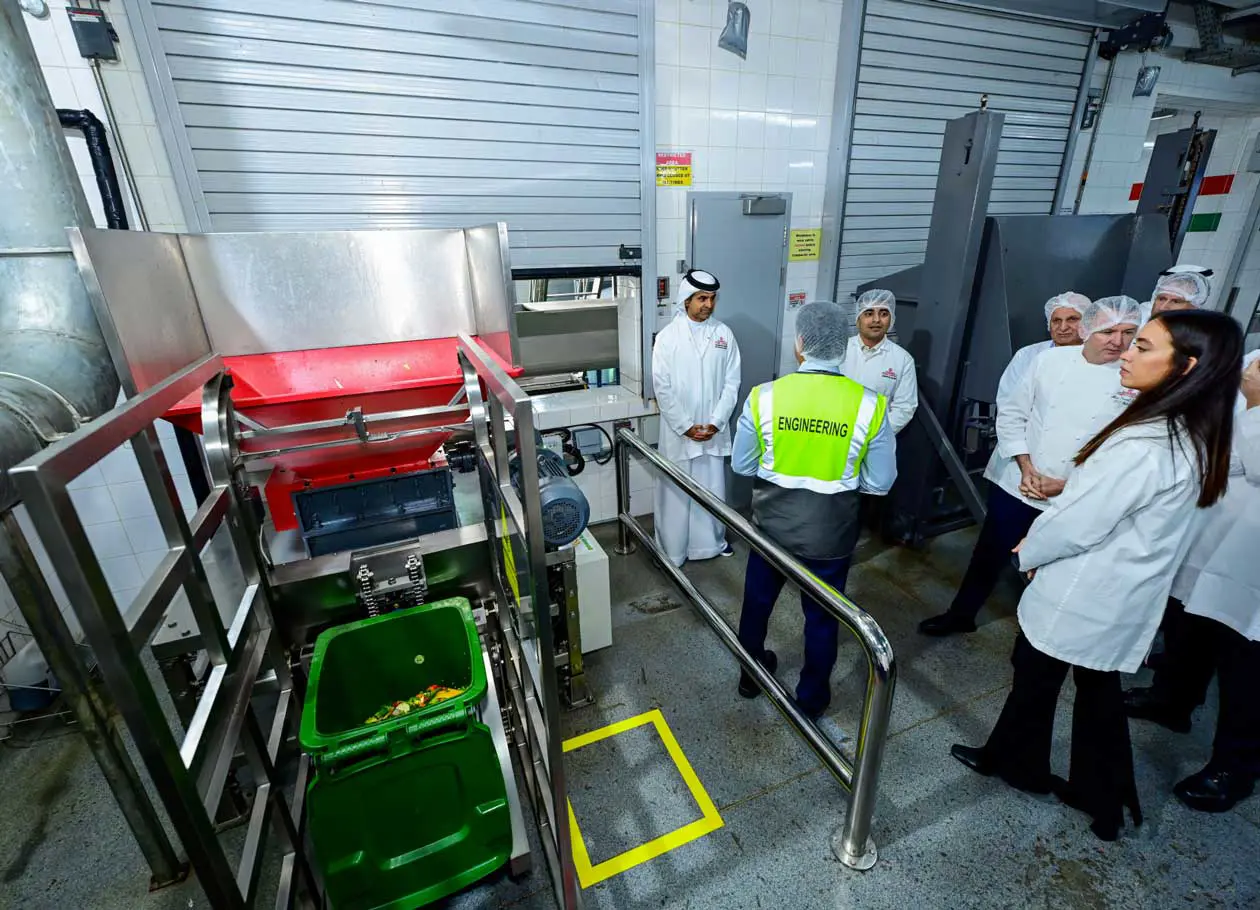
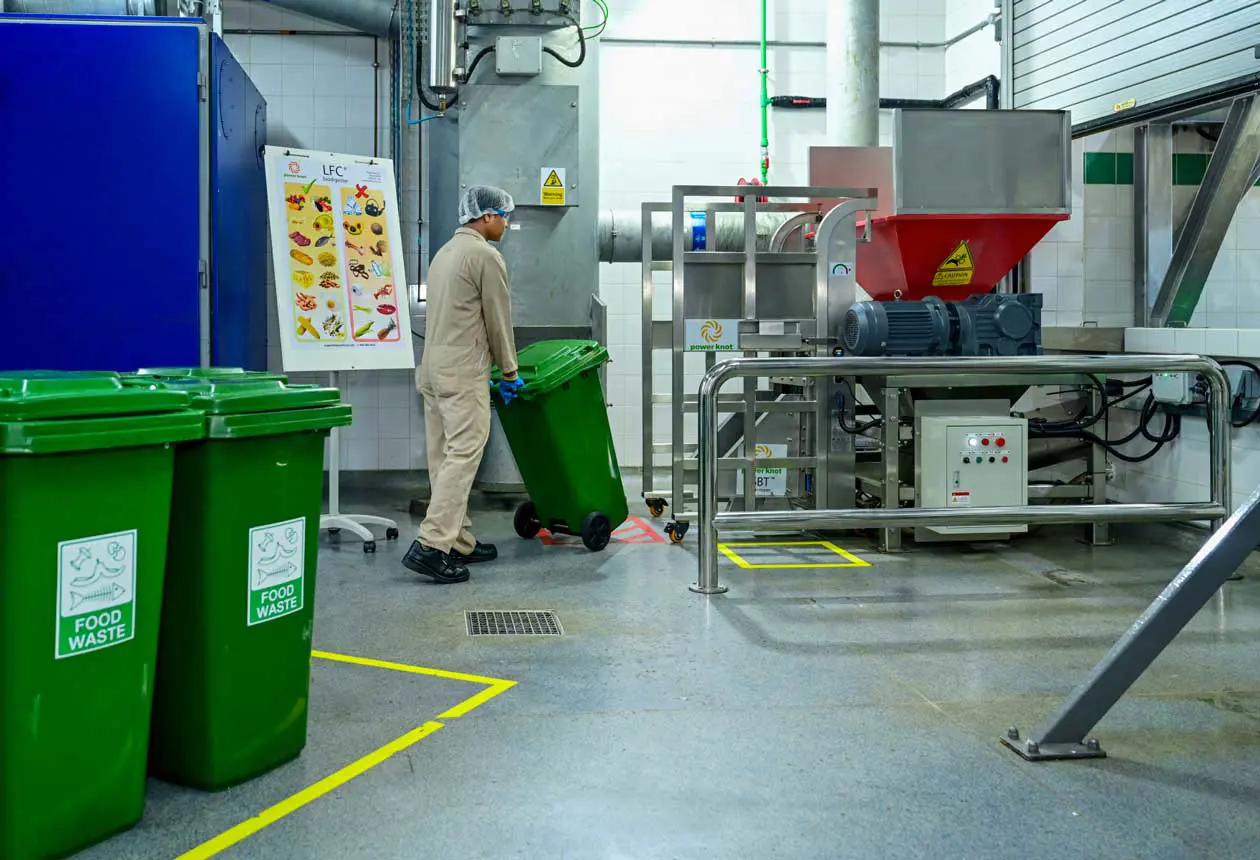
Emirates Flight Catering (EKFC) is accelerating its environmental commitment with the installation of a bespoke biodigester, one of the world's largest in scale and capacity, at the Central Commissary Unit in Dubai. The new system, Power Knot LFC-3000, allows organic waste to be treated on site, reducing the use of landfill and intervening at source in the management of food waste.
The biodigester uses an aerobic process that combines oxygen, heat, and microorganisms to decompose organic waste. The result is the production of grey water, reusable for non-potable uses, in line with a circular economy approach applied to the daily operations of airline catering.
Started operating in December 2025, today the system is able to process an average of up to 3.5 tons of waste per day, with an estimated capacity of up to about 6 tons of food waste per day, once it reaches biological maturity and based on the composition of the treated material.
According to EKFC estimates, based on the greenhouse gas emission conversion factors of DEFRA (UK), diverting one tonne of food waste from landfill avoids around 0.7 tonnes of CO₂ equivalent, thanks to the reduction of methane emissions typical of landfill decomposition. When fully operational, the biodigester could help avoid over 2,000 tons of CO₂e per year, with a concrete impact on the sustainability of the entire catering chain.
The project is part of a broader strategy of sustainable mobility that also involves energy and logistics. Over the past year, EKFC has installed solar panels that have produced 4,000 MWh of energy, avoiding 1,600 tons of CO₂e. In parallel, the company is introducing electric vehicles in ground operations and expects an electric hi-loader to be tested by mid-2026, the first of its kind in the region.
On the waste management and circular economy front, EKFC has already treated almost 75,000 kg of food waste through the first LFC-50 biodigester, eliminated 45,000 kg of plastic per year thanks to packaging interventions and developed 47 recipes based on the reuse of production waste , transforming potential waste into new preparations.
A concrete example is the use of the lettuce grown by Bustanica without pesticides, used in 2025 to prepare about 28,000 salads a day served on Emirates flights. To support production quality and waste reduction, EKFC also uses AI-based automation solutions and smart camera systems, which optimize processes and limit surpluses.
For passengers departing from Dubai and on board Emirates flights, these initiatives translate into a more conscious travel and flight experience: quality meals, prepared with attention to the environment, along a supply chain that aims to reduce environmental impact without compromising service and food safety.