
Milan Bergamo Airport, the development strategy from the 2030 Plan to the 2043 vision
The future of an airport is built on several levels: in the interventions that improve the passenger experience, in the infrastructures that redesign the accessibility and functionality of the airport, but also in the ability to plan the coming decades with vision. Two years after her appointment as General Manager of SACBO, Amelia Corti looks back on an intense phase for Milan Bergamo Airport, marked by already visible investments, strategic works such as the railway link (currently under construction by RFI) and a development path that moves along two complementary lines: on the one hand, the completion of the 2030 Airport Development Plan already approved, on the other, a longer-term vision that looks up to 2043. In this interview, she talks about the priorities that are guiding BGY's evolution between accessibility, innovation, sustainability, network development and a growing specialization of the different areas of the airport.

In the last two years, BGY has gone through a particularly intense transformation phase, including the new check-in area, the reorganization of the spaces dedicated to passengers and the strengthening of security checks: what are the interventions that you consider most significant among those followed directly and what impact are they already having on the efficiency of the airport and the quality of the airport experience?
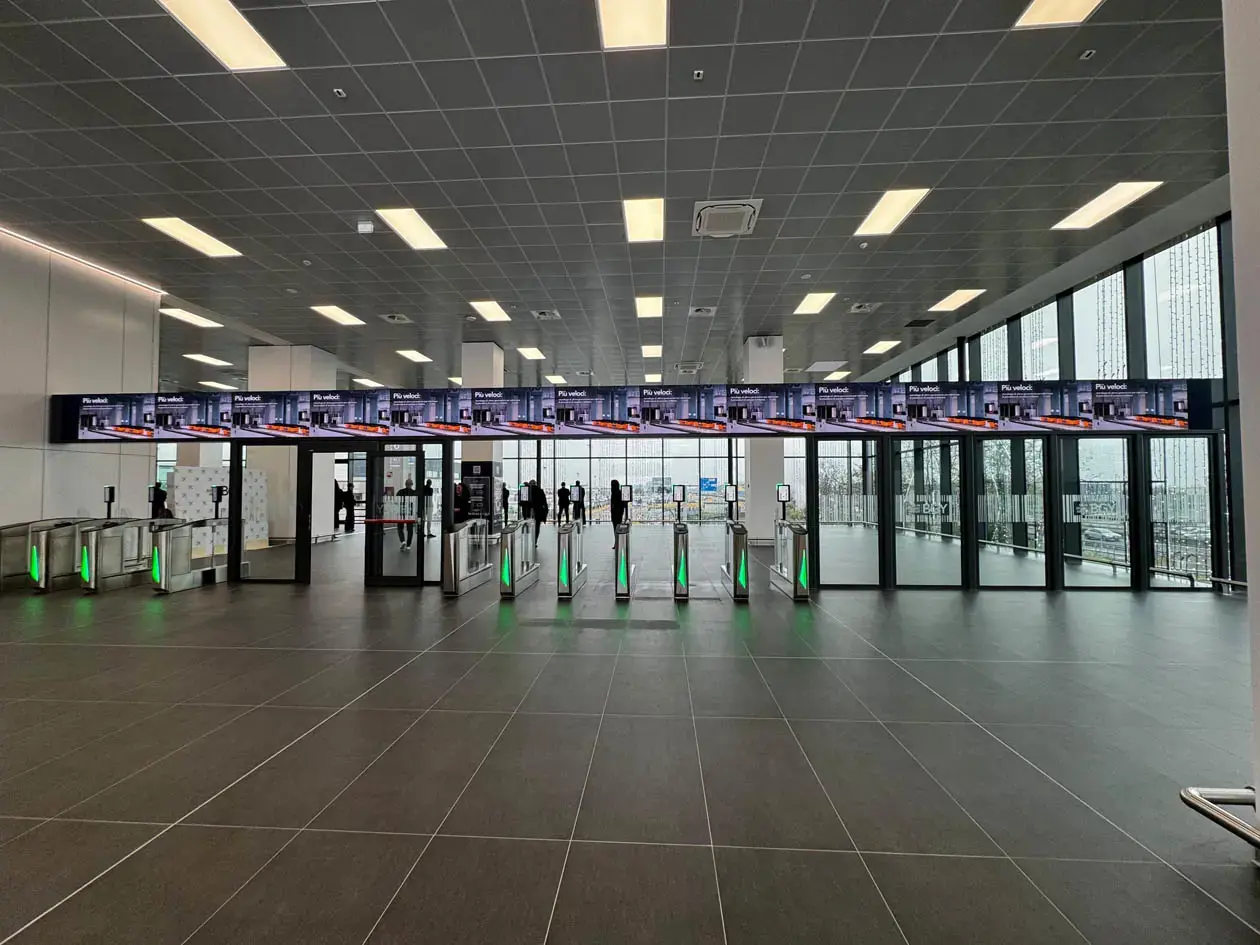
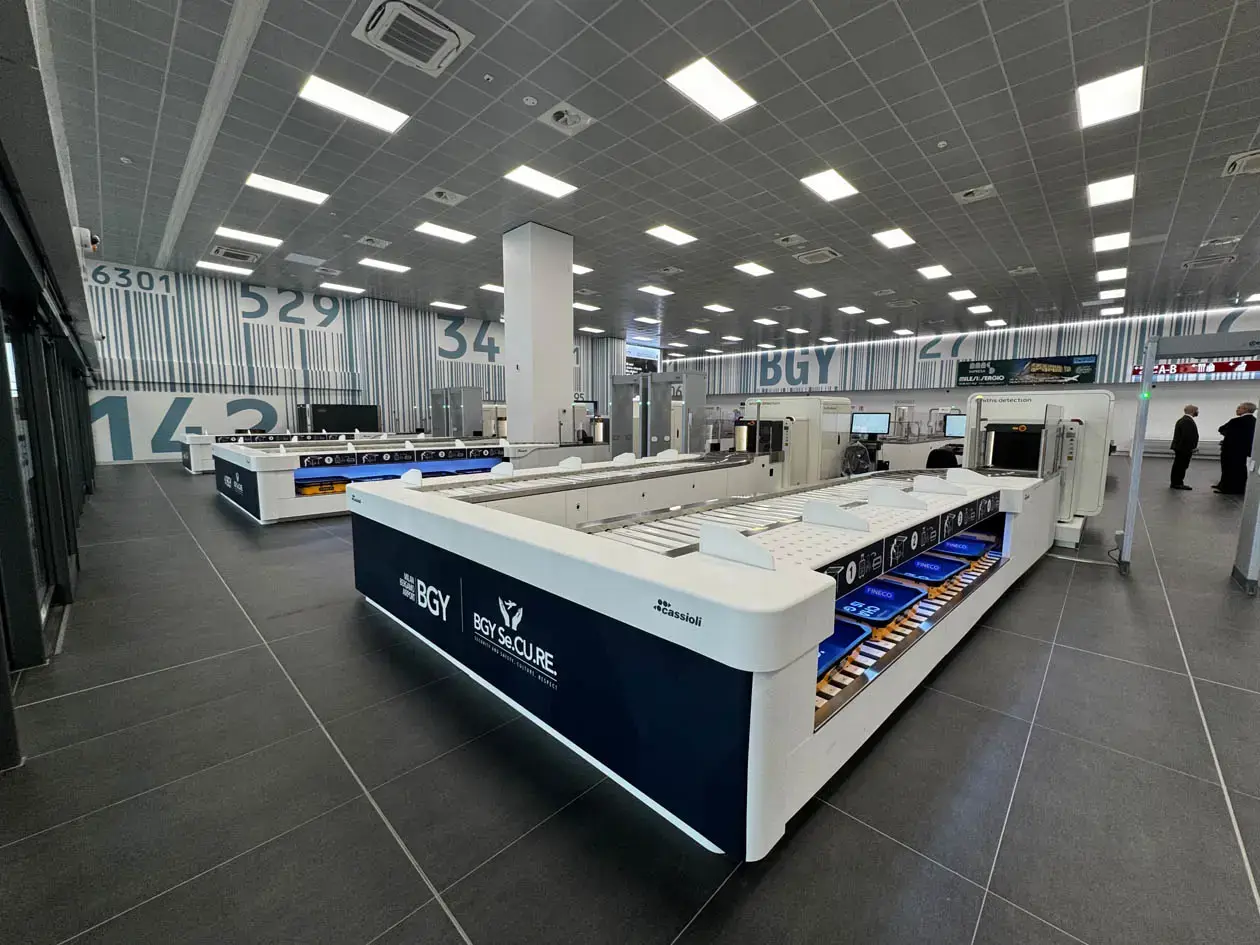
"Without a doubt, the new area of security checks, because it represents one of the most significant changes both in terms of technology and in terms of the passenger experience. This intervention has allowed us to make a very important leap in quality while naturally guaranteeing the same required safety standards in the past. The introduction of new lines and the latest generation of X-ray equipment has made it possible to make the process much smoother and simpler for travellers. I am thinking, for example, of the possibility of no longer having to remove laptops, electronic devices or liquids from the luggage within the permitted limits: a concrete change that clearly affects the quality of the experience and the speed of passage through controls. Added to this is a second, equally important aspect, which concerns physical space. The new area is very different from the past: larger, brighter, better organized. This element also has a direct impact on the passenger's perception. Having a less congested environment, with a better distribution of flows, helps to reduce the pressure typical of this area and to make the whole route more orderly and more serene. I therefore believe that this intervention is particularly representative of the work done in these two years, because it combines three essential elements: technological innovation, operational efficiency and concrete improvement of the passenger experience".
Among the most eagerly awaited projects is the rail connection with the airport, which is intended to decisively strengthen accessibility and intermodality: at what point is this intervention today and what strategic value will it have, once completed, for passengers, for the territory and for BGY's competitive positioning?
"The railway link undoubtedly represents one of the most important projects for the future of Milan Bergamo Airport and is under construction. Being able to count on the prospect of a railway connection in a relatively short time horizon changes the way in which accessibility to the railway station is imagined, the organisation of spaces and, more generally, the design choices related to the development of the railway station. The plans we have worked on, both the one referring to the coming years and the broader and more prospective one, have taken into account this new mode of connection, which represents an element destined to have a profound impact on the role of the airport. From an operational point of view, it should be noted that this is a construction site managed directly by RFI. As far as timing is concerned, we are aware of the fact that compared to the initial hypothesis there has been a postponement. The hope is that, once the works are completed, the technical period necessary for the railway operator to put the line into operation can immediately follow. Once active, the rail link will be a real game-changer. For an airport that is already a connection hub in itself, being able to count on the railway infrastructure will also mean further strengthening its attractiveness and interest from passengers, as well as consolidating its role in the airport system of Northern Italy".
The Airport Development Plan 2030 approved by ENAC defines the framework within which the future growth of the airport will move: what are, in your opinion, the most significant planned interventions that will accompany the evolution of Milan Bergamo Airport in the coming years?
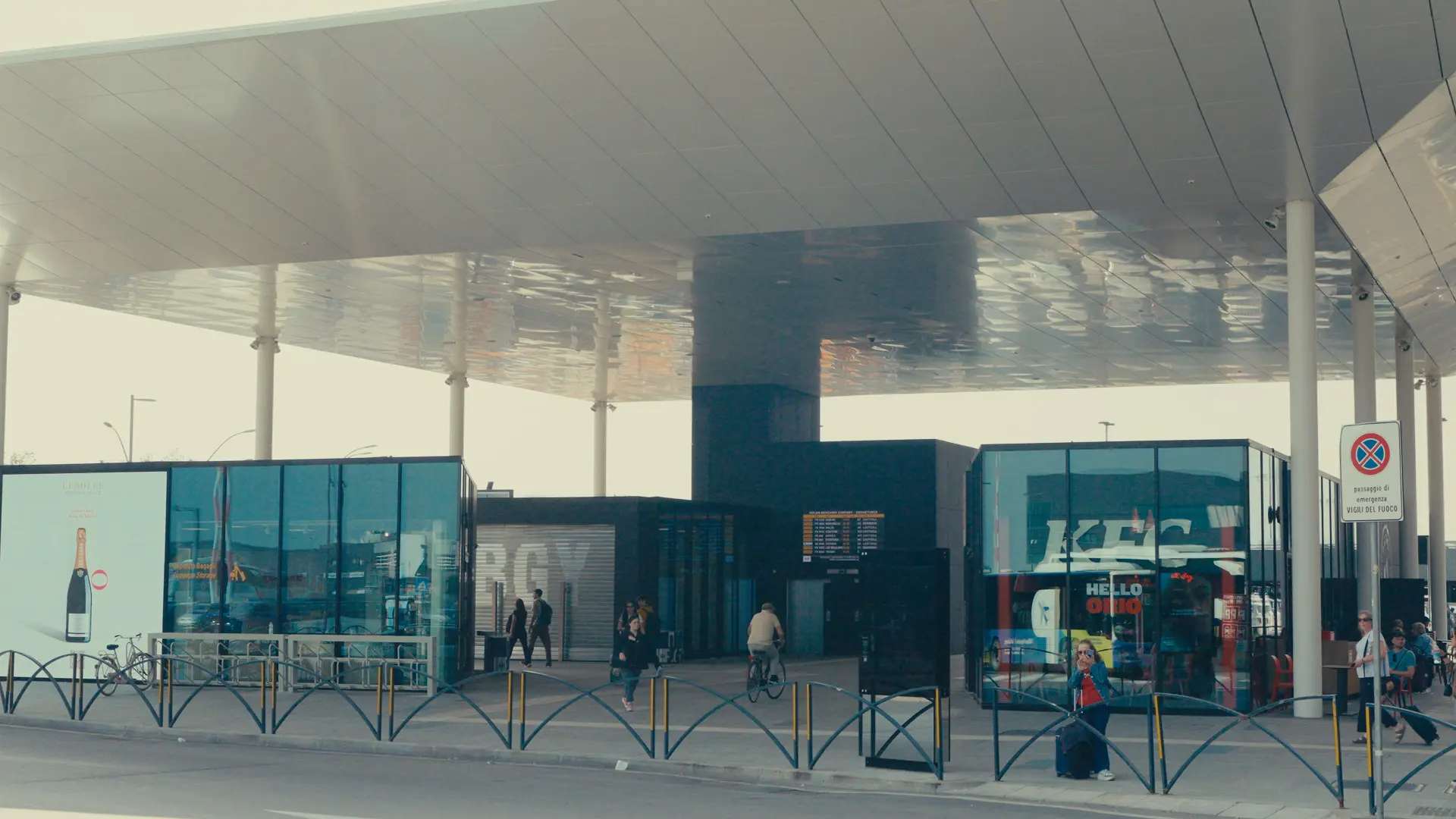
"The 2030 Airport Development Plan is still very relevant today, because in the next three years we will enter the final phase of its implementation. At the same time, we have already started a project that looks beyond, with a development proposal for 2043. As far as the 2030 Plan is concerned, one of the central issues will undoubtedly be that of accessibility to the airport. It is an approach that moves in full coherence with the construction of the railway link, although the latter is not directly part of our plan. In this context, the main front of intervention on our part will concern the modernization, reconstruction, enhancement and efficiency of the road system in front of the terminal. One of the most important projects will be the opening of accessibility from the east, both in and out. As early as the next few months, we will begin to put on the ground an intervention that will significantly change this configuration, expanding the methods of access to the airport and improving the management of flows. This is accompanied by another important project, also located in the eastern area of the airport, namely the construction of a multi-storey car park, intended to correspond to the future Parking 4. Also in this case, in the next three years we will enter an advanced phase of development, between design definition and start of implementation".
In the design outlined by the 2030 Plan, sustainability and innovation represent two increasingly central guidelines: how are they concretely guiding SACBO's infrastructural, technological and management choices?
"Sustainability and innovation are now two fundamental pillars, both in the Airport Development Plan 2030 and in the plan proposal for the following period. As far as sustainability is concerned, it is a real starting point, especially from an environmental point of view. Each development hypothesis is evaluated through precise calculations of the expected impacts. There is also sustainability in a broader sense, which also concerns social and socio-economic aspects. An airport not only affects itself, but also acts as a development activator for the territory, for the surrounding economic system and for the network of relationships that connects it to local communities. For this reason, sustainability can be read as a common thread that, on the one hand, sets very clear indications for development and, on the other, guides its value in terms of balanced and compatible growth. On the innovation front, the principle is similar: technology is also one of the guiding axes on the basis of which development plans are built. The airport must be increasingly imagined as a system in which spaces, processes and technological solutions evolve together. This applies both to operational efficiency and to the quality of the experience offered to passengers. Of course, there is a difference between short-term and long-term planning. In the short term, it is easier to identify technologies that are already mature and immediately adoptable. When, on the other hand, we work on more distant horizons, it is inevitable to move also on the basis of scenarios and hypotheses, because technological evolution proceeds much faster than that of infrastructures. In short, sustainability and innovation guide SACBO's choices because they define both the limits within which development can take place and the opportunities through which this development can become more efficient, more responsible and more in line with the future needs of passengers, the airport and the territory".
In parallel with the airport's infrastructural transformation path, the Milan Bergamo Airport network also continues to evolve: what are the most significant directions of this development today and how is BGY strengthening its positioning through new connections, strategic markets and an increasingly wide and diversified network?
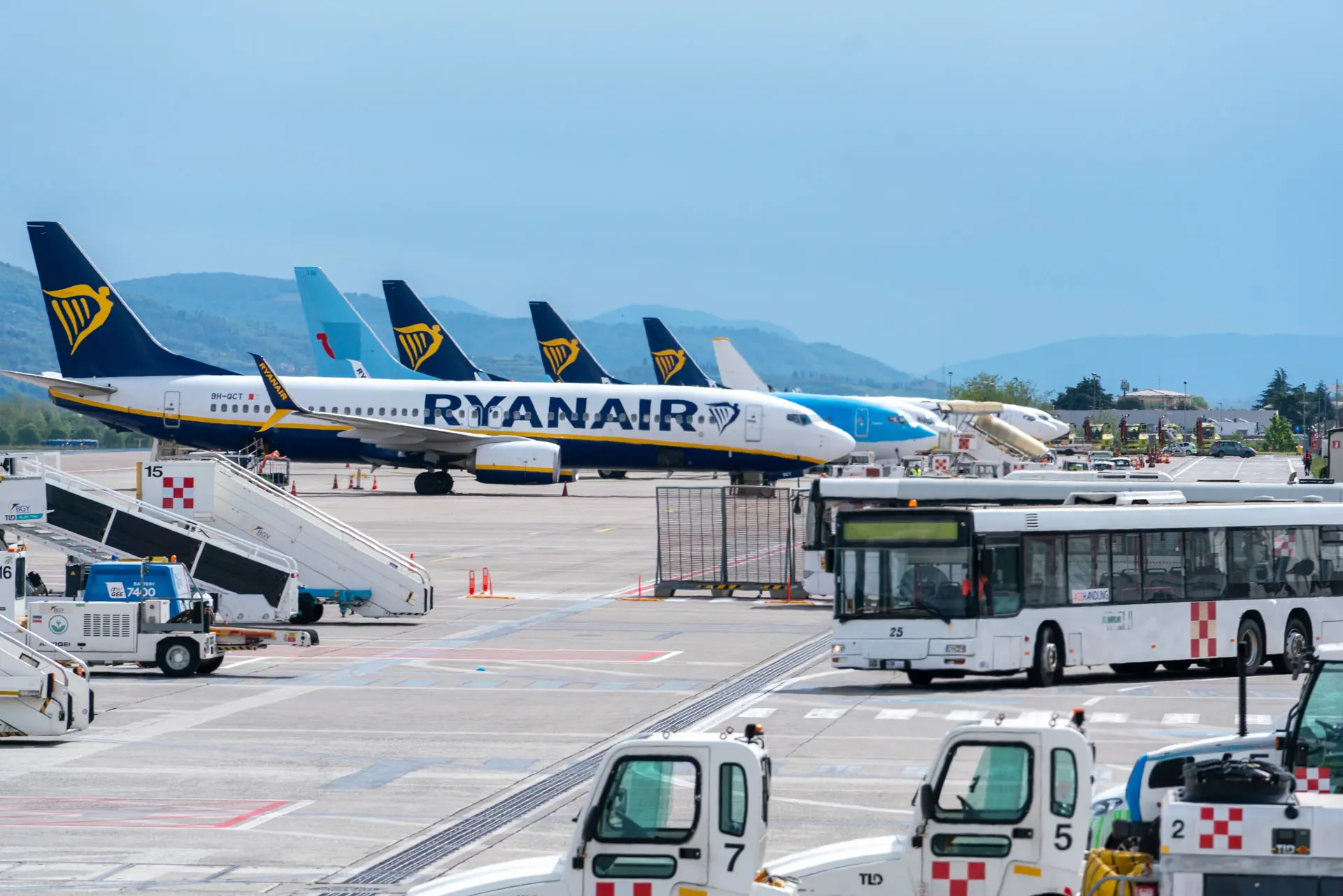
"The development path of the Milan Bergamo Airport network has always been very clear and continues to be so today. Our identity is based first and foremost on a broad, solid and highly diversified flight proposal within what I like to call an "enlarged Europe". This is the first major strategic axis in which we continue to invest: consolidating and strengthening an already very extensive short and medium-haul network, working not only on the opening of new destinations, but also on increasing frequencies to existing routes, because it is precisely the capillarity and variety of the offer that makes an airport truly attractive for passengers. From Bergamo, more than from other nearby airports, it is now possible to reach a very large number of destinations, over 150, at competitive costs. The richness of the proposal, in fact, is one of the elements that best define BGY's positioning and support its competitiveness. Alongside this first track, there is then a second development line that looks to a wider range, in particular towards the Gulf area. This is an important strategic evolution, because it allows us not only to invest in a region of great interest and attractiveness in itself, but also to open up further possibilities for connection to the East of the world through the hubs in that area. In this perspective, the strengthening of connections to the Gulf takes on a value that goes beyond the single route, because it expands the potential for access to more distant markets and destinations. The Bergamo model continues to focus with conviction on its historical identity, which has proven over time to be not only consistent and distinctive but also resilient. It is precisely this strong specialization in short and medium haul that has proved to be a strong point in very complex passages in recent years. It happened during the pandemic, when its network allowed Bergamo to restart earlier and faster than other airports, anticipating the recovery of pre-covid traffic levels by about 1 year".
If you had to imagine Milan Bergamo Airport at the end of the 2030 Airport Development Plan, what airport identity do you see emerging and what objectives do you consider really priorities today to reach that goal?
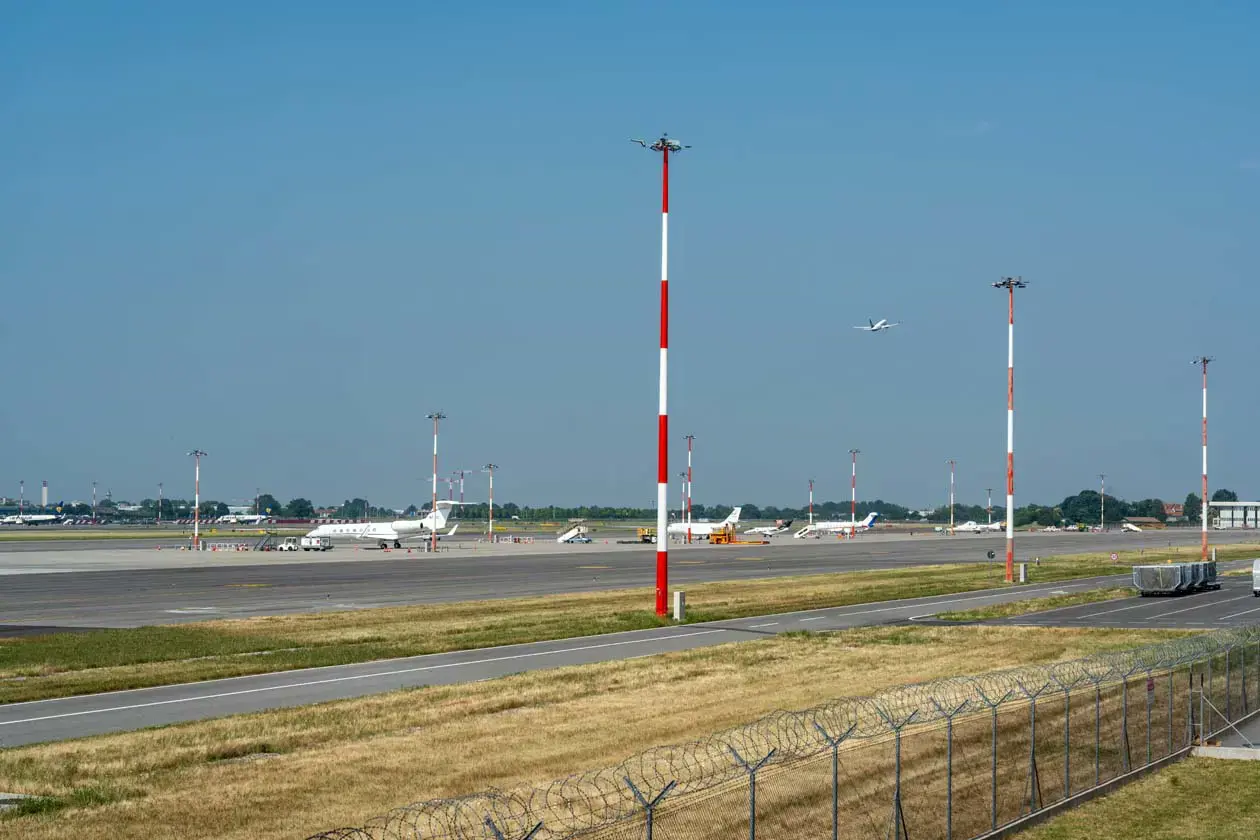
"At the end of the 2030 Airport Development Plan, I see the emergence of an airport with an even clearer, more organized and more efficient identity, capable of developing in a balanced way around three distinct but complementary businesses: commercial passenger flights, cargo and general aviation. One of the most important elements of this evolution will be precisely the functional and physical specialization of the different areas of the airport. The infrastructure will be increasingly organized between the southern area, mainly dedicated to commercial passenger traffic, and the northern area, intended instead for cargo activities and general aviation. This is a strategic distinction, because these three areas respond to very different operational, logistical and commercial needs and therefore require specific spaces, processes and access methods. This separation will not only concern the infrastructure in the strict sense, but also the accessibility to the airport, which will become increasingly targeted and consistent with the different functions. It is a decisive step and has already recently taken place, while in the past the three businesses gravitated to a much more concentrated extent in the same area, with inevitable limits especially for cargo and general aviation. The new configuration, on the other hand, will make it possible to give each segment its own more autonomous, more orderly and more effective development path. It is precisely this ability to diversify that will further strengthen the identity of Milan Bergamo Airport. In summary, the airport we imagine at the end of the 2030 route is a more specialized, more accessible airport, more balanced in the distribution of its functions and stronger in its ability to support, in parallel, passenger traffic, cargo and general aviation. This, today, is the direction that we consider a priority to accompany the future of BGY in a concrete and solid way".
Partnership with Booking.com / Travelpayouts
Hotels