
Milan Bergamo Airport, behind the scenes of an efficient airport
When an airport is running well, the passenger immediately perceives it: smoother routes, more manageable times, orderly processes and a simpler travel experience.
Behind this balance there is a complex operational work, which requires vision, coordination and the ability to intervene promptly. We talk about it with Alberto Cominassi, Chief Operating Officer - Deputy Accountable Manager of Milan Bergamo Airport, to better understand what happens behind the scenes of the airport and how the operational organization translates, every day, into more efficient services for travellers.
To help passengers better understand the "behind the scenes" of the airport, can you tell us what your role as Chief Operating Officer - Deputy Accountable Manager entails and what are your main responsibilities?
"The COO oversees all operational activities related to the main operations that take place at the airport both in the terminal area and on the aprons, ensuring that the processes are efficient, punctual and in line with the company's objectives. In addition, he translates the decisions of top management into concrete activities, works in coordination with different departments (maintenance, safety, security, human resources). Finally, it monitors various indicators such as airport punctuality, quality of services (e.g. queues at security checks and check-in) and operating costs. In the panorama of mandatory functions provided for by European legislation, he holds the role of Post Holder Movement and Terminal Area, Emergency Manager, as well as that of deputy of the Accountable Manager. This involves overseeing the Safety Management System (SMS), managing operational risks, interfacing with regulatory authorities, decision-making in critical situations, and planning for business continuity and emergency management".
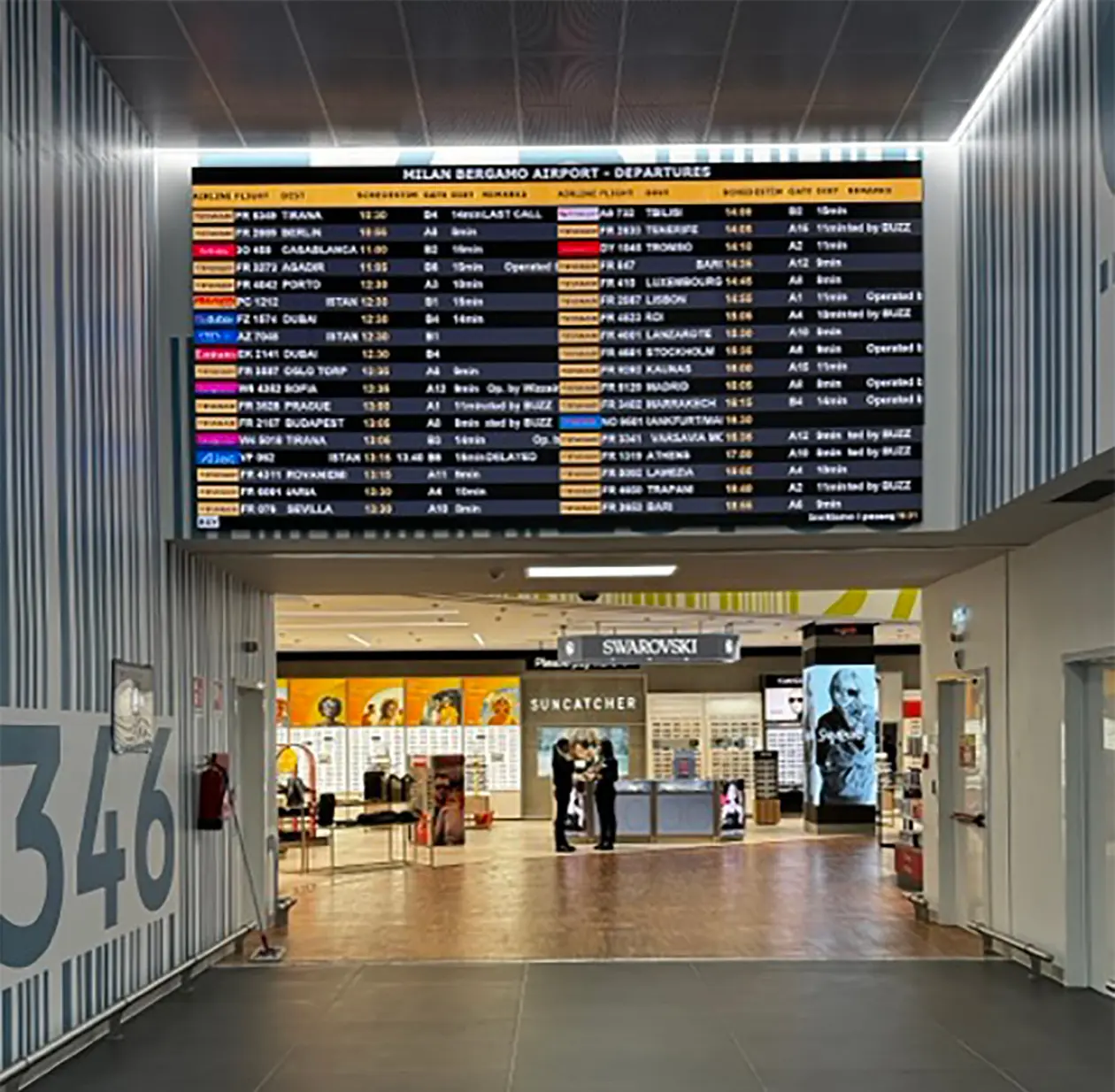
How important is coordination between the different parties operating at the airport (airlines, handlers, security, control bodies and passenger services) to ensure a smooth travel experience?
"Coordination between the different parties operating at the airport is crucial to ensure a truly seamless travel experience. An airport is a complex system in which different actors coexist and interact - airlines, handlers, control bodies, manager - each with specific but deeply interdependent responsibilities. From the passenger's point of view, travel is perceived as a single and continuous process: arrival at the airport, check-in, security checks, boarding and departure. In reality, each of these phases is managed by different parties. If coordination works, this complexity remains invisible and the experience appears linear; if, on the other hand, it breaks, discontinuities, expectations and confusion immediately emerge. Even a slight delay in one of these steps, if not managed and compensated for in a coordinated way, can propagate and amplify along the entire operational chain. When delays, cancellations or critical situations occur, the difference between a minor disruption and a negative passenger experience lies precisely in the ability of the different actors to react in a coordinated manner. The reallocation of gates, the rescheduling of flows, the management of passenger information require quick and shared decisions between all those involved. In this context, the role of the airport operator and in particular of the COO is to orchestrate this system, creating alignment mechanisms, operational coordination tables and shared planning and monitoring tools. This also takes place in compliance with the rules and under the supervision of bodies such as ENAC, while the management of air traffic flows is coordinated with ENAV".
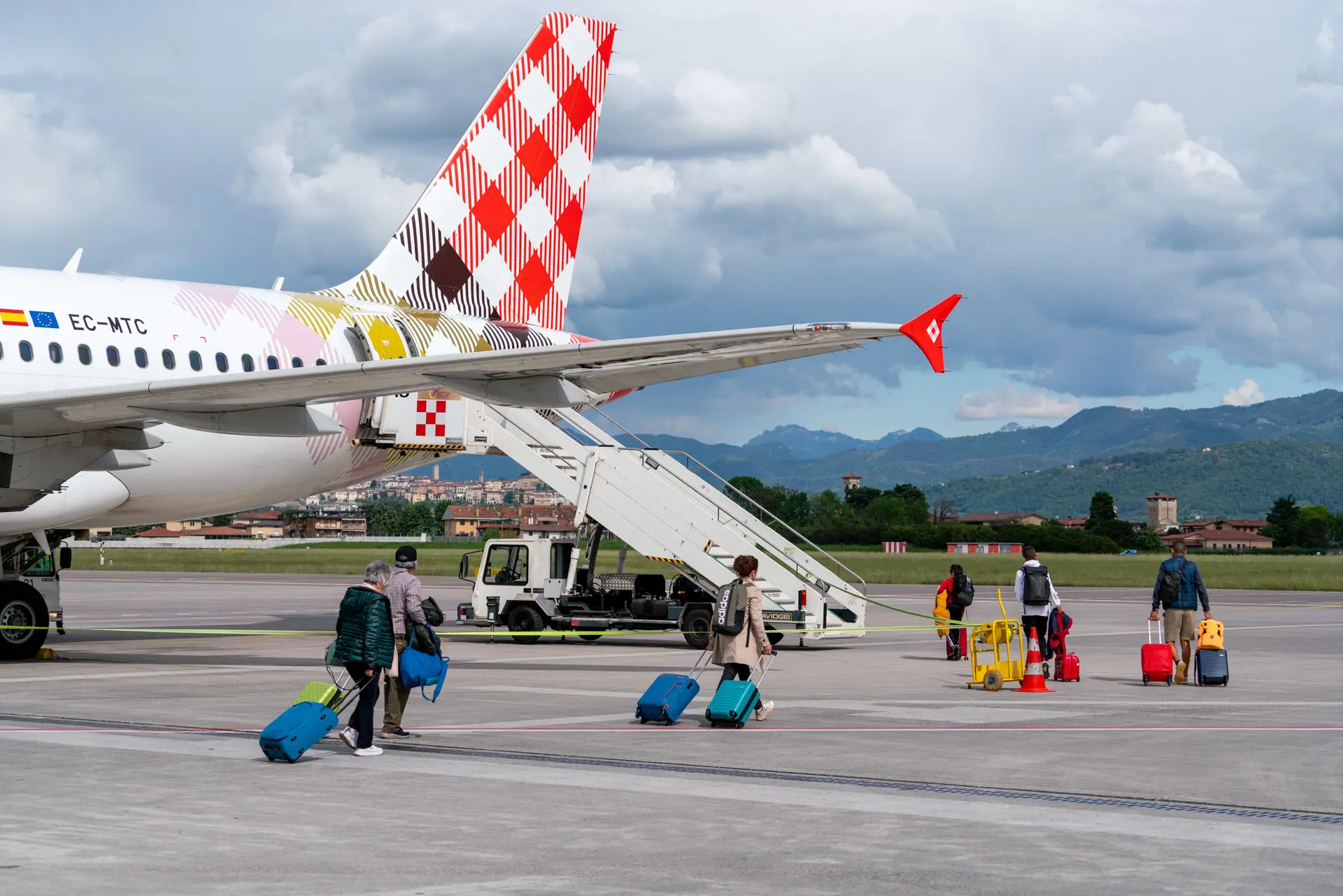
What are the operational aspects that make passengers perceive an airport as efficient, orderly and easy to live in?
"One of the most obvious factors is the fluidity of the paths. When the passenger manages to move without uncertainty from the entrance to the boarding gate, without confusing intersections or congestion, he immediately perceives order and control. This depends on how flows are designed and managed, proper distribution of flights at gates, and smart use of terminal space. Another key element is time, especially waiting time. Contained and flowing queues at security checks, check-in or boarding make the airport perceived as efficient. When the times are consistent and do not generate stress, the experience becomes more serene. The clarity of information also has a great impact. Intuitive signage, real-time displays and consistent communication allow the passenger to find their way around without difficulty. Flight punctuality is another key indicator and is influenced by the airport's operational efficiency, in particular turnaround management and the ability to keep all activities in sync. However, the airport is often a "victim" of the inefficiencies generated in other airports and indirectly pays the consequences. Cleanliness, visual order, absence of crowds and balanced management of spaces contribute to creating a feeling of comfort. These elements are also the result of operational choices: scheduling cleaning, managing flows, allocating waiting areas. Finally, the ability to handle irregularities makes a big difference. An efficient airport is not one where nothing unexpected ever happens, but one that can react quickly and in an organized way when something changes. If a delay or gate change is handled promptly and clearly, the impact on the passenger experience remains contained".
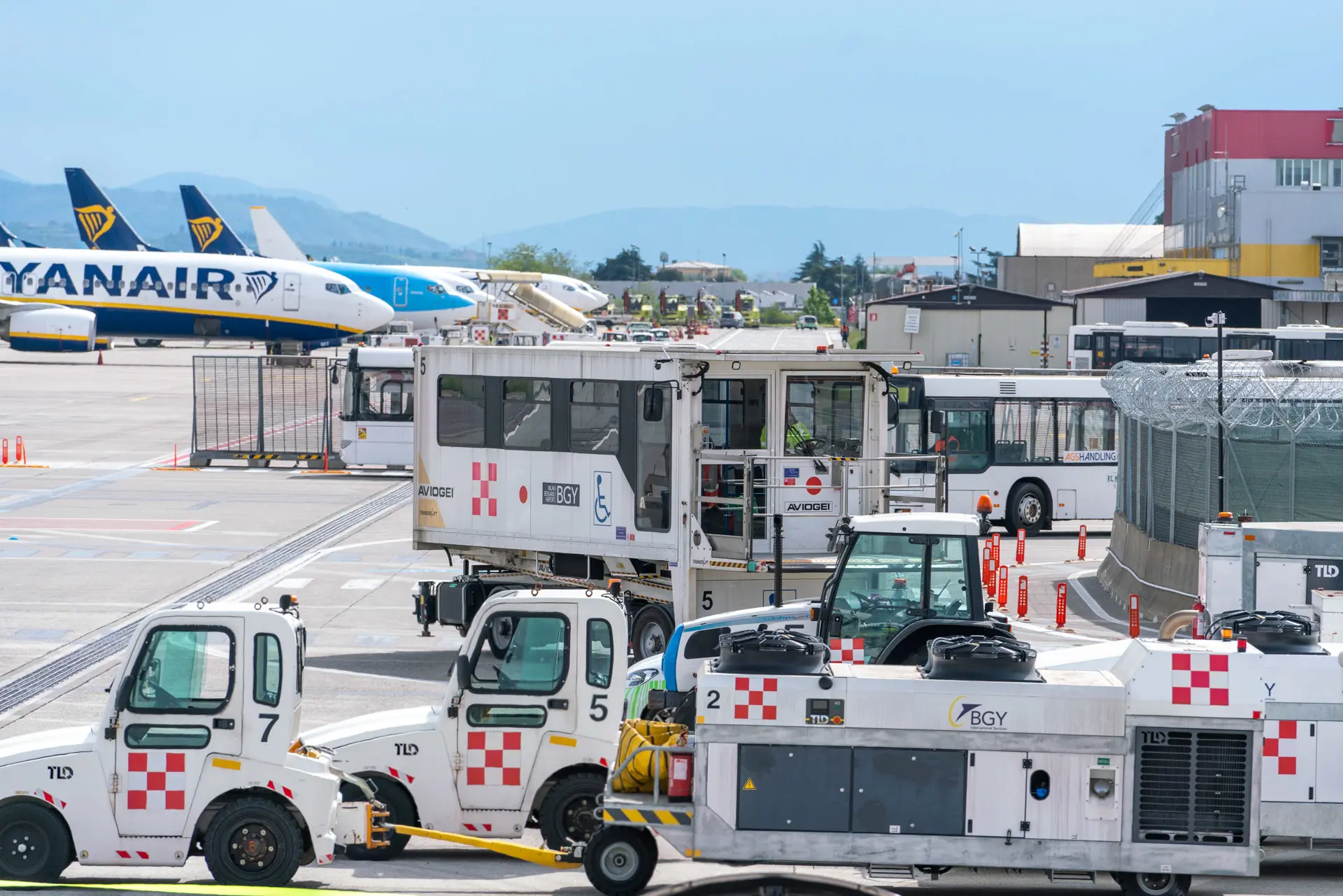
Are there times of the year, time slots or particular situations in which operational work becomes even more delicate? How is complexity handled during busy periods?
"Certainly the summer season and the Christmas holiday period represent the periods of greatest traffic intensity. In these conditions, complexity increases because all resources - infrastructure, personnel, yards, gates - are used to their maximum capacity. Even the slightest inefficiency or delay can quickly propagate and generate ripple effects across multiple flights and airport areas. To manage this complexity, operational work is prepared well in advance through very detailed planning. Traffic forecasts are analyzed to define the sustainable capacity of the airport and correctly size resources and shifts. This means, for example, strengthening the workforce in the most critical points, reviewing and optimizing the allocation of infrastructure. During peak periods, real-time coordination between all the actors in the port becomes even more central. This flexibility is essential to absorb any misalignments between planned and real. Finally, in the most complex moments, the ability to manage irregularities becomes crucial. In the airport context, in addition to seasonal and hourly peaks, there are situations in which operational complexity increases suddenly and much more critically. Events such as intense thunderstorms, severe weather phenomena, technical problems - for example unavailability or degradation of radar systems or other equipment - and operational emergencies represent times when the entire system is put under great stress. Thunderstorms, in particular, have an immediate impact on the airport's capacity. They can impose restrictions on aircraft movements, slow down or temporarily suspend ramp operations for safety reasons, and generate chain delays. Technical situations such as radar malfunction or limitations of air traffic control systems directly affect the management of incoming and outgoing flows. Even if the passenger is not aware of it, these conditions can significantly reduce the number of movements allowed and require close coordination with ENAV to reshape traffic sequences and redefine operational priorities. Emergencies, which can concern health, technical or safety aspects, represent the highest level of complexity. In these cases, codified procedures and emergency plans come into play that provide for the coordinated involvement of all parties present at the airport, under the supervision and in compliance with the indications of the competent authority, such as ENAC. The goal is to manage the event quickly and structured, always guaranteeing absolute priority to safety".
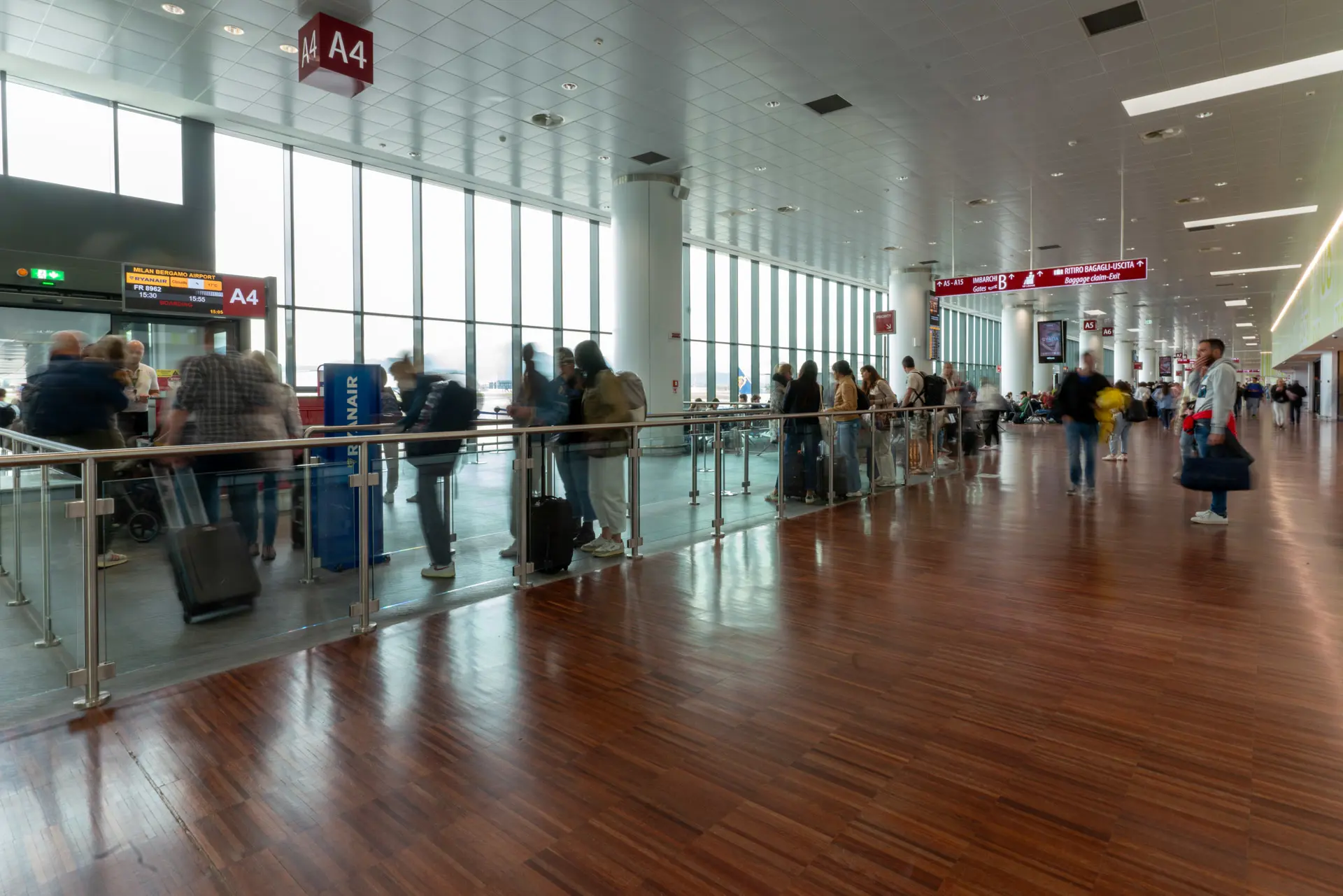
Behind the proper functioning of an airport there is also the ability to deal with critical issues in real time: can you share a significant example of a complex situation resolved quickly, limiting the impact on operations and passenger experience?
"On January 3 of this year, due to a failure of the instruments that allow landings to be managed in conditions of low visibility (fog), among other things under the responsibility of a third party unrelated to the Airport Operator, all landings were blocked for about 4 hours with diversion to other neighboring airports of over 30 flights. Consequently, even the departures could not take place as there were no aircraft present at the airport that were supposed to make the flights. In a short time, the terminal was filled with thousands of travellers who could not leave. We have therefore activated the emergency assistance plan involving various airport stakeholders to offer correct and timely information to all passengers and coordinate re-routing until the fault is resolved. The wave of delays then continued for over 12 hours, seeing dozens of employees of the Airport Operator in the field to provide assistance".
How much of the work of the operations management consists in preventing problems before they arise, rather than solving them when they are already visible to passengers?
"Most of the operational criticalities - delays, queues, congestion, misalignments between gates and flights - can be anticipated and mitigated through careful planning, consolidated procedures and constant monitoring. Prevention means first of all analyzing historical traffic and performance data, predicting seasonal or hourly peaks and sizing the necessary resources in advance: personnel, vehicles, infrastructure. It means clearly defining passenger and aircraft flows, correctly distributing stands and gates to minimize interference between operations. Another preventive aspect concerns the maintenance and management of critical infrastructures and systems, such as radars, communication systems or security equipment. Periodic checks, back-up tests and scheduled maintenance interventions serve to drastically reduce the likelihood of malfunctions during operations, preventing passengers from perceiving problems that could interrupt the continuity of services. Staff training is also part of this preventive logic: training operations, security and handling teams to follow standardized procedures and manage any deviations reduces the risk of errors or delays".
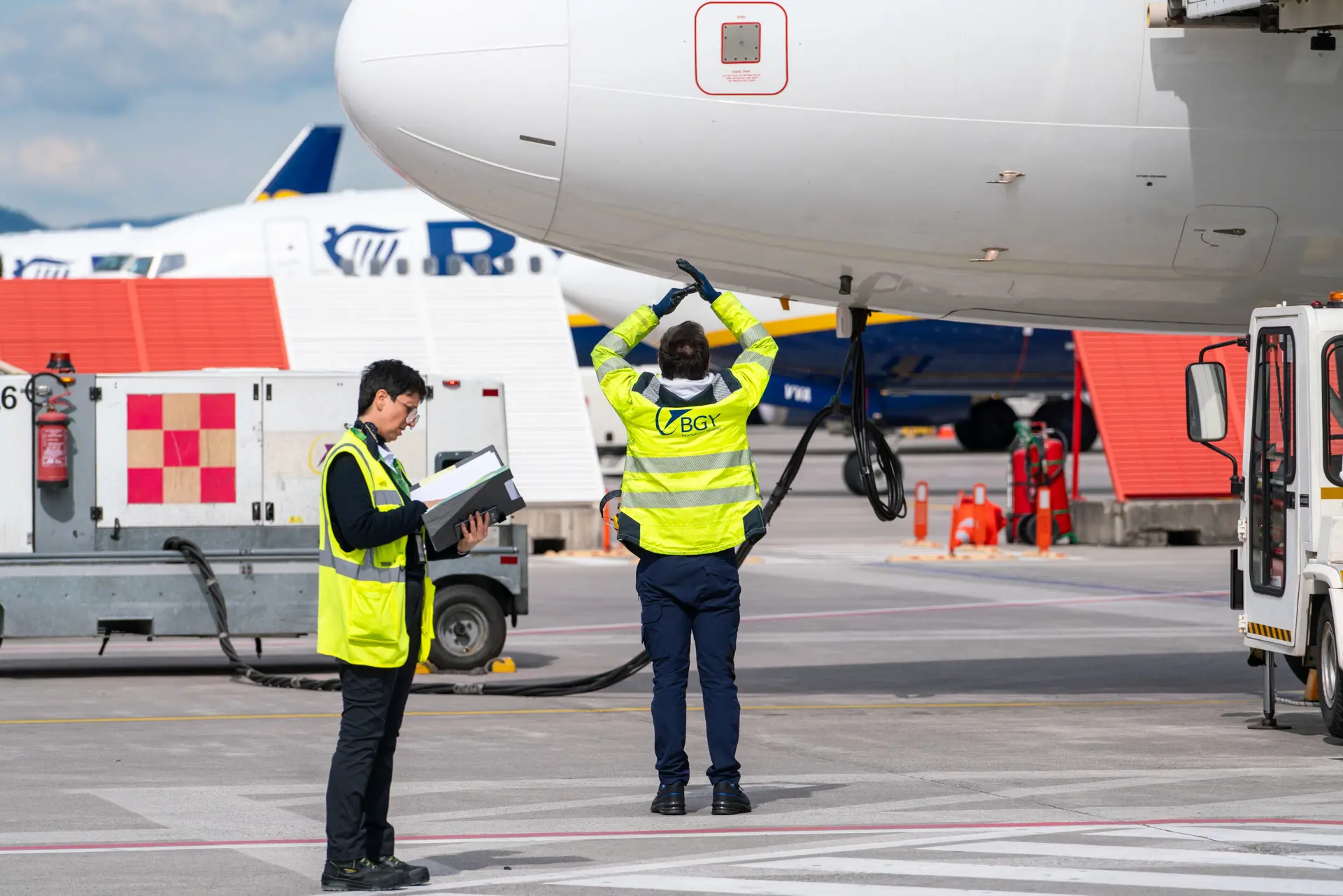
How are innovation, digitalisation and new technologies changing the work of airport operations management?
"Innovation, digitalisation and the adoption of new technologies are profoundly transforming the work of operations management at airports, making day-to-day management more efficient, planning more precise and the passenger experience smoother. A key aspect concerns the collection and analysis of data in real time. Advanced Flight Monitoring (AVIO), Passenger Flow and Ramp Operations Systems allow the COO and Operations teams to have a complete and up-to-date view of the airport, detecting potential issues before they become obvious problems. This allows for proactive interventions, such as immediate reallocation of gates, staff or vehicles, reducing delays and congestion. The digitization of operational processes simplifies and automates many traditionally manual tasks. Automated check-in, electronic baggage management and automated resource allocation systems (stands, gates, baggage reclaim belts) reduce errors, speed up operations and improve the overall efficiency of the airport. The management of operational KPIs also becomes faster and more accurate, thanks to integrated dashboards that show punctuality, turnaround times, gate occupancy. New predictive technologies, such as artificial intelligence algorithms and flow simulation models, make it possible to anticipate traffic peaks, congestion in terminals or possible disruptions due to adverse weather conditions".
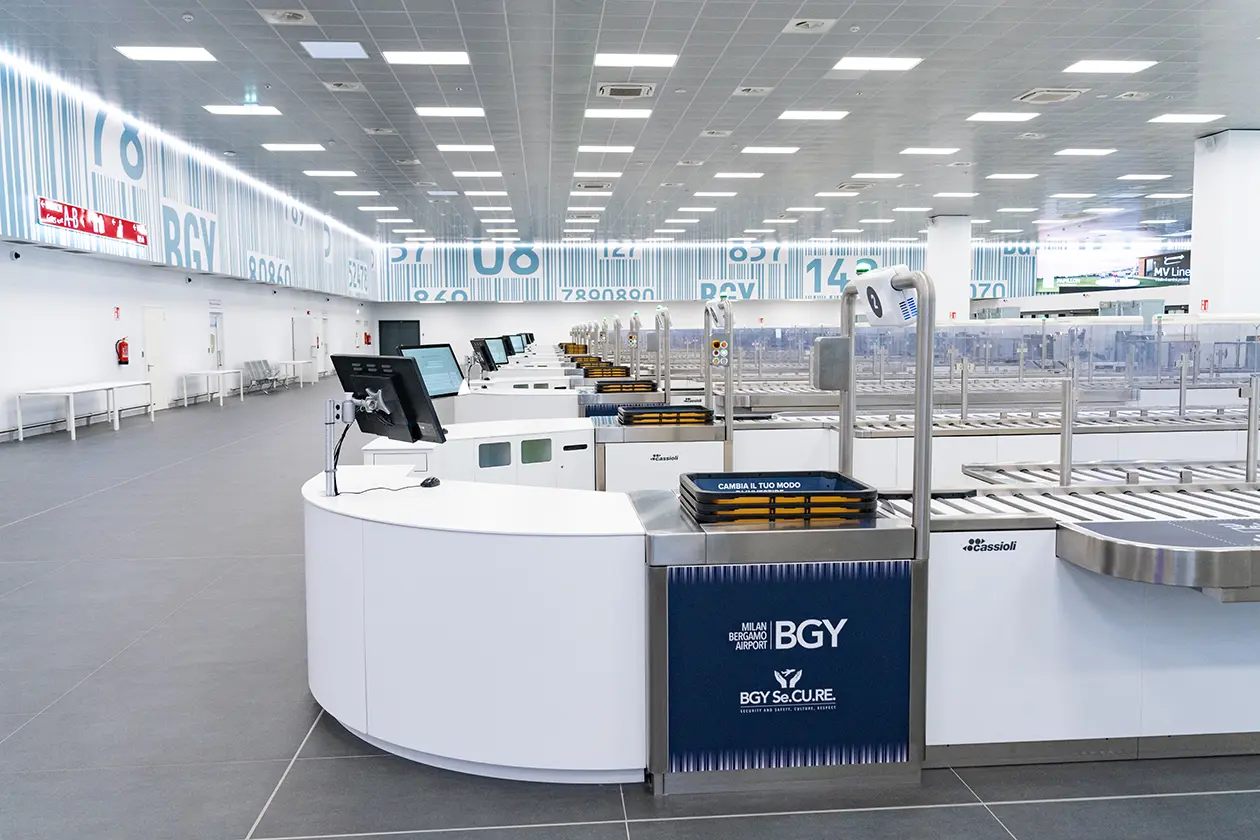
The new departures terminal has introduced an important evolution in security checks, check-in, baggage management and real-time flow monitoring: from your point of view, how are these interventions changing the airport's operations and concretely improving the passenger experience?
"The expansion of the departures terminal, with the new latest generation X-ray machines and the increase in the spaces dedicated to security checks, the increase in the number of check-in counters, is profoundly transforming the airport's operations and the passenger experience. Security controls with advanced scanners and automated roller conveyors that allow the processing of a significantly greater number of passengers, reduce waiting times and allow traffic peaks to be managed without creating congestion. This frees up operational resources, which can be reallocated to other critical activities, such as passenger assistance, increasing the overall efficiency of the airport. Check-in and baggage handling, thanks to digital and automated systems, allow for a faster and safer flow. The possibility of self-check-in, also via app, reduces queues and simplifies the experience, increasing the perception of order and control".
Looking ahead to the coming years, what are the operational priorities on which you are working the most to accompany the growth of Milan Bergamo Airport and make the passenger experience increasingly fluid and efficient?
"From a capacity perspective, we are working to ensure that the infrastructure is always adequate for the increase in flights and passenger numbers, especially during peak seasonal periods. This means planning infrastructure expansions, optimising the use of existing space and introducing flexible solutions that allow sudden peaks to be absorbed without creating congestion. On the operational efficiency front, the priority is to continue to leverage innovation and digitalization to make all processes faster and safer. We are implementing increasingly advanced predictive analysis systems to anticipate critical issues and intervene before they impact passengers. Standardization and optimization of processes, together with targeted staff training, remain key elements to reduce errors and delays".
Partnership with Booking.com / Travelpayouts
Hotels