Basilicata among castles, villages and landscapes: a journey into the heart of the Middle Ages
Medieval castles, abbeys, villages, volcanic landscapes and ancient pilgrimage routes design a new itinerary to discover Basilicata. From Matera to Vulture Melfese and Alto Bradano, the journey follows the traces left by the Normans and Swabians and connects some of the most significant places in the medieval history of Basilicata with nature, culture and food and wine.
To build this new travel geography is "Basilicata, Land of Kings", a project promoted by the Basilicata Region and coordinated by the Matera Basilicata 2019 Foundation as part of "Fantastic Middle Ages". The initiative networks 14 municipalities and prepares an offer of experiences that will be fully active from Easter 2027, in view of the celebrations of the European Year of the Normans - Millénaire Guillaume, in which Basilicata will participate thanks to the protocol signed with the Normandy Region.
Alongside the Middle Ages, "Basilicata Motherland. Living Heritage" instead offers a contemporary reading of the Lucanian landscapes, using photography, art and artificial intelligence to tell the woods, coasts, stone and symbolic places of Basilicata.
Melfi, in the footsteps of Frederick II
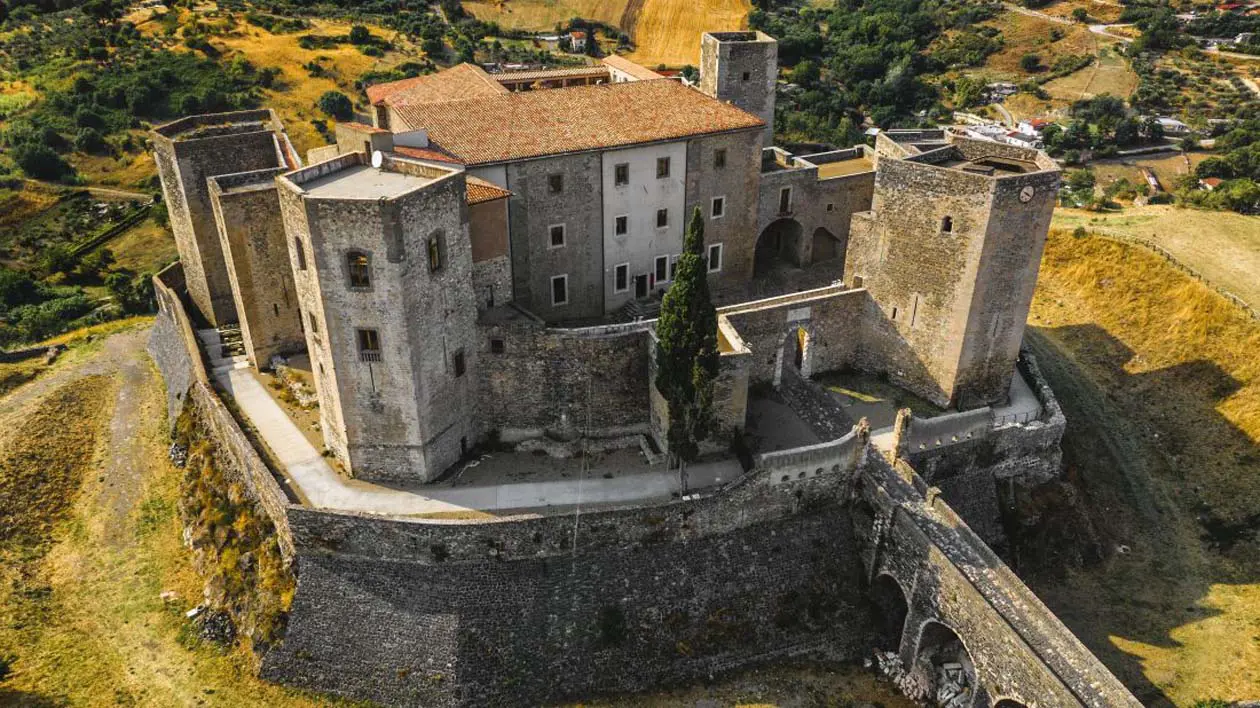
One of the central stages of the journey is Melfi, a city deeply linked to Norman and Swabian history. In its castle, one of the itineraries of the Multimedia Castles Circuit will take shape, dedicated to the genesis of the Melfi Constitutions of 1231, issued by Frederick II and destined to return to the center of attention in 2031, when their 800th anniversary will occur.
Melfi will also be one of the venues for the major exhibition dedicated to the Norman-Swabian age, scheduled from December 2026 to May 2027 and curated by the Directorate General for Museums of the Ministry of Culture. The exhibition will be distributed between the "Pallottino" Museum, the Swabian Castle of Melfi and the Former San Rocco Hospital in Matera.
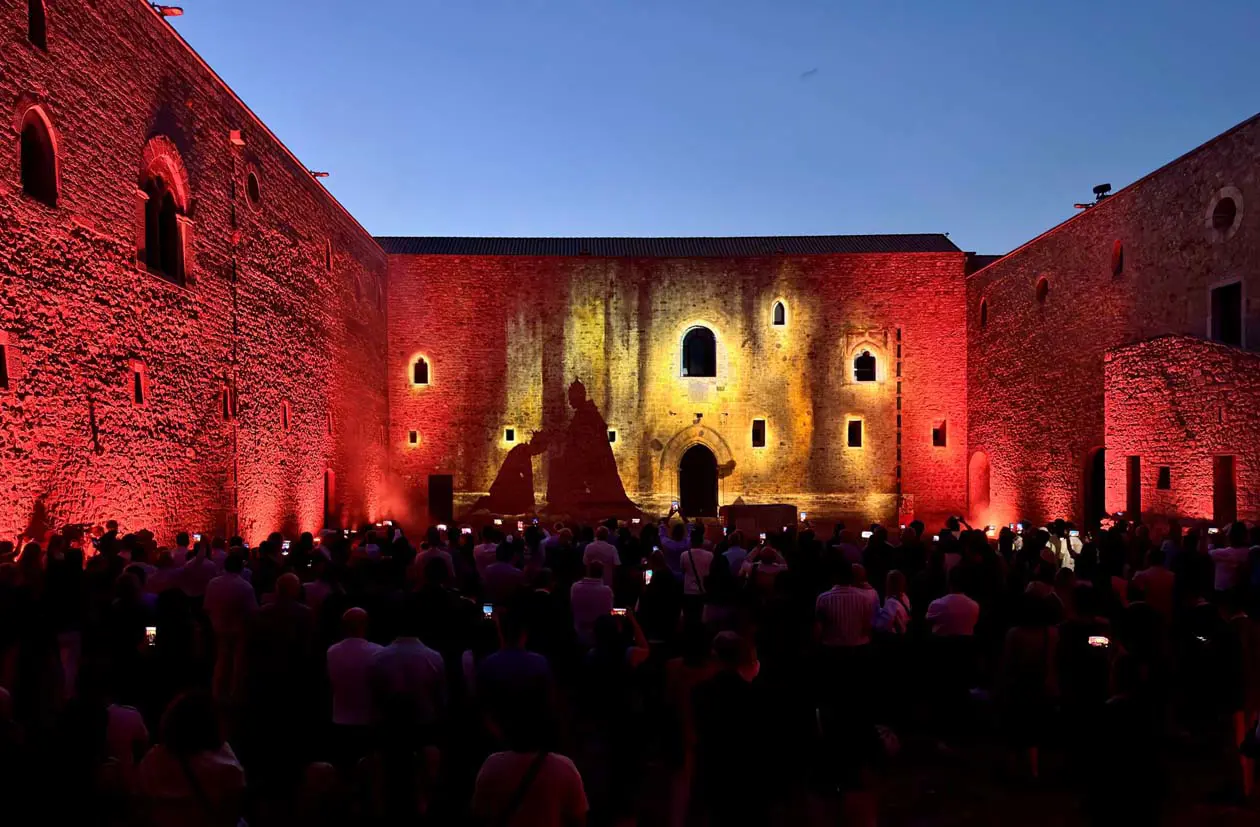
Lagopesole, Palazzo San Gervasio and Monteserico
The journey through the medieval fortresses continues in Lagopesole, where the story will be dedicated to falconry and court life, flanked during the summer season by a video mapping.
At Palazzo San Gervasio, the Palazzo Marchesale will instead be linked to the themes of courtly love and medieval architecture, while the Castle of Monteserico will tell the landscape as a hinge between East and West. These are places that allow you to cross the Lucanian hinterland following a plot of castles and fortified architecture, relating history and territory.
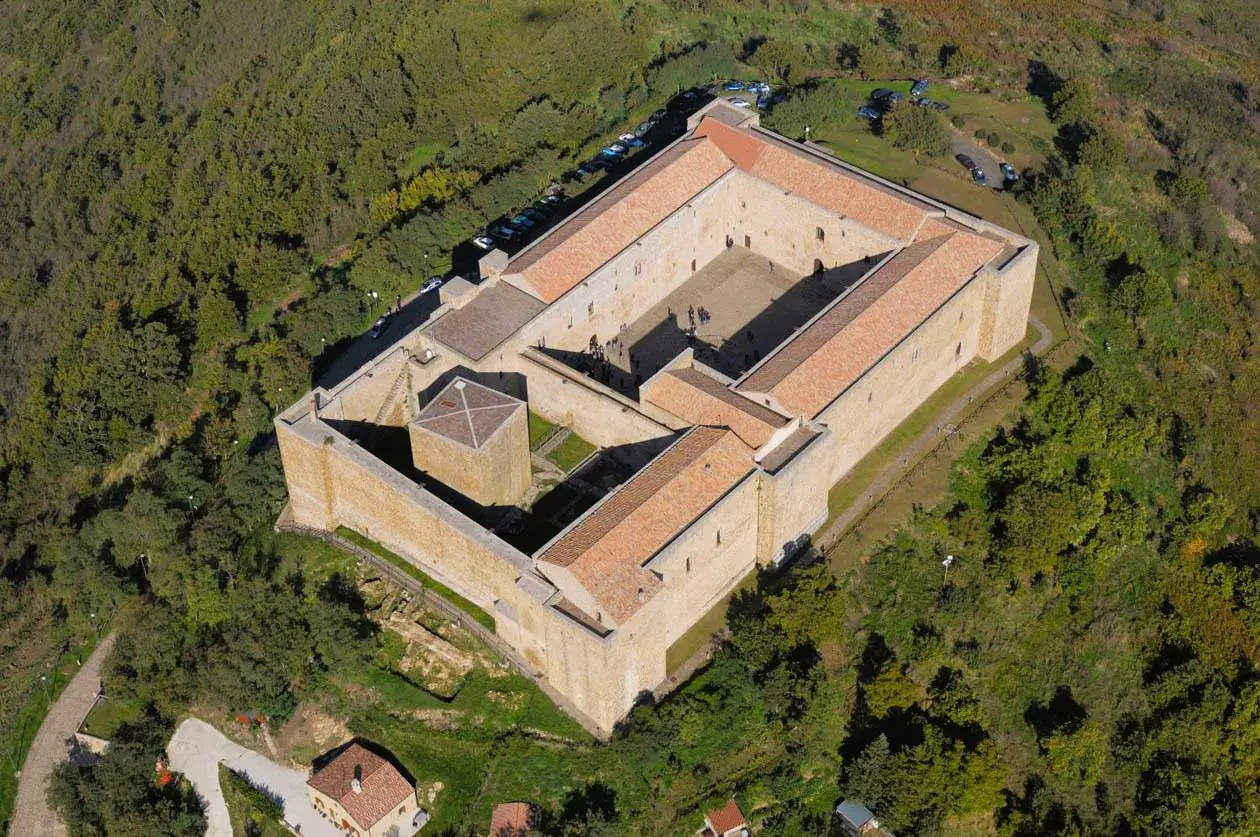
Venosa and Acerenza on the trail of the Altavilla
Another itinerary will follow the events of the Altavilla, crossing some of the symbolic places of the Norman presence in Basilicata.
From Melfi, linked to the Papal Councils, the route will reach Venosa, with the Abbey of the Trinity, referred to as the pantheon of the dynasty, and will continue towards Acerenza, dominated by its large Romanesque Cathedral. The route will be one of the common threads of the 2027 celebrations and will allow you to read the territory through monuments and cities that played an important role in the history of medieval southern Italy.
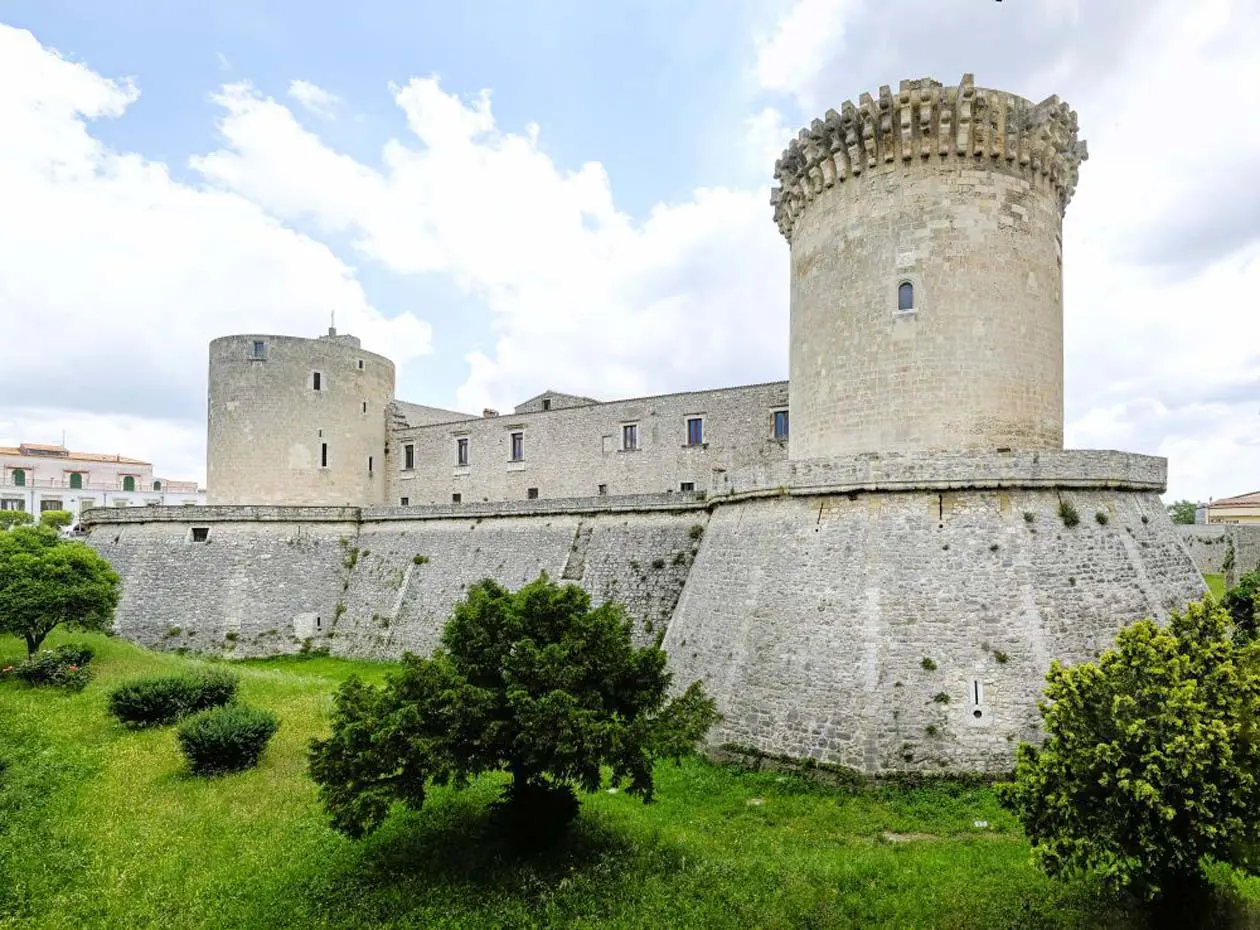
Monticchio, Matera and Montescaglioso: the places of the sacred
Next to the castles, an itinerary dedicated to the sacred places takes shape, including cathedrals, abbeys, rock heritage and the Via Francigena.
In Monticchio, in the volcanic landscape of the Vulture, the Abbey of San Michele Arcangelo is part of the evocative context of the extinct volcano. The route continues towards the rock complex of Matera and reaches the Abbey of Montescaglioso, composing an itinerary in which spirituality, architecture and landscape become part of the same travel experience.
The Vulture between volcanic landscape and Aglianico
The medieval heritage also meets one of the most characteristic landscapes of the region: the Vulture. The volcanic area, the fortifications, the villages and the production of Aglianico add a food and wine dimension to the trip. The press release also links this territory to the call "Italian City of Wine 2026", including wine among the elements that accompany the discovery of historical places. The Vulture thus becomes one of the territories in which it is easier to combine cultural visits, landscape and local products.
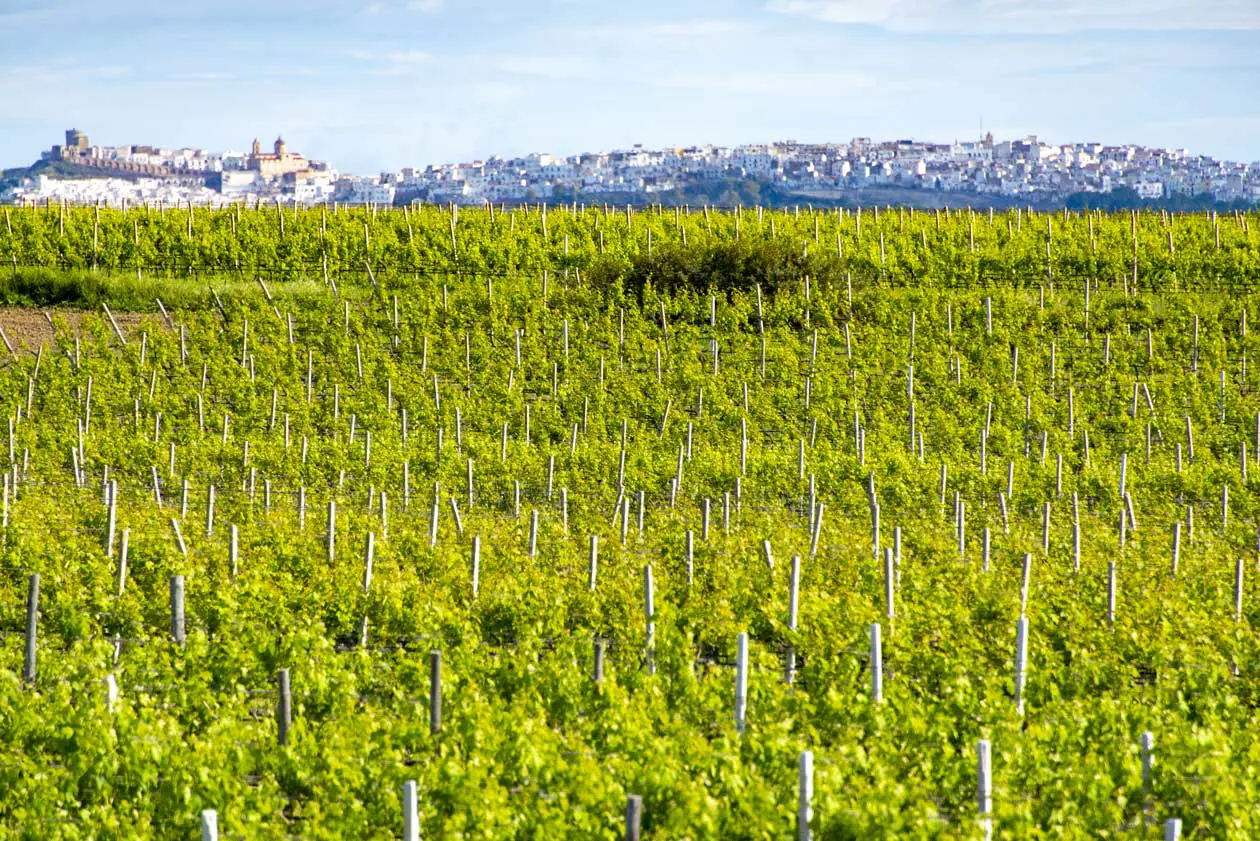
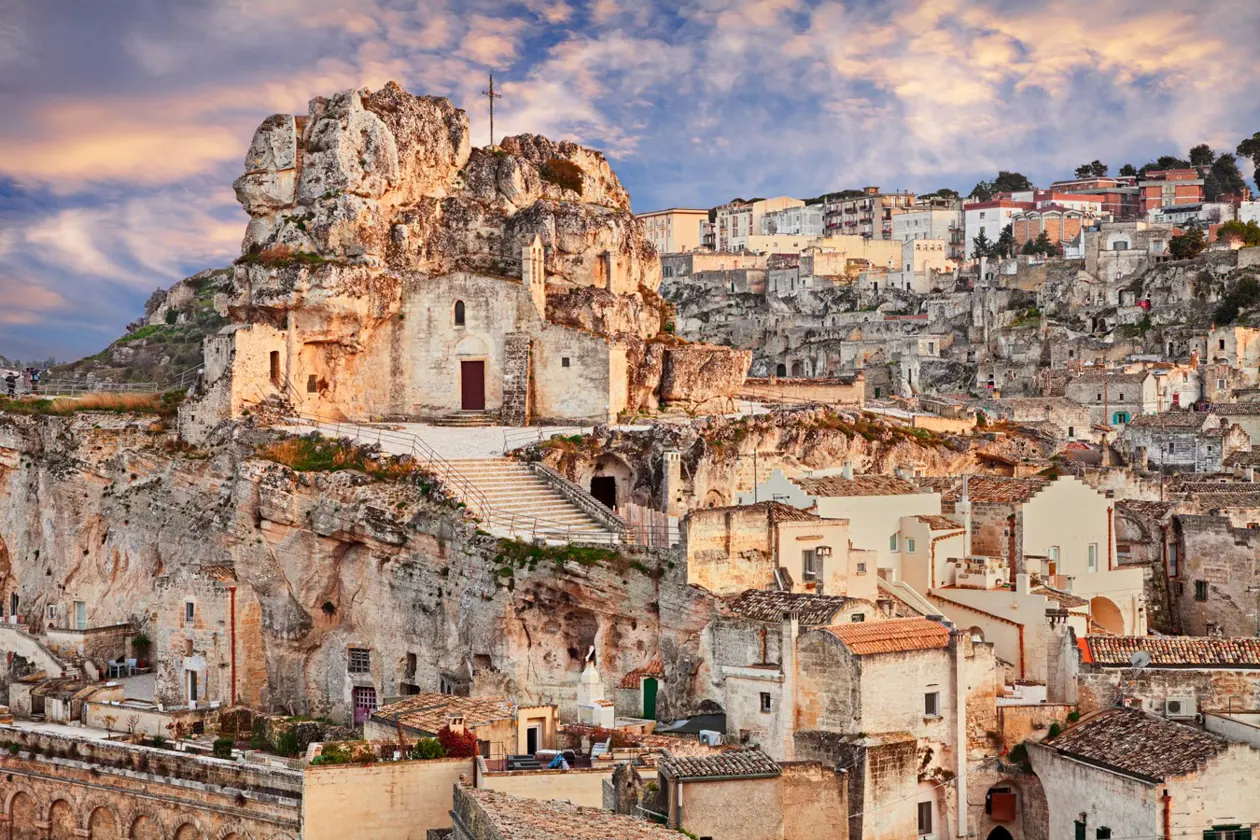
Matera, from the rock heritage to the Middle Ages
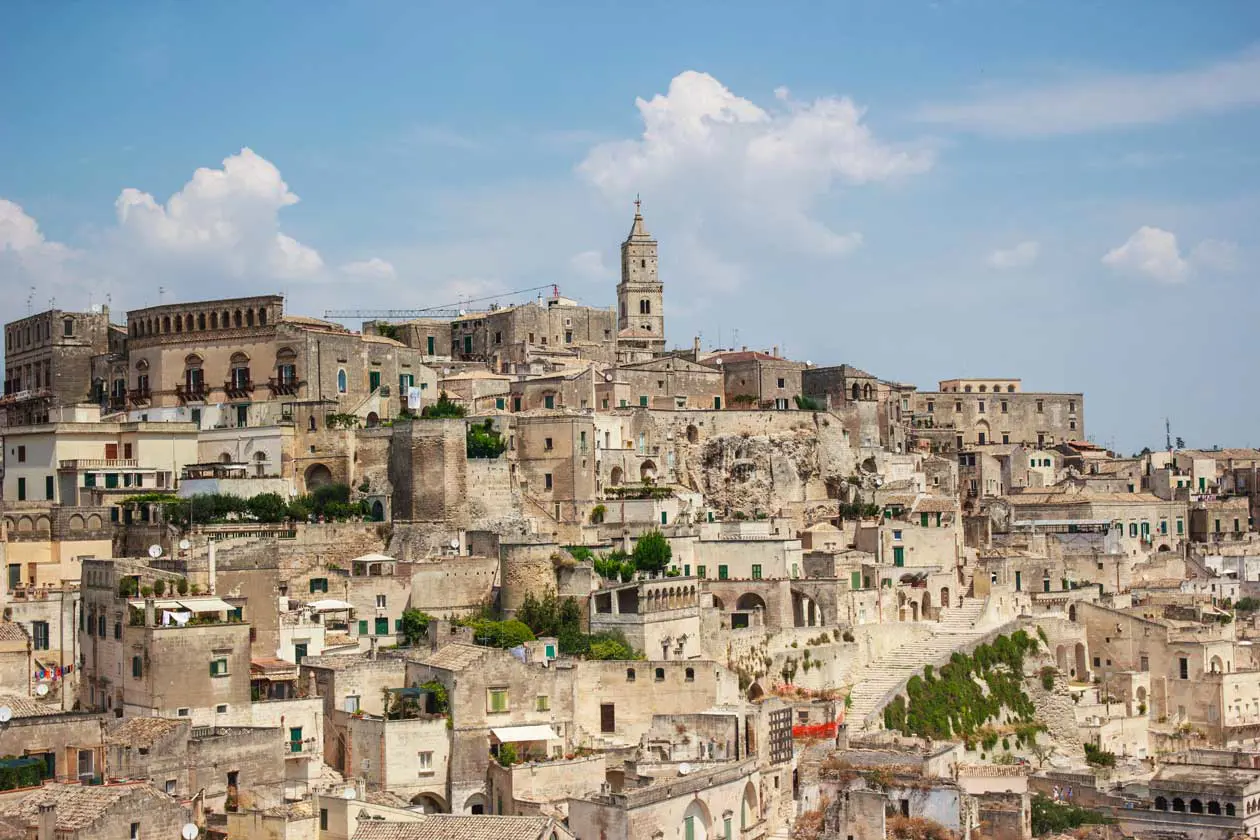
Matera is one of the main access points to this itinerary. The Sassi and the rock heritage can become the starting point for extending the journey to the Alto Bradano and the Vulture Melfese, connecting the city to a wider network of castles, abbeys and villages.
Between December 2026 and May 2027, the Ex Ospedale San Rocco will also host a section of the great exhibition dedicated to the Norman-Swabian age, at the same time as the Melfi installations.
A Middle Ages also told through fantasy and comics
Medieval history will also be proposed through contemporary languages. The "Fantastic Middle Ages" project includes exhibitions dedicated to fantasy imagery, from Tolkien to Harry Potter, together with a thematic festival with cosplayers and game designers. A special comic book release by Martin Mystère, a character from Sergio Bonelli Editore, is also scheduled for December 2026. The goal is to combine the historical reading of the territory with a language capable of also involving families, young people and pop culture enthusiasts.
Over 20 historical re-enactments between July and October
Another component of the journey will be represented by historical re-enactments. Over 20 period events, referring to events between 1040 and 1485, will be brought together under the Basilicata Medievale brand, with a calendar of parades, tournaments and historic villages distributed between July and October. For those planning a trip during the summer or early autumn, these events will therefore offer the opportunity to combine the visit of medieval places with events set in the same historical contexts.
The 14 Municipalities of "Basilicata, Land of Kings"
The project involves a total of 14 municipalities between Vulture Melfese, Alto Bradano and Matera:
Acerenza, Avigliano, Banzi, Forenza, Genzano di Lucania, Irsina, Lavello, Melfi, Palazzo San Gervasio, Rapolla, Venosa, Rionero in Vulture, Atella and Matera. Together they form the territorial network through which castles, historical and spiritual itineraries, re-enactments and cultural initiatives will be developed.
From Pollino to Maratea, the landscapes of Basilicata Motherland
The medieval dimension is flanked by "Basilicata Motherland. Living Heritage", created in view of the Region's participation in Expo 2025 Osaka and subsequently transformed into a project to tell the story of the territory. The campaign started from the historical photographic archive of the APT Basilicata, reinterpreted through generative artificial intelligence, and then transferred those suggestions to the real places of the region.
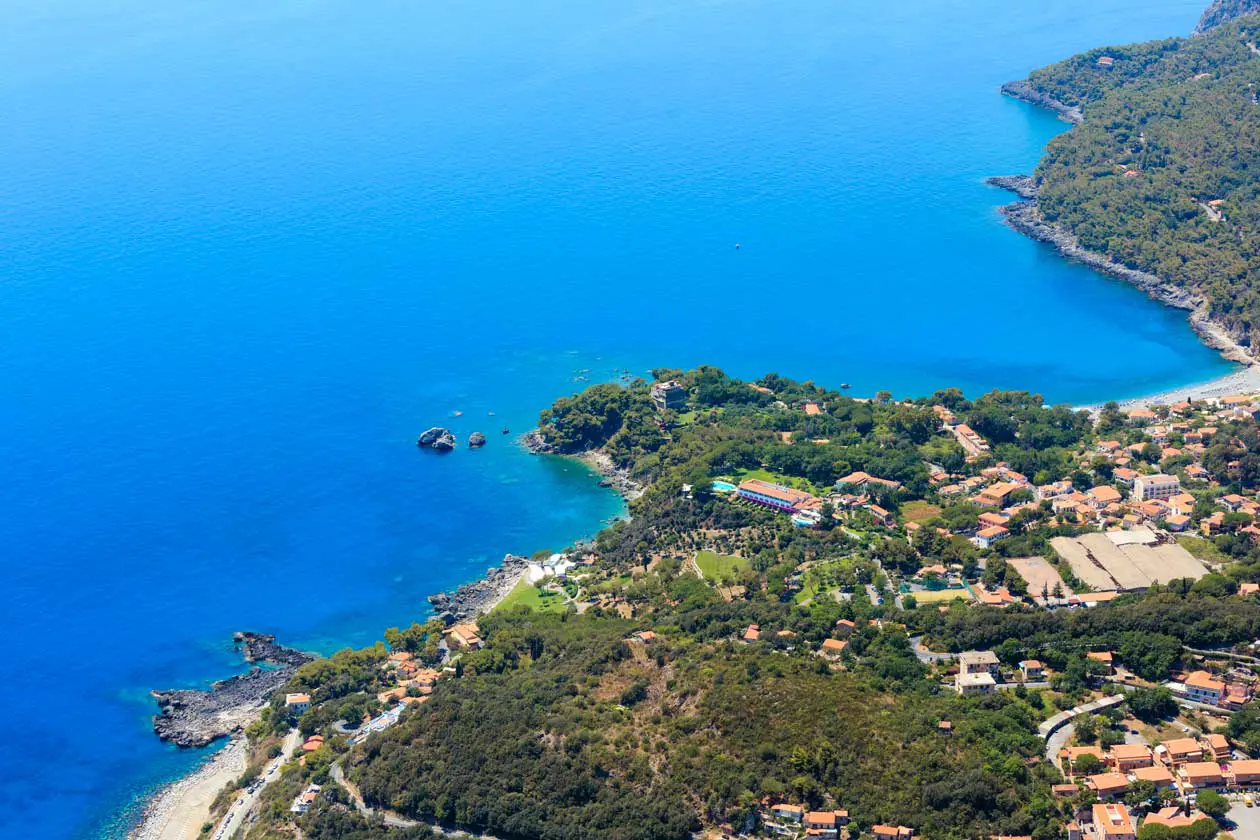
The protagonists thus become the woods of Pollino, the waters of Maratea and the stone of the Sassi of Matera, where models painted with body painting techniques have been photographed directly in the landscape. The story is divided into four dimensions: Germina, dedicated to nature and woods; Flows, to water and coasts; Resists, to stone and historic villages; Incanta, dedicated to Matera.
For the traveler, these elements suggest as many ways to cross the region: from the mountains and woods of Pollino to the coasts of Maratea, passing through the villages of the hinterland and the rocky landscape of Matera.
A Basilicata to be discovered slowly
The common thread of the new routes is the possibility of connecting places that are often visited separately. Matera, Melfi, Venosa, Acerenza, Lagopesole, Palazzo San Gervasio, Monteserico, Monticchio and Montescaglioso become stages of a larger journey, while Avigliano, Banzi, Forenza, Genzano di Lucania, Irsina, Lavello, Rapolla, Rionero in Vulture and Atella complete the territorial network involved in the project. Added to this medieval geography are the landscapes of Pollino, Vulture and Maratea, offering the possibility of building itineraries that combine history, nature, spirituality, culture and food and wine.
Basilicata can thus be crossed slowly, starting from the City of Sassi to reach fortresses, abbeys, small towns and rural territories: a journey through a region in which the landscape still preserves traces of Norman and Swabian history and where new projects aim to transform this heritage into experiences to be lived throughout the year.