It's possible that some of this content has been automatically translated.
16 October 2026
Matisse at Mudec in Milan
Until February 21, 2027 "Matisse. The world in a room" traces the artist's entire career through paintings, sculptures, photographs, textiles and objects that reveal his ties with Africa, the Islamic world, Russia, China and the Pacific
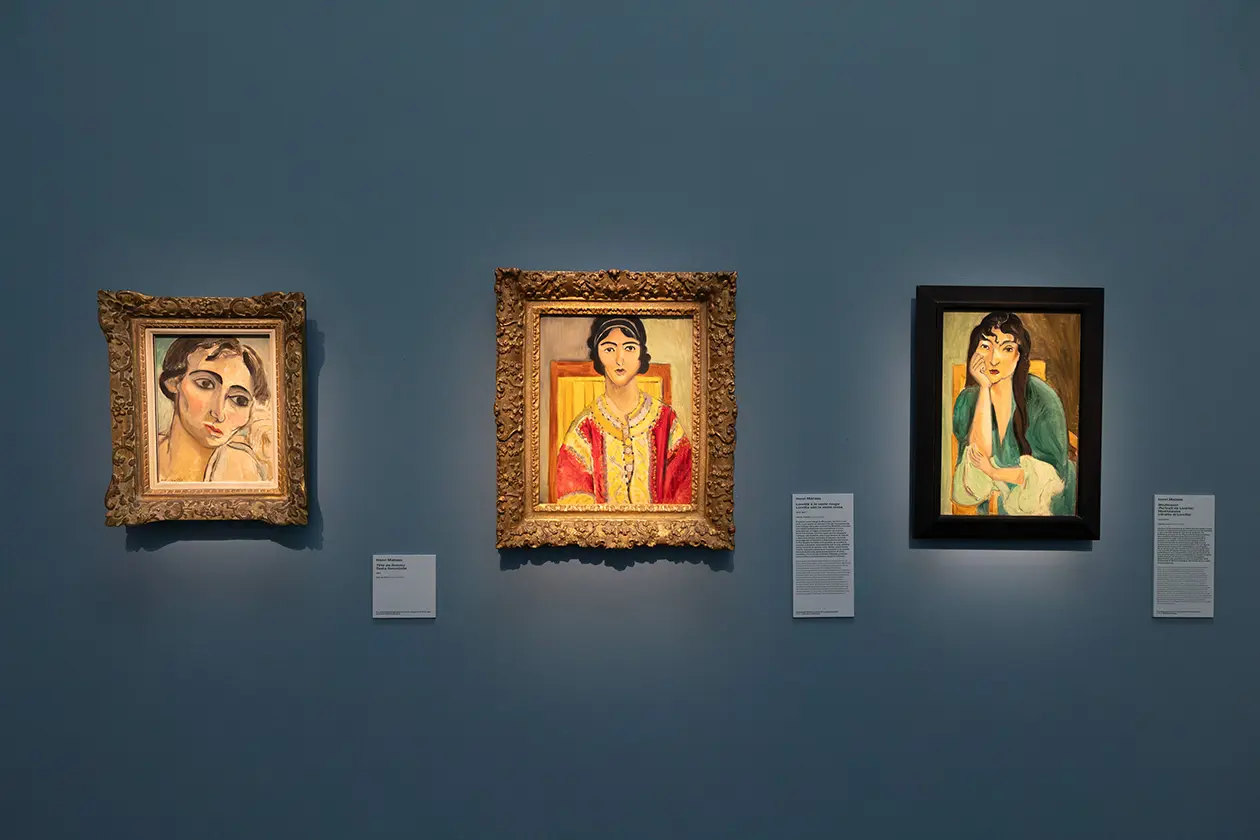
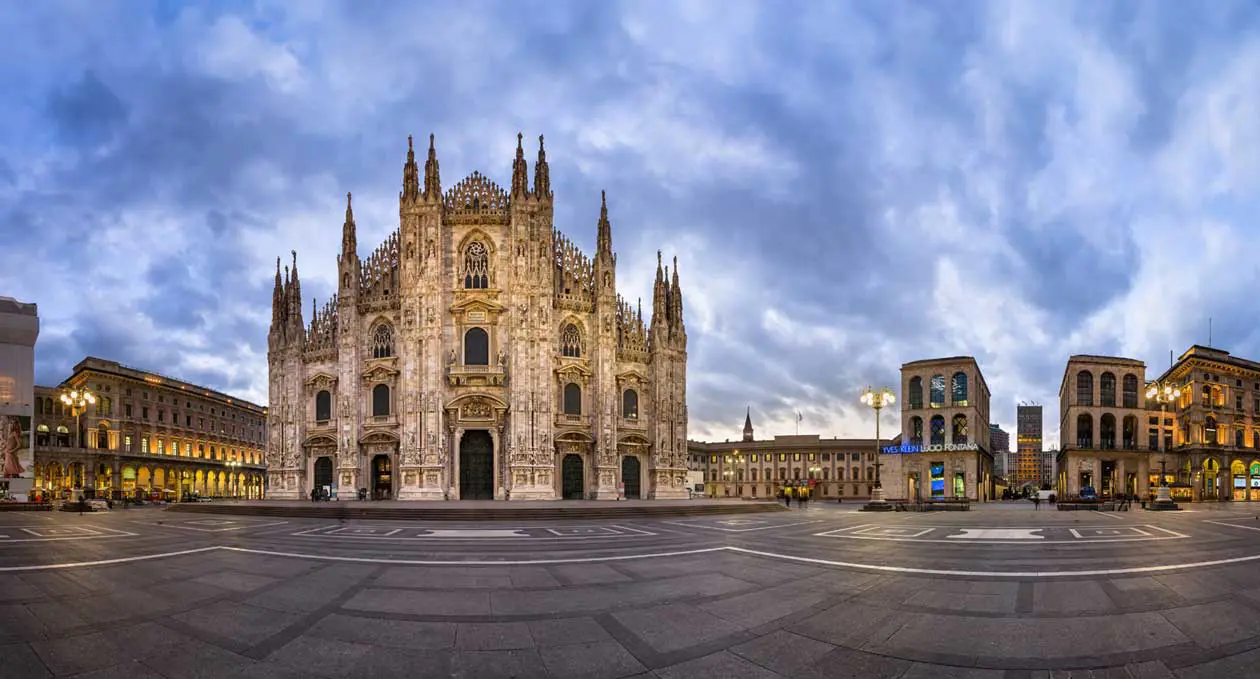
Milan dedicates an exhibition to Henri Matisse that reinterprets his work through a less usual perspective: the relationship with the cultures encountered during his travels, studies and research beyond European borders. Until February 21, 2027, the MUDEC - Museum of Cultures in Milan hosts "Matisse. The world in a room", an exhibition curated by Ellen McBreen and Chiara Gatti and created in collaboration with the Musée Matisse in Nice.
The exhibition brings together about 100 works including paintings, works on paper, sculptures and photographs, flanked by objects and fabrics from important international collections. The aim is to show how African, Islamic, Russian, Chinese and Pacific culture art contributed to the formation of Matisse's language and his personal interpretation of modernity.
The exhibition is divided into eight thematic sections and spans the entire career of the French artist, relating the works with the objects that Matisse collected and kept in his ateliers. Not simple decorative elements, but visual sources that entered directly into his creative process.
Around 100 works from international museums
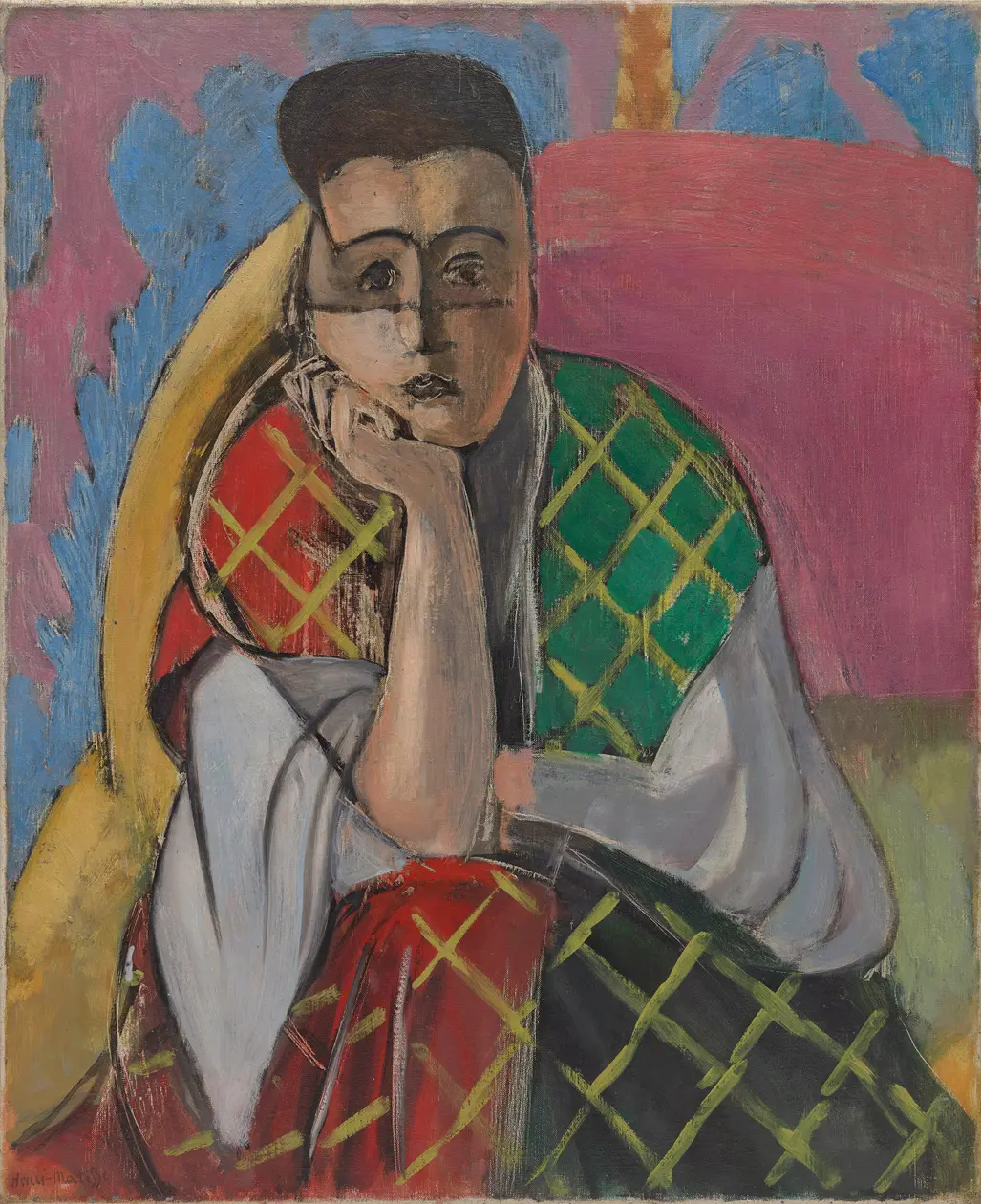
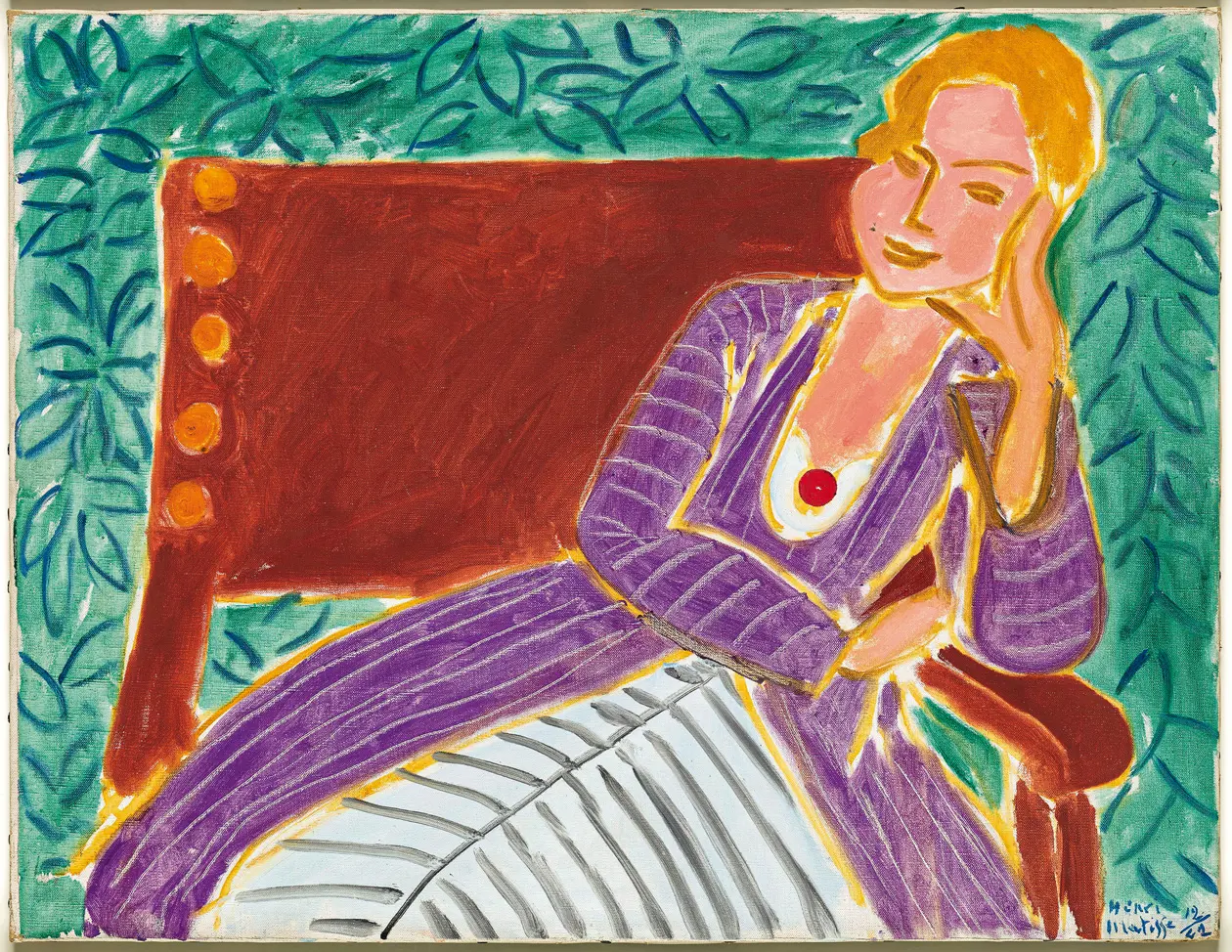
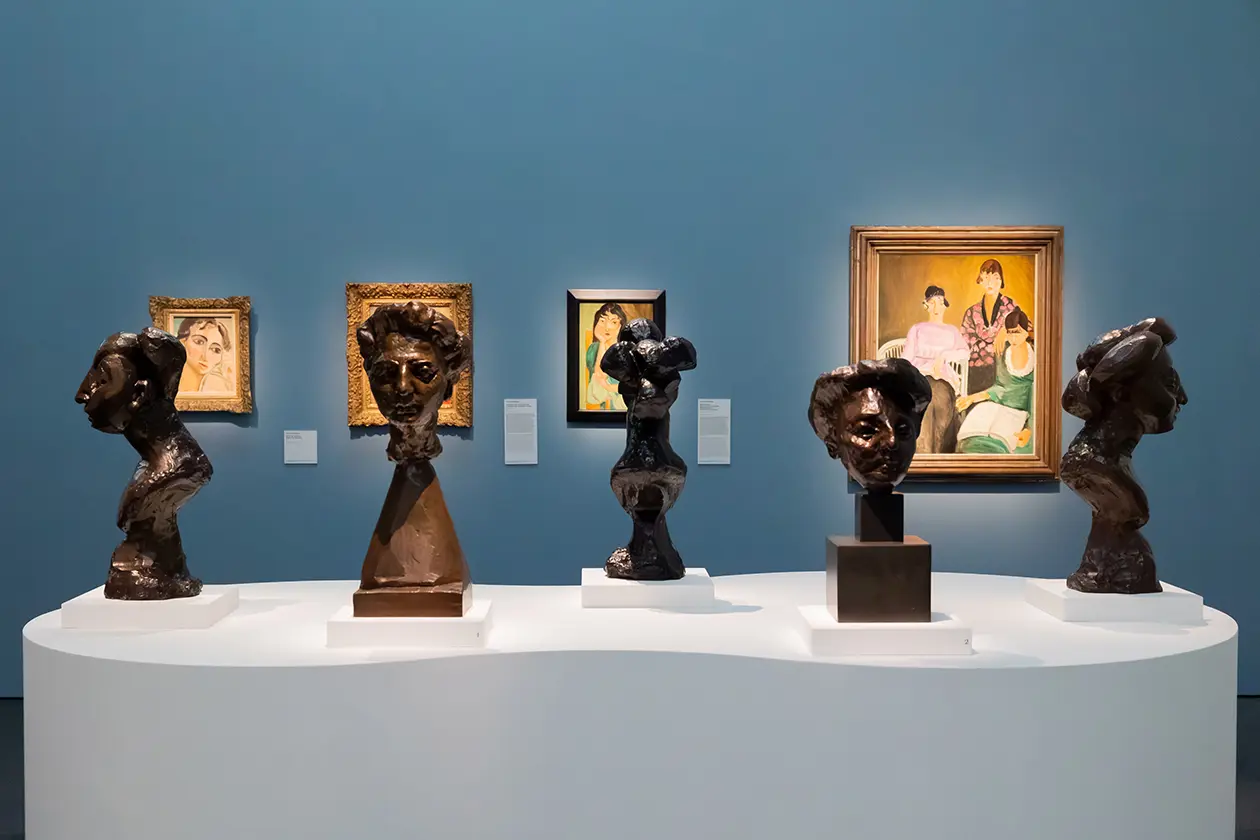
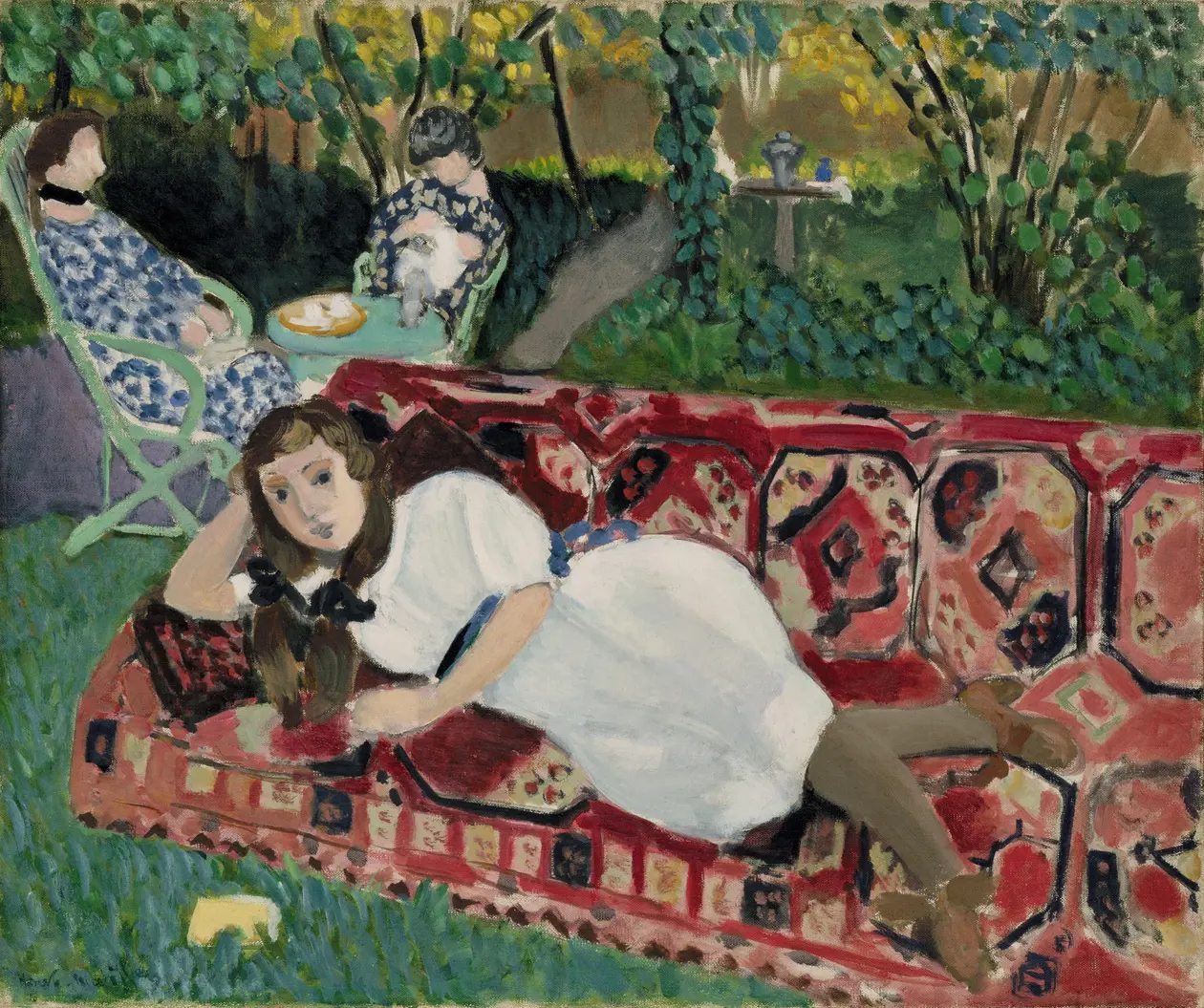
Among the works on display are important loans from European and American museums. The exhibition includes Seated Nude from the Back from 1917, from the Philadelphia Museum of Art, La Femme au voile from theMuseum of Modern Art in New York, Joacquinafrom the National Gallery in Prague, Les trois sœursfrom the Musée de l'Orangerie in Paris and Jeune fille assise, robe persane from the Musée Picasso.
In addition to the paintings, there are sculptures from the Jeannette series, La Serpentinefrom the Musée d'Orsay, drawings and works on paper from French institutions and Femme à la gandoura bleue, the last painting made by Matisse.
Alongside the artist's works are fabrics, masks, objects and artifacts from, among others, the Musée Matisse in Nice, the Musée du quai Branly in Paris, the Museum of Civilizations in Rome, the National Museum of the Bargello in Florence and the collections of MUDEC itself. The comparison allows us to concretely observe how ornamental motifs, geometries, shapes and materials from different cultures have been reinterpreted within Matisse's painting.
Africa, Russia and the Islamic world in the works of Matisse
The first part of the exhibition explores the relationship with African art, which Matisse began to collect in the early twentieth century. Sculptures Fang, Bembe, Senufo and Kuba contributed to his research on the human figure and the progressive simplification of forms.
A second nucleus is dedicated to the influence of Russian icons and Byzantine art. During his trip to Moscow in 1911, Matisse had the opportunity to visit the Tretyakov Gallery and some religious collections, developing a particular interest in the frontality of the figures and in an alternative conception of space to Western perspective.
The encounter with Islamic art was also fundamental. After visiting a major exhibition dedicated to Muslim art in Munich in 1910, Matisse traveled to Spain, visiting the Alhambra, Cordoba and Seville, and later to Morocco. Arabesques, textiles, North African furniture and Middle Eastern objects gradually entered his ateliers and compositions.
Another section of the exhibition focuses on the women who posed for Matisse and the often in-depth role they played in the construction of his artistic image. Among them are Lydia Delectorskaya, a Russian collaborator and model, Aïcha Goblet, Haitian artist Carmen Lahens-Hélouis,Théanor and Souty. Traditional dress, regional costumes and fashion pieces helped transform Matisse's studio into an environment in which different cultures and visual references overlapped continuously.
The MUDEC thus also proposes a critical reading of Orientalism and the ways in which modern Western art has looked at, interpreted and sometimes appropriated elements from other cultures.
The trip to Tahiti and the memory of the South Seas
In 1930 Matisse left forTahiti, crossing the United States and making stops, on the return journey, also in Panama, Martinique and Guadeloupe. The experience in the Pacific coincided with a moment of creative crisis and left a deep mark on subsequent production. Tropical flowers, birds, algae, jellyfish and marine shapes resurfaced in the works many years later, transformed by memory.
This experience reaches one of its most significant expressions in the monumental diptych Océanie, la mer and Océanie, le ciel, created between 1946 and 1949 and present in the exhibition. The forms seem to float without perspective references, evoking the feeling of suspension experienced by the artist while diving in the waters of the Pacific.
The exhibition also dedicates space to artists' books and decorative projects. Among the best-known works is Jazz, published by the publisher Tériade and considered one of the publishing masterpieces of the twentieth century, together with the illustrations for Stéphane Mallarmé'sPoésies and Henry de Montherlant'sPasiphaé. Another important part concerns the Chapel of the Rosary in Vence, near Nice, on which Matisse worked from 1947. Preparatory drawings and decorative elements show how painting, architecture, ceramics, stained glass and decoration converged in one of the most complete projects of the final phase of his career.
The exhibition concludes significantly by putting some of the artist's last works in dialogue with early works, suggesting how themes developed throughout his life - the figure, nature, line and space - continued to transform until his last years.
Information on the exhibition "Matisse. The world in a room"
Where:MUDEC - Museum of Cultures, in Via Tortona 56| Milan When: October 8, 2026 to February 21, 2027 Hours:Monday from 2.30 pm to 7.30 pm; Tuesday, Wednesday, Friday and Sunday from 9.30 am to 7.30 pm; Thursday and Saturday the opening is extended until 10.30 pm. The last admission is allowed one hour before closing.