It's possible that some of this content has been automatically translated.
29 September 2026
The Brueghels in Milan: at Palazzo Reale over 80 works tell the story of the birth of European pictorial genres
Paintings, drawings and prints reconstruct the legacy of the Flemish dynasty, from Pieter Bruegel the Elder to Jan Brueghel, with a special focus on relations with Milan and Italy
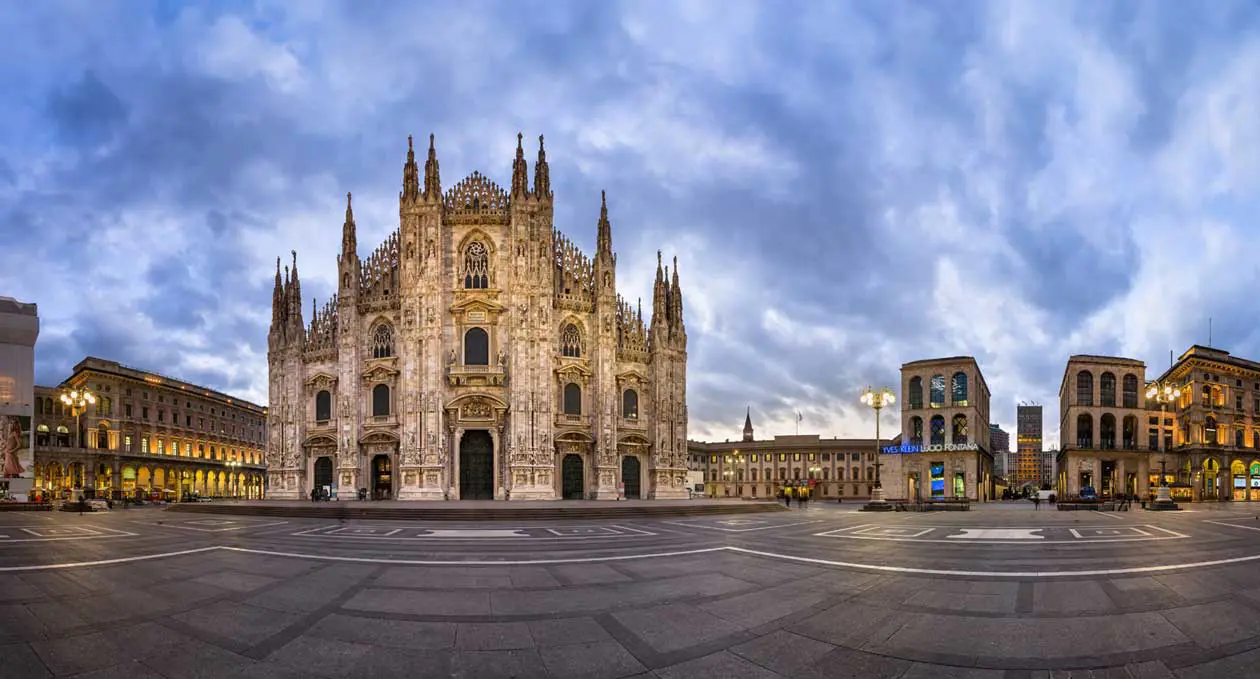
From 29 September 2026 to 31 January 2027, Palazzo Reale in Milan hosts "The Brueghels. The origins of pictorial genres in Europe", a major exhibition dedicated to one of the most influential artistic dynasties of the European Renaissance. The exhibition brings together over 80 works including paintings, drawings and prints and reconstructs the role played by the Brueghel family in the birth and dissemination of landscapes, still lifes, scenes of peasant life, battles and other subjects destined to become autonomous genres of European painting.
Promoted by the Municipality of Milan - Culture and produced by Palazzo Reale and 24 ORE Cultura - Il Sole 24 ORE Group, the exhibition is the result of a project by Bernard Aikema and curated by Carlotta Striolo.
More than an exhibition dedicated exclusively to a family of painters, the project tells of a broader transformation of the European market and artistic culture between the sixteenth and seventeenth centuries. In those years, pictorial production gradually began to free itself from religious and aristocratic patronage alone, also addressing a new bourgeois clientele interested in specific and recognizable subjects.
From Pieter Bruegel the Elder comes a new way of telling reality
The itinerary starts with Pieter Bruegel the Elder, progenitor of the dynasty and a fundamental figure in sixteenth-century Flemish art.
Also starting from the visionary legacy of Hieronymus Bosch, Bruegel developed a deeply personal language. At the center of his paintings entered landscapes, villages, festivals, peasants, children, snow and scenes of everyday life. Ordinary life thus acquired a pictorial dignity that would exert a strong influence on subsequent generations. Behind the apparent immediacy of these images, however, there was a complex painting, also intended for a cultured public capable of understanding allegorical references and stratified meanings.
The "Brueghel brand" and the diffusion of images in Europe
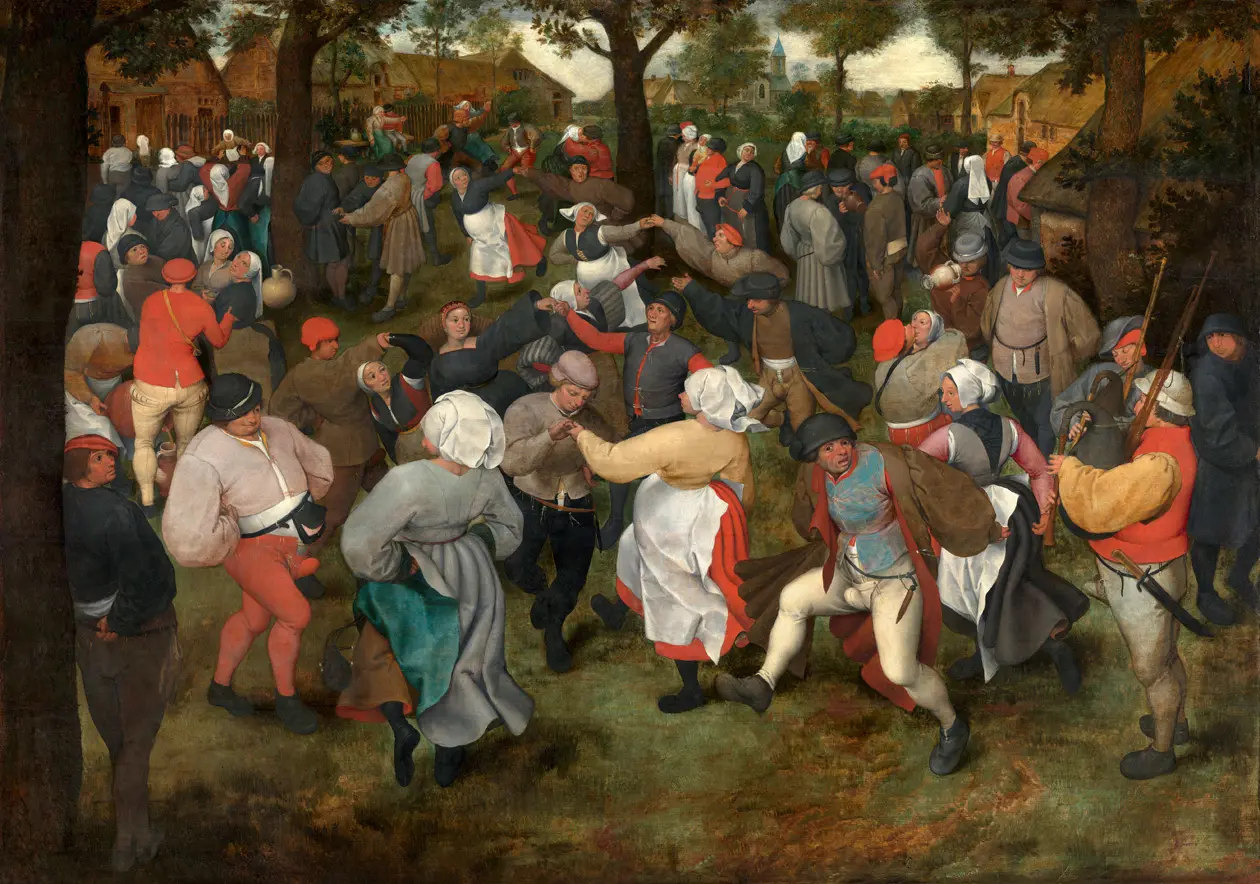
With Pieter Brueghel the Younger, the eldest son of Pieter the Elder, the family's iconographic heritage entered a new phase. The workshop took up and developed some of his father's most popular subjects, creating different versions: snowy landscapes, village festivals, peasant scenes and other images capable of meeting growing market demand. It is in this context that the exhibition uses the concept of the "Brueghel brand": a system in which recognizable models are replicated, reworked and disseminated through a highly specialized workshop, helping to circulate visual formulas destined to influence generations of artists throughout Europe. Attribution issues also become part of the story. An example is "The Wedding Dance", datable to around 1566, long considered an autograph work by Pieter Bruegel the Elder and today attributed, on the basis of more recent studies, probably to a precocious copyist of his circle.
For the Milanese public, one of the most interesting nuclei concerns Jan Brueghel the Elder, the second son of Pieter Bruegel the Elder and the protagonist of an intense relationship with Italy. Unlike his brother Pieter, Jan traveled extensively in Europe and stayed in the Peninsula. In 1595 he arrived in Milan at the invitation of Cardinal Federico Borromeo, living in the archbishop's palace and quickly establishing himself as one of the most appreciated artists in the city. Among the works created for Borromeo is "Flowers in a vase", now preserved in the Pinacoteca Ambrosiana and listed among the most significant loans in the exhibition. The Ambrosiana preserves one of the most important nuclei of works by Jan Brueghel the Elder in Italy. The relationship with Milan makes the exhibition particularly linked to the city that hosts it and offers the visitor the opportunity to ideally continue the itinerary even outside the Royal Palace, deepening the artist's work in the historical Milanese collections.
From flowers to landscapes, to small paintings on copper
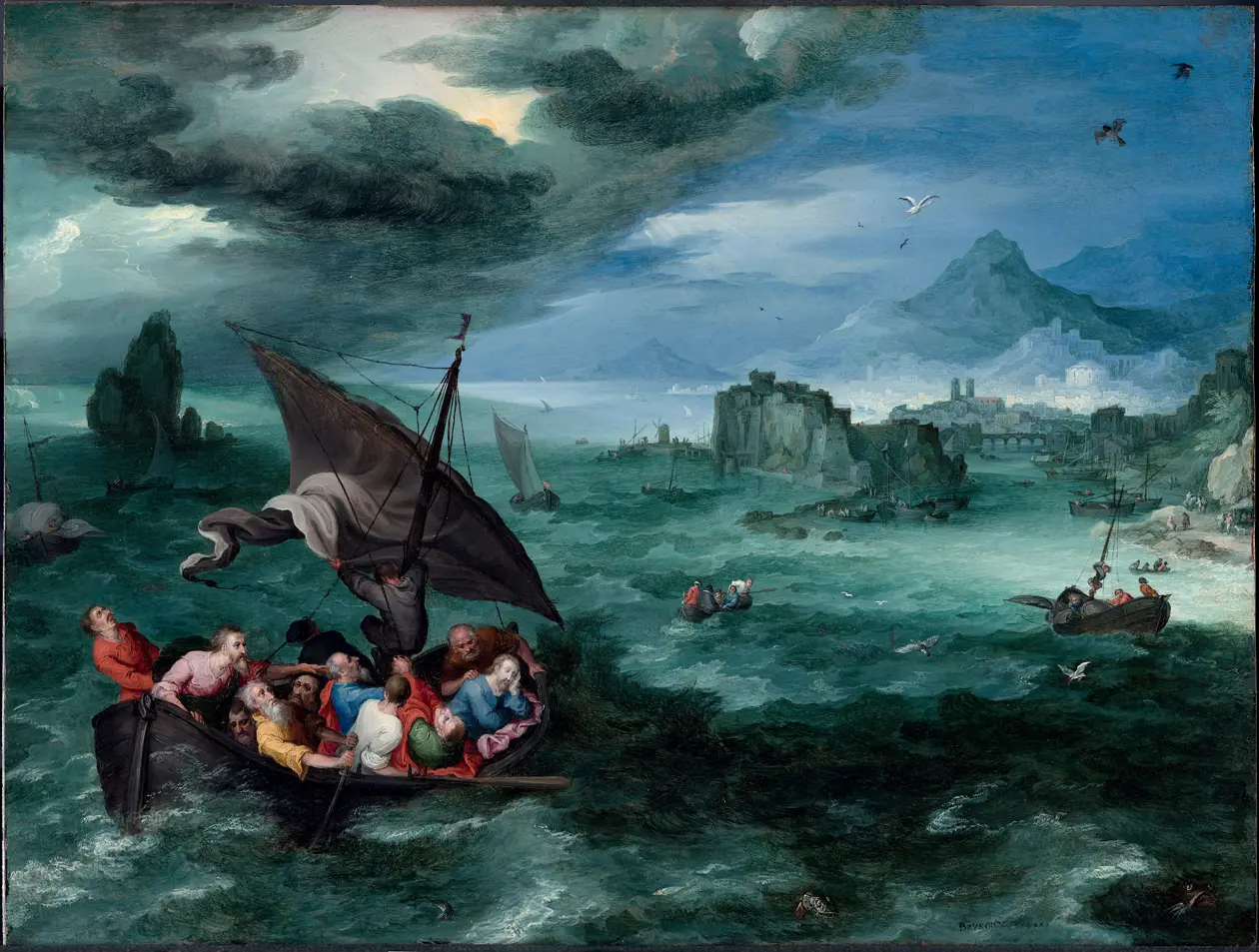
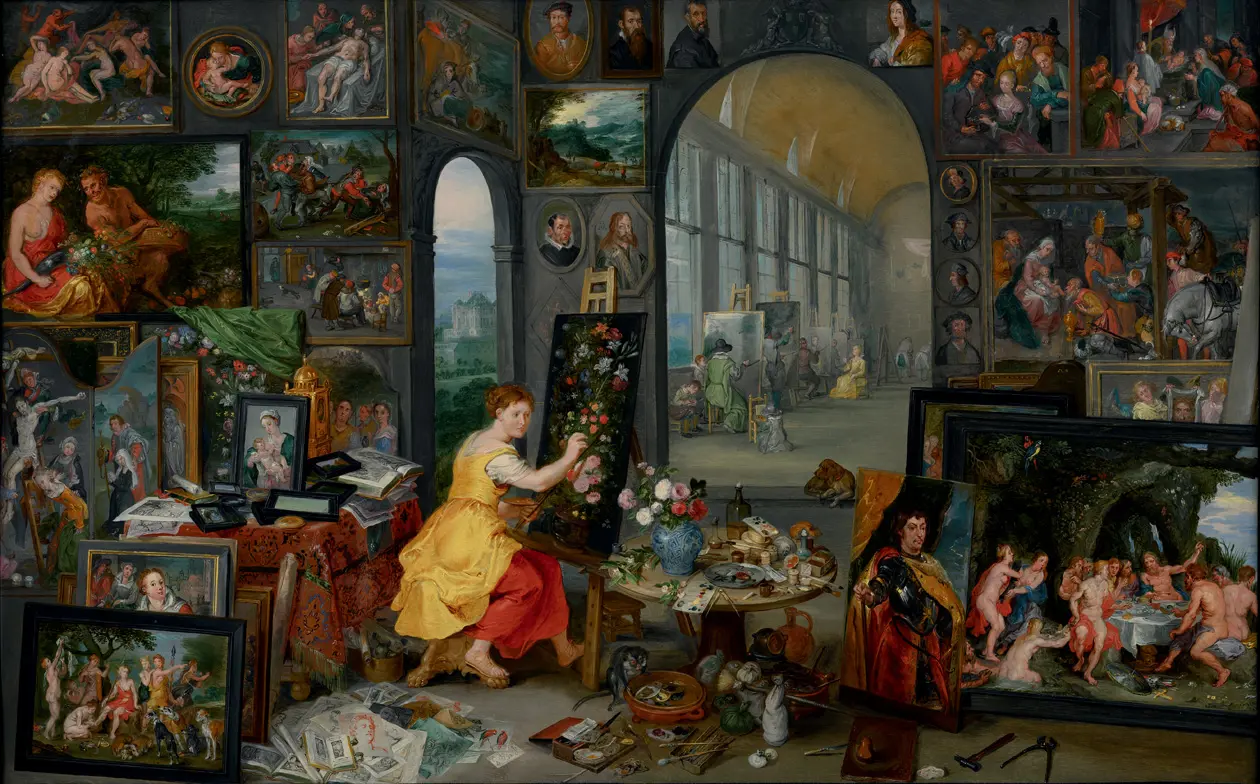
Jan Brueghel greatly expanded the family's repertoire. In addition to the subjects already developed by previous generations, he added earthly paradises, allegories of the seasons and elements, mythological scenes and floral still lifes. He also collaborated with artists such as Pieter Paul Rubens and contributed to the fortune of the so-called cabinet paintings, refined small-format paintings, often executed on copper and destined for the collections of European collectors. The exhibition also follows the circulation of these models beyond Italy, from the imperial court in Pragueto the cities of the Netherlands such as Antwerp, Amsterdam and Haarlem. Artists such as Lucas van Valckenborch, Roelant Savery, Pieter Stevens and Paul Bril show how much Bruegheli's legacy has contributed to the formation of increasingly specialized pictorial languages.
How landscape, still life and scenes of everyday life were born
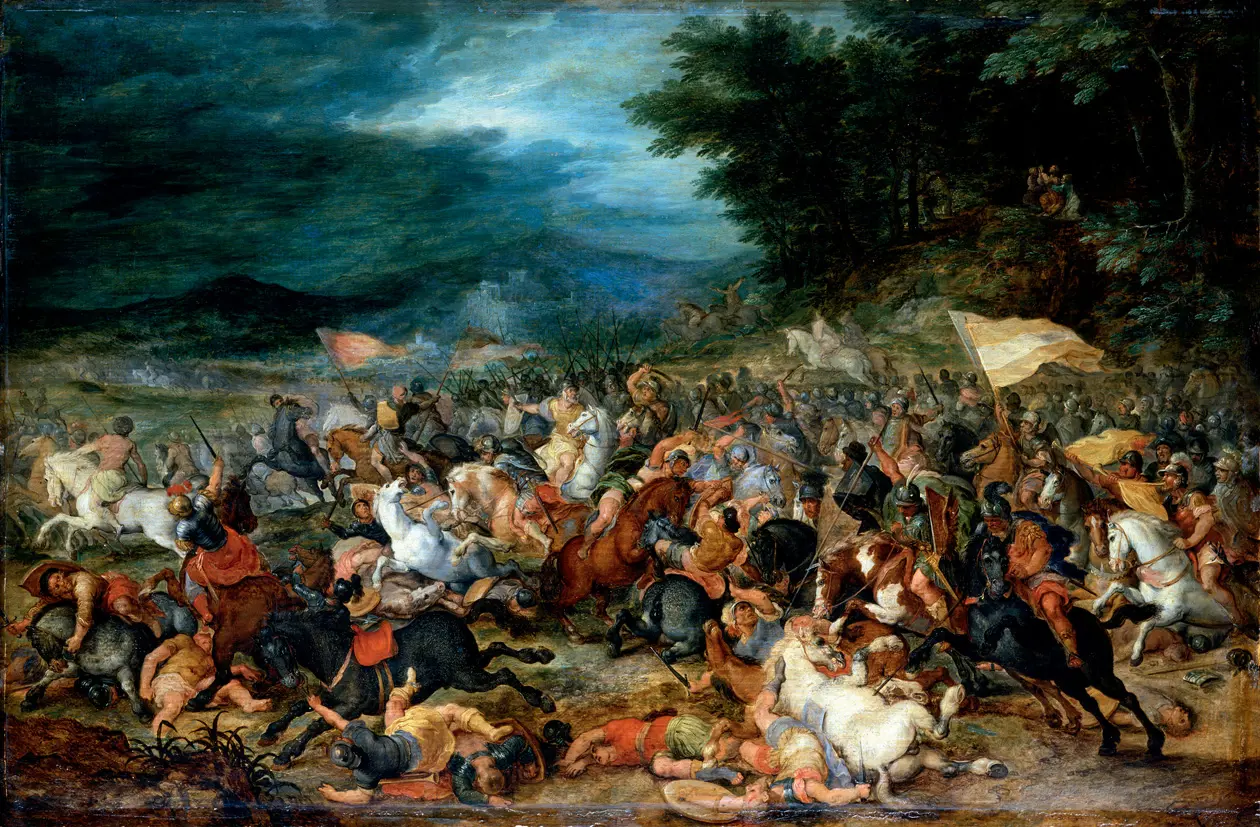
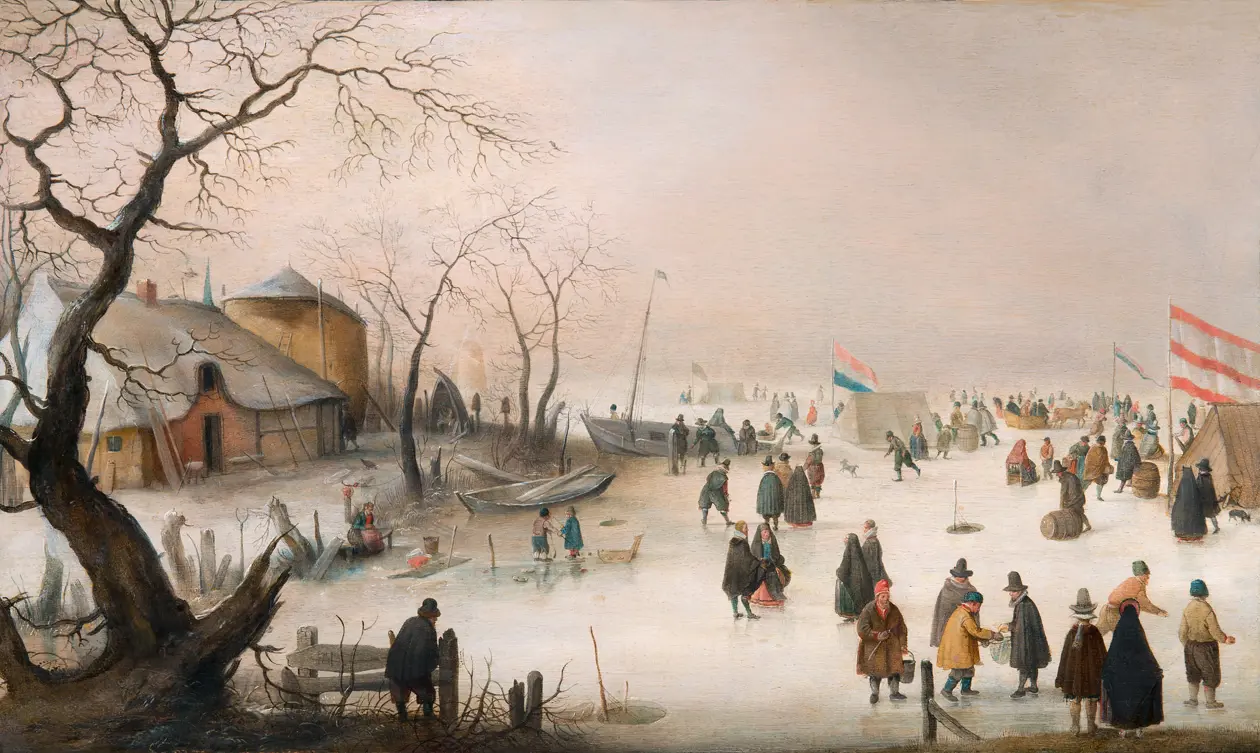
One of the most original aspects of the exhibition is precisely the possibility of observing the formation of categories that today appear natural in the history of art. Landscape, still life, battle painting and representation of everyday life were not always considered independent genres. The itinerary of the Royal Palace shows how the growing specialization of artists, the development of workshops and the expansion of the market contributed to their progressive codification. The last part therefore broadens the gaze beyond the dynasty, putting the Brueghels in relation to other protagonists of European painting and with works such as "Landscape with Two Oaks" by Jan van Goyen, "The Village Festival" by Jan Steen and "Peasants in the Interior" by Adriaen van Ostade, together with works by Adriaen Brouwer and Hendrick Avercamp.
Information on the exhibition "The Brueghels. The origins of pictorial genres in Europe"
Where: Royal Palace, Piazza del Duomo 12 | Milan When: September 29, 2026 to January 31, 2027. Hours:Tuesday, Wednesday, Friday, Saturday and Sunday from 10.00 am to 7.30 pm. On Thursday the opening is extended until10.30 pm.
For information, tickets, guided tours and educational activities, consult the official websites of Palazzo Reale Milano and the exhibition"The Brueghels. The origins of pictorial genres in Europe".