Porsche Mission S, the new manifesto of sporty design
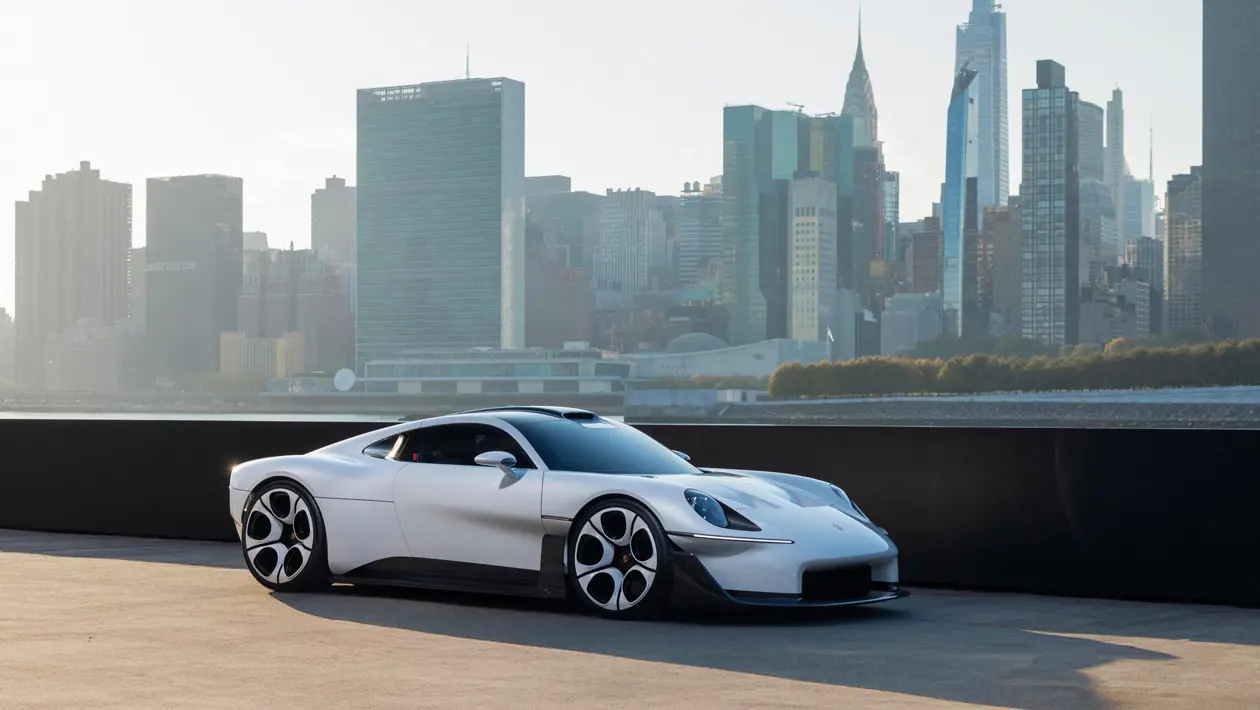
With Mission S, Porsche anticipates the evolution of its design identity and opens a new phase in the brand's strategy. The project was born as part of the Sportwagenschmiede '35 reorientation and combines references to Porsche tradition with a mid-engined super sports car architecture and a strong focus on the relationship between driver and vehicle.
The Mission S is not conceived as an isolated exercise: Porsche has announced the development of a new platform for mid-engined super sports cars, intended for a future permanent range positioned above the 911 and articulated in different variants.
A design that starts from Porsche icons
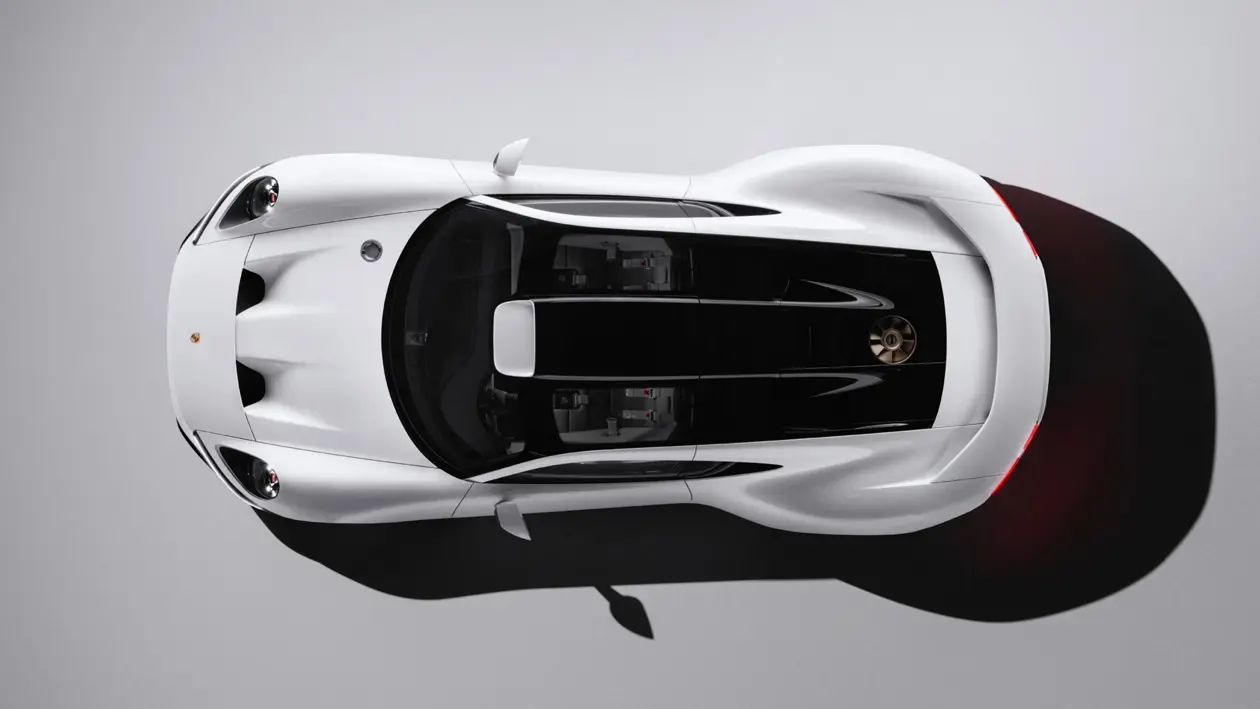
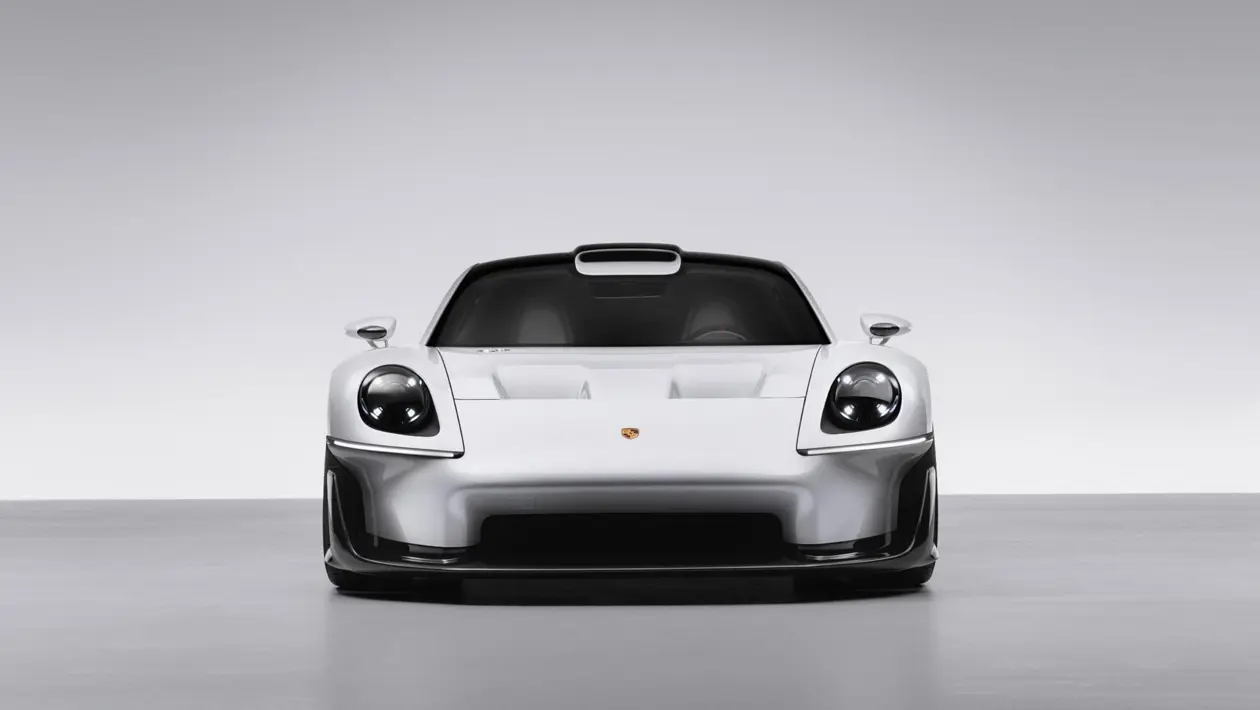
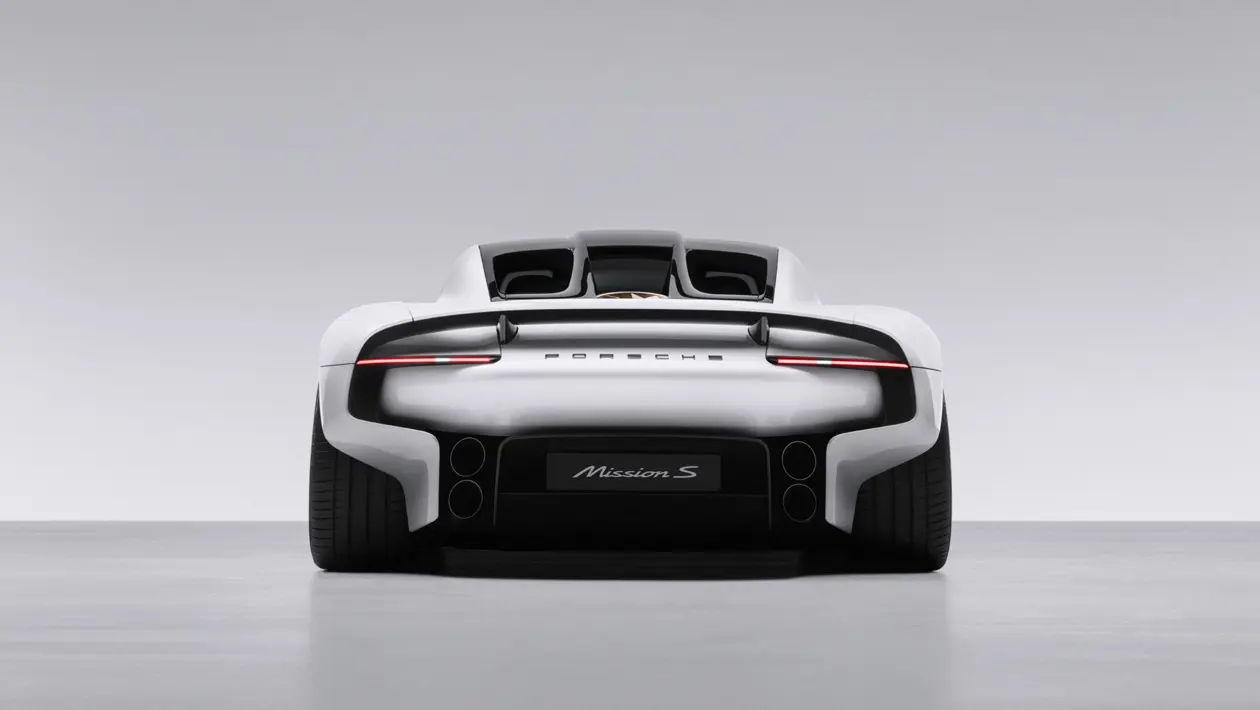
Authenticity, consistency and timelessness are the principles behind the design. On the outside, the "torpedo" fenders, the roofline and the ratio between width and height define the architecture of the car, while a continuous line connects the front and rear light signatures.
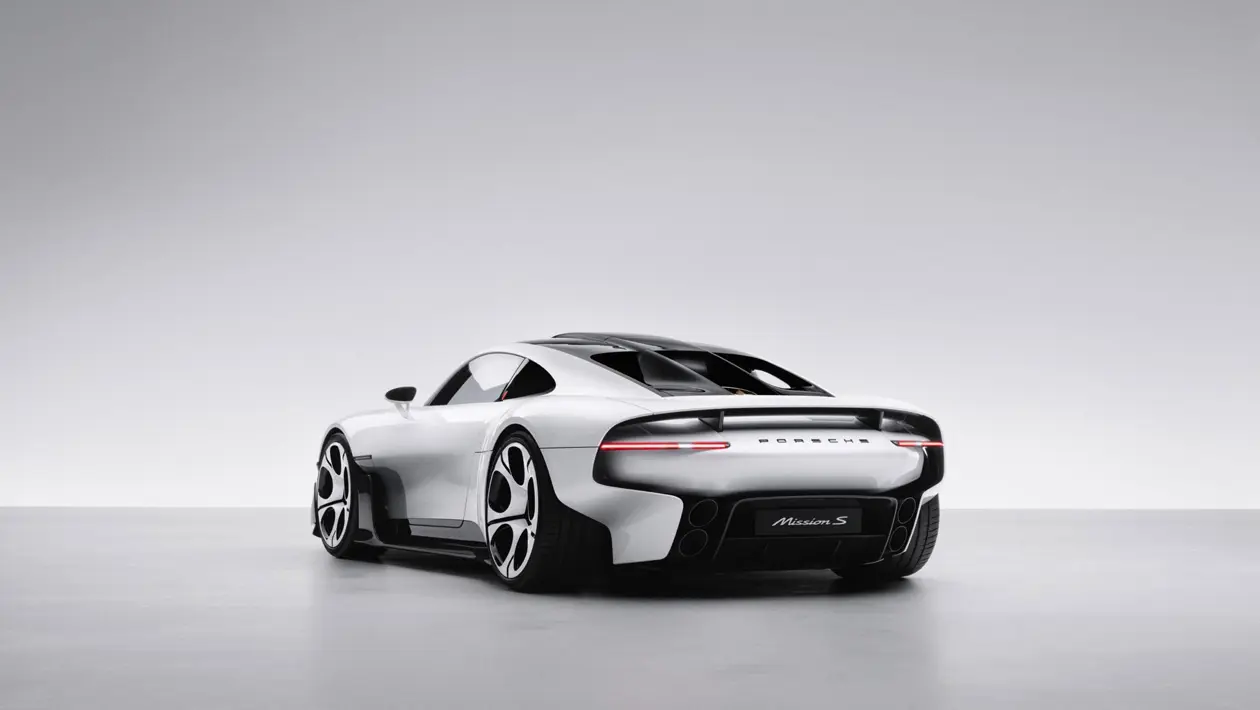
There are numerous references to the brand's history: the circular headlights and pronounced fenders refer to the 911, the seams to the G models, the lowered front end to the GT1 and the roofline under the rear wing to the 959. The car-in-car concept of the rear is also derived from the GT1 , while the cooling fan is inspired by the Porsche 917 and the wheels reinterpret the classic "telephone disc" motif of the 928. The proportions are influenced by the mid-engine architecture, which enhances the typical Porsche flyline, while the fully integrated active wing combines function and design.
Essential, driver-oriented interior
The interior is inspired by historic models such as the 550 Spyder and 356 and adopts a purist aesthetic, with two lines that cross the dashboard and door panels and accentuate the feeling of being seated deep inside the car.
Analogue and digital controls coexist without multiplying the screens: classic switches and buttons flank modern displays, while the seats introduce solutions such as the belt closure integrated into the central part of the backrest and a different arrangement of electric adjustments.
The palette takes up the Porsche Motorsport tradition through ice white metallic, light red metallic, black chrome and special black.
Analogue and digital in the Driver Experience
The new Driver Experience puts the driver at the centre of interaction with the car. Behind the steering wheel there are five circular indicators, with the central rev counter equipped with an analogue needle and a display behind it. The arrangement of the instruments varies depending on the selected driving mode.
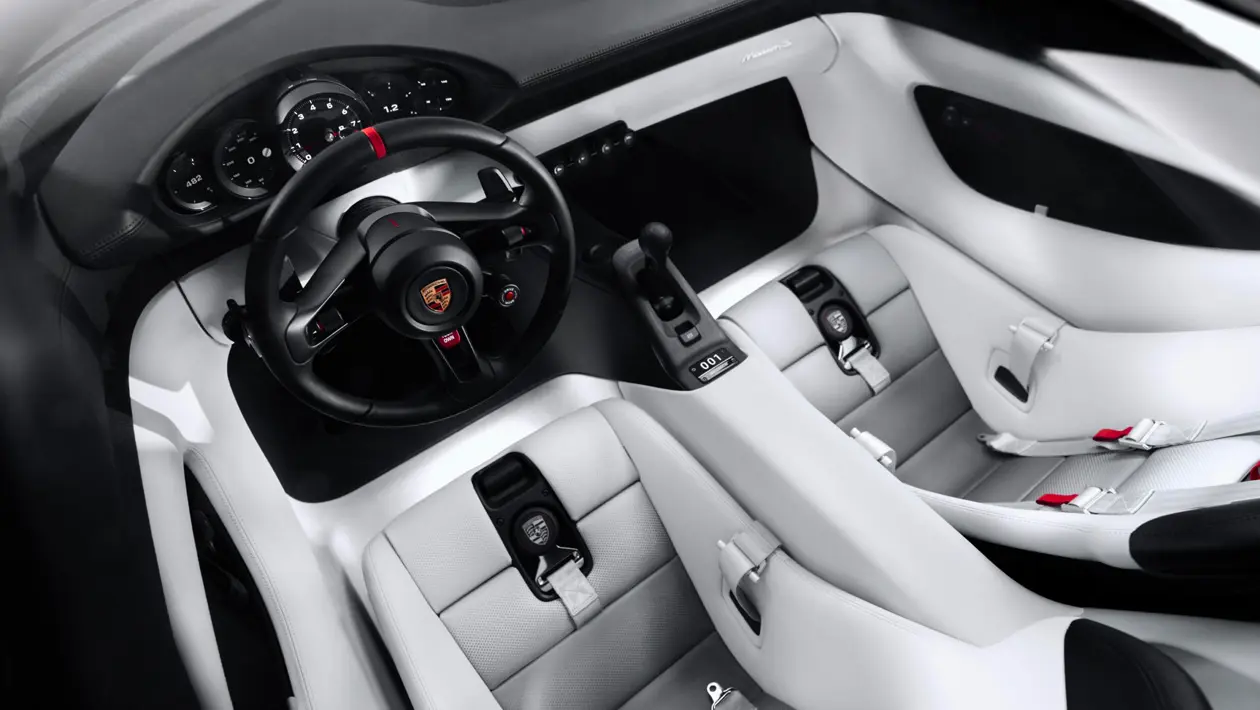
The key remains positioned to the left of the steering wheel, in keeping with Porsche tradition, while new push-pull controls allow direct access to various comfort and driving settings. The Sport Chrono is also reinterpreted by combining analogue and digital. Porsche has chosen not to permanently integrate either a central display or a screen dedicated to the passenger. Instead, a MagSafe-compatible retractable smartphone system appears, which can be used for navigation and on-board information. The My Porsche app also allows access to the car's functions and digital graphics inspired by the brand's historical instruments.
From New York to the future Porsche range
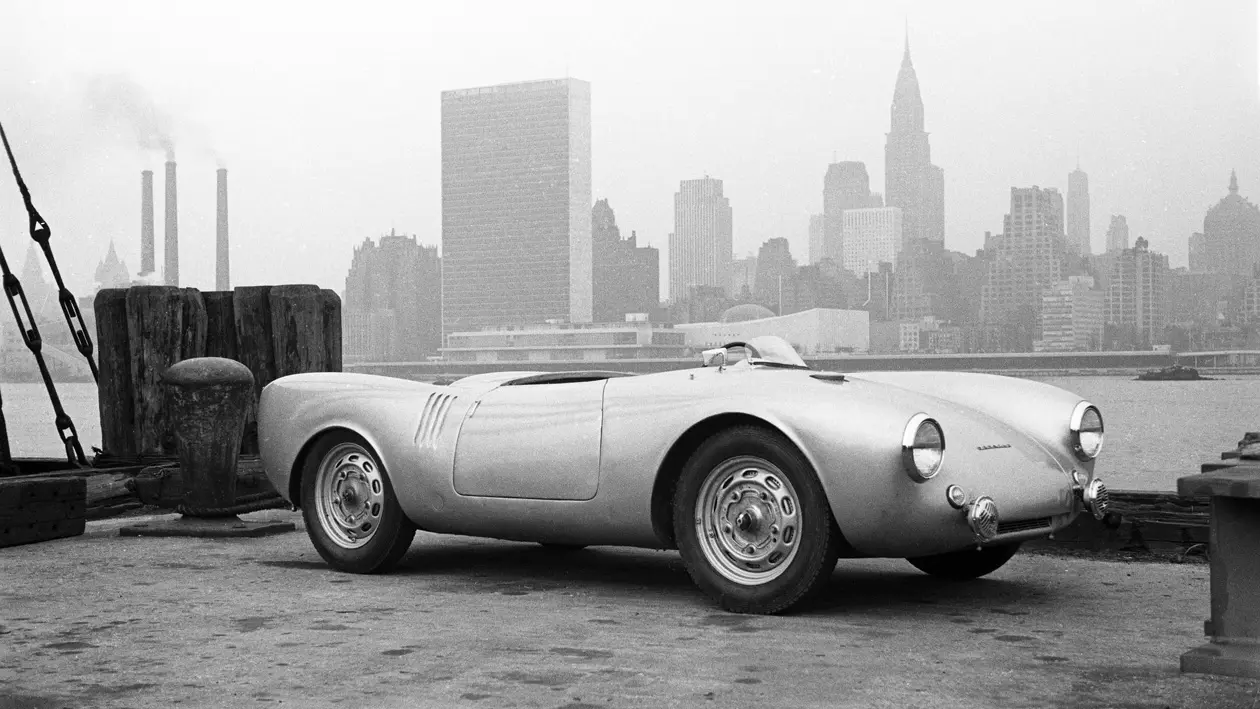
The Mission S made its world premiere on a pier in Queens, New York, the same place where some of the first images of the Porsche 550 Spyder were taken in 1953, a model that contributed to the brand's popularity and success in the United States.