Louis Vuitton and Singer reinterpret two Porsche 911s between design, travel and craftsmanship
Louis Vuitton enters the world of Porsche 911s reinterpreted by Singer with two jointly developed projects: a Porsche 911 Reimagined by Singer - Classic and a Porsche 911 Reimagined by Singer - Classic Turbo. The collaboration brings together automotive design, leather processing, watchmaking and travel luggage, with specific interventions on the bodywork, cabin, instrumentation and accessories.
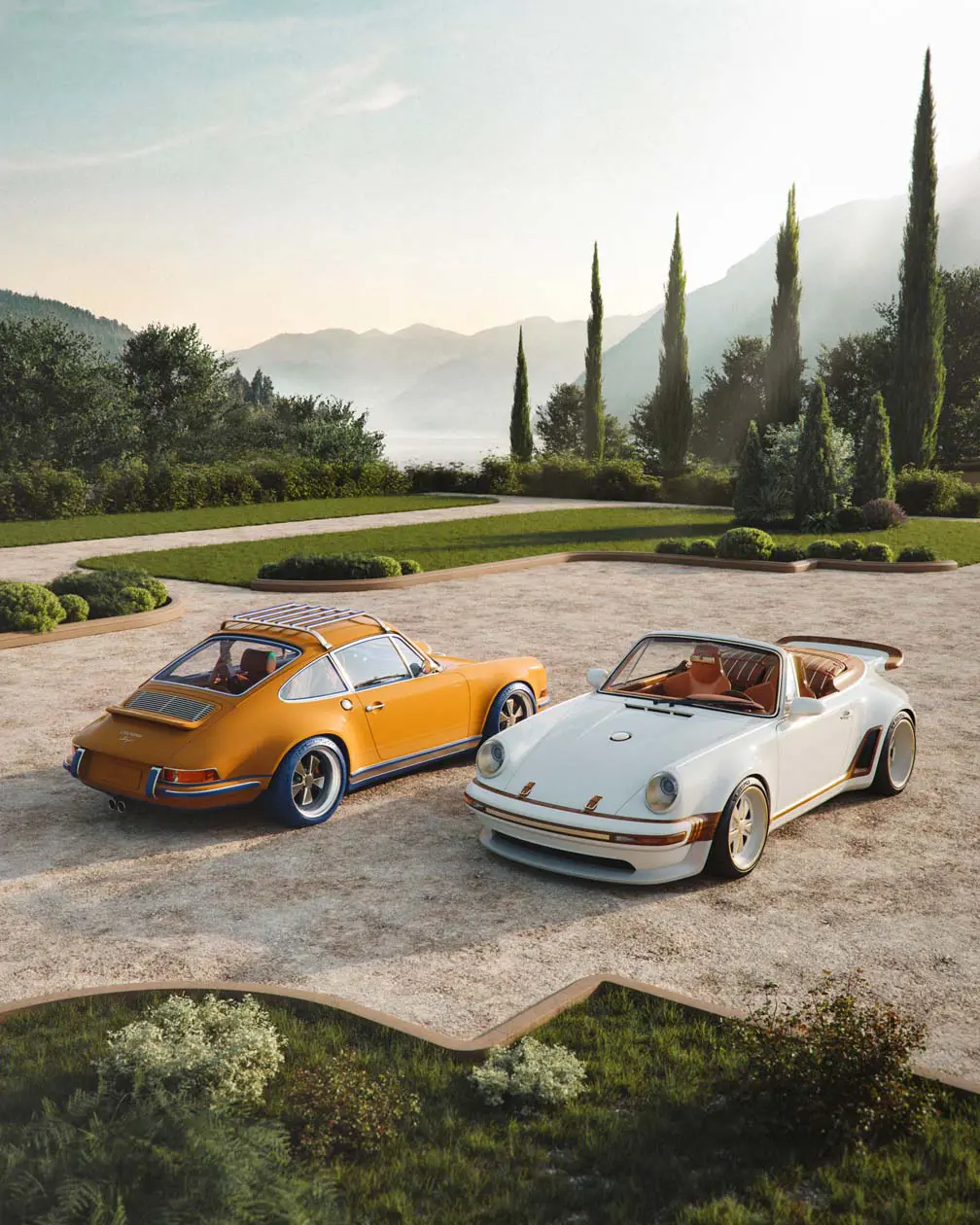
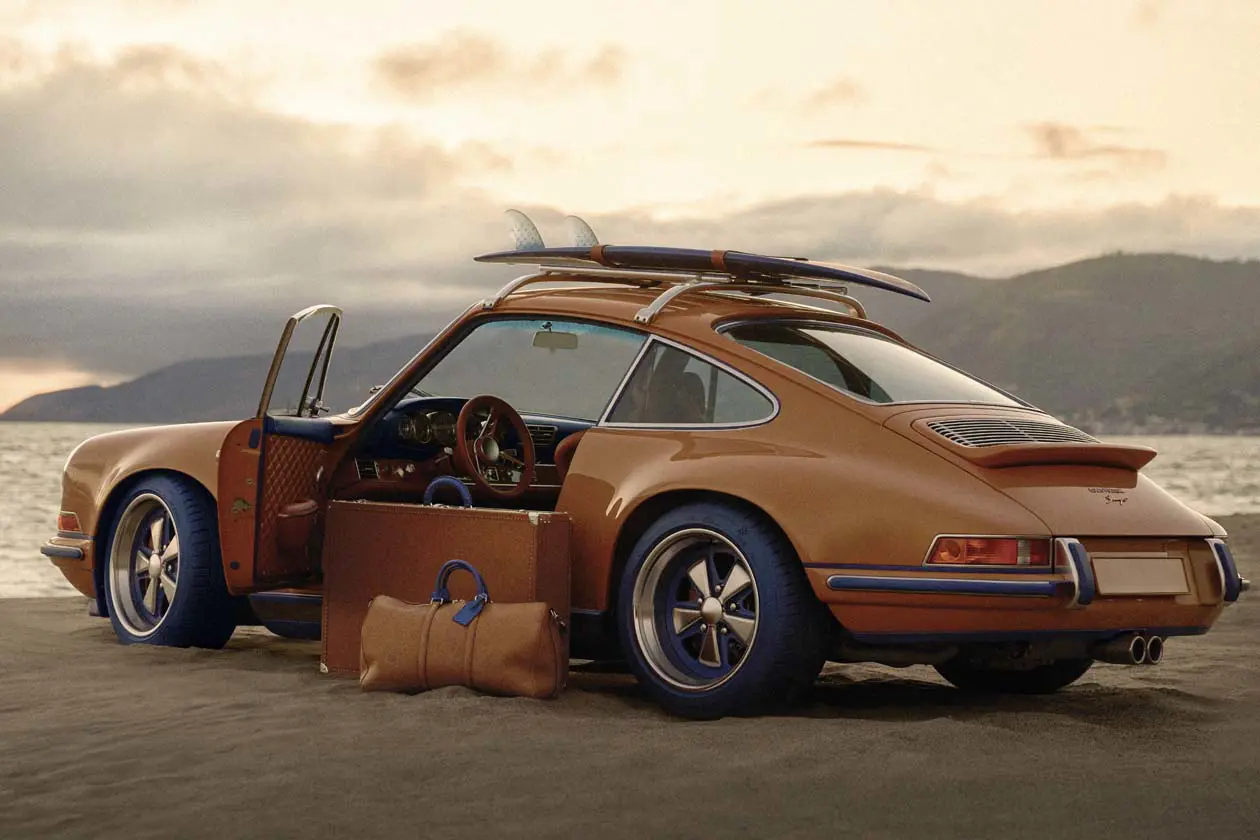
The first car is a Classic coupé with livery in saffron, cobalt blue and yellow. The shades take up visual codes linked to the history of Louis Vuitton and, in the case of saffron, also to the Maison's packaging.
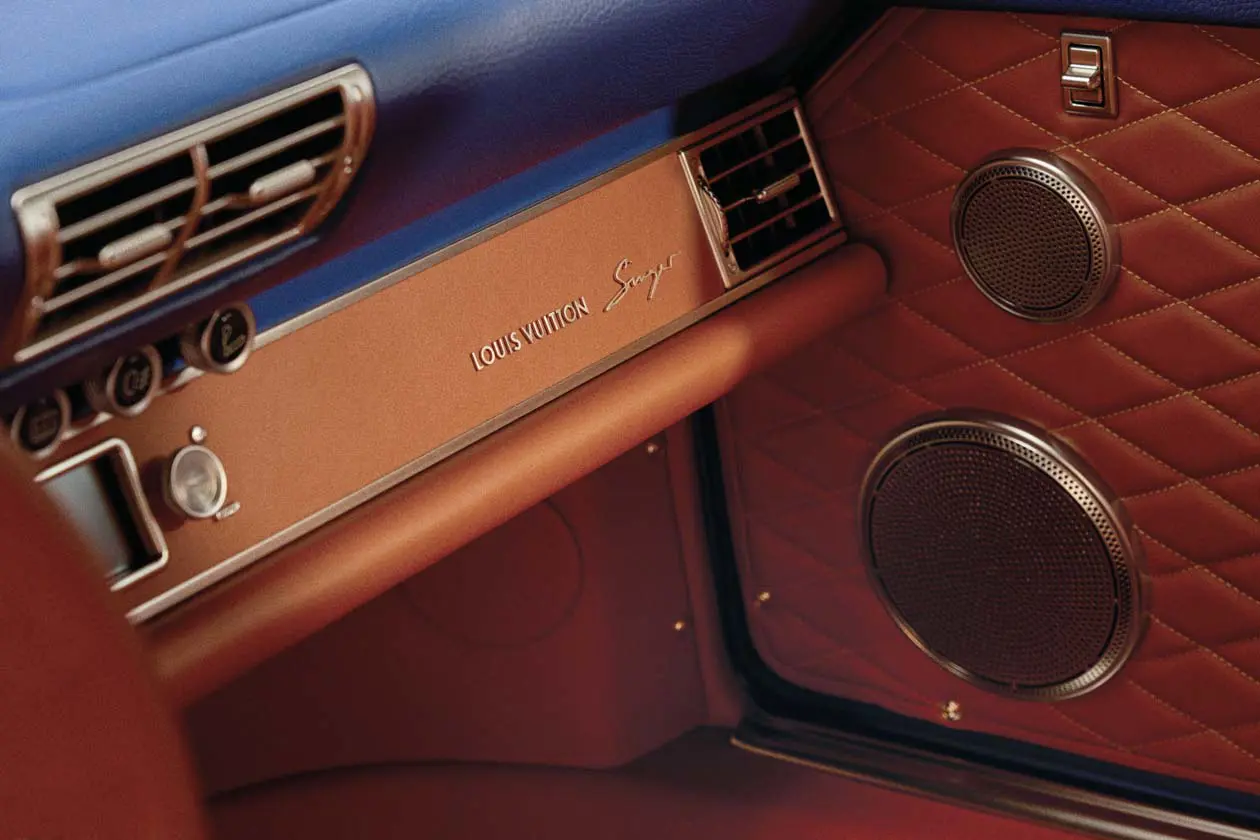
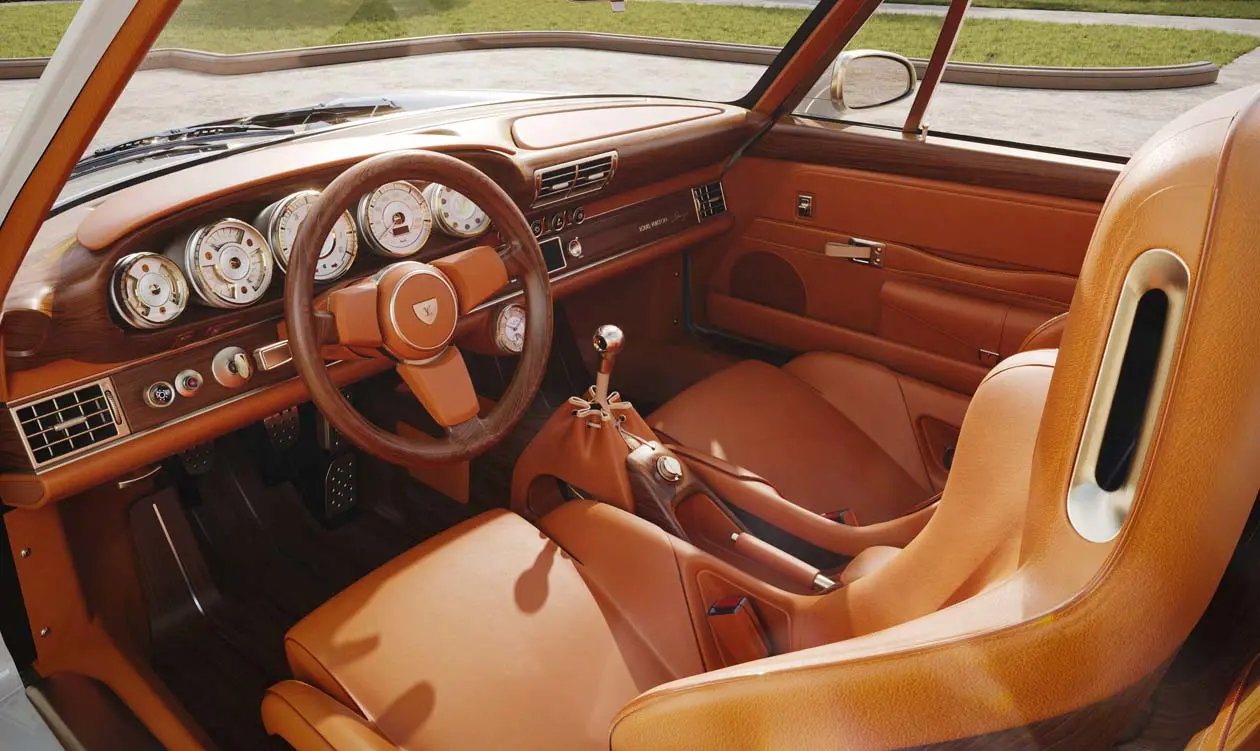
The cabin uses natural leather, yellow stitching and details inspired by the malletage pattern of Louis Vuitton trunks. Several components normally made of plastic have been replaced by metal elements that are machined and finished by hand.
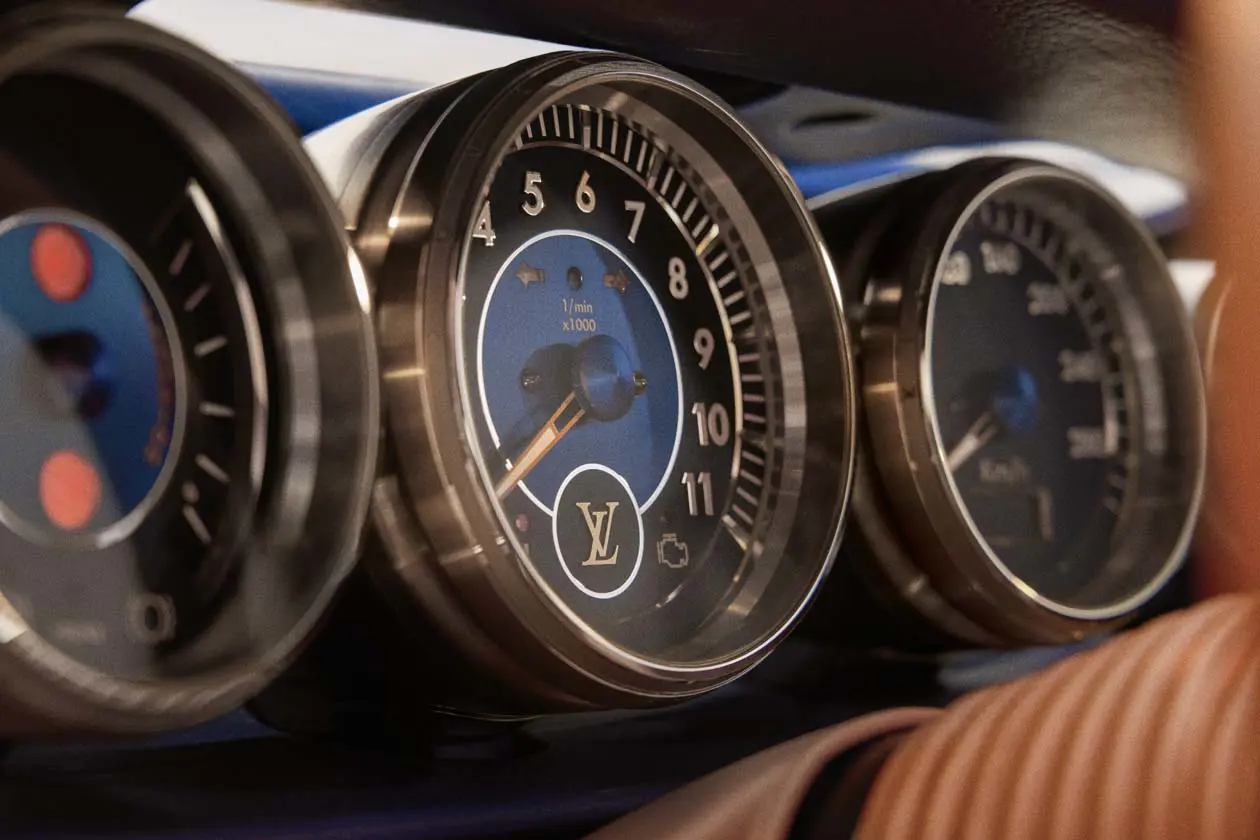
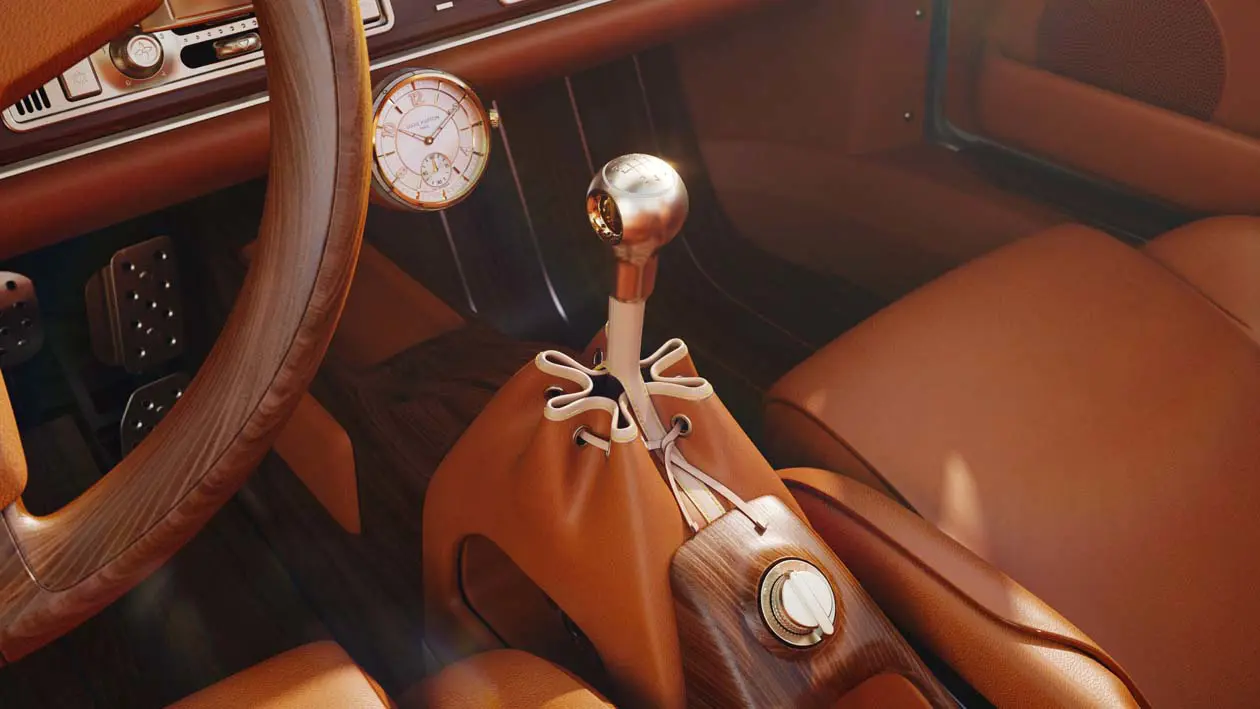
One of the central points of the project is the Tambour dashboard clock, a removable mechanical clock inspired by the Tambour line. Its integration has also led to the redesign of the speedometer, tachometer and indicators, adapted to the same graphic language.
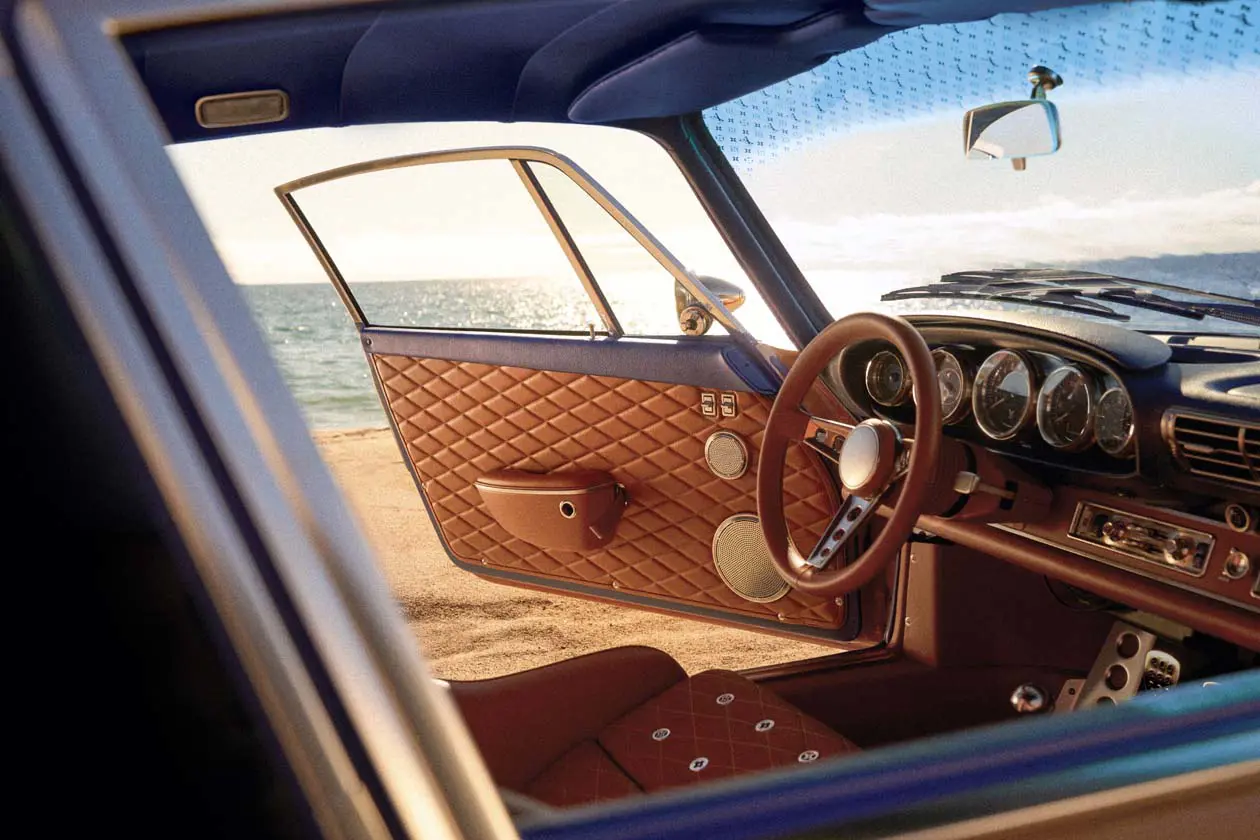
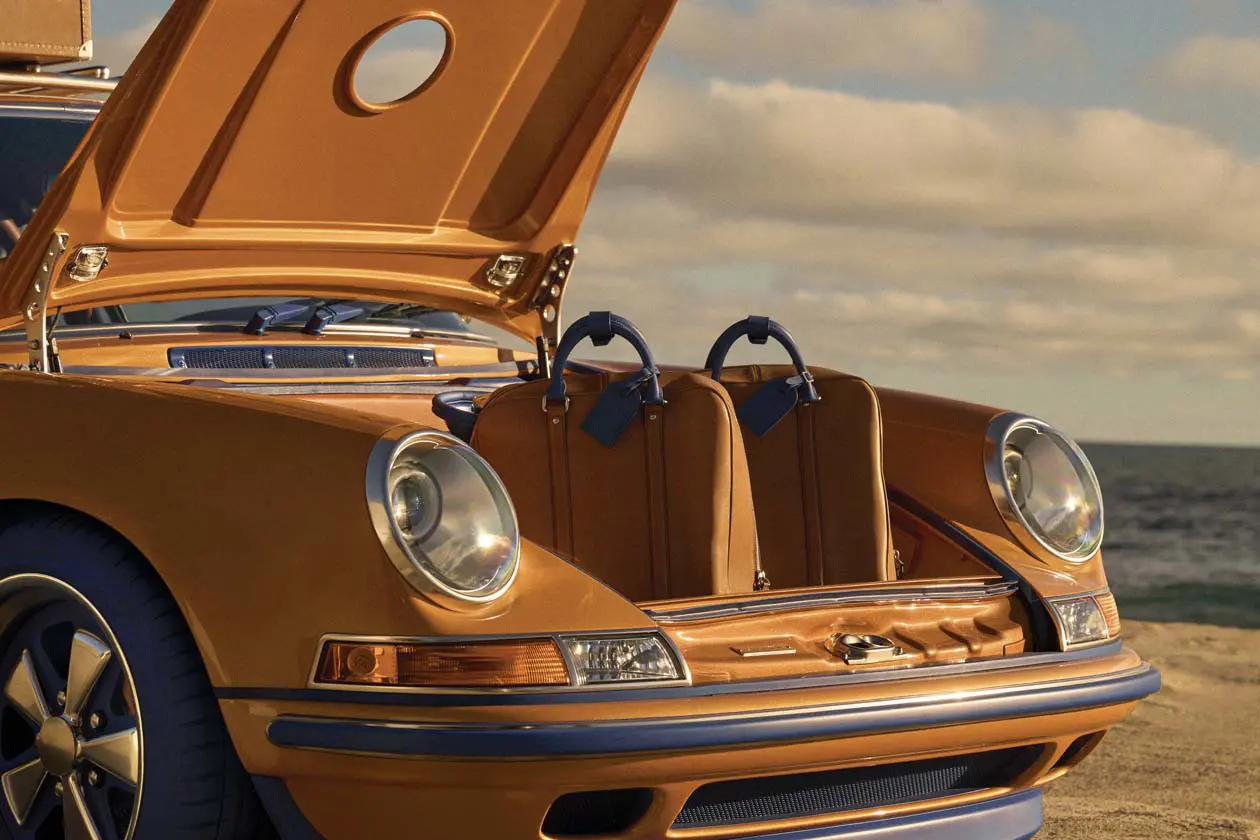
The coupé has also been configured for travel with a specific luggage rack, which can be used to carry a trunk, a surfboard or a pair of skis. Louis Vuitton has also developed a series of luggage and accessories sized for the car's spaces, along with a capsule dedicated to the driver.
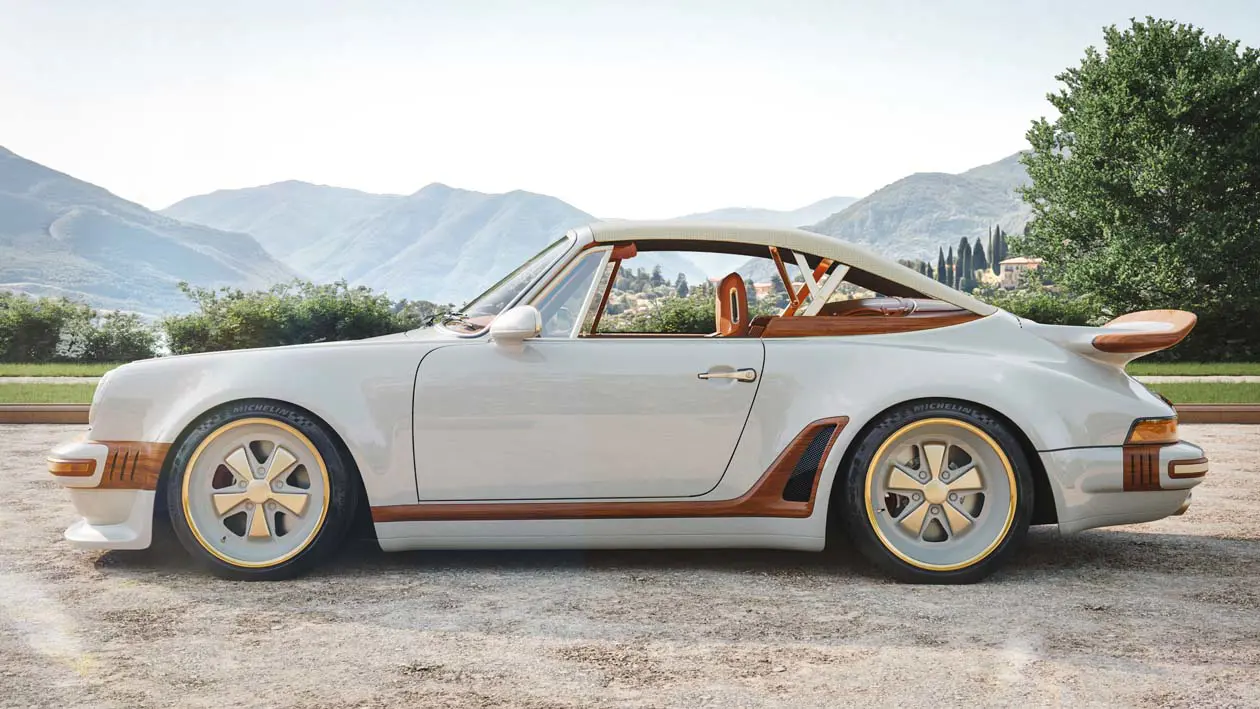
The second car is a Classic Turbo cabriolet designed with the contribution of Nicolas Ghesquière, Artistic Director of Louis Vuitton's Women's Collections. The bodywork is finished in Calcaire Lutétien white, with golden details, natural leather and wood inserts. The main aesthetic reference is the nautical world, evident above all in the rear compartment, where the painted wood recalls the surfaces of classic runabouts.
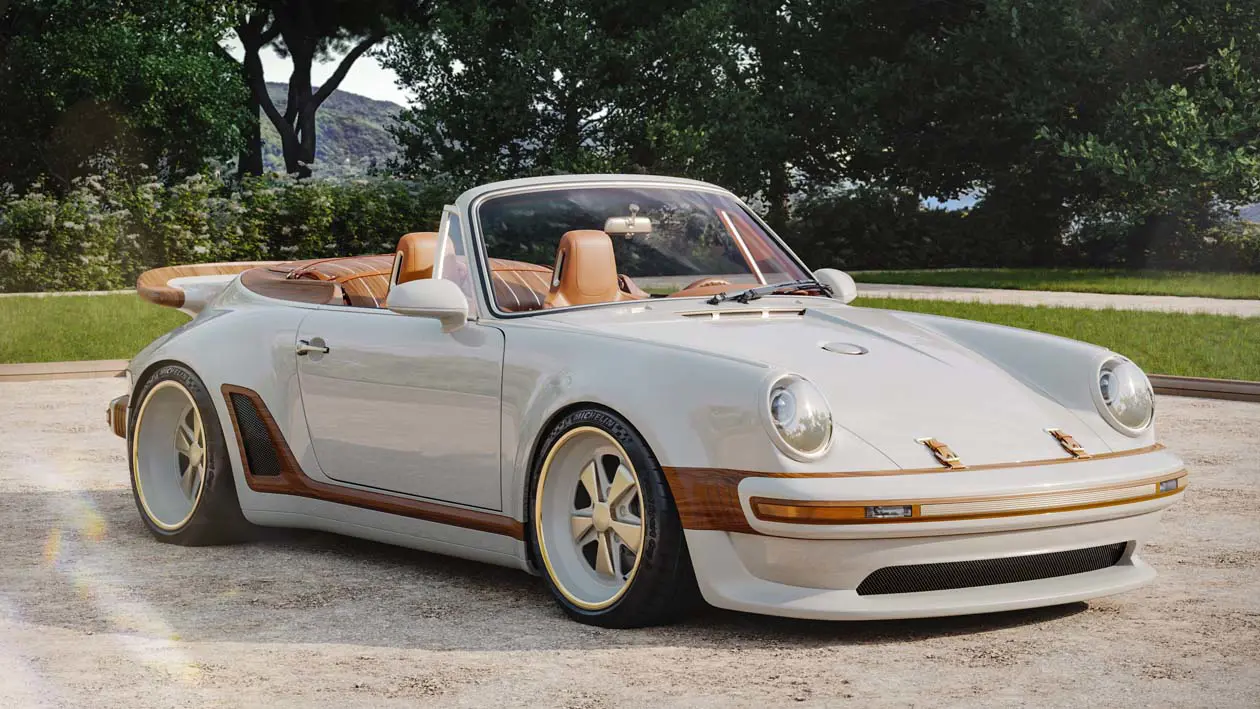
Also on this version, the dashboard clock occupies a central role in the console, while wood and leather are used in several areas of the passenger compartment, engine compartment and trunk. A luggage system consisting of three separable elements has been inserted in the front compartment. The car is also associated with a capsule that includes a 40 mm Tambour Automatic in ceramic and yellow gold, clothing, gloves, glasses, helmet and travel accessories.
From a technical point of view, the Classic coupé adopts a 4.0-liter naturally aspirated boxer engine, six-speed manual transmission and rear-wheel drive. The Classic Turbo instead uses a 3.8-liter twin-turbo, again with a six-speed manual transmission and rear-wheel drive. Both are based on Porsche 911 Type 964 chassis, use lightweight carbon fiber bodies and are equipped with a carbon-ceramic braking system.
The project also echoes the historical relationship between Louis Vuitton and the automobile. Since the late nineteenth century, the Maison has been making trunks and accessories designed to be installed on cars or adapted to their compartments.
With these two Porsche 911s, that bond is updated through a collaboration that focuses mainly on materials, personalization and integration between the car and travel objects.
Singer Vehicle Design
Singer Vehicle Design is a Californian automotive atelier founded in 2009 in Los Angeles by Rob Dickinson, former frontman and guitarist of the English rock band Catherine Wheel, and specialized in the restoration and tailor-made reinterpretation of classic Porsche 911s.
By the editorial staff, Avion Luxury Magazine
Text source and photo: Copyright © Newspress Ltd / Singer Vehicle Design Press
Photo for editorial use only.