The bustling capital in the heart of the Balkans
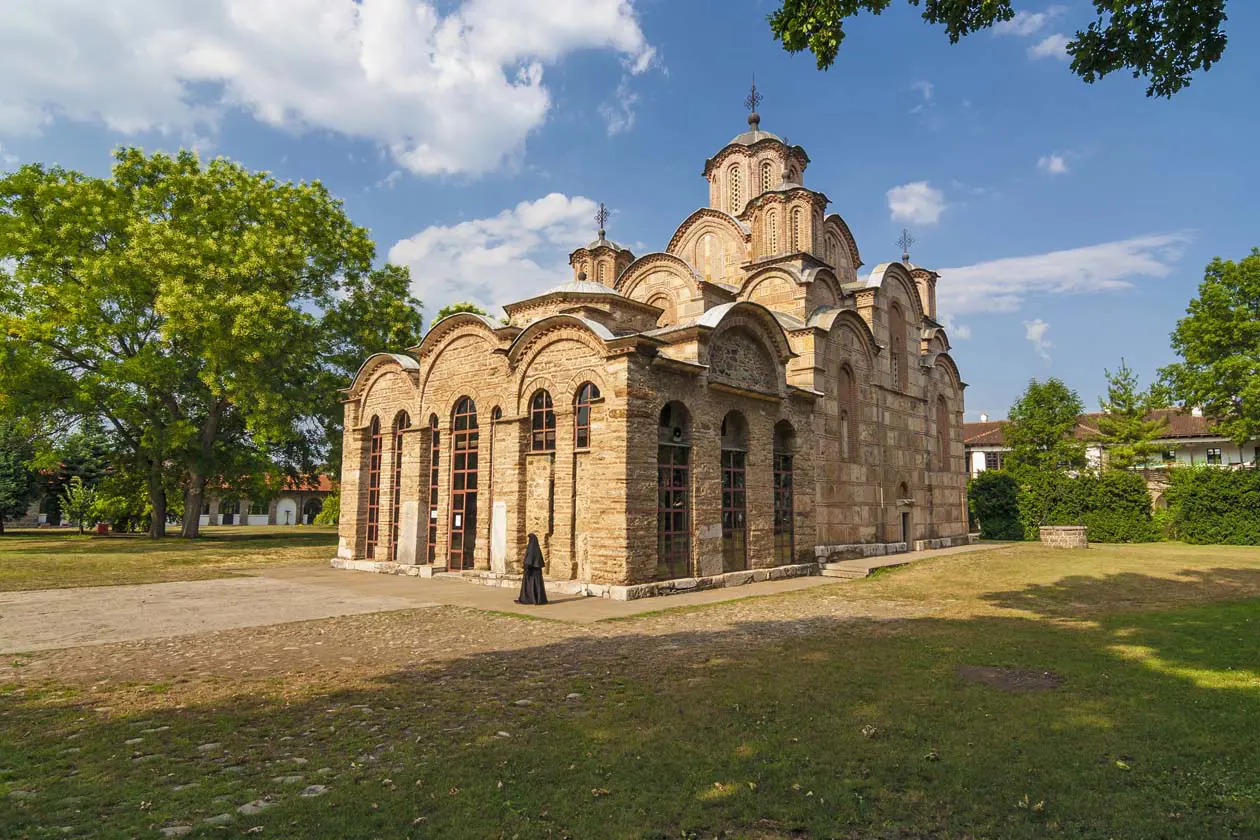
Located in the heart of the Balkans, Pristina is a capital with an ancient history, with traces of settlements dating back to the Neolithic period. In its surroundings there are sites of great importance such as the old Roman city of Ulpiana (founded in the second century and abandoned after the earthquake of 518) and the medieval monastery of Graçanica (built in 1321 on even older foundations), which are evidence of the deep cultural roots of the area. The city was first mentioned in 1342 by the Byzantine emperor John Kantakouzenos, and after the Battle of Kosovo in 1389, it entered the Ottoman Empire, a period in which it developed as a trading center with mosques, hammams, and bazaars.
Moving on to more recent history, in the twentieth century Pristina went through radical dominations and transformations, until it became the capital of Kosovo in 1947 within Yugoslavia. The 1970s marked a phase of growth and investment, while the end of autonomy in 1989 and the conflict of 1998-1999 led to NATO intervention and international administration. Since 2008, with Kosovo's declaration of independence from Serbia, Pristina has been the political center of the new state. Today it presents itself as a young and evolving capital, where Ottoman and Yugoslav traces coexist with new neighborhoods and urban projects that design its future.
Pristina is a city that can be easily visited in two or three days, revealing itself as a capital that combines ancient history, recent memory and contemporary vitality, offering an authentic and intense experience between hospitality, archaeological heritage, art, culture, religious buildings and natural attractions.
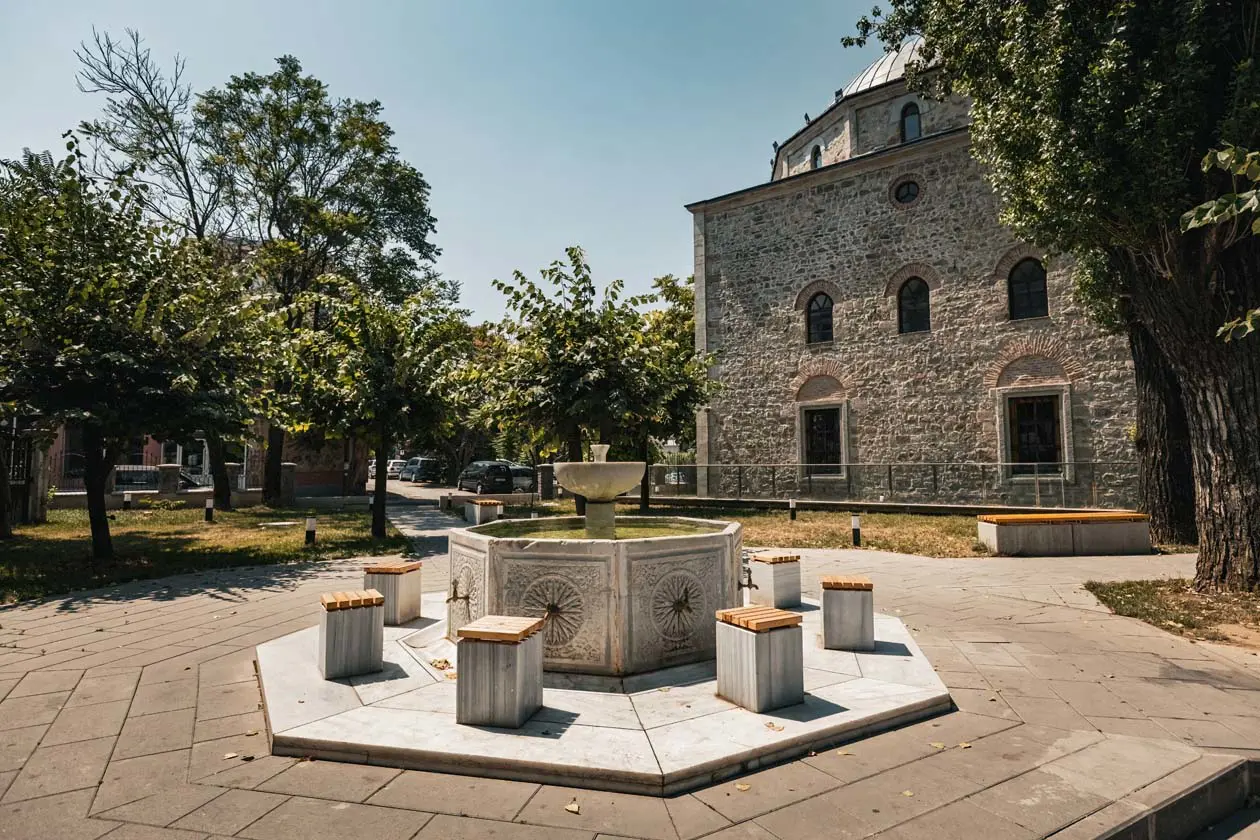
The ideal starting point for sightseeing is Pristina's Old Town, where the Ottoman heritage is concentrated. The Bazaar Mosque, once the oldest building in Pristina built in the 15th century by Sultan Bayezid to commemorate the victory of the Ottomans in 1389, marks the beginning of the city's historic center and stands out for its stone minaret, while in the courtyard is the marble-decorated City Fountain.
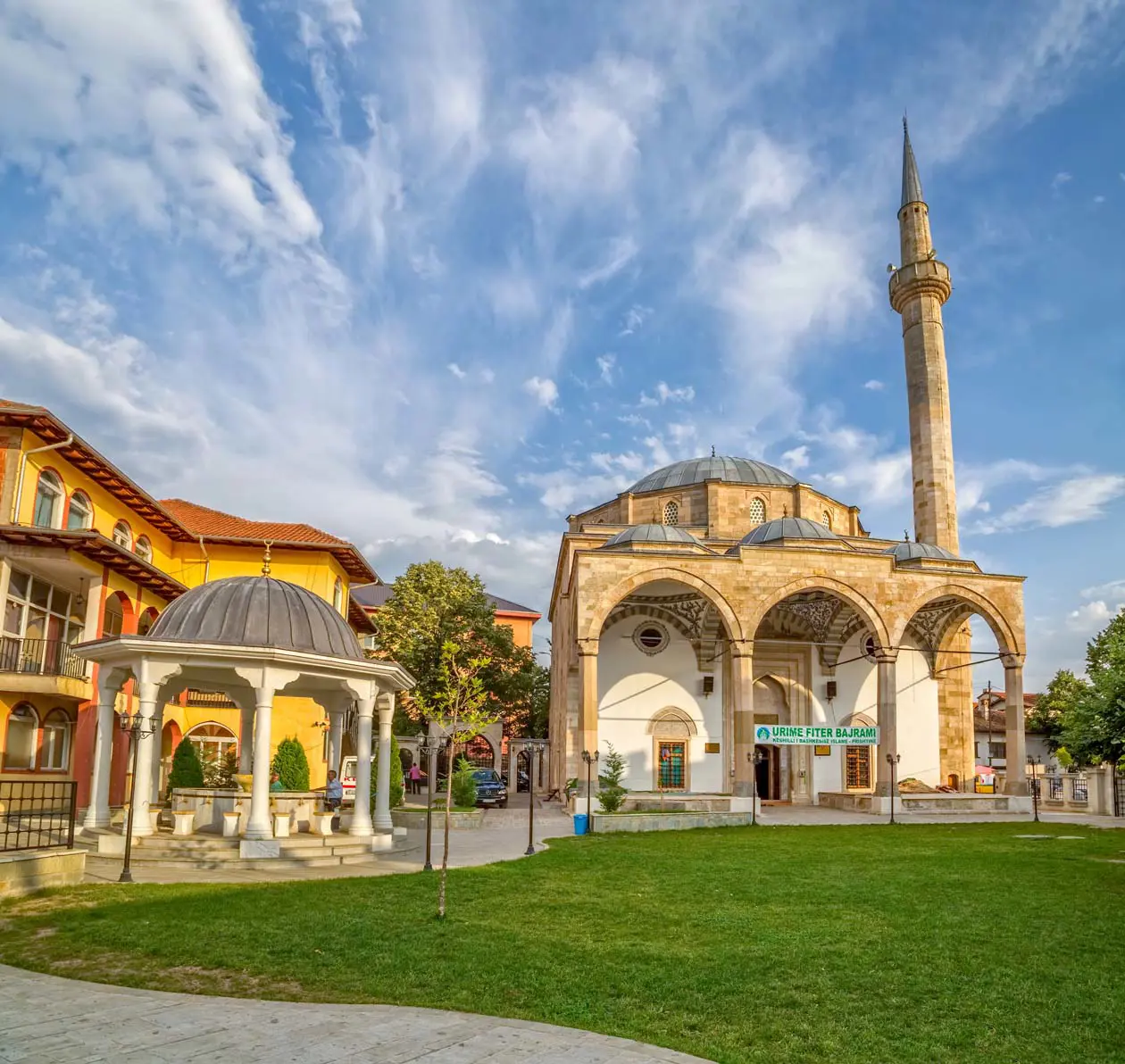
In the historic center there is also the Mosque of Sultan Mehmed II al-Fatih, built in the fifteenth century which also houses a large fountain in its courtyard and is still a meeting point for the inhabitants. Nearby you can also see the ruins of the ancient Hamam of Ottoman architecture which had 15 domes and was an essential part of the Sultan's Mosque complex.
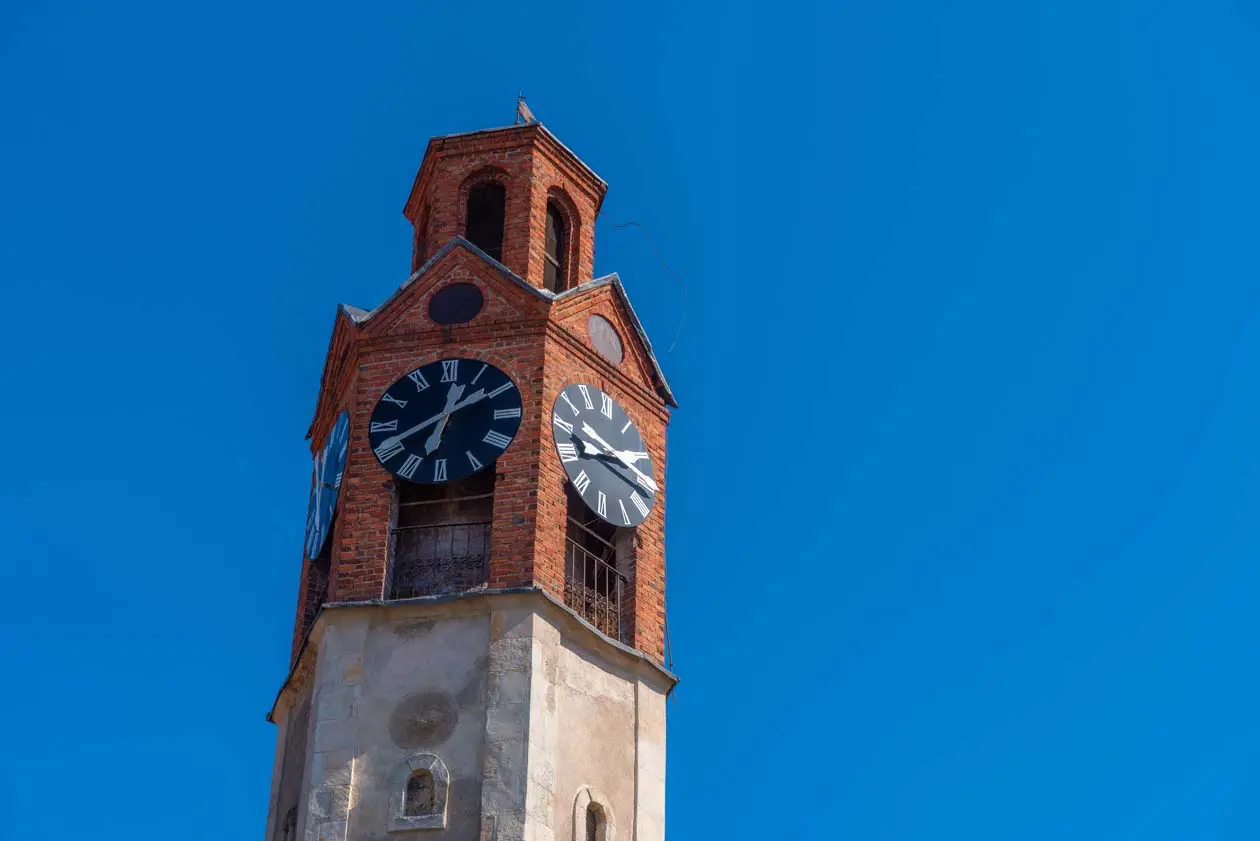
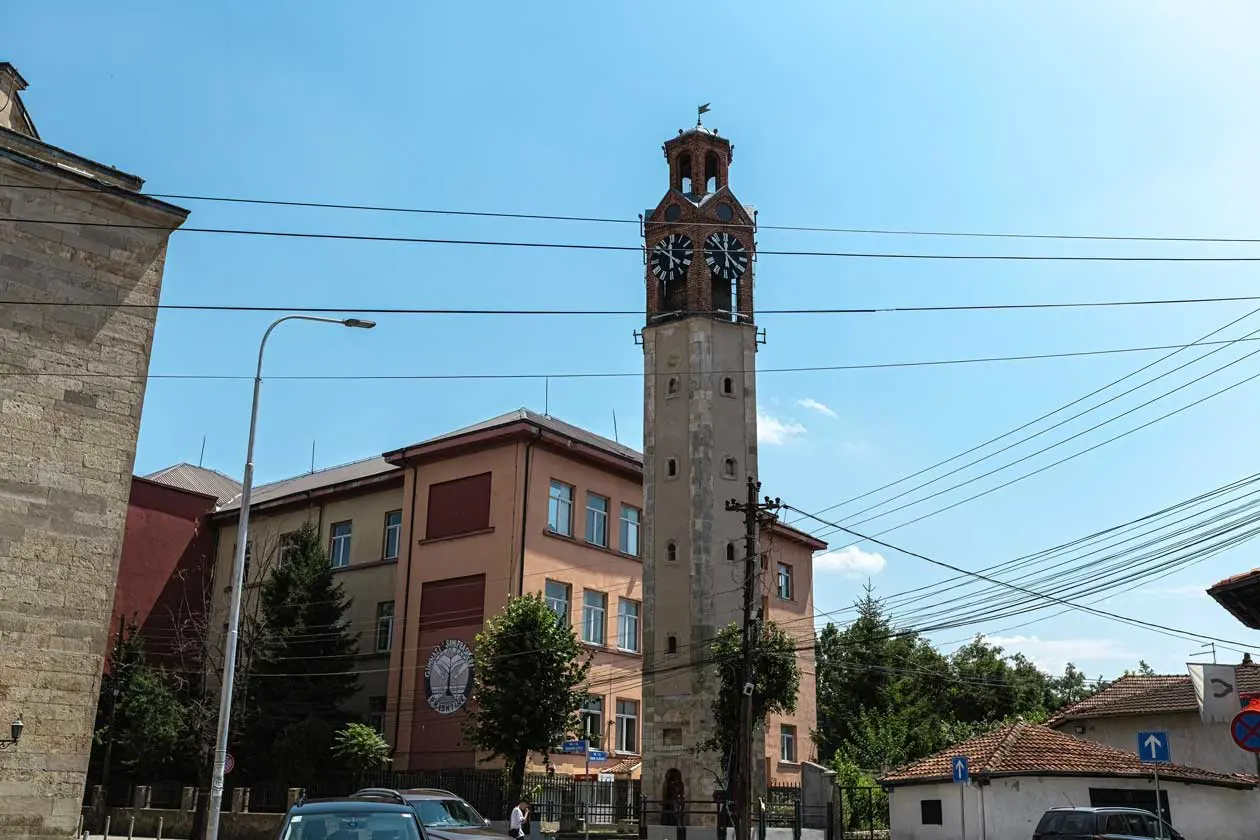
Not far away is the Stone House, the only surviving building in Pristina's old bazaar, which was once known as the Jewish "synagogue", then dismantled and moved to the Emin Gjiku residential complex owned by the Gjinolli family and built in the early 19th century. While, the nineteenth-century Clock Tower, which represents one of the most important monuments of the city's utilitarian architecture with a hexagonal shape and a height of 26 meters, is one of the most photographed symbols of the neighborhood.
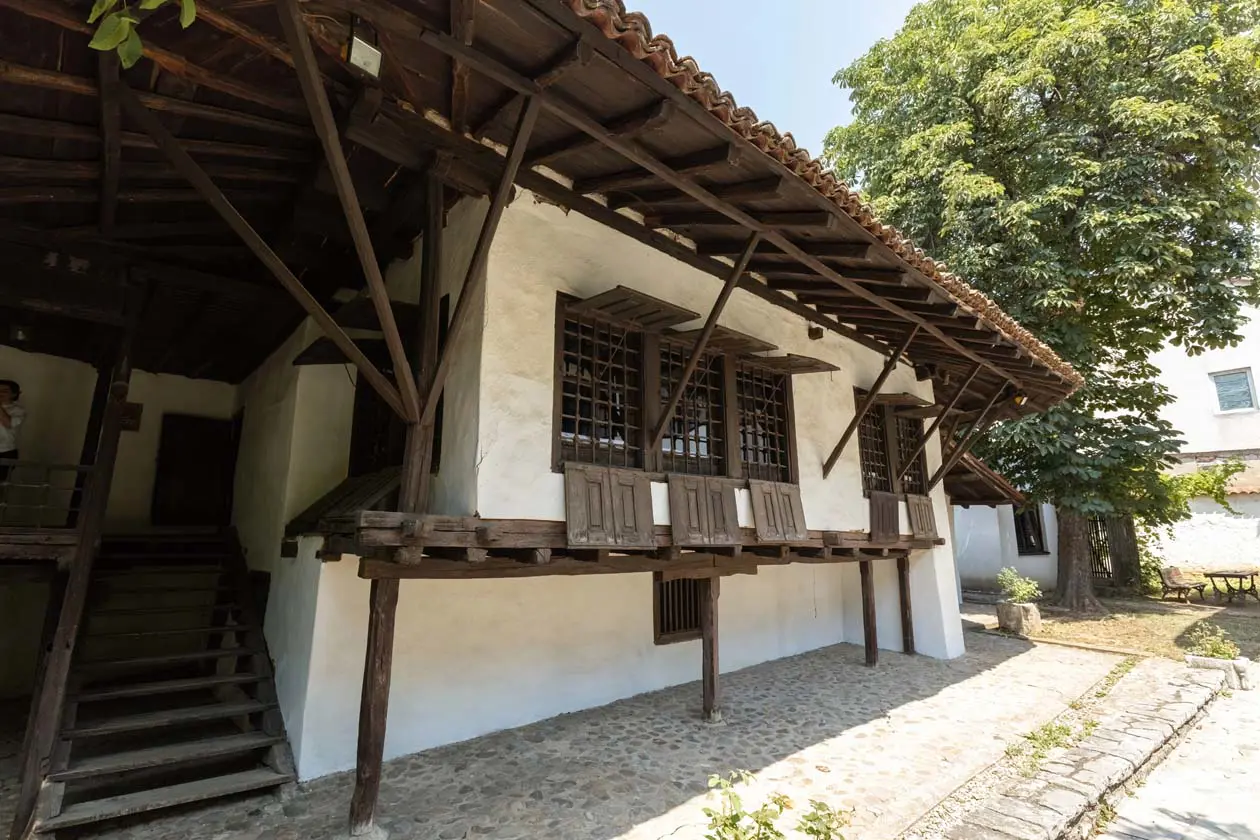
A few steps away you can visit the Emin Gjiku Ethnological Museum, an integral part of the Kosovo Museum and set up in the homonymous complex of traditional houses of the eighteenth century, where costumes, domestic tools, traditional clothes and objects that tell the daily life of Kosovo of the past are exhibited.
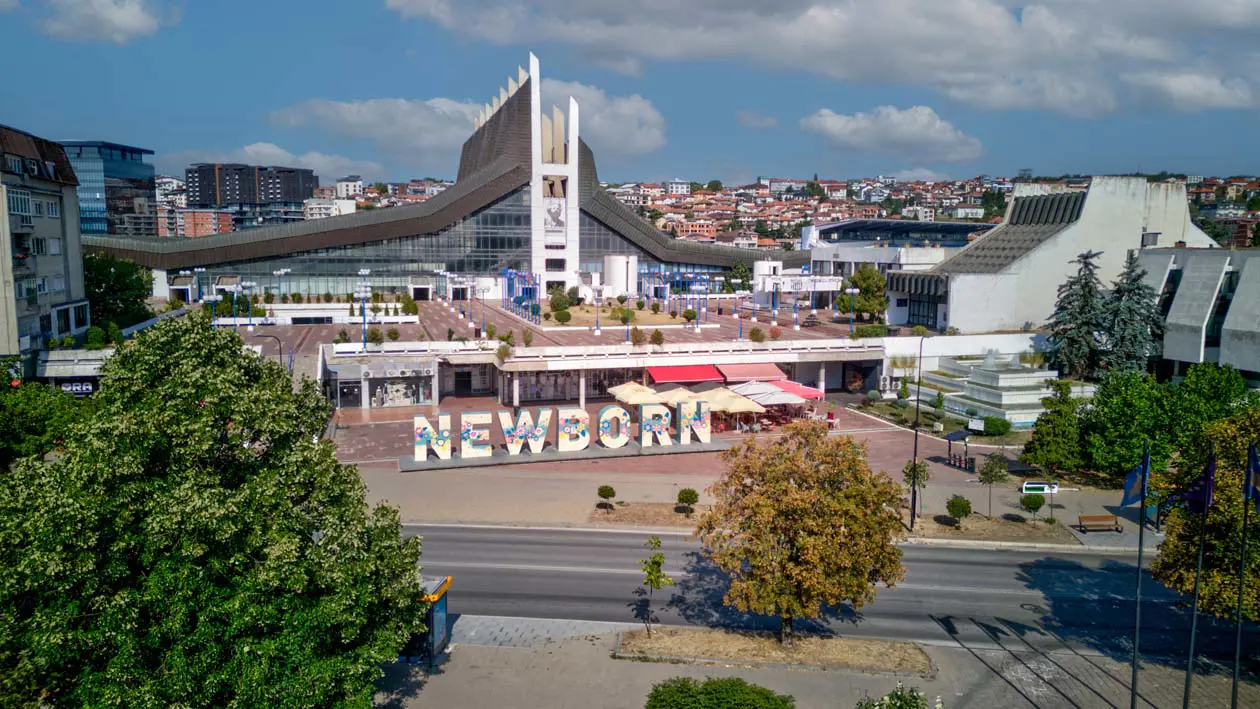
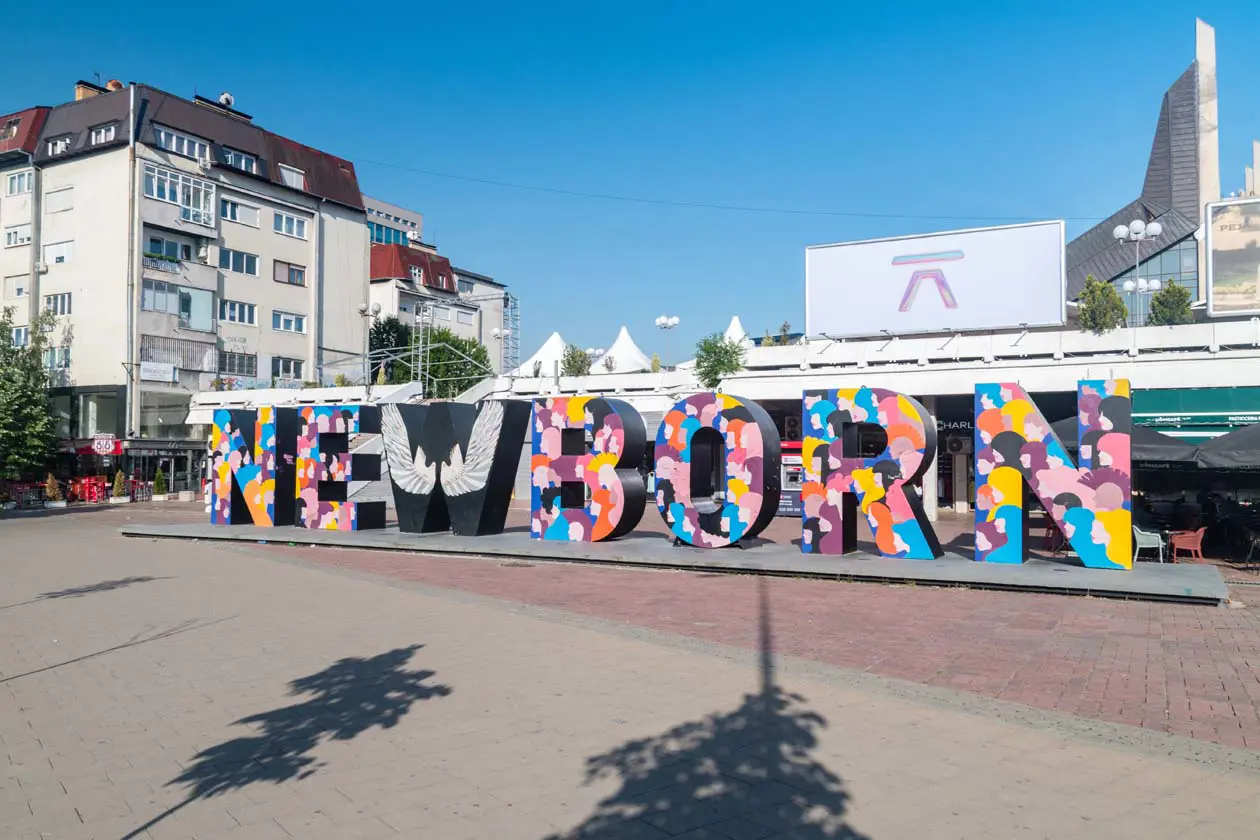
Continuing towards the modern heart of the city you arrive at Mother Teresa Boulevard, a pedestrian artery animated by cafes, restaurants, bookstores and boutiques. Here you can breathe the young energy of Pristina, thanks also to the presence of the University. On the boulevard, there is the famous NewBorn monument of seven letters, inaugurated on February 17, 2008, the day of Kosovo's declaration of independence and redesigned every year with new symbolic decorations.
Right in front of it is also the Memorial of the Heroines, a typographic sculpture depicting a representative face of a woman obtained using 20,000 nails (each nail represents a woman raped during the Kosovo war of 1998-1999) and was inaugurated on June 12, 2015, the day of the Liberation of Kosovo.
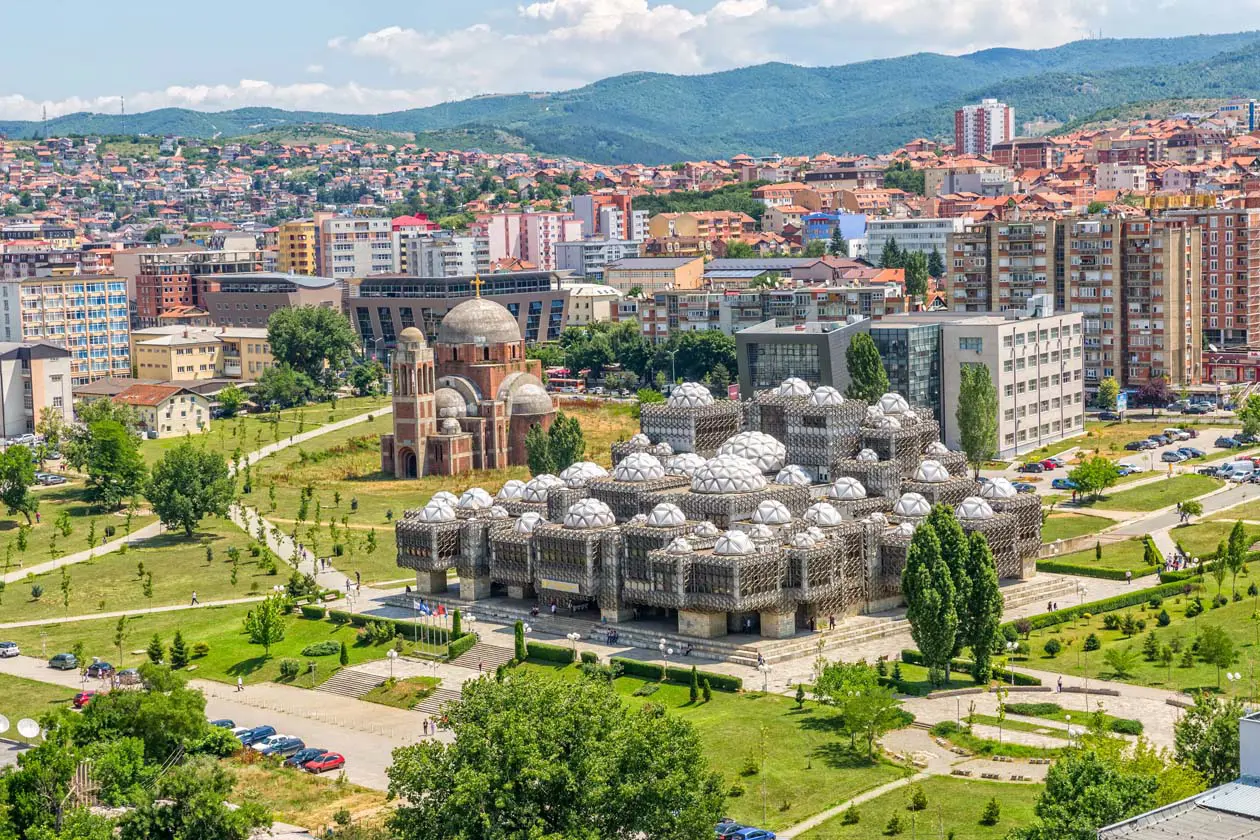
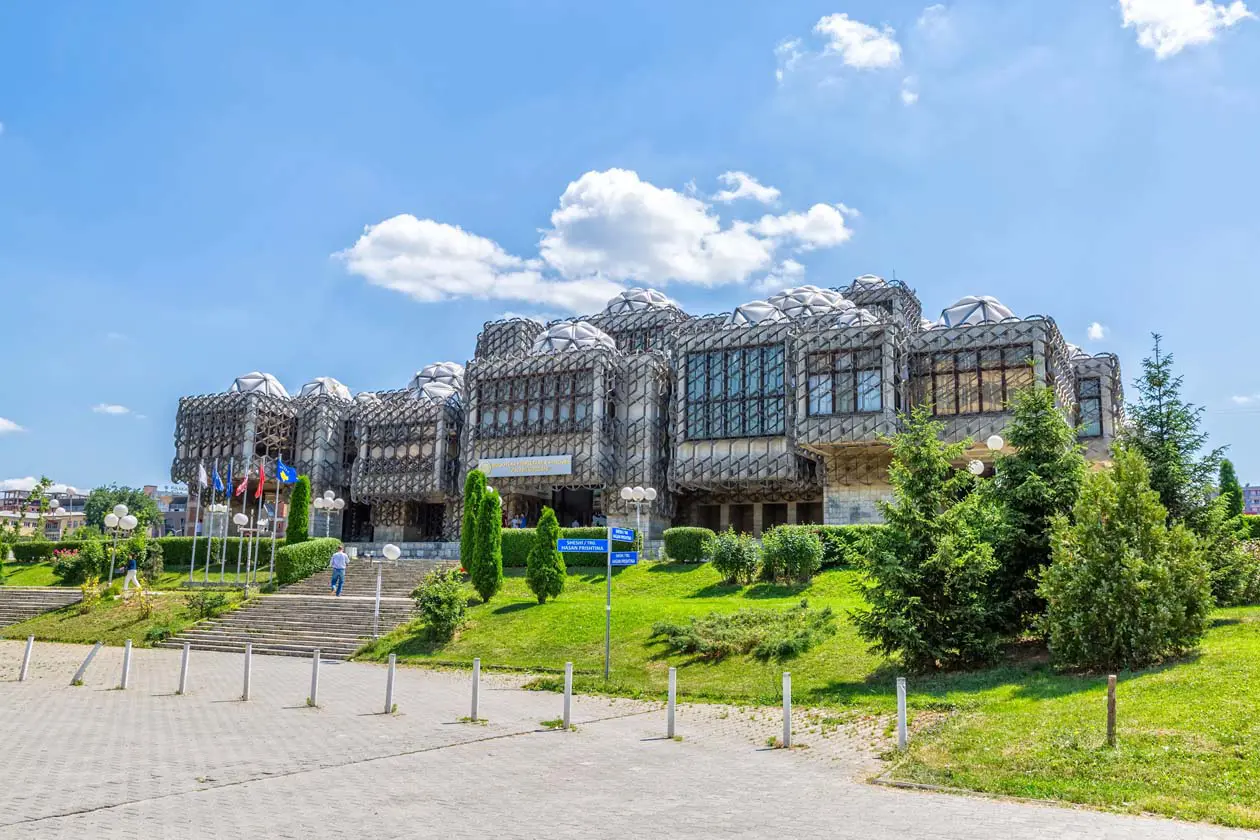
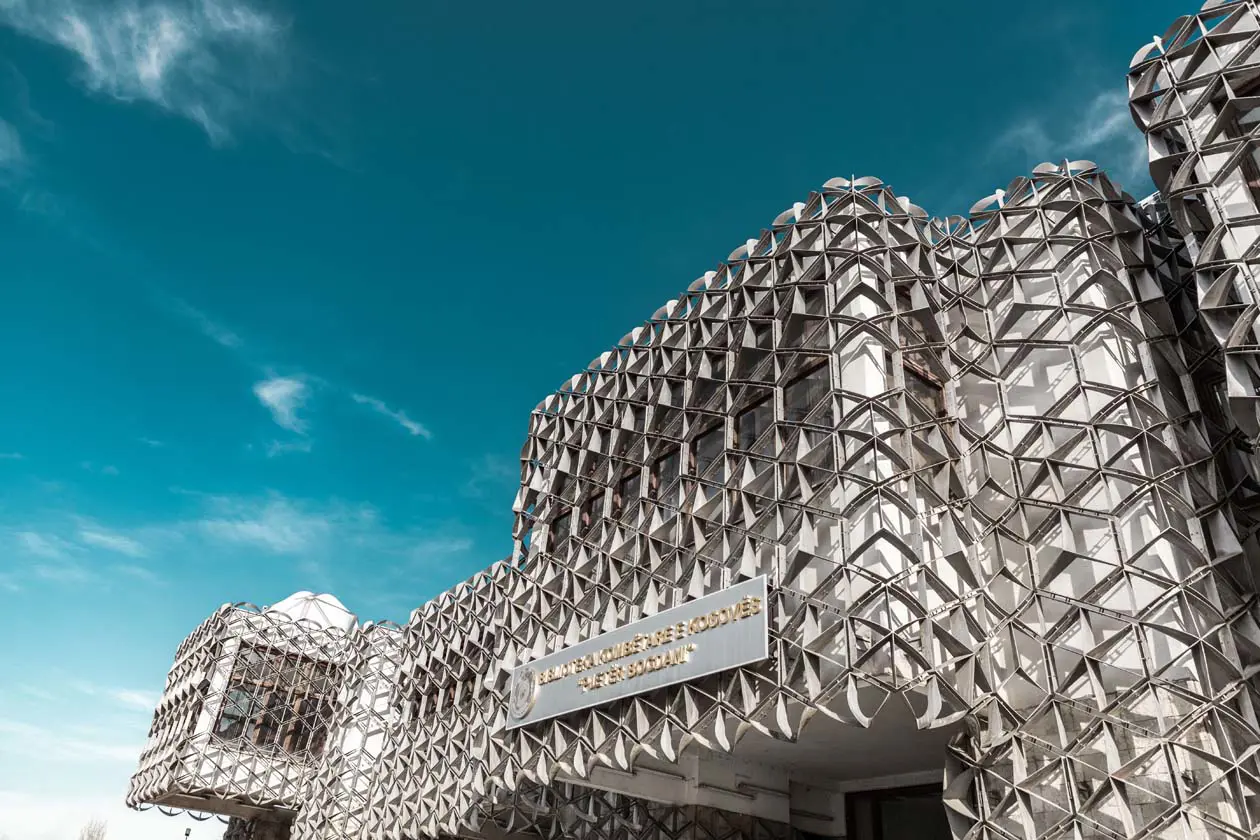
A short distance away is the National Library of Kosovo designed by Croatian architect Andrija Mutnjaković, an emblematic example of brutalist architecture with 99 domes and a metal lattice structure. Next door is the Palace of Youth and Sport, built in the 70s as a cultural and sports center.
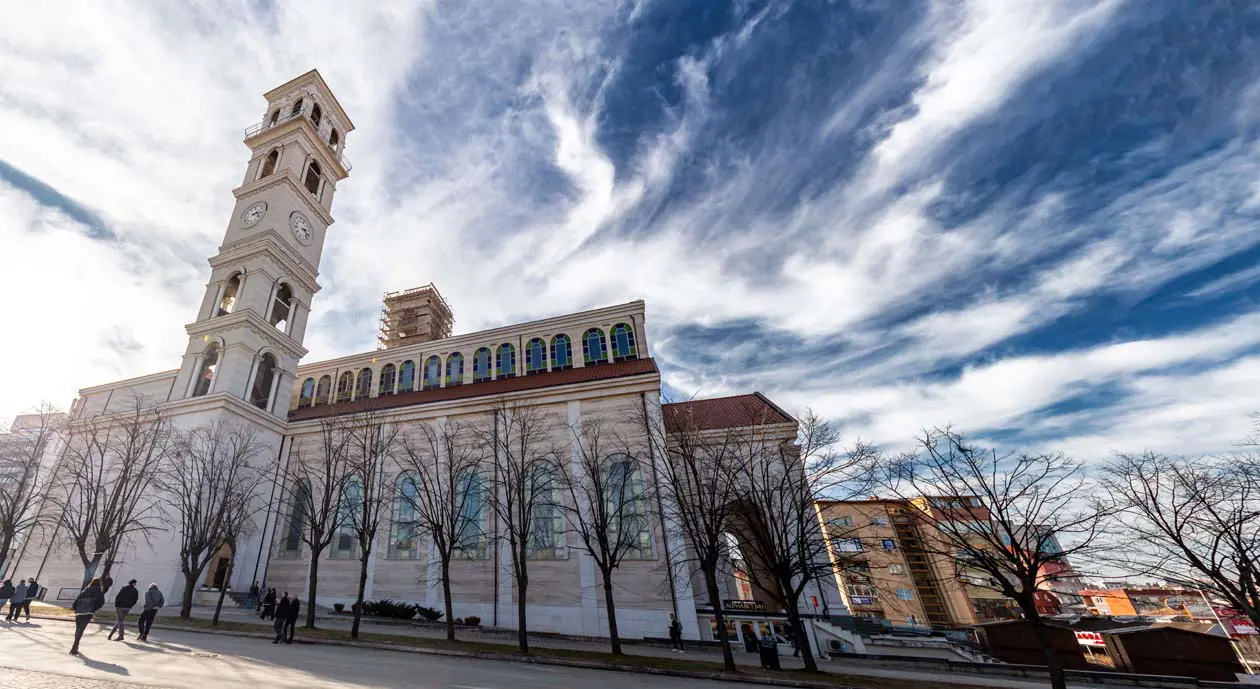
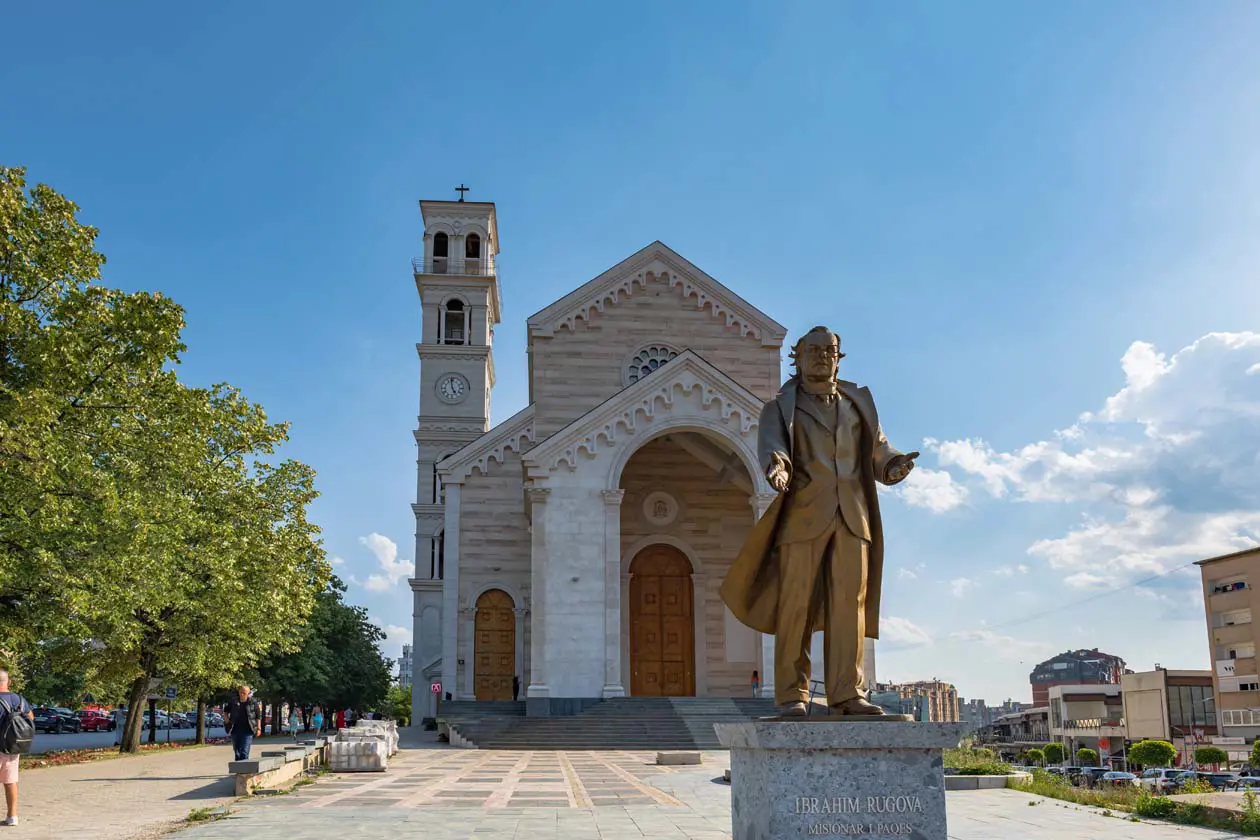
Not far away stands the Cathedral of Mother Teresa, designed by the Italian architect Livio Sterlicchio and built in 2007, dedicated to the Albanian-Indian Catholic missionary nun, St. Teresa of Calcutta. From the bell tower of the cathedral you can admire a panoramic view of the city. A statue of Mother Teresa is located in the center of the city, in the square of the same name.
The National Museum of Kosovo is also worth a visit, which offers an overview of the country's prehistoric and archaeological finds and recent history. While, for the most valuable visual arts and works of art visit the Kosovo Art Gallery, founded in 1979. The city centre is also home to contemporary art galleries, independent cultural spaces and local markets where you can buy hand-painted handicrafts, sculptures, woodcarvings, embroidery and silver filigree jewellery.
The surroundings of Pristina are also worth a visit. About 10 km away, in the village of Gračanica, is the Graçanica Monastery, listed as a UNESCO World Heritage Site as an extension of the Dečani Monastery, a true masterpiece of Serbian-Byzantine architecture of the fourteenth century with well-preserved medieval frescoes. In the Ulpiana Archaeological Park, in Gračanica, there are also the ruins of the ancient Roman city founded between the first and second centuries by the Roman emperor Trajan, with remains of early Christian basilicas, Roman roads and walls.
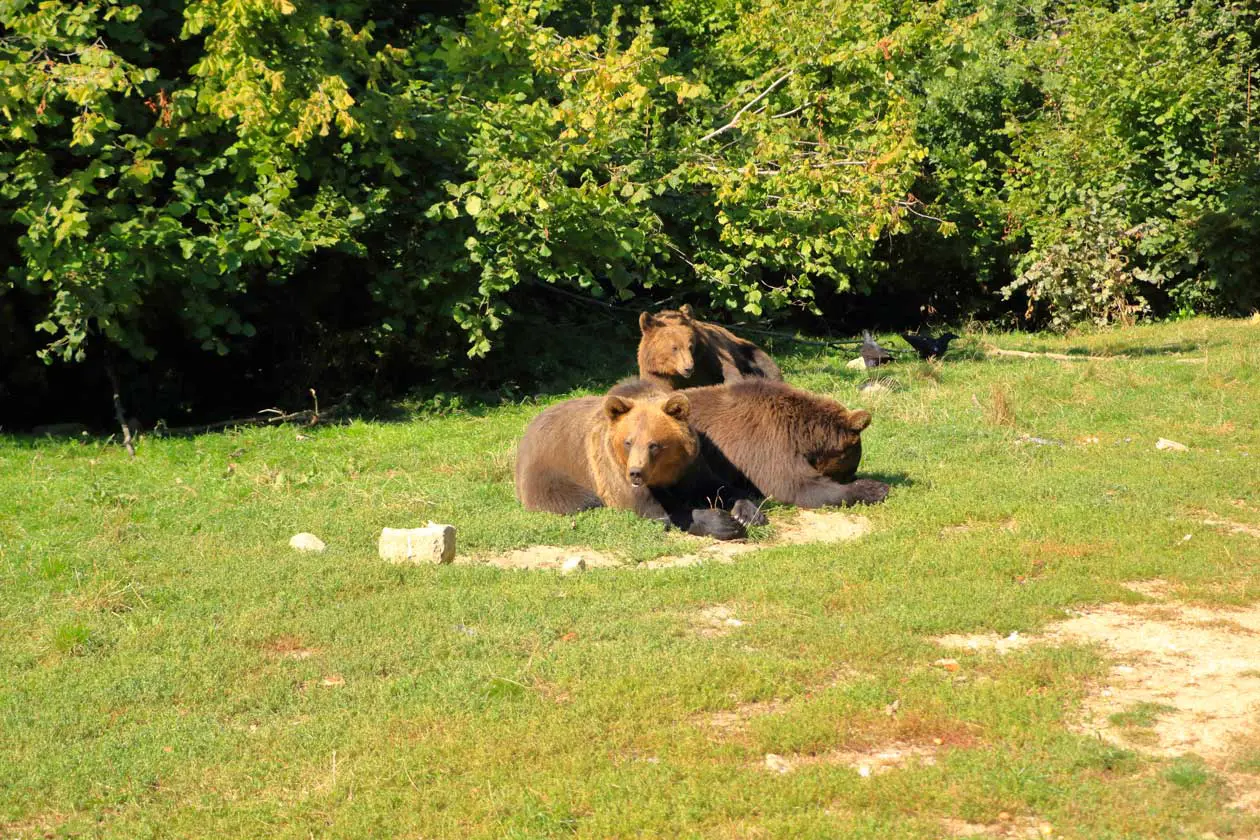
For those who love nature, the Germia Park is home to hills, valleys, streams and rivers in an area of biodiversity with oak and beech forests and a recreational area with trails, swimming pool and restaurants. Lake Badovc, an artificial reservoir on the Gračanka River two kilometres above Gračanica, is ideal for walks and relaxation, while the Sharr Mountains (or Šar) National Park to the south is perfect for outdoor activities with hiking trails for walking and trekking, striking mountain landscapes and a ski area in Strpce. While in the Bear Park, near the city, brown bears, rescued from captivity, can be observed in their natural habitat: a true sanctuary for Pristina's bears that were previously displayed in restaurants as an attraction for customers.
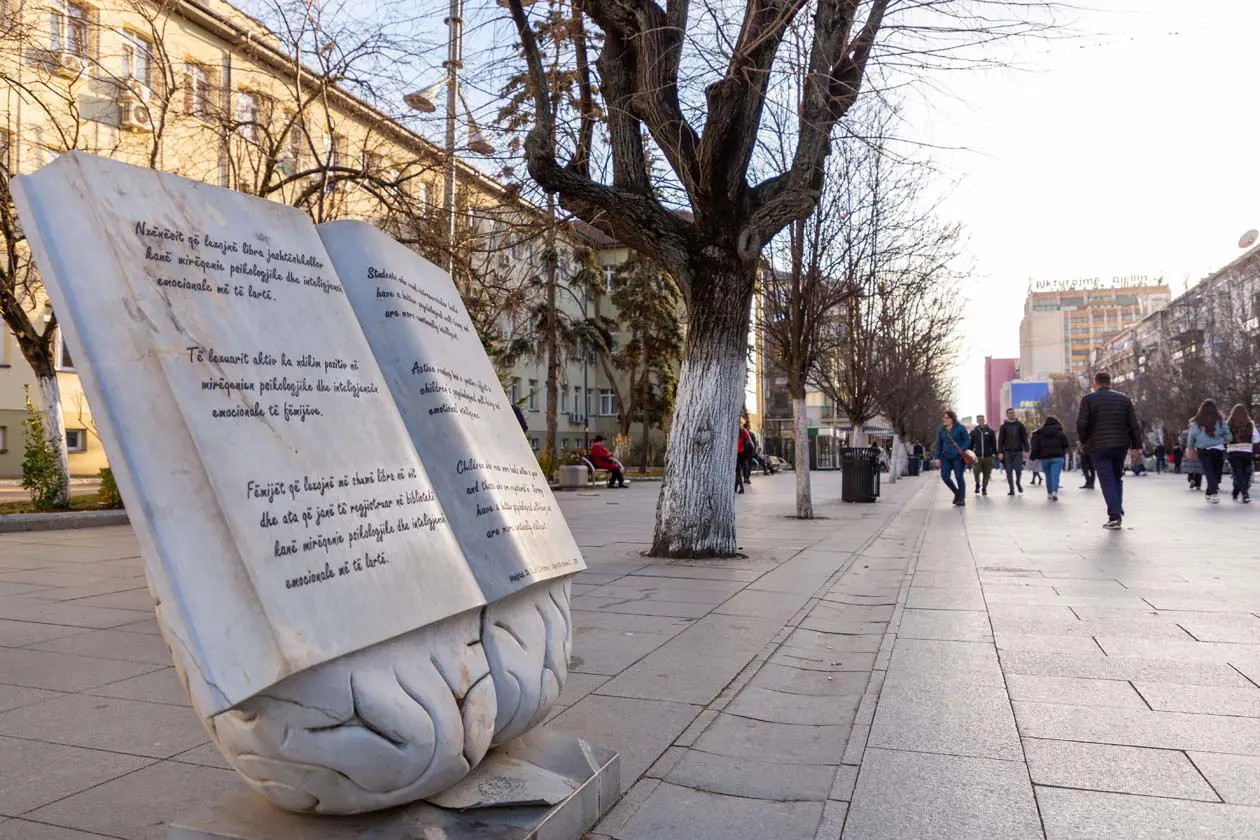
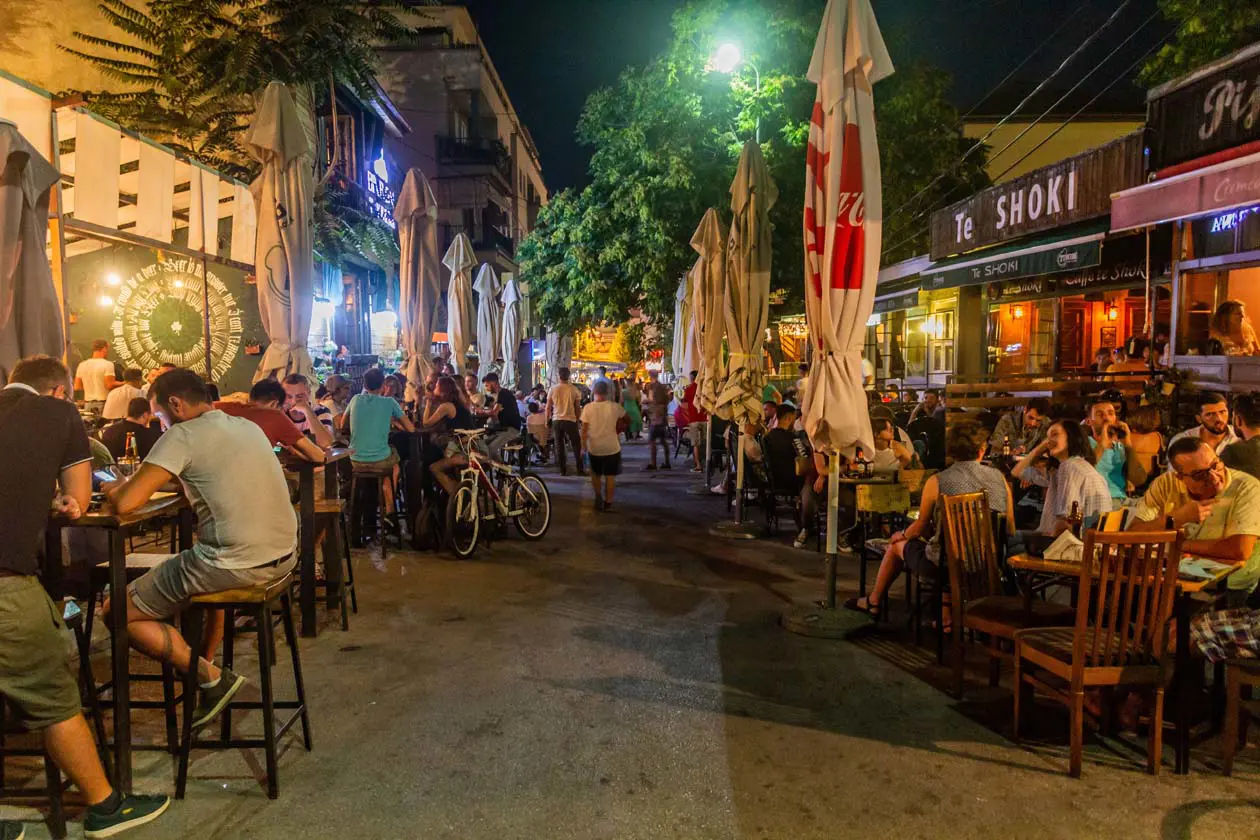
In Pristina, entire streets are crowded with bars and cafes. There are numerous Rakija Cafés while Mother Teresa Boulevard and Kafet and Vogela are among the most famous and popular streets in Pristina. The city is also Kosovo's main nightlife hub with nightclubs, electronic music parties, rock, hip-hop, and music and film festivals. Among the best known, the 'Sunny Hill Festival' organized by the English singer Dua Lipa who brings music to Bernice near Pristina (July/August), the 'BeerFest' and the 'Gastronomy Festival' (in July), the 'Akull n'Verë Festival/Summer Ice' with music and tastings in the capital's square (in July and August) or the 'Verë n'Dimën' festival with wooden houses and mulled wine (December).
Pristina's cuisine
Kosovar cuisine reflects Balkan and Ottoman influences. Composed of traditional dishes, Kosovo cuisine is similar to Albanian cuisine due to ethnic ties, but with influences from other Balkan countries. Important elements are bread, dairy products, meat and fruit and vegetables produced by local farmers.
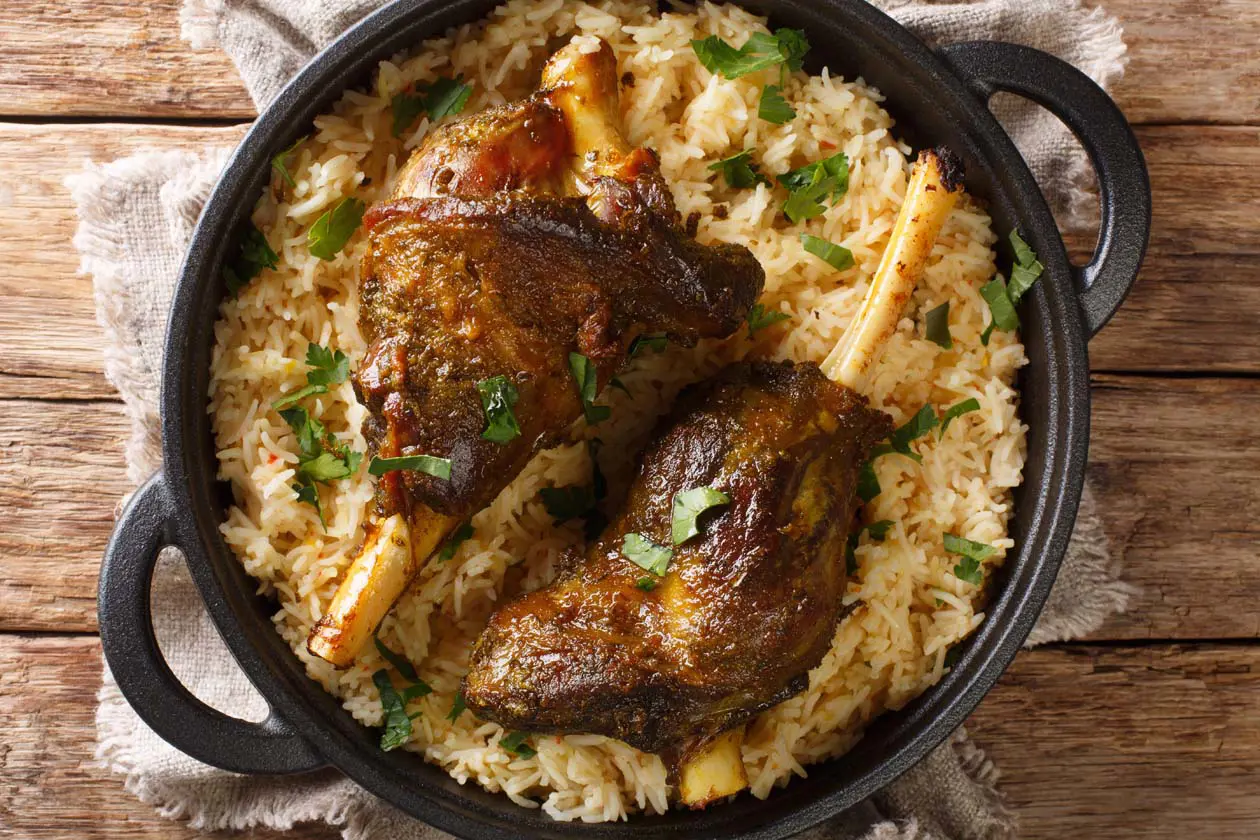
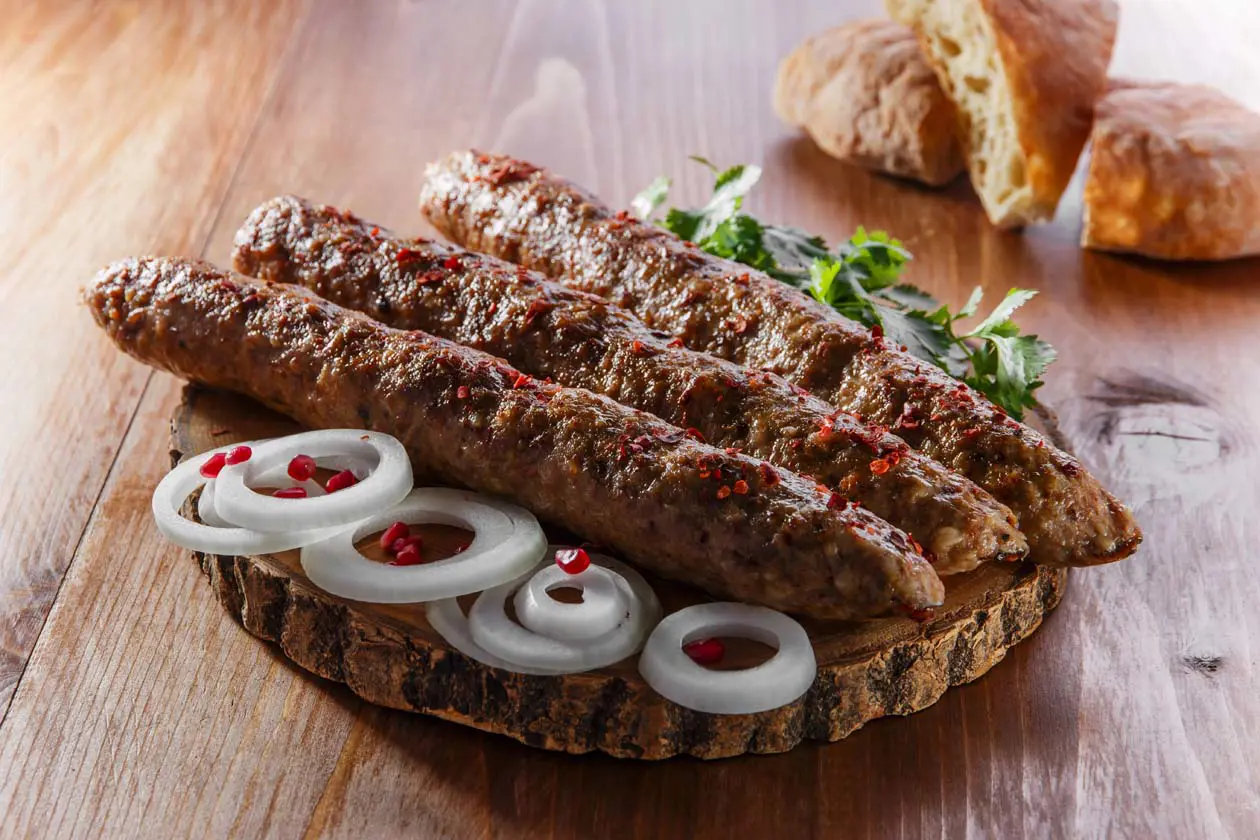
Among the typical dishes, the traditional flija cake stands out, a layered preparation cooked slowly and served with yogurt or fresh cheese. Tavë kosi, baked lamb with rice and yogurt sauce, is another typical dish, along with qebapa (grilled sausages or meatballs) served with warm bread and onions.
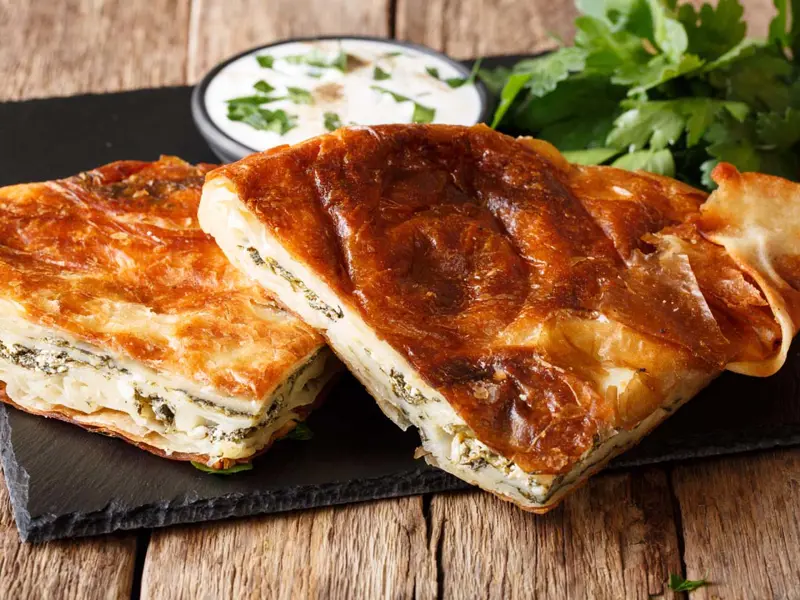

Very popular is the burek, a puff pastry filled with meat, cheese or spinach, ideal as a snack. In local restaurants you can also enjoy grilled meat dishes, traditional soups, artisanal cheeses, peppers and stuffed cabbage or kebabs. Favorite drinks are beer and traditional rakija (brandy or brandy). The meal ends with a Turkish coffee or sweets made with honey and dried fruits, such as baklava and other Ottoman-inspired specialties.
Lyrics by Lisa Maria River
Avion Tourism Magazine
Photo: Copyright © Sisterscom.com / Depositphotos
All rights reserved. Reproduction is prohibited.
Municipality of Pristina
prishtinaonline.com
Partnership with Booking.com / Travelpayouts
Where to stay in Pristina
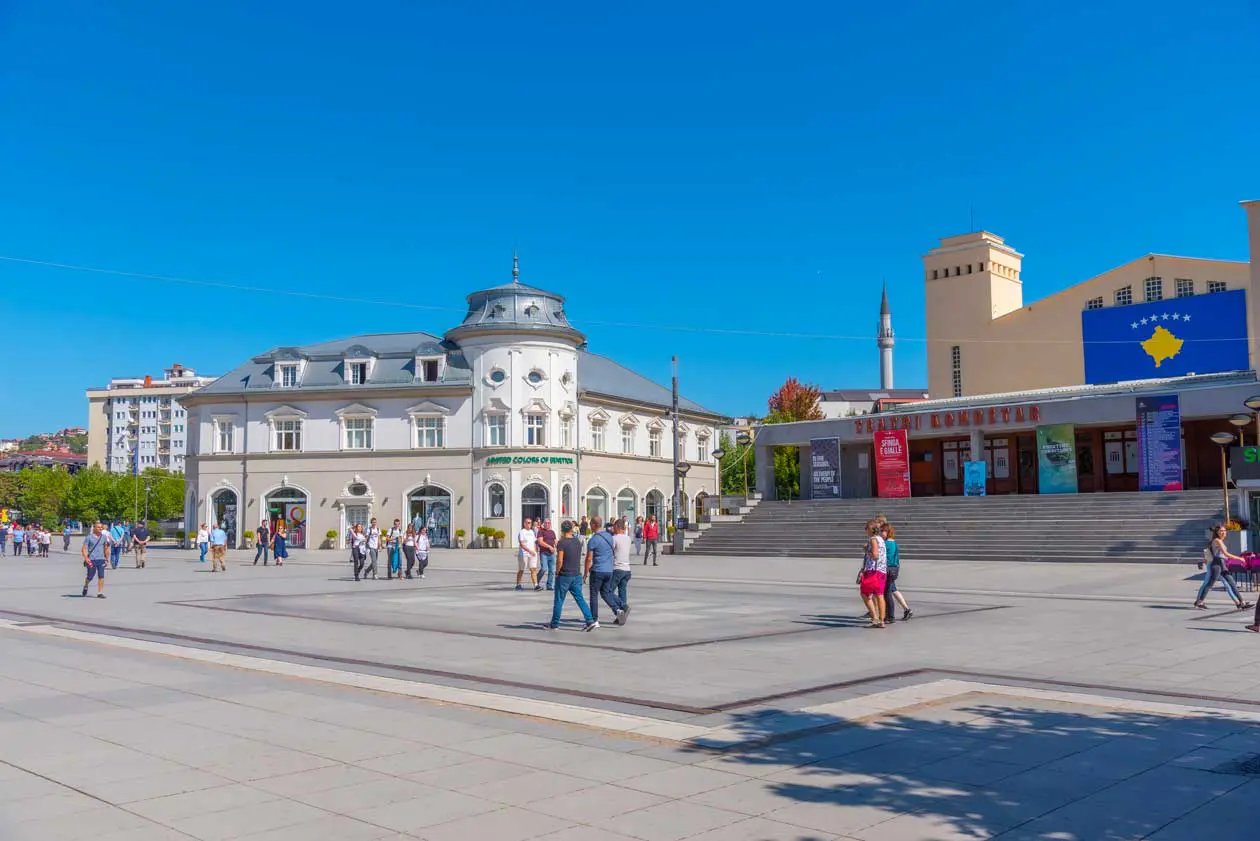
Pristina offers various possibilities for accommodation in facilities equipped with the best services.
To find the ideal hotel and offers, you can search by services offered or places of interest.


WHERE TO GO IN PRISTINA
Monuments and attractions in Pristina
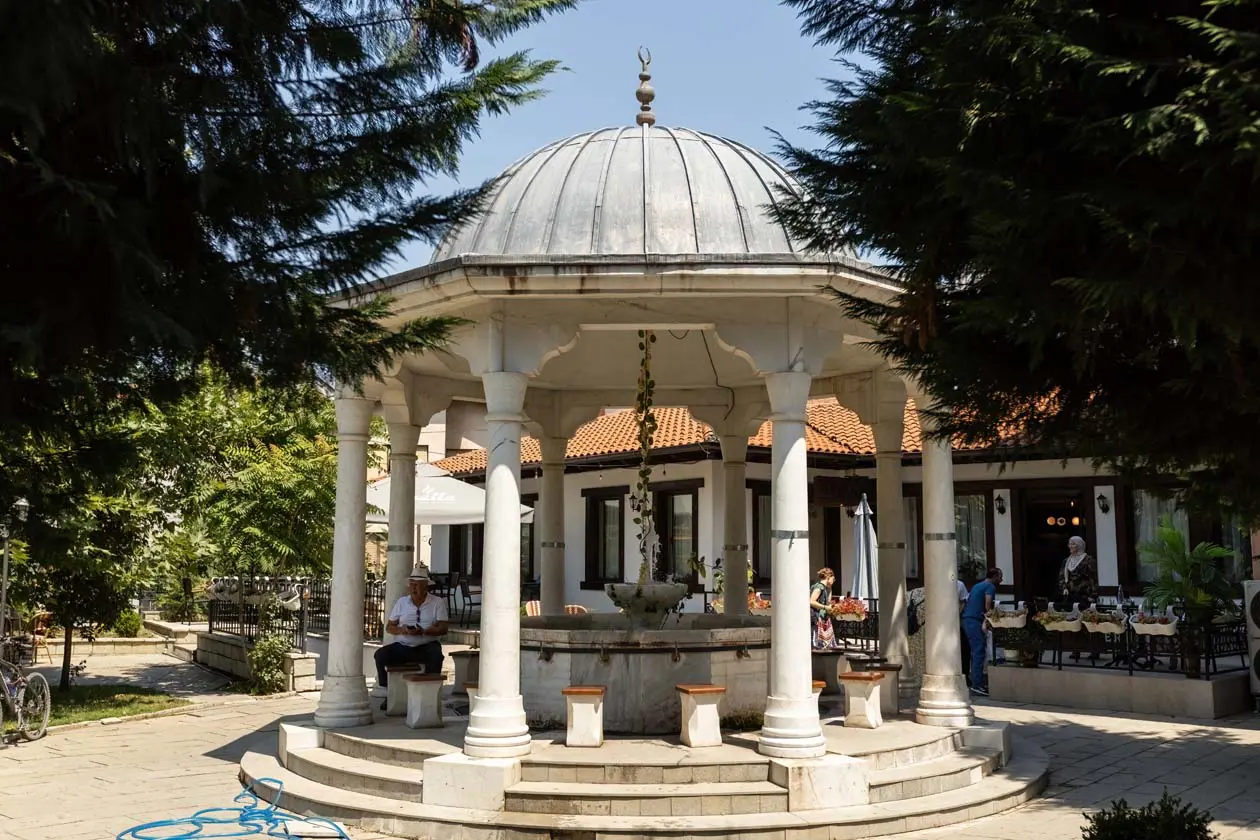
It was built by order of Sultan Mehmet Fatih II - the Conqueror in 1461, as indicated in the Arabic inscription above the entrance portal. At the end of the seventeenth century, during the Austro-Turkish wars it was temporarily converted into a Catholic church. It was restored between 1682 and 1683 during the reign of Sultan Mehmed IV and after the 1955 earthquake. The mosque is an Ottoman monument with Islamic architecture with a large dome, a minaret, interior decorations in Arabic style and, outside, a gazebo with a fountain with 14 rods.
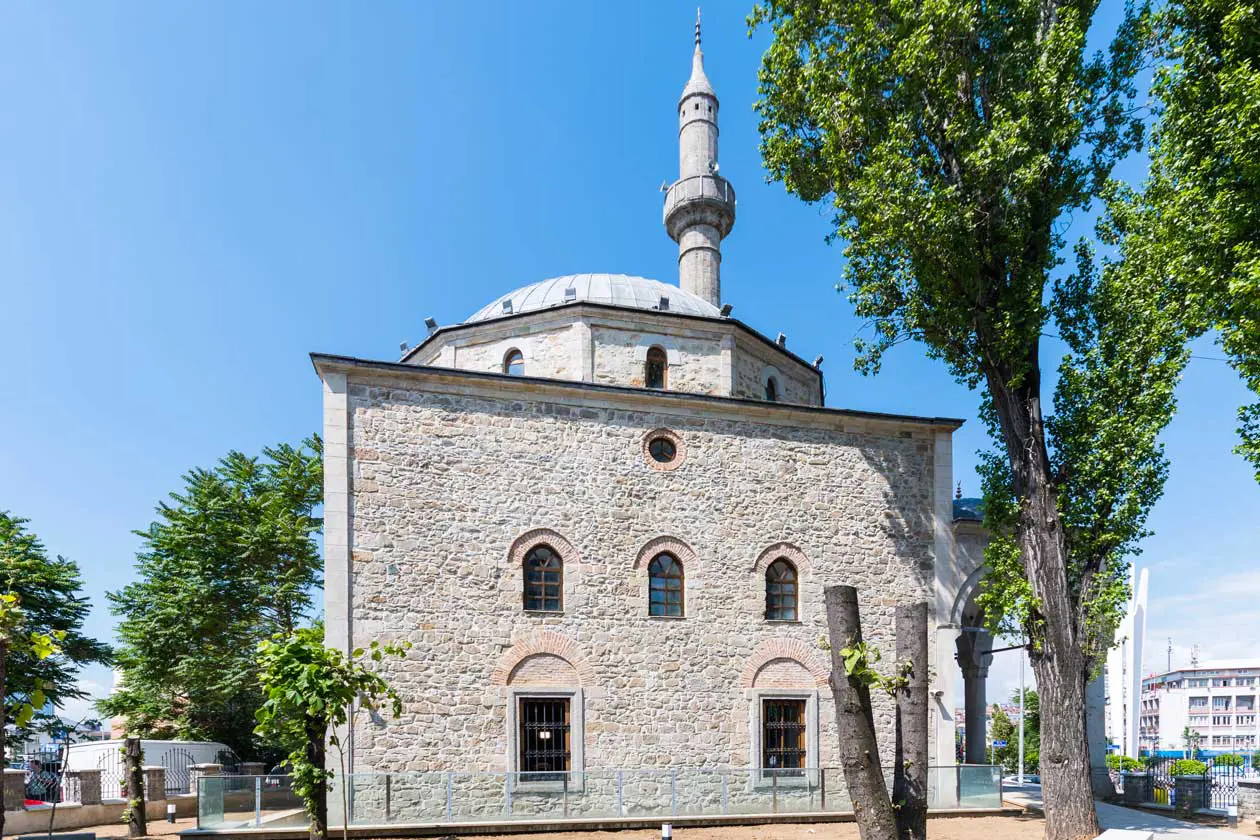
Pristina's Old Town
The Historic Centre of Pristina includes several important cultural heritage sites in the oldest part of the city, where social, administrative, economic, handicraft, political, cultural and educational activities once took place. The bazaar, the hammam, the inns, the shops, the mosques (such as the Jashar Pasha Mosque built in 1834 by the governor of Skopje Mehmet Jashar - a typical Ottoman monument with a square plan with a single dome and a stone minaret), the houses and the clock tower were the elements that made up the old Pristina.
Monument to the Newborn
Newborn is a typographic sculpture made to celebrate Kosovo's Independence Day, February 17, 2008, and was placed in front of the Youth and Sports Palace. Initially, the color of the letters was yellow, but traditionally the colors of the letters change every February 17th. The dimensions of the monument are 3 meters high, 24 meters long and 0.9 meters thick, weighing about 9 tons.
Statue of Bill Clinton in Pristina
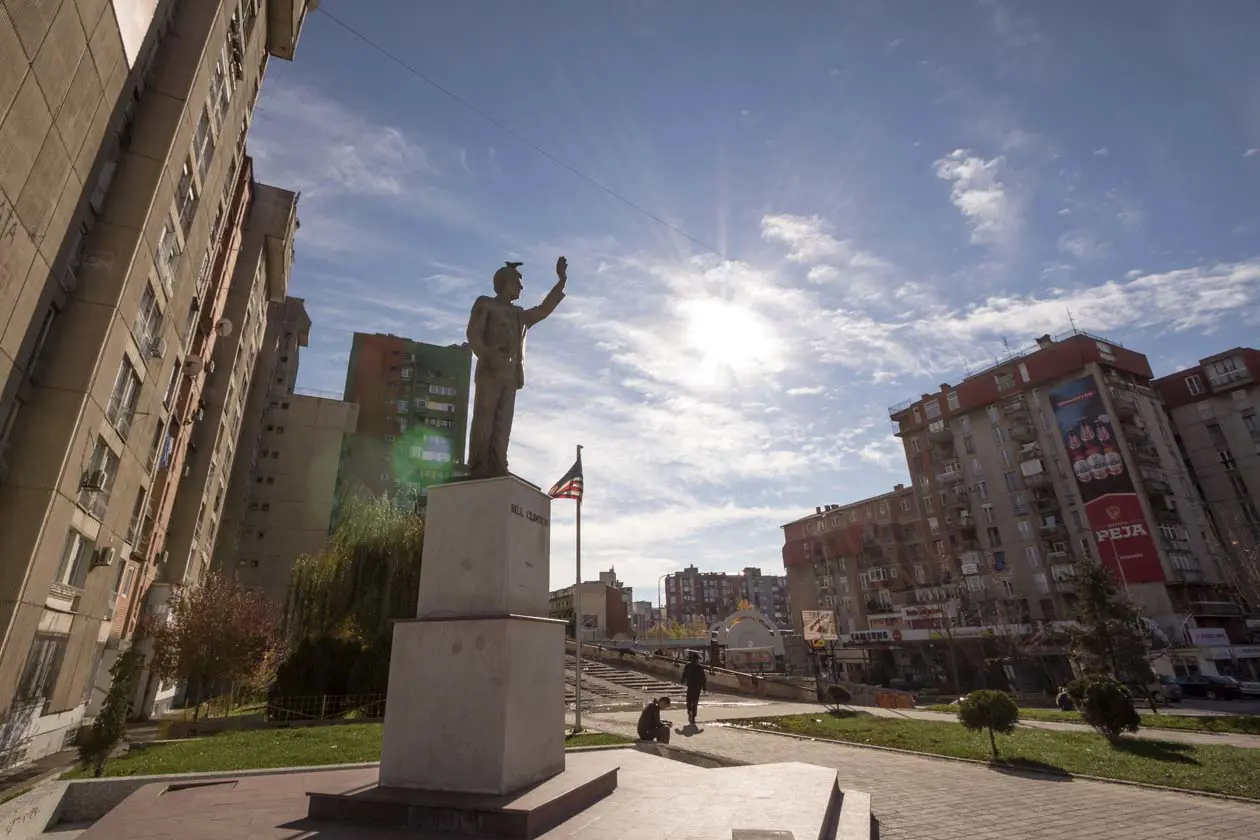
In 2009, sculptor Izeir Mustafa created a statue of former President Bill Clinton to honor his help and role during the 1999 Kosovo War. The sculpture is about 3 meters high and in his left hand the president holds the "Honoris Causa" award conferred on him by the University of Pristina. The statue is located in Pristina in the square named after former President of the United States of America Bill Clinton.
National Library of Kosovo
The National Library of Kosovo in Pristina is known for its unique history and the style of the building designed by Croatian architect Andrija Mutnjaković. The structure is made with zenithal windows, 99 domes of different sizes, and is covered with a metal fishing net. The library houses collections of rare ancient books, old newspapers and magazines, Albanian manuscripts, maps, photographic documents all of great cultural value. It is the busiest library in the country and one of the most visited attractions in Kosovo.
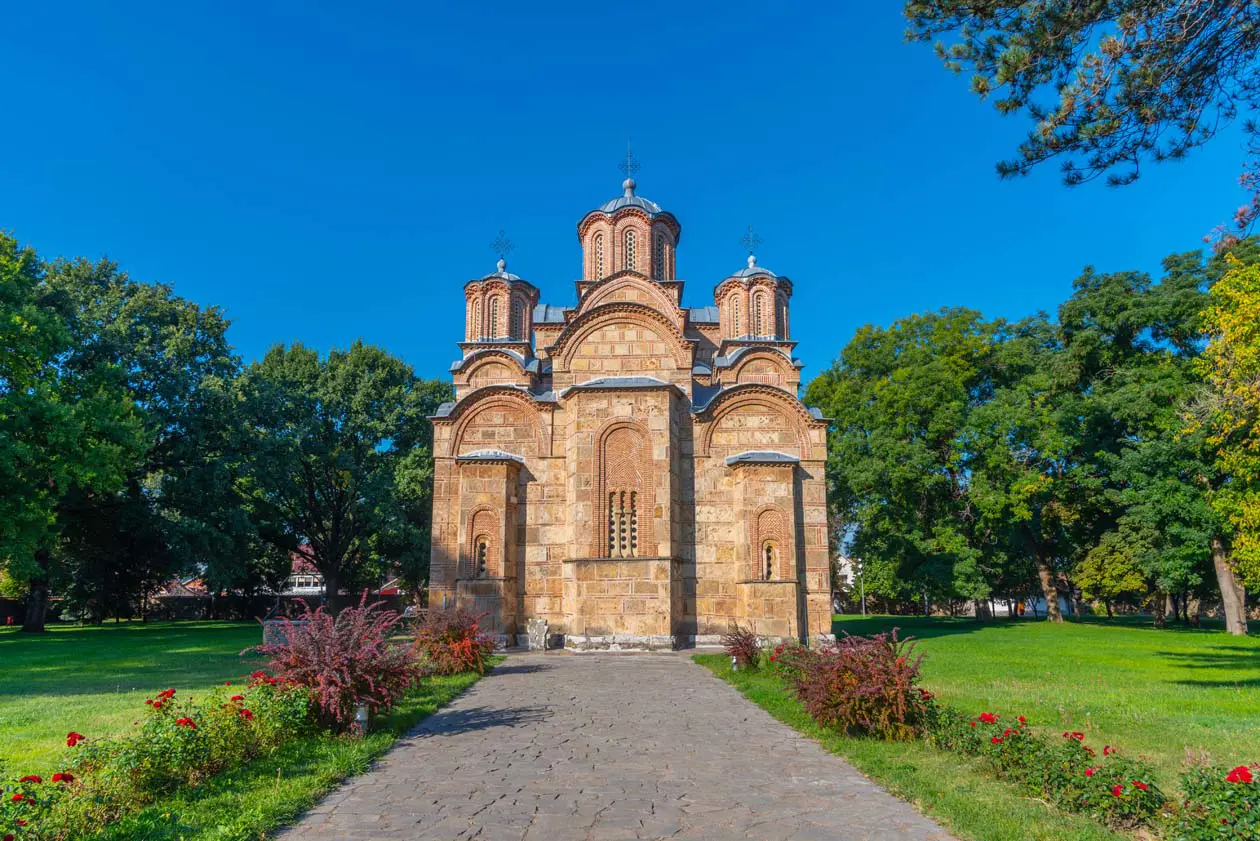
From the end of the second century, Ulpiana was a Roman city in the district of Graçanica that reached its maximum development between the third and fourth centuries. Characterized by a network of straight streets, aqueducts and buildings, during the reign of Emperor Justinian it was renamed Justiniana Secunda. In Roman times, Ulpiana was one of the main centers of communication between Constantinople and Rome, due to its position at the crossroads of the roads that connected the Adriatic Sea with the Aegean Sea and indirectly with the Black Sea.
Museums in Pristina
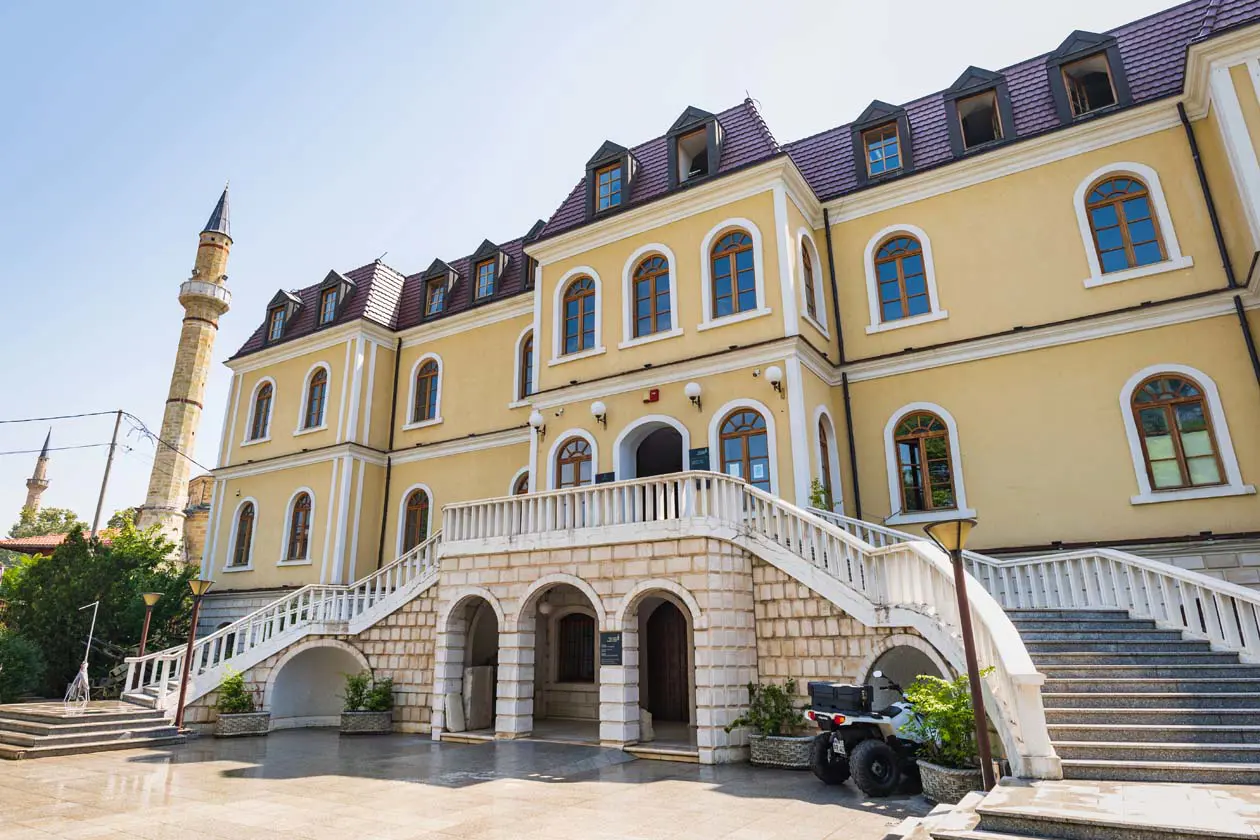
Museum of Kosovo
The Kosovo Museum, in the historic centre of Pristina, has monumental architecture. The Museum as an institution was founded in 1949. The building was built in 1885/86 and used as a museum since 1980. The plan of the building is rectangular with the façade emphasized by openings and a symmetrical single-wing staircase. The museum consists of three sections: the Kosovo Museum, the Emin Gjiku Residential Complex (Ethnological Museum), and the Independence Museum. The museum houses four sectors: archaeological, ethnological, historical and naturalistic.
Parks in and around Pristina
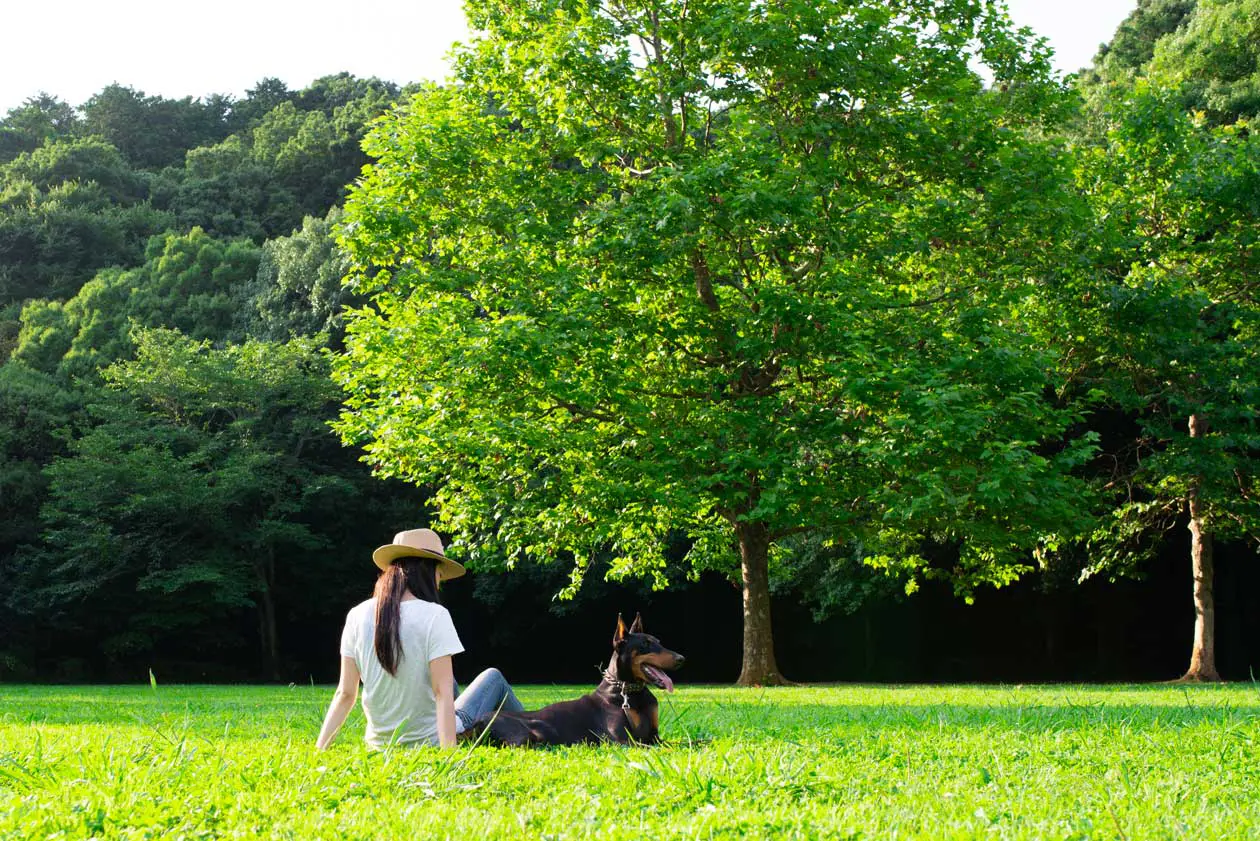
The Germia Park is located in the northeast of Pristina and covers an area of 62 square kilometers with its highest point, the Butos Peak, at 1050 meters. The Germia massif has a rich fauna with different species of animals and a variety of species of flora. It is a green lung of the city also with recreational areas with swimming pool, restaurants and picnic areas in the middle of oak and beech woods as well as a chairlift.
Partnership with GetYourGuide
Experiences
Pristina to Skopje and Matka Canyon
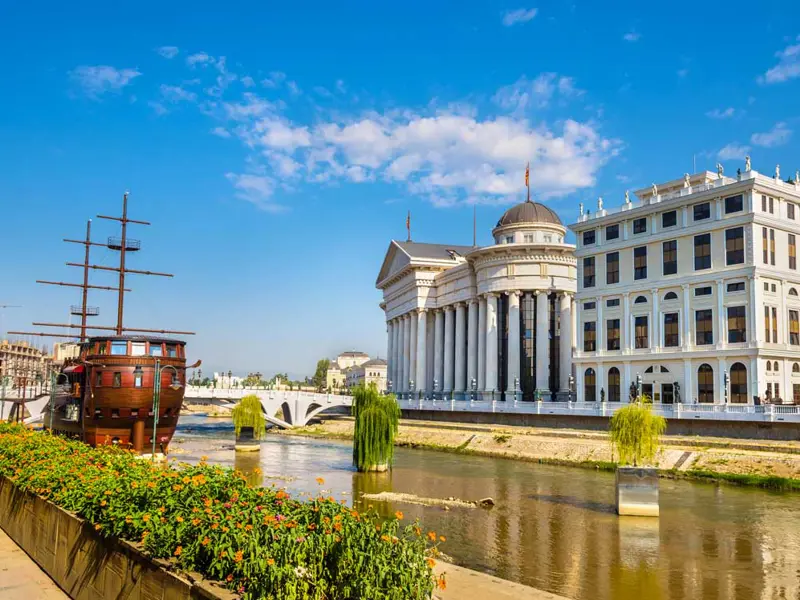
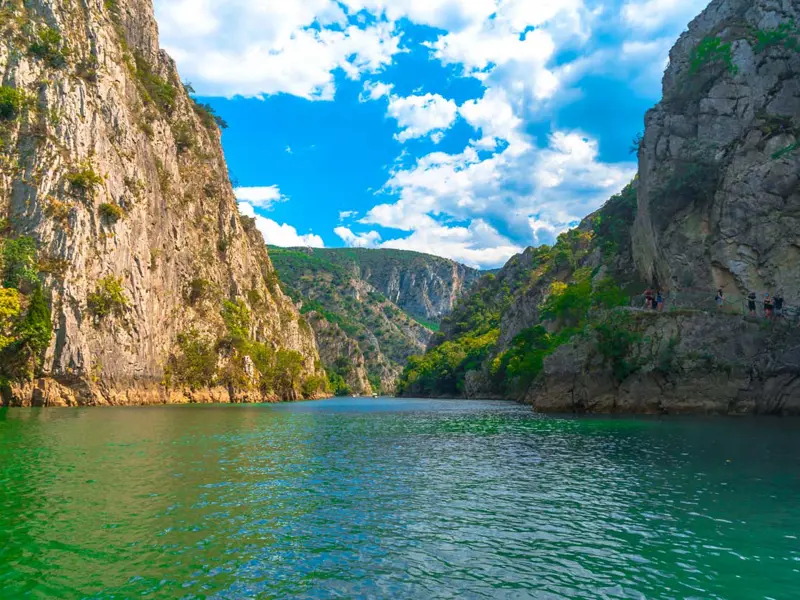
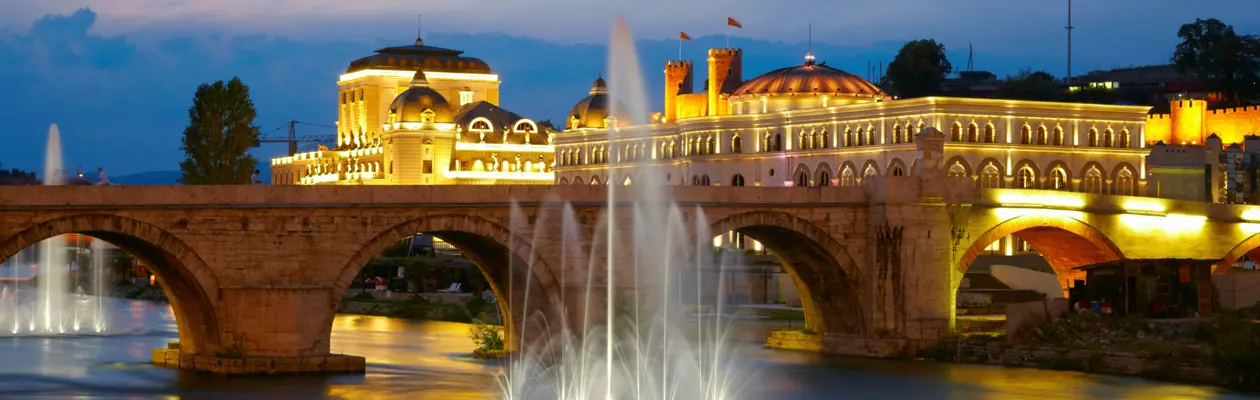
1-day trip, with a certified tour guide, from Pristina to Skopje, the capital of North Macedonia, to explore the city with Macedonia Square, Stone Bridge and Old Bazaar. Then continue to the Matka Canyon, a natural area just outside Skopje, with steep cliffs and turquoise waters. Free time to walk along the lake, relax in nature, or take a boat trip (optional) to explore the caves inside the canyon. Hotel pickup with driver and air-conditioned vehicle. Duration: 9 hours. Free cancellation up to 24 hours in advance and full refund. Book the tour from Pristina to Skopje and Matka canyon.
All tours & excursions