easyJet and Schiphol use electric TaxiBot to reduce emissions on the ground
easyJet and Amsterdam Schiphol Airport have introduced the electric TaxiBot to reduce emissions in ground operations. The technology was first used on an easyJet passenger flight on 30 April 2026, following a successful testing phase in March.
The TaxiBot is a semi-robotic tractor that allows Airbus aircraft to move between the gate and the runway without using the main engines. Only the APU is used during taxiing, with a lower impact on fuel consumption, CO₂, nitrogen oxides, ultrafine particulate matter and airport noise.
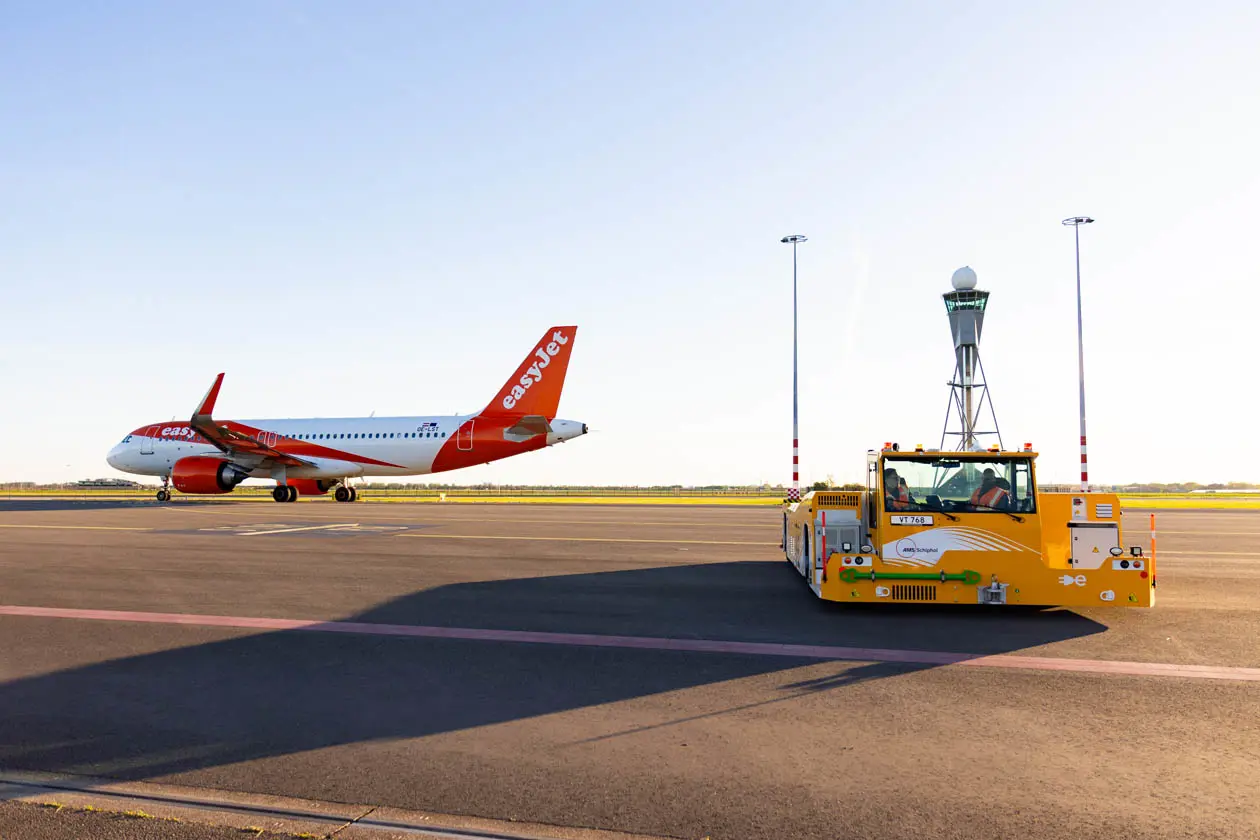
According to easyJet, each flight can save an average of 95kg of fuel and 299kg of CO₂. For passengers, travel procedures do not change, but the airport experience becomes more sustainable, especially in a large European hub like Amsterdam Schiphol.
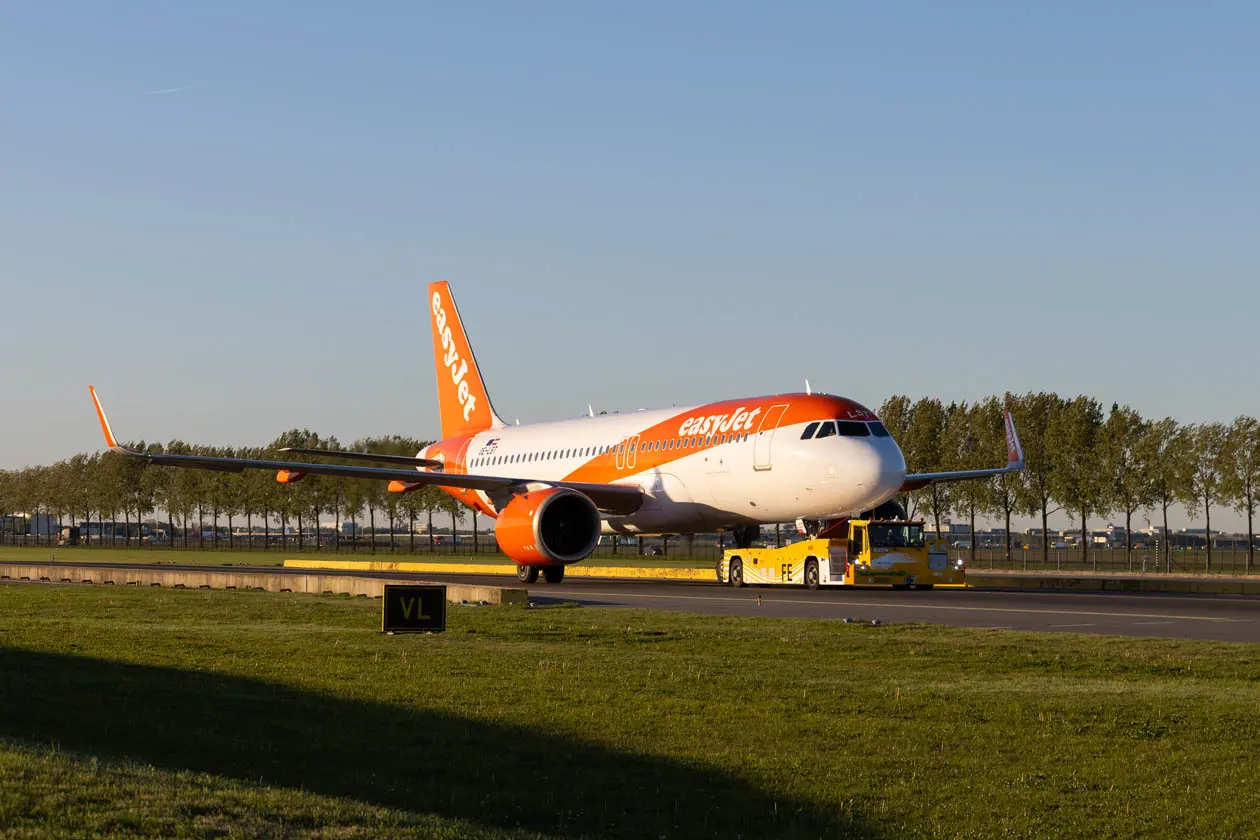
The project involves four easyJet aircraft and is being developed with Schiphol, Menzies Aviation, Airbus and Smart Airport Systems. Schiphol becomes the first European airport to use the electric TaxiBot for Airbus aircraft and aims to make taxiing operations sustainable by 2030.
The initiative is part of easyJet's environmental strategy, which includes a 35% reduction in carbon emissions intensity by 2035 and a net zero target by 2050.