American and Google focus on SAF
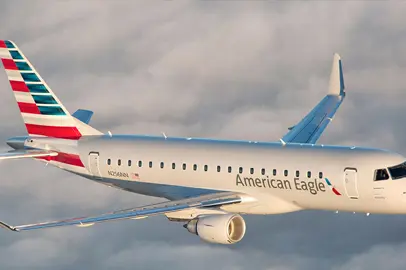
American Airlines and Google have signed an agreement on sustainable aviation fuel certificates, SAFc, which represents the largest publicly announced agreement between an airline and an individual corporate customer. The agreement covers 35 million gallons, or approximately 132 million liters, of SAFc over three years and will allow an estimated reduction of nearly 300,000 metric tons of CO₂ equivalent.
The agreement provides for American Airlines to purchase and receive sustainable fuel destined for Chicago O'Hare International Airport, using existing infrastructure. The SAF component will be produced from waste raw materials, including used cooking oil.
Google will use the environmental benefits associated with SAFc certificates to help reduce emissions generated by its employees' business travel. The SAFc registration system allows the environmental benefits of sustainable fuel to be transparently tracked, even when it is placed at a specific airport and used within normal aviation operations.
The multi-year duration of the agreement has enabled American Airlines to secure a new long-term supply contract with Valero Marketing and Supply Company, strengthening its commitment to the development of the SAF market.
Sustainable aviation fuel is considered one of the main levers for reducing the climate impact of air transport. Compared to traditional fuel, it can reduce emissions by up to 80% over its life cycle, while being usable in current commercial aircraft.
For the aviation sector, agreements of this type are important because they help to increase the demand for SAF and support the investments needed to expand production at more competitive prices. The availability of sustainable fuel remains one of the central challenges for the decarbonisation of air transport.
The agreement was also made possible by the SAF tax credit approved in the State of Illinois, which favors the arrival of significant volumes of sustainable fuel at Chicago O'Hare Airport. In this way, the airport strengthens its role in energy transition programs applied to aviation.
American Airlines also continues to work on multiple fronts to reduce the environmental impact of its operations, investing in more modern aircraft, efficient engines, operational optimization and new technologies. Recent initiatives include partnering with Google, Contrails.org and Flightkeys to integrate contrail avoidance into flight planning. The trial, conducted in 2025 for 16 weeks, led to a statistically significant reduction of 62% in the formation of contrails.
What to see in New York