Norway, Viking Row conquers fans
From fjords to stadiums, Norway brings a new image of its cultural identity to the world: Viking Row, the Norwegian fans' choir that reproduces the gesture of paddling in a group, is going viral during the 2026 World Cup. Born in the stands, the choreography has also quickly spread to restaurants, schools, public places, shopping areas and even the Norwegian Parliament, transforming itself into a collective symbol of energy, belonging and Nordic spirit.
The gesture is simple and immediate: the fans, dressed in red, white and blue, sit one behind the other, advance with their arms and lean backwards following the rhythm of a drum. The chorus "Row!" recalls the image of Norwegians rowing towards the shore before the sporting battle. But behind the scene, now shared in videos and reels on social media, there is a deep connection with the history of the country.
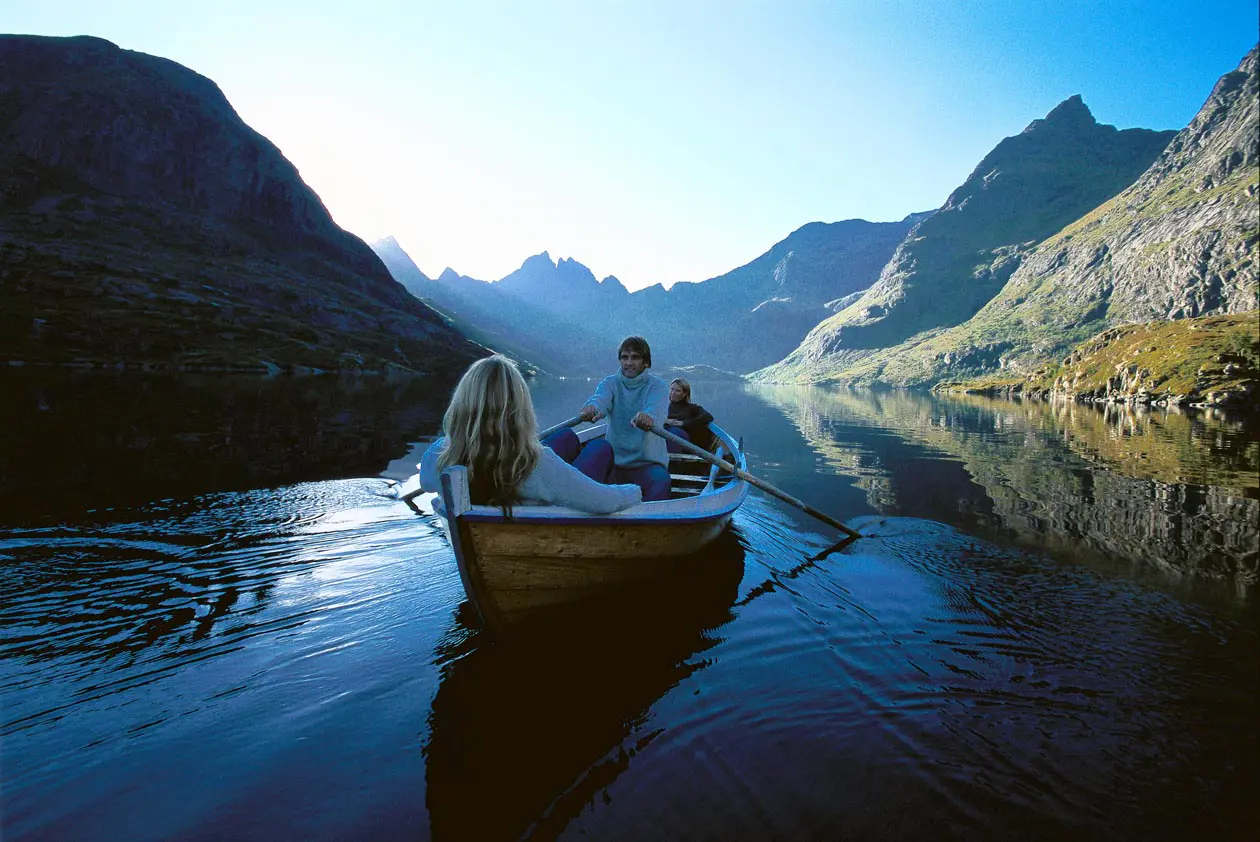
Norway is a long and narrow nation, shaped by the sea and crisscrossed by fjords, islands and inlets. Before bridges, tunnels, railways and highways, water was the main means of communication: people rowed to fish, trade, reach markets, churches, farms and communities separated by mountains. For this reason, Viking Row is not just a stadium choreography, but a popular re-enactment of a daily gesture that has united Norwegians for centuries.
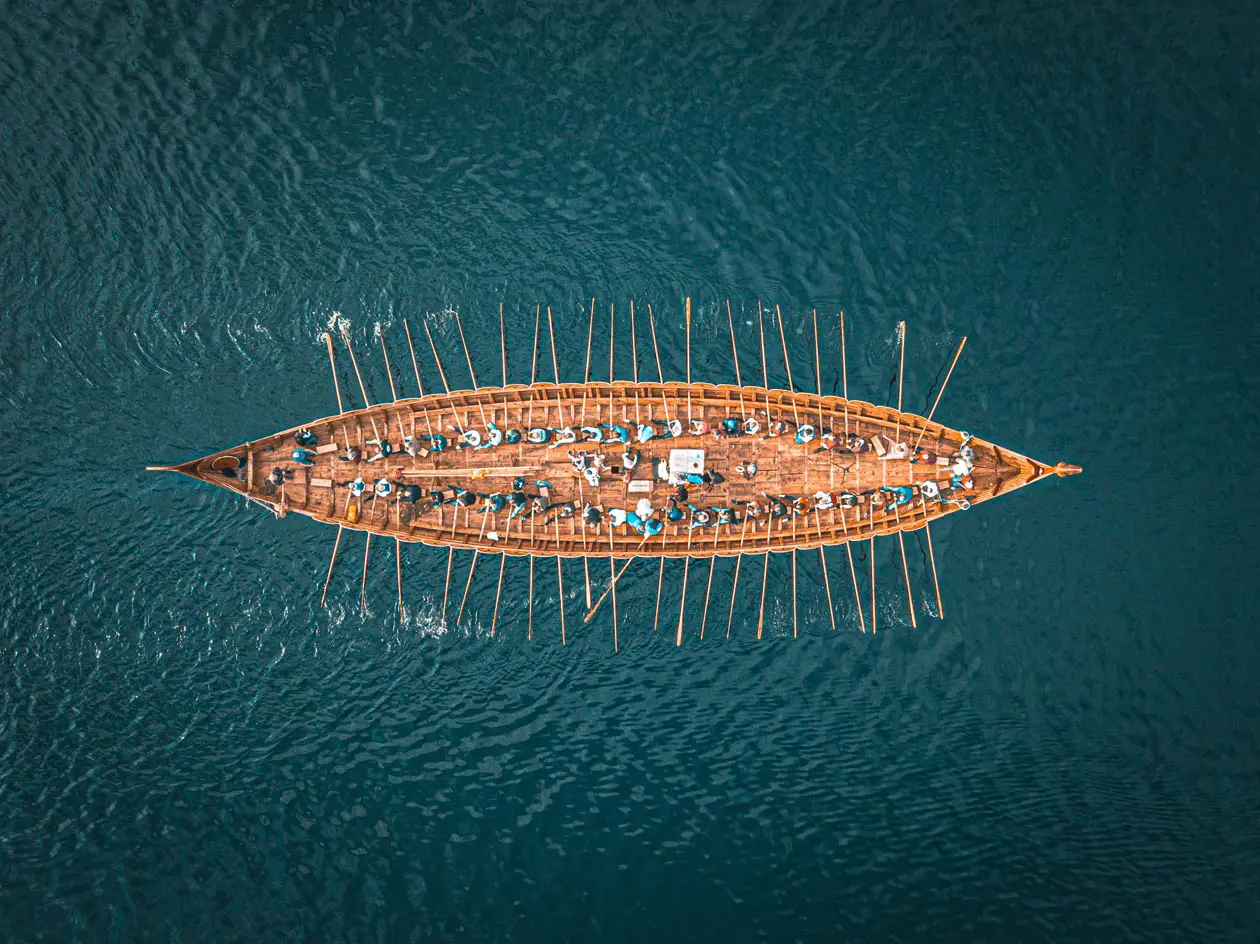
The most obvious reference is to the Viking Age, when Scandinavian boats combined sails and oars to tackle coasts, rivers and open seas. Viking ships were built to be fast, strong and flexible, capable of moving with the wind but also thanks to the coordinated strength of the rowers. Visit Norway also recalls the feat of Norse navigators who, around the year 1000, reached North America led by Leif Erikson, landing in the region called Vinland, now associated with Newfoundland, Canada.
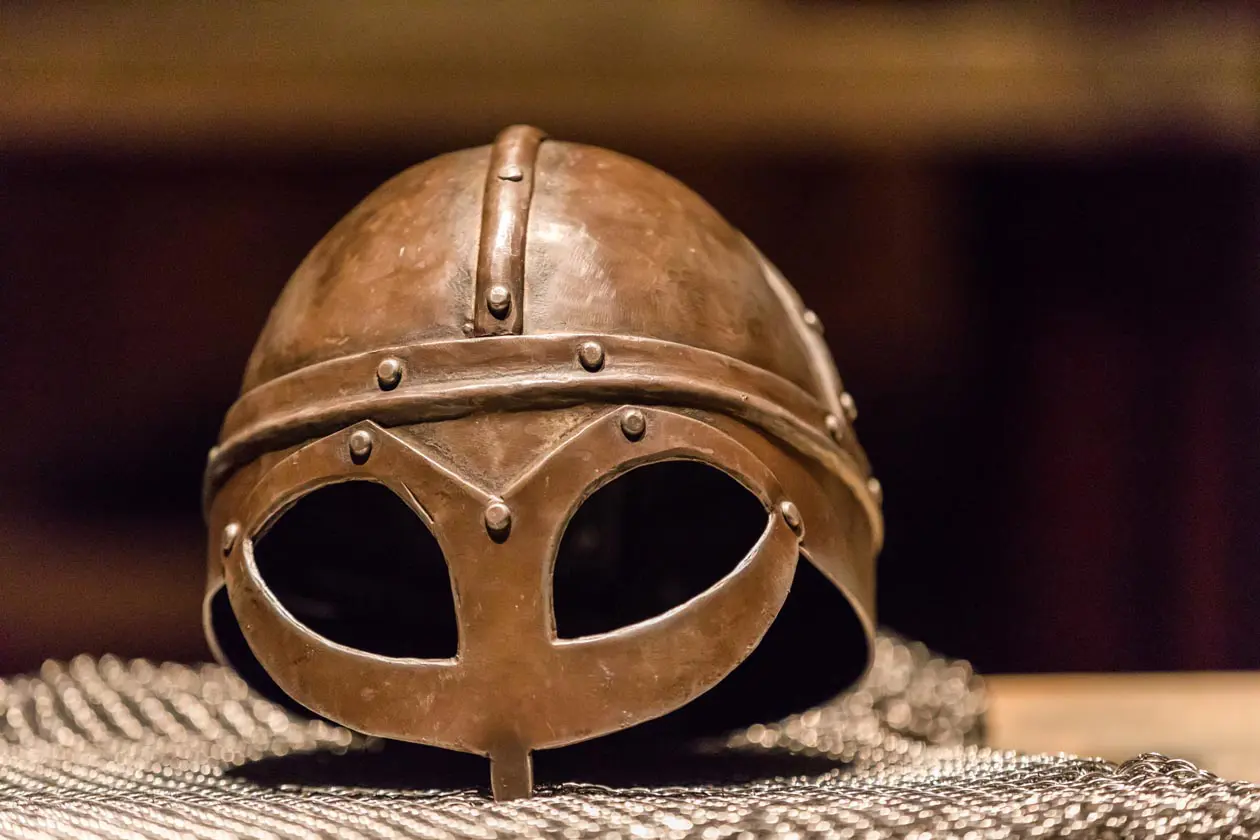
Among the most important symbols of this heritage are the ships of Oseberg and Gokstad, two of the most famous preserved Viking vessels. The Oseberg ship, discovered in 1903 near Tønsberg, is considered one of the most extraordinary finds of the Viking Age. According to Visit Norway, these ships could accommodate around 15-16 rowers on each side, with oars inserted into special holes along the hull.
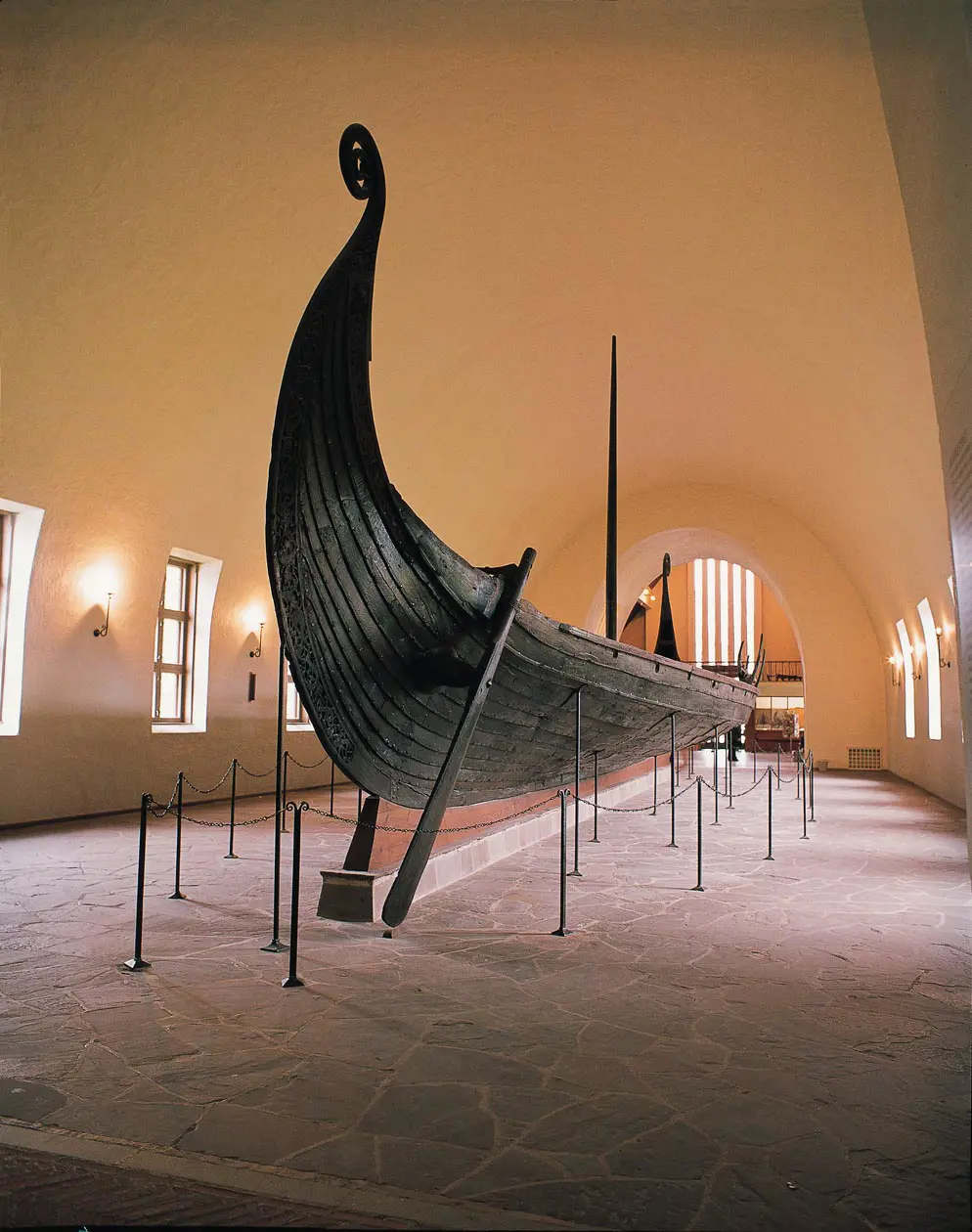
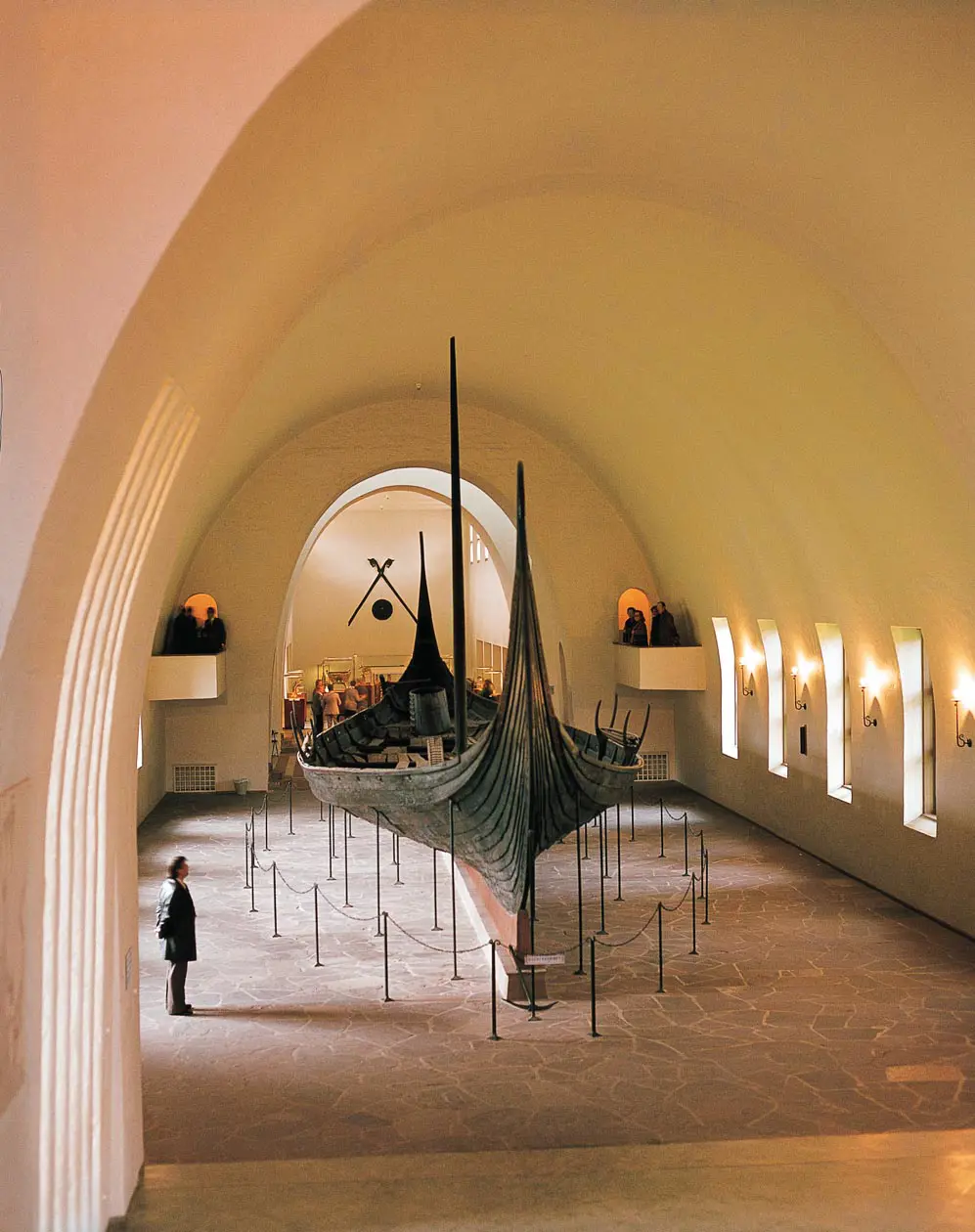
For the traveler, Viking Row thus also becomes an invitation to read Norway beyond the spectacular image of its landscapes. The fjords, now among the country's most iconic natural attractions, are not just scenic scenery with mountains, waterfalls and villages suspended over the water: for centuries they have been real roads, vital connections between communities otherwise difficult to reach by land.
A trip to Norway can start from Oslo, a dynamic and cultural city, and continue to Bergen, Stavanger, Trondheim or Tromsø, among museums, contemporary architecture, local cuisine and Arctic nature. For those looking for connection to Viking history, the itinerary can include Tønsberg, the Bygdøy area of Oslo and coastal regions where maritime culture is still an integral part of the local identity.
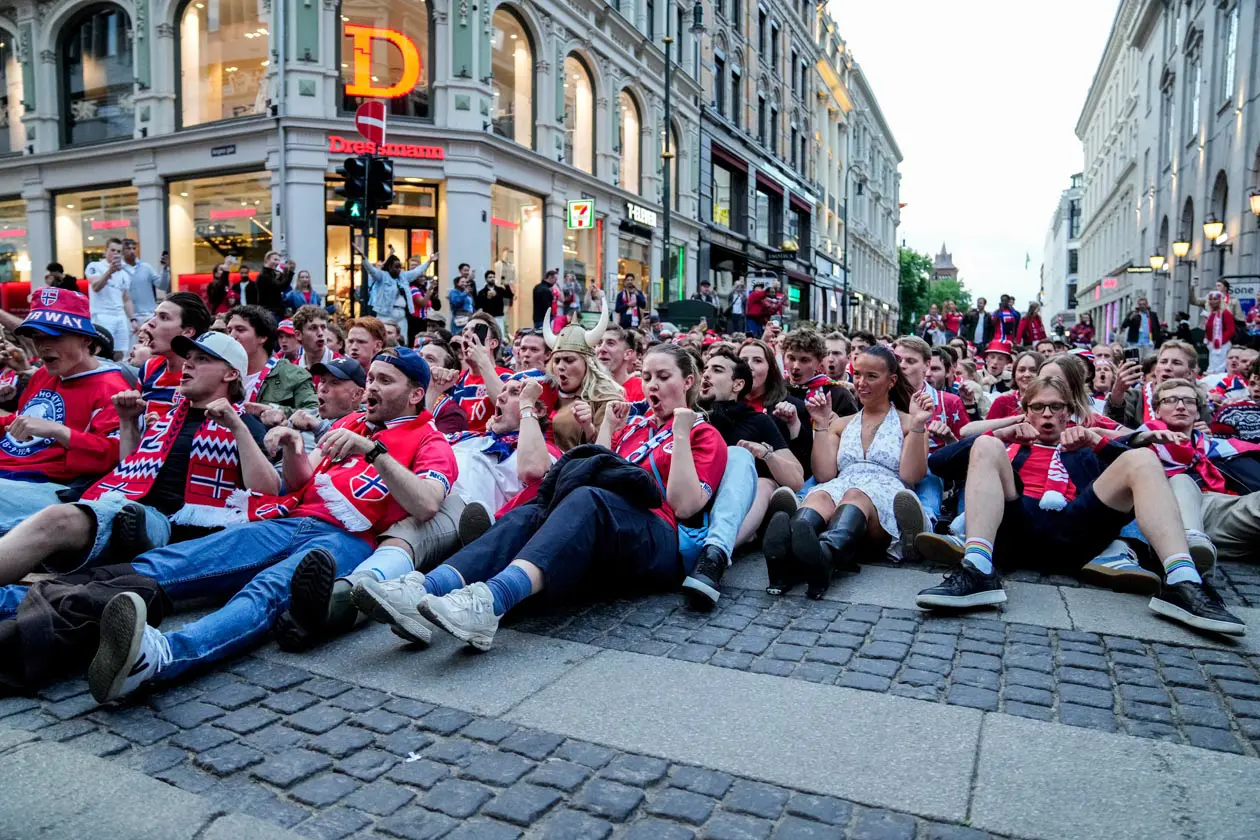
The strength of Viking Row lies precisely in its simplicity: everyone looks in the same direction, moves together and follows a common rhythm. It is a sporting, but also a tourist and cultural image, capable of telling an authentic Norway, made up of sea, community, travel and memory. For visitors, it is an immediate way to get closer to the Norwegian spirit: that of a country that has built its history on water and that today invites the world to row, symbolically, in the same direction.
By the Editorial staff of Avion Tourism Magazine