It's possible that some of this content has been automatically translated.
03 July 2026

Castles to visit in Italy: itineraries between North, Center and South

From alpine fortresses to fortresses by the sea, a journey through Italy's historical heritage among medieval villages, lakes, cities of art and panoramic landscapes

Visiting castles in Italy means discovering the country through its history, landscapes and regional identities. From the fortresses overlooking the lakes of the North to the fortresses of the Apennines, from the urban castles of the great cities of art to the Frederick II and Aragonese architecture of the South, each itinerary tells a different way of traveling.


The castles of Northern Italy: lakes, Alps, cities of art and historic villages


In Northern Italy, castles are often inserted in very scenic landscapes: lakes, mountains, hills, cities of art and ancient villages. They are ideal destinations for cultural weekends, car trips and itineraries that are easily accessible even from the main airports in the North.
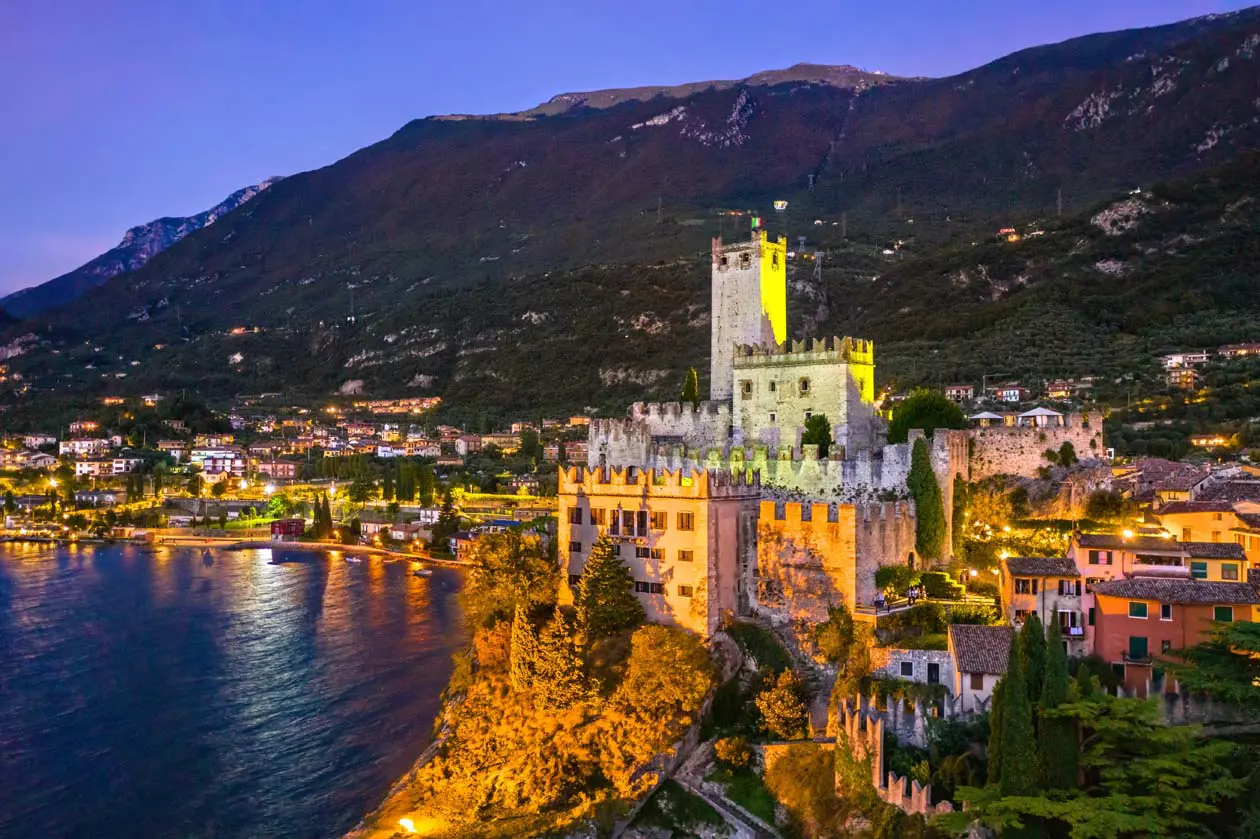
 

Castello Scaligero di Malcesine Foto: Copyright © Sisterscom.com | Depositphotos
Scaligero Castle of Malcesine Photo: Copyright © Sisterscom.com | Depositphotos
On Lake Garda, the Scaligero Castle of Malcesine, in Veneto, dominates the village and the lake from a panoramic position. It is a perfect stop for those who want to combine a cultural visit, a walk in the historic center and glimpses of Lake Garda. Spring, summer and early autumn are the best times to enjoy the lakefront and excursions in the surrounding area.


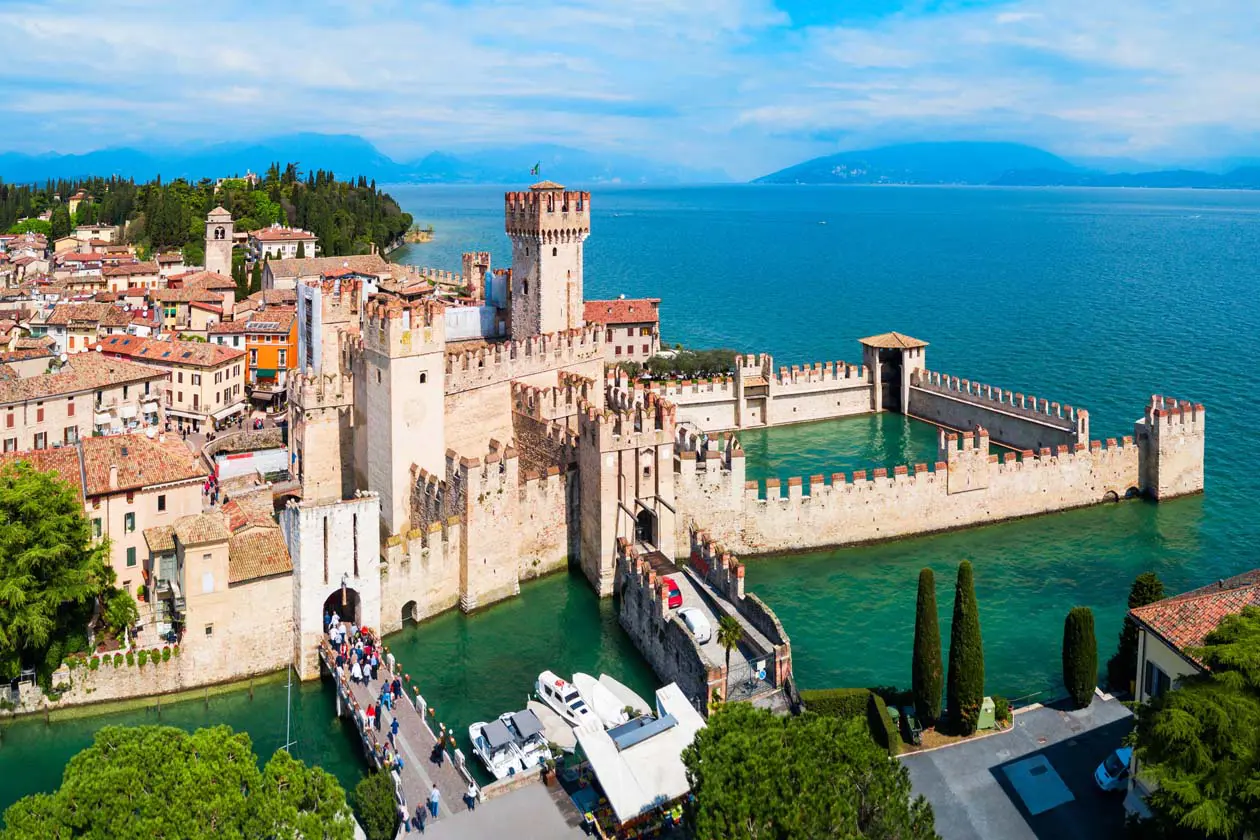
Rocca Scaligera di Sirmione Foto: Copyright © Sisterscom.com | Depositphotos
Rocca Scaligera di Sirmione Photo: Copyright © Sisterscom.com | Depositphotos
Also on Lake Garda, but in Lombardy, the Rocca Scaligera of Sirmione introduces the historic center of the Sirmione peninsula. The visit can be combined with the Grottoes of Catullus, the thermal baths and a walk overlooking the lake. It is a particularly suitable destination for a romantic weekend or a short itinerary between Lombardy and Veneto.


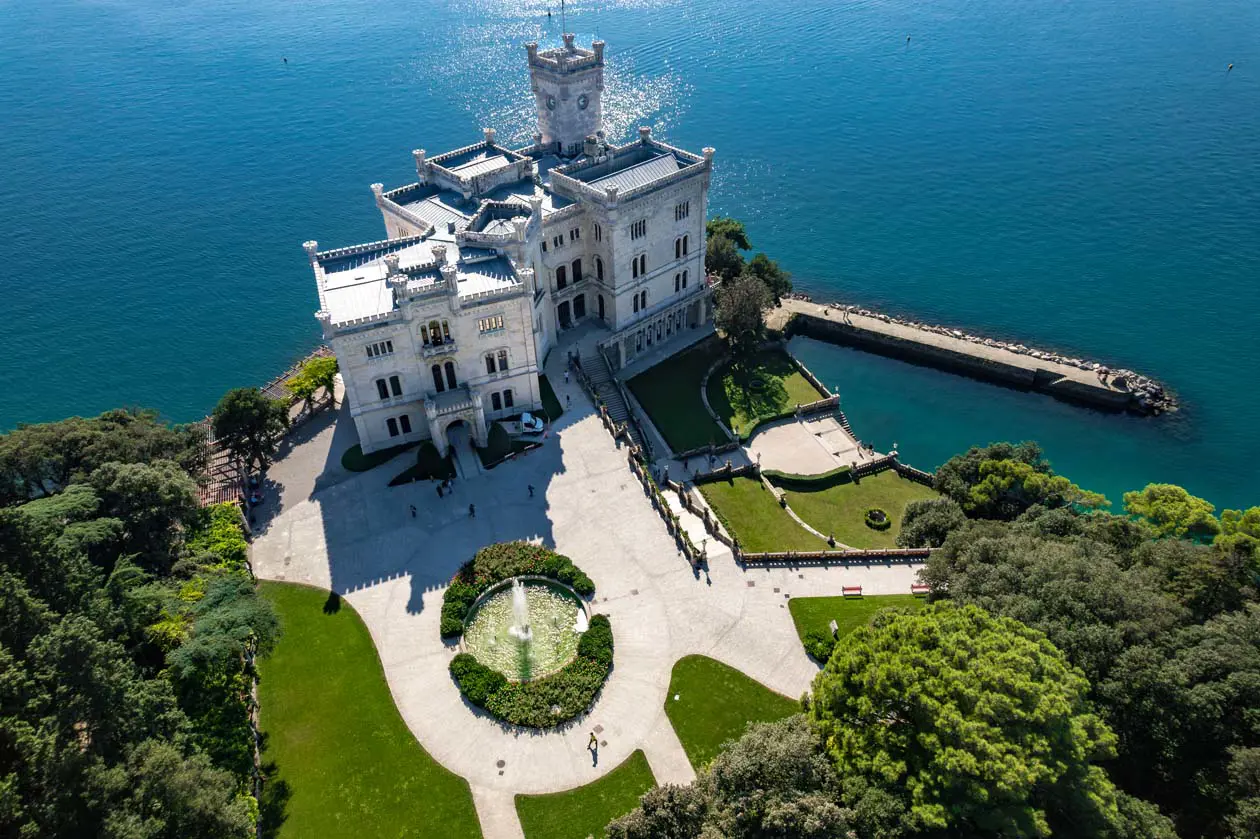
Castello di Miramare Foto: Copyright © Sisterscom.com | Depositphotos
Miramare Castle Photo: Copyright © Sisterscom.com | Depositphotos
In Friuli-Venezia Giulia, Miramare Castle is one of the most elegant historic residences in Italy. Overlooking the Gulf of Trieste and surrounded by a large park, it combines architecture, sea and Habsburg memory. It is easily accessible from Trieste and lends itself to a visit in every season, with particular charm in spring and autumn.


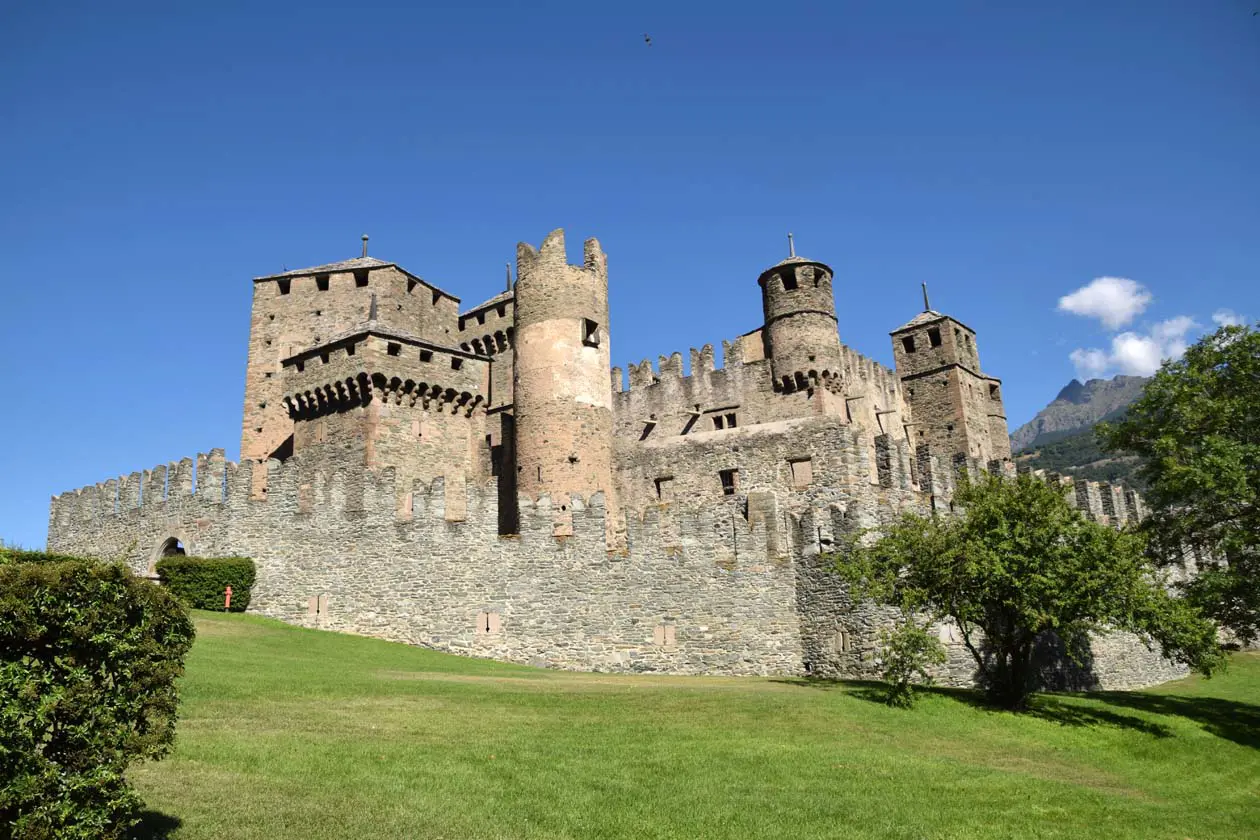
Castello di Fénis Foto: Copyright © Sisterscom.com | Depositphotos
Castle of Fénis Photo: Copyright © Sisterscom.com | Depositphotos

Valle d'Aosta offers two very different but complementary destinations. The Forte di Bard is an imposing alpine fortress, now a cultural and museum space, ideal for families and travellers interested in the mountains. The Castle of Fénis, with towers and walls, instead returns a more scenic image of the Aosta Valley Middle Ages. Together, they can become the main stages of an itinerary between Aosta, alpine villages and mountain landscapes.
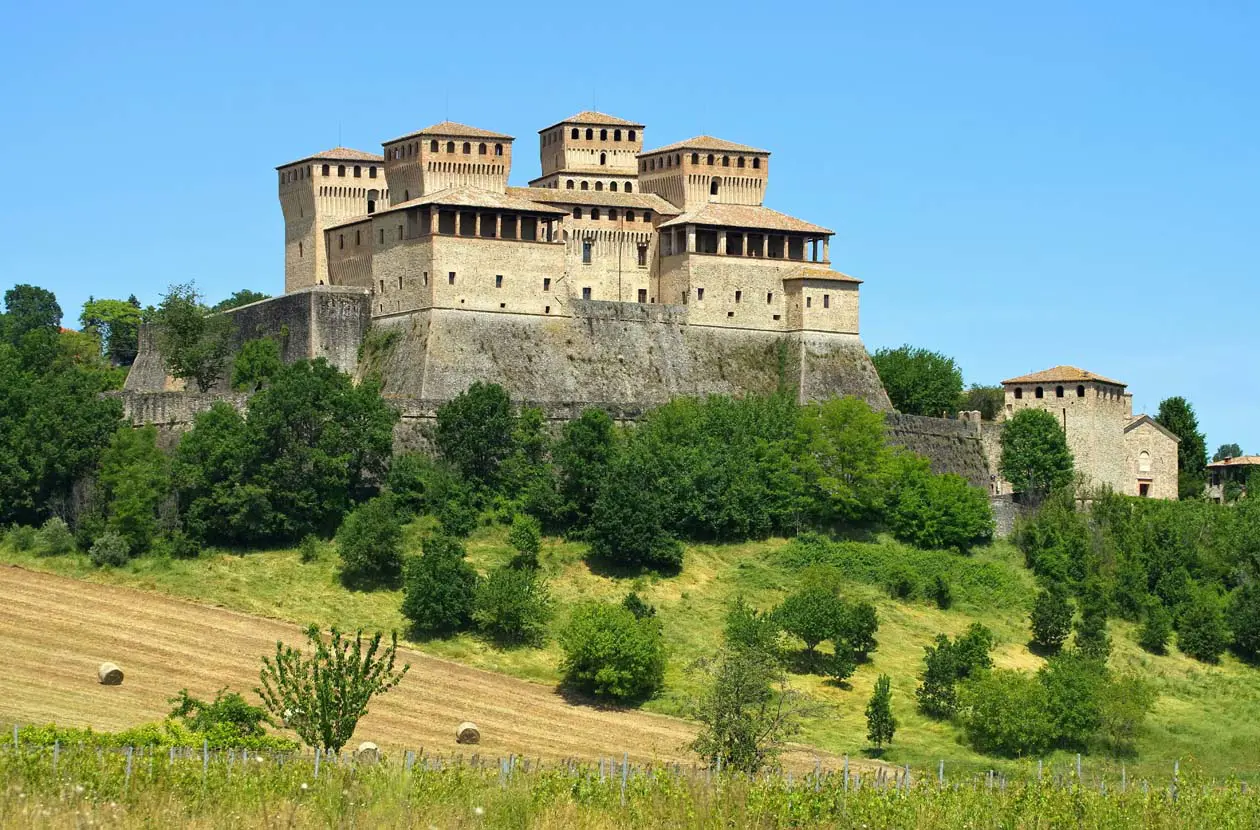


Castello di Torrechiara Foto: Copyright © Sisterscom.com | Depositphotos
Castello di Torrechiara Photo: Copyright © Sisterscom.com | Depositphotos
In Emilia-Romagna, the Castle of Torrechiara, near Parma, is an ideal destination for those looking for a journey through art, hills and food and wine. The castle preserves rooms of great interest and is part of a perfect area for a weekend of culture and local flavors.


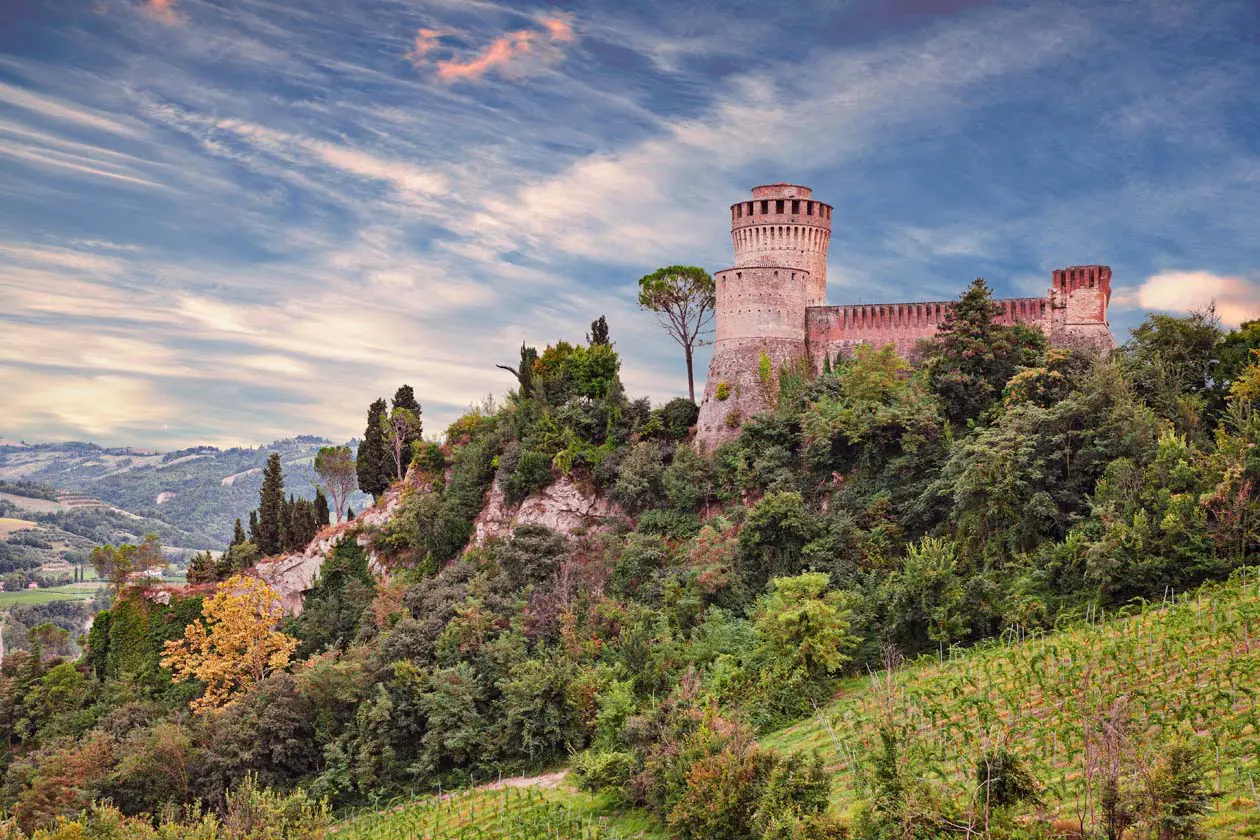
Rocca di Brisighella Foto: Copyright © Sisterscom.com | Depositphotos
Rocca di Brisighella Photo: Copyright © Sisterscom.com | Depositphotos
Also in Emilia-Romagna, the Rocca di Brisighella dominates one of the most evocative villages in the Romagna Apennines, offering a slower itinerary through hills, history and views.


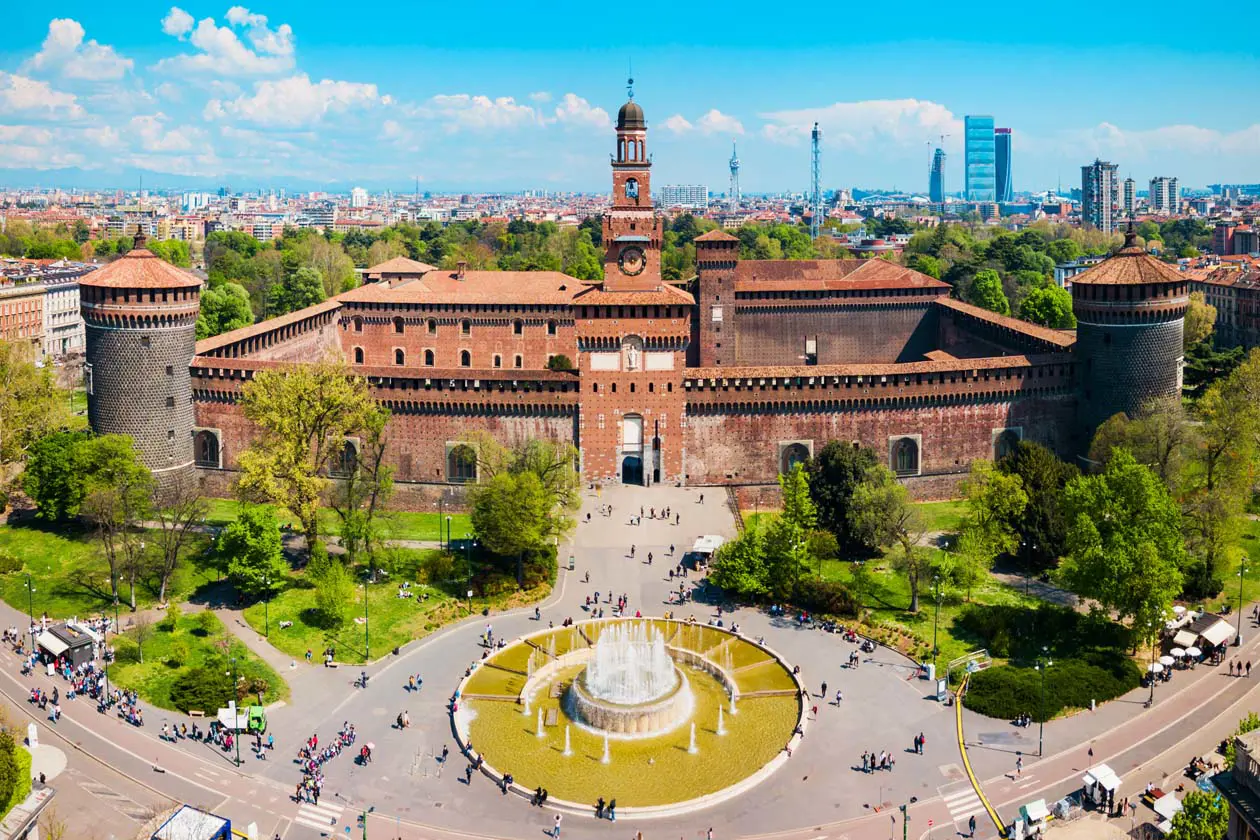
Castello Sforzesco Foto: Copyright © Sisterscom.com | Depositphotos
Castello Sforzesco Photo: Copyright © Sisterscom.com | Depositphotos
In Milan, the Sforza Castle is one of the most accessible visits for those arriving in the city by train or plane. In the heart of the Lombard capital, it houses museums and art collections and is located next to Parco Sempione, a short distance from the Duomo and Brera. It is a perfect choice for those who want to include a large urban castle in a city cultural itinerary.


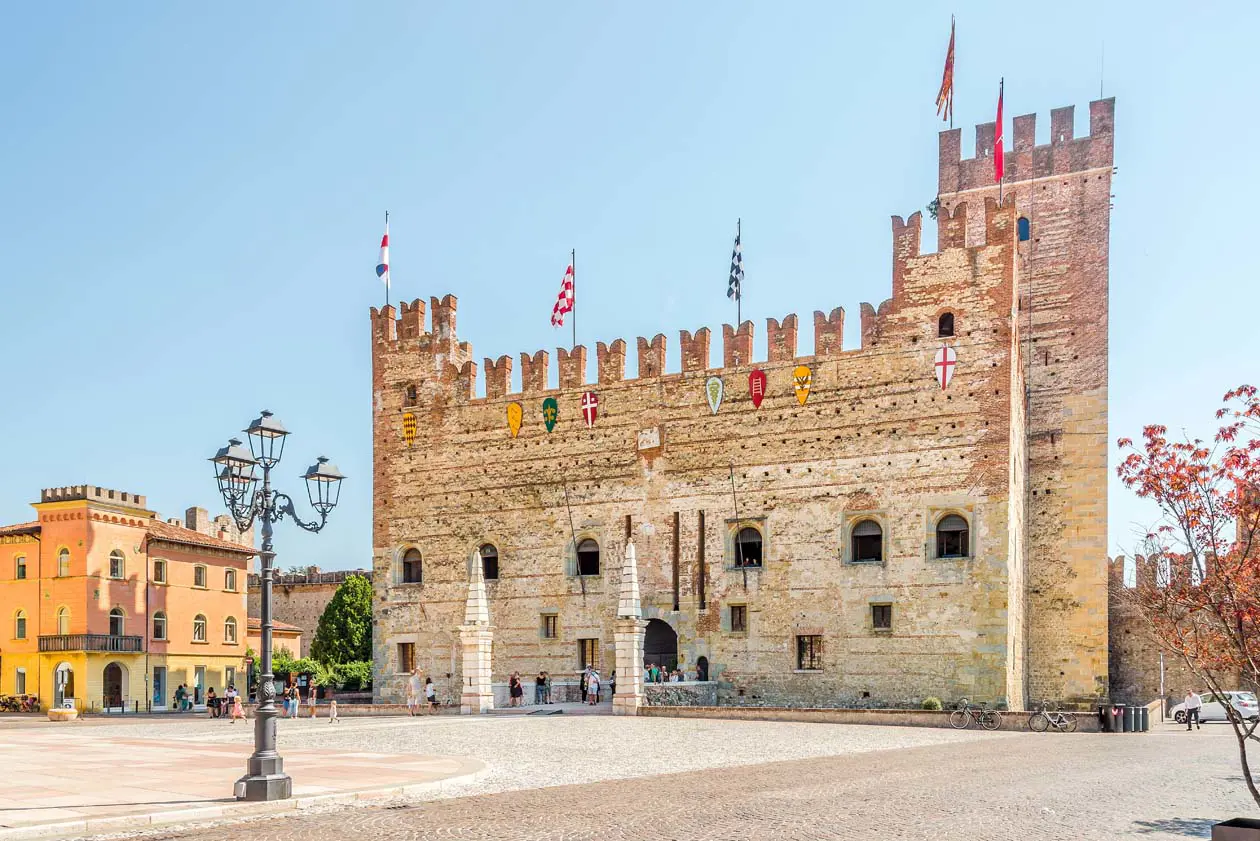
Castello di Marostica Foto: Copyright © Sisterscom.com | Depositphotos
Marostica Castle Photo: Copyright © Sisterscom.com | Depositphotos
In Veneto, the Castle of Marostica completes the Northern route with a very recognizable context: walls, towers, historic center and the tradition of the living chess game. It is an ideal destination to combine with Vicenza, Bassano del Grappa and the Venetian hills.


The castles of Central Italy: fortresses, historic cities and landscapes of the Apennines


Central Italy offers castles and fortresses often linked to medieval villages, cities of art and natural landscapes. They are suitable destinations for those who love slower cultural tourism, made up of walks, views and less crowded stages.
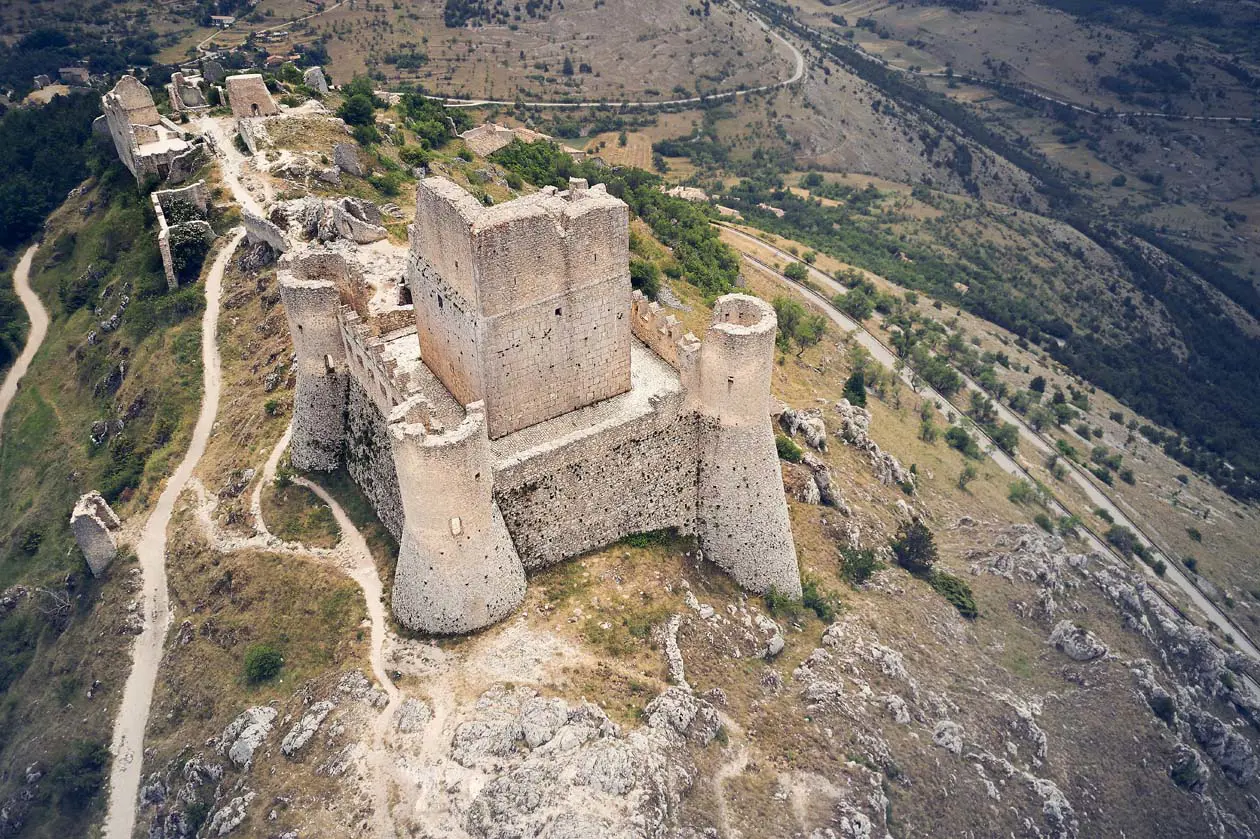
 

Rocca Calascio Foto: Copyright © Sisterscom.com | Depositphotos
Rocca Calascio Photo: Copyright © Sisterscom.com | Depositphotos
In Abruzzo, Rocca Calascio is one of the most spectacular fortresses in Italy. Located in the territory of the Gran Sasso and Monti della Laga National Park, at almost 1,500 meters above sea level, it is an ideal destination for those looking for nature, photography and high-altitude landscapes. The visit is recommended in spring, summer and early autumn, always checking the weather and road conditions.


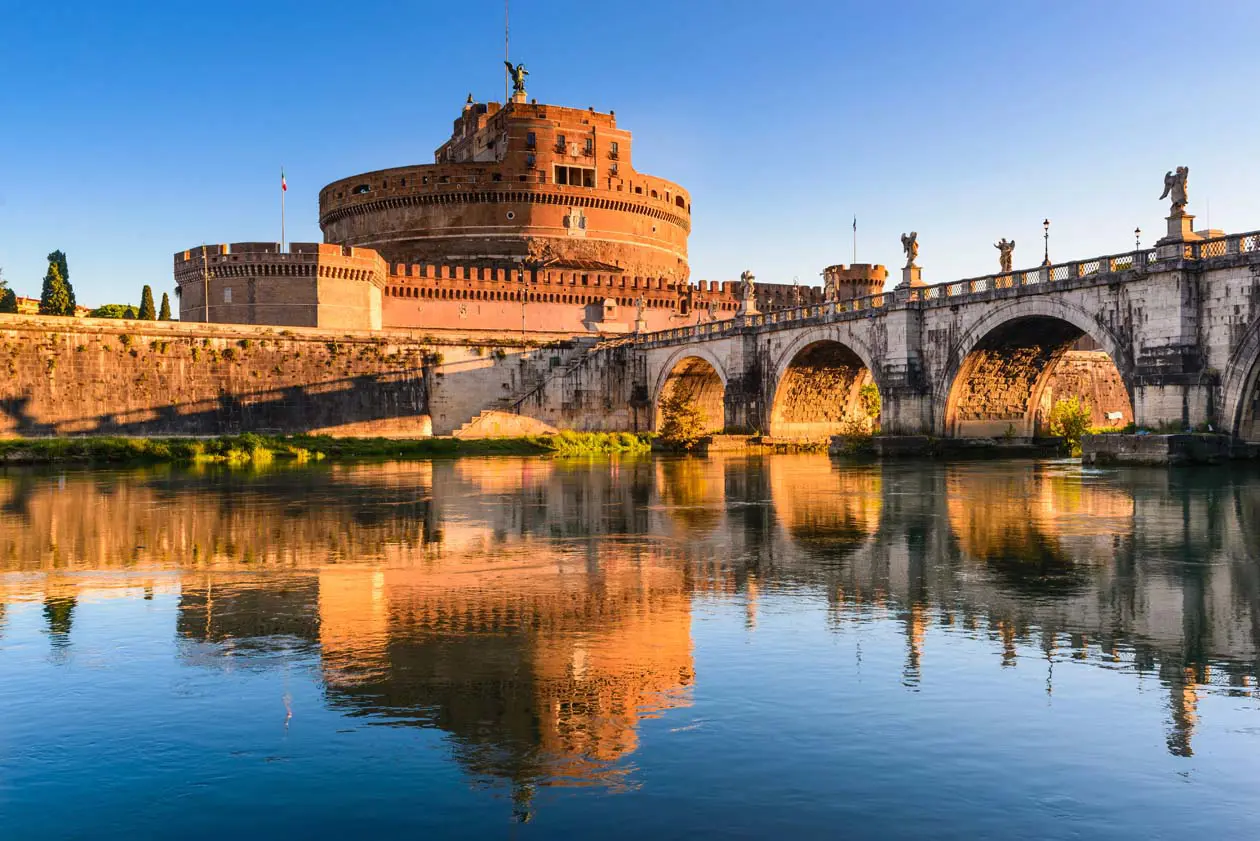
Castel Sant’Angelo Foto: Copyright © Sisterscom.com | Depositphotos
Castel Sant'Angelo Photo: Copyright © Sisterscom.com | Depositphotos
In Rome, Castel Sant'Angelo tells almost two thousand years of history. Born as an imperial mausoleum, it has become a fortress, papal residence, prison and museum. It is located along the Tiber, near the Vatican, and can be easily included in an itinerary between Ponte Sant'Angelo, St. Peter's and the historic center. It is an ideal visit for those who want to combine history, art and panoramic views of the city.


Rocca Albornoziana di Spoleto Foto: Copyright © Sisterscom.com | Depositphotos
Rocca Albornoziana di Spoleto Photo: Copyright © Sisterscom.com | Depositphotos
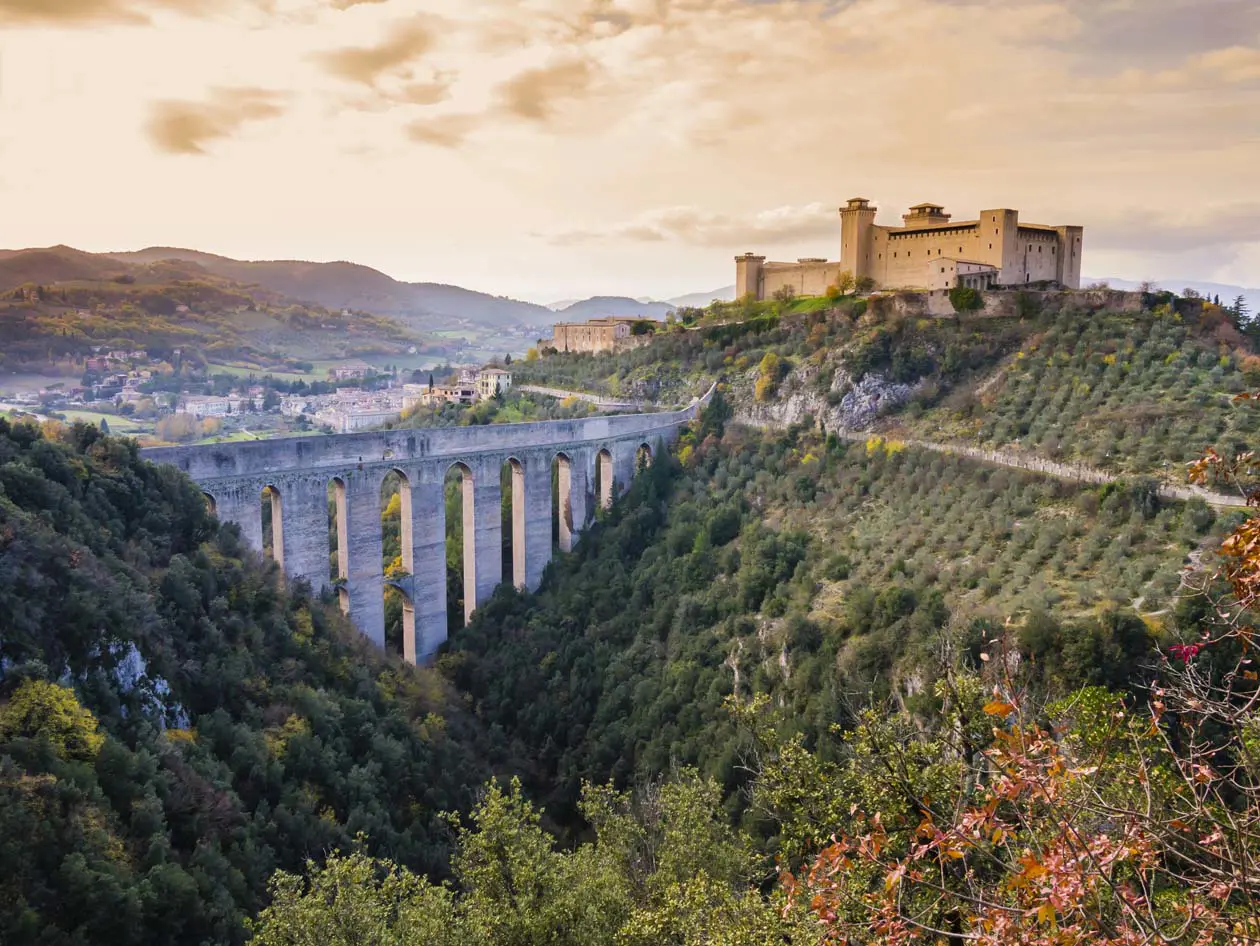
In Umbria, the Rocca Albornoziana of Spoleto dominates the city from the hill of Sant'Elia. Its position allows us to read the relationship between defensive architecture, power and landscape. It is a recommended stop on an Umbrian itinerary that can include Spoleto, Assisi, Perugia, Todi and the villages of the region


Rocca Monaldeschi della Cervara Foto: Copyright © Sisterscom.com | Depositphotos
Rocca Monaldeschi della Cervara Photo: Copyright © Sisterscom.com | Depositphotos
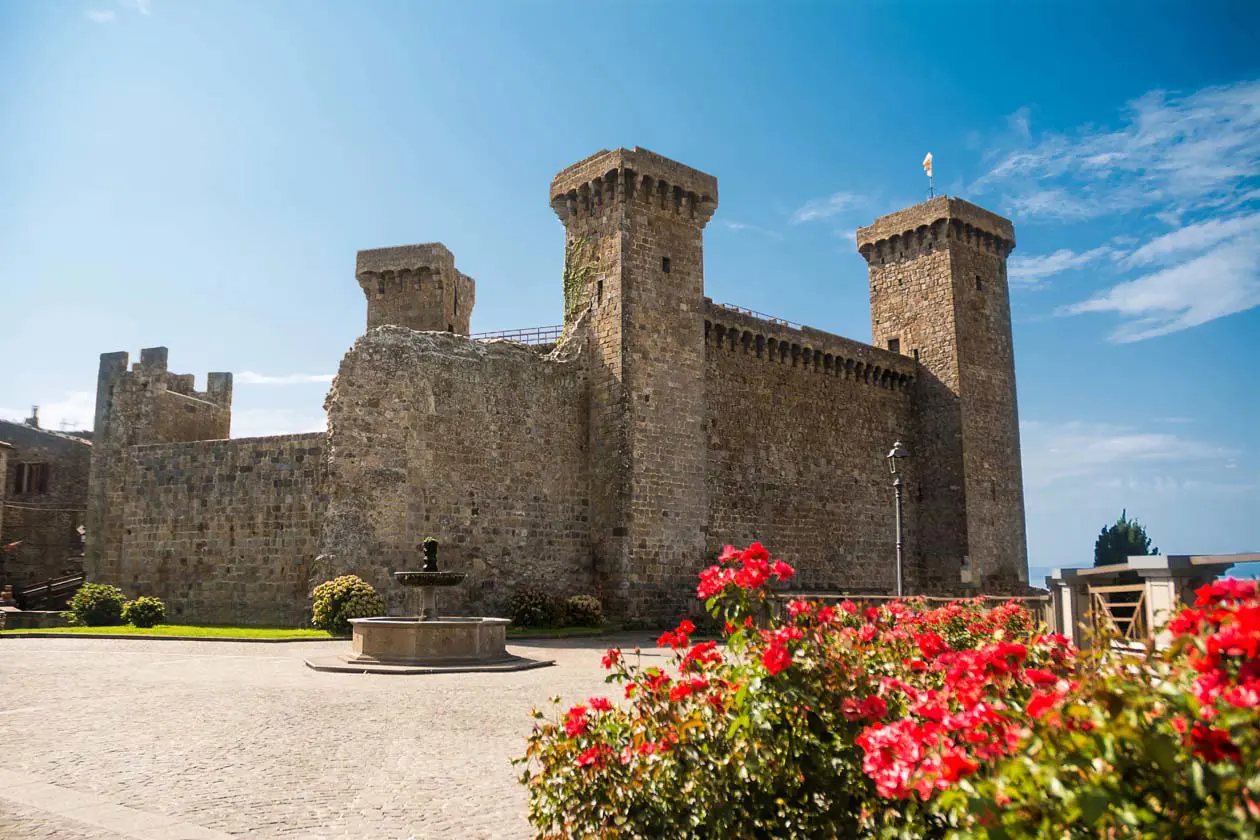
In Lazio, the Rocca Monaldeschi della Cervara dominates Bolsena and its lake. The fortress houses the Territorial Museum of Lake Bolsena and is an interesting destination for those looking for lakeside villages, less crowded routes and itineraries between Tuscia, Via Francigena and Orvieto. Spring, summer and early autumn are the best times to combine cultural visits and natural landscapes.


The castles of Southern Italy: sea, islands, Frederick's fortresses and lesser-known villages


In Southern Italy, castles tell the story of the relationship between defense, sea, historical dominations and port cities. They are ideal destinations for itineraries that combine culture, coastal landscape, islands and lesser-known villages.
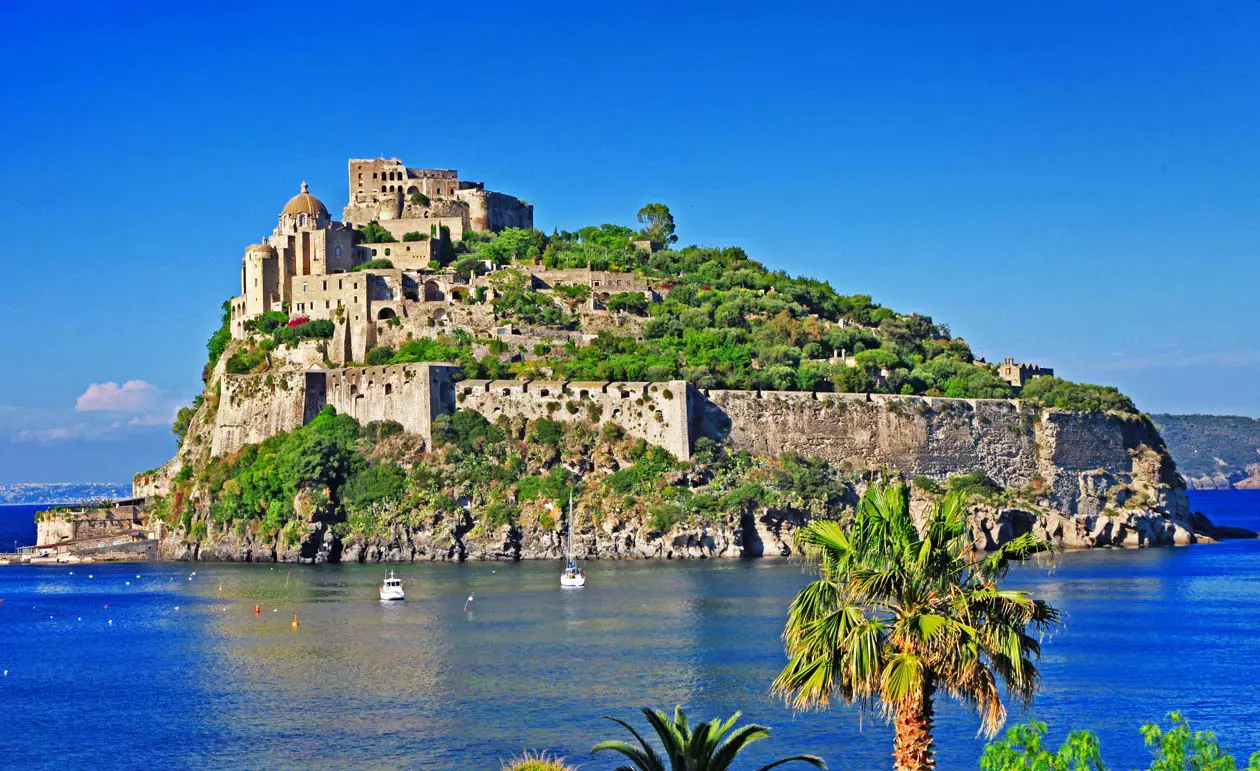
 

Castello Aragonese di Ischia Foto: Copyright © Sisterscom.com | Depositphotos
Aragonese Castle of Ischia Photo: Copyright © Sisterscom.com | Depositphotos
In Campania, the Aragonese Castle of Ischia is one of the most iconic images of the island. Connected to the mainland by a bridge, it stands on a rocky islet and offers an evocative visit between history, sea and views of the Gulf of Naples. It is a stop to combine with beaches, villages and spas, especially during a stay on the island.


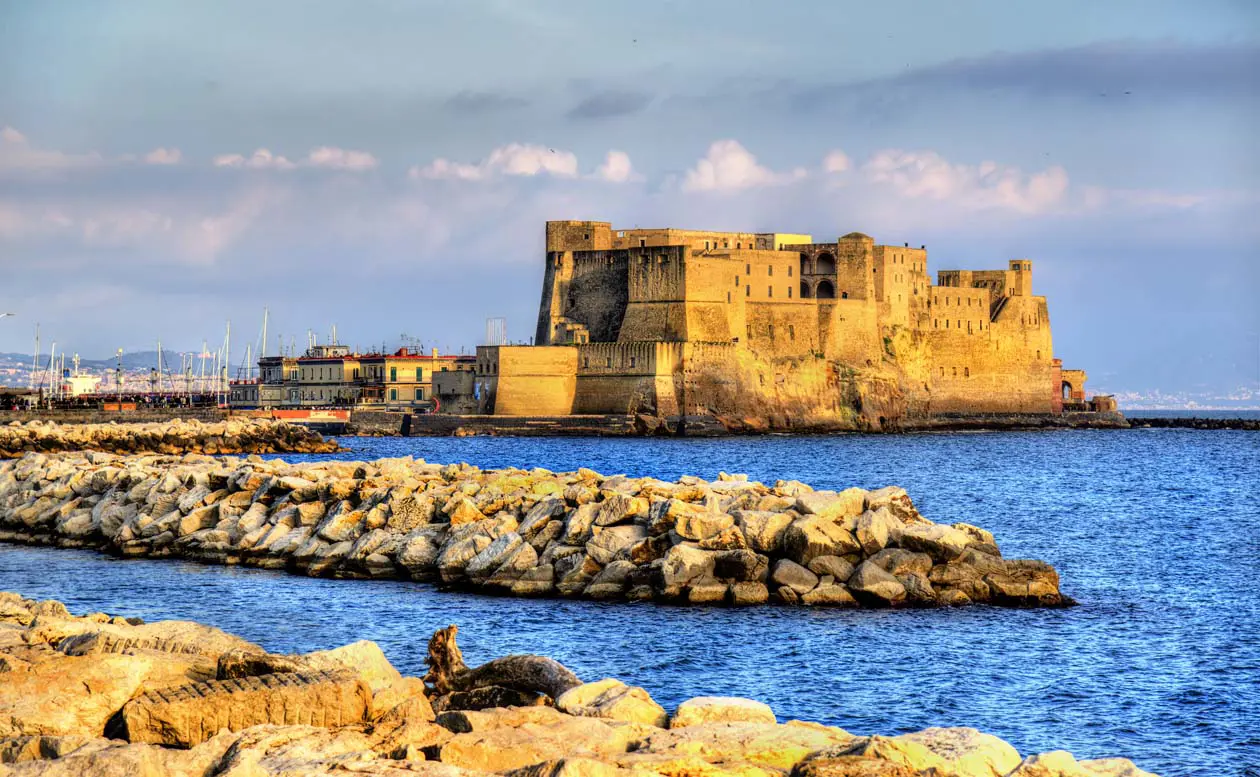
Castel dell’Ovo Foto: Copyright © Sisterscom.com | Depositphotos
Castel dell'Ovo Photo: Copyright © Sisterscom.com | Depositphotos
Also in Campania, Castel dell'Ovo is one of the symbolic places of Naples. Overlooking the sea, on the islet of Megaride, it can be easily visited during a walk along the seafront between Santa Lucia and Borgo Marinari. Sunset is one of the best times to appreciate its position and the view of the gulf.


The lesser-known Campania is also represented by the Castelluccia di Battipaglia, the historical symbol of the city. Although it is not a classic monumental visit like other Italian castles, it retains an important identity value and can be included in an itinerary between Salerno, the Piana del Sele and Cilento.
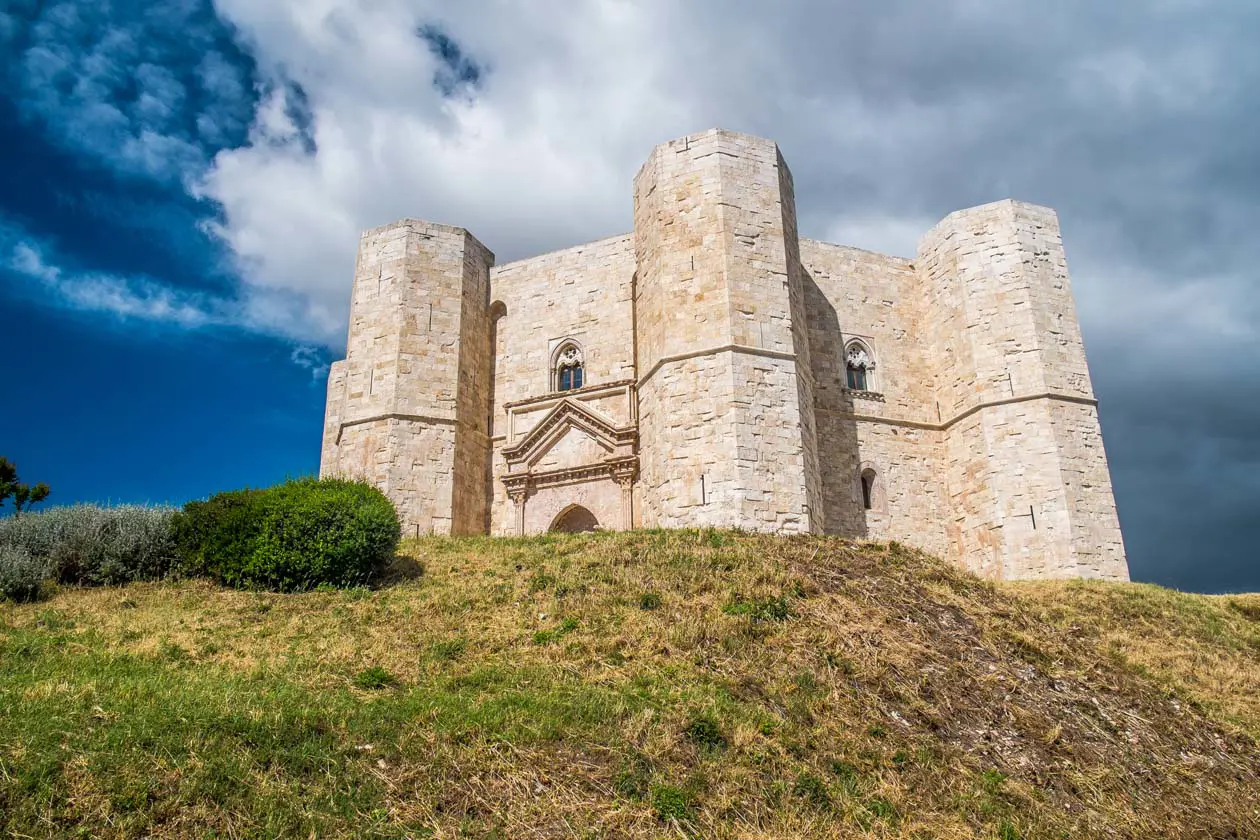
 

Castel del Monte Foto: Copyright © Sisterscom.com | Depositphotos
Castel del Monte Photo: Copyright © Sisterscom.com | Depositphotos
In Puglia, Castel del Monte is one of the most recognizable architectures of the Italian Middle Ages. Commissioned by Frederick II and located in the territory of Andria, it is famous for its octagonal plan and strong symbolic value. It is an ideal stop for those who want to discover cultural Puglia, as well as seaside resorts, and can be combined with Bari, Trani, Barletta and Alta Murgia.


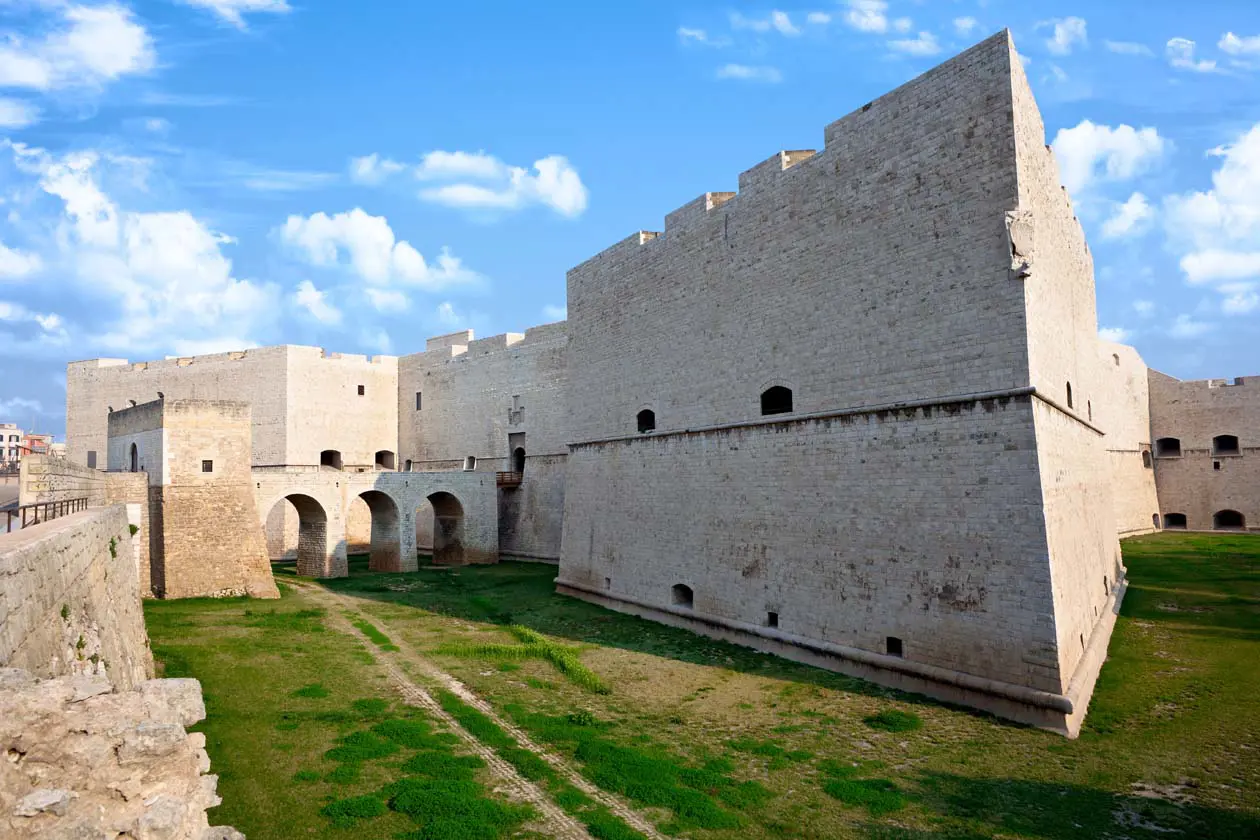
Castello Svevo di Barletta Foto: Copyright © Sisterscom.com | Depositphotos
Swabian Castle of Barletta Photo: Copyright © Sisterscom.com | Depositphotos
Also in Puglia, the Swabian Castle of Barletta tells the urban and military history of the city. Born on a Norman basis and transformed by the Swabians, today it is a cultural and museum space. The visit can be included in an itinerary along the Apulian Adriatic coast, between Barletta, Trani, Andria and Bari.


Castello Pandone di Venafro Foto: Copyright © Sisterscom.com | Depositphotos
Pandone Castle of Venafro Photo: Copyright © Sisterscom.com | Depositphotos
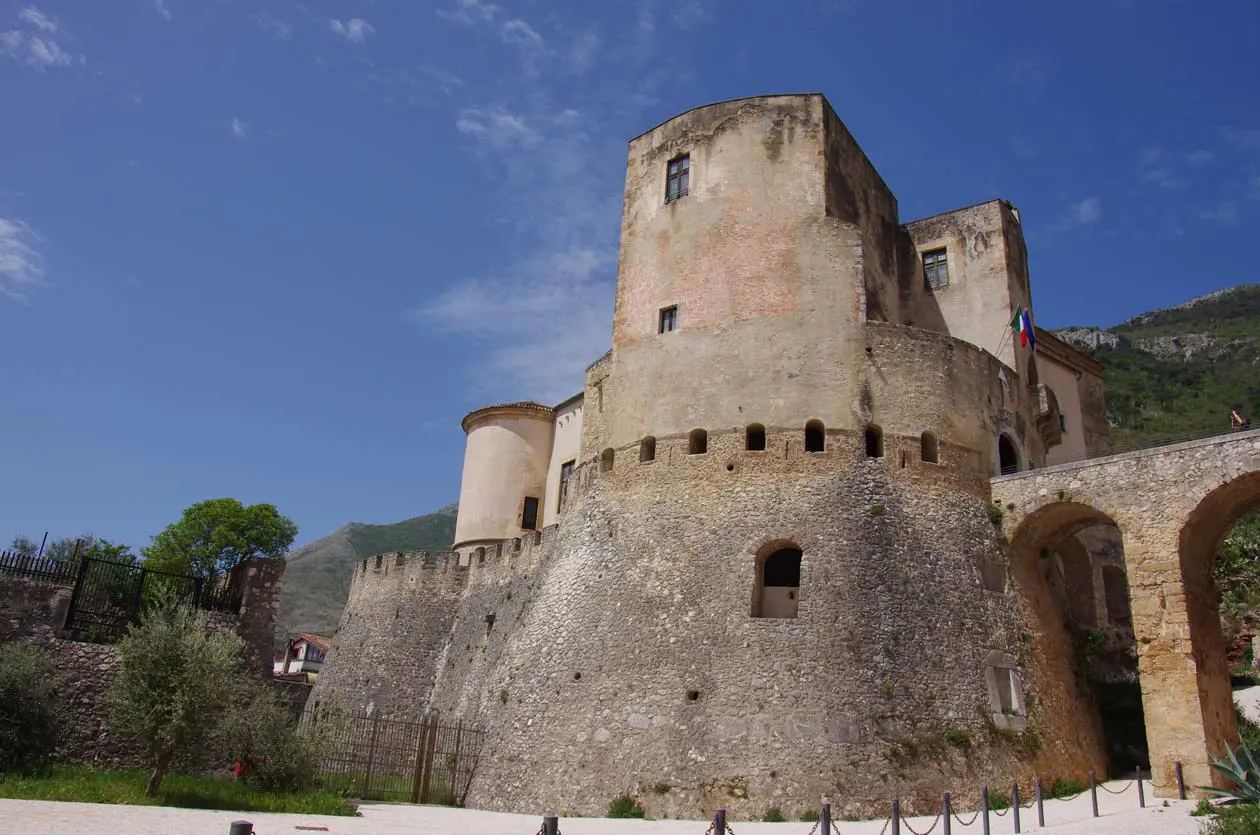
In Molise, the Pandone Castle in Venafro is an interesting stop for those looking for a less frequented Italy. The structure was born from successive transformations and retains the link with the Pandone family and with local history. It is a destination suitable for curious Travellers, interested in villages, historical heritage and areas still far from the most crowded tourist circuits.


Edited by the editorial staff, Avion Tourism Magazine
Photo: Copyright © Sisterscom.com | Depositphotos

You might be interested in
The texts are protected by copyright and cannot be copied.
If you wish, you can share this page.