The historic theatres of central Italy become World Heritage
Italy wins a new UNESCO recognition. The The system of Italian-Style Condominio Theatres of the 18th and 19th centuries in central Italy was inscribed on the World Heritage List, becoming the 62nd Italian site to obtain the prestigious recognition.
The decision was taken on 26 July 2026 by the World Heritage Committee, meeting in Busan, Republic of Korea, for its 48th session.
The new UNESCO site includes ten historic theaters distributed between Marche, Emilia-Romagna and Umbria, considered an exceptional testimony of the evolution of Italian theatrical architecture between the eighteenth and nineteenth centuries.
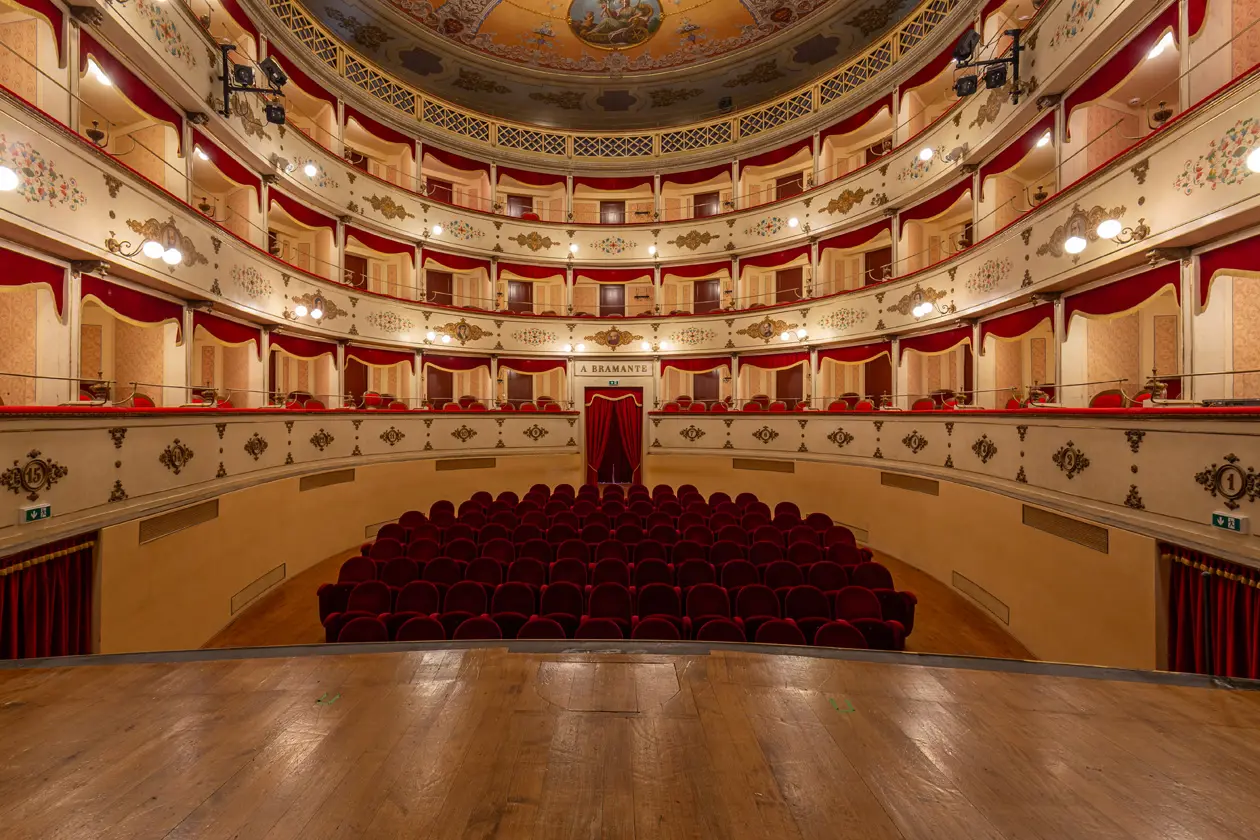
The 10 theaters recognized by UNESCO
The serial site includes:
- Angelo Mariani Theatre in Sant'Agata Feltria
- Teatro Gentile da Fabriano di Fabriano
- Giovanni Battista Pergolesi Theatre in Jesi
- Teatro Ventidio Basso in Ascoli Piceno
- Serpente Aureo Theatre in Offida
- Teatro dell'Aquila in Fermo
- Lauro Rossi Theatre in Macerata
- Feronia Theatre in San Severino Marche
- Bramante Theatre in Urbania
- Teatro Nuovo Gian Carlo Menotti in Spoleto.
These buildings tell the story of the development of the Italian theatre model, characterised by overlapping boxes, stalls, foyers, foyers and stage spaces designed to ensure good acoustics and visibility. The peculiarity of the theaters of central Italy also lies in the so-called "condominium" formula, based on forms of co-ownership between public and private entities.
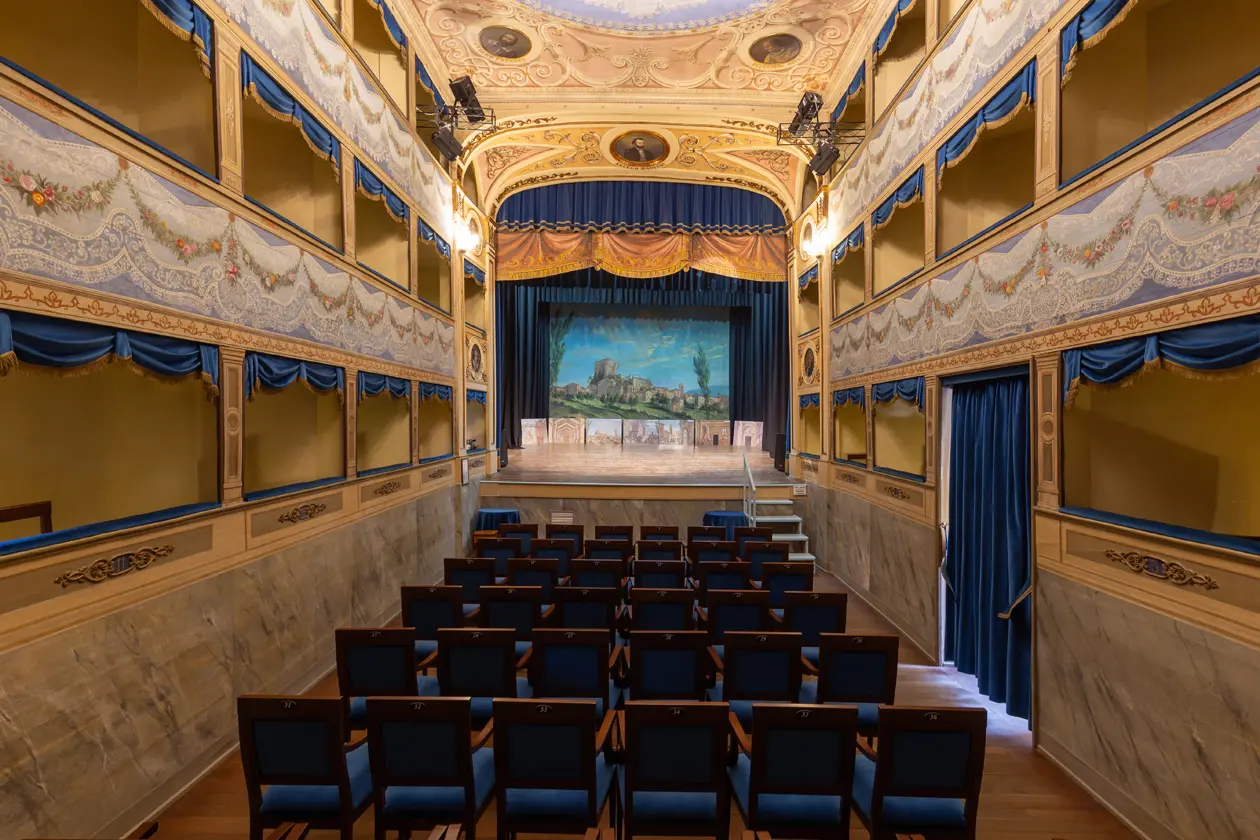
From aristocratic theatre to community place
The value recognized by UNESCO does not only concern architecture. Between the eighteenth and nineteenth centuries, these theatres contributed to the transformation of the show from an experience intended mainly for the elite to a public place of culture and sociality.
Often built in the heart of small and medium-sized cities, they became meeting points for local communities, accompanying the growth of the bourgeoisie and the progressive expansion of access to culture.
An element that makes the recognition particularly significant also from a tourist point of view is that all ten theaters are still in operation today, allowing you to discover this heritage not as a simple historical testimony, but as a living part of the cities that host them.
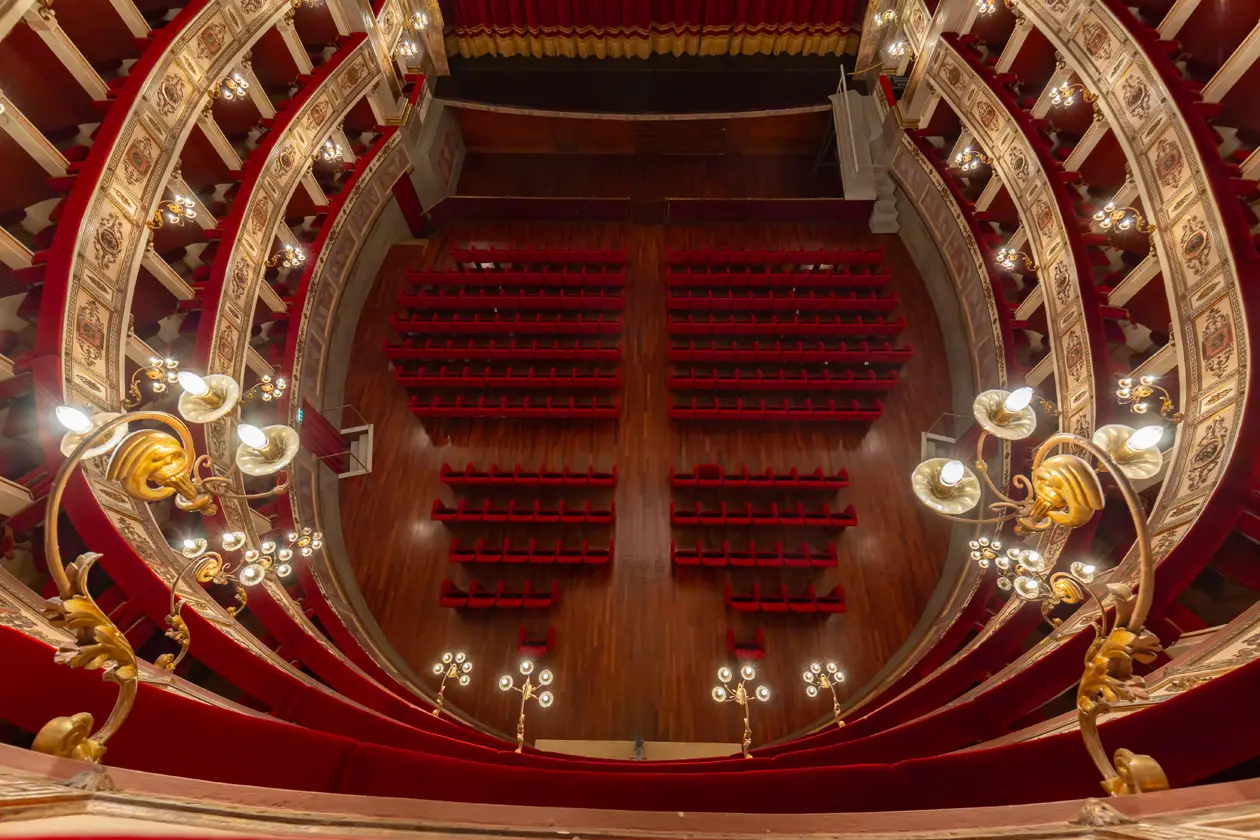
The candidacy was promoted by the Marche Region, with the participation of Umbria and Emilia-Romagna and the coordination of the UNESCO Service of the Ministry of Culture, with the support of the Ministry of Foreign Affairs and International Cooperation and the Permanent Representation of Italy to UNESCO.
With this new inscription, Italy reaches 62 UNESCO World Heritage sites, strengthening its international leadership. One more reason to discover and visit the elegant Italian-style condominium theaters and, more generally, all the World Heritage Sites in Italy, extraordinary testimonies of the cultural and landscape heritage of the Bel Paese.
Visual: Teatro Serpente Aureo. Foto: © Fondazione Marche Cultura | Author: Giuseppe Nardi
Photo for editorial use only Copyright © © Fondazione Marche Cultura Author: Giuseppe Nardi