Artemisia Gentileschi on display in Florence
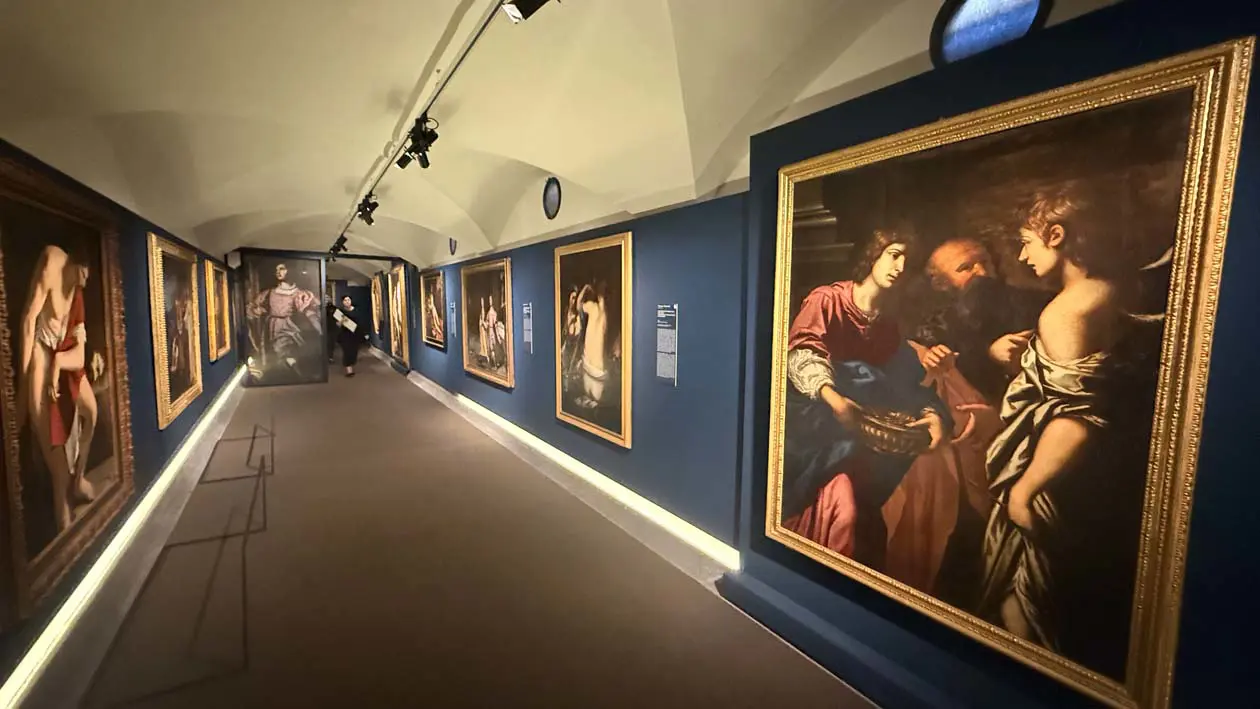
Florence tells one of the decisive chapters in the life and career of Artemisia Gentileschi. Until April 4, 2027, the Museo degli Innocenti hosts "Artemisia Gentileschi in Florence", the first major exhibition dedicated specifically to the years spent by the painter in the Medici city, between 1613 and 1620. The itinerary brings together over 50 works from more than 40 Italian and international museums, foundations and collections and is curated by Cristina Acidini, Sandro Bellesi and Costantino D'Orazio.
The exhibition reconstructs the period in which Artemisia, who arrived in Florence in her early twenties, managed to transform herself from a young artist trained in Caravaggio's Rome into a recognized protagonist of seventeenth-century painting. In the city of the Medici she obtained important commissions, entered into relationships with artists and intellectuals and in 1616 she was admitted to the Academy of Drawing Arts, among the first women in history to obtain this recognition.
The exhibition does not isolate Artemisia from her own time, but places her works in early seventeenth-century Florence, comparing them with paintings by other protagonists of the art scene and showing how the naturalism and dramatic tension derived from the lesson of Caravaggio were progressively intertwined with Florentine elegance, color and figurative culture.
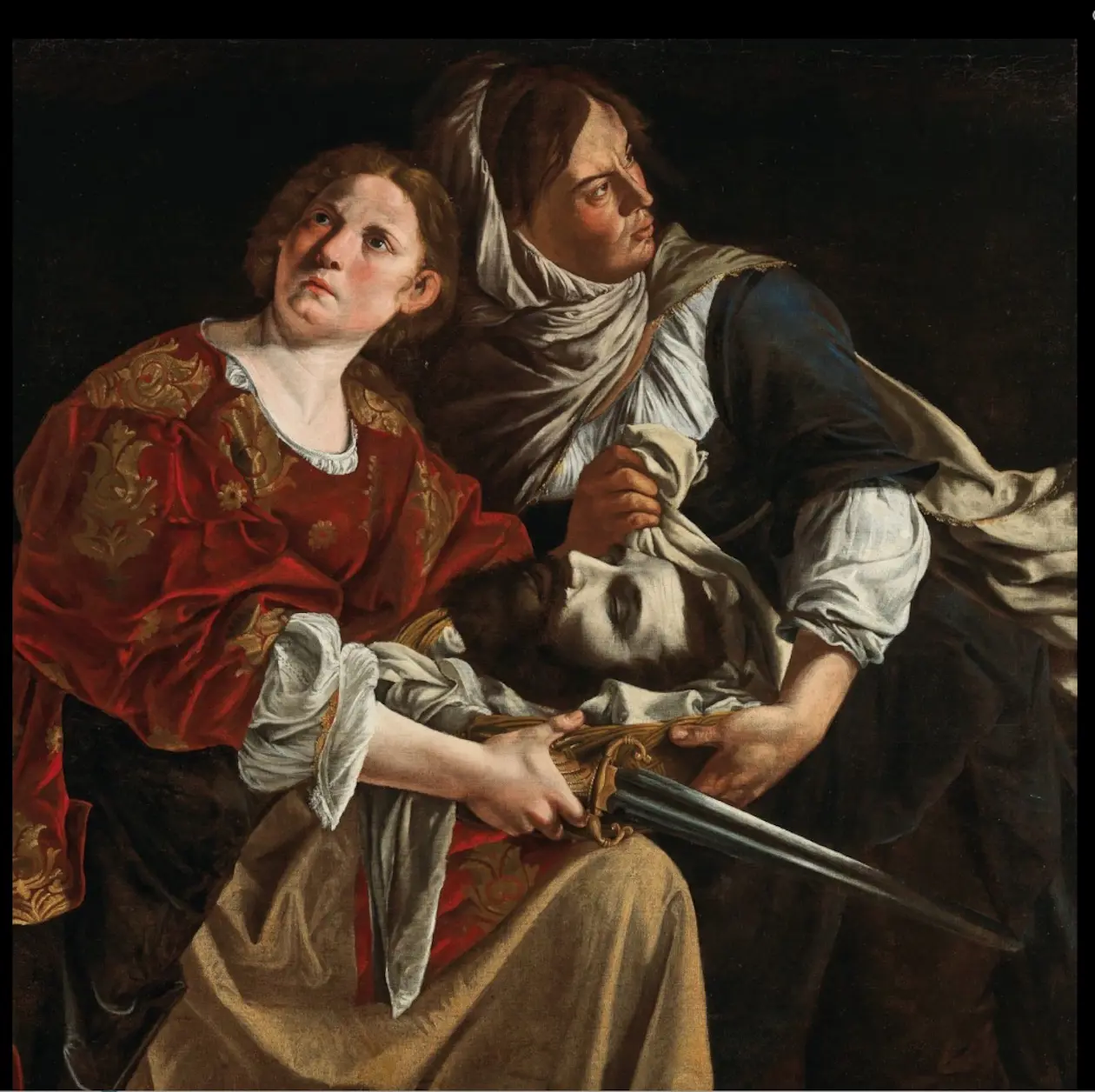
The Florence years and the birth of a great artist
Artemisia Gentileschi arrived in Florence in 1613 after leaving Rome, where the trial against Agostino Tassi had publicly exposed a painful part of her private life. She had recently married the Florentine painter Pierantonio Stiattesi and brought with her an education gained in the workshop of her father Orazio Gentileschi and in direct contact with Caravaggio's pictorial revolution. Florence offered the young artist a new environment. The city was animated by the court of Cosimo II de' Medici, Christina of Lorraine and Maria Maddalena of Austria and by a dense network of artists, writers and patrons.
As early as 1615, some of Artemisia's works were destined for the Medici villa of Artimino. In the same period, Michelangelo Buonarroti the Younger involved her in the decoration of Casa Buonarroti, where Artemisia was the only woman called to work alongside some of the leading Florentine painters of the time.
For this project she created the Allegory of the Inclination, painted between 1615 and 1616: a work dedicated to vocation and natural talent, which takes on a particularly interesting meaning when read in the light of the career that the young painter was building in those years.
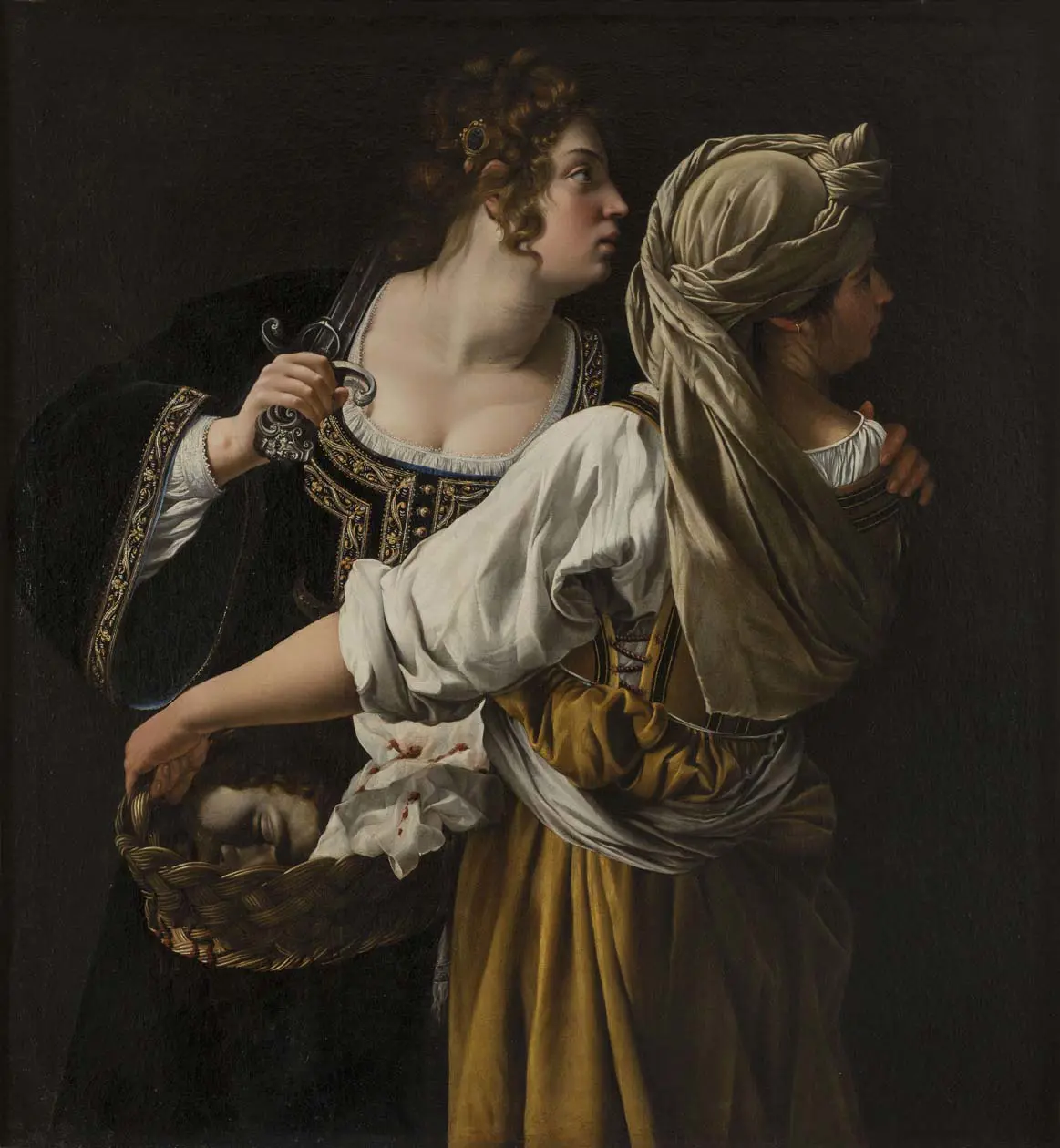
Over 50 works from international museums and collections
The itinerary brings together works normally kept in locations very far from each other. The loans come, among others, from the Vatican Museums, the Uffizi Galleries and Palazzo Pitti, the Museum and Real Bosco di Capodimonte, the Houghton Hall Collection, Palazzo Madama - Civic Museum of Ancient Art in Turin, the Casa Buonarroti Foundation, the National Gallery of Umbria, the National Art Gallery of Bologna and the National Gallery of the Marche in Urbino.
Alongside Artemisia's paintings there are works by artists such as Cristofano Allori, Francesco Furini, Cesare Dandini, Giovanni Martinelli, Filippo Tarchiani, Ottavio Vannini, Lorenzo Lippi, Volterrano and Jacopo Vignali. The comparison allows us to better understand the context in which the painter worked and, above all, how personal was her way of representing subjects that belonged to the common repertoire of seventeenth-century art.
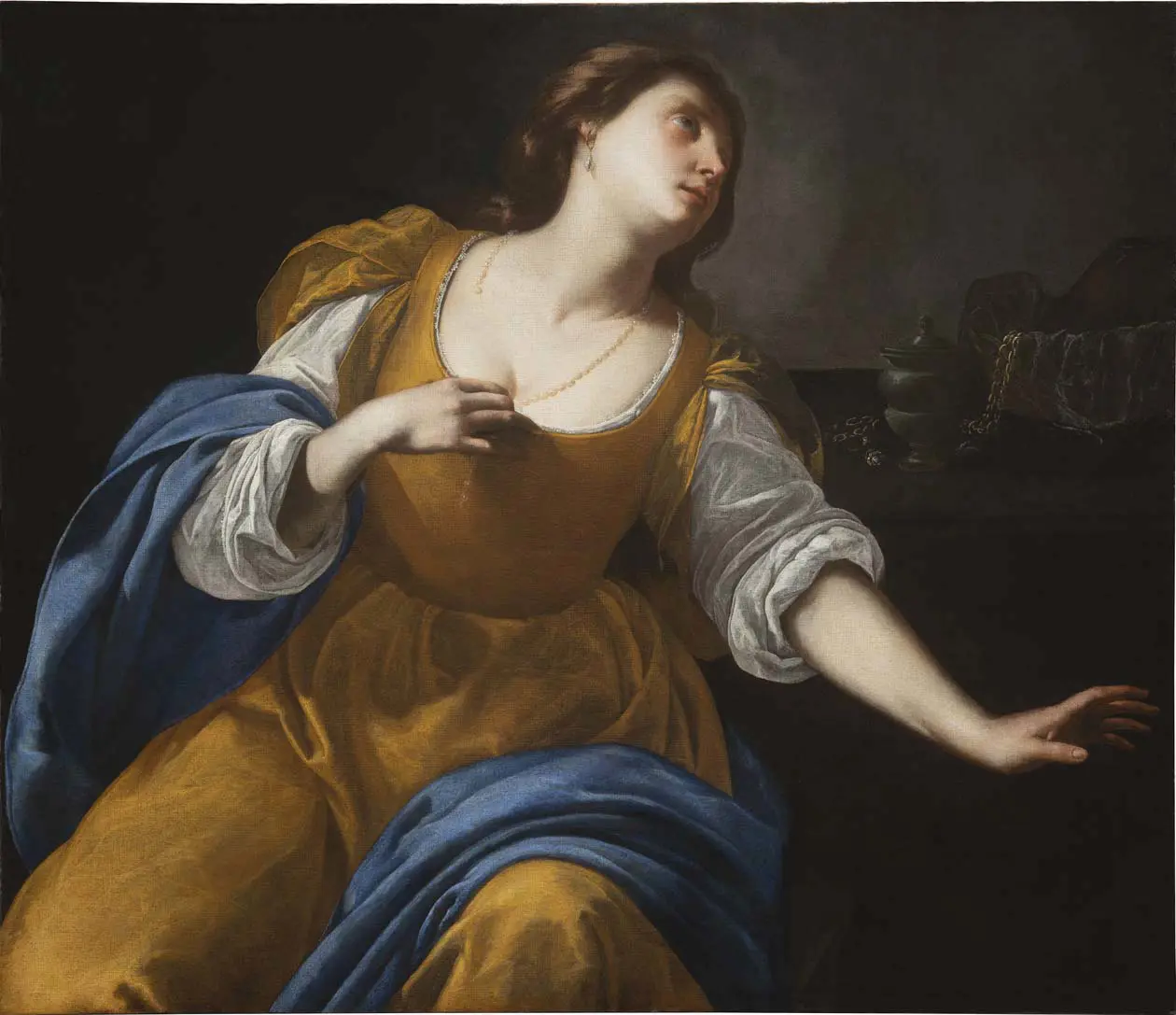
Judith, Magdalene, Cleopatra and Catherine: Artemisia's women
A central part of the exhibition is inevitably occupied by the female protagonists who cross Artemisia Gentileschi's work. Judith, Magdalene, Cleopatra and Catherine are not treated as simple decorative or passive figures. In Artemisia's paintings, it is the gestures, the looks, the tension of the bodies and the relationship with light that build the scene.
The comparison with works created by contemporary artists on the same subjects allows us to grasp the originality of the painter with greater immediacy. Artemisia often focuses attention on the psychological moment of the action: the silence before or after an event, the determination of a gaze or the tension enclosed in the posture of a body become essential elements of the narrative.
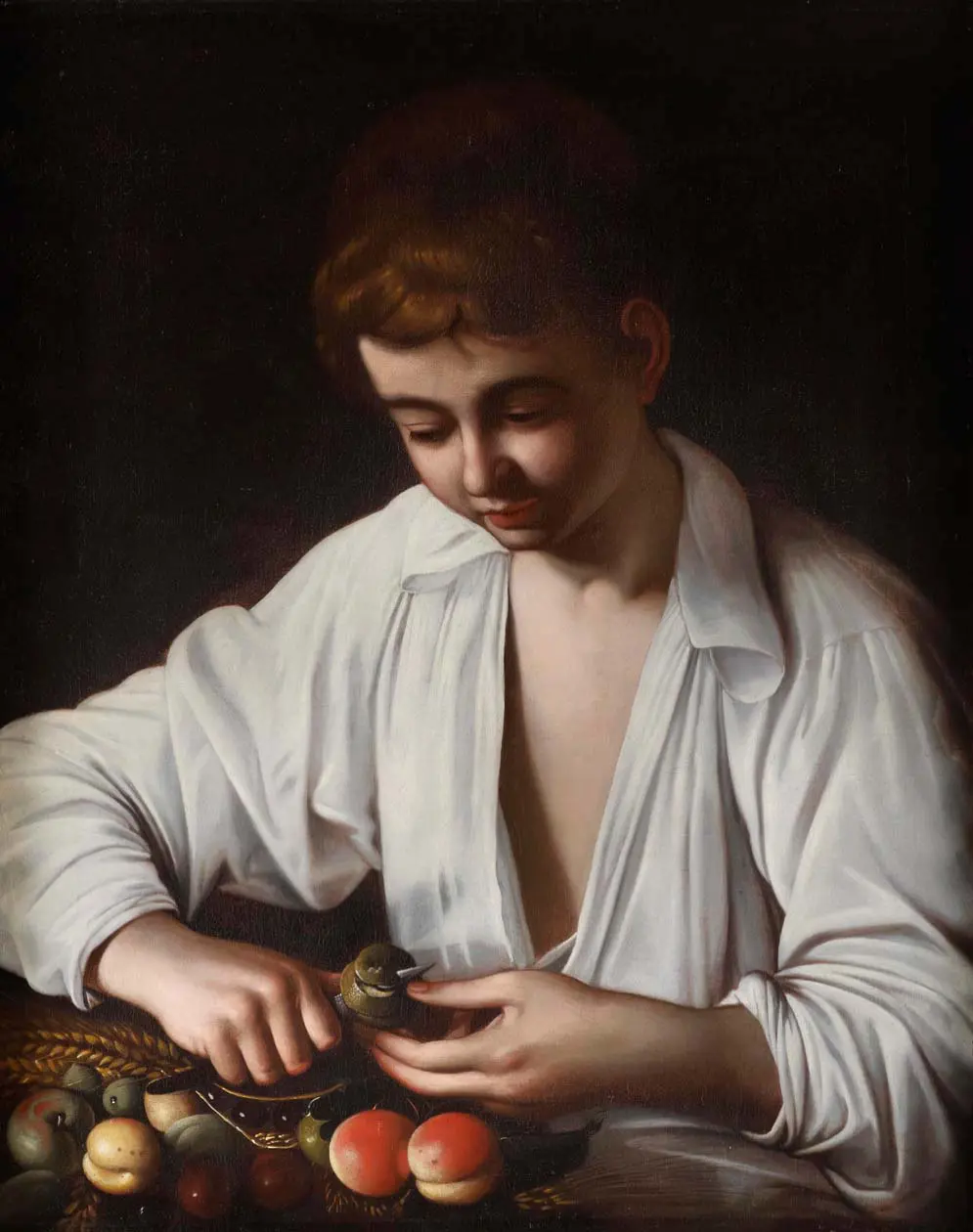
The rare Caravaggio that opens the exhibition
The exhibition opens with a particularly significant presence: Boy Peeling a Fruit, also known as Mondafrutto, in the so-called Dickidson version. Dated to the mid-nineties of the sixteenth century and traditionally linked to Caravaggio's early Roman production, the painting is at the center of a complex attribution story. The canvas resurfaced in 1996, when it was offered at a London auction as a workshop work and recognized by art historian John T. Spike as a possible original by Merisi.
The existence of numerous versions of the same subject has fueled an articulated critical debate over the years. His presence in the Florentine exhibition, however, allows above all to visually introduce an essential component of Artemisia's training: the knowledge of Caravaggio's painting and its radical use of light and naturalism.
Judith with the Handmaid, a rare Artemisia from the Florentine years
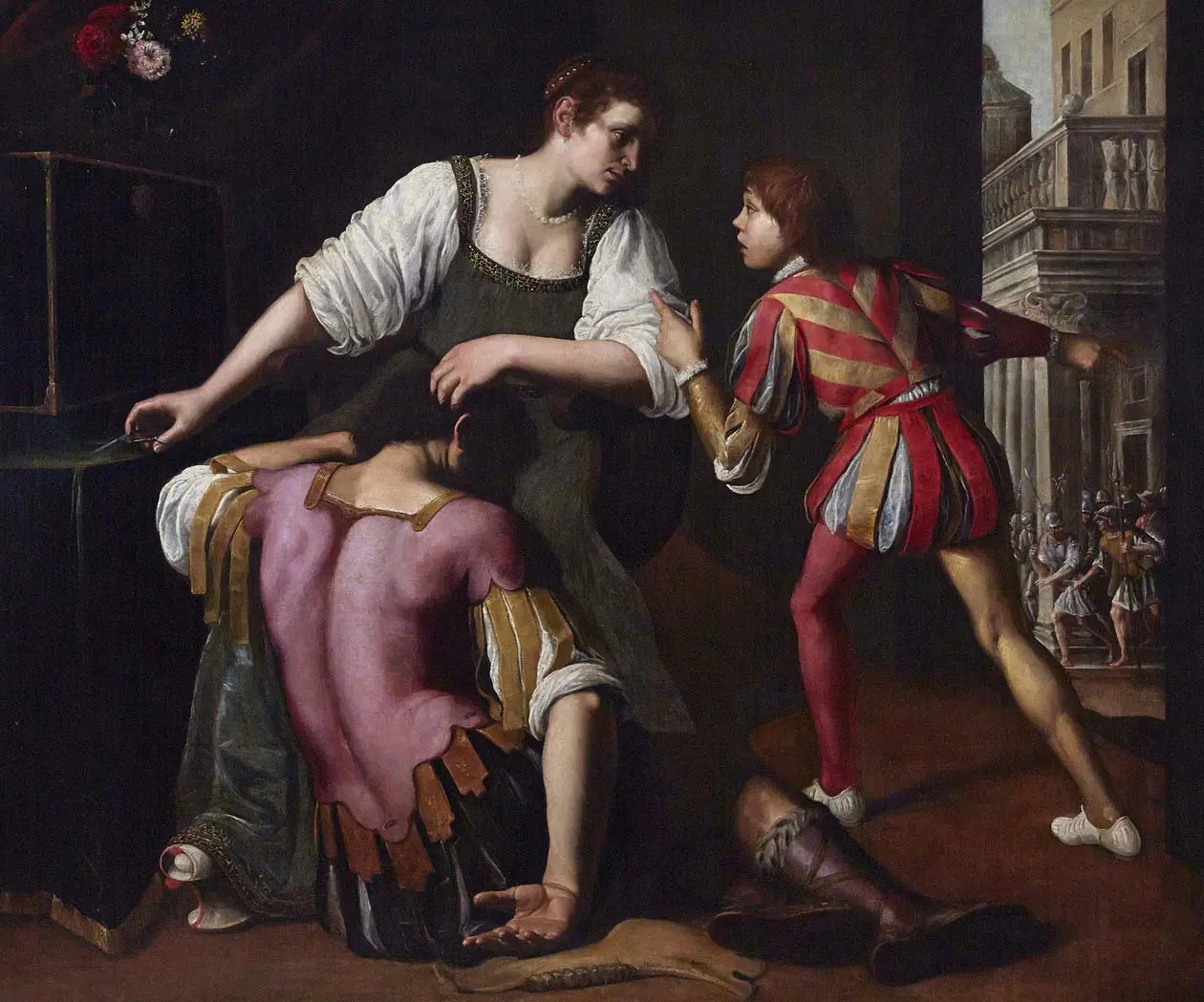
Among the most interesting works is also a Judith with the Handmaid, datable between 1610 and 1620 and rarely accessible to the public. The canvas, now belonging to a private Roman collection, had been attributed to Caravaggio in the catalog of the Corsini Collection of 1880. Subsequently, Roberto Longhi's studies recognized its authorship by Artemisia Gentileschi.
The composition shows how deep the dialogue with Merisi still was: light emerges from the darkness, the figures are gathered in a tight space and every gesture seems suspended in the moment immediately preceding a possible danger. At the same time, Artemisia transforms these elements into a personal language. The biblical drama derives not only from the action represented, but from the psychological tension of the two protagonists.
An exhibition to rediscover the Museum of the Innocents
The venue adds a further element to the visit. In fact, the exhibition also occupies the spaces of the Pinacoteca del Museo degli Innocenti, in the monumental complex designed by Filippo Brunelleschi in Piazza Santissima Annunziata. The exhibition ticket also allows access to the museum's permanent collection, allowing you to combine the exhibition dedicated to Artemisia with the discovery of the historical and artistic heritage of the Istituto degli Innocenti.
For those visiting Florence, the exhibition can therefore easily fit into an itinerary dedicated to art in the historic center: Piazza Santissima Annunziata is located a few minutes walk from the Accademia Gallery and not far from the Duomo.
About the exhibition
"Artemisia Gentileschi in Florence"
Venue: Museo degli Innocenti, Piazza Santissima Annunziata 13, Florence
Dates: October 21, 2026 to April 4, 2027.
Opening hours: every day from 9.30 am to 7.00 pm; last admission one hour before closing. Changes in opening hours on some public holidays.
Tickets: full 16 euros; reduced 14 euros. It also includes a visit to the Museo degli Innocenti.