SWISS unveils the new First Grand Suite
With the launch of the First Grand Suite, Swiss is redefining the canons of First Class air travel, bringing to the skies a concept that combines luxury, flexibility and absolute privacy.
The new suite combines two adjacent rooms in a single exclusive space, transforming itself into a real loft on board: walls over 1.8 meters high guarantee intimacy and silence, while the set-up can be modulated to meet the needs of those traveling for business or pleasure.
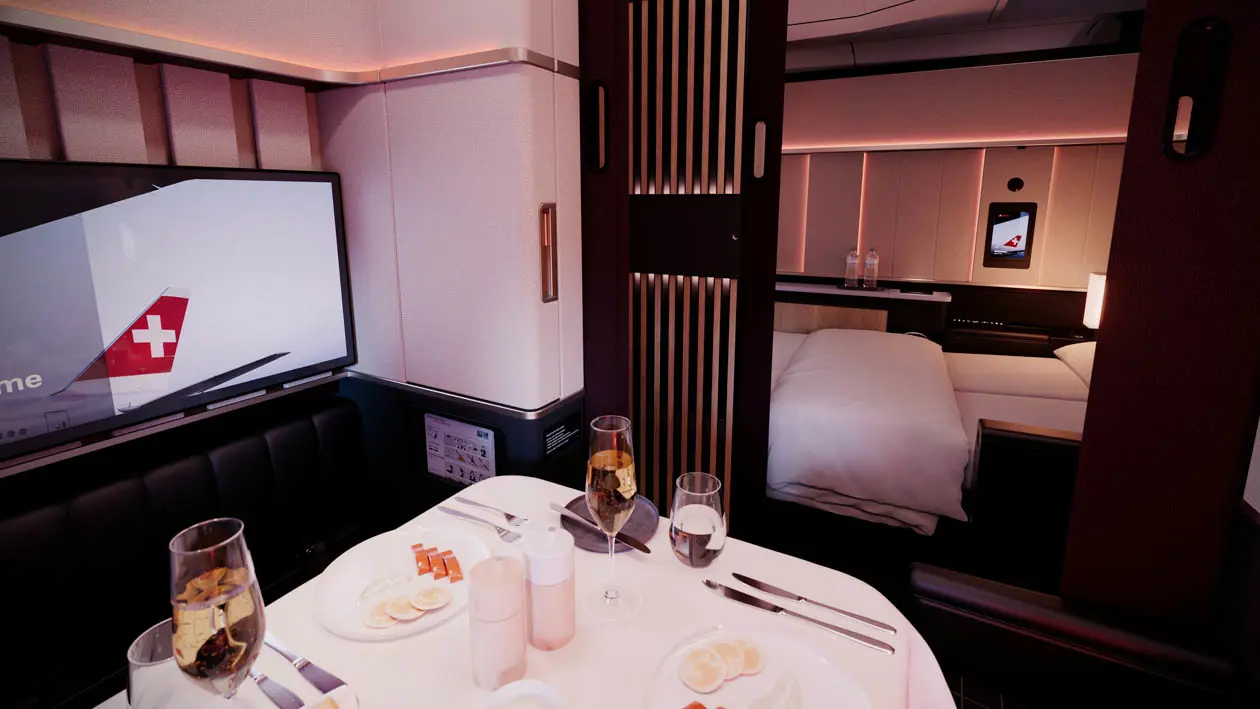
The SWISS First Grand Suite is designed for those looking for a personalized and immersive experience. Guests can decide whether to transform the suite into:
- private bedroom, ideal for long intercontinental journeys;
- in-flight office, perfect for business travelers who want maximum concentration;
- dining room or meeting room, for convivial or work moments in total privacy.
All accompanied by the excellence of the SWISS First Class service, with gourmet menus inspired by Swiss tradition, selected wines and attention to detail that makes the experience unique.
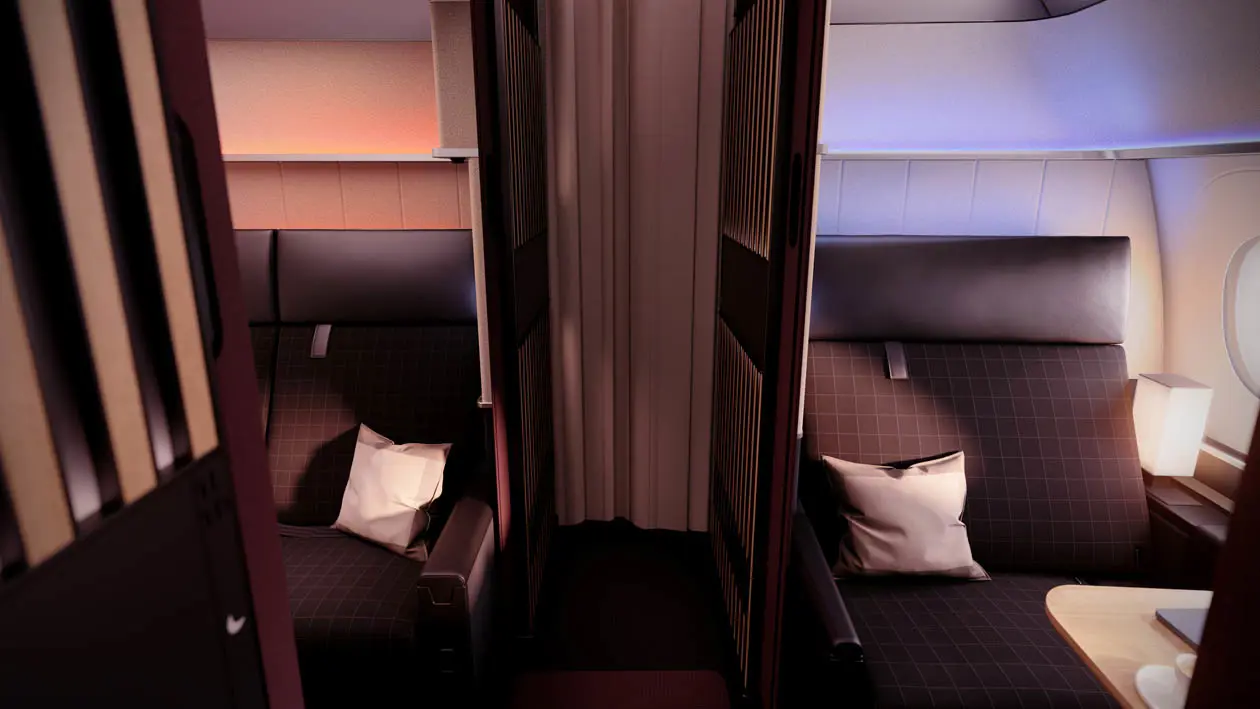
The new Grand Suite will be introduced from 2026 on the innovative Airbus A350 and the renewed Airbus A330 , and will then also arrive on the Boeing 777 fleet. It can accommodate up to three passengers and can only be booked via the dedicated SWISS First hotline, which guarantees a tailor-made concierge service.
"With the First Grand Suite , we want to offer our premium top customers an experience reminiscent of a private loft above the clouds", explains Heike Birlenbach, Chief Commercial Officer at SWISS. "A place to relax, work or simply enjoy the journey, in line with the philosophy of our SWISS Senses concept, which aims for a truly premium air experience".
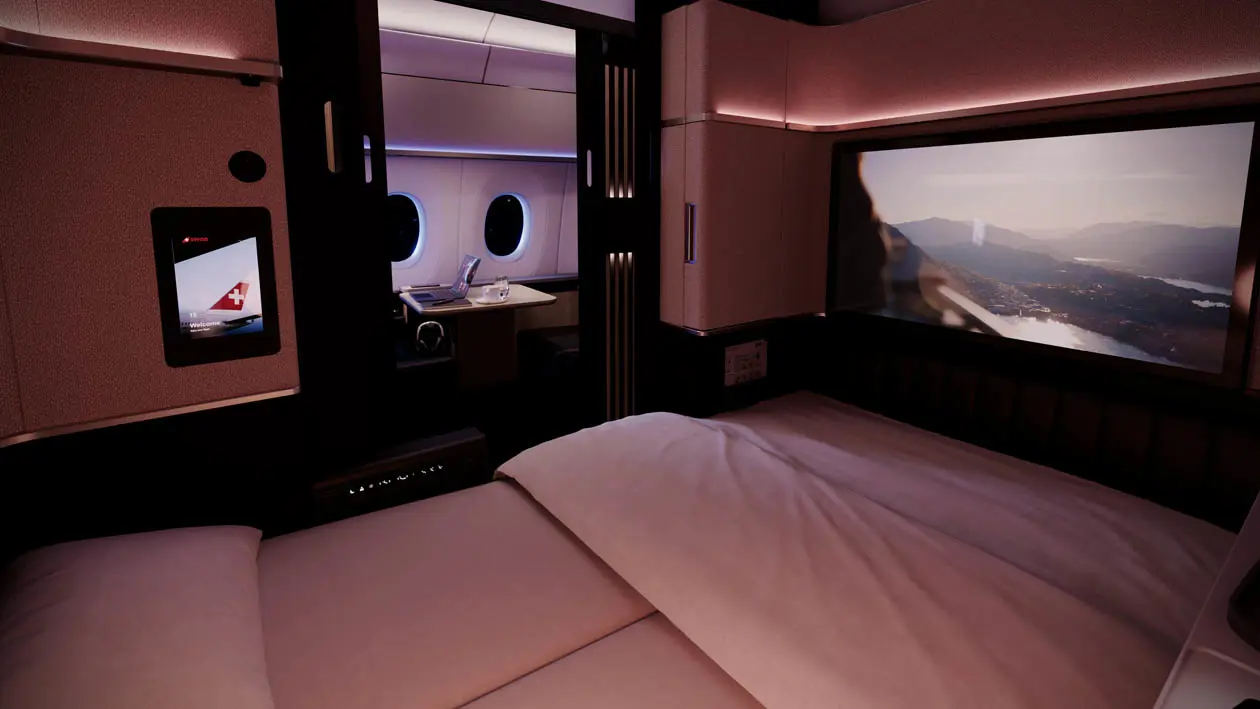
With the First Grand Suite, SWISS is consolidating its position as one of the world's finest airlines. A carrier that embodies Switzerland's traditional values (precision, quality and attention to detail) and that looks to the future with ambitious goals also in terms of sustainability, aiming to halve net CO₂ emissions by 2030 and achieve climate neutrality by 2050.


Partnership with Booking.com / Travelpayouts
Hotels in Zurich