
Cartier and the Myth
The exhibition "Cartier and the Myth at the Capitoline Museums" brings to the spaces of the Palazzo Nuovo a selection of creations of the Maison, mostly from the Cartier Collection, juxtaposed with the sculptures of Cardinal Alessandro Albani and precious archaeological finds from the Capitoline Superintendence, from Italian and international institutions and from private collections.
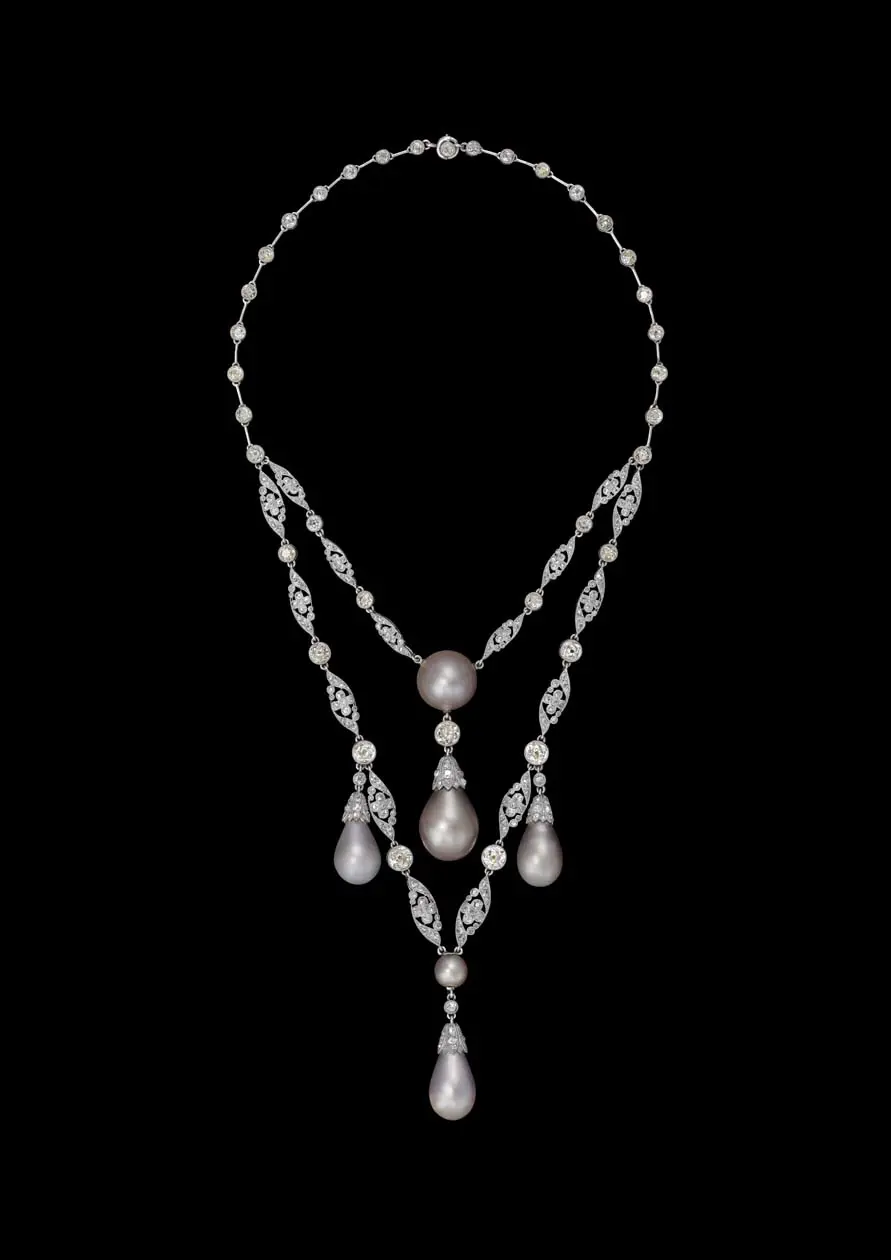
The exhibition tells how, from the mid-nineteenth century to the present day, Cartier has drawn on the imagery of ancient Greece and Rome, transforming classic motifs into jewels with a contemporary design. The exhibition highlights the privileged relationship between Cartier and Italy, with particular attention to Rome, and traces the evolution of classical aesthetics in the Maison's production: from neoclassical taste to the modern languages of the twentieth century, up to current interpretations.
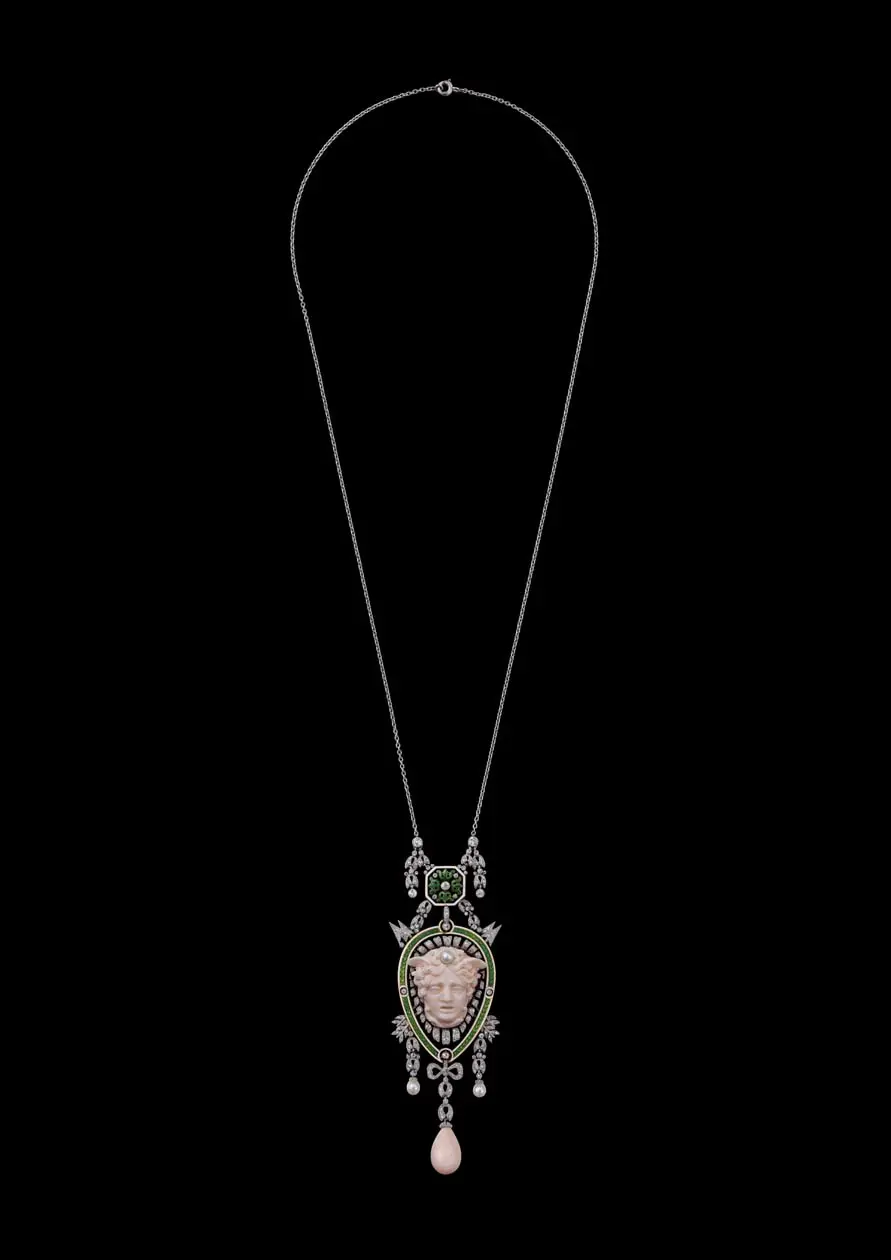
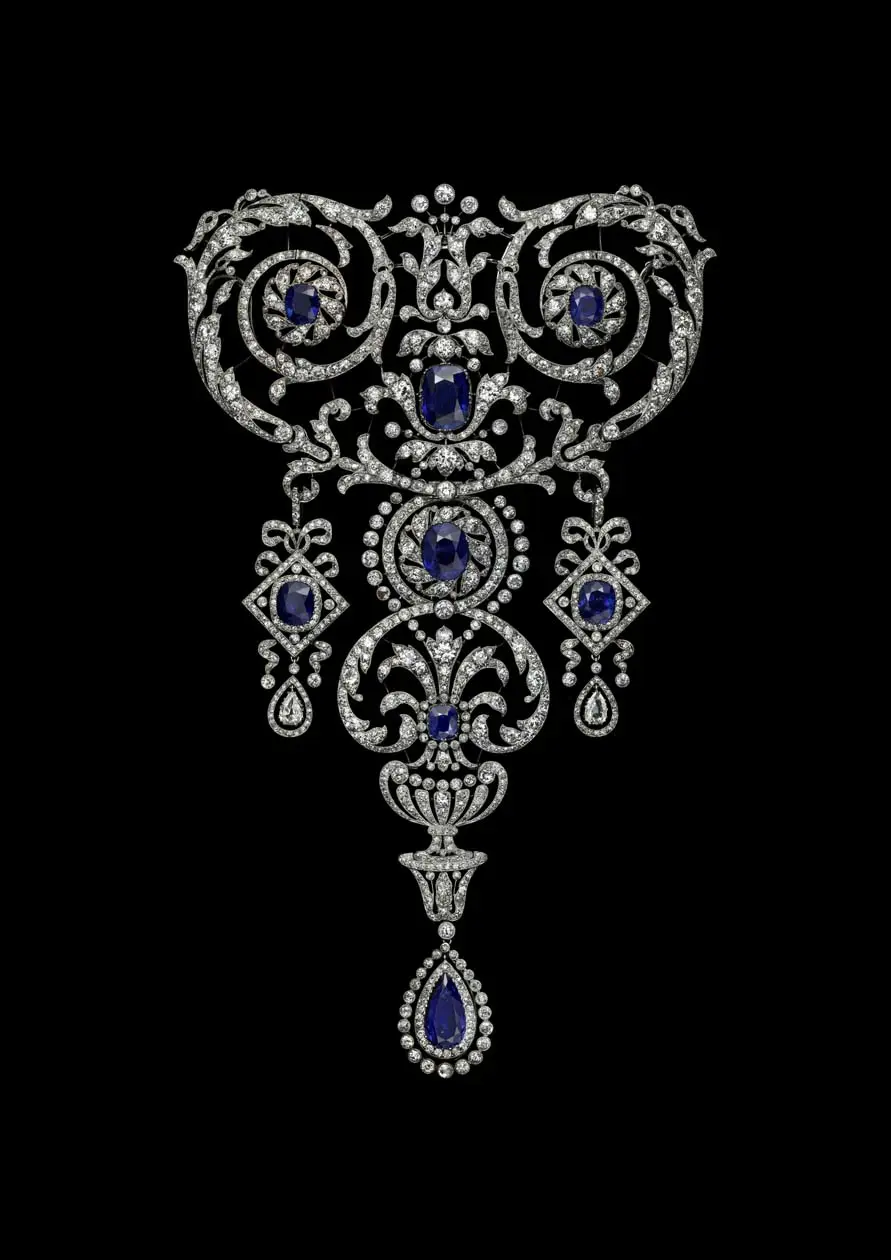
The Palazzo Nuovo – the original heart of the Capitoline Museums – preserves masterpieces from the Albani collection, many of which have influenced European artistic language for centuries. The exhibition offers a new reading of the use of the ancient repertoire in jewelry, from nineteenth-century pastiches to the Garland style, up to post-war reinterpretations inspired by Jean Cocteau and contemporary creations.
A section is dedicated to goldsmith techniques and manufacturing processes, with references to the practices of the Roman age. Another investigates the link with mythology, relating Cartier creations to the divine figures present in the museum – Aphrodite, Dionysus, Apollo, Heracles, Zeus and Demetra – inviting the public to recognize in ancient masterpieces the sources of inspiration of the Maison.
The exhibition is introduced by the scenographic staircase signed by Oscar winner Dante Ferretti, which leads the visitor into an imaginary suspended between myth and cinema, recalling the atmospheres of his famous sets, from The Name of the Rose to Cinderella. The installation, conceived as an immersive experience, includes olfactory installations designed by Cartier perfumer Mathilde Laurent and an exhibition of semi-precious stones from the Maison's glyptic atelier.
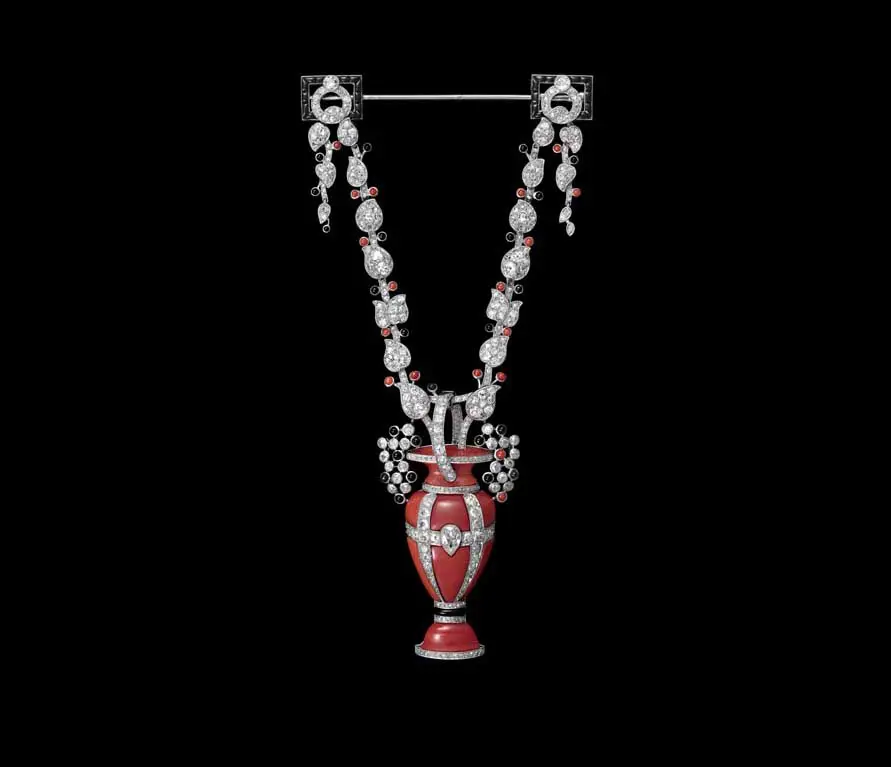
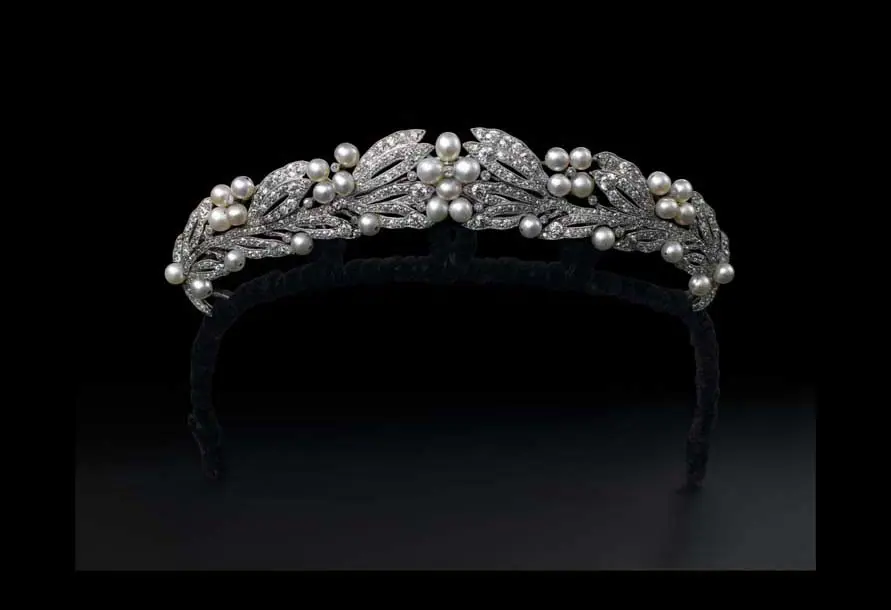
The exhibition also investigates the way in which Cartier reinterpreted classical aesthetics through different eras – from the Belle Époque to the Forties, from the Seventies to contemporary interpretations – while maintaining constant reference to ancient canons as the foundation of harmony and formal perfection.
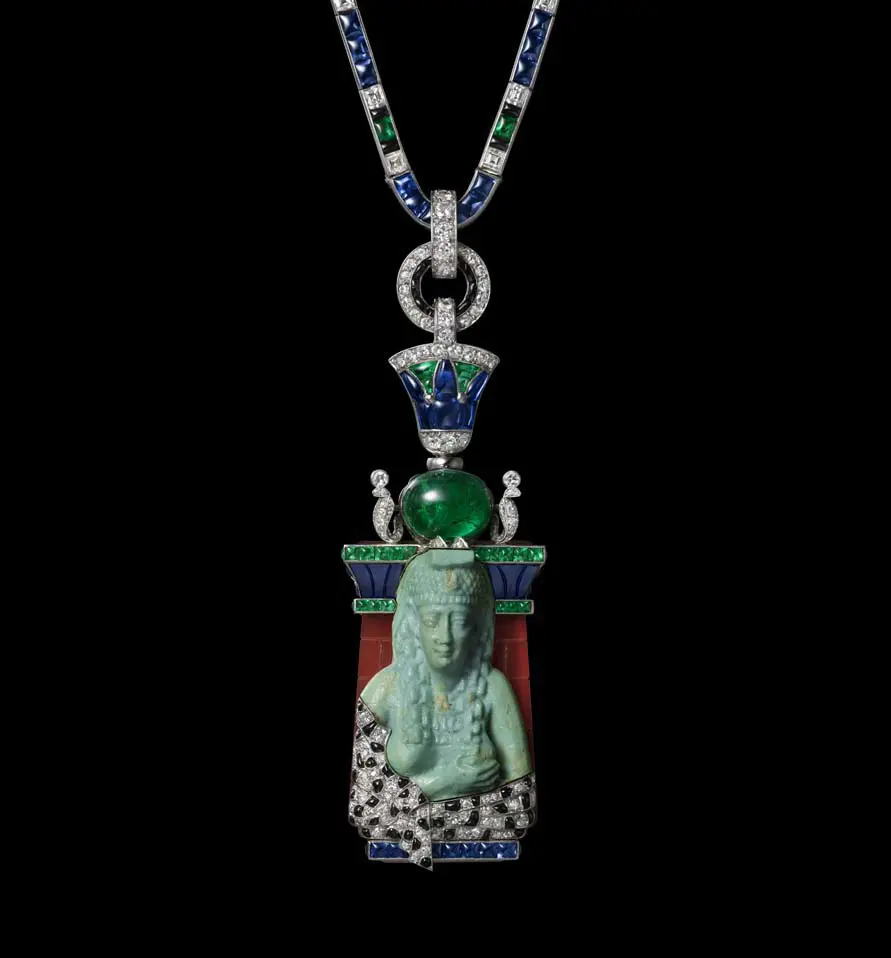
The itinerary concludes by exploring the deeper meaning of ornament in Greek culture, where the jewel was part of the kosmos, the order that regulates both appearance and the universe. In Cartier creations, as in ancient myths, gems and metals evoke the primordial elements – earth, water, sky, fire – shaped by art, as was the case in the workshops of the god Hephaestus. The jewel thus becomes a symbol of balance and evocative power, as well as an expression of pure aesthetic excellence.
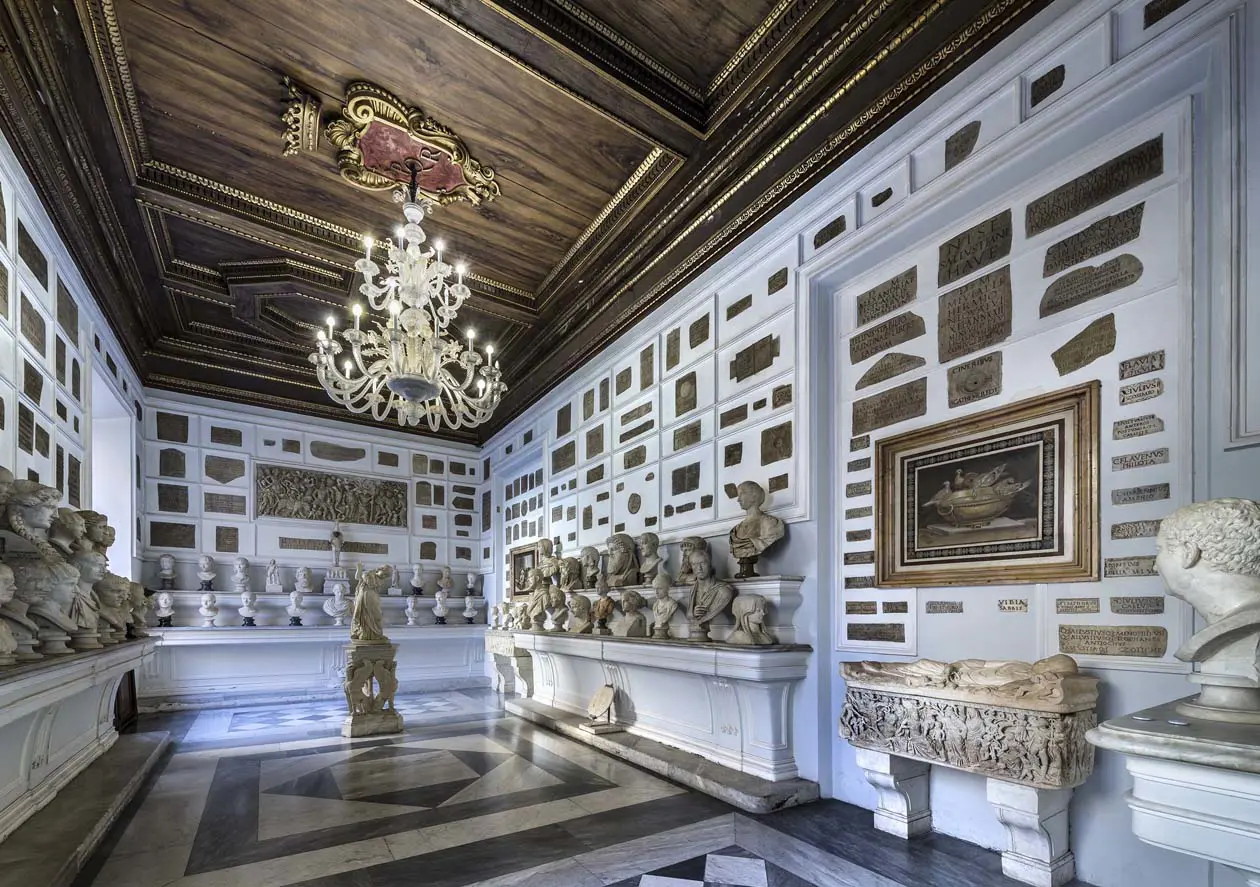
Curated by Bianca Cappello, Stéphane Verger and Claudio Parisi Presicce, and promoted by Roma Capitale with the collaboration of Maison Cartier and Zètema Progetto Cultura, the exhibition makes use of an installation signed by Sylvain Roca with the artistic contribution of Dante Ferretti. Until March 15, 2026 Cartier and the myth at the Capitoline Museums can be seen at Palazzo Nuovo, Rooms on the first floor, Piazza del Campidoglio, 1 in Rome and is the second monographic exhibition dedicated to Cartier in Italy, after "Cartier design seen by Ettore Sottsass", held at Palazzo Reale in Milan in 2002.
Edited by the editorial staff, Avion Luxury Magazine
Text source and photos: Cartier Exhibition Press Office
Photo: Images copyrights indicated in caption
Visual: Images copyrights Vincent Wulveryck, Collection Cartier © Cartier
Photo of the Capitoline Museums: © Capitoline Superintendence of Cultural Heritage, photo by Z. Colantoni
Partnership with Booking.com / Travelpayouts
Luxury Hotel