Loreto, a trip to the Peruvian Amazon
Loreto is the region of the Peruvian Amazon where travel becomes slow exploration, contact with nature and meeting local communities. In the heart of this territory is the Pacaya Samiria National Reserve, one of the most important natural areas in South America, known as the "forest of mirrors" due to the reflections created by rivers, lagoons and flooded forests.
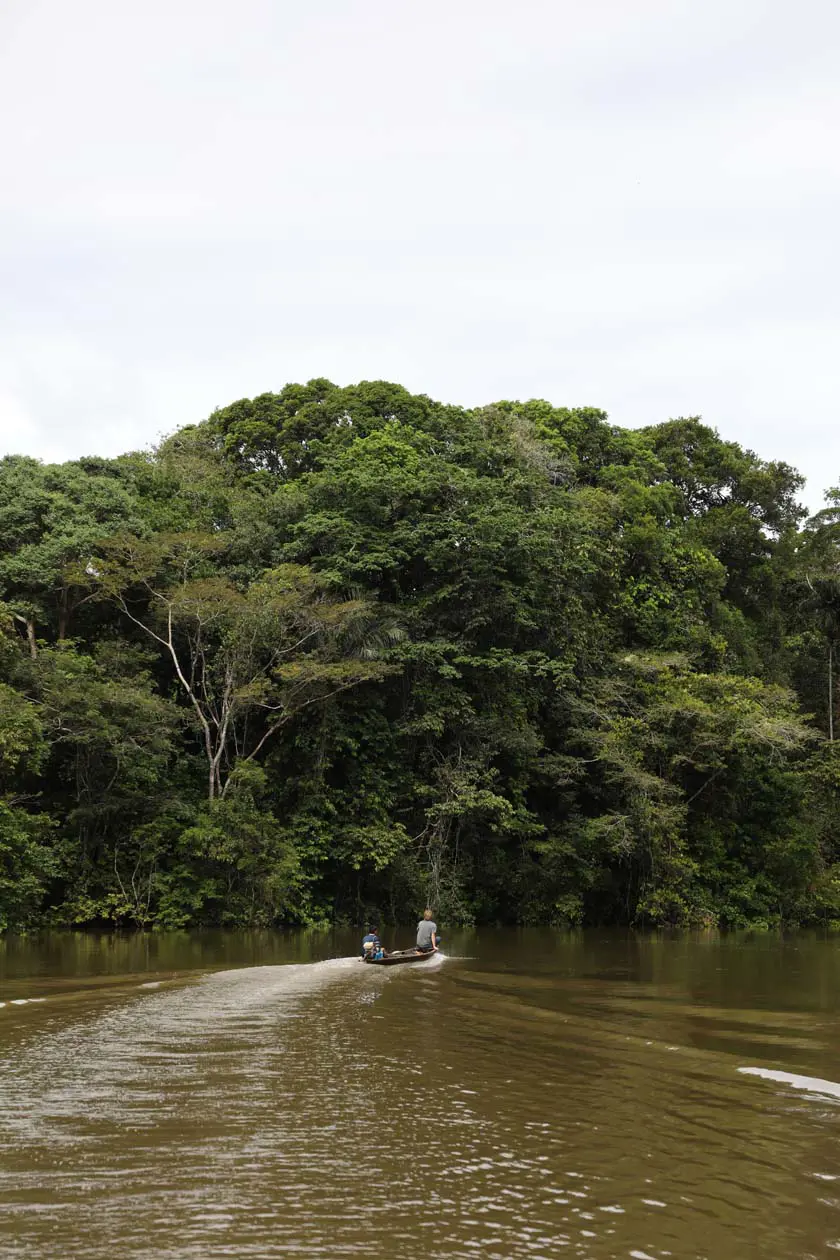
Visiting Pacaya Samiria means entering an ecosystem where water is the main access route. Canoes, light boats and river routes accompany Travellers through a changing landscape, where the sky and trees are reflected on the surface of the waterways and transform the forest into a suspended dimension.
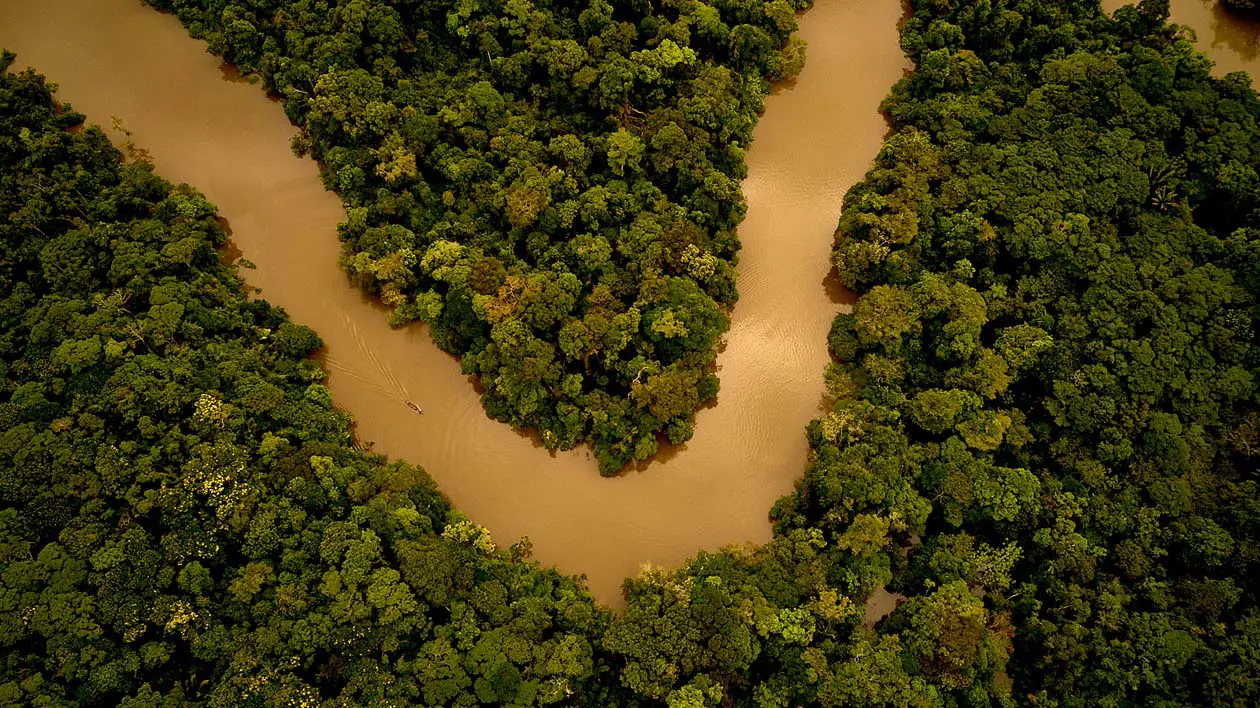
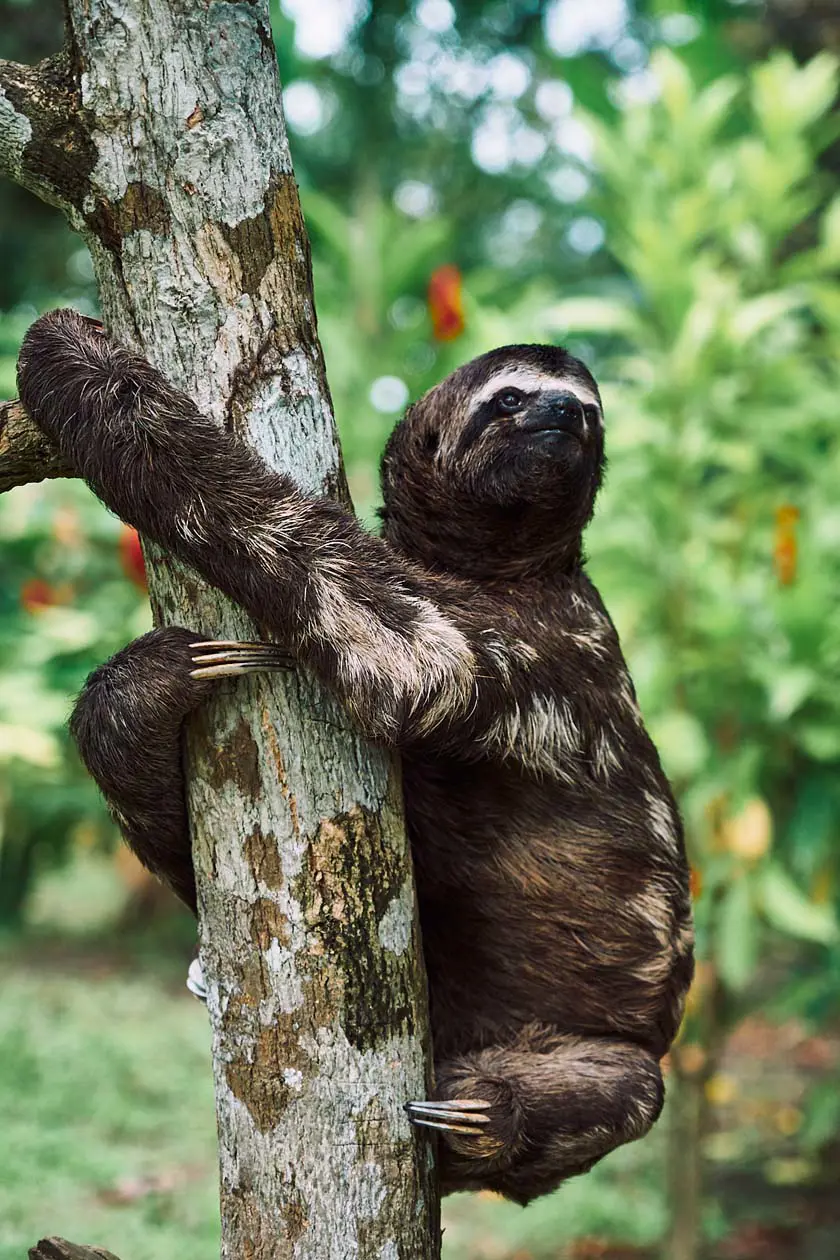
With more than two million hectares of biodiversity, the Pacaya Samiria National Reserve is one of the great natural sanctuaries in the Amazon. The area protects forests, rivers, lagoons and habitats that are essential for numerous animal species, including the pink dolphin, manatee, jaguar, puma, river wolf, several species of monkeys, tropical birds and reptiles.
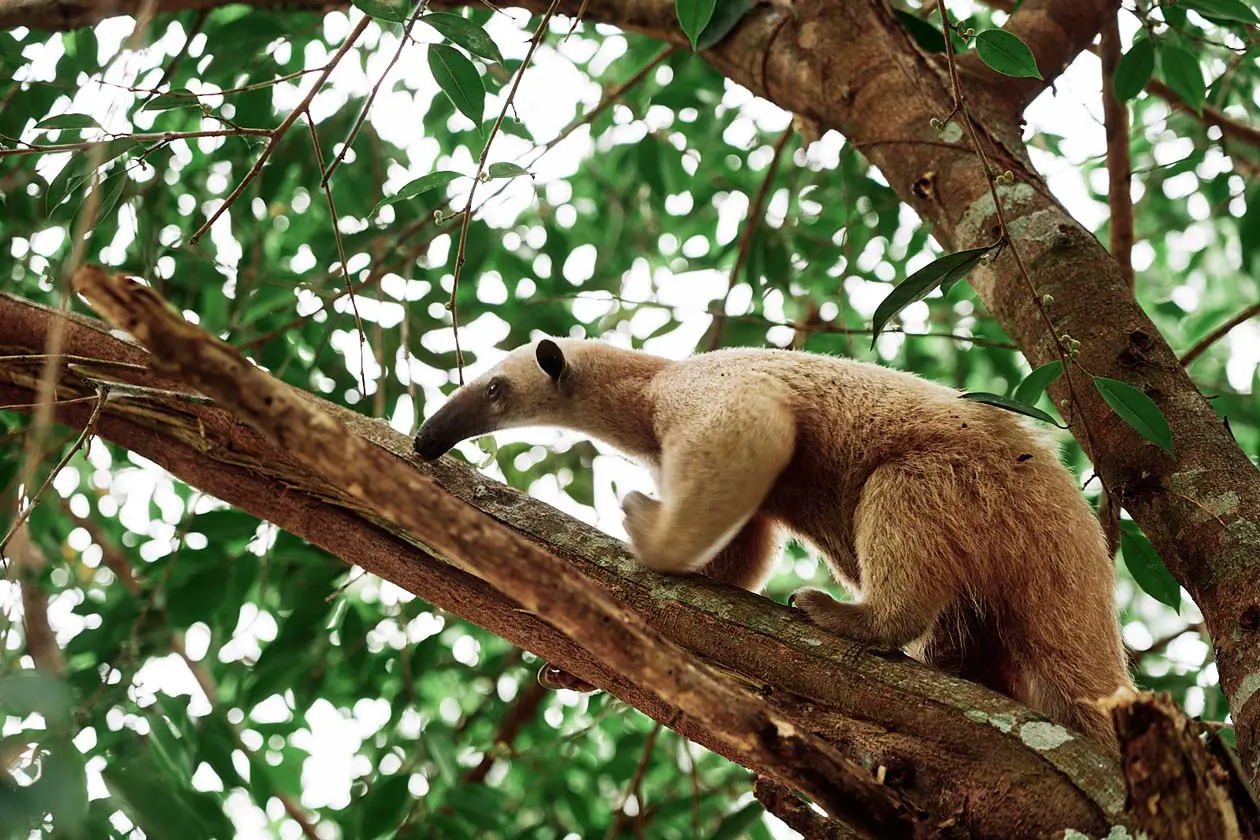
For Travellers interested in nature and photography, Pacaya Samiria offers some of the most intense experiences in the Peruvian Amazon. Activities include canoeing, bird watching, watching pink dolphins in their natural environment, photographic expeditions, night trips into the forest and guided tours along the waterways.
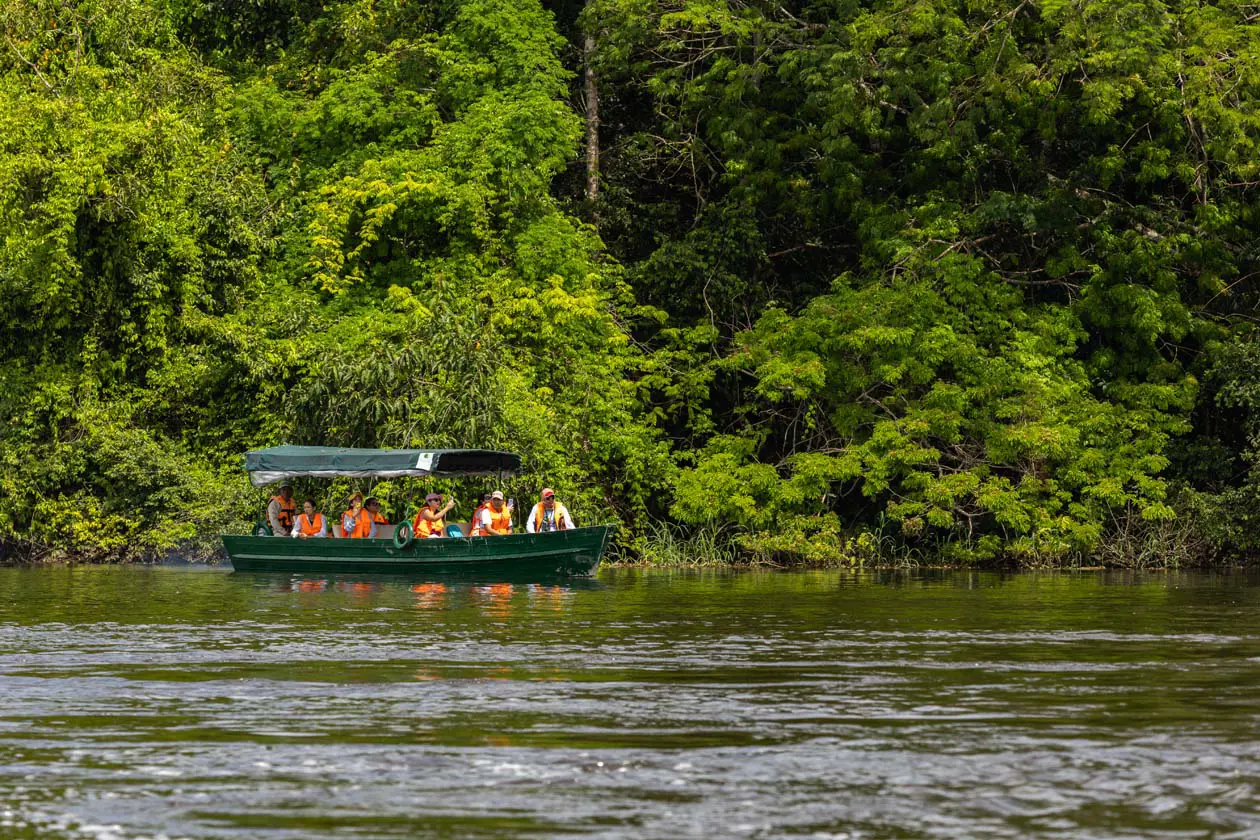
Tourism in the reserve is based on a responsible model that involves local populations in environmental protection. The communities participate in the management of activities and the conservation of natural resources, creating a balance between the travel experience, the protection of biodiversity and the sustainable development of the territory.
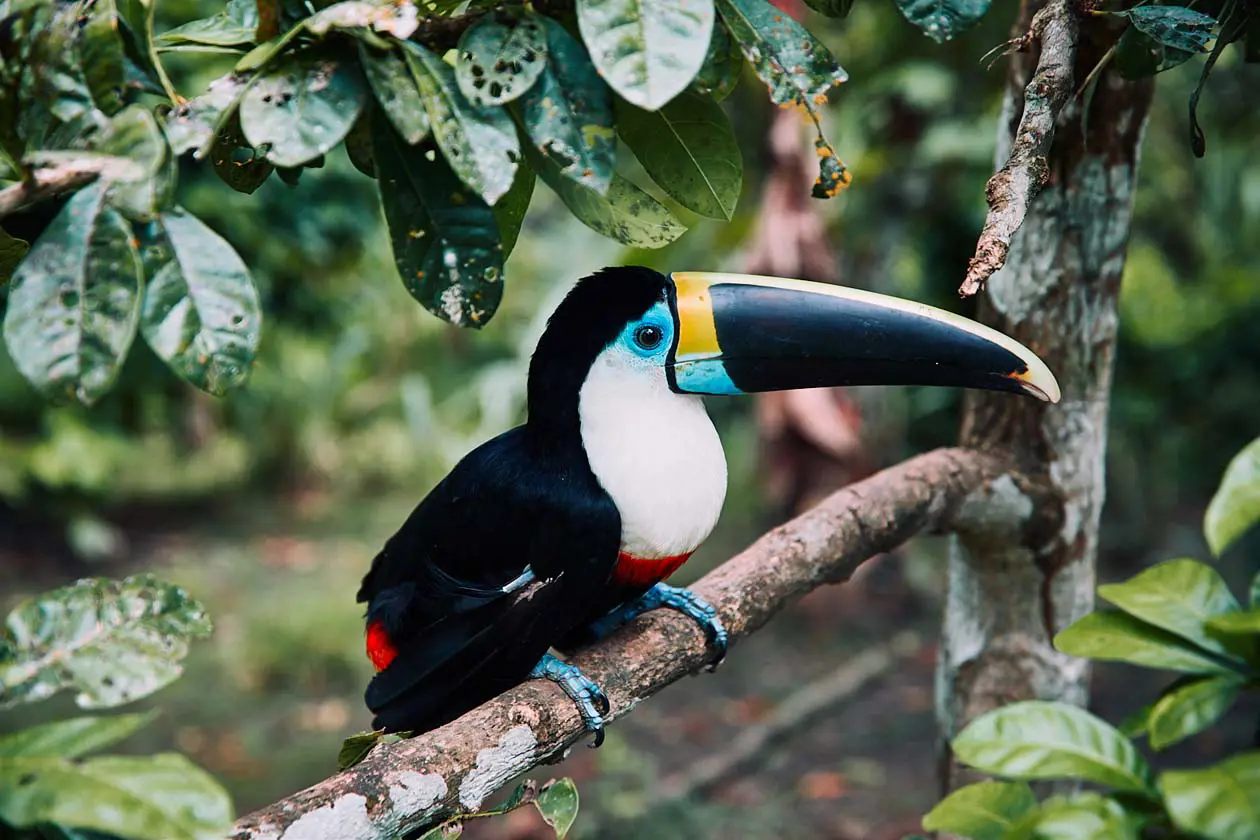
Pacaya Samiria is not a destination to visit in a hurry. Here the journey requires attention, silence and respect. Each movement takes place within a fragile environment, where wildlife observation, river navigation and contact with the forest become part of a deeper and more conscious experience.
Among the most significant activities are also the aquatic turtle protection programs, which allow visitors to get to know the conservation work carried out in the area up close. To these are added experiences such as regulated sport fishing, always carried out in respect of natural balances.
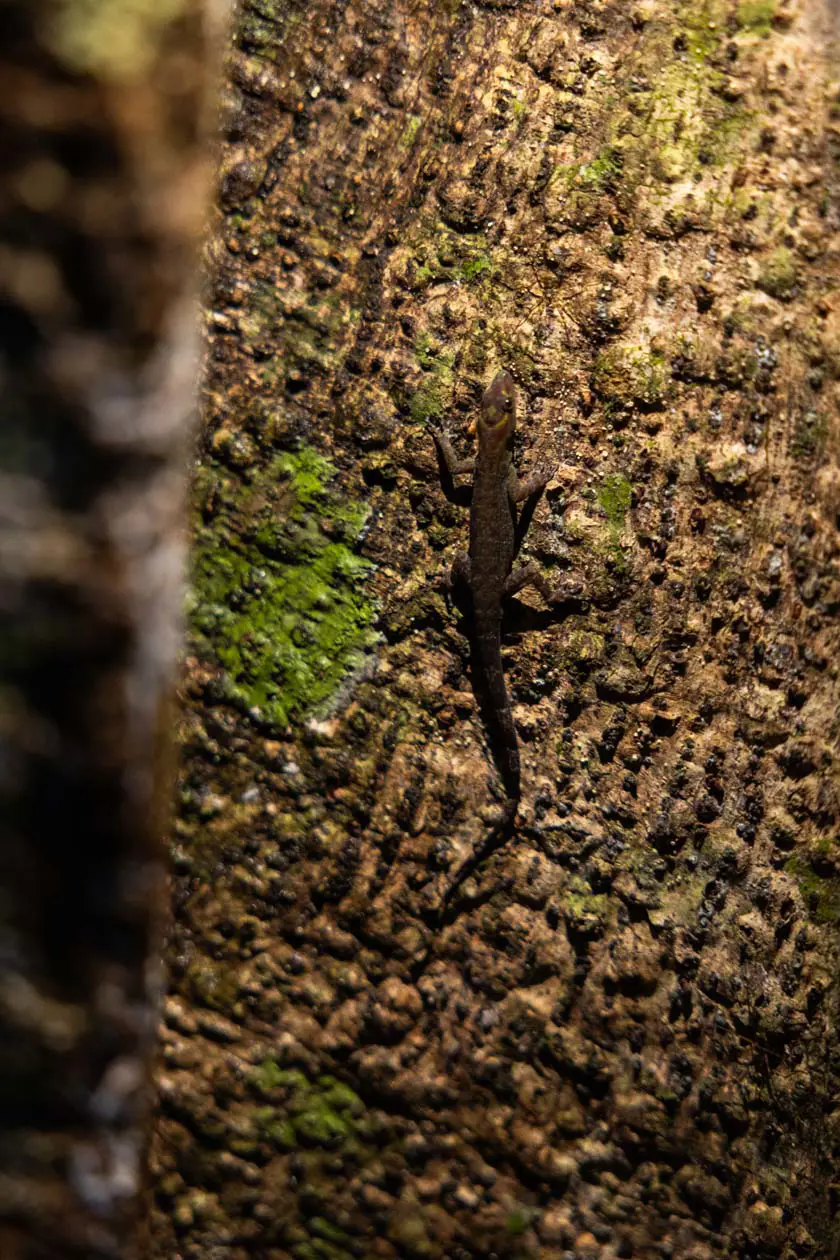
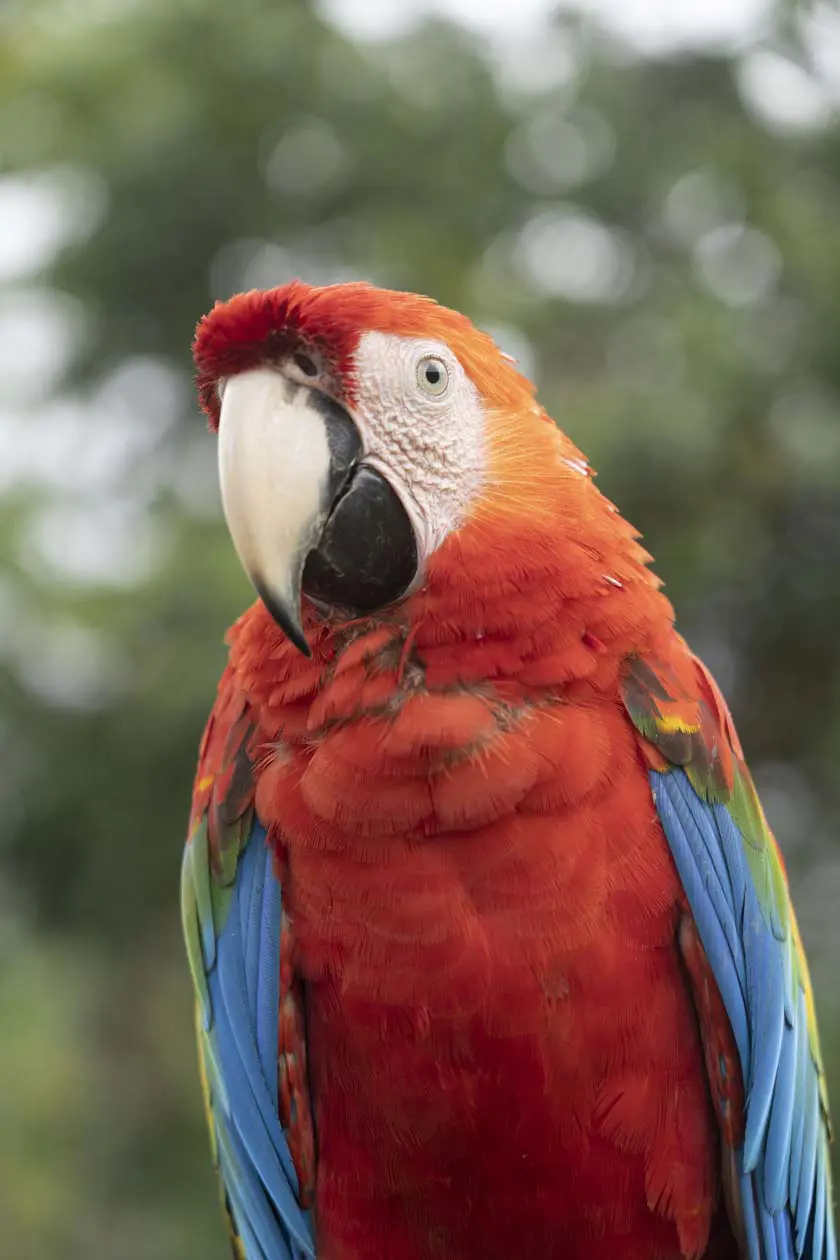
Sunrise and sunset are the best times to experience the reserve. The light changes rapidly, the reflections on the water become more intense and life along the river comes alive. For those who love travel photography and nature, these hours offer ideal conditions for observing animals, landscapes and scenes of river life.
Alongside the naturalistic dimension, Loreto also offers a strong cultural value. The Amazon rainforest is not only an ecosystem to be protected, but also a symbolic space in which trees, rivers and local communities tell of an ancient relationship between man and the environment.
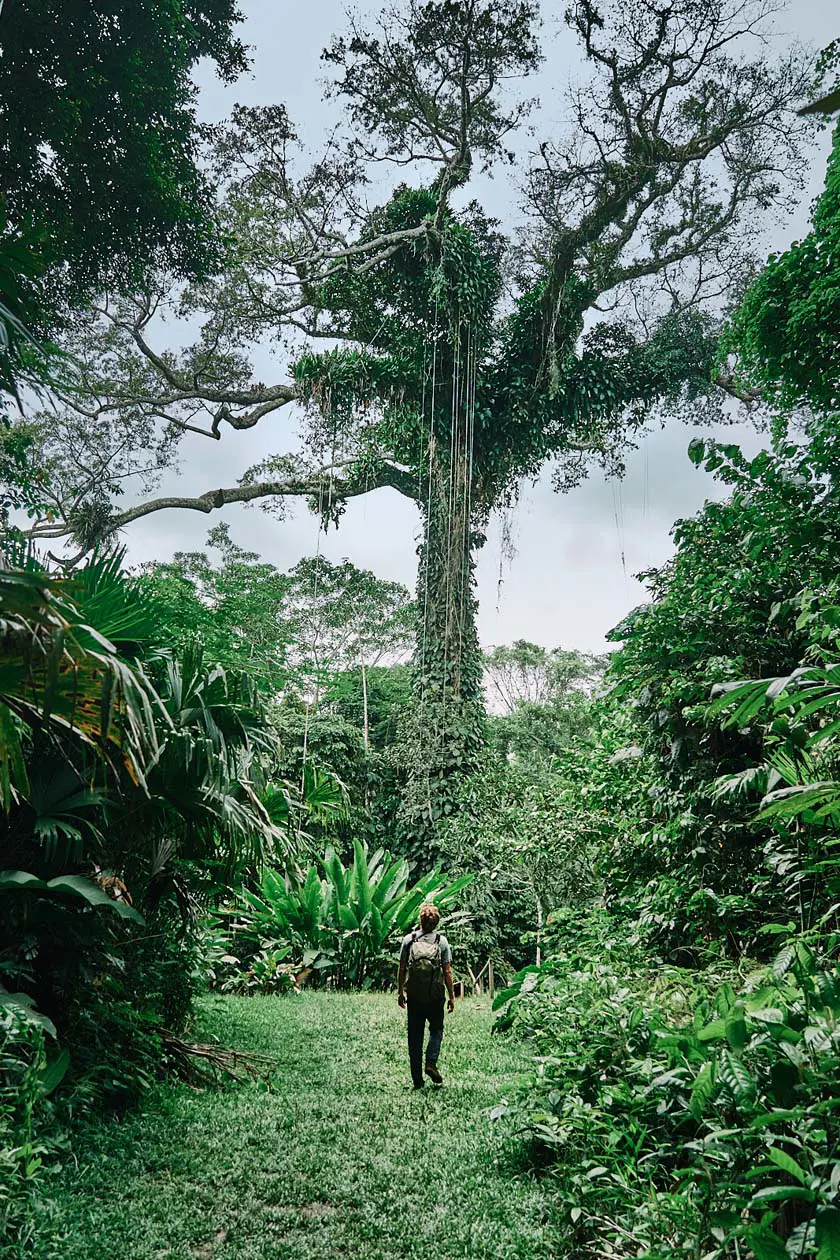
Among the most representative elements are the trees considered sacred by the local populations. The Lupuna, or Ceiba pentandra, is one of the most powerful symbols of this bond. Located in the Iquitos area, the Lupuna is a large Amazonian tree recognized for its naturalistic, cultural and spiritual value.
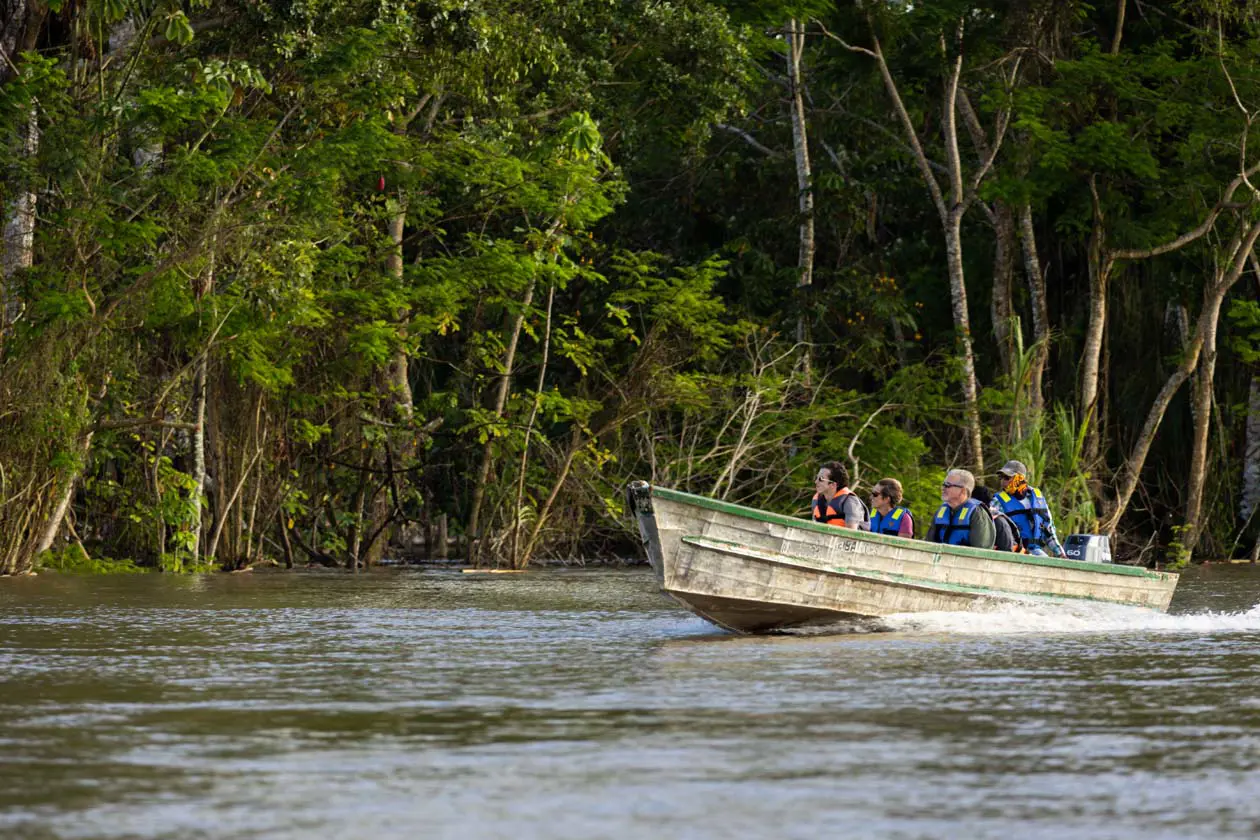
Reaching Lupuna means experiencing an itinerary that combines river navigation and a short walk in the forest. The experience allows us to understand how, in the Peruvian Amazon, nature is also memory, identity and tradition. For the traveler, the encounter with these large trees introduces a different reading of the landscape: not only biodiversity, but also living cultural heritage.
Loreto and the Pacaya Samiria National Reserve are ideal destinations for those looking for a trip to Peru beyond the most popular itineraries. Here the Amazon is discovered through water, silence, wildlife, local communities and a more respectful relationship with the environment.
Edited by the editorial staff, Avion Tourism Magazine
Text source and photo: Promperù Press Office
Photographers: Copyright © indicated in captions