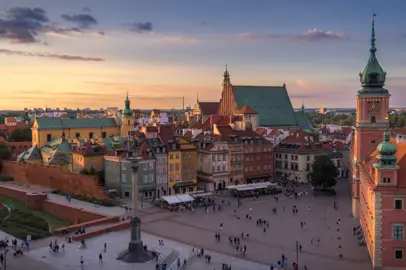
Kyoto beyond the most famous places
Kyoto invites a new way of visiting the city, slower, more widespread and more aware. It starts with real Hidden Gems, six districts of Kyoto less frequented than the most famous areas, to discover temples, rural villages, forests, nature trails, historical canals and local traditions as well as symbolic places such as Gion and Fushimi Inari Taisha.
Kyoto remains one of the essential stops on a trip to Japan, but the city does not end with its most photographed views. Alongside the historic districts and the most visited shrines, there is a wider and quieter Kyoto, made up of misty valleys, mountain paths, farm houses, cedar forests, ancient canals and local communities that still preserve the daily rhythm of the city.
The Hidden Gems campaign expands your visit to Kyoto, offering new maps, new experiences, and new reasons to stay longer. For those who organize a trip to Kyoto, this means being able to combine the great classics of the city with less crowded, more immersive and often more authentic routes. Visiting the outlying districts allows you to get to know a different face of the destination, closer to nature, spirituality, crafts, local gastronomy and Japanese daily life.
Hidden Gems: six districts to discover a lesser-known Kyoto
The six Hidden Gems districts offer different and complementary experiences, designed for those who want to go beyond the most popular itineraries.
Ohara
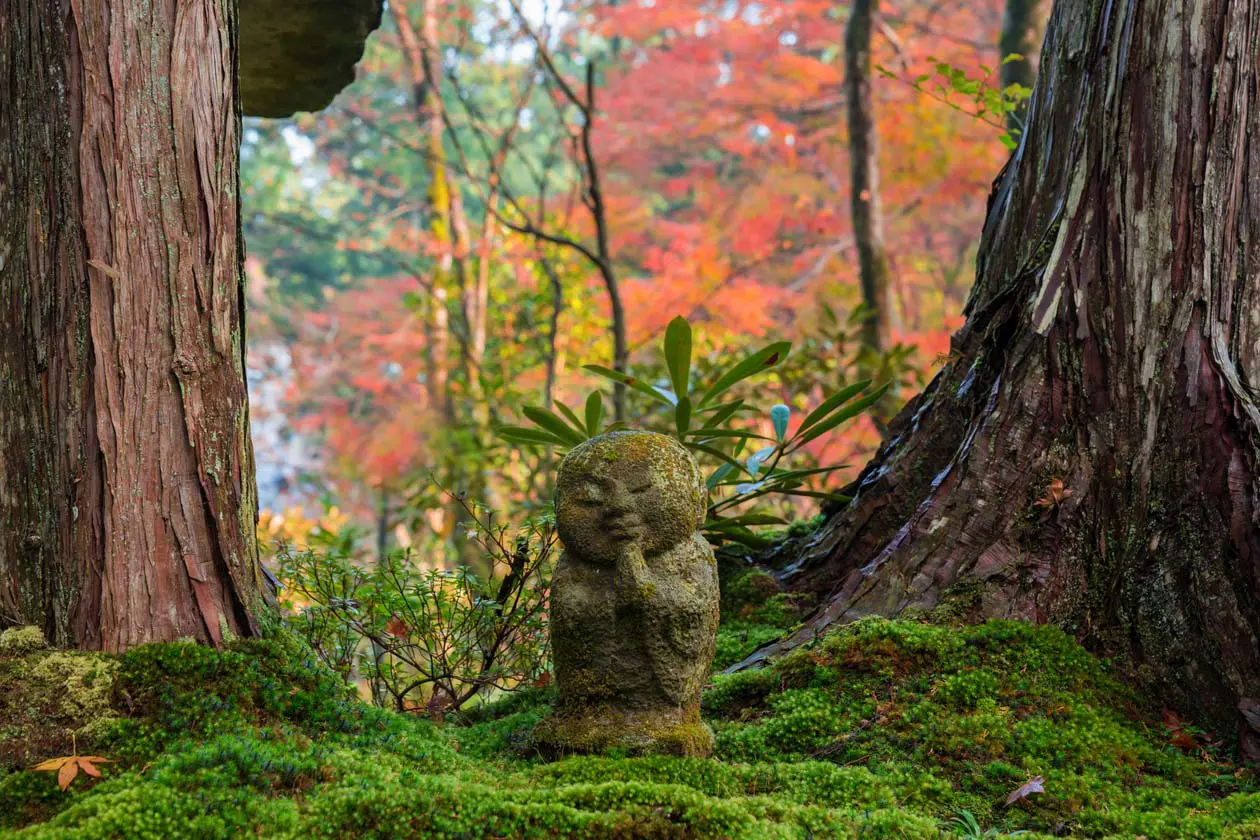
Ohara, north of Kyoto, is one of the most evocative areas for those looking for rural landscapes, temples surrounded by greenery and contemplative atmospheres. Surrounded by mountains and cedars, Ohara is known for spiritual places such as Sanzen-in Temple, moss-covered gardens, natural onsen hot springs, and seasonal country cuisine. It is a destination suitable for those who want to slow down and experience a more intimate and quiet Kyoto.
Takao
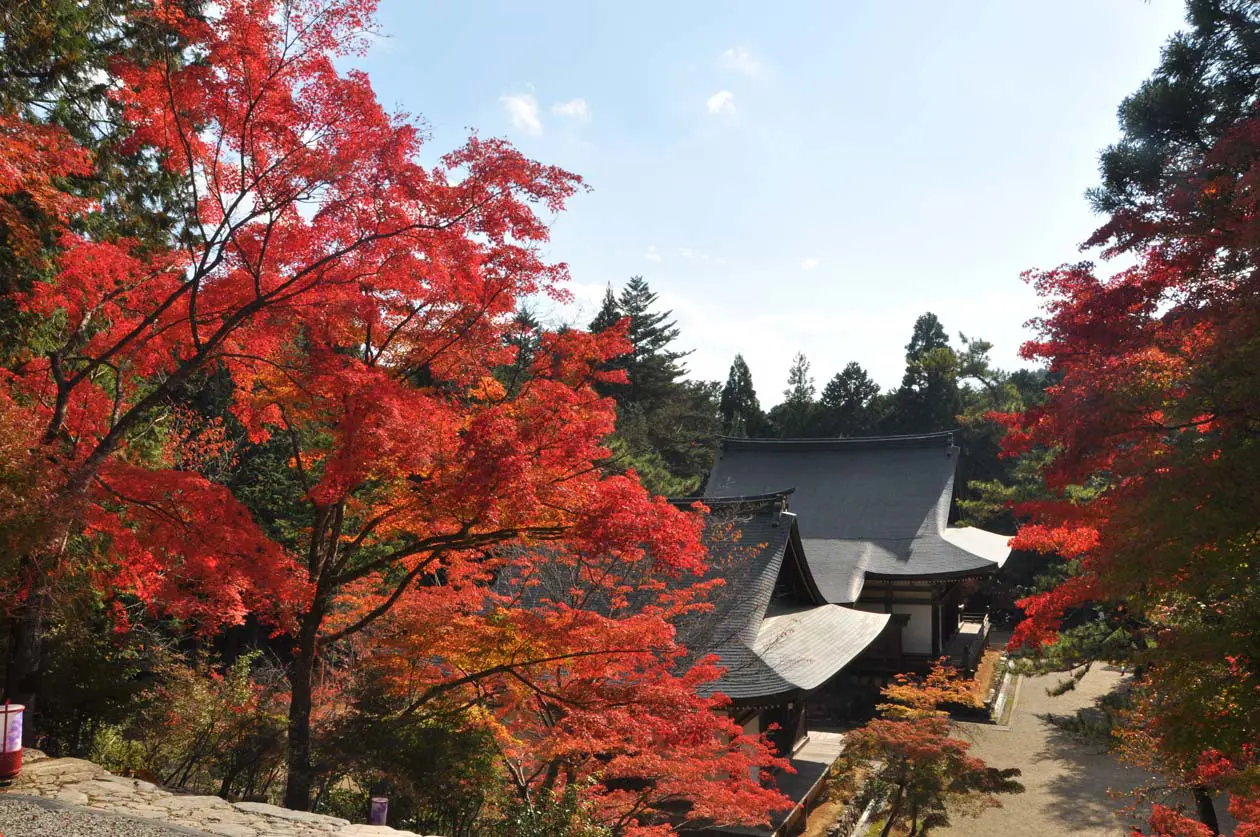
Takao, on the other hand, is the ideal district for travellers interested in nature, trekking and mountain temples. The area includes the three peaks known as Sanbi and some places of great cultural value, including Jingo-ji, Saimyo-ji and Kozan-ji. The trails pass through maple forests and streams, offering particularly spectacular scenery in autumn, when the foliage transforms the mountain into one of the most intense landscapes in the Kyoto area.
Keihoku
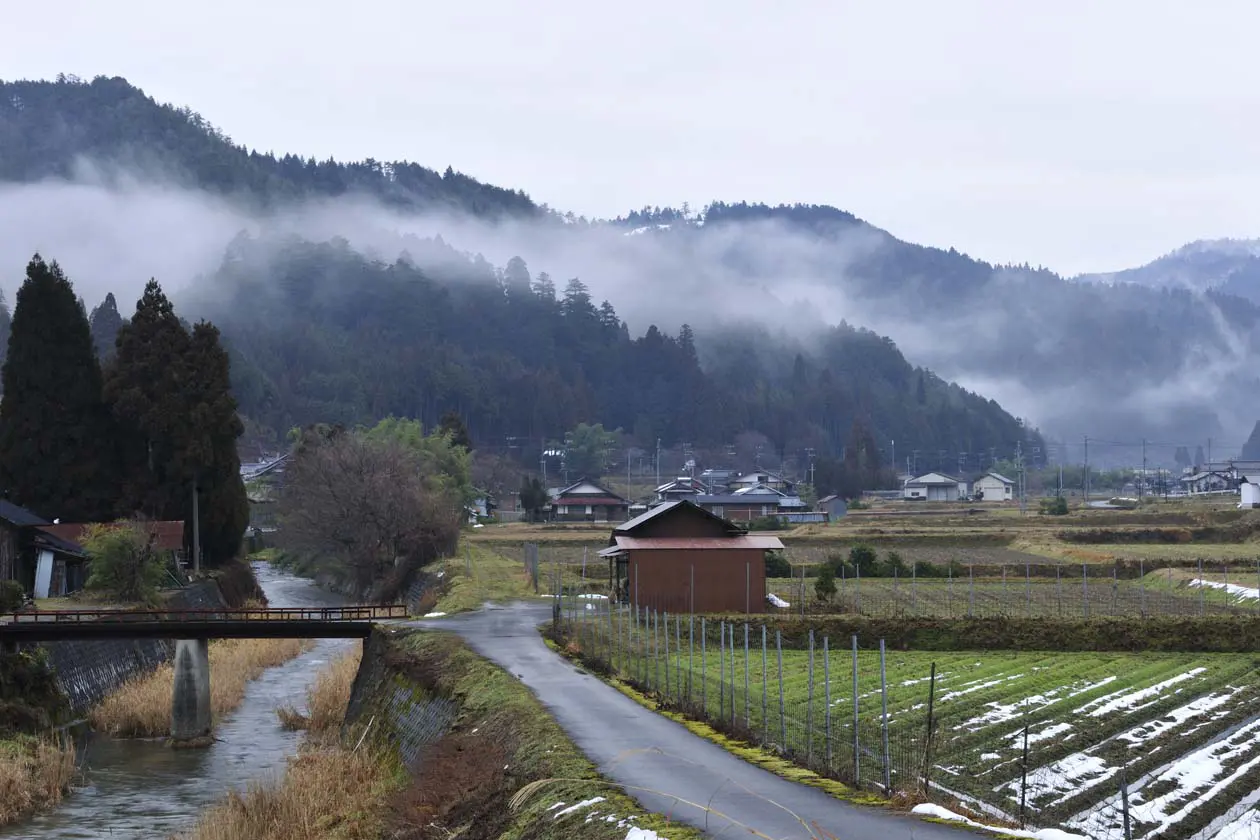
Keihoku is one of the most authentic experiences for those who want to learn about rural Japanese life. Between Kitayama cedar forests, cultivated fields, farm stays, seasonal harvests, zero-kilometer cuisine and local crafts, the district allows you to get in touch with an agricultural and everyday Japan, far from the more urban and monumental image of Kyoto.
Yamashina
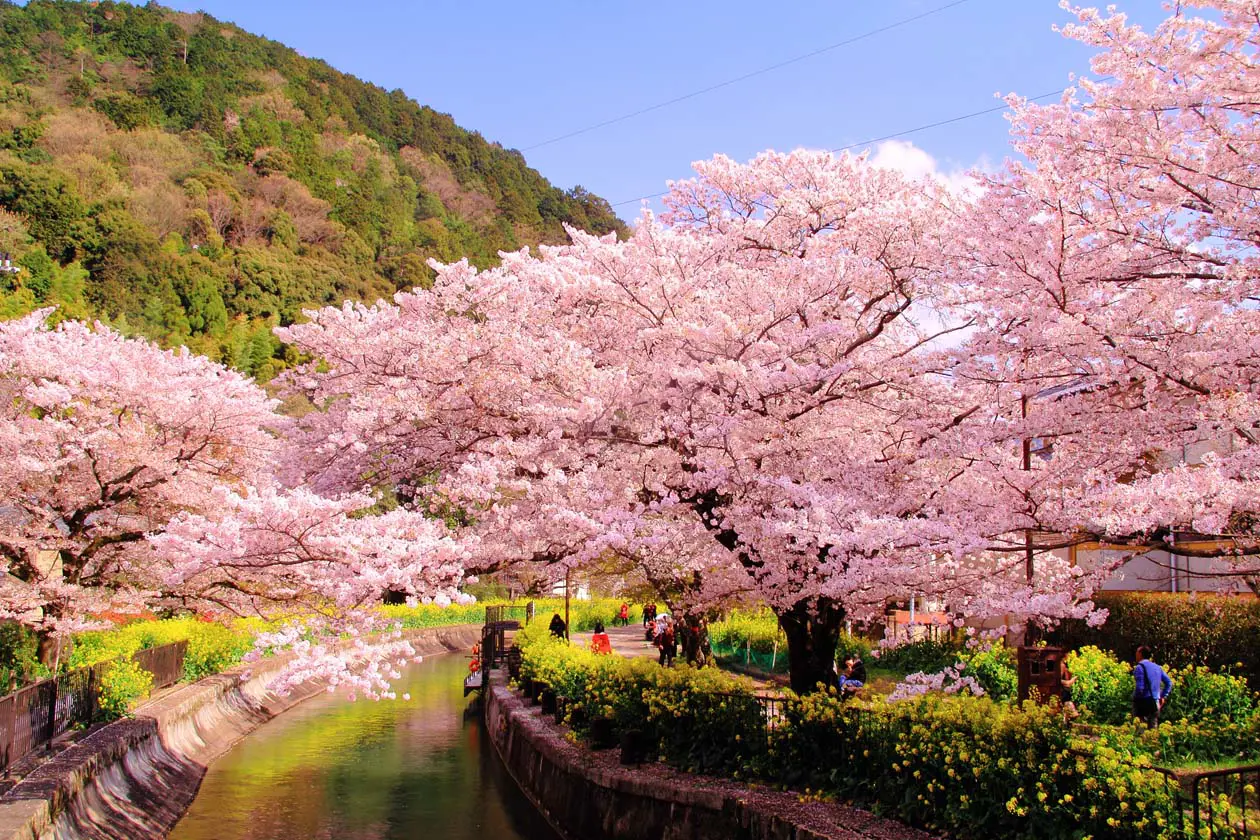
Yamashina is an area of passage and connection, but it preserves temples of great historical value and one of the most unique experiences in the city: the cruise on the Lake Biwa Canal. The artificial canal, inaugurated in 1890, connects the waters of Lake Biwa to Kyoto and crosses Yamashina like a great work of engineering inserted into the landscape. After more than seventy years of suspension, tourist navigation resumed in 2018 on the First Canal, between Otsu and Keage. The Lake Biwa Canal Cruise offers a different way to read the history of Kyoto. In about an hour of sailing, the experience combines landscape, engineering, urban memory and nature, transforming the journey into a cultural itinerary on the water.
Nishikyo
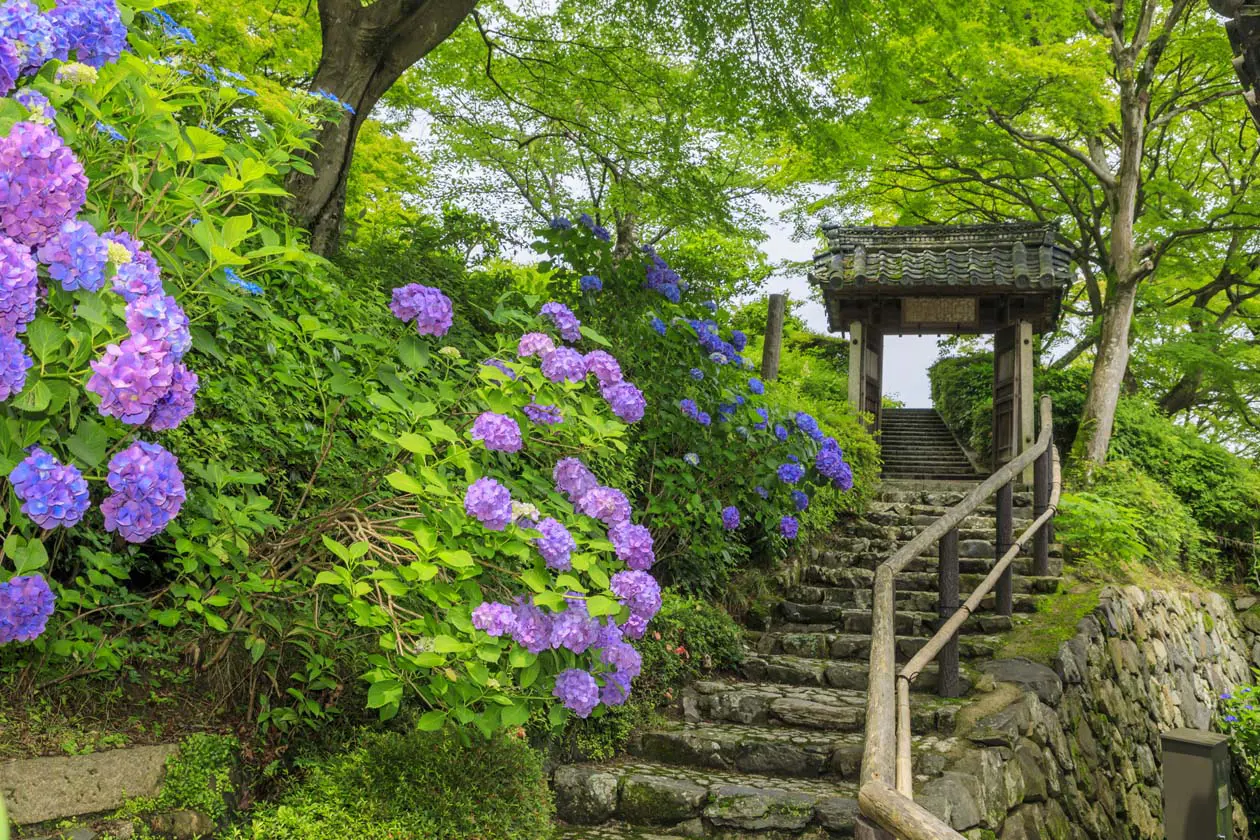
Nishikyo offers lesser-known bamboo forests than the busier ones in Kyoto city and cycling routes away from the main tourist routes. It is an interesting choice for those looking for outdoor itineraries, slow mobility and a more relaxed contact with the landscape.
Fushimi
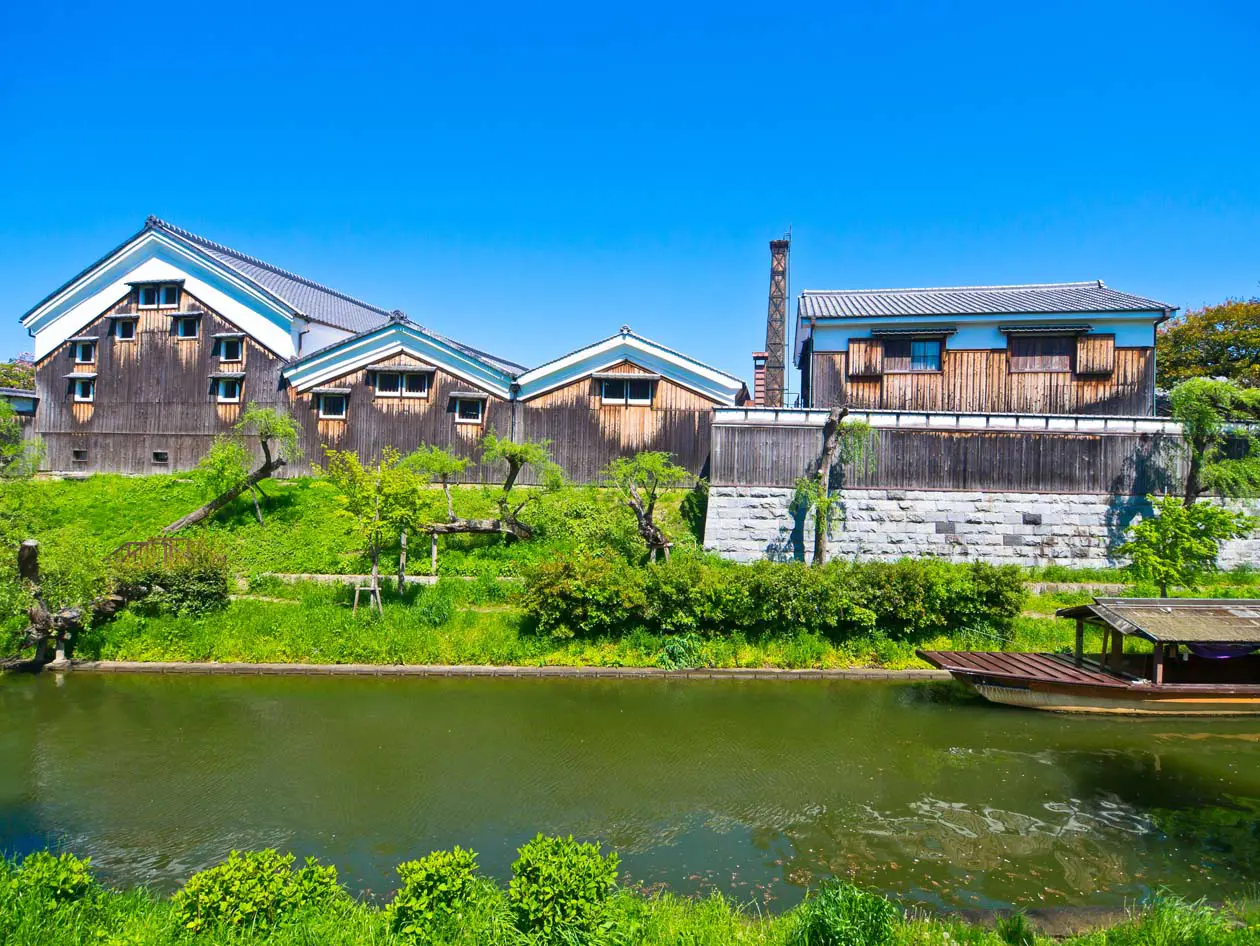
Fushimi, also known for Fushimi Inari Taisha Shrine, retains a broader identity linked to the canals, the river port and the historic sake production. Here you can visit traditional wineries, participate in guided tastings and discover a neighborhood where water, trade and sake culture have shaped local history.
Events not to be missed in Kyoto in July
Gion Matsuri
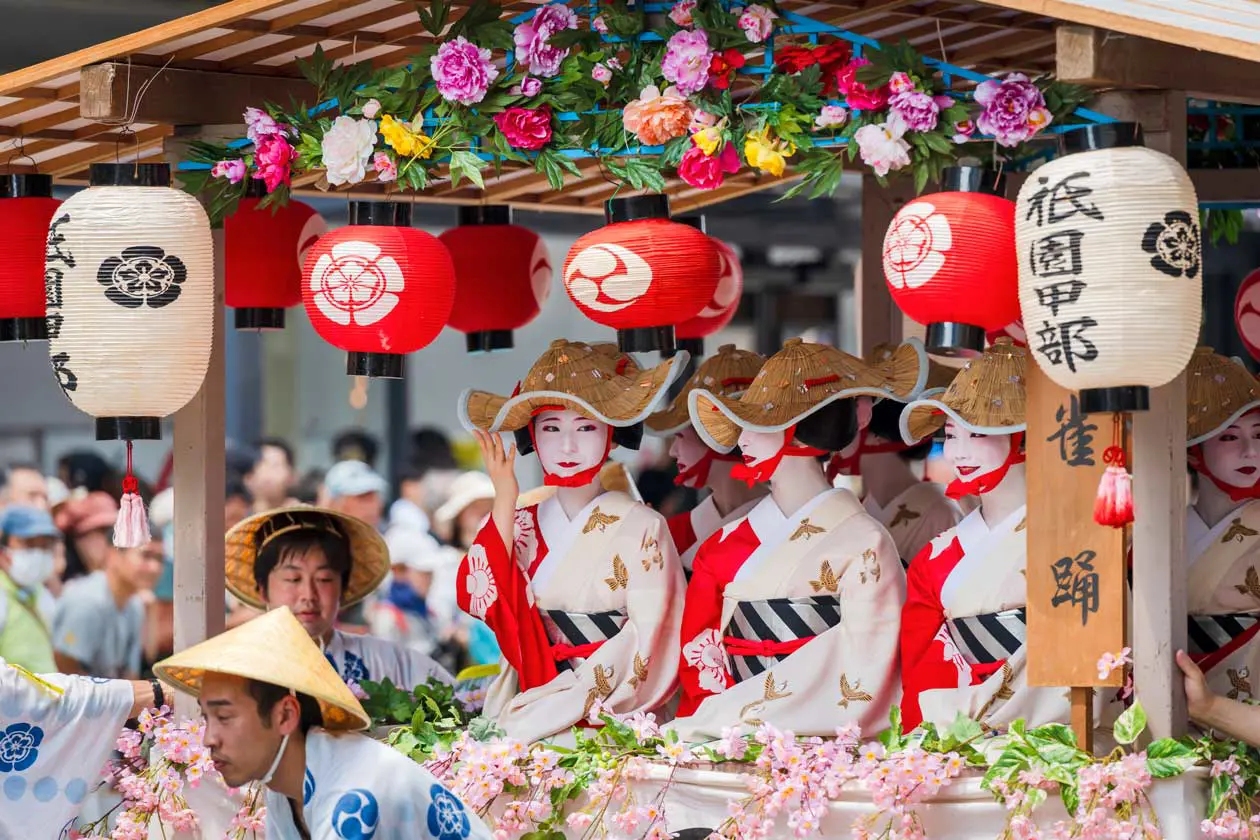
In July 2026, Kyoto hosts one of the most important events in the Japanese cultural calendar: the Gion Matsuri, one of the oldest and most scenic festivals in Japan. The event occupies the entire month of July and culminates in the two large Yamahoko Junko processions, scheduled for July 17 and 24, 2026. The Yamahoko Junko is the most awaited moment of the festival. During the processions, large floats, some up to 25 meters high, cross the streets of downtown Kyoto pulled by hand according to rituals handed down for centuries. Attending the Gion Matsuri means seeing a city that continues to practice a collective ritual rooted in its identity. The festival involves thousands of participants in traditional dress, musicians, local communities, families, artisans and historic districts. The streets are filled with ceremonial sounds, lanterns, incense and ritual movements that transform Kyoto into a great living cultural scene. From June 1, 2026, seats are available to watch the Yamahoko Junko, including general grandstands, premium grandstands, and seats with live commentary in English and Japanese.
Yoiyama Nights
The Gion Matsuri does not coincide only with the two main processions. A key part of the experience takes place in the weeks leading up to it, when the city progressively prepares for the festival. The evenings of Yoiyama, that is, the days immediately preceding the Kyoto processions, are among the most evocative moments. On the nights of July 14, 15, and 16 for the Saki Matsuri and July 21, 22, and 23 for the Ato Matsuri, the floats are lit by traditional komagata lanterns, and the Yamahoko-cho districts open to visitors.
On these evenings, some historic houses exhibit screens, precious objects and family treasures handed down for generations. This tradition has also given the festival the nickname Byobu Matsuri, the Festival of Screens. For those visiting Kyoto, walking in the evening among lanterns, ceremonial music and mansions open to the public is one of the most intense and less ordinary experiences in the Japanese cultural calendar.
The month of the Gion Matsuri also includes other moments of great ritual value. On July 2, the Kujitori-shiki, the lottery ceremony that establishes the order of marching of the floats, takes place. On July 10, the Omukae Chochin carries lanterns mounted on long bamboo canes in procession, while the Mikoshi Arai purifies the portable shrines in the waters of the Kamo River, near the Shijo Bridge.
On July 24, together with the second procession of floats, there is also the Hanagasa Junko, a procession with over a thousand participants, floral floats, children in warrior costume, knights and dancers from the traditional neighborhoods. The festival ends on July 31 with the Ekijinja Nagoshi-sai, a purification rite at the shrine of the Deity of the Plague, during which the faithful cross a large wreath woven with straw to invoke protection and ward off evil.
Edited by the editorial staff, Avion Tourism Magazine
Text source and photo: Kyoto City Tourism Association Press Office
Visual and Gion Matsuri festival photos: Copyright © Sisterscom.com / Depositphotos