It's possible that some of this content has been automatically translated.
21 March 2026

In the footsteps of Van Dyck, from Genoa to Flanders

The exhibition at the Doge's Palace becomes the starting point for a cultural journey between Antwerp and the Flemish cities of art, to discover the legacy of one of the great masters of the European Baroque
The exhibition "Van Dyck the European", scheduled at the Palazzo Ducale in Genoa from 20 March to 19 July 2026, is not only a major exhibition dedicated to one of the absolute protagonists of Baroque painting, but also an opportunity to broaden our gaze towards Flanders, the land that gave birth to Anton Van Dyck and which still preserves his most authentic artistic legacy.


Visitors can ideally continue the path beyond the exhibition, following in the artist's footsteps through museums, churches and historic residences where his works continue to dialogue with the spaces for which they were designed. An itinerary that combines Baroque Genoa and Flemish cities of art, telling the birth and evolution of a talent capable of conquering seventeenth-century Europe.


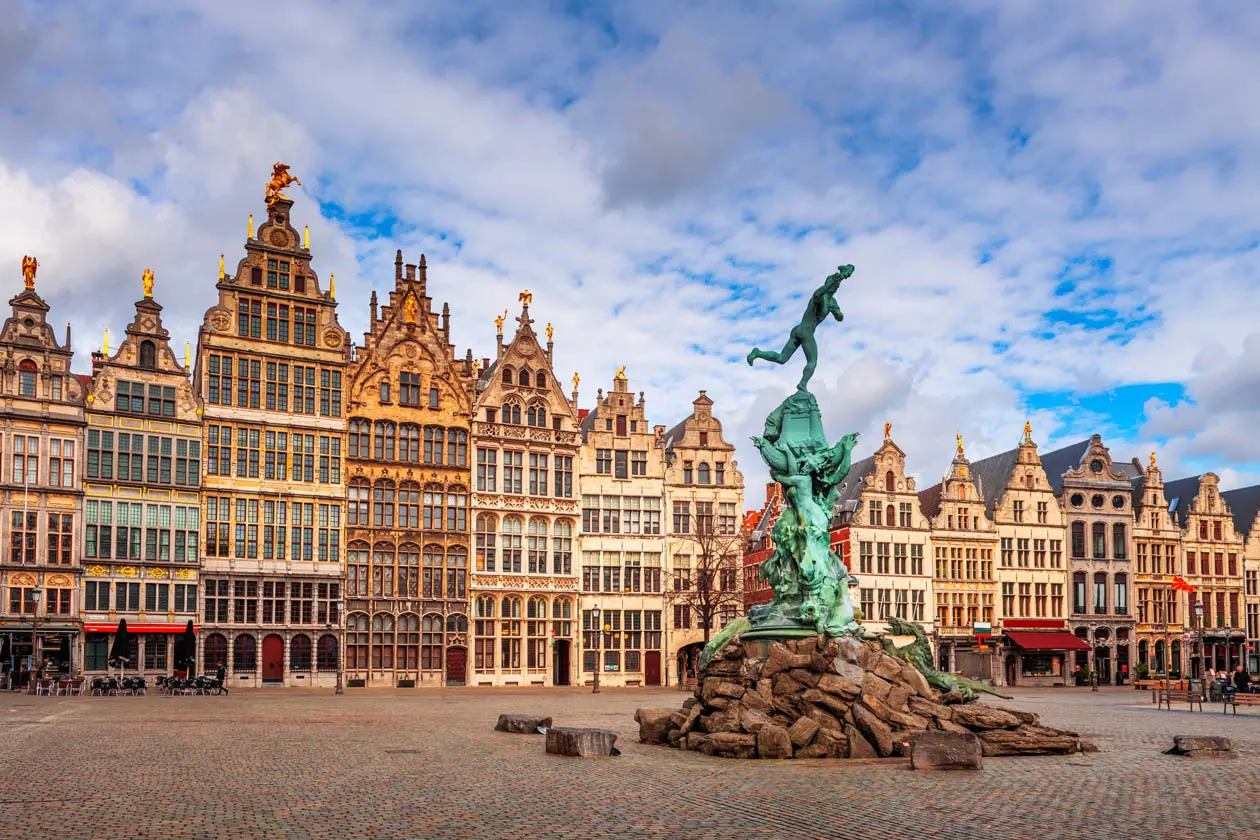
Anversa Copyright © Sisterscom.com / Depositphotos
Antwerp Copyright © Sisterscom.com / Depositphotos


In Antwerp, Van Dyck's hometown, the years of his training and the first signs of his extraordinary pictorial sensibility can be found. Here the KMSKA - Royal Museum of Fine Arts preserves an important nucleus of works that allows you to grasp the evolution of his style, while in the church of St. Paul Christ carrying the cross already restores all the dramatic and spiritual intensity of the young master. One of the masterpieces on display in Genoa, the Self-Portrait from the Rubenshuis, also comes from Antwerp, once again ideally linking the two cities.


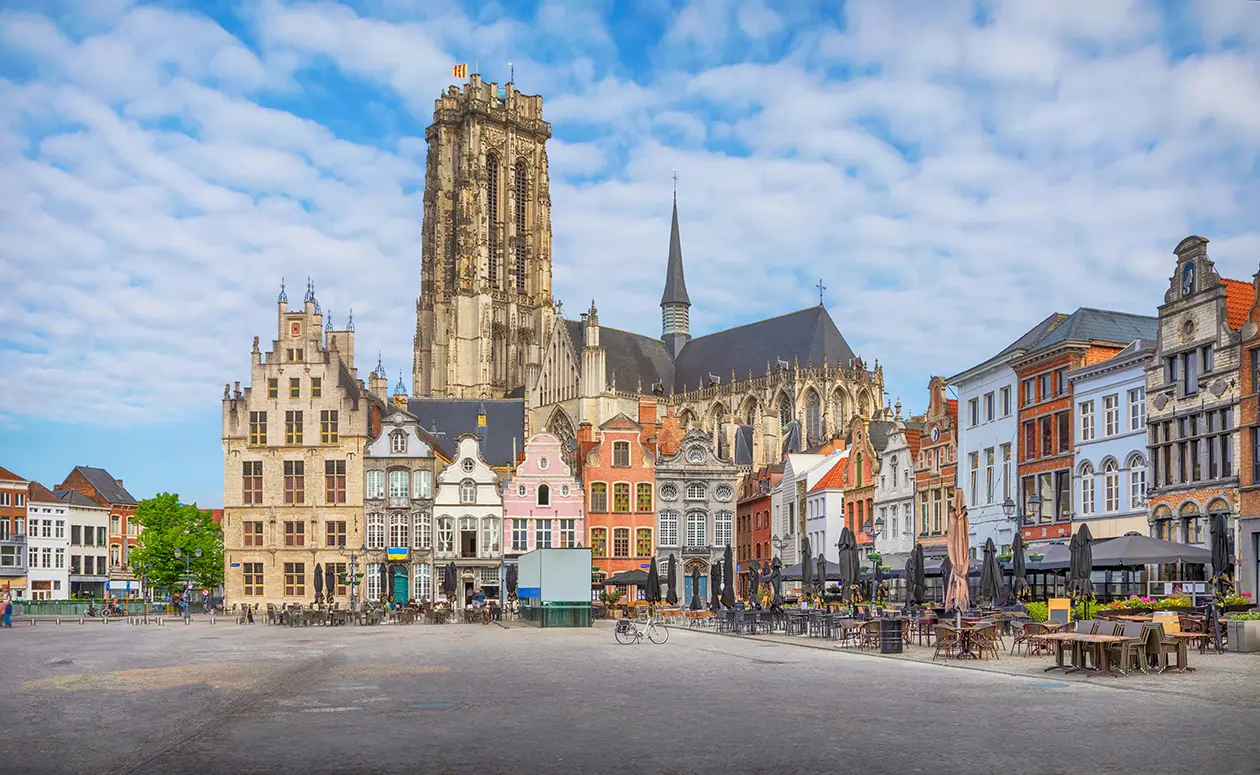
Mechelen Copyright © Sisterscom.com / Depositphotos


Flanders also allows us to delve into a lesser-known but fascinating face of his production: that of sacred art. In Mechelen, in the Cathedral of San Rombaldo, an intense Christ on the Cross reveals the painter's expressive power; in Dendermonde, in the church of Our Lady, the Adoration of the Shepherds stages a composition full of light, pathos and movement; in Ghent, in the church of San Michele, another Christ on the Cross is striking for the dramatic simplicity and spiritual tension of the scene.


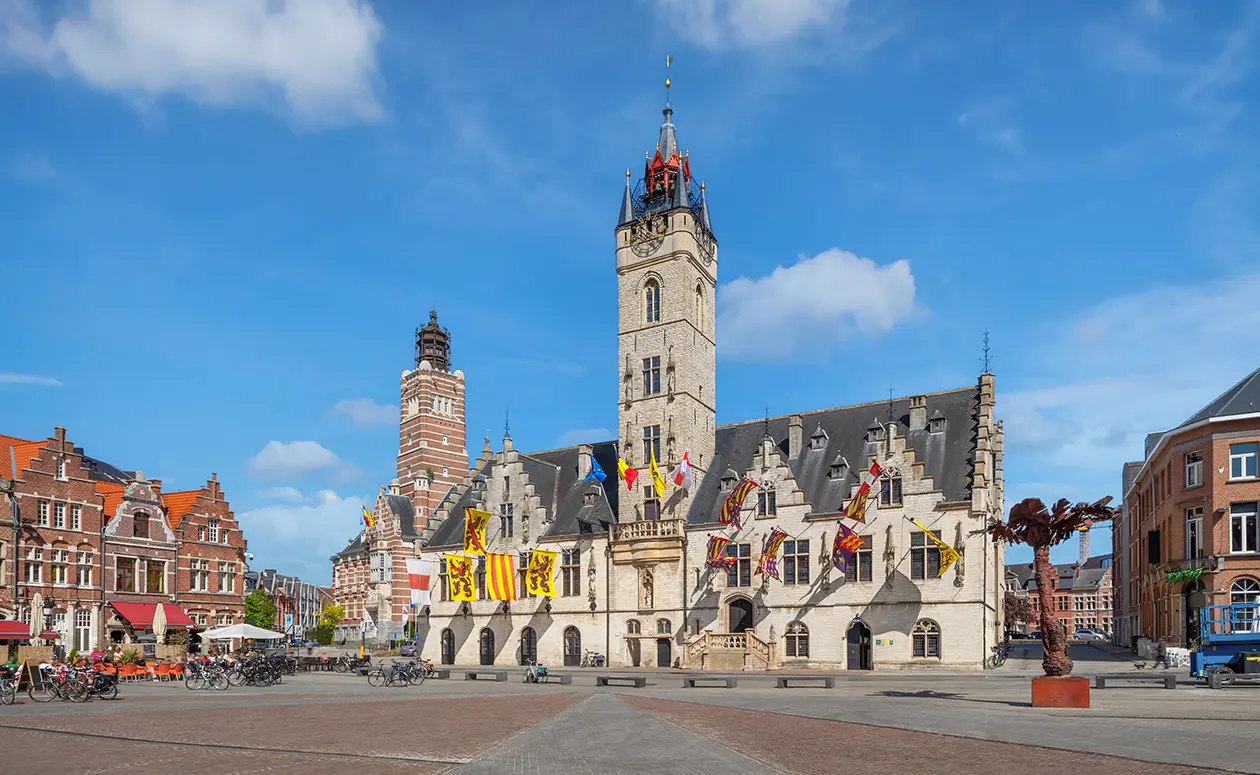
Dendermonde Copyright © Sisterscom.com / Depositphotos


Alongside Van Dyck's works, the trip to Flanders also turns into an immersion in the great heritage of the Flemish Masters. From Rubens in Antwerp to the van Eyck brothers in Ghent, up to James Ensor in Ostend, the territory offers an artistic story that spans centuries of European creativity, from the Flemish Primitives to the Baroque, up to the most modern expressions.


For those who visit the Genoese exhibition, Flanders thus becomes a natural extension of the experience: an ideal destination for those who love art, history and cities with a strong cultural character. What makes this route even more interesting is also the attention to accessibility promoted by VisitFlanders, which has been working for years to make the region's artistic heritage increasingly usable and inclusive.


The Genoa exhibition and the Flemish places linked to Van Dyck thus compose a single great European story, where the journey follows in the footsteps of an artist capable of crossing different eras, cities and sensibilities, leaving a profound mark on the history of Western art.

 
Edited by the editorial staff, Avion Tourism Magazine
Text source: © VisitFlanders Press Office

Photo: Copyright © Sisterscom.com / Depositphotos


Partnership with Skyscanner

Flights



Partnership with Booking.com / Travelpayouts

Hotels in Flanders
You might be interested in
The texts are protected by copyright and cannot be copied.
If you wish, you can share this page.