It's possible that some of this content has been automatically translated.
26 August 2026
Estonia in autumn: foliage, saunas and nature
Between Tallinn, Soomaa and Saaremaa, the most evocative season of woods, wellness and traditions
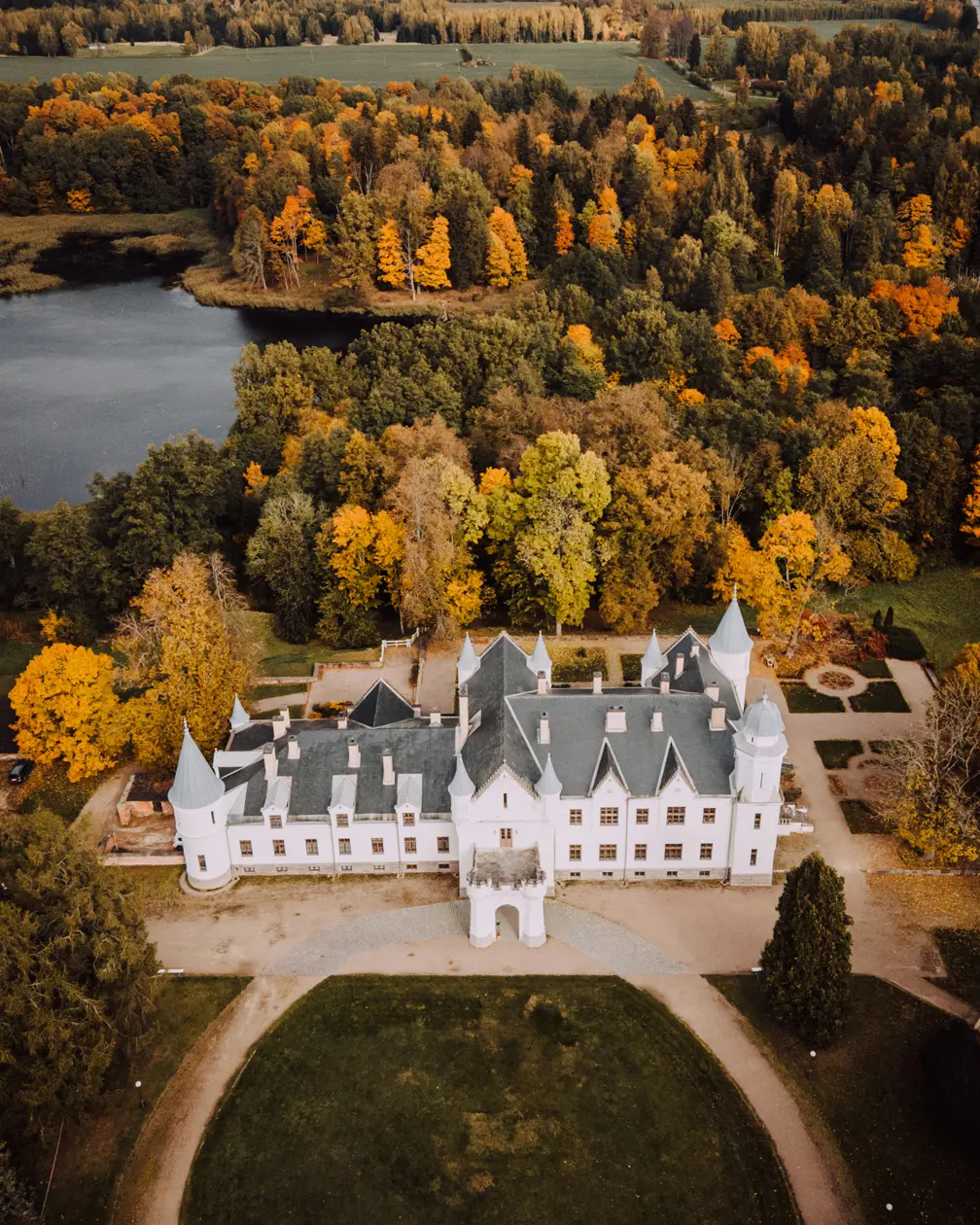
Estonia in autumn shows one of its most striking faces. Between September and November, the forests change colour, the peat bogs take on golden and copper hues, and the cooler days invite you to discover the country at a slower pace, alternating between nature hikes, saunas, gastronomic experiences and cultural events.
It is a season particularly suitable for those looking for a trip to Northern Europe away from the busiest months. According to Visit Estonia, average temperatures go from approximately 15 °C in September to 0 °C in November, while daylight hours decrease rapidly. The landscape, however, acquires a strong seasonal identity in this period, with woods, urban parks and ancient wetlands transformed by foliage.
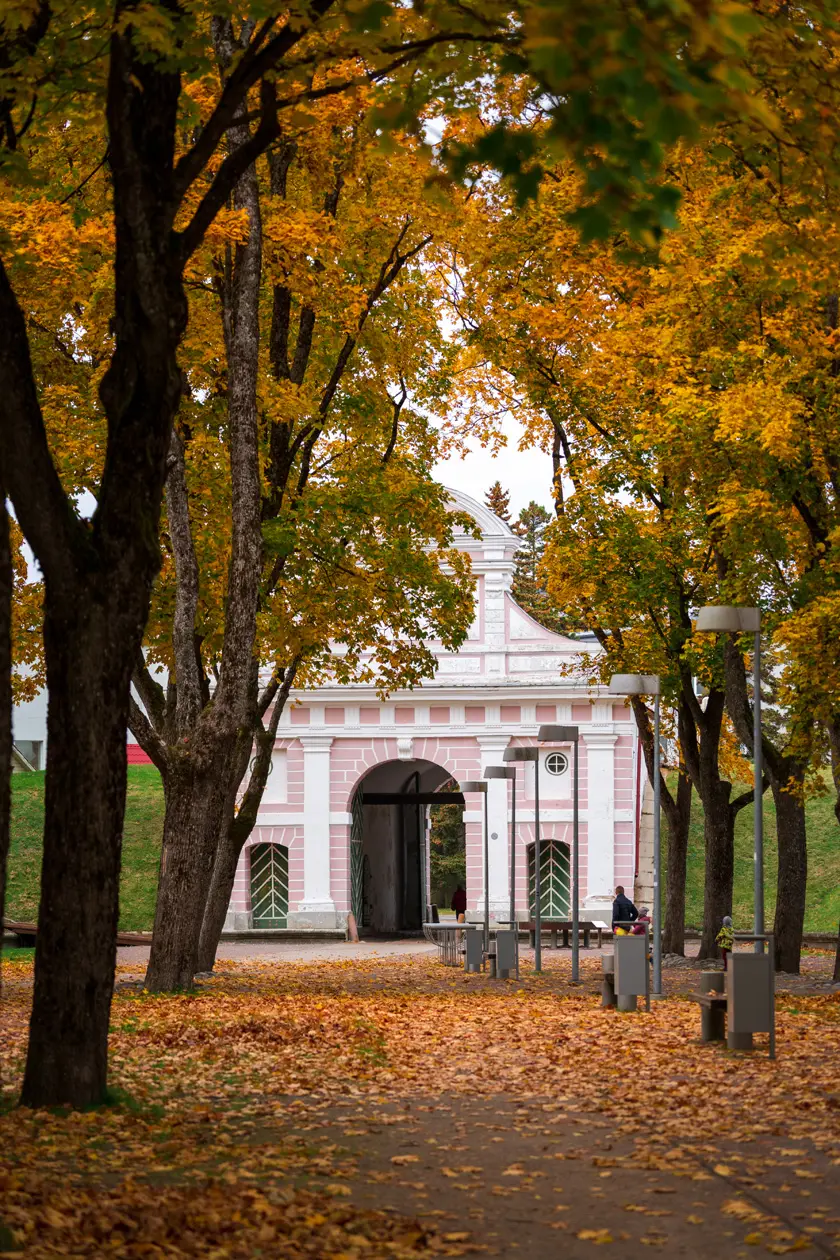
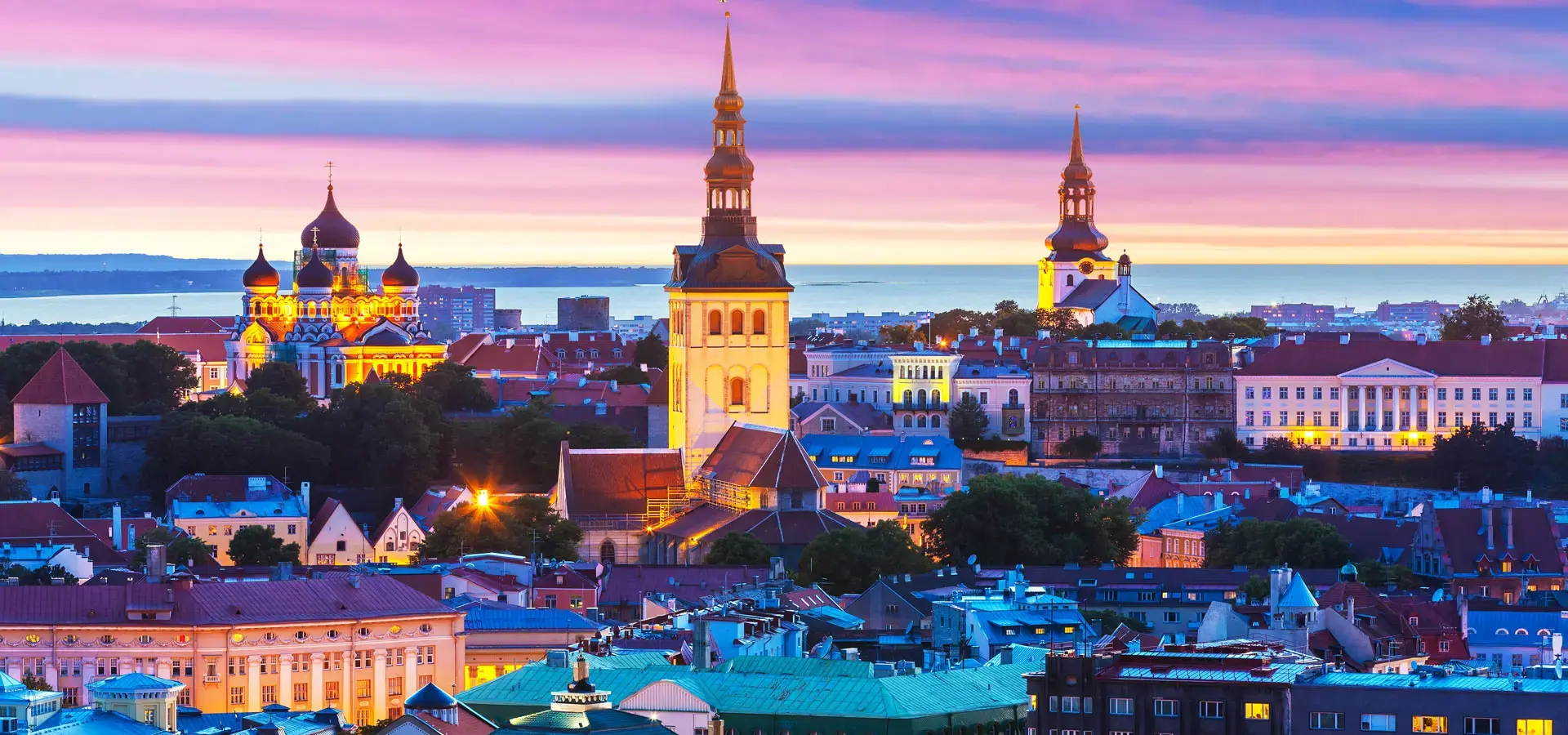
Tallinn is also part of the autumn transformation. The Kadriorgpark, the green areas surrounding the capital and the neighborhoods outside the historic center allow you to observe the change of colors without straying too far from the city.
Autumn also offers a different context to discover the Estonian capital: less oriented towards summer outdoor life and more linked to museums, cafes, restaurants, sauna and culture.
As the days get shorter, Tallinngradually enters the season of the so-called "black nights", the long Baltic nights that characterize the final part of the year.
Soomaa and peat bogs in autumn colours
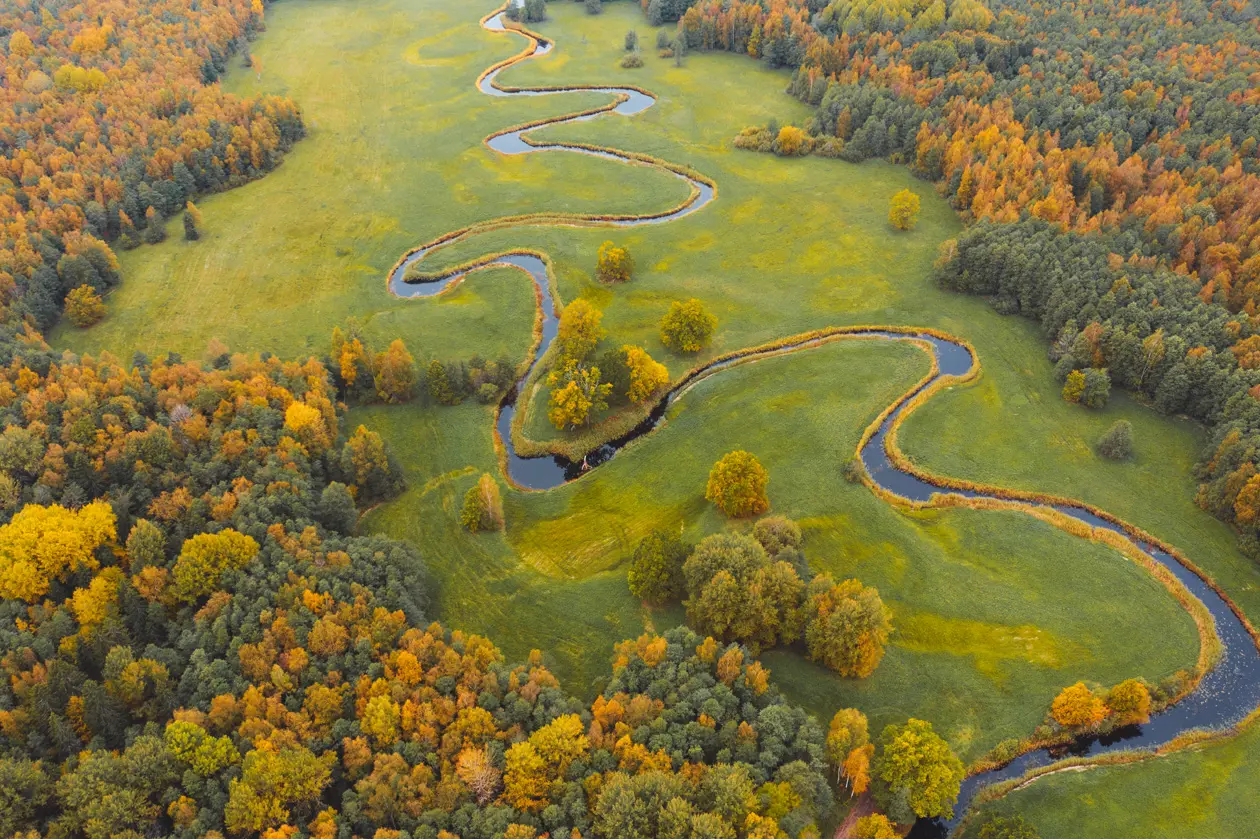
To immerse yourself in nature, one of the most interesting destinations is Soomaa National Park, in southwestern Estonia. Forests, streams and vast peat bogs create a particularly scenic landscape between September and October.
In autumn, Estonian peat bogs take on shades ranging from yellow to red and become the protagonists of hiking, on wooden walkways or with special bog hiking shoes. In Soomaa, outings dedicated to the harvest of cranberries are also organized, which ripen between September and October.
Before winter arrives, it is still possible to explore some waterways by canoe or kayak and combine outdoor activity with one of the most representative experiences of local culture: the Estonian sauna.
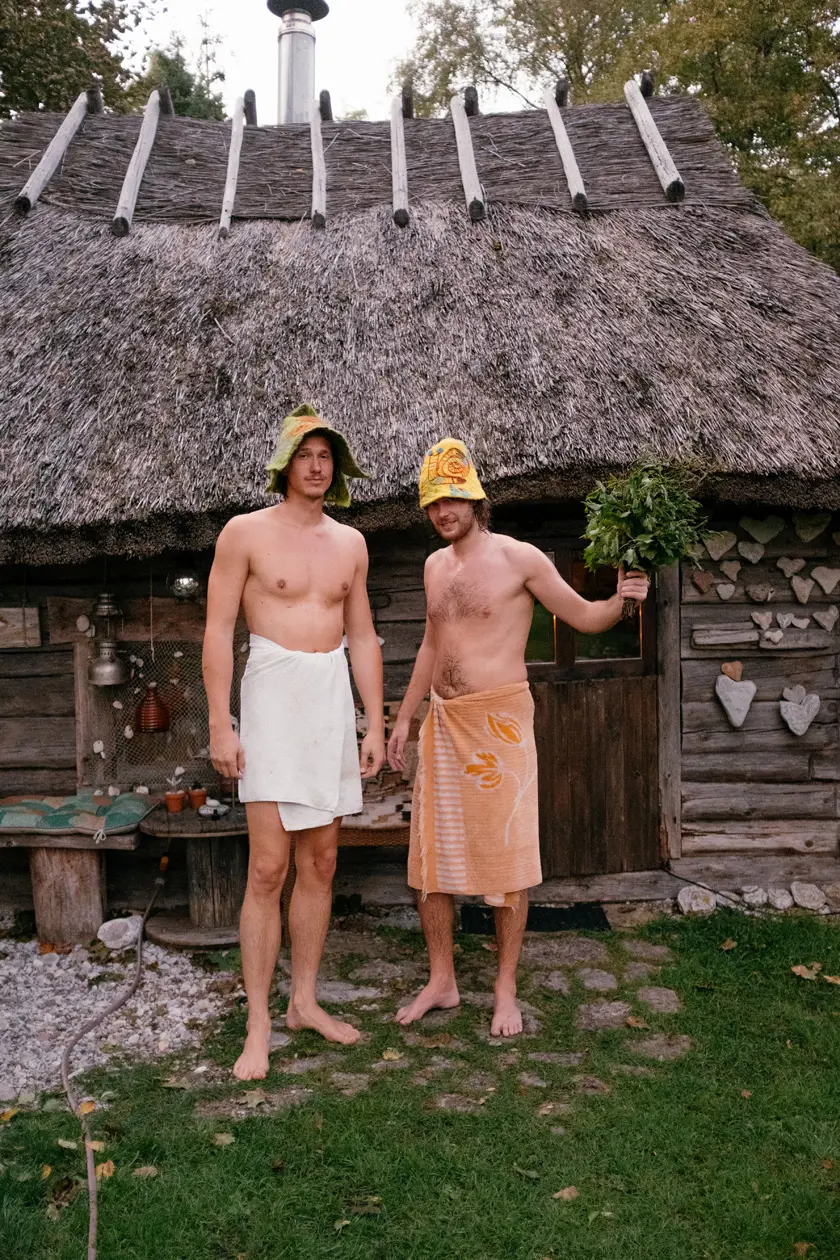
In Estonia, the sauna is not simply a wellness service, but a tradition deeply rooted in everyday culture.
As temperatures drop, it becomes one of the most natural ways to end a day spent in the woods or along the trails.
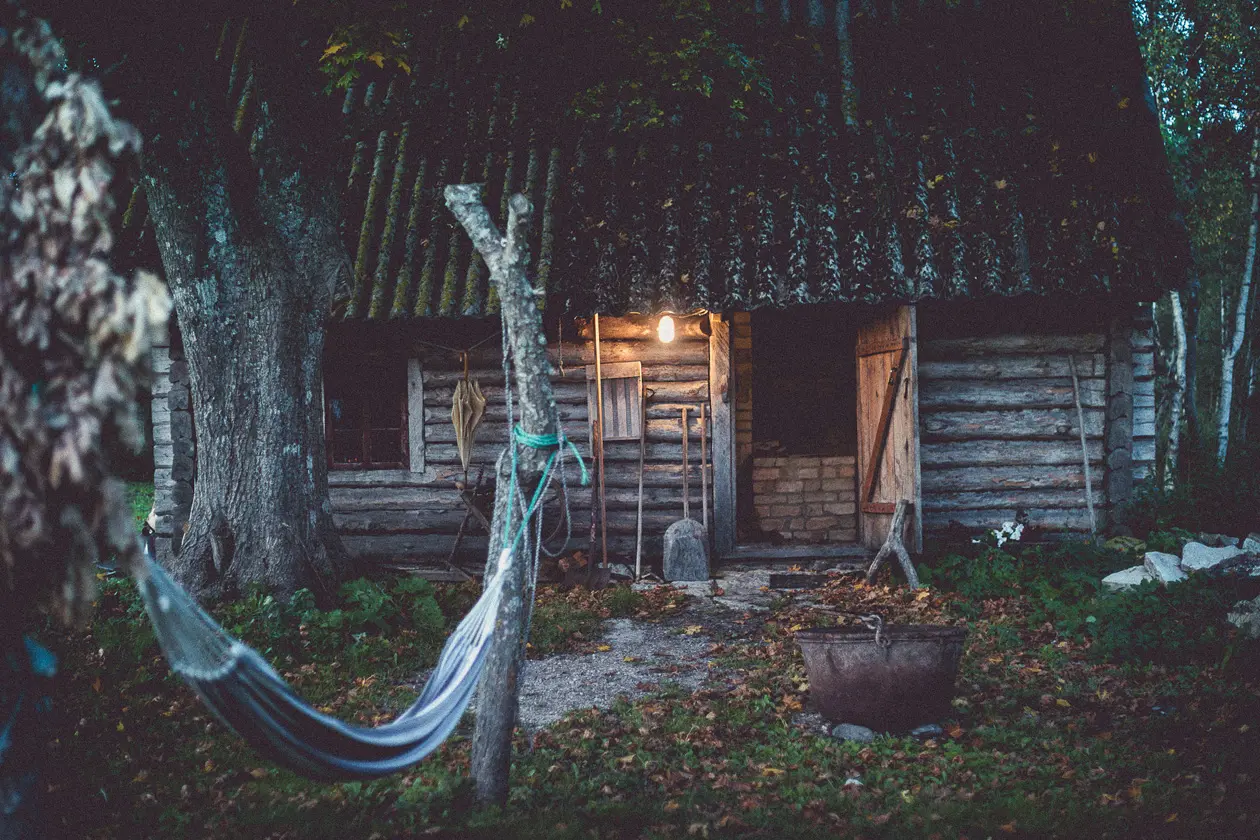
There are traditional saunas, smoke saunas, structures overlooking lakes and peat bogs and proposals that combine trekking and wellness rituals.
In the south of the country, the Võromaa smoke sauna tradition is also recognized by UNESCO as an intangible cultural heritage.
Saaremaa between spa, nature and the flavours of the forest
Autumn is also a good time to reach Saaremaa, Estonia's largest island. Known for its high presence of wellness centers and spas, the island combines Baltic coast, forests, small villages and rural landscapes.
Ingredients linked to the territory are also used in the treatments, such as seaweed, juniper and local natural products. On the Koigi Bog trail, on the other hand, you can cross one of the main wetlands of the island and discover a landscape that changes color completely in autumn.
It is also one of the most interesting areas for foraging, the collection of spontaneous forest products. Mushrooms, berries and herbs continue to be available until October and are often used in seasonal cooking.
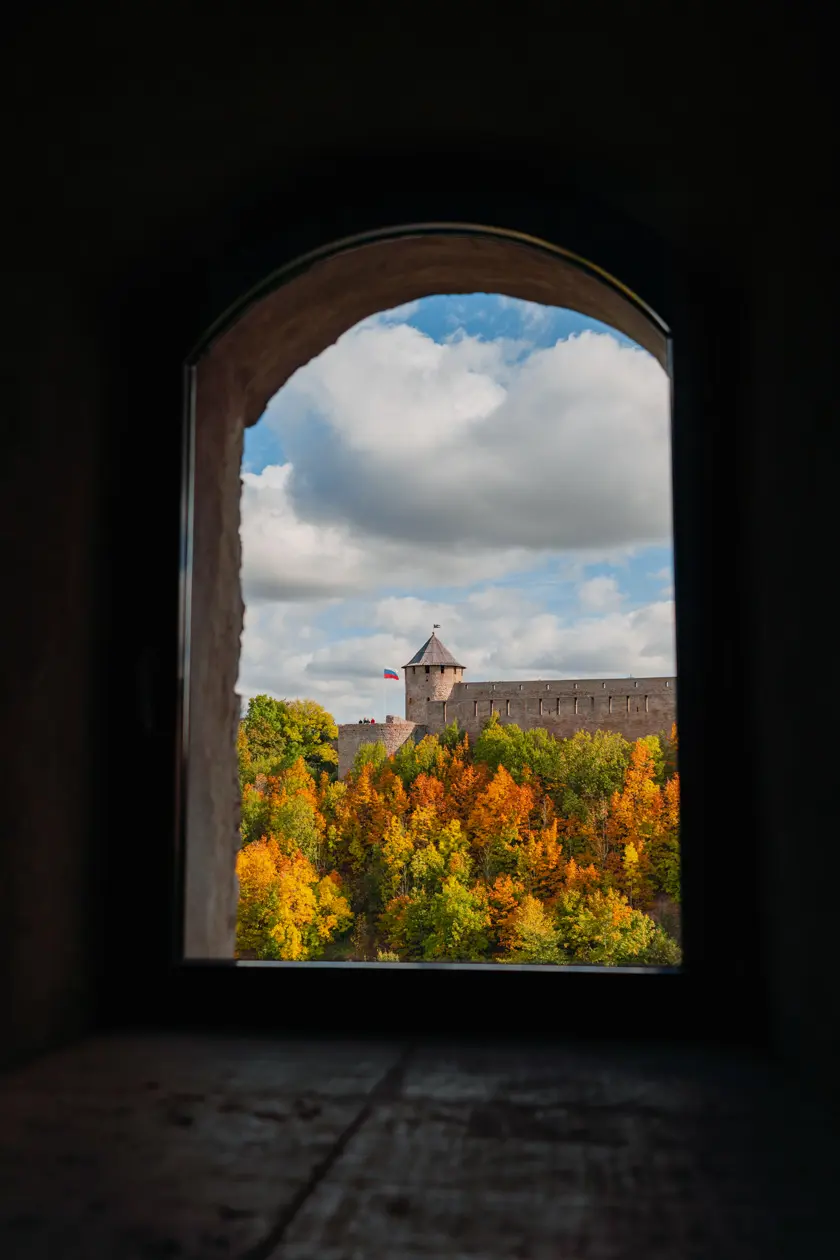
Another interesting destination is Narva, informally considered the "autumn capital" of Estonia. The foliage along the river and promenade offers a particularly striking backdrop, while nearby Narva-Jõesuu allows you to combine walks on the Baltic coast with spas and saunas.
November also brings with it some of the country's most distinctive folk traditions. On November 10 we celebrate Mardipäev, while on November 25 we celebrate Kadripäev: ancient holidays linked to the rural calendar, the harvest and the life of communities. Even today they can be accompanied by costumes, songs and visits by children in homes, although these customs are less widespread today than in the past.
Visiting Estonia between September and November means combining nature and culture in a season that is still little exploited by international tourism. The foliage in the forests and peat bogs, the saunas surrounded by nature, the Baltic islands, foraging, seasonal cuisine and the calendar of events allow you to build very different itineraries.
Tallinn may be the starting point for a city break, but the journey takes on another dimension as you move to Soomaa, Saaremaa, Narva and rural areas. It is precisely in autumn that the link between nature, well-being and local traditions emerges most clearly, offering an original alternative to the most classic European foliage destinations.
Edited by the Editorial staff, Avion Tourism Magazine