Monet and the cliffs of Étretat on display in Frankfurt
The cliffs of Étretat, on the Atlantic coast of Normandy, have become an icon of modern painting over time. This stretch of French coast, once a simple fishing village, was transformed in the nineteenth century into a symbolic place of artistic research, capable of fascinating painters, writers and travellers. Today, more than a century later, the myth of Étretat continues to exert its fascination, becoming the protagonist of a major international exhibition.
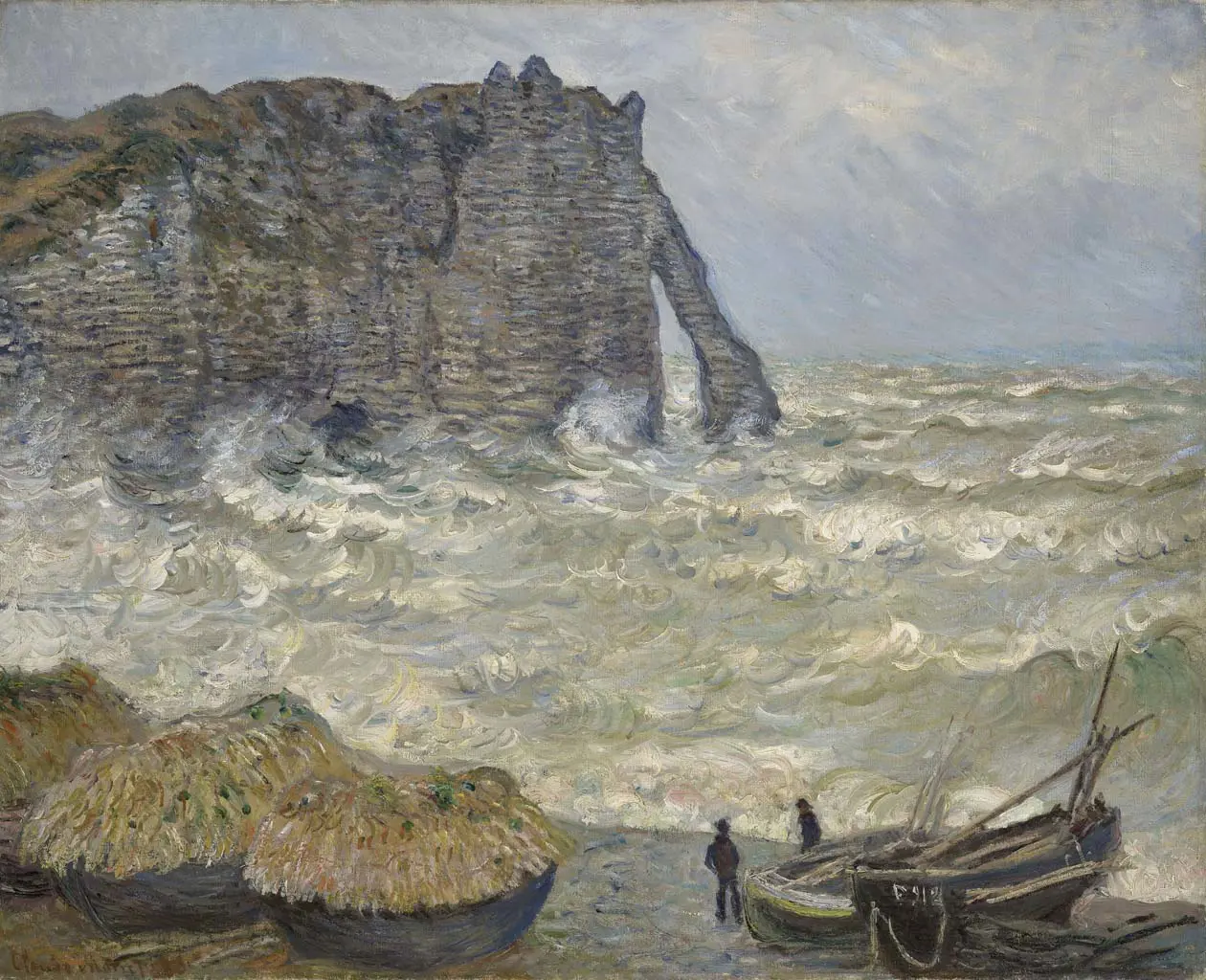
From 19 March to 5 July 2026, the Städel Museum in Frankfurt am Main is dedicating an extensive retrospective to the artistic discovery of Étretat and the decisive role that this place played in the development of Impressionism and modern painting.
The exhibition of "Monet on the Normandy Coast. The Discovery of Étretat" brings together about 170 works including paintings, drawings, photographs and historical documents from important French, German and international museums, as well as from private collections. Among these, twenty-four works by Claude Monet stand out, testimony to the deep bond between the artist and the famous Norman cliffs.
Étretat and the birth of a new gaze
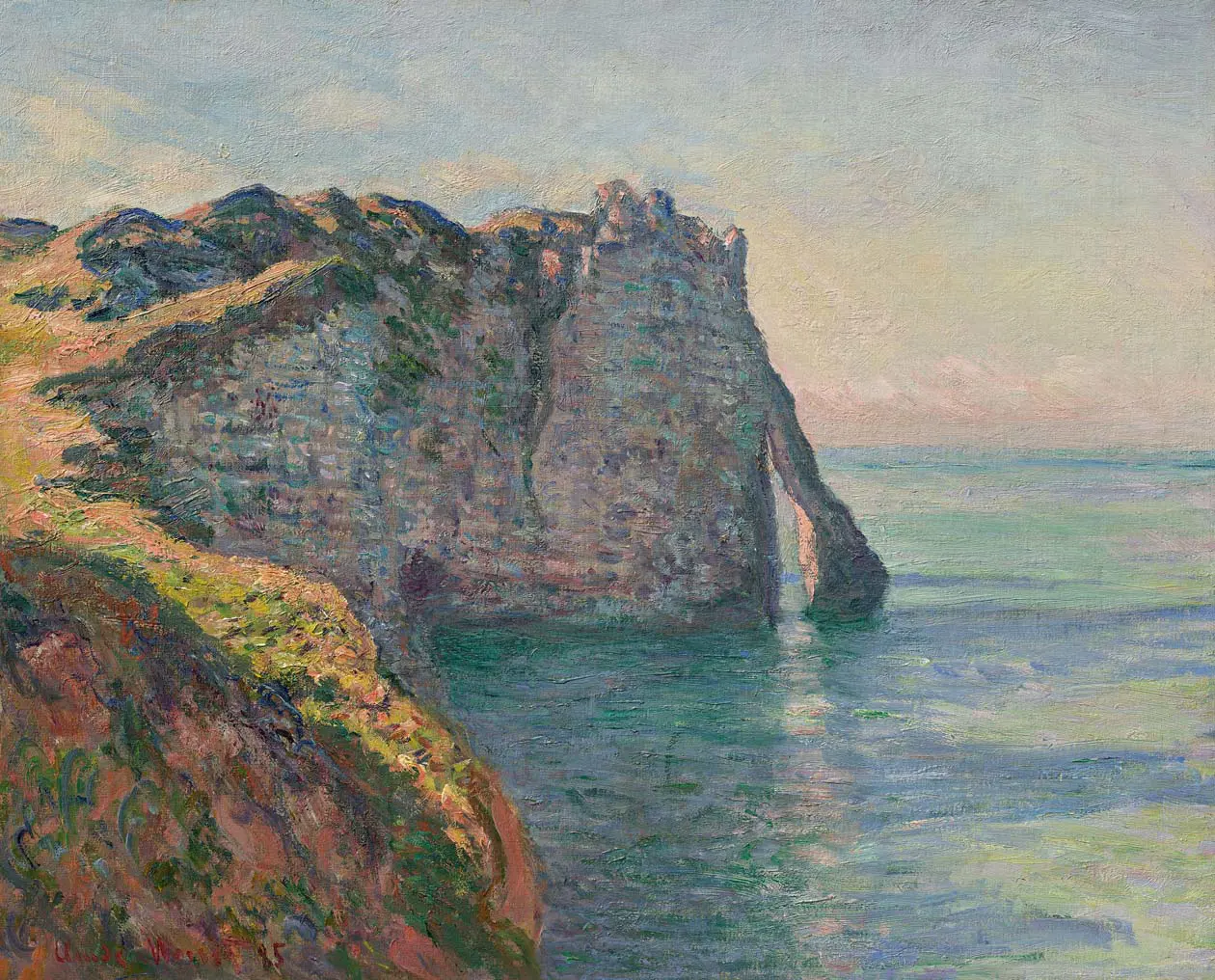
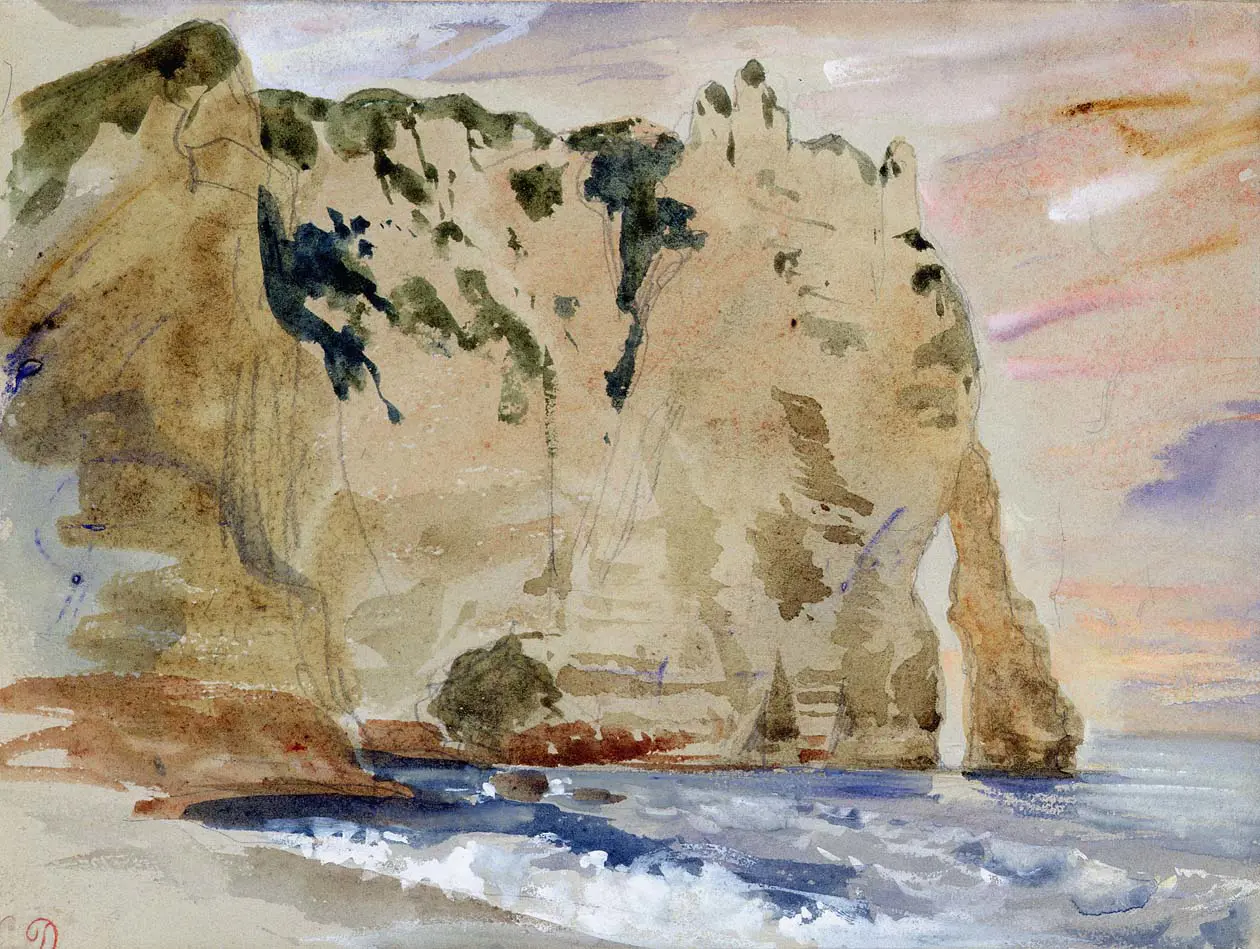
Étretat played a central role in the affirmation of an innovative pictorial language that would later go down in history as Impressionism. Artists were struck by the spectacular and at the same time disturbing landscape of the cliffs, dominated by the three famous natural arches: the Porte d'Amont, the Porte d'Aval and the Manneporte.
It was here, fascinated by the variations of light and atmospheric conditions, that Monet began to work for the first time on series of paintings dedicated to the same subject at different times of the day and in different seasons. A method that would become his distinctive trait and one of the pillars of pictorial modernity.
With the increase in tourism around the middle of the nineteenth century, Étretat gradually transformed itself into a renowned seaside resort, frequented by artists, intellectuals and the Parisian bourgeoisie. Gustave Courbet made his famous paintings of waves there; Guy de Maupassant made it a scenario full of nostalgia in his works; Maurice Leblanc set the adventures of his gentleman thief Arsène Lupin among these cliffs. And, through painting and literature, this remote corner of Normandy gained international notoriety that lasts to this day.
Masterpieces from Europe and the USA
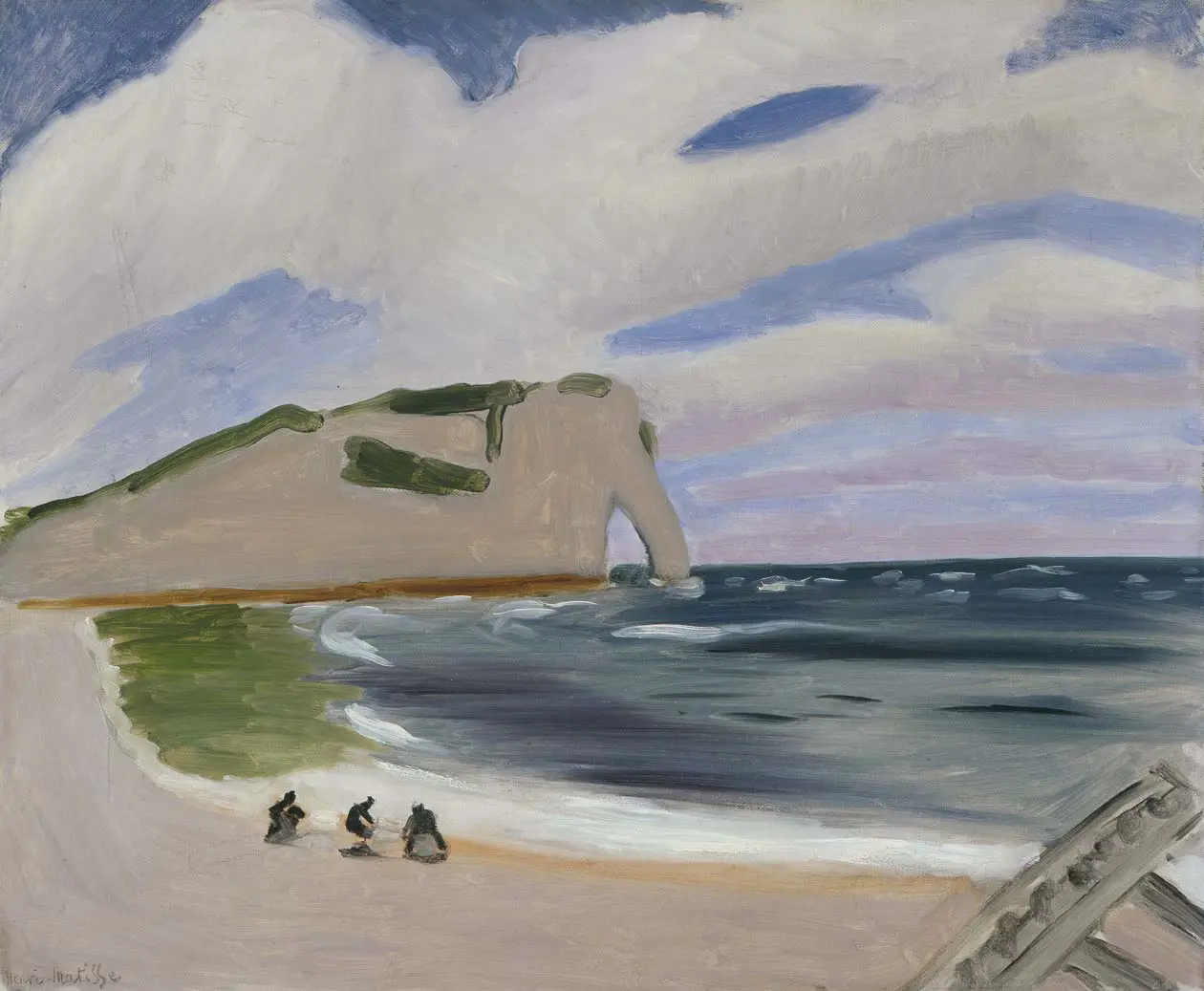
The Frankfurt exhibition presents works by great protagonists of modern and contemporary art: in addition to Monet, works by Eugène Delacroix, Gustave Courbet, Henri Matisse, Camille Corot, Eugène Boudin, Johann Wilhelm Schirmer, Eugène Le Poittevin and Elger Esser are on display.
The loans come from leading institutions such as the Staatliche Museen zu Berlin, the Fitzwilliam Museum in Cambridge, the Metropolitan Museum of Art in New York, the National Gallery of Canada in Ottawa and the Musée d'Orsay in Paris. The curators of the exhibition are: Alexander Eiling, Eva Mongi-Vollmer, Stéphane Paccoud, Isolde Pludermacher, in collaboration with Eva-Maria Höllerer and Nelly Janotka as well as the Musée des Beaux-Arts de Lyon.
About the exhibition
Title: Monet on the Normandy coast. The discovery of Étretat
Venue: Städel Museum - Schaumainkai 63, 60596 Frankfurt am Main, Germany
Dates: 19 March - 5 July 2026
Tickets: full: 19 euros; reduced: 17 euros. Tuesday offer (15:00-18:00): 10 euros. Free for children under 12 years old.
Information: www.staedelmuseum.de/en/