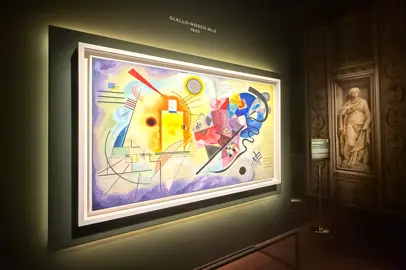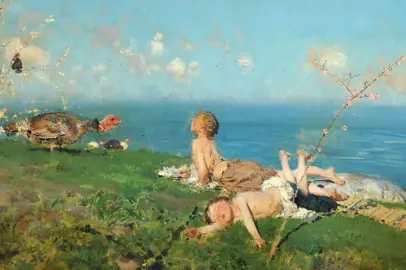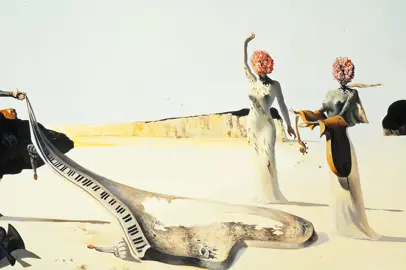
The empire of sleep at the Musée Marmottan Monet in Paris
Until March 1, 2026, the Musée Marmottan Monet in Paris presents "The Empire of Sleep", an exhibition that addresses the theme of sleep in its artistic representation for the first time in France. An exhibition that crosses centuries of art and culture history, investigating a universal and mysterious state that occupies, it is said, about a third of human life.
![Federico Zandomeneghi (1841-1917), Jeune fille endormie dit aussi Intérieur avec figure féminine endormie [Fanciulla dormiente (interno con figura femminile che dorme)], 1878, Huile sur toile, 60 x 74 cm, Florence, Gallerie degli Uffizi, Palazzo Pitti © Gabinetto Fotografico delle Gallerie degli Uffizi](/en/media/travelinfopost/images/1920-1920-fix/e4a0c2fc-7258-4acd-ba13-5022ed7e4975)
Curated by Laura Bossi, neurologist and historian of science, with the collaboration of Sylvie Carlier, director of the museum's collections, and curatorial assistant Anne-Sophie Luyton, the exhibition brings together 130 works between painting, sculpture, drawing, engraving and illustrated books, offering a transversal reading of sleep as a physical, symbolic and imaginative experience. The historical period covered ranges from the "long nineteenth century", from the Enlightenment to the First World War, also including a selection of historical and contemporary works.
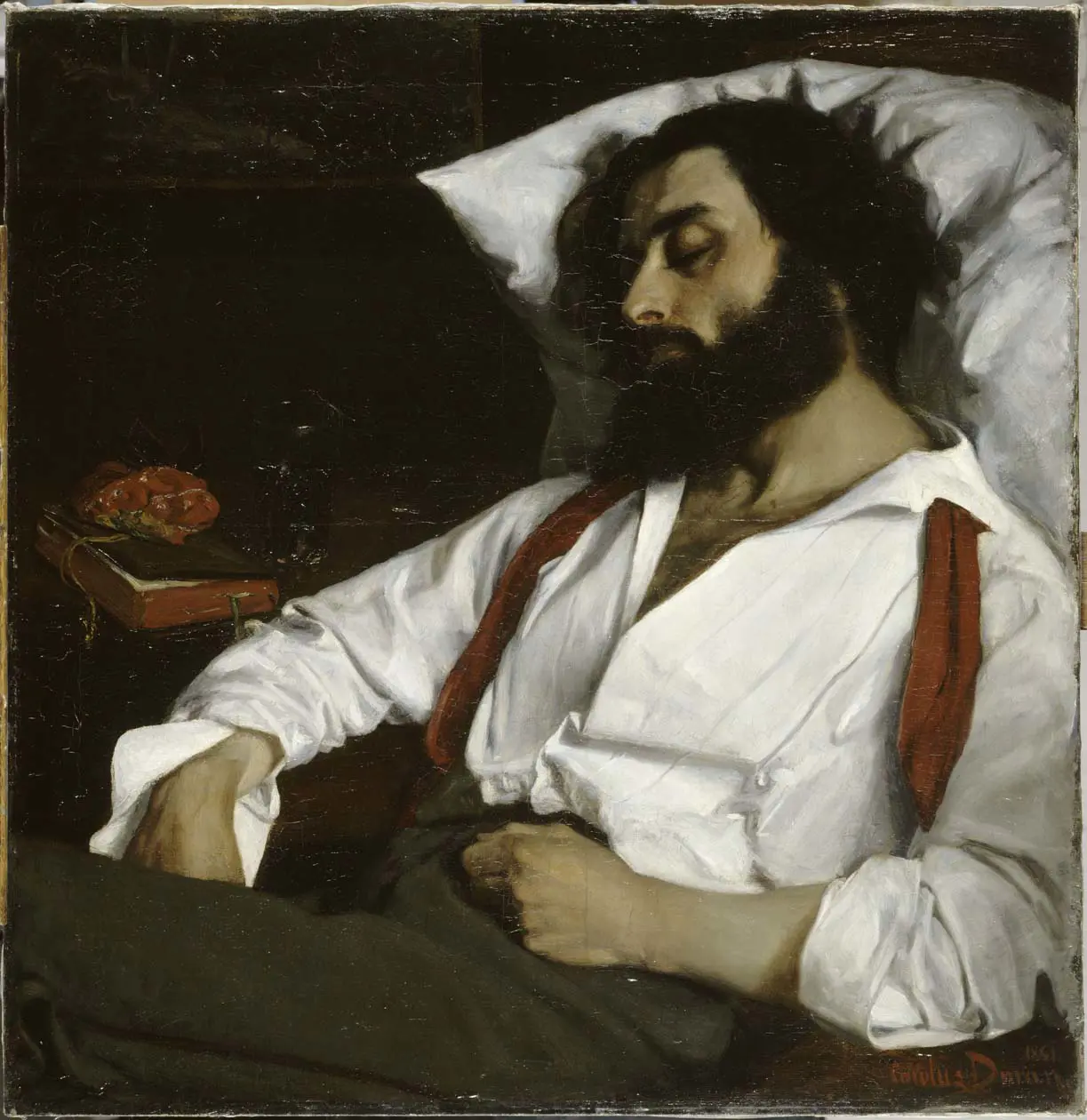
On display are some emblematic works of art related to the theme of sleep and dreams, including "The Sleep of Reason Generates Monsters" by Francisco Goya, the visionary nightmares by Johann Heinrich Füssli, "The Sleepwalker" by Gustave Courbet, the famous series "The Glove" by Max Klinger, "The Night Owl" by Edvard Munch, the Sleeping Maiden by Federico Zandomeneghi and the dreamlike worlds of Winsor McCay's "Little Nemo in Slumberland", which cross different eras and languages and offer a powerful and universal reading of the nocturnal imagination. But also works by other great artists such as Claude Monet, Rembrandt, Ingres, Eugène Delacroix, Rodin or Picasso.
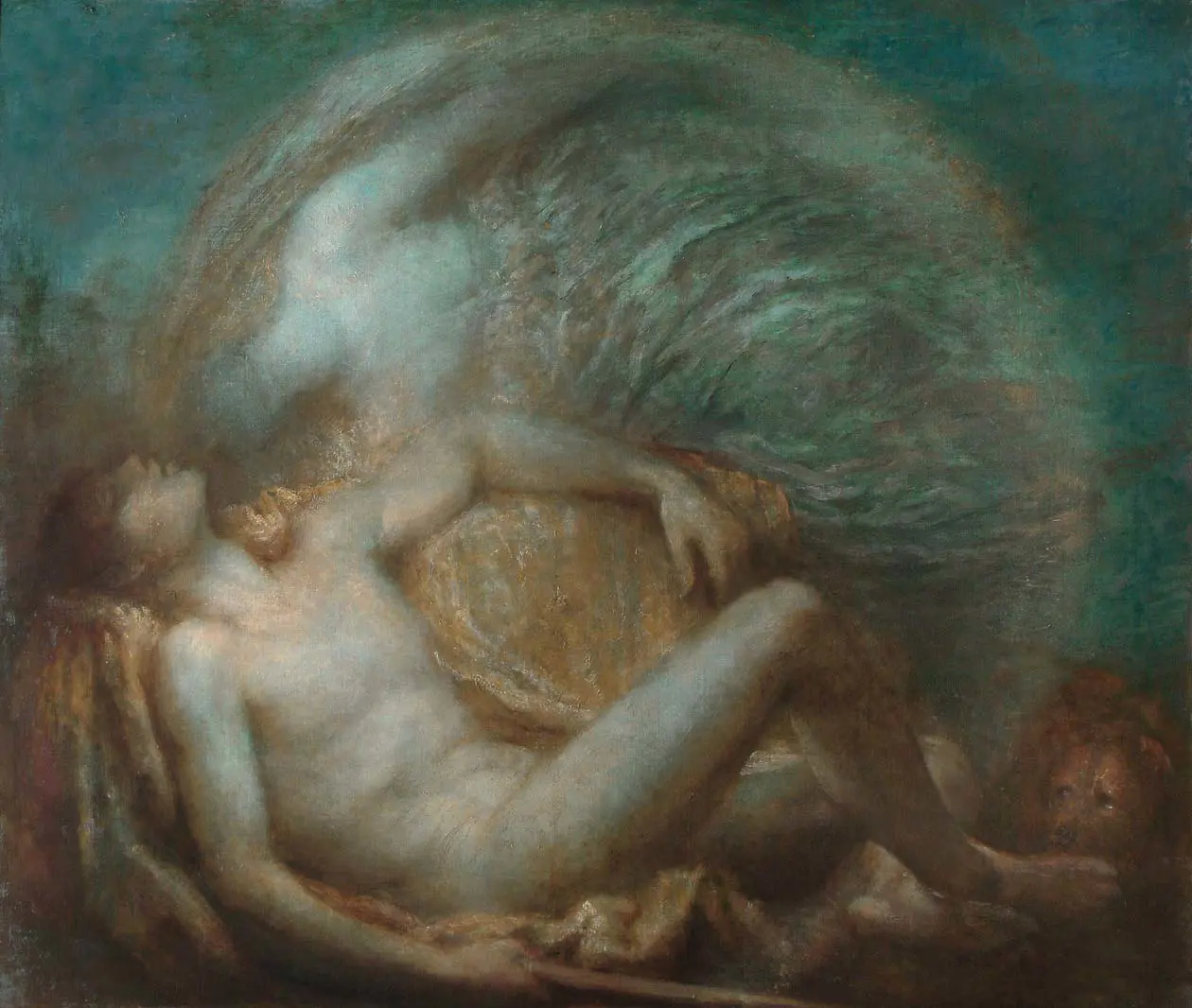
An artistic journey through quiet, dreams and anxieties
The exhibition is divided into eight thematic sections, which accompany the visitor from the most serene representations of sleep to the darkest and most disturbing dimensions of dreams. In the exhibition we discover the "sweet sleep", associated with peace, abandonment and happiness, to move on to the "sleep of innocence", such as that of children or animals, a symbol of bliss, and to the "erotic sleep", an expression of the intimacy of lovers that is revealed in naked bodies, male and female, nymphs or sleeping Venuses.
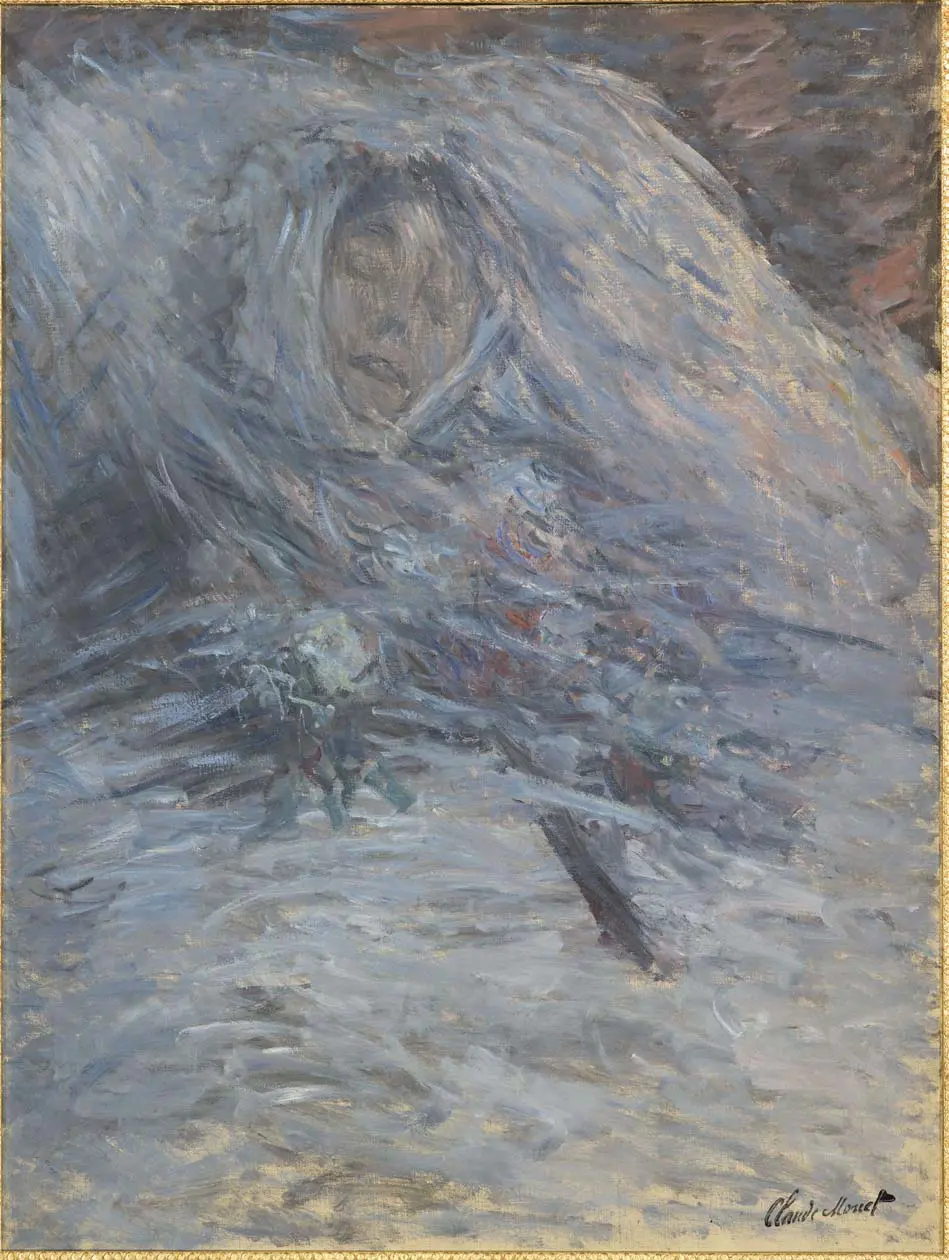
The itinerary also explores the deep link between "sleep and death", a symbolic relationship present since Antiquity and the figures of "sleep in the Bible" with Adam, Noah, Job, John at the Last Supper, the apostles in the Garden of Olives or the Dormition of the Virgin. The exhibition also reveals the "doors of dreams", where imagination takes over reality. Here the sleeper becomes the conduit to the dream world, made up of visions, desires and fears.
![Evelyn De Morgan (1855-1919), Nuit et Sommeil [Night and Sleep], 1878, Huile sur toile, 108,8 x 157,8 cm, Barnsley, De Morgan Foundation © Trustees of the De Morgan Foundation](/en/media/travelinfopost/images/1920-1920-fix/6d817a23-0d2a-43de-a2f6-7122b96224a5)
Since the time of Homer, there has been an attempt to interpret dreams in a prophetic sense. It was in the nineteenth century that a scientific study of dreams began, with the works of Alfred Maury (1861) and Hervey de Saint Denis (1867). Freud's Interpretation of Dreams was published in 1899 and translated into French in 1926. Dreams were no longer seen as prophetic, but as reflective; they did not reveal the future, but the past. Since then, sleep and dreams have populated the works of the Symbolists with the representation of the inner life, such as Odilon Redon, Khnopff, Max Klinger and Kubin.
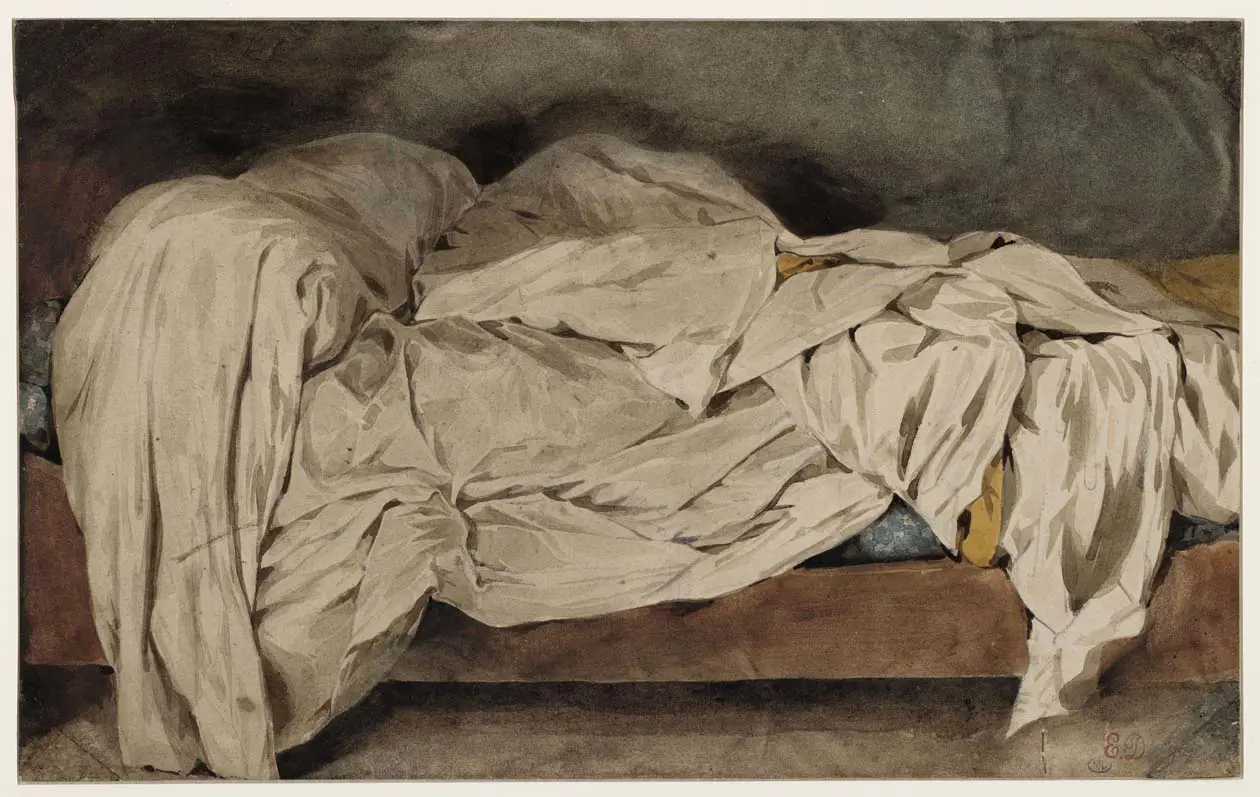
Other sections of the exhibition deal with the more complex and restless sides of restless sleep: nightmares, sleepwalking and "disturbed sleep", when the loss of rational control generates monstrous visions and deep reflections on the unconscious. In art it is found, for example, in the eighteenth century with Goya, Füssli and Blake who tried to give shape to the figures of nightmares. Instead, the Romantics explored the unconscious, mediumistic phenomena, madness, and sleepwalking. While the Surrealists used hypnosis as a "creative" process.
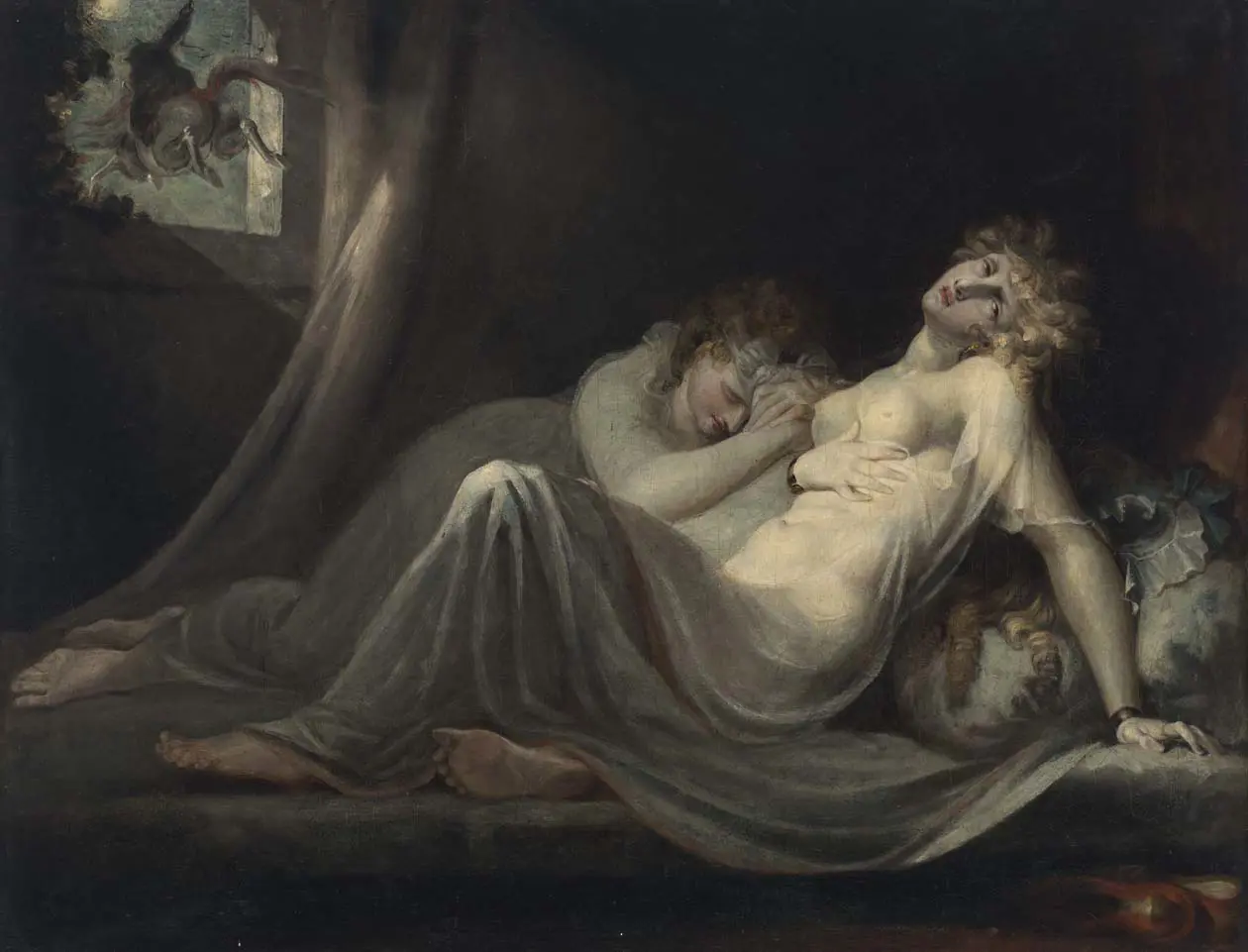
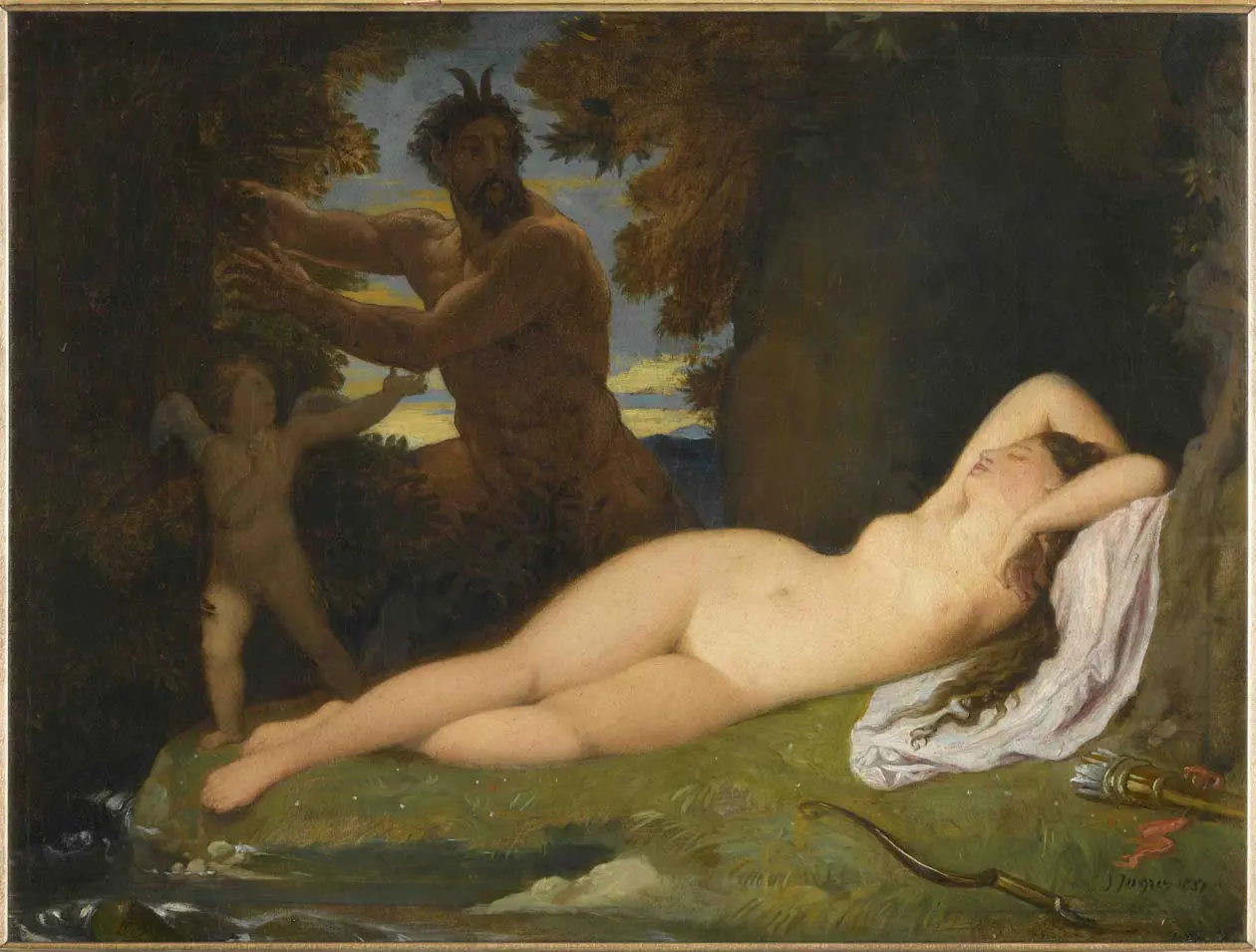
A universal theme between art, myth and science
Through references ranging from classical mythology to biblical narratives, from literature to modern and contemporary art, the exhibition highlights the ambiguity of sleep: a state of rest and beauty, but also the territory of the unknown. Mythical figures such as Hypnos, Thanatos and Eros, as well as famous artistic interpretations of dreams and nightmares, contribute to building a rich and layered narrative.
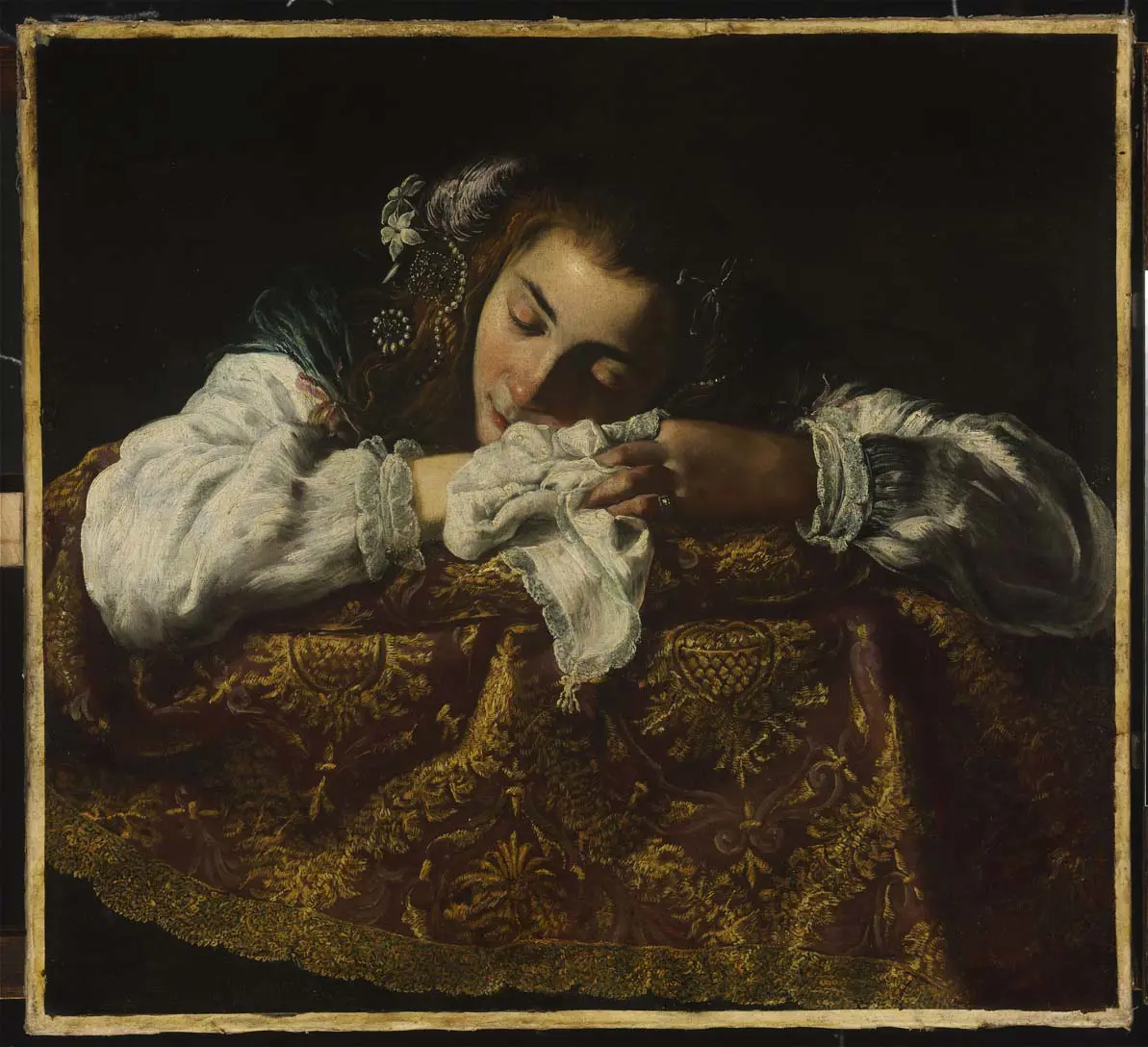
The exhibition "The Empire of Sleep" is conceived as a tribute to poetry, imagination and creativity, but also as a dialogue between art and science, thanks to the interdisciplinary gaze of the curatorship.
Useful information for the visit
Exhibition: The Empire of Sleep
Venue: Musée Marmottan Monet
Address: 2, rue Louis-Boilly, 75016, Paris
Dates: 9 October 2025 to 1 March 2026
Opening hours: Tuesday to Sunday: 10:00 a.m. to 6:00 p.m. Evening opening on Thursdays until 21:00. Closed on Mondays.
Tickets: Full price: €14; Reduced: €9. Free for children under 7 years old.
How to get there: Metro: La Muette (Line 9) / RER: Boulainvilliers (Line C) / Bus: 32, 63, 22, 52, 70, PC1.
Audio guide: available in French and English (€4)
Info: www.marmottan.fr