In Rome: "Hokusai. The great master of Japanese art"
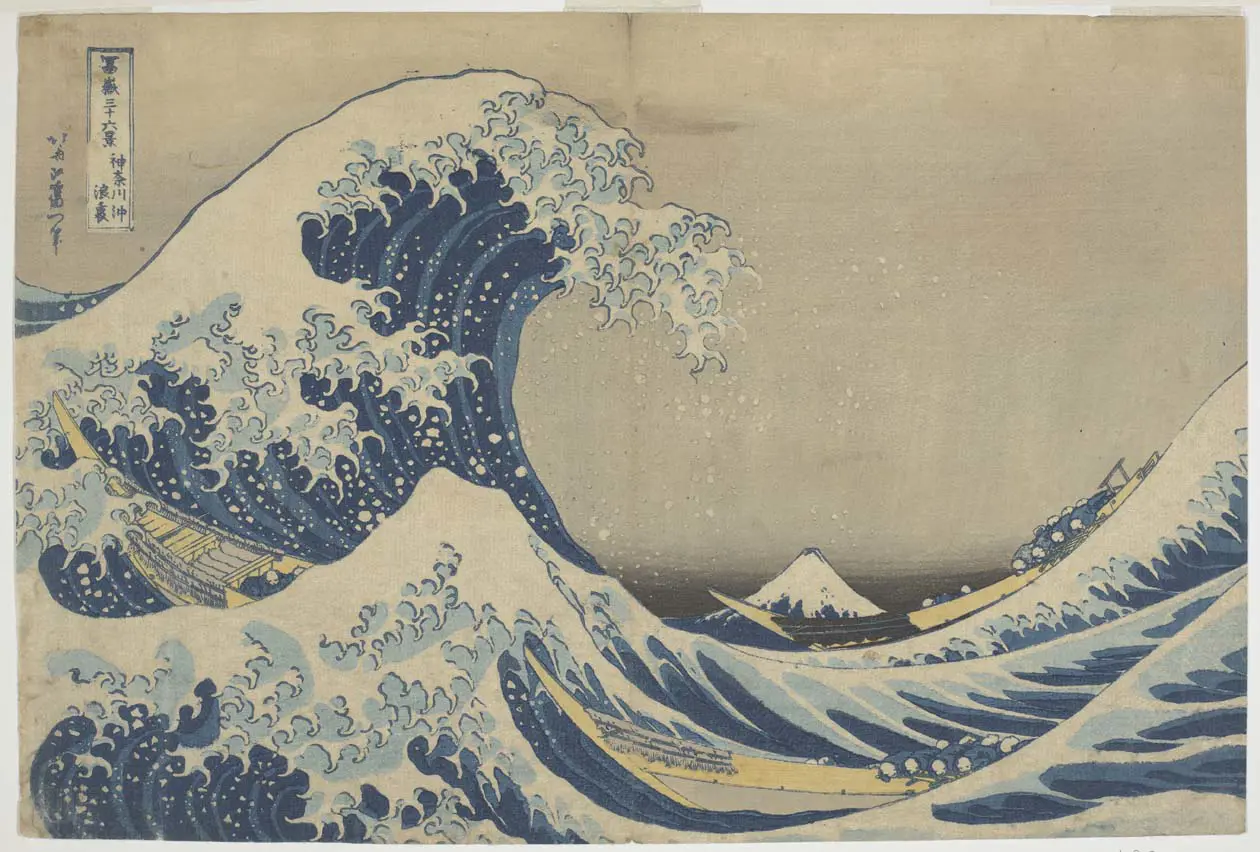
From March 27, 2026, Palazzo Bonaparte in Rome opens its doors to an exhibition destined to become one of the most important cultural events of the season: the largest exhibition ever dedicated in Italy to Katsushika Hokusai, the famous Japanese master author of images that have entered the world's collective imagination such as The Great Wave of Kanagawa and the Thirty-six Views of Mount Fuji.
Produced and organized by Arthemisia, the exhibition brings together over 200 works from the National Museum of Krakow, exhibited for the first time in Italy in a major monographic exhibition dedicated to the artist. The itinerary accompanies the visitor through Hokusai's entire creative parable, restoring the strength of a visual language that has spanned the centuries and decisively influenced Western art as well.
The exhibition tells the heart of the culture of the Edo period and the so-called "Floating World", Ukiyo-e, of which Hokusai was one of the absolute protagonists. In his prints, nature, landscape, water, Mount Fuji and the daily life of Japan are transformed into visions of extraordinary power, where compositional rigor and imaginative freedom coexist in perfect balance.
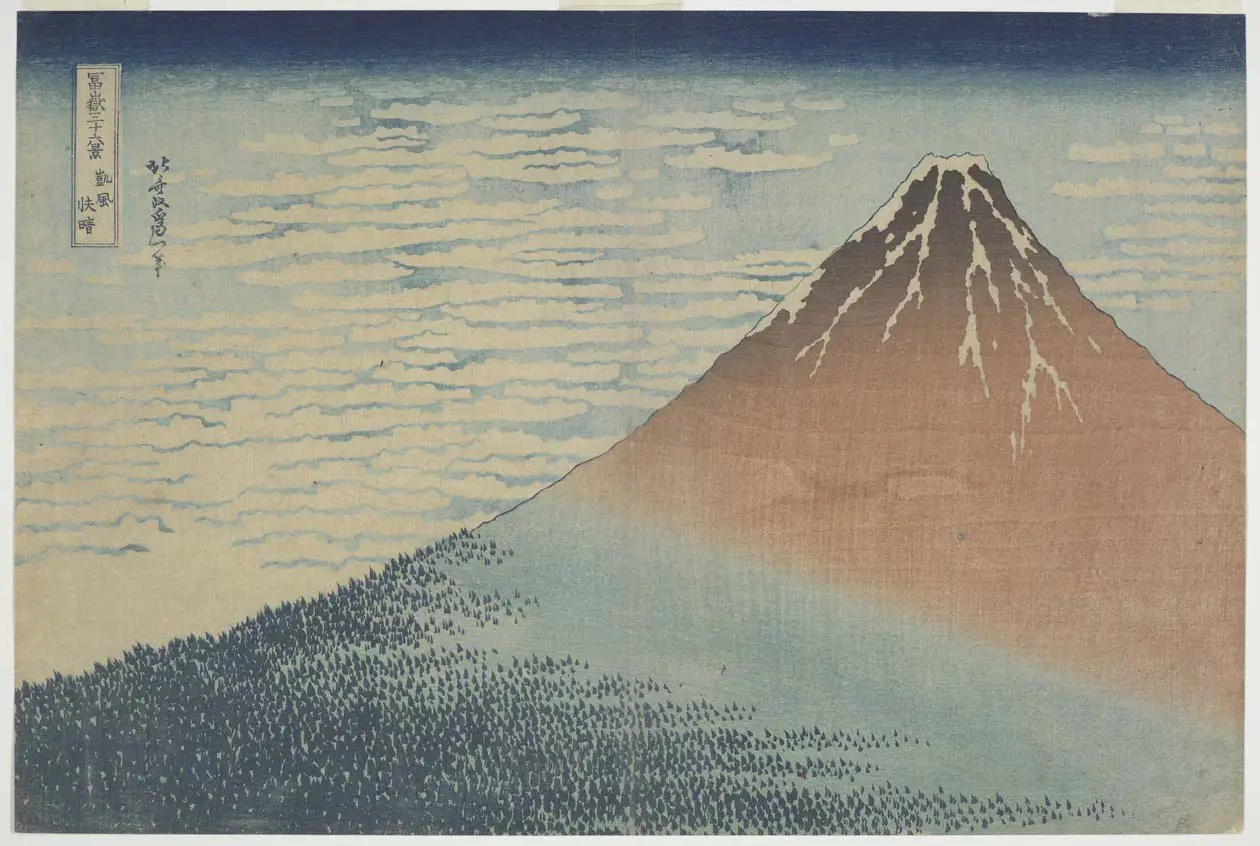
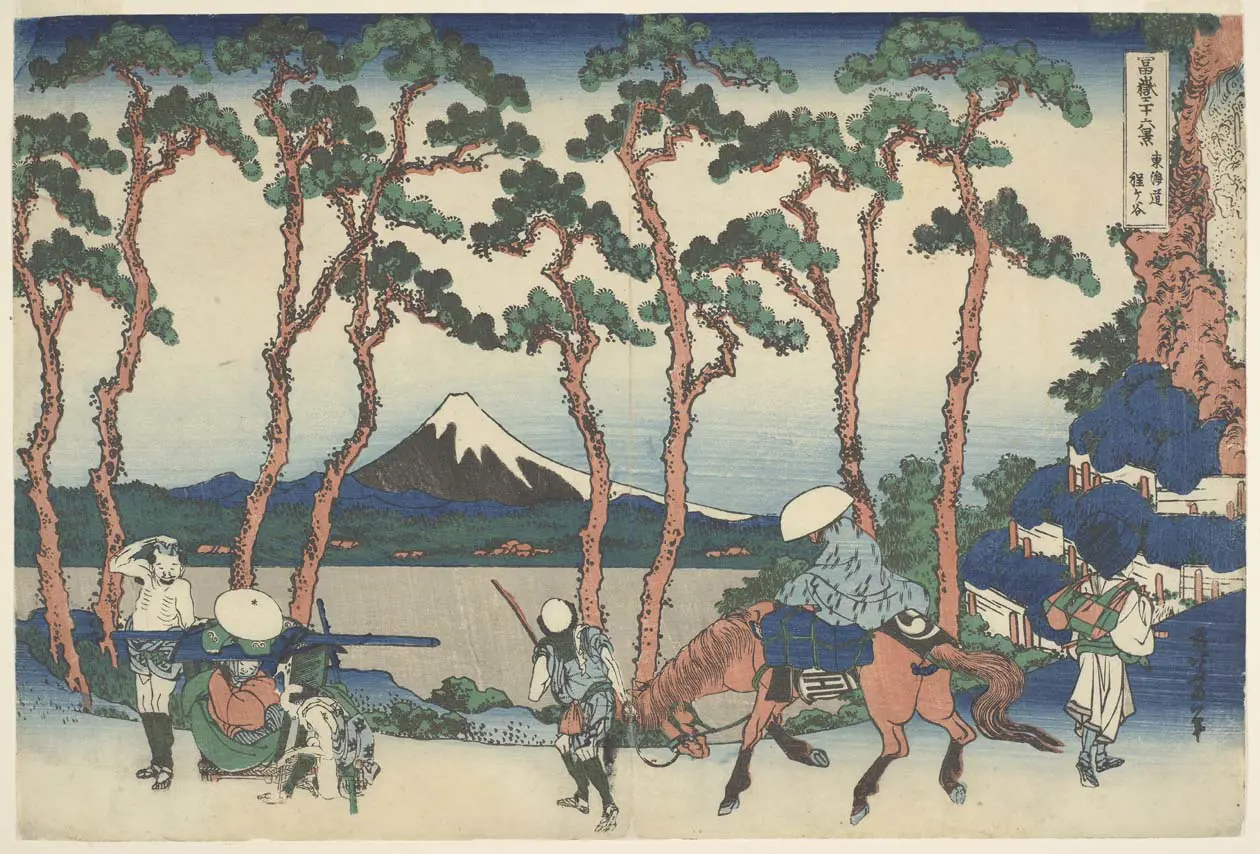
Among the most fascinating nuclei of the exhibition are the famous series dedicated to the Tokaido route, waterfalls, Mount Fuji and of course the Great Wave, presented in one of its first editions. But the path also highlights lesser-known aspects of the artist, such as his humour, the lightness of his stroke, the continuous experimentation and the ability to reinvent himself throughout his life through different stage names and new phases of research.
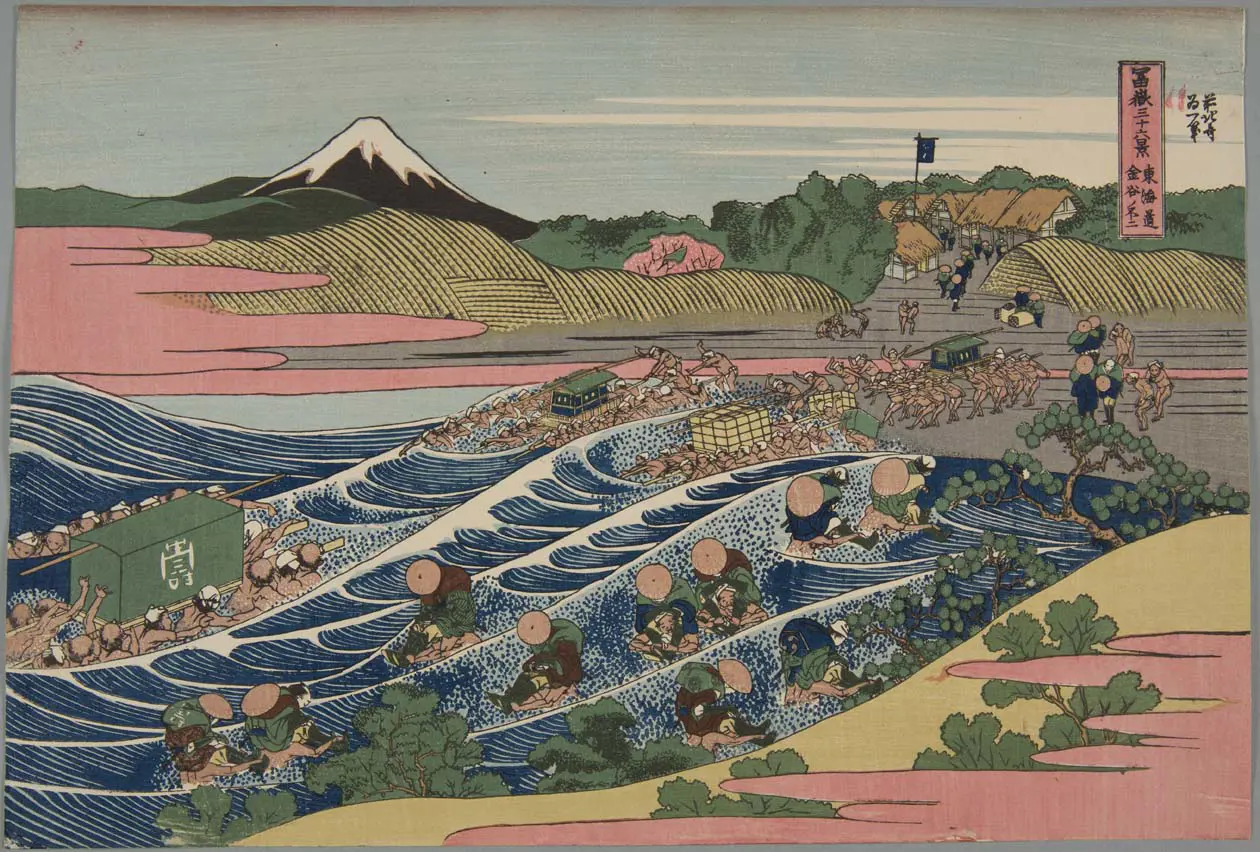
Alongside Hokusai's masterpieces, the public will also be able to discover over 180 pieces including rare books and precious Japanese objects, including lacquers, enamels, travel accessories, armor, helmets, swords, musical instruments and traditional costumes. A set that broadens the gaze beyond painting and woodcut, transforming the visit into a broader immersion in nineteenth-century Japanese culture.
The exhibition is also enriched by a focus dedicated to the photographs of Felice Beato, one of the first to document Japan open to the West, and an educational path designed to accompany the visitor to discover the artistic techniques of Hokusai and his pupils.
What makes the event even more significant is its symbolic value: Hokusai was chosen as a key figure in the 160th anniversary of diplomatic relations between Italy and Japan. An ideal bridge between East and West, still able to speak to different audiences and show how art can cross cultures, eras and sensibilities.