New jets and technologies for the future of business aviation
From October 20 to 22, 2026, Las Vegas hosted the NBAA Business Aviation Convention & Exhibition, one of the main international events dedicated to business aviation. For those who fly by private jet or use business aviation services, the 2026 edition offered above all an overview of how the offer is changing: new aircraft, emerging technologies and solutions designed to make travel increasingly flexible.
Among the most significant announcements, U.S. Secretary of Transportation Sean Duffy announced the FAA's selection of BETA Technologies as the first electric eVTOL manufacturer approved to carry out passenger demonstration flights, an important step towards the entry of new forms of air mobility into private transport.
More choice among the new business jets
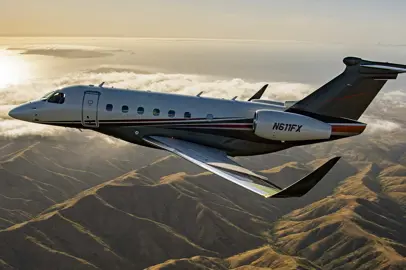
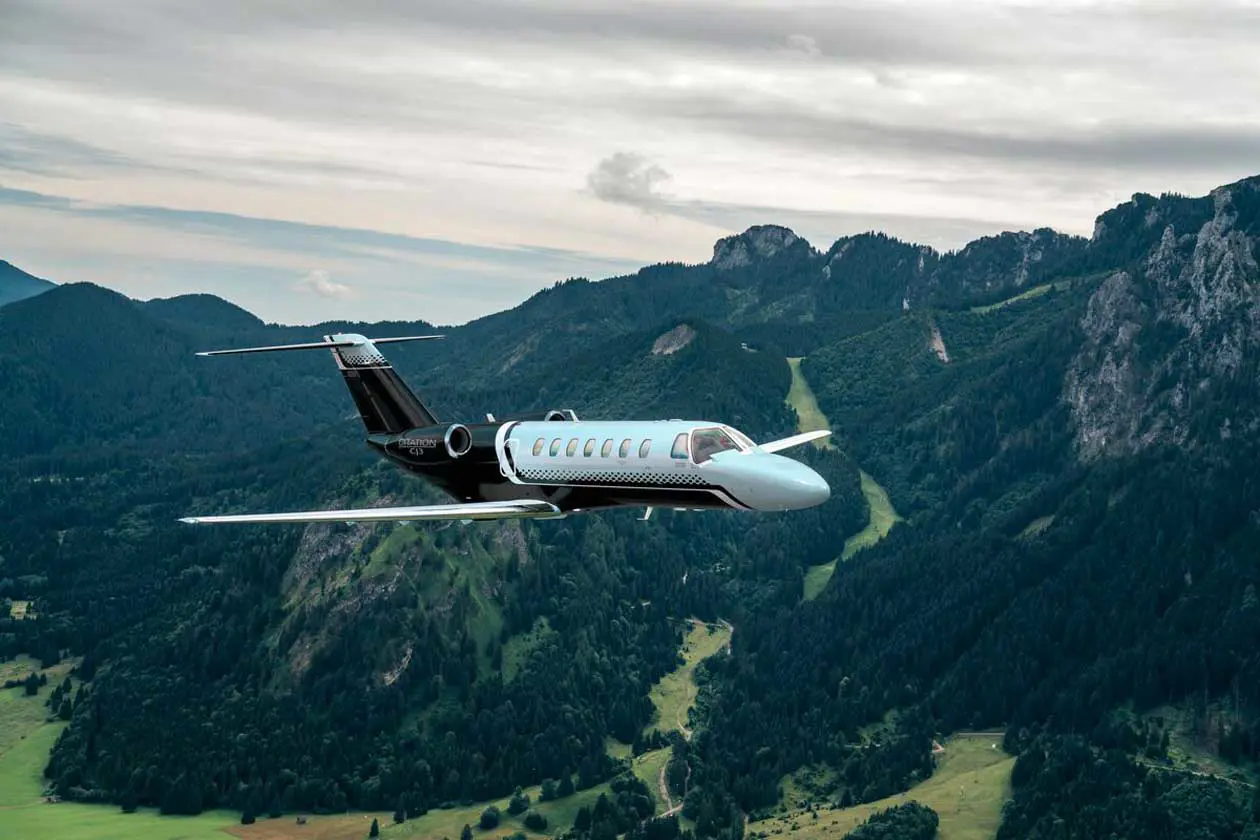
For the passenger, one of the most concrete innovations concerns the expansion of the aircraft offer. Textron Aviation brought the NBAA-BACE debut of the Cessna Citation CJ3 Gen 2, while Gulfstream presented its G400 flight-test aircraft for the first time at the event, alongside the G500, G600, G700 and G800.
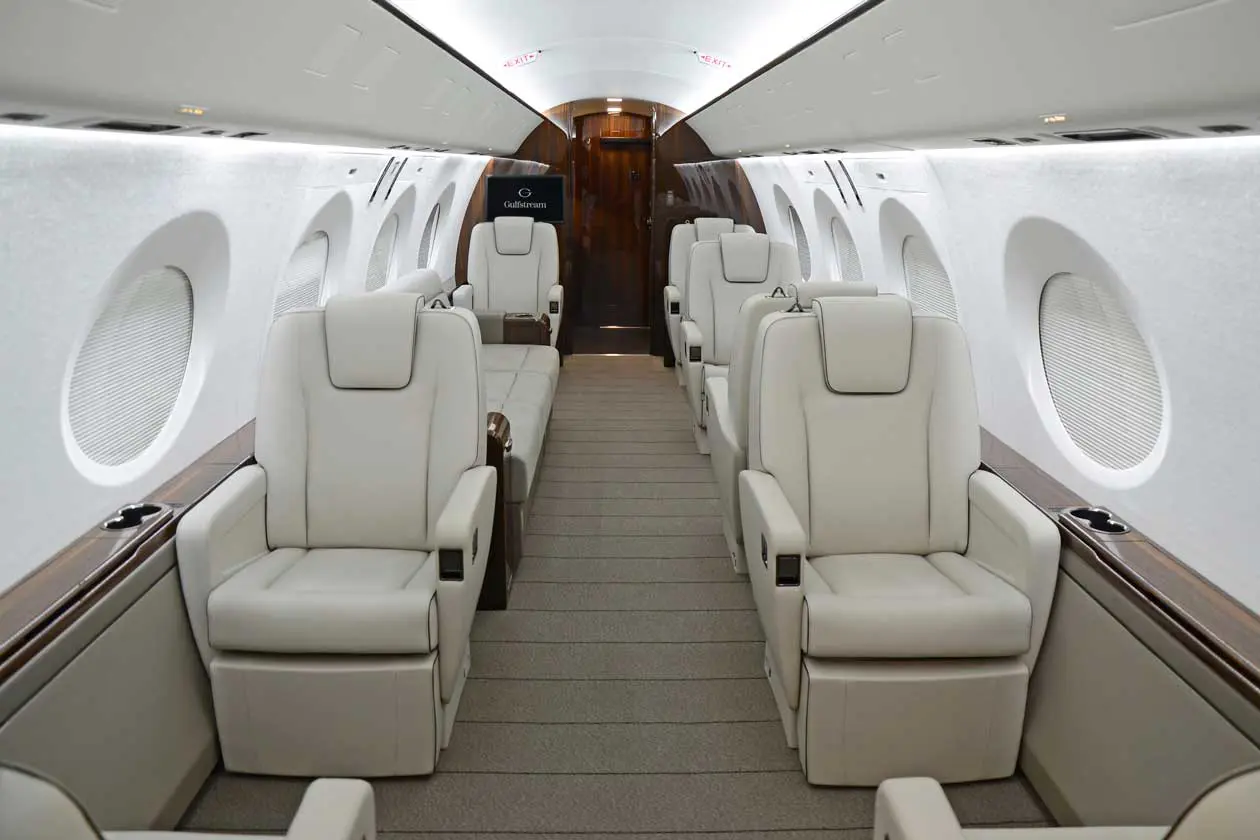
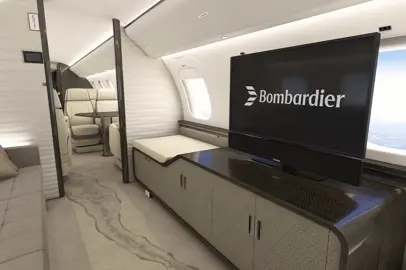
Bombardier exhibited the Global 8000, Global 6500 and Challenger 3500, while SyberJet unveiled the detailed mockup of the new nine-seat SJ36, announcing letters of intent for more than 50 aircraft at the end of the event.
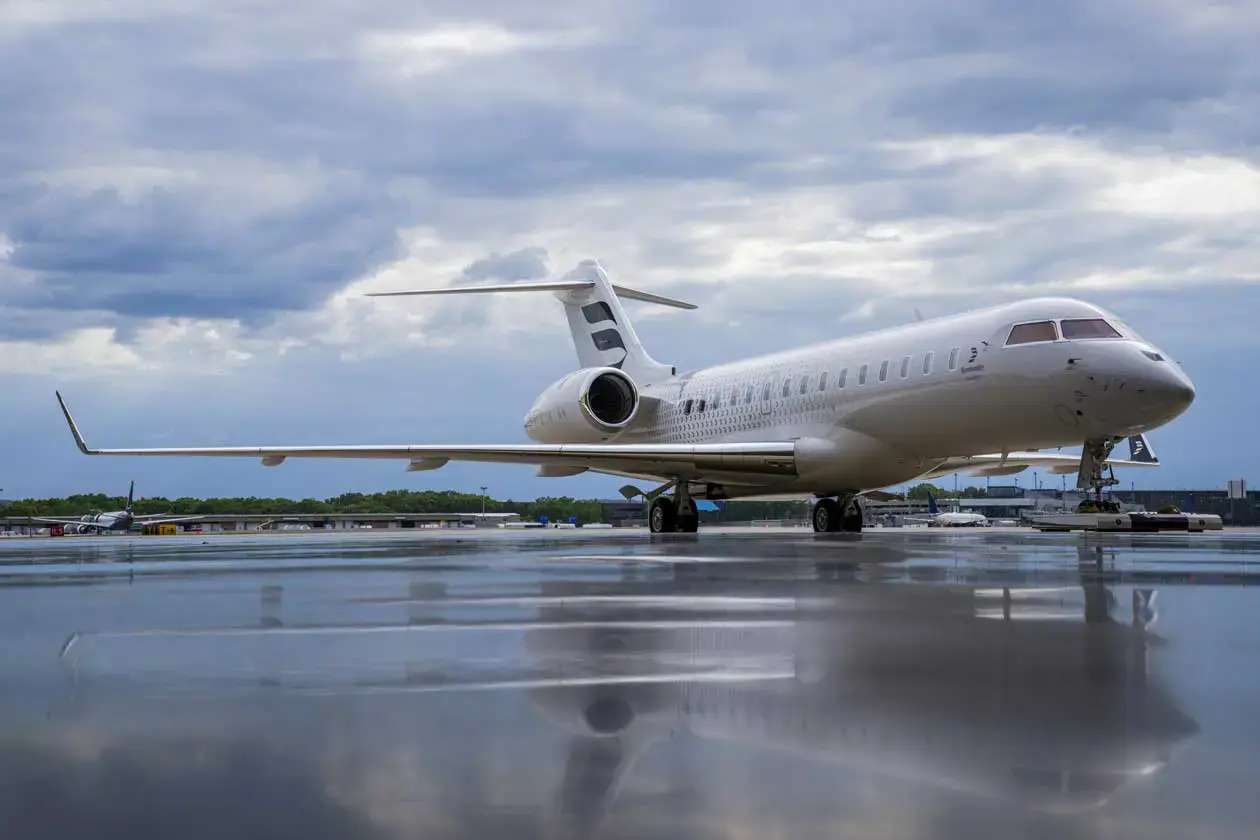
The NBAA-BACE Aircraft Connection exhibit at Henderson Executive Airport (HND) brought together dozens of aircraft, from piston aircraft to intercontinental business jets. Manufacturers in attendance included Aviat Aircraft, Boeing Business Jets, Bombardier, Daher, Dassault Falcon, Epic Aircraft, Gulfstream, Honda Aircraft, Piaggio, Pilatus, Piper Aircraft, Textron Aviation and SyberJet.
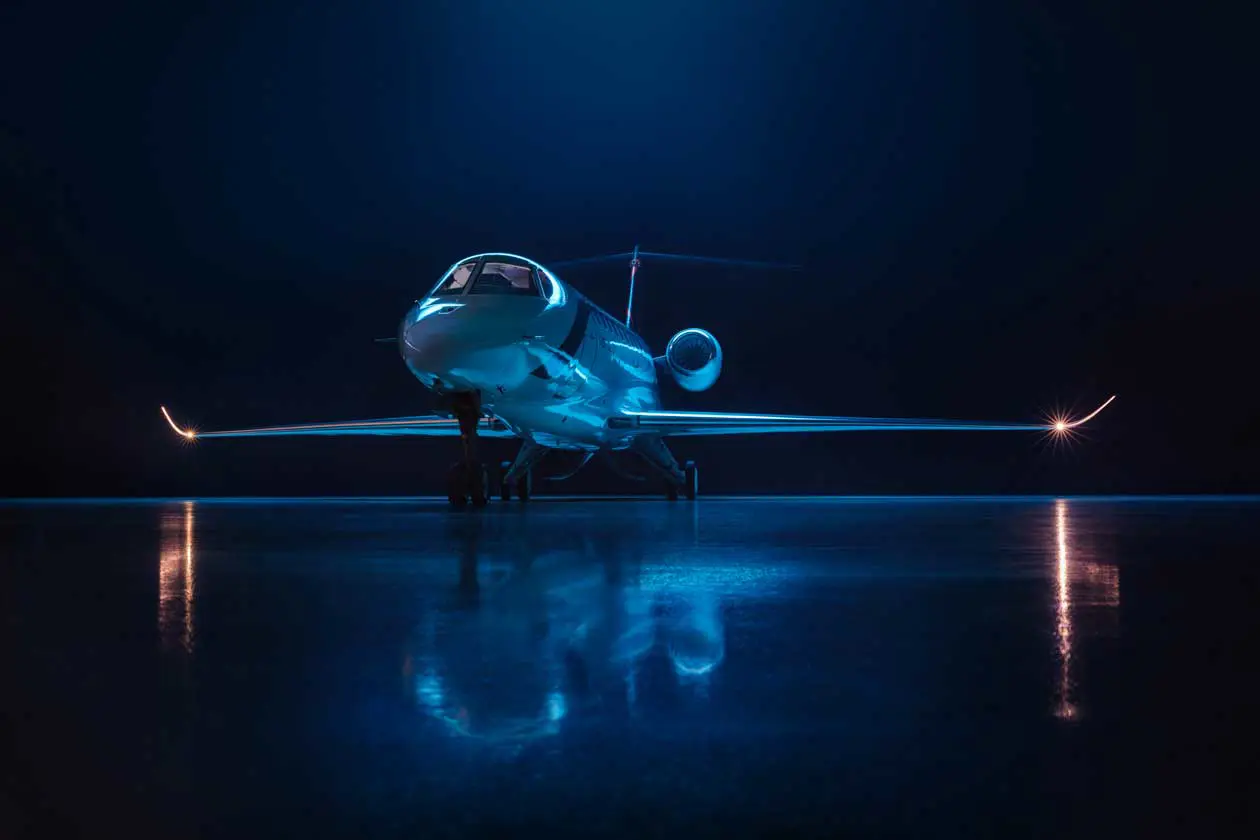
For those who use private aviation, the picture that emerges is that of an increasingly articulated market, capable of offering different solutions depending on the type of trip and operational needs.
New technologies for the journey of the future
Alongside traditional business jets, NBAA-BACE also showcased technologies that could more profoundly change the way we get around. More than 100 exhibitors at the venue for the first time included the hydrogen-powered Beyond Aero ONE, the zero-emission Regent Craft Seaglider simulator and the DTA JP1, a two-seat aircraft with a hybrid-eVTOL configuration. On the conventional powertrain front, Pratt & Whitney Canada unveiled the new PT9-certified turboprop.

The combination of these proposals shows how the future of business aviation does not only pass through new jet models, but also through different propulsion systems and new flight architectures that, over time, could expand the possibilities of connection and access to private air mobility.
The cab also becomes more flexible
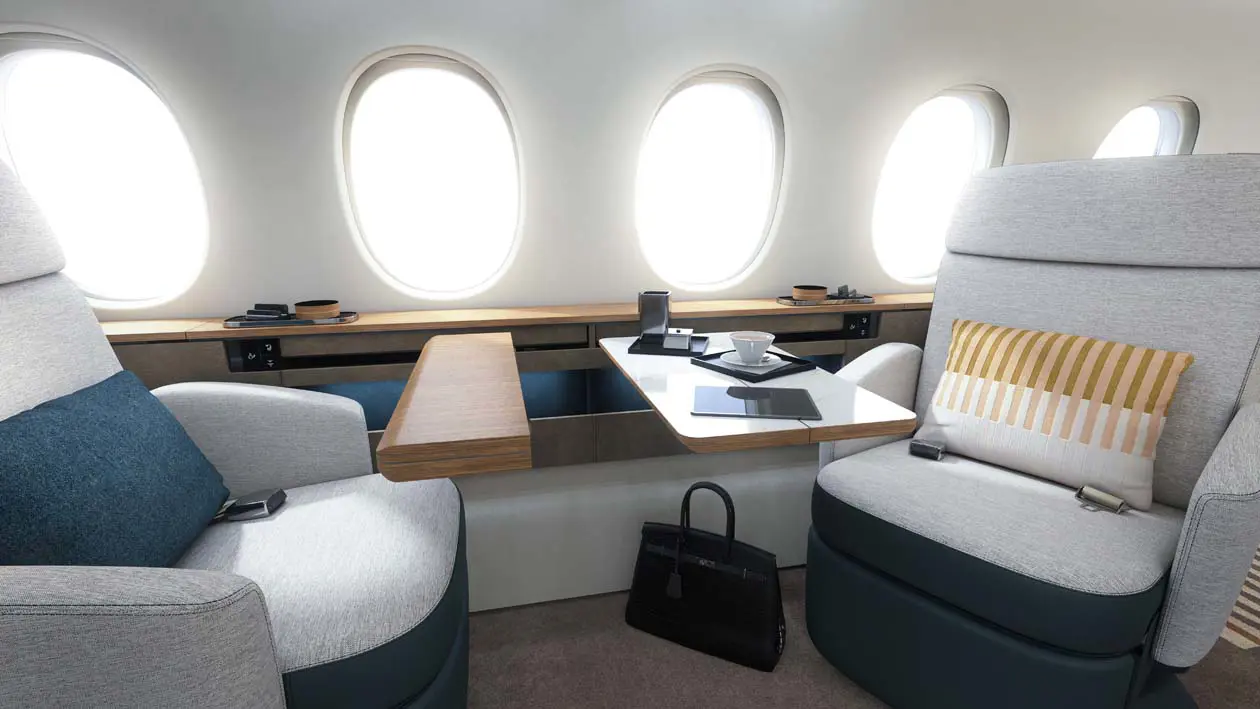
The evolution of the on-board experience also passes through the interior. Pilatus showed a new intelligent cabin partition developed by Lufthansa Technik, a solution that intervenes directly on the management of space and the possibility of adapting the interior environment to the different needs of the journey.
Daher , on the other hand, has brought forward the delivery of the first TBM produced in North America for 2027, while Cirrus Aircraft celebrated the tenth anniversary of the certification of the SF50 Vision, its single-engine jet. While Dassault's Falcon 10X, expected in service in 2029, offers a high-level cabin with new technology and supreme comfort made up of high-precision details and craftsmanship.
New ways to access private flying
NBAA-BACE also highlighted the evolution of private aviation usage formulas. Thrive showcased the first two aircraft in its new fractional ownership program, a way to access the use of an aircraft through shared ownership, without necessarily owning it entirely. This is important because the change in business aviation is not just about aircraft, but also about service access models.
Training, market and safety completed the program with new simulators for the Cessna Skyhawk and Grand Caravan EX, four full-flight simulators announced by CAE, initiatives dedicated to the market and over 100 sessions on maintenance, cybersecurity, operating procedures and artificial intelligence.
Towards a more diversified business aviation
NBAA-BACE 2026 therefore showed an increasingly articulated business aviation: alongside traditional business jets , new forms of propulsion, more flexible cabin configurations and different modes of access to private flying are emerging. The customer thus has greater choice and a travel experience destined to evolve together with new technologies and new models of aircraft use. NBAA-BACE will return to Las Vegas from October 19 to 21, 2027, in the year in which NBAA will celebrate its 80th anniversary.
By the editorial staff, Avion Luxury Magazine
Text source and visual photo: Copyright © NBAA-BACE Press
Photo: credits and Copyright © indicated in the caption.