Private aviation: Electra, UrbanV and Signature focus on regional connections
Electra, UrbanV and Signature Aviation have started a collaboration to develop a new regional air mobility model based on direct point-to-point connections, designed especially for those routes that are currently poorly served by traditional air transport.
The Memorandum of Understanding signed by the companies aims to create an integrated ecosystem that unites aircraft, infrastructure and operations, reducing dependence on large airport hubs and making it easier to travel between cities, tourist destinations and regional communities. At the heart of the project is the concept of Direct Aviation, a model that involves the use of small access points distributed throughout the territory and connected to each other in a widespread network.
The EL9 Ultra Short by Electra
The aeronautical component will be entrusted to Electra's EL9 Ultra Short, a nine-seater hybrid-electric aircraft designed to operate from extremely small spaces. The aircraft can take off and land in about 45 meters, a feature that would allow it to be used even in much smaller sites than conventional airports. The aim is to enable direct regional flights by bringing the point of departure and arrival closer to the actual destinations of passengers.

Vertiports and existing infrastructure
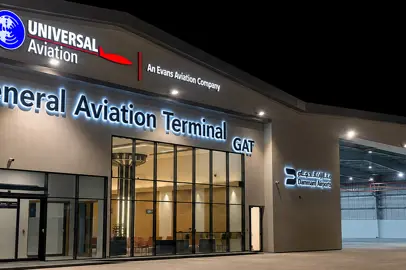
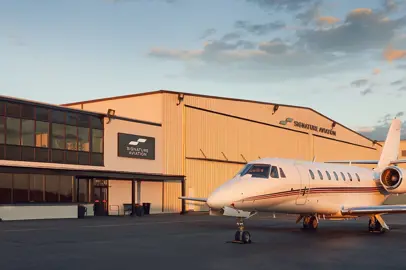
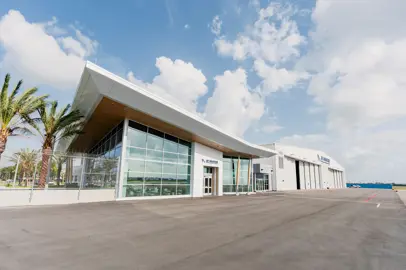
UrbanV will provide its expertise in the development and operation of vertiports, while Signature Aviation will contribute through its global network of terminals and facilities dedicated to private aviation. The strategy therefore not only includes new dedicated vertiports, but also the use and electrification of existing aviation infrastructure, including FBOs, as well as selected sites outside airports. The three companies intend to progressively identify access points in areas with the greatest demand for mobility, and then develop site-specific agreements.
Regional flights between 80 and 400 km
One of the main objectives of the collaboration is to address the so-called regional mobility gap, i.e. the lack of efficient connections on intermediate distances. Routes between about 80 and 400 kilometers are often too short to make a traditional commercial flight convenient, but long enough to turn the car journey into a challenging journey, especially in the presence of traffic or inefficient road infrastructure. In many cases, air travel now also requires a detour through a large hub, significantly lengthening the overall travel time.
Over 35 million regional trips per day in the U.S.
According to the Direct Aviation Market Outlook published by Electra, more than 35 million regional passenger trips take place in the United States every day. The report also identifies more than 6,000 routes on which at least 1,000 Travellers register per day, a demand that the company says is not currently being significantly captured by commercial aviation. It is precisely on these flows that the Direct Aviation model aims to build new services.
From connections between cities to airport transfers
The envisaged applications are not limited to connections between urban centres. The network could also be used to reach leisure destinations, connect airports with surrounding cities and localities, serve smaller communities and develop dedicated freight operations. The goal is to reduce land transfers and unnecessary connections, shortening the total travel time and opening new economic and social connections between territories that are currently poorly connected.
The partnership therefore aims not only at the development of individual routes, but at the progressive creation of a distributed network of small access points, integrated with communities, destinations and the main transport corridors.
By the editorial staff, Avion Luxury Magazine
Text source: Copyright © Signature Aviation Press Office
Photos and visuals: Copyright © Credit Electra