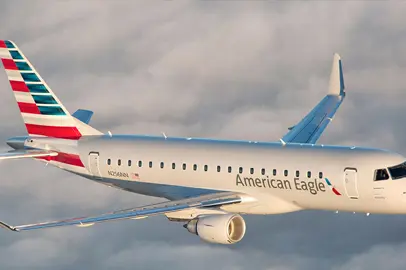
easyJet and Rolls-Royce complete key hydrogen test
easyJet and Rolls-Royce have announced the successful completion of a major phase of testing the use of hydrogen as an aviation fuel, marking a new advance in the search for technologies that can reduce emissions in the sector.
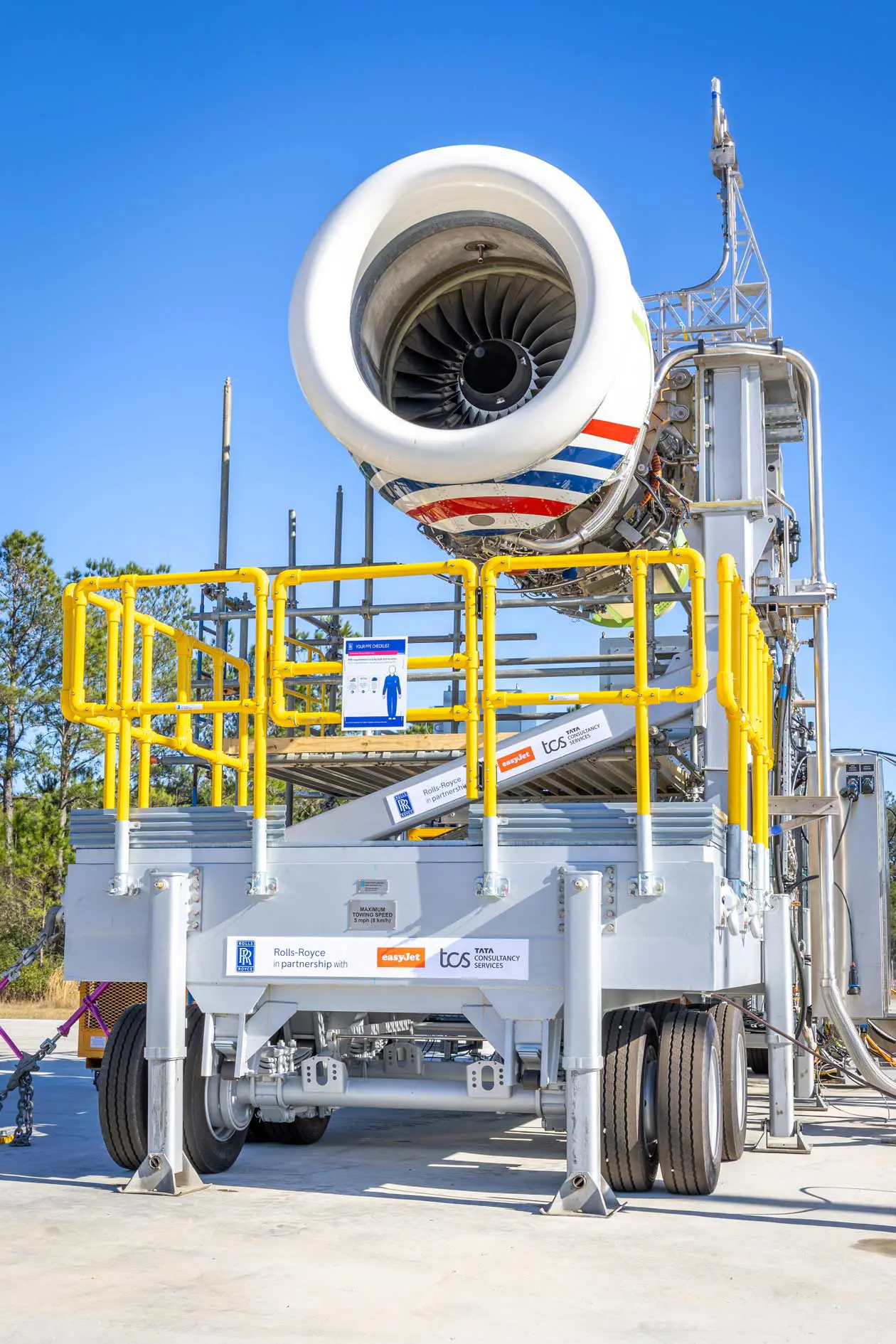
During the trials, a modified Pearl 15 aircraft engine reached maximum take-off power operating on 100% hydrogen at NASA's Stennis Space Center in Bay St. Louis, Mississippi. According to the two companies, this is a result that opens a new frontier in experimentation applied to aviation engines.
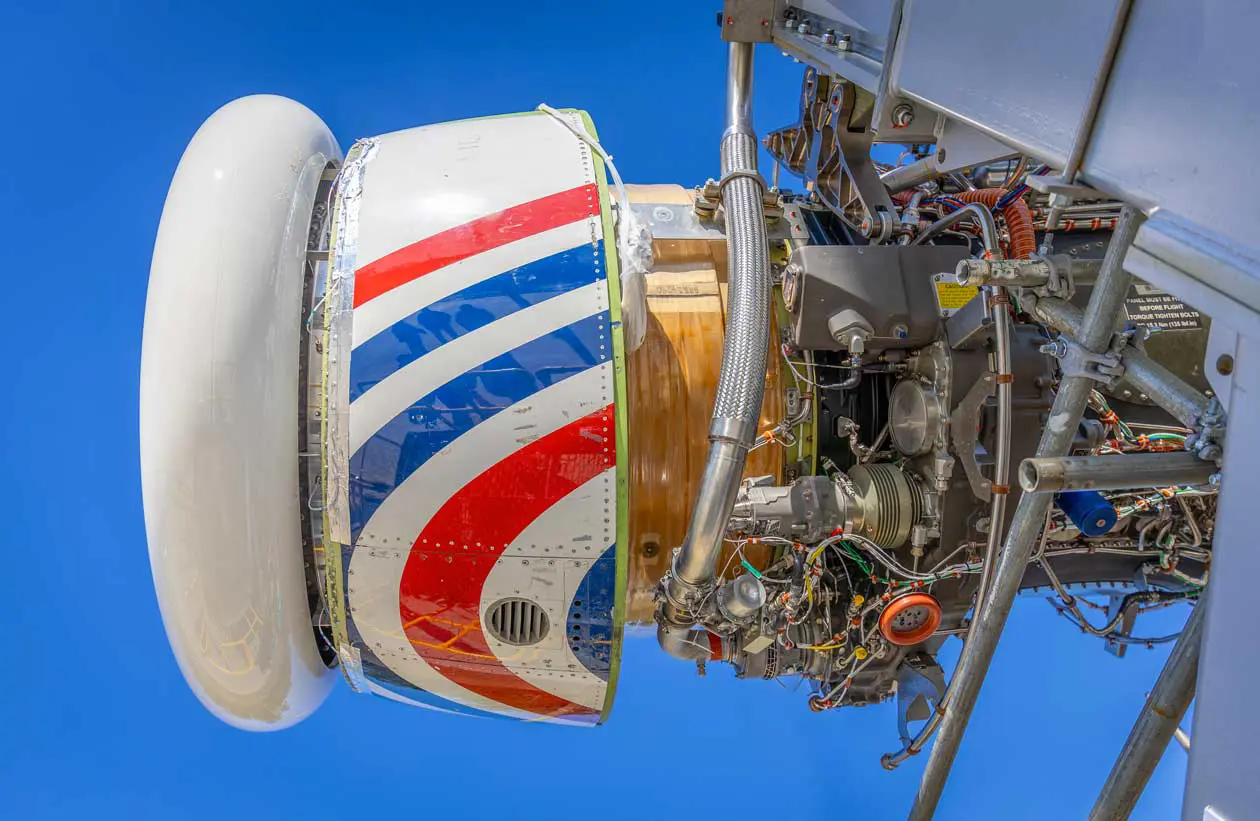
The test is the result of a four-year collaboration programme between Rolls-Royce, easyJet and global partners, with the aim of investigating the potential of hydrogen as a possible fuel for aviation and developing engineering skills useful for future applications in propulsion. easyJet has directly supported the development of hydrogen-powered gas turbine technology as part of its long-term decarbonisation strategies. Also contributing to progress was the expansion of the collaboration between Rolls-Royce and Tata Consultancy Services, which provided key engineering expertise.
During this phase of the program, engineers demonstrated that a modern jet engine, scalable for use in narrowbody aircraft, can safely run on hydrogen gas over a fully simulated flight cycle, including ignition, takeoff, cruise and landing.
The development path followed by Rolls-Royce has been gradual and based on the progressive validation of the technology. Following the first engine tests conducted at Boscombe Down, UK, in 2022, the programme has been expanded through component and system testing in the UK and Europe. Work also included the construction of a full-scale hydrogen test facility at HSE, before arriving at full integration of the technology into a hydrogen-powered demonstration engine.
Activities also focused on adapting the engine to replace traditional fuel with hydrogen, assessing not only the impact in terms of carbon emissions, but also non-CO₂ emissions, through an extensive programme of analysis of combustion processes.
According to project partners, the programme provided valuable data on hydrogen combustion behaviour, fuel systems and engine integration. The results obtained indicate that future hydrogen aircraft could make a significant contribution to reducing CO₂ emissions in European and UK aviation, alongside the use of SAF, sustainable aviation fuels, as part of the sector's future growth.
For passengers, these developments do not have an immediate effect on flight operations, but they do represent a concrete advance in the search for technologies that could, in the long term, make air transport more sustainable without sacrificing the performance required by commercial aviation.
Rolls-Royce also stressed that the knowledge gained during this programme will also be applied to future projects, including UltraFan®, confirming its belief that the gas turbine will continue to play a central role in the evolution of sustainable aviation.