
The Pu'Er tea experience in Hong Kong
There is a tea in China that more than others tells the story of time. It is Pu'Er, often referred to as "the tea of the origins", a name that recalls not only its antiquity, but the deep connection with the history, culture and landscape of Yunnan, in southwestern China. It is here, among mountains shrouded in fog and forests with high biodiversity, that the Camellia sinensis assamica variety has been growing for centuries - in some cases for millennia - on imposing trees that make time a real production ingredient.
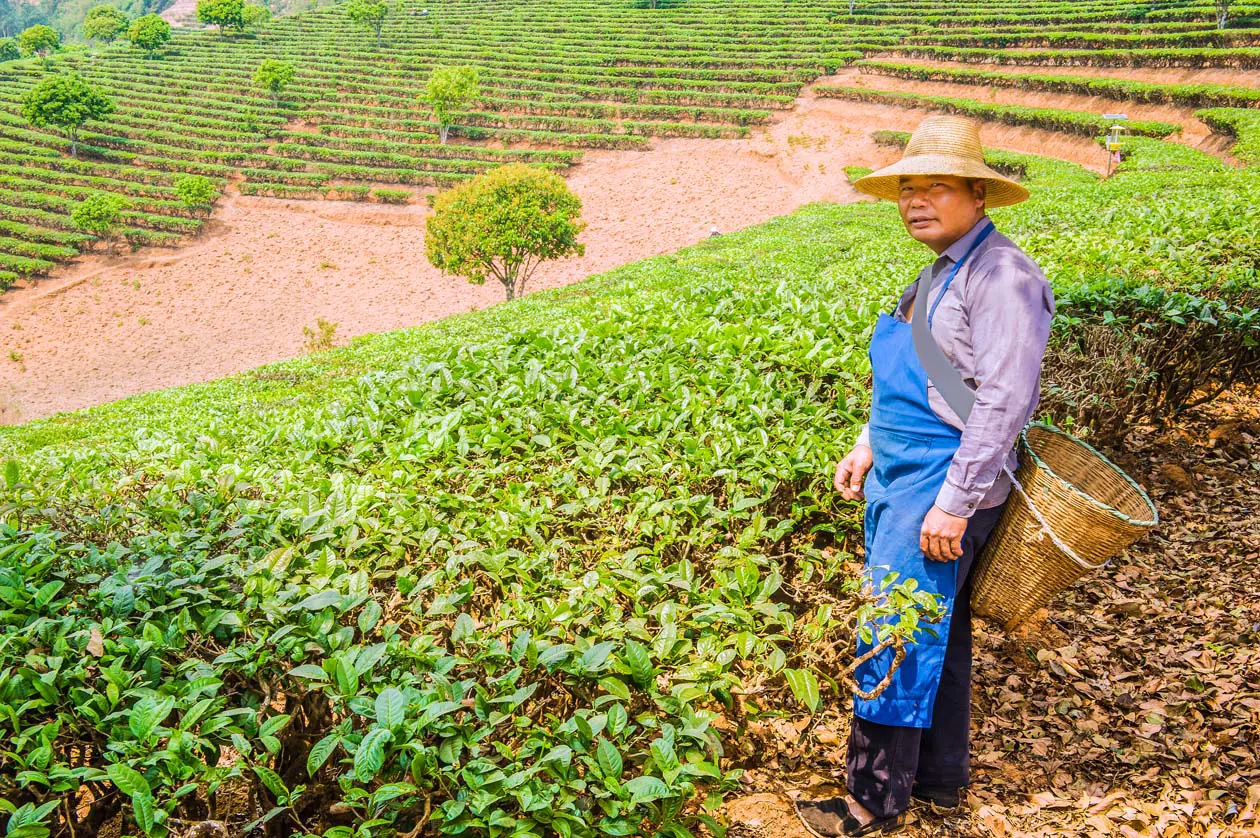
Pu'Er tea from the Chinese tradition
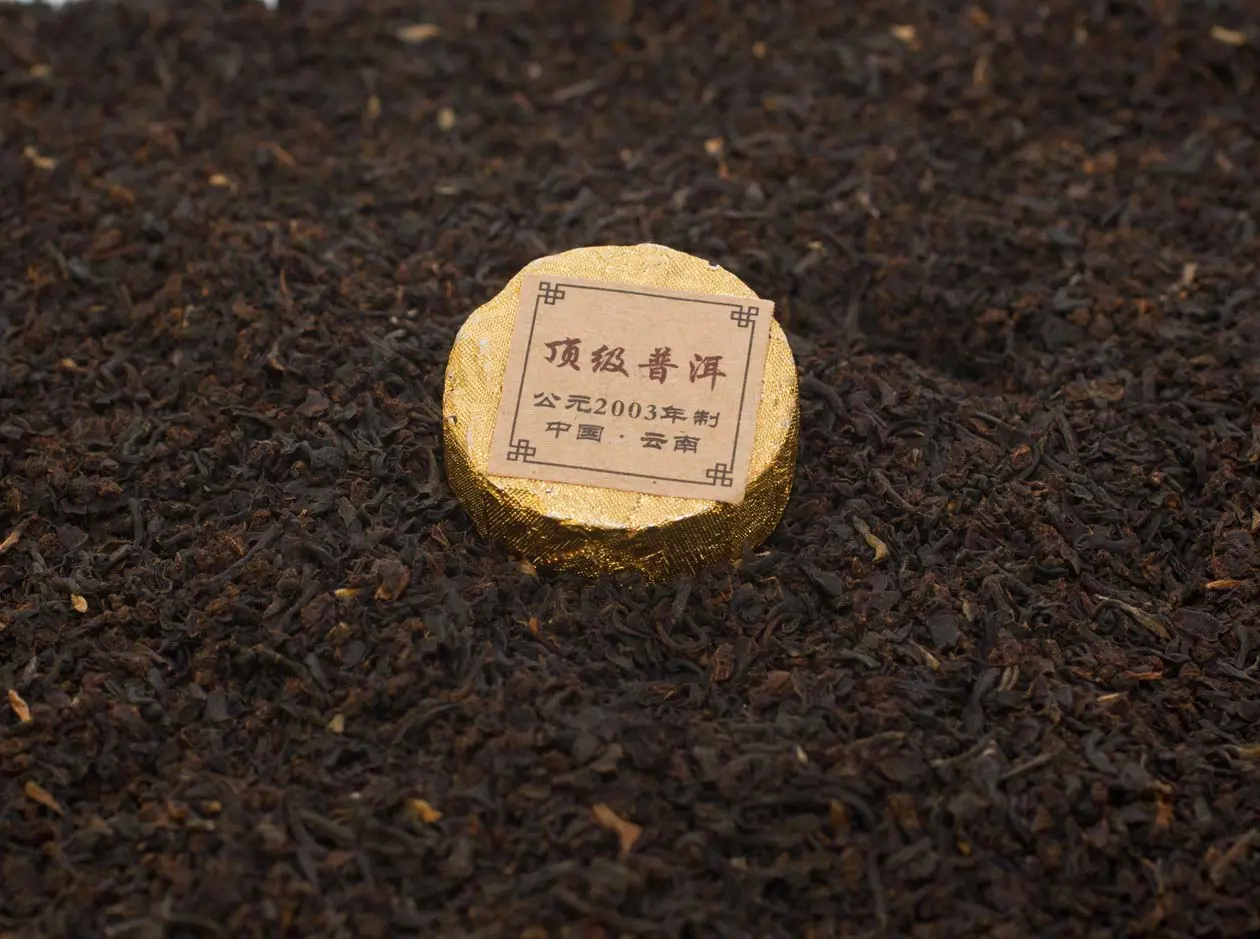
Pu'Er differs from any other type of tea for its particular process of post-oxidation and microbial fermentation, which continues even after processing. It is a living tea, capable of evolving over the years, of maturing and transforming. Its leaves, influenced by terroir, altitude and the experience of tea masters, develop an ever-changing aromatic profile over time. Pu'Er is not only drunk: it is preserved, aged, handed down.
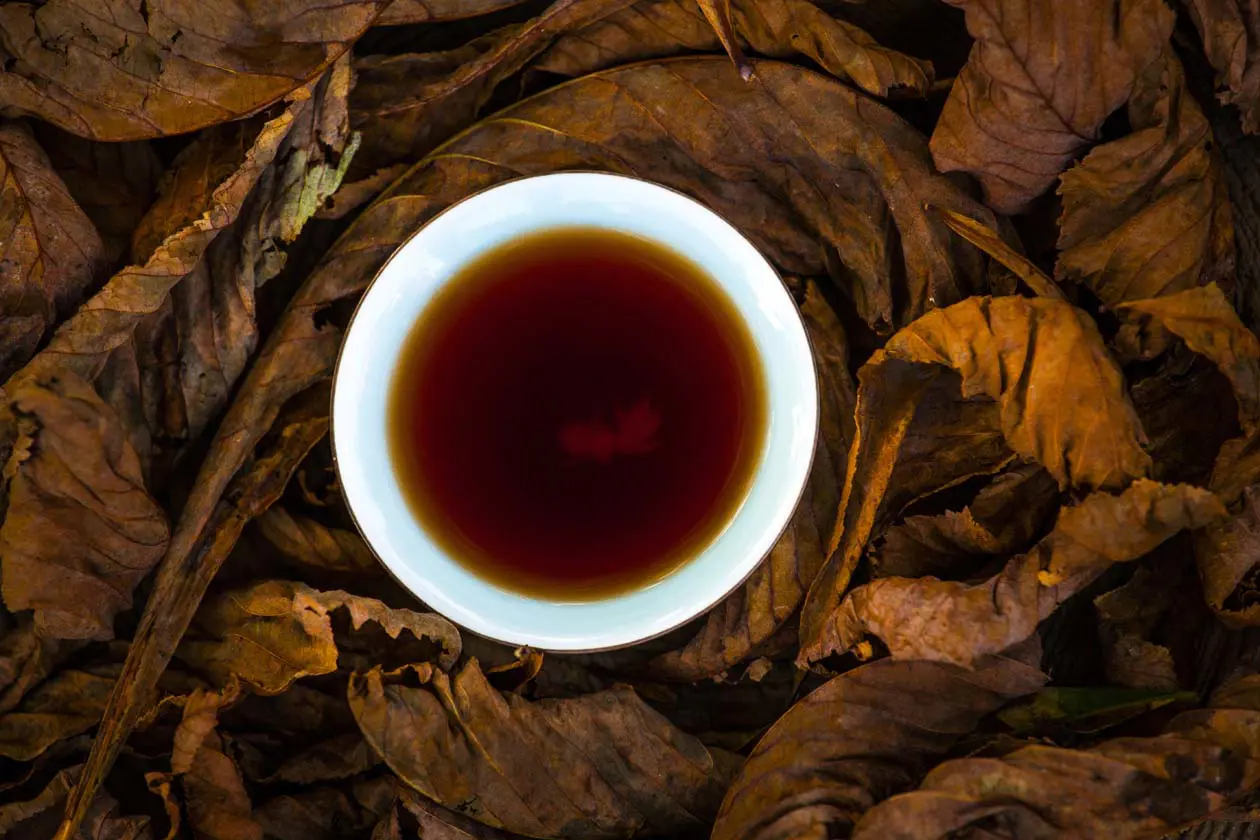
Traditionally, it is divided into two broad categories. Pu'Er Sheng - called "raw" - represents the most authentic expression of the passing of time. When young it can be reminiscent of a green tea for freshness and liveliness, with vegetal, floral or fruity hints; With the passing of the decades it transforms, acquiring depth, roundness and an almost contemplative complexity. Pu'Er Shu - or "mature" - was born from a technique developed in the seventies to accelerate natural fermentation. Through the Wo Dui process, the leaves take on darker shades and a full and enveloping taste, with references to undergrowth, dried fruit and wood.
In China, the value of Pu'Er goes beyond the purely sensory dimension. For centuries, tea was first considered a medicinal substance in China and only later a daily drink. In the classic pharmacopoeia texts, there are references to its purifying, digestive and rebalancing properties. Even today, in the Eastern view, Pu'Er is associated with physical well-being and mental clarity, concepts that in the East are not perceived as separate.
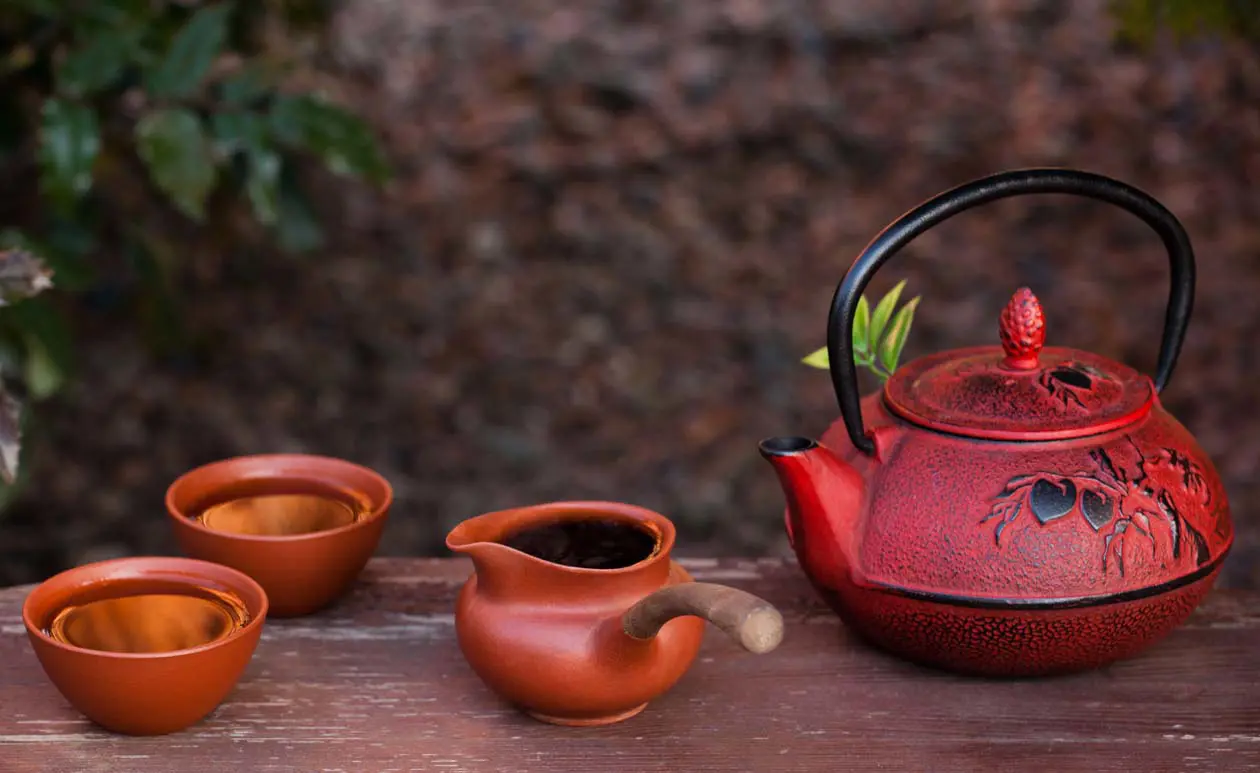
The traditional Chinese art of making tea
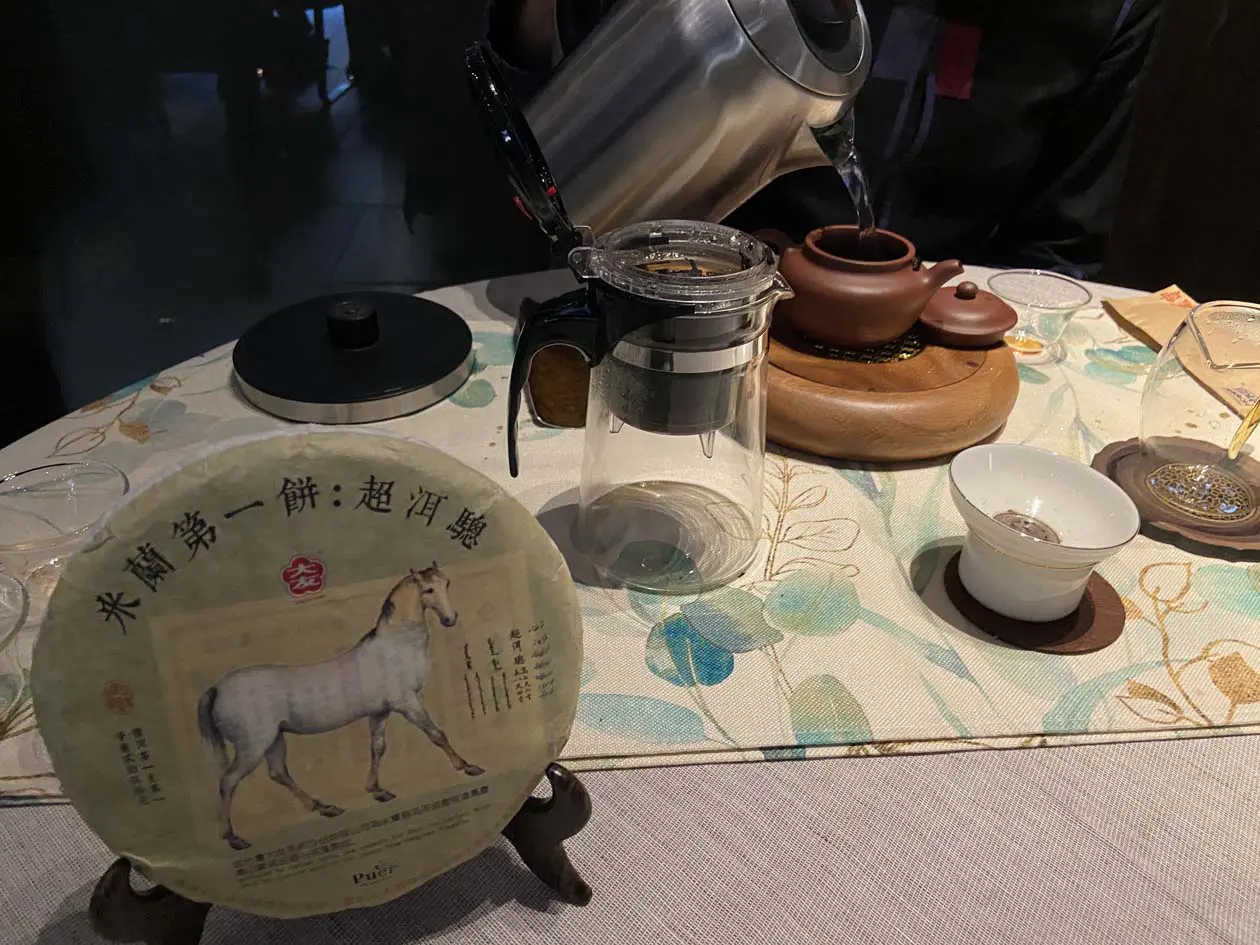
Gong Fu Cha, the traditional Chinese art of preparing tea, fits into this context. More than a technique, it is a discipline that values precision, attention and mental presence. Small teapots or gaiwans are used, a high amount of leaves compared to water and short and repeated infusions. This method lends itself particularly well to Pu'Er, which reveals different nuances at each step: the first infusion awakens the leaves, the subsequent ones explore their structure and aromatic depth. The slow rhythm of the movements, the sound of the water meeting the leaves, the concentration required by the preparation transform the act of drinking tea into a moment of listening and awareness. It is not just a drink, but an experience that intertwines technique, time and perception.
Pu'Er tea, a tradition of Hong Kong
However, it is in the urban context of Hong Kong that the Pu'Er reveals one of its most fascinating dimensions. The metropolis, one of the world's capitals of Cantonese tea culture, preserves a deep-rooted tradition: yum cha, which literally means "drinking tea". It is not a simple meal, but a social ritual. Families, friends and colleagues gather in traditional Hong Kong restaurants to converse around steaming teapots, while trolleys loaded with dim sum pass through the halls. In this scenario, tea is much more than a beverage. It is a gesture of hospitality, relational glue, rhythm of conversation.
Varieties such as Pu'Er, Tie Guan Yin or jasmine tea are also selected according to the food pairing. Pu'Er, in particular, is appreciated for its ability to accompany rich and tasty dishes, helping to promote digestion and rebalance the palate.
Where to have tea in Hong Kong
Despite the rise of Western coffee shops and contemporary beverages, Hong Kong continues to hold a vibrant historic teahouse scene. Some places have become real reference points for those who want to live an authentic experience.

The Lin Heung Tea House is considered an almost legendary institution. Lively environment, shared tables, traditional trolley service: here the yum cha maintains its popular and direct character, offering a glimpse of the Hong Kong of yesteryear.
Of more elegant atmosphere is the Luk Yu Tea House, famous for its colonial aesthetics and refined environment. Historically frequented by businessmen and intellectuals, it offers a more intimate experience, where tea takes on an almost ceremonial tone.
Maxim's Palace, with its spacious rooms and views of Victoria Harbour, represents a meeting of tradition and modernity, thanks to a wide assortment of dim sum and an environment suitable for international visitors.
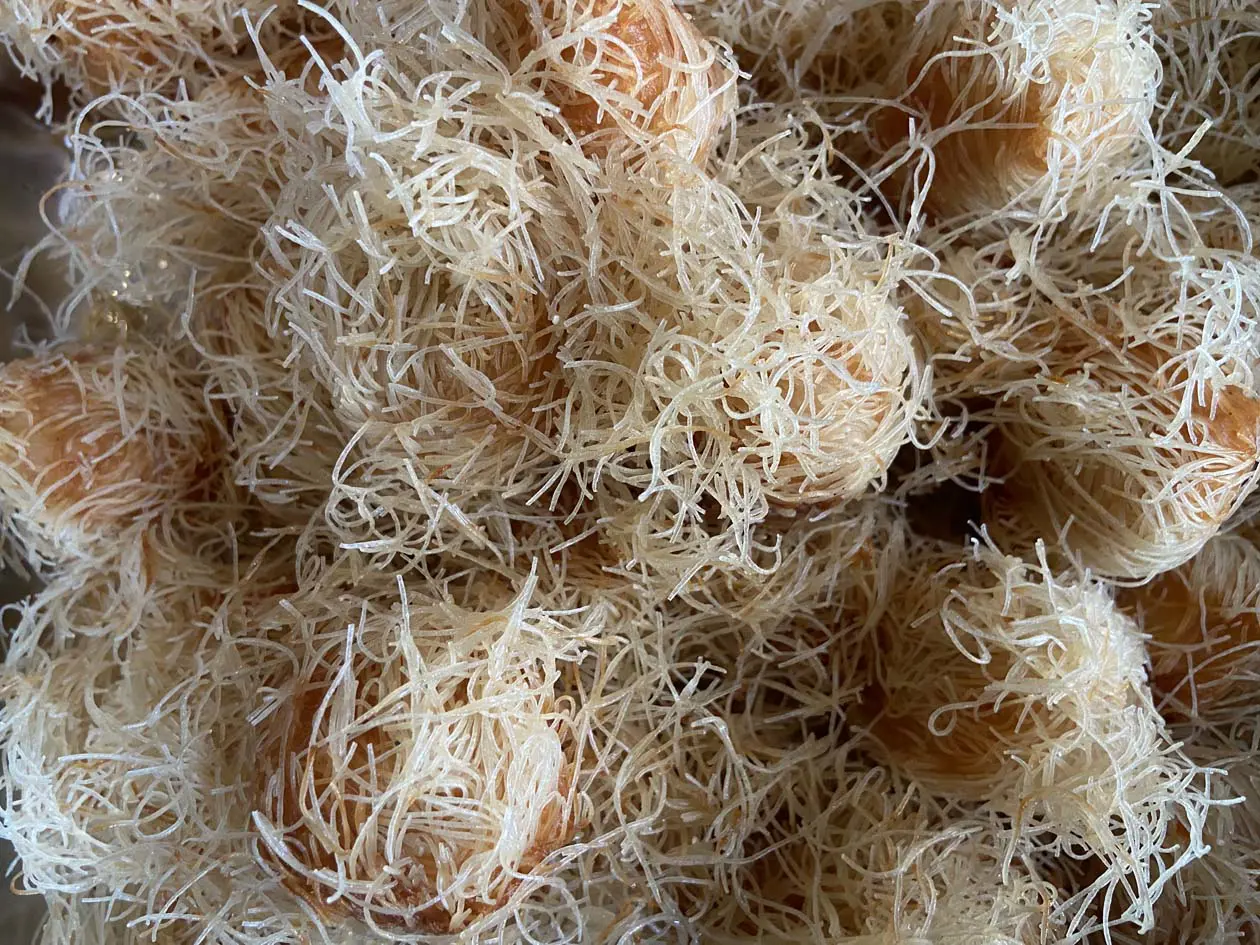
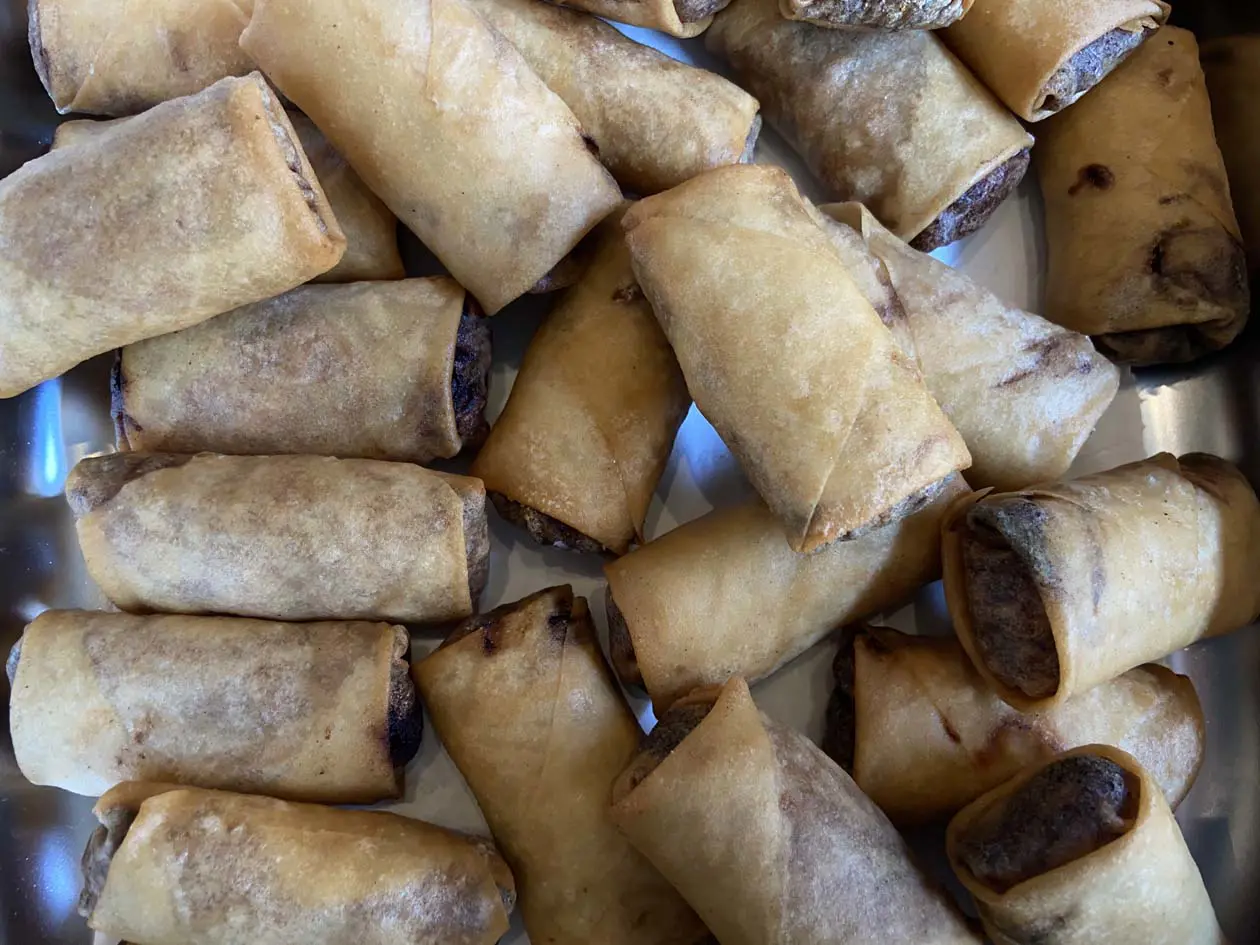
Finally, LockCha stands out for its approach focused on the quality of Chinese tea. The atmosphere is sober and quiet, far from the bustle of the most crowded tea houses. Here the infusion is explained, cared for and prepared with great technical attention, often according to the principles of Gong Fu Cha, the traditional Chinese art of preparing tea (from the choice of water to the temperature, from the infusion times - short and repeated - to the quality of the utensils up to the teapots or small gaiwan). Dim sum, mainly vegetarian, is also designed to accompany tea without overpowering it, in a calibrated balance between aromas and textures.
In all these places, the yum cha is not limited to the consumption of food and drink but becomes an art of socialization made up of small codified gestures. Rinsing cups, tapping fingers on the table to thank the tea pourer, sharing dishes in the center of the table are discreet rituals that tell centuries of culture, history and tradition. Tasting a Pu'Er in Hong Kong therefore means entering a living, daily and at the same time millenary tradition. It is a simple gesture that is charged with cultural, sensory and human meanings. And this is perhaps its most authentic essence: a tea that invites you to slow down, observe and experience time carefully.
Partnership with GetYourGuide
Recommended tour in Hong Kong
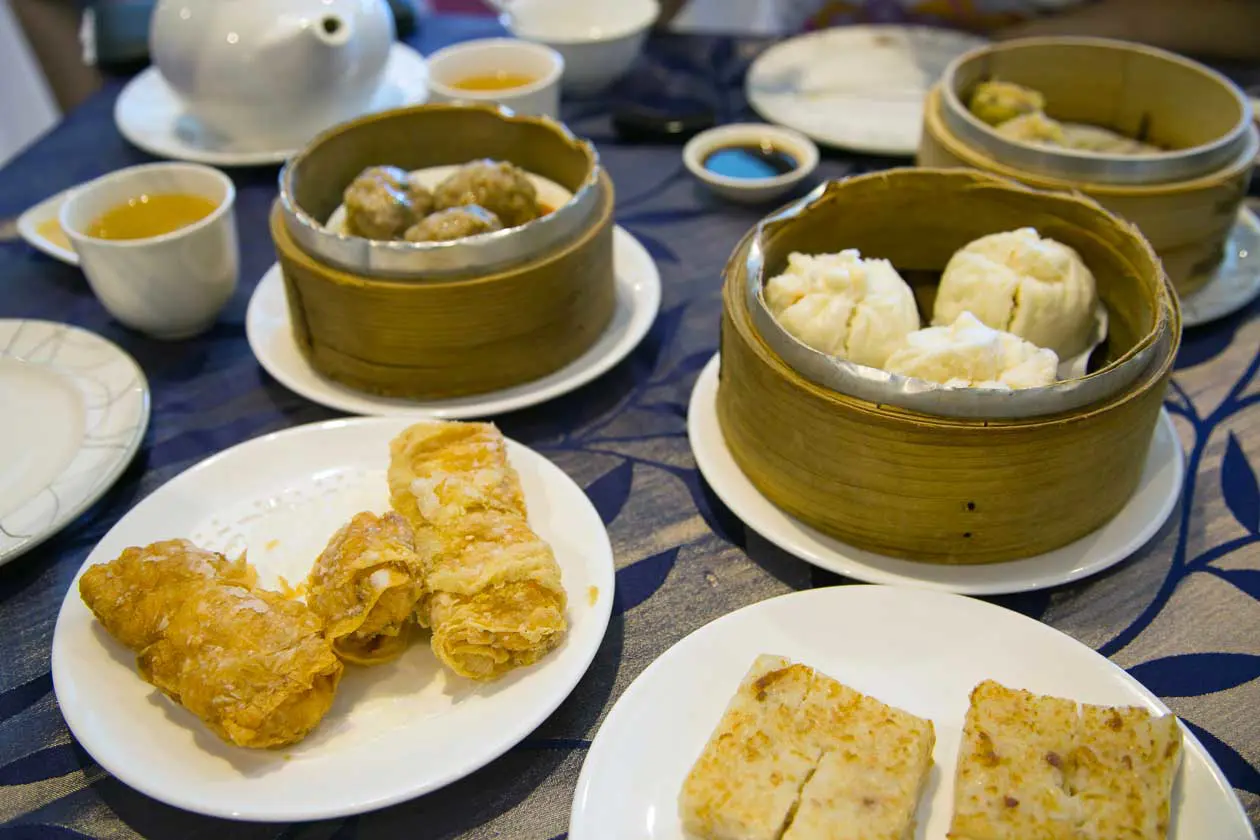
A food tour with dim sum, the typical cuisine of southern China that includes several dishes to be served together with Chinese tea, is ideal for immersing yourself in a typical gastronomic experience of Hong Kong and its territory. You can book a food tour with dim sum or choose from other food tours in the city, experiencing a culinary journey through one of Asia's most vibrant food capitals.