Beyond Istanbul: Turkey's lesser-known cities
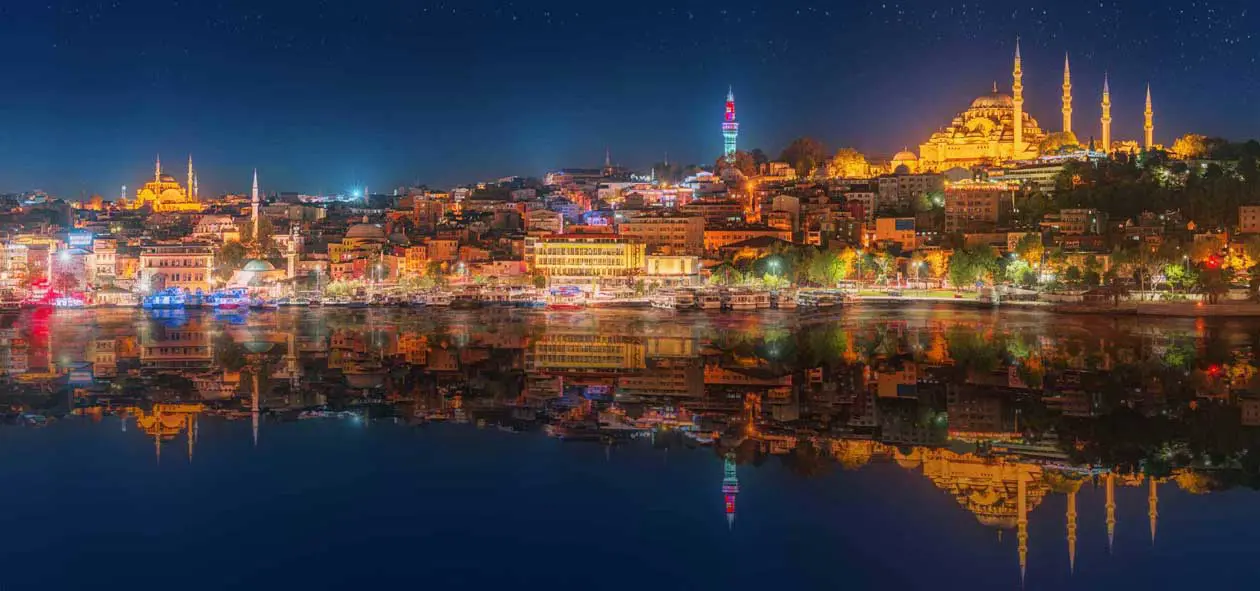
Beyond Istanbul, Turkey surprises with historic cities, archaeological sites and less traveled destinations tell the story of a country rich in identity, easily accessible thanks to the network of domestic flights. When it comes to Istanbul, the collective imagination immediately runs to the great mosques, the crowded bazaars and the Bosphorus, the undisputed symbols of the country.
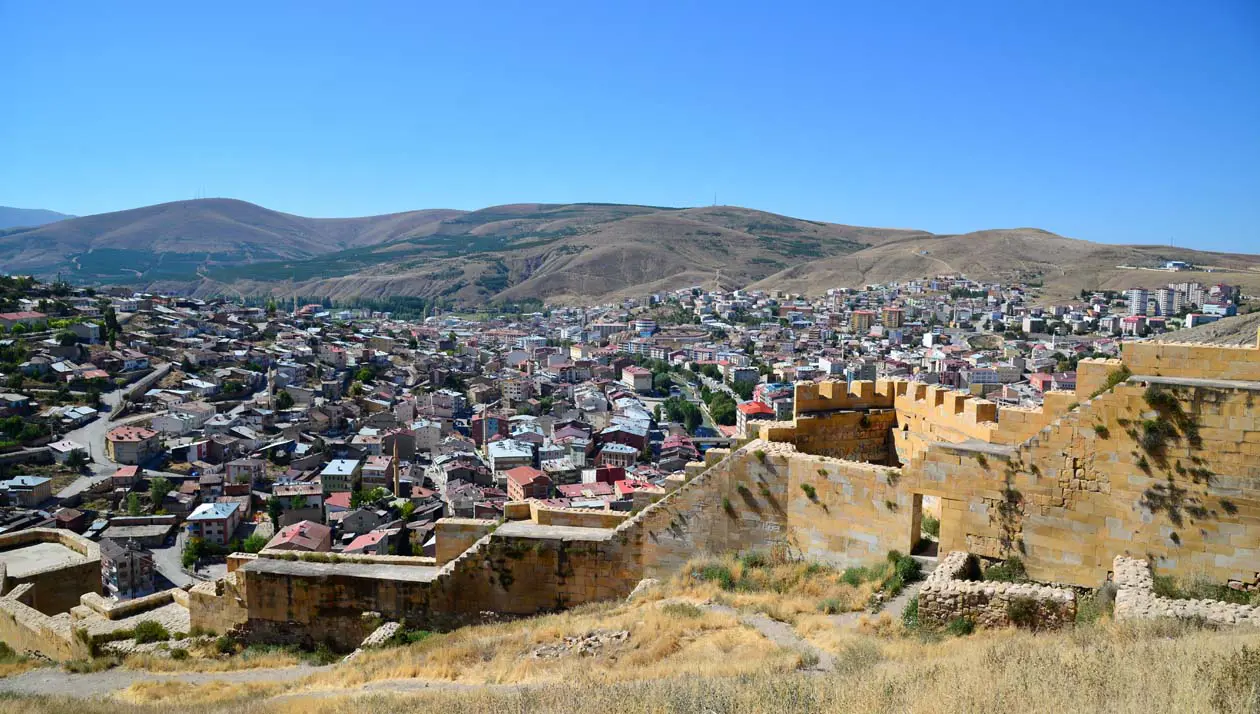
However, limiting Turkey to this metropolis alone means giving up an essential part of its cultural and territorial richness made up of preserved historic centers, millenary stratifications and architecture that testify to the passage of different civilizations, from ancient Anatolia to the Ottoman Empire. A widespread heritage that today is more accessible thanks to widespread air connections and an efficient internal transport system, ideal for travellers interested in cultural itineraries and alternative destinations.
Aydıntepe, the underground city of eastern Anatolia
In the Black Sea region of Bayburt province, beneath the surface of the quiet town of Aydıntepe, lies a complex underground city carved out of volcanic rock. Tunnels stretching for hundreds of meters, connecting chambers and passages tell a story of defense and survival, when these structures were used as shelters during invasions and periods of instability.
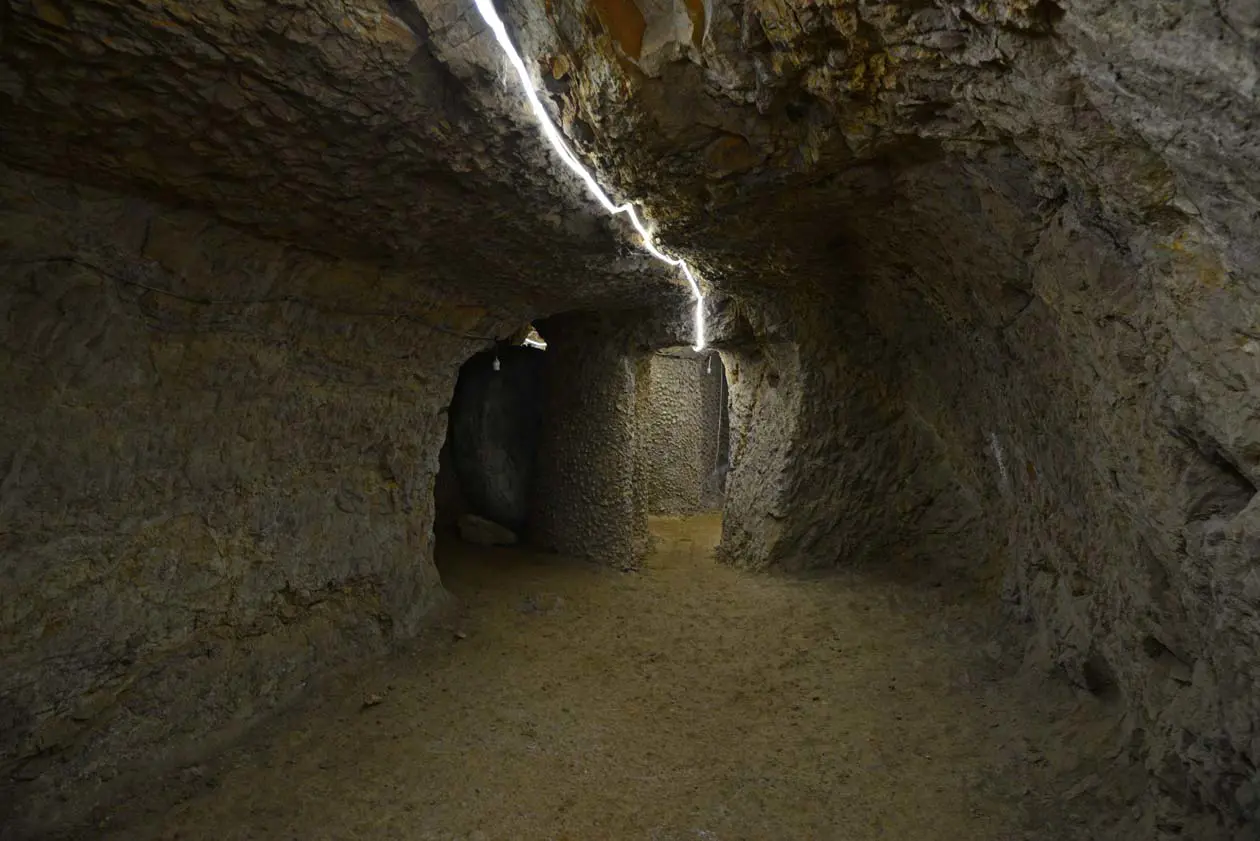
Today a part of this underground network with ancient passages can be visited and allows you to understand the engineering solutions adopted by the Anatolian populations, from ventilation systems to common spaces, offering a different perspective on the history of the territory.
Mardin, crossroads of cultures on Mesopotamia
Overlooking the Mesopotamian plains, Mardin is one of the most emblematic cities in southeastern Anatolia. Perched on a hill from which you can enjoy a splendid view and built almost entirely of honey-colored stone, the city tells of centuries of coexistence between different communities (Turks, Kurds, Arabs and Assyrians), visible in the historic religious and civil architecture.
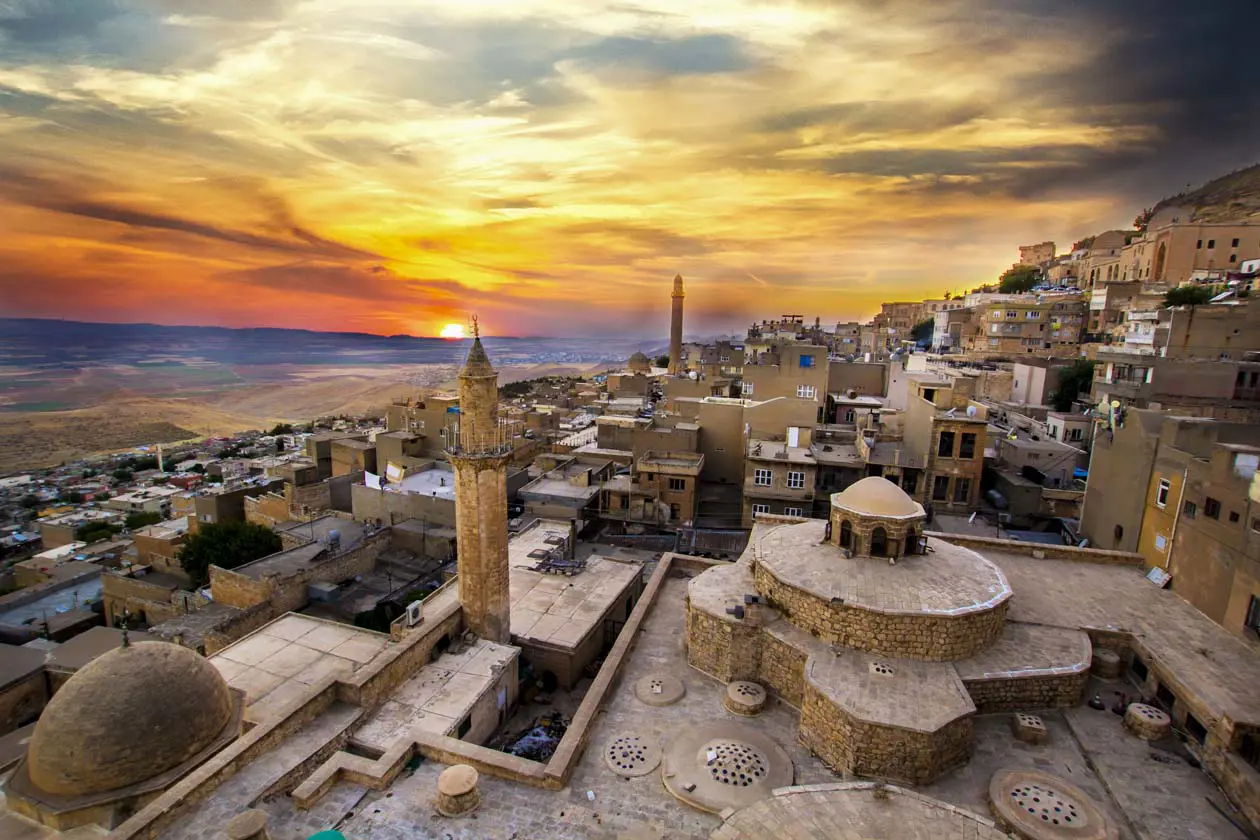
Madrassas, medieval mosques and ancient Christian monasteries, such as the Deyrulzafaran Monastery (one of the oldest Christian monasteries in the region), bear witness to a unique spiritual and cultural heritage. The alleys of the old city, carved into the hillside, offer open views of the plateau and an atmosphere that unites the Middle East and Anatolia. Nearby, places such as Midyat continue this story through traditional crafts such as silver filigree (telkari) and elegant stone mansions, a legacy of an ancient past.
Safranbolu, Ottoman Anatolia World Heritage Site
In the heart of the Black Sea region, Safranbolu is located in the province of Karabük and represents one of the best preserved examples of an Ottoman city. Included in the UNESCO World Heritage List, it is famous for its historic wooden houses with whitewashed facades and red roofs, dating back to the seventeenth and eighteenth centuries, built when the city was a strategic stop on the Anatolian trade routes.
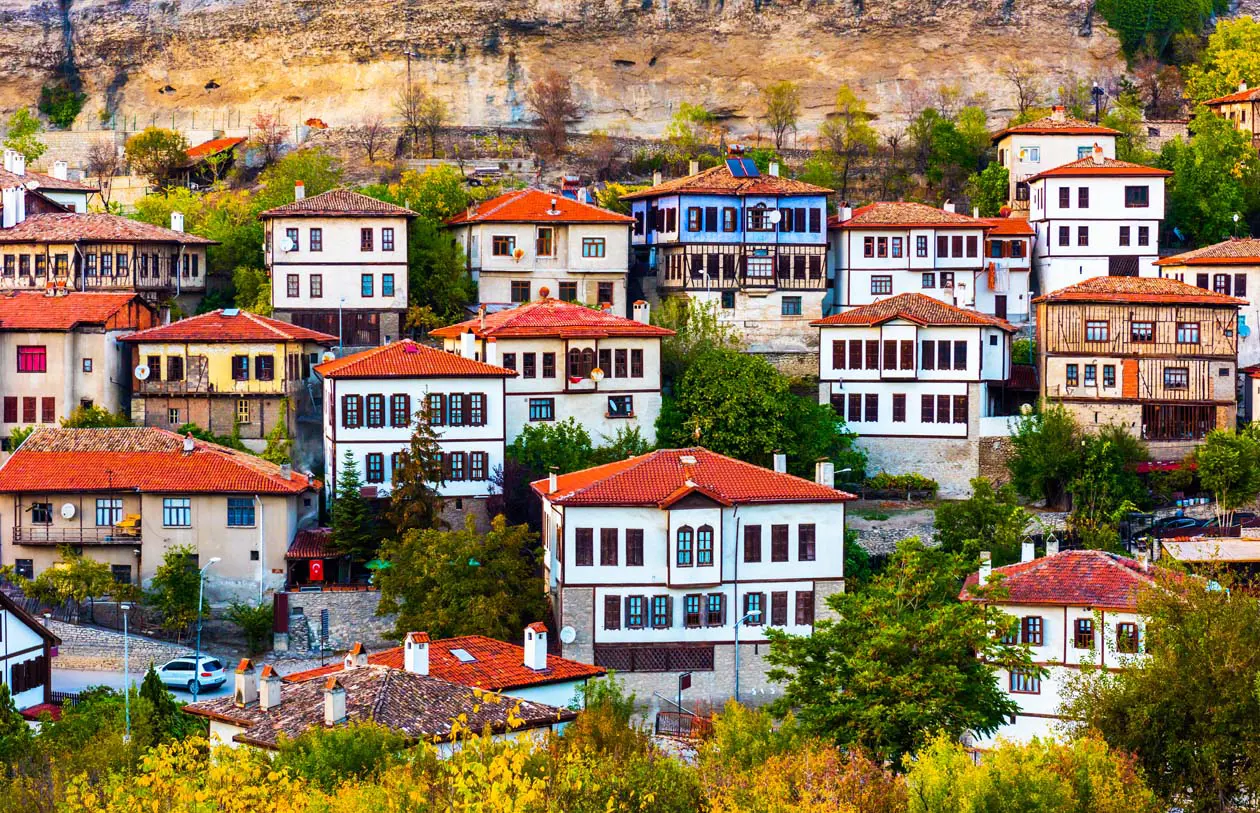
The narrow streets, artisan shops and traditional houses transformed into museums and cafes where you can taste Turkish coffee, allow you to immerse yourself in an authentic context, far from mass tourism. In the autumn and winter months, the soft light and frequent morning mists accentuate the city's timeless charm, making it an ideal destination for those seeking cultural and photographic experiences.
Zeugma, the mosaics along the Euphrates
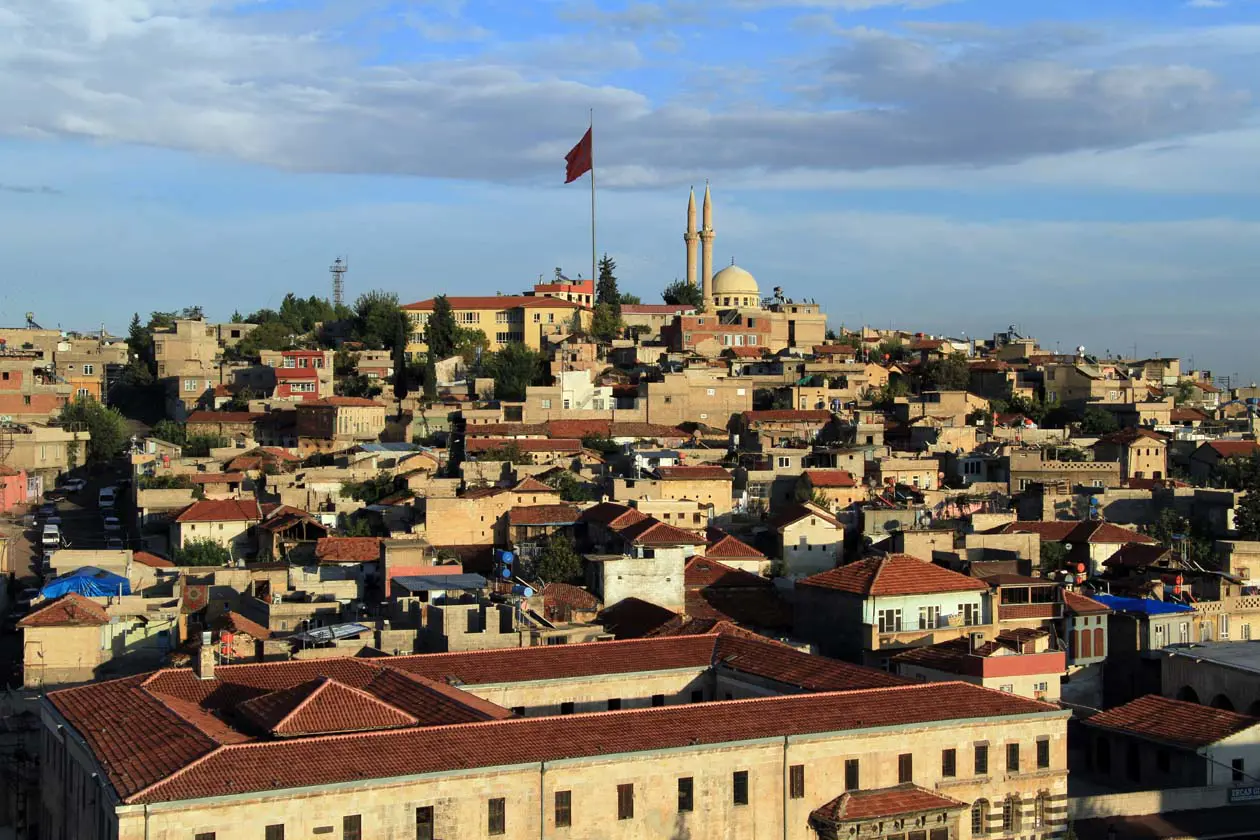
Near Gaziantep, on the banks of the Euphrates River, are the remains of Zeugma, an ancient Greco-Roman city and one of the most significant archaeological sites in southeastern Turkey. Founded in Hellenistic times and flourished under the Romans, Zeugma was an important trade hub along the silk routes.
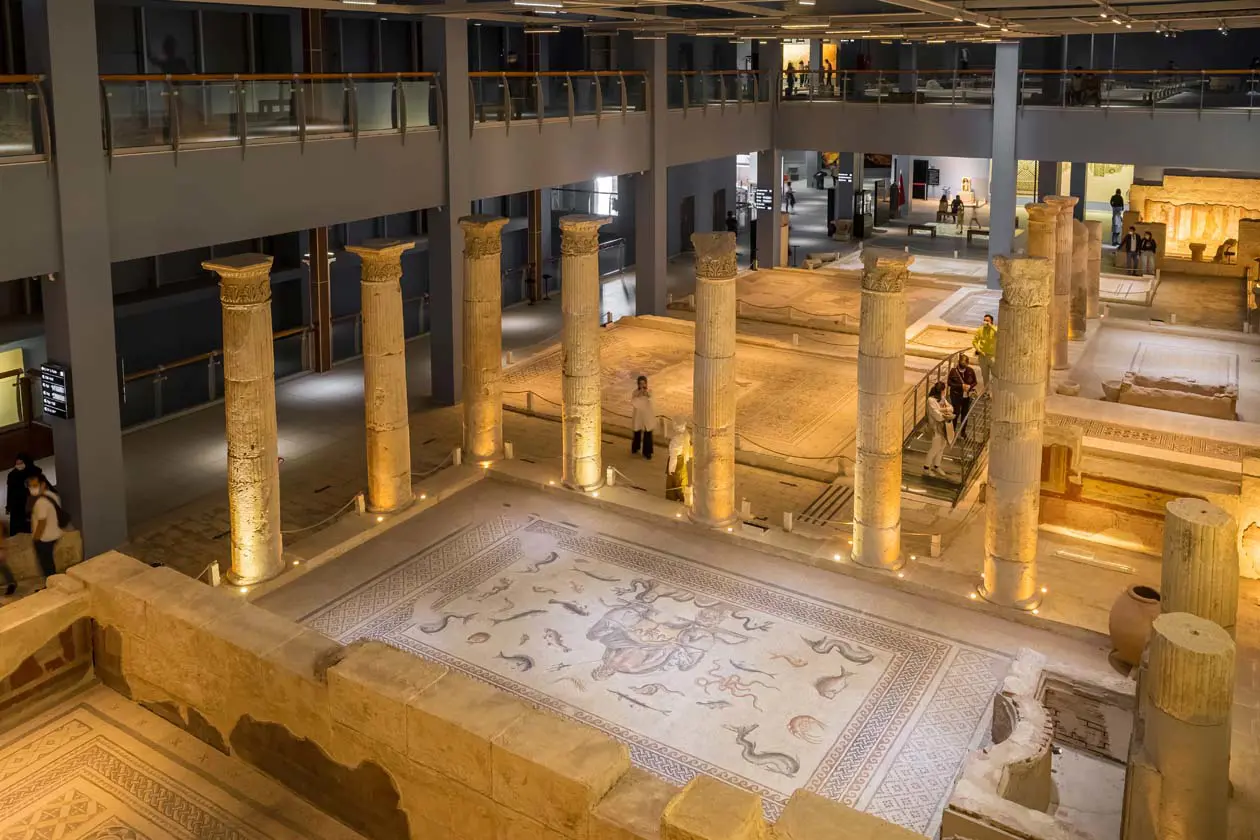
Part of the area is now submerged following the construction of a modern dam, but excavations have returned an extraordinary collection of mosaics, preserved in the Zeugma Mosaic Museum in Gaziantep, one of the largest of its kind in the world. The mythological scenes, human figures and fine mosaic decorations offer direct testimony to the artistic level and prosperity achieved by the city as a hub of the Silk Road in Roman times.
How to get to Aydıntepe, Mardin, Safranbolu and Zeugma
The discovery of these destinations is facilitated by the extensive network of domestic flights operated by Turkish Airlines that allows you to reach historic cities and lesser-known areas from Istanbul as the main hub. For European and Italian Travellers, this translates into the possibility of building thematic itineraries that unite large cities and emerging destinations, exploring an authentic and surprising Turkey, where history is not concentrated in one place but distributed throughout the territory.