"The Macchiaioli" at Palazzo Reale in Milan
In 2026, while Italy hosts the Milan-Cortina 2026 Olympic and Paralympic Winter Games, Milan combines the sporting event with a real Cultural Olympics. In this context, the Municipality of Milan is promoting a major retrospective dedicated to the Macchiaioli at Palazzo Reale, one of the most fascinating and innovative movements of nineteenth-century European painting, an artistic expression of the ideals of the Risorgimento and a decisive step in the construction of the identity of a united Italy.
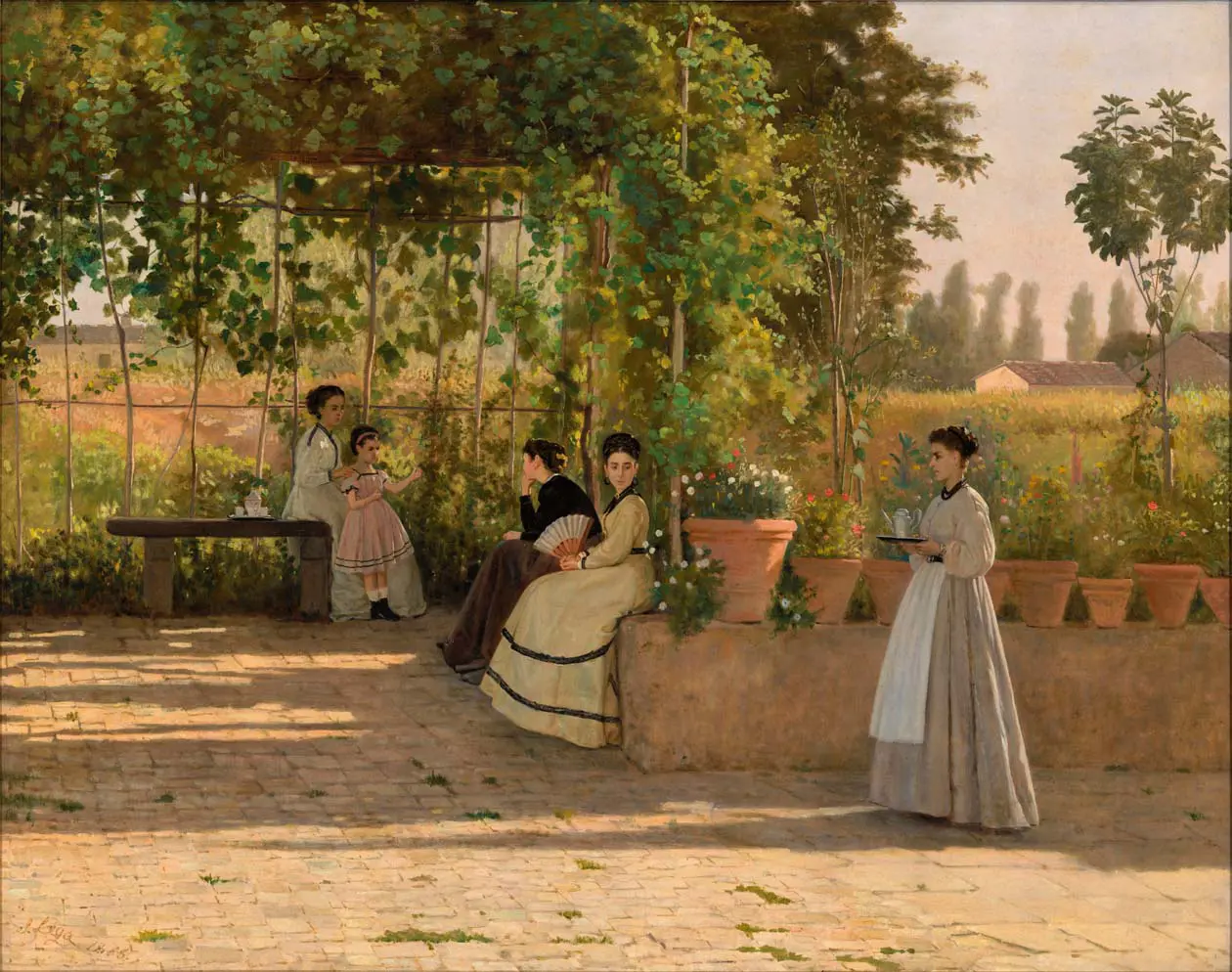
Scheduled from February 3 to June 14, 2026, the exhibition presents over 100 works, offering the opportunity to rediscover a fundamental page in the history of art, often underestimated compared to the French avant-garde but decisive for the start of pictorial modernity.
A revolution before the Impressionists
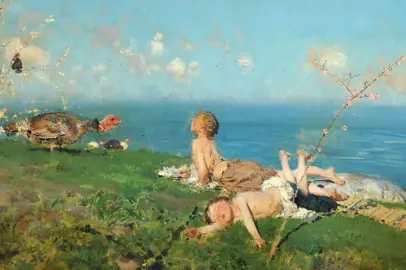
As pointed out by the Councilor for Culture Tommaso Sacchi, with the Macchiaioli the first radical break with academic rules in Europe was consummated in Italy. Well before the French Impressionists, these young painters had the courage to paint from life, in the open air, choosing everyday life and real light as new horizons of art. Their revolution was aesthetic, moral and civil, and contributed to the definition of the country's cultural identity.
A high-profile scientific project
The exhibition "The Macchiaioli" is produced by Palazzo Reale together with 24 ORE Cultura – Il Sole 24 ORE Group and Civita Exhibitions and Museums. The exhibition project, conceived and curated by Francesca Dini, Elisabetta Matteucci and Fernando Mazzocca, stems from the most up-to-date studies of the three leading Italian experts on movement and represents an important opportunity for critical reinterpretation and enhancement of this artistic experience.
The exhibition involves the main Italian museums that house the works of the Macchiaioli, including the Academy of Fine Arts and the Pinacoteca di Brera, the Uffizi Galleries and Palazzo Pitti, the Museum of the Risorgimento and the Gallery of Modern Art in Milan, the Civic Gallery of Modern and Contemporary Art in Turin, the "Giovanni Fattori" Civic Museum in Livorno, as well as private collections. The exhibition makes use of the partnership of the Matteucci Institute of Viareggio and is supported by Pirola Pennuto Zei & Associati as main sponsor and by BPER Banca Private Cesare Ponti as sponsor.
From critical rediscovery to the great Milanese exhibition
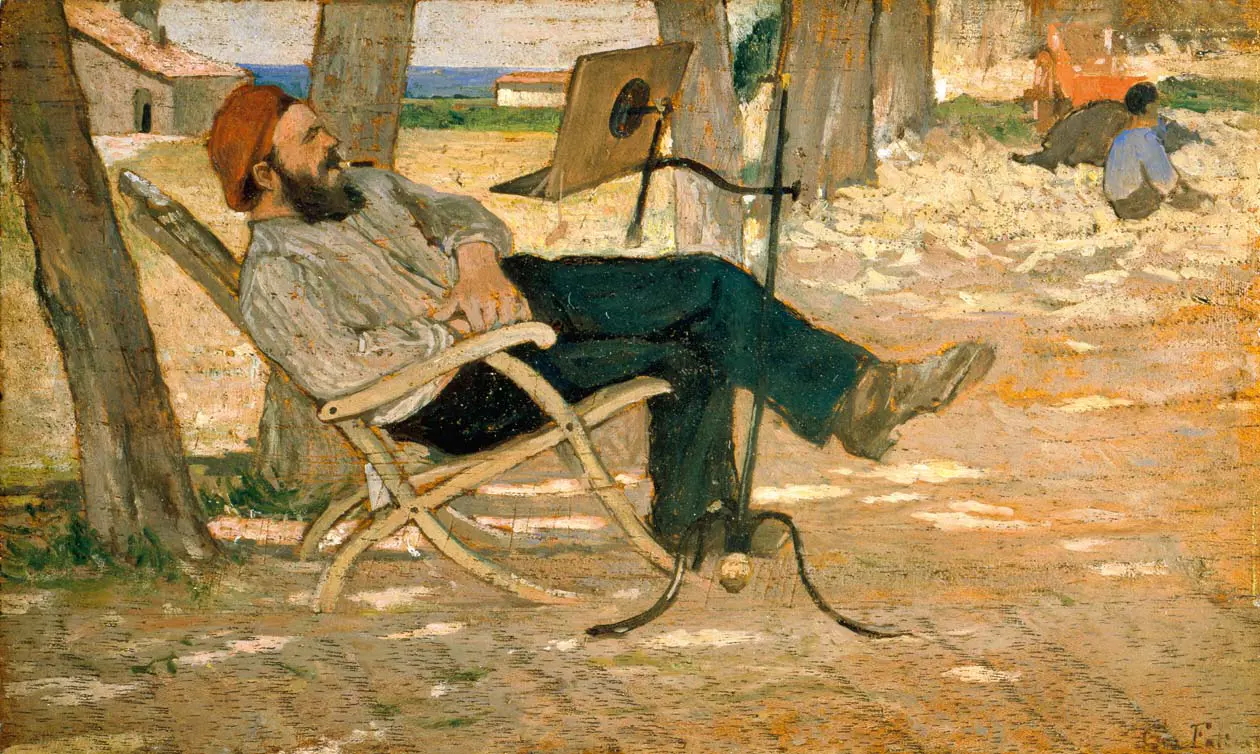
After a long phase of misunderstanding by contemporaries, the works of the Macchiaioli were re-evaluated from the period between the two wars, until they entered the great museums and the most prestigious collections. Numerous exhibitions have been dedicated to individual protagonists such as Giovanni Fattori, Silvestro Lega and Telemaco Signorini, as well as to the movement, over the last decades.
It therefore seems particularly significant that Milan, the city in which their critical and collecting rediscovery took place in the 1920s, had never hosted a major monographic exhibition on the Macchiaioli until now. The 2026 exhibition fills this gap, proposing a new reading of the Macchiaioli experience, inserted in the historical context of the years that led to the birth of the Italian nation.
An artistic, political and human experience
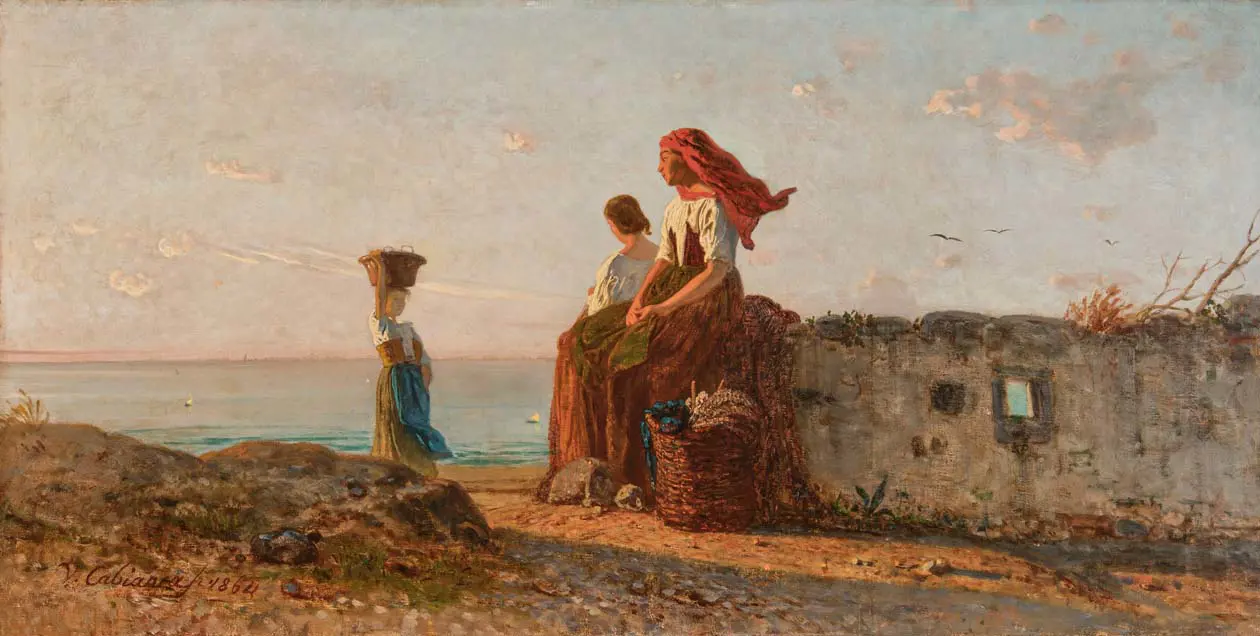
The exhibition reconstructs the brief but intense parable of the movement between 1848 and 1872, the year of the death of Giuseppe Mazzini, an exile and clandestine in his homeland. At that moment the Macchiaioli, convinced supporters of Mazzini's ideas, had exhausted their revolutionary charge; but their artistic and human story had already marked one of the most radical turning points in Italian art.
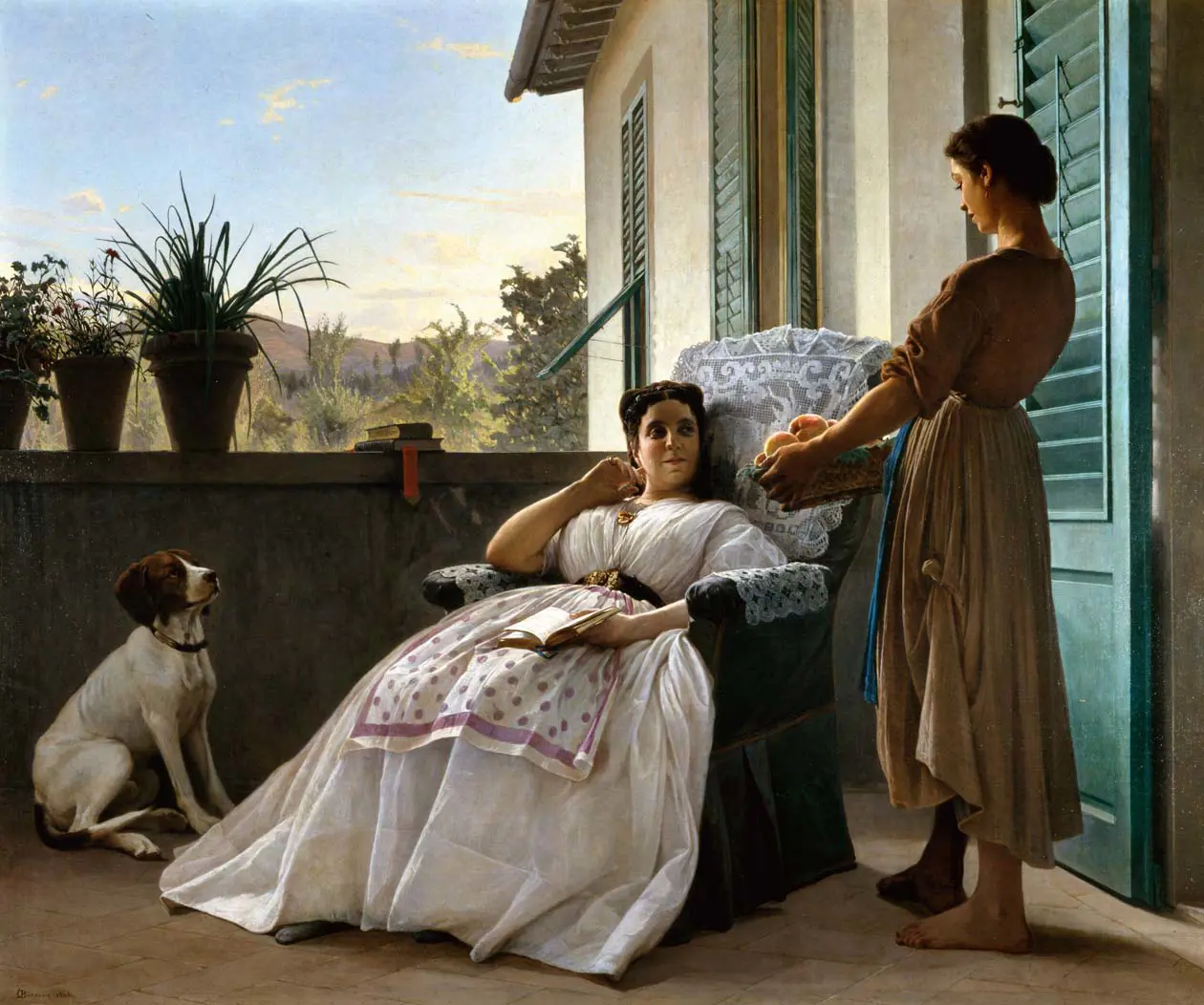
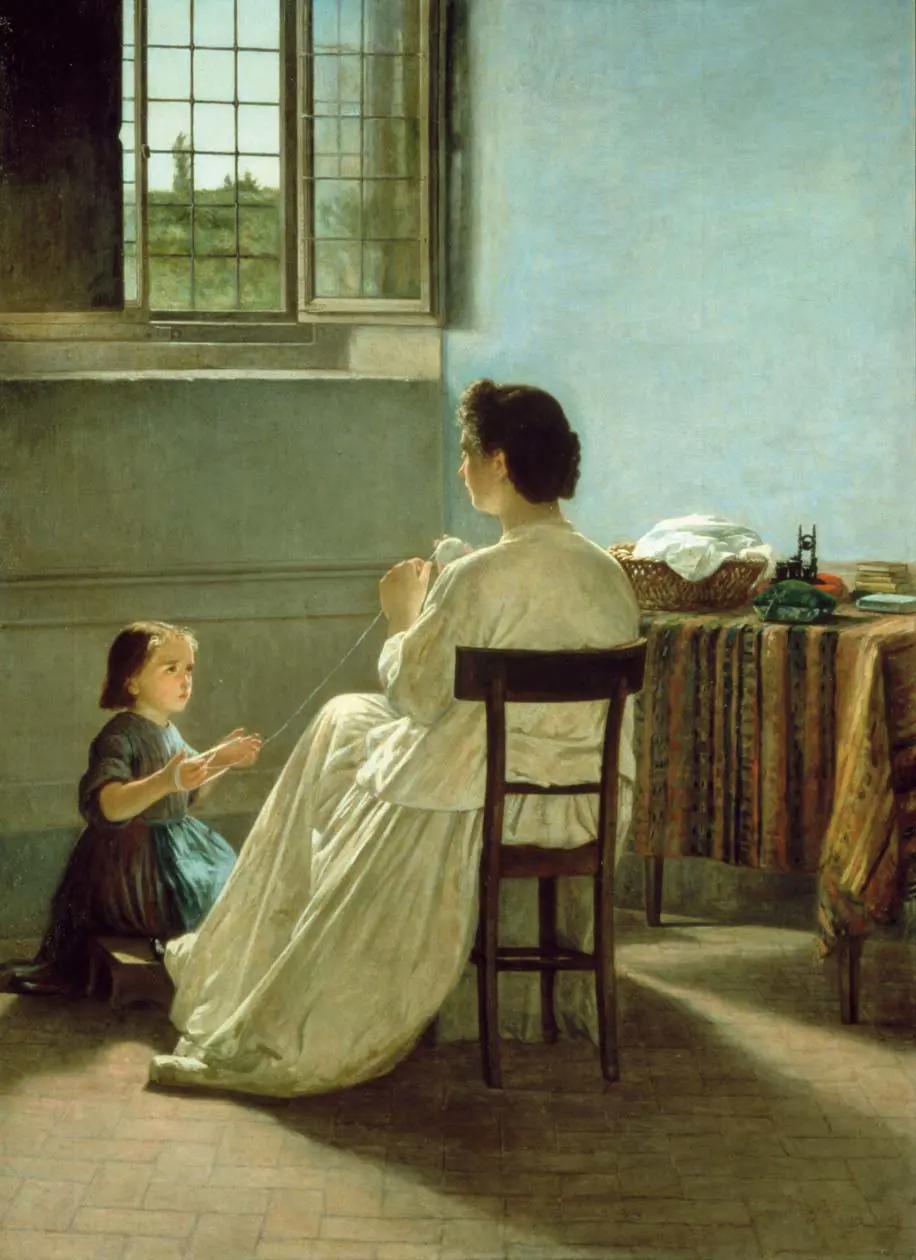
Through the works of Silvestro Lega, Giovanni Fattori, Vincenzo Cabianca, Odoardo Borrani, Telemaco Signorini, Giuseppe Abbati and Raffaello Sernesi, the exhibition highlights the individual personalities of a generation that, as early as 1848, glimpsed the change destined to take place in the following years. United by common ideals but careful to preserve their individuality, the Macchiaioli found in the "macchia" an innovative shared technique, capable of translating the cult of truth and reality into painting.
Florence, laboratory of a national art
Unlike the Impressionists, who exhibited in alternative exhibitions to the official Salons, the Macchiaioli presented their revolutionary works in the public exhibitions of the promoting societies of the main Italian cities. They loved to meet in the informal atmosphere of the Caffè Michelangiolo in Florence, open to international debate, and painted together in the open air, sharing places, themes and cultural battles.
In the sixties of the nineteenth century, Florence, the future provisional capital of the Kingdom of Italy from 1865 to 1871, became the laboratory of this unique experience. The Macchiaioli were able to express the ambition to create a common pictorial language, capable of representing a country that aspired not only to political unity, but also to cultural unity.
A choral story in nine sections
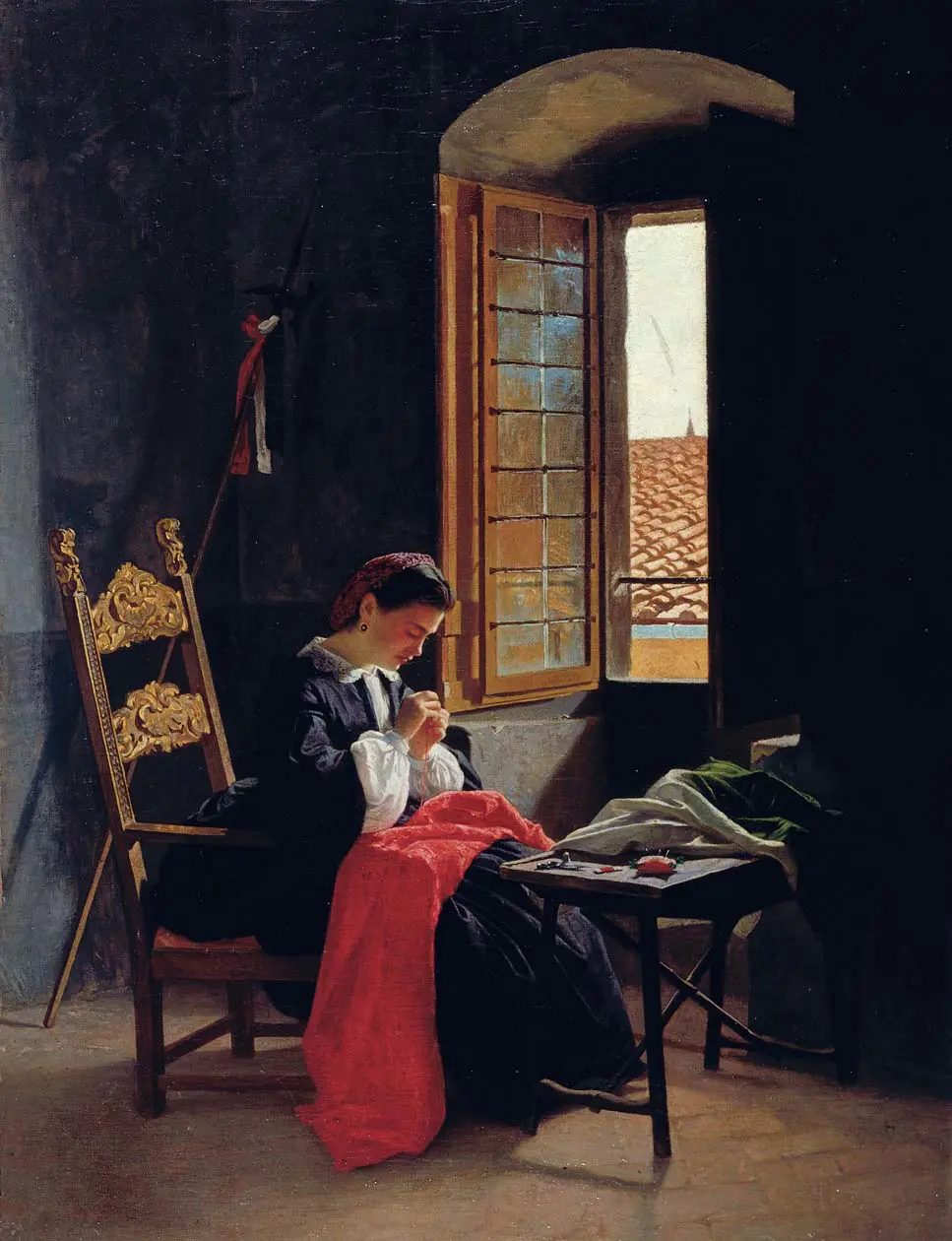
Divided into nine sections, the exhibition traces the "national" experiment of the Macchiaioli, too often reduced to a regional phenomenon. Instead, cultured and aware painters emerged, inspired as much by the ideas of Mazzini as by the instances of French Positivism, and linked to the Enlightenment thought spread by the Florentine magazine "Antologia". Alongside the works of the Macchiaioli, the itinerary juxtaposes works by other protagonists of the Italian nineteenth century, such as the Induno brothers or Domenico Morelli, who were confronted with similar themes and experiments.
Special initiatives
- On 3 March, 16 April and 19 May, Fernando Mazzocca, Francesca Dini and Elisabetta Matteucci are the protagonists of three conversations open to the public in the Conference Room in Piazza Duomo 14.
- Cineteca Milano: film festival "IMacchiaioli - 7 films between revolutions and illusions", from 19 February to 9 April 2026, at the Cineteca Milano Arlecchino.
- In the exhibition spaces and in the courtyard of Palazzo Reale, on Sunday 22 March the atmosphere of traditional European society dances is relived with dancers in period clothes in a nineteenth-century dance party.
- 16 audio stories in the audio guide, which can be activated via QR code or app. Podcast series "I Macchiaioli - Audio racconto di una mostra": 12 episodes produced by 24Ore Podcast on Radio 24 and main audio platforms.
Exhibition information:
The Macchiaioli.
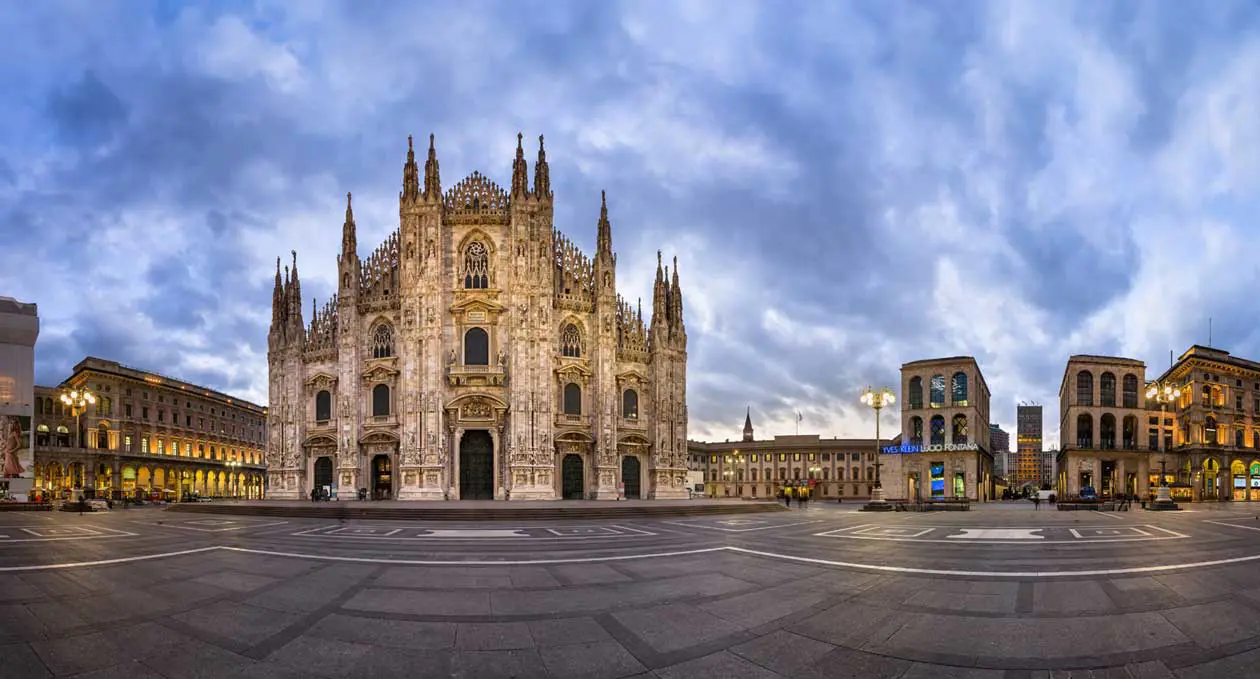
Venue: Palazzo Reale, Piazza del Duomo 12, Milan
Dates: February 3 to June 14, 2026.
Hours: Tuesday, Wednesday, Friday, Saturday and Sunday 10:00-19:30; Thursday 10:00-22:30; closed on Mondays. Last admission one hour before closing.
Tickets: Open € 17.00 | Full € 15.00 | Reduced from € 13.00 to € 10.00. Special reduced € 6.00. Presale excluded. Audio guide included.
Catalogue: "I Macchiaioli", published by 24 ORE Cultura, available in the exhibition bookshop, bookshops and online.
Info: Tel. +39 02.81114994 (Monday to Friday from 9:00 to 18:00). palazzorealemilano.it | mostraimacchiaioli.it