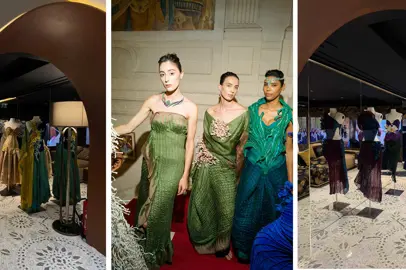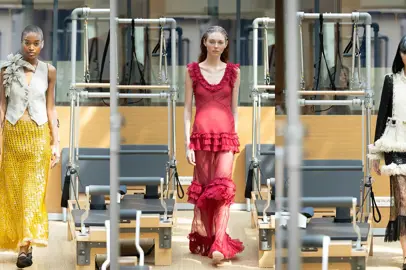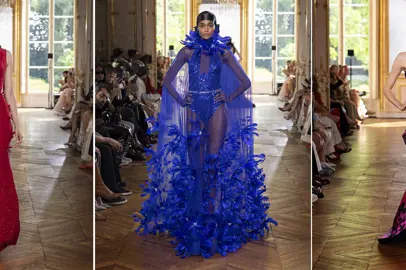
Roberto Capucci, the art of dressing the muses
Turin celebrates Roberto Capucci through the women who have worn and inspired his creations. From November 6, 2026 to February 28, 2027, the Accorsi-Ometto Museum of Decorative Arts hosts "Roberto Capucci. Vestire LE Muse" ("Roberto Capucci. Dressing The Muse"), an exhibition curated by art and costume historian Silvia Mira that brings together 50 dresses, sketches and illustrations to tell the story of over half a century of research between fashion, art, cinema, music and society.
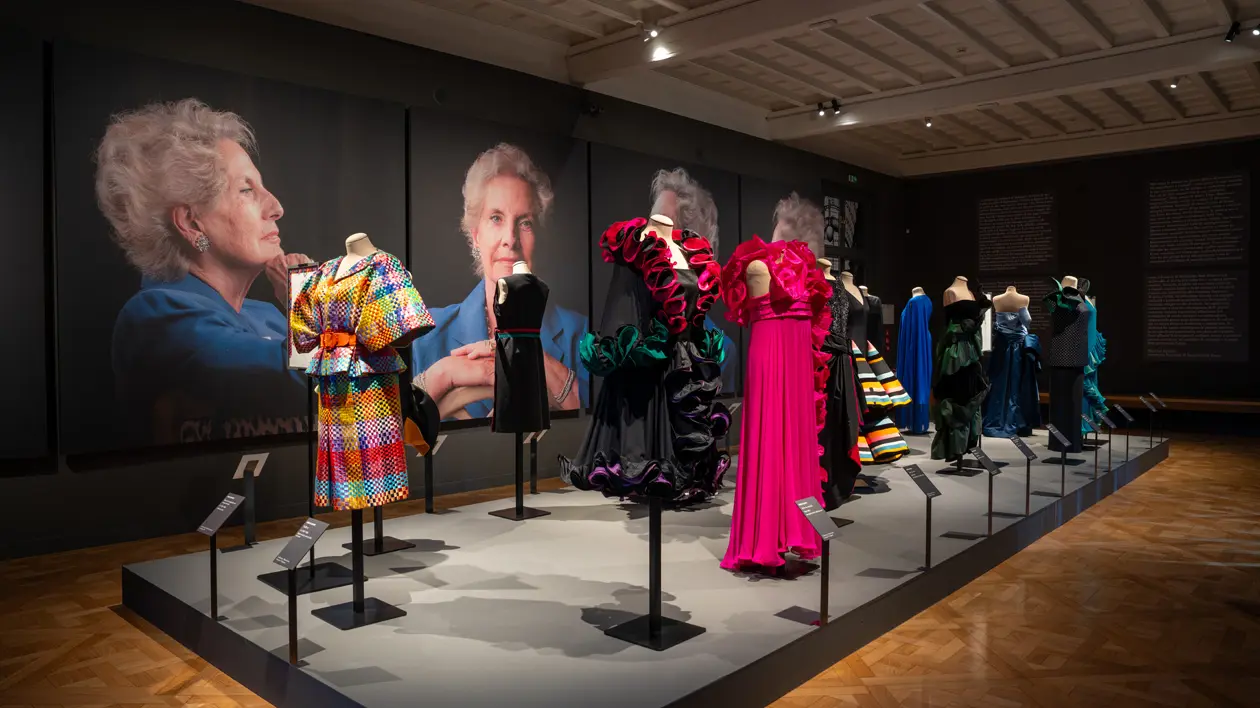
The common thread is not a chronological succession of collections, but the relationship between Capucci and the female personalities for whom he has created. Actresses, opera singers, aristocrats and protagonists of culture and science thus become the key to entering a universe in which the dress goes beyond the function of a simple garment and is transformed into a construction of volumes, color and material.
Among the names that cross the path are Rita Levi Montalcini, Silvana Pampanini, Lucia Bosè, Catherine Spaak, Valentina Cortese, Raina Kabaivanska and Katia Ricciarelli, alongside the women of the aristocracy and high society who have kept creations made specifically for them in their wardrobes.
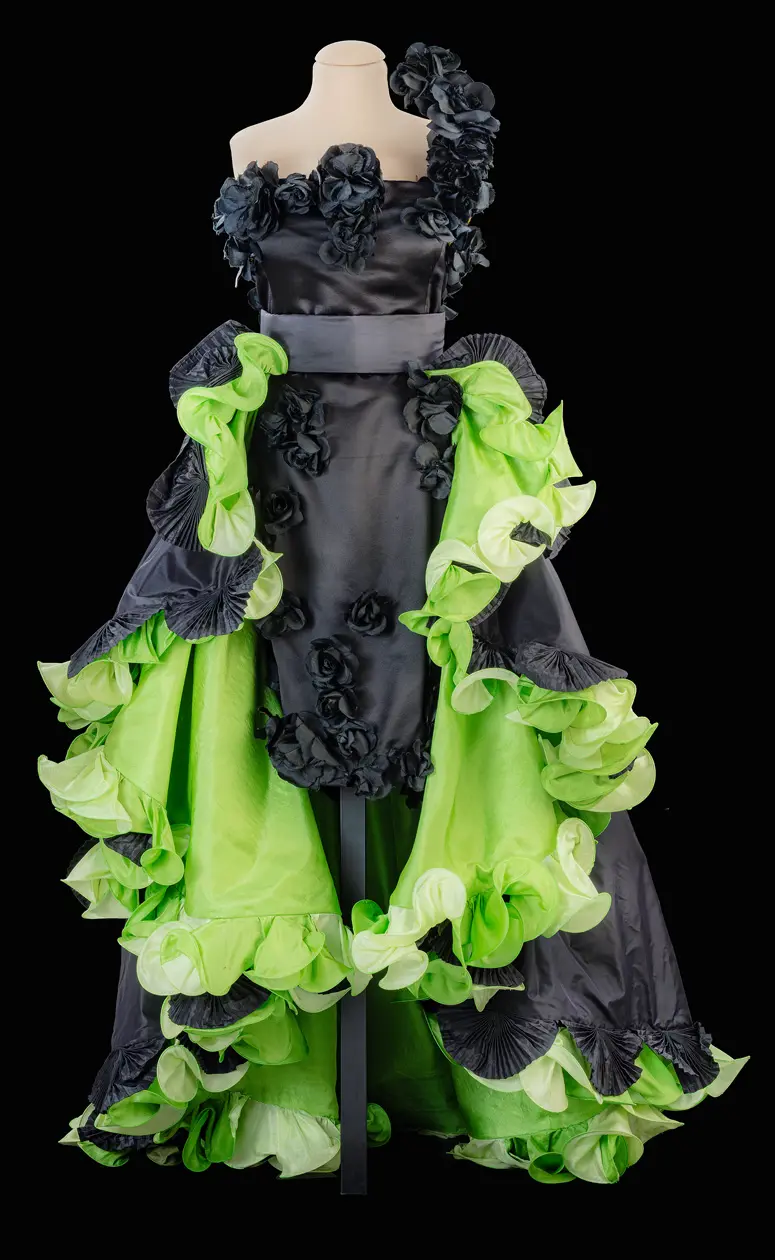
Capucci's clothes between sculpture,
Architecture and colour
Considered one of the most original figures of Italian haute couture of the twentieth century, Roberto Capucci has built his own language through research that looks as much to nature as to art and architecture.
In her clothes, flowers, leaves, wings and mineral shapes become folds, pleats and overlaps. Color is used to build depth and movement, while the fabric takes on volumes that often seem to escape the traditional rules of the dress.
It is precisely this almost sculptural dimension that emerges in the itinerary of the Accorsi-Ometto Museum: not a history of fashion told exclusively through the styles of an era, but an investigation into the way in which Capucci transformed the body into a starting point for real silk architectures.
Among the most significant creations exhibited in Turin is the velvet dress worn by Rita Levi Montalcini on December 10, 1986 in Stockholm, when she received the Nobel Prize for Medicine. The meeting between Capucci and one of the greatest Italian scientists sums up the theme of the exhibition well: the dress does not erase the personality of the wearer, but accompanies his public presence.
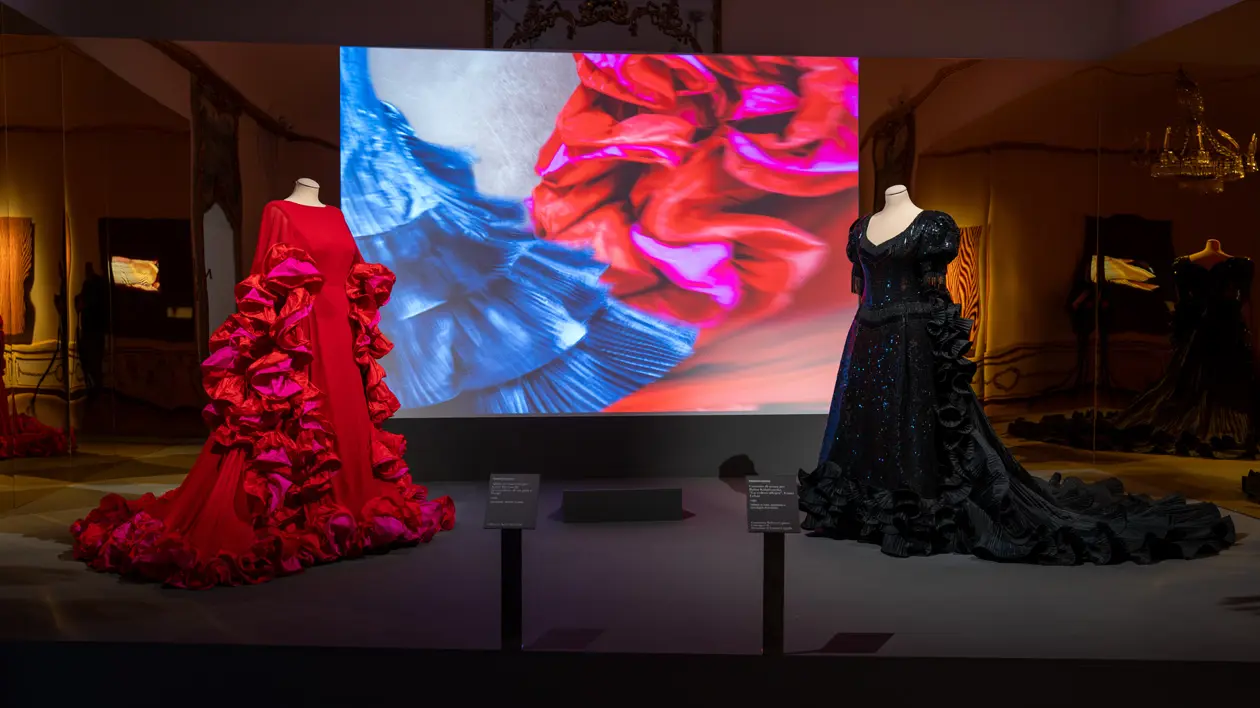
From the cinema of Lucia Bosè and Catherine Spaak to opera
An important nucleus is dedicated to the actresses who frequented the Roman ateliers in the fifties and sixties, when fashion and cinema together contributed to the construction of the post-war Italian imagination. On display are the cocktail dress by Silvana Pampanini, a creation with an essential cut for Catherine Spaak, a day ensemble and a robe-manteau that belonged to Lucia Bosè and an evening dress in taffeta and purple velvet worn by Valentina Cortese, one of Capucci's favorite muses. The story then moves towards musical theater. For Raina Kabaivanska, Capucci created the black taffeta and sequin costume for The Merry Widow, performed in Trieste in 1991. Katia Ricciarelli, on the other hand, is linked to a concert dress in red georgette, red taffeta and cyclamen created for a performance in Paris in 1986. Cinema, opera and high society thus become different worlds crossed by the same principle: to create a dress starting from the person, rather than adapting the person to a pre-established model.
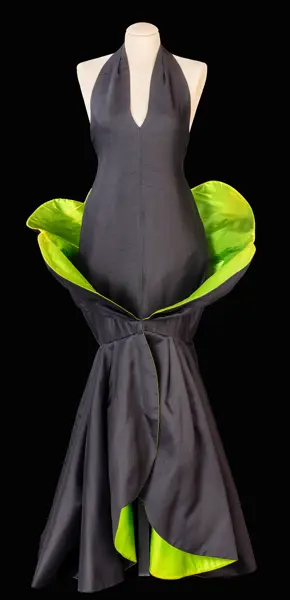
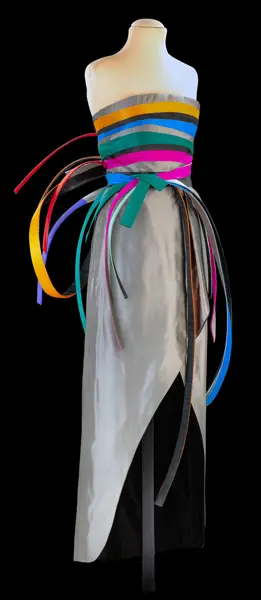
The sketches tell how a Capucci creation was born
Alongside the clothes, the exhibition opens a window on the creative process through a wide selection of sketches and illustrations from the fifties to the 2000s. Particularly relevant are the drawings of the first Capucci collection of autumn-winter 1951, presented for the first time in Turin.
Following the decades, experimentation with materials also changed. In the Sixties, during the Parisian period, fluorescent colors and unusual materials such as plastic appeared. In the Seventies Capucci experimented with rope, bamboo and stones, while in the Eighties and Nineties nature, pleats and the construction of volumes acquired an increasingly central role. There are also sketches for the costumes of the ballet The Creatures of Prometheus, presented at the Festival of Two Worlds in Spoleto in 2020, testimony to a dialogue with the world of entertainment that continued throughout his career.
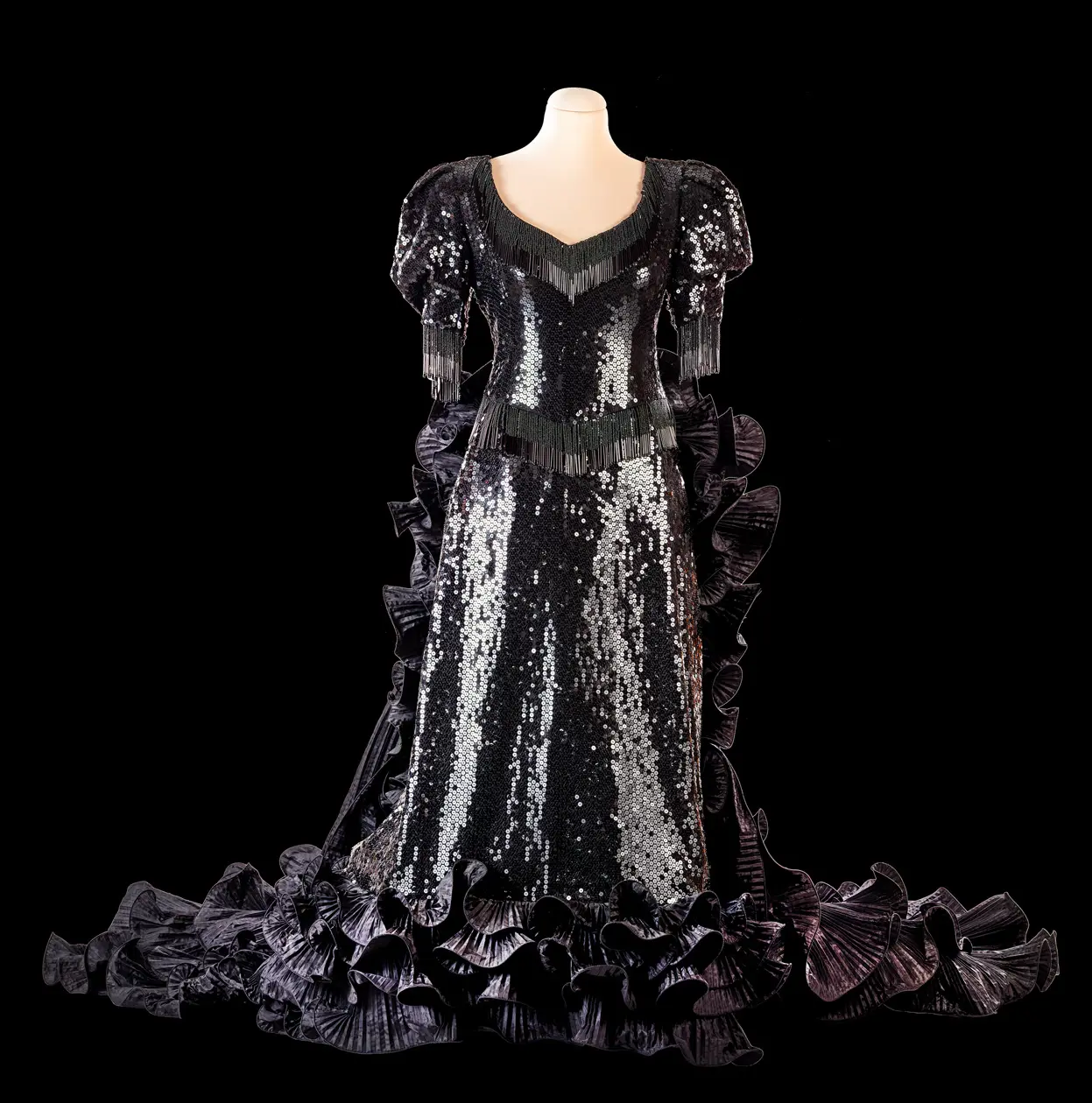
An exhibition within the exhibition dedicated to Maria Luisa Gaetani d'Aragona
Within the exhibition there is also a focus on Maria Luisa Gaetani d'Aragona, built through about fifteen dresses from her personal wardrobe and presented for the first time in Turin.
The nucleus goes beyond the relationship with fashion and tells of a personality also linked to photography, travel and philanthropy. The duchess has documented numerous countries over the years and has dedicated photographic projects to India and the historical heritage of Syria. The clothes therefore become biographical documents, capable of telling occasions, relationships and moments in the life of those who owned them.
Capucci in the historic rooms of the Accorsi-Ometto Museum
The last part of the exhibition enters directly into the museum's permanent itinerary. Twenty dresses made between the eighties and nineties for aristocratic families and high entrepreneurs are included among furniture, paintings and objects from the Accorsi-Ometto collections. It is a dialogue particularly consistent with the nature of the museum, dedicated to the decorative arts and the quality of manufacturing. Capucci's creations thus enter into a relationship with cabinetry, porcelain, silver and historical furnishings, emphasizing the artisanal and artistic dimension of haute couture.
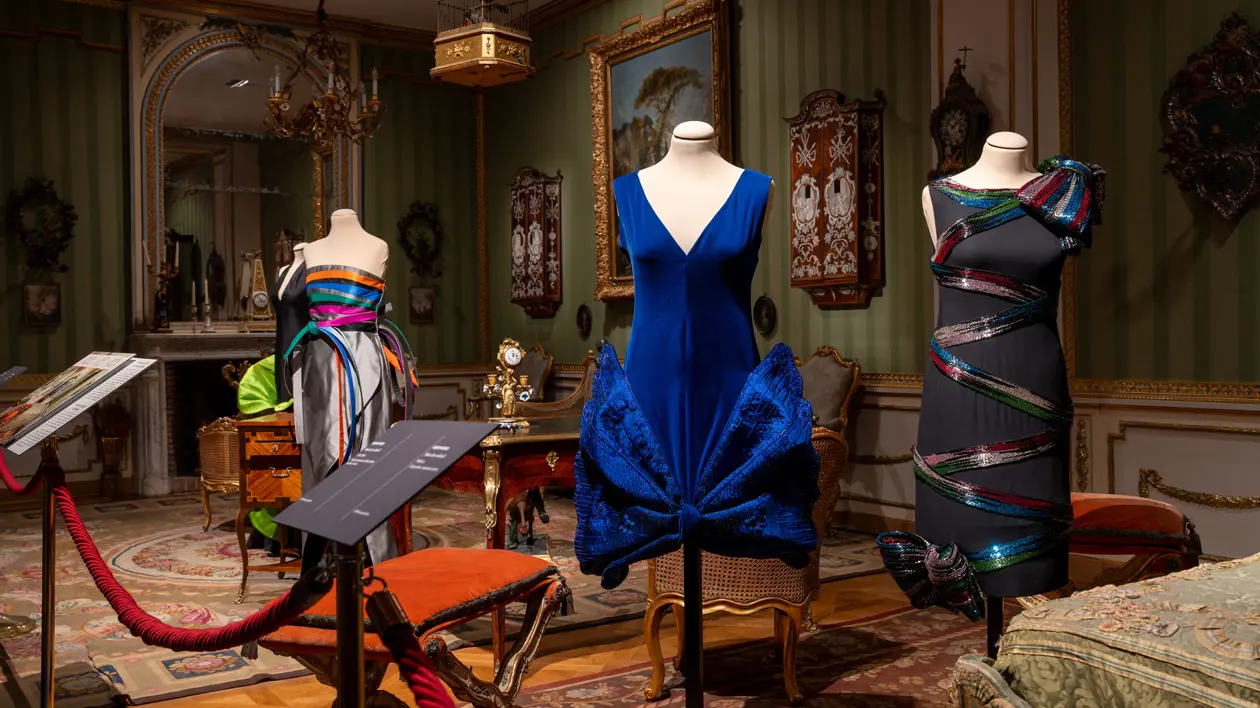
The venue itself is worth a visit: the Accorsi-Ometto Museum of Decorative Arts occupies the historic Domus Padi in Via Po and preserves over 3,000 works and objects from the fourteenth to the twentieth century, distributed in 25 rooms.