Aelis Couture Spring-Summer 2026 Collection
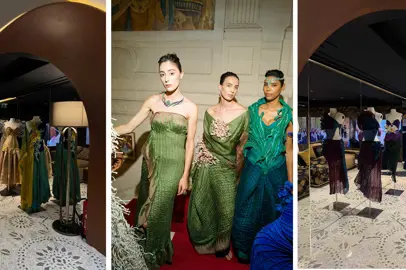
Fragments of statues that become dresses draped in silk: this is the starting point of the research that AELIS undertakes in this new Couture collection. Sofia Crociani, invited during a visit to the "Ateliers d'Art du Grand Palais - RMN", discovered the beauty of the "Atelier de Moulage", founded by the Louvre Museum in 1794 in Paris.
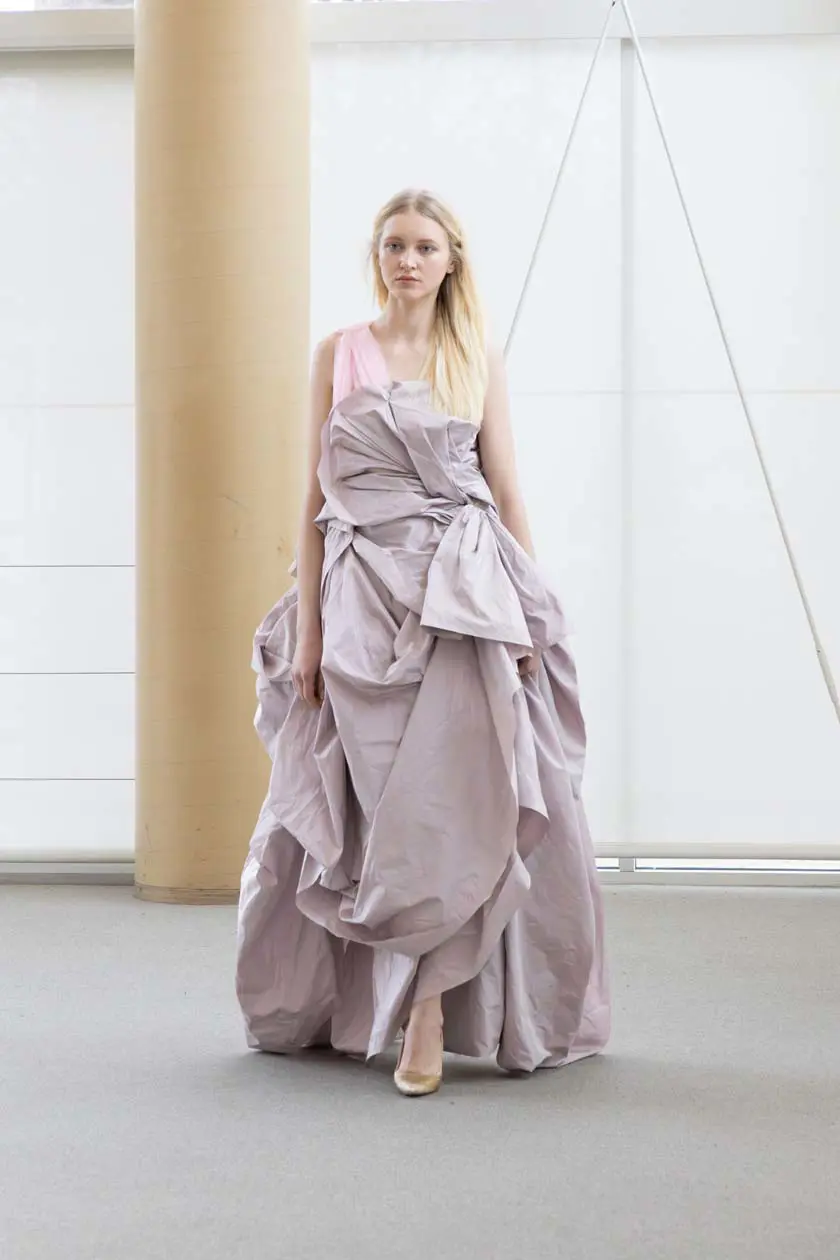
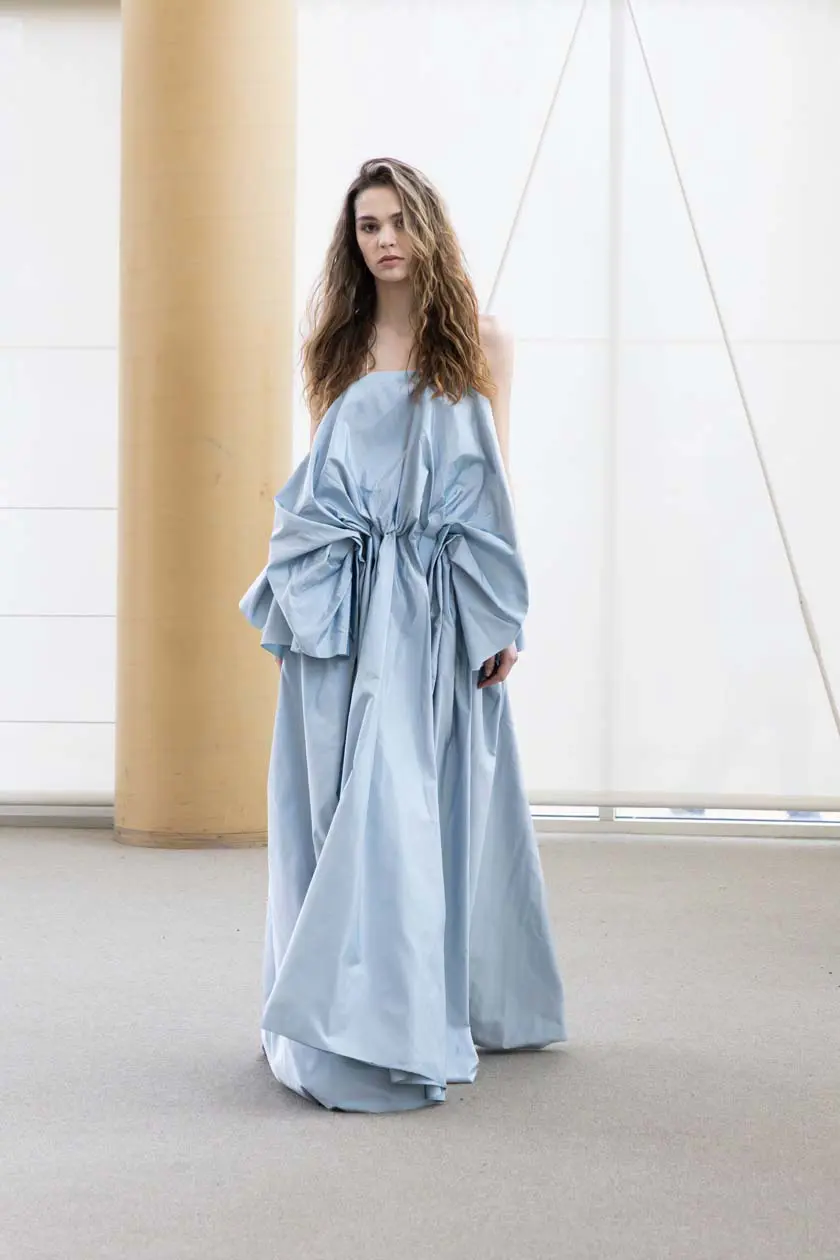
Following the path traced by the Greco-Roman culture that inspires and nourishes the aesthetics of AELIS, Sofia collaborates with "les Ateliers d'art du Grand Palais - RMN" to create clothes inspired by classical statuary, focusing on the drapery of these works.
From the beginning, AELIS works with fabrics, wrapping and draping them around the body like living matter, cutting as few fibers as possible to achieve a natural sculptural effect, a careful and precise process.
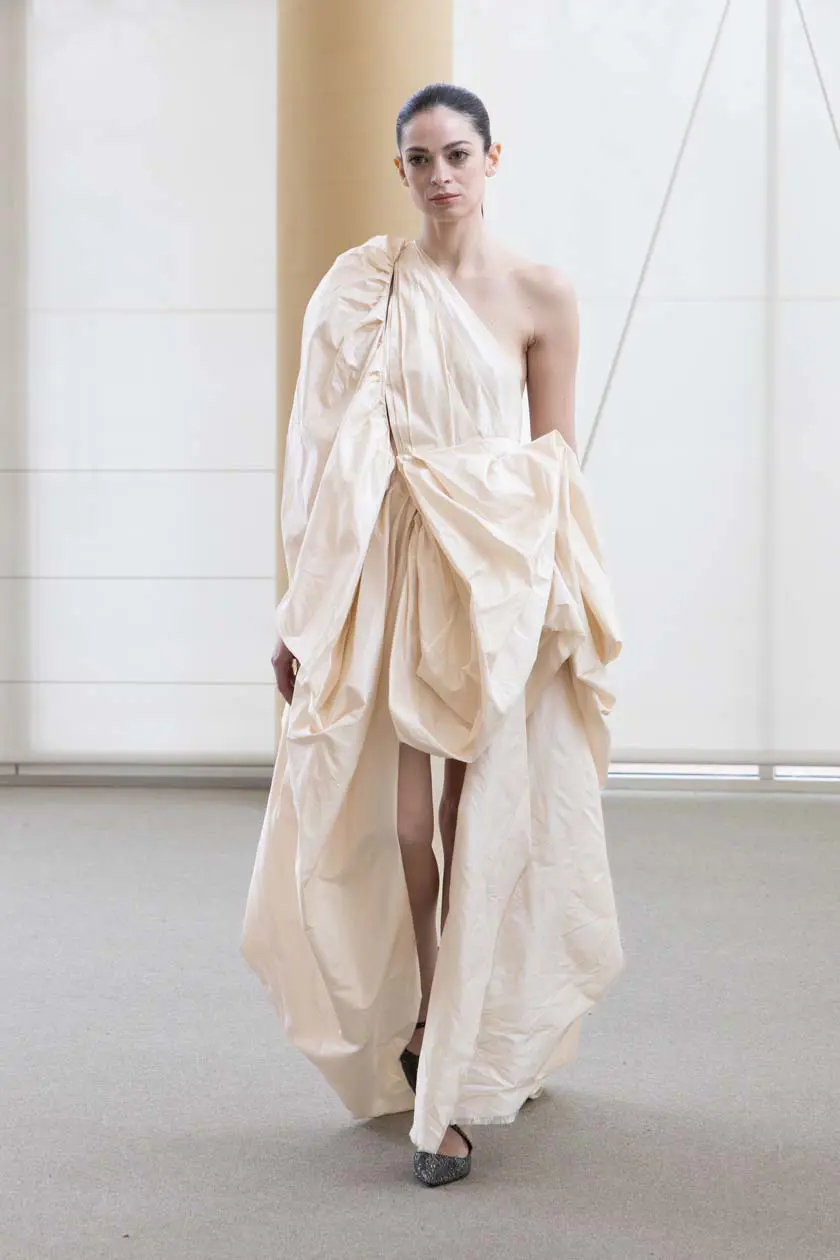
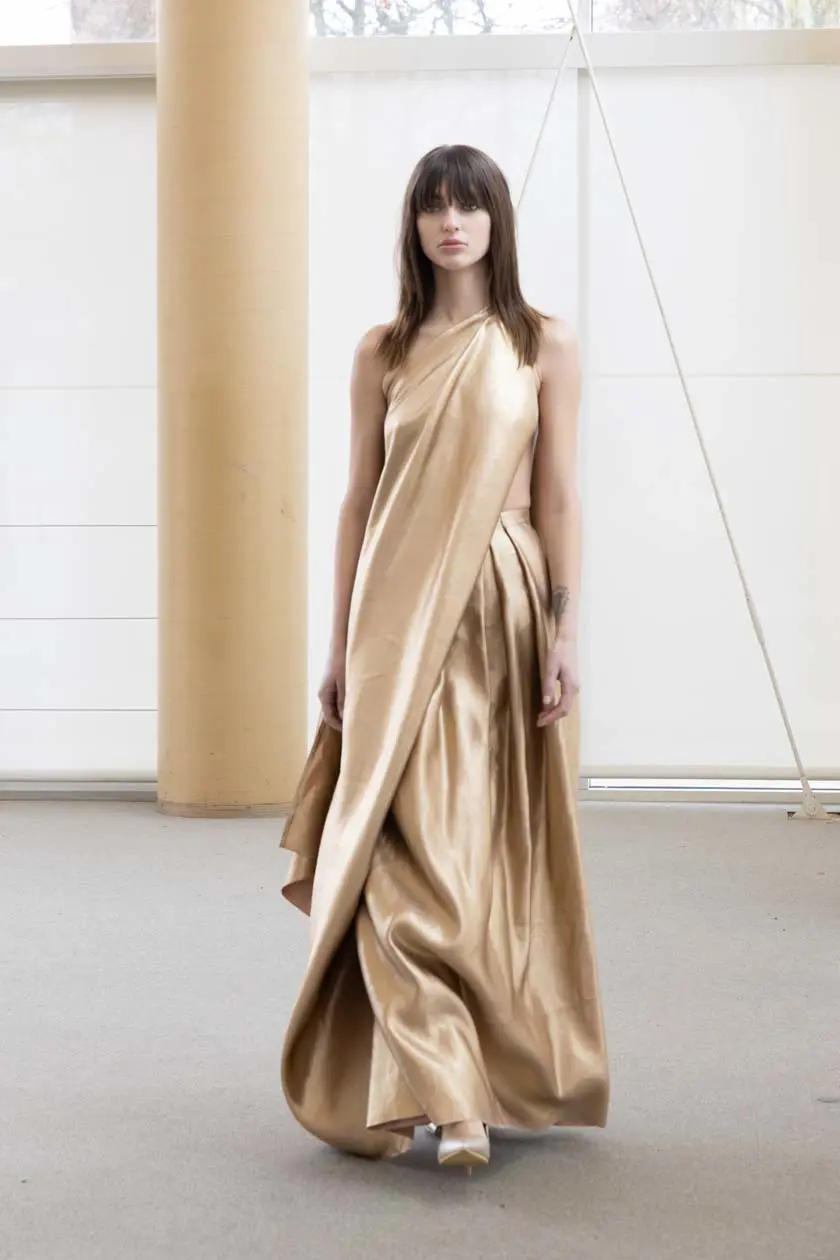
True to her philosophy of eco-sustainability, cultural transmission and respect for heritage, Sofia Crociani collaborates with the artisans of the "Atelier de Moulage" to create four dresses in which the techniques of haute couture and sculpture interact through materials.
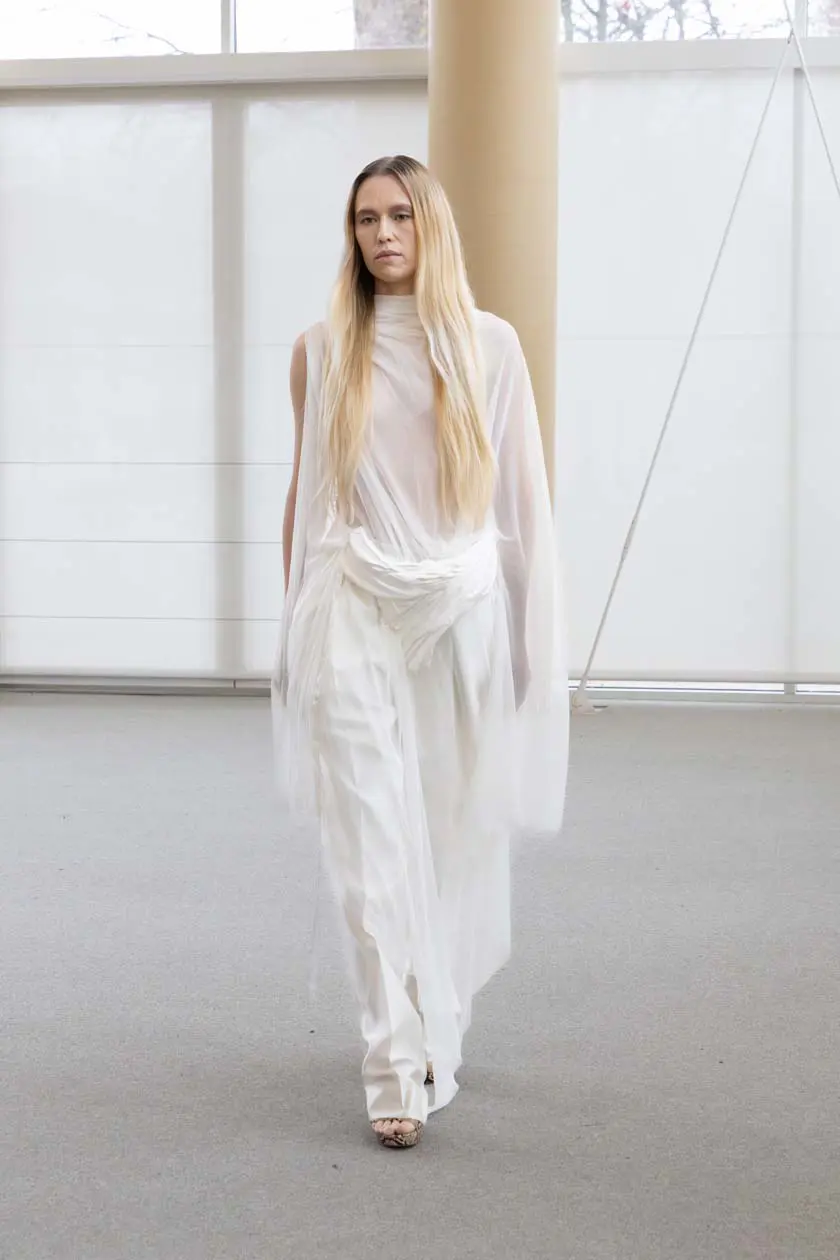
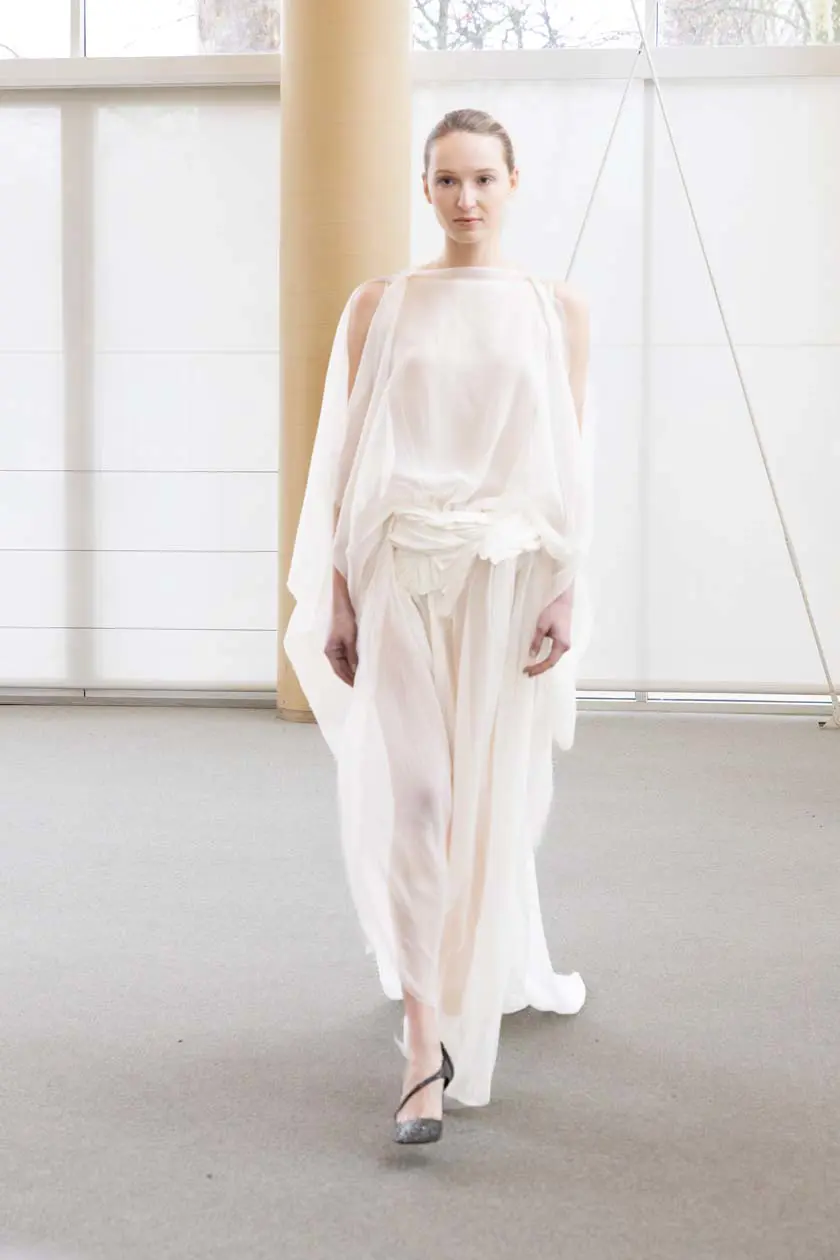
AELIS' creations are inspired by three iconic works: the Venus de Milo, the Winged Victory of Samothrace and Myron's Athena. Sofia chose to reproduce the original drapery of the statues, incorporating it into the clothes. The combination of chalk and natural silk creates a striking trompe-l'oeil effect, blurring the boundary between statue and dress as they move across the body. The fragments of the plaster statues' drapery embrace contemporary, impalpable fabrics in gots-certified natural silk that blend with plaster.
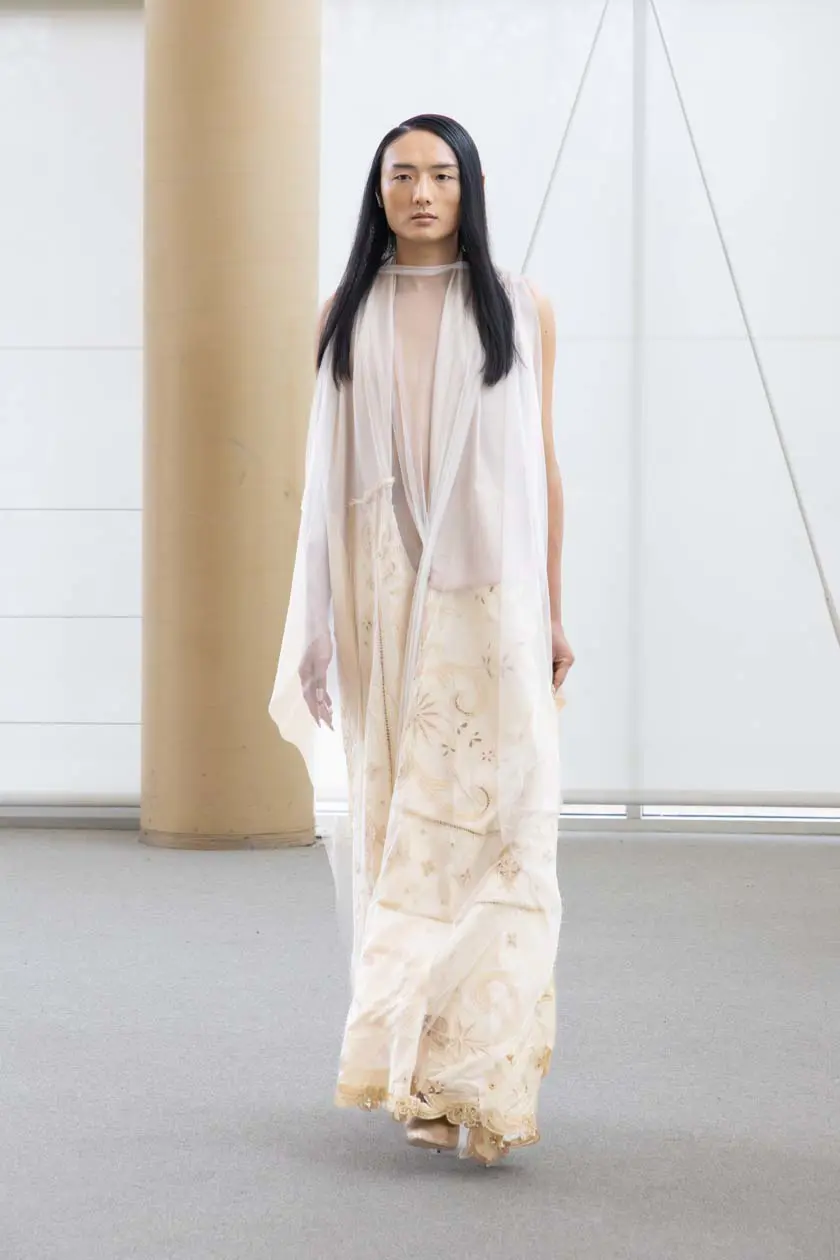
The drape of the Winged Victory of Samothrace becomes a satin silk voile dress that rests on the model's body, reflecting the volume of the plaster through an asymmetrical drapery. The Venus de Milo lends her dress to two other creations in tulle and silk muslin, delicately draped over the body. Myron's Athena becomes a dress in triple duchess satin that accompanies, with its sculptural structure, the delicate drapery of the statue.
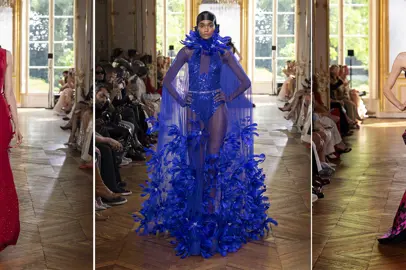
Another element that characterizes the AELIS collection is the lightness that comes from bird watching, "Filoplumes". These tiny, hair-like feathers detect pressure, touch, and vibration and translate them into neural signals. They provide birds with detailed information during flight, instructing them to adjust their feathers to keep warm or release heat.
Les Interessants
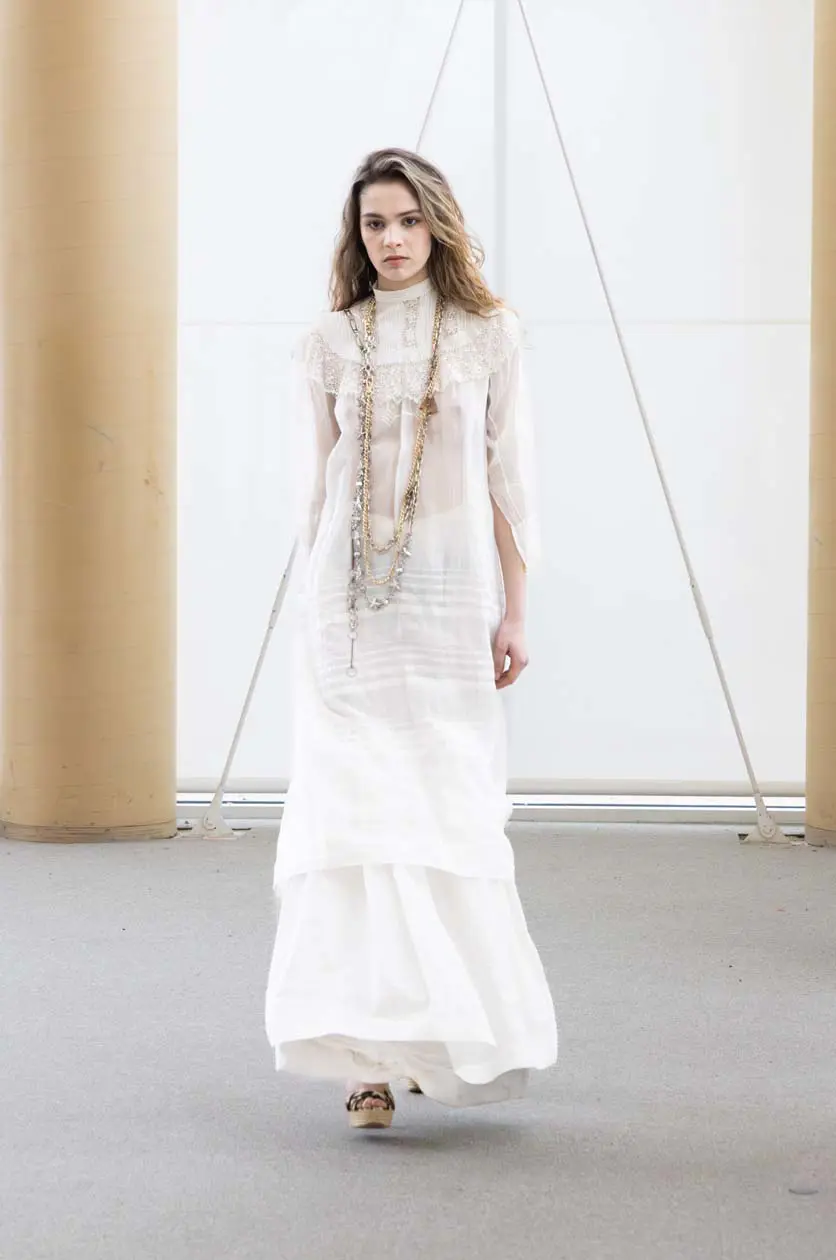
She creates jewelry made with natural pearls intertwined with filoplumes and fossilized shells from the Sicilian sea, preserved by Sofia and collected by fishermen. The fossilized shell is a time-sculpted work of art, expertly linked to thin chains and pearls, which takes the form of a talismanic ornament in the necklaces worn by Francisco, telling the story of the prehistoric fragments he wears.
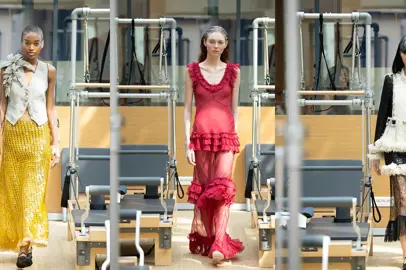
Pastel-colored dresses in organic silk taffeta, inspired by Fra Angelico's early Renaissance paintings, evoke the shapes of sculpted marble, creating volumes that escape the weight of the material. The metallic shades of gold and silver complete the collection, giving it a precious touch. And again, an ancient tunic from the early twentieth century in gold and silk laminate and lace that creates the evanescent silhouette of a white tulle skirt.
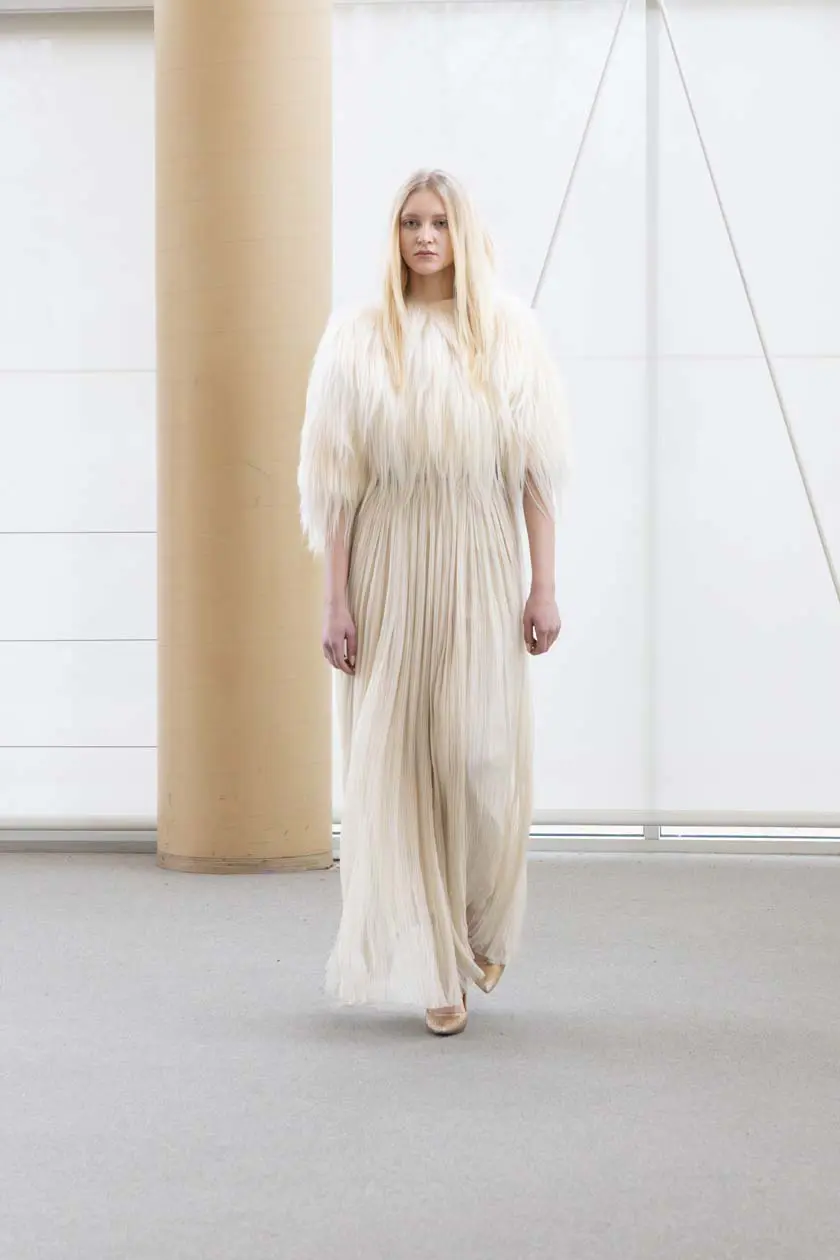
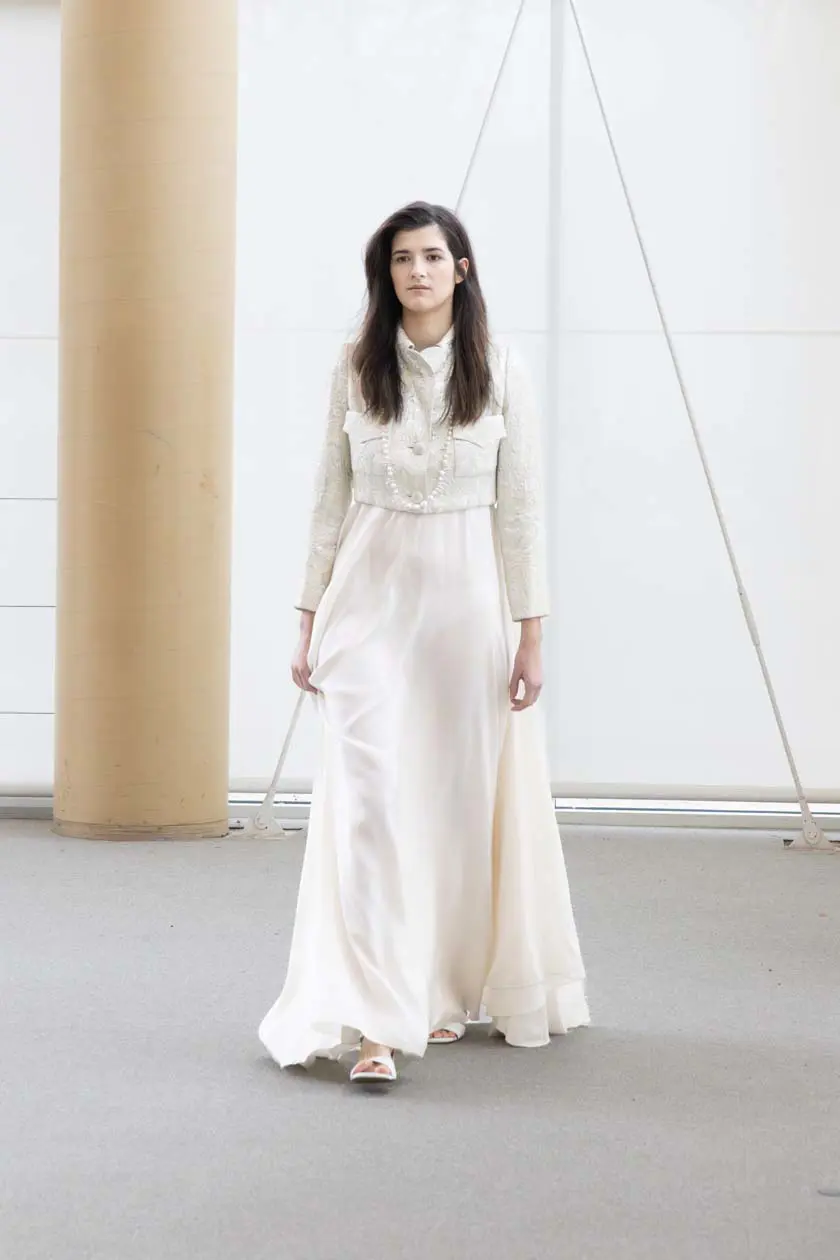
AELIS couture presented its creations at another iconic French heritage site: the Musée du Luxembourg (first French museum opened to the public in 1750), which, for the first time in its history, hosted a fashion show during Haute Couture Week in Paris. Here, the room with its stained glass windows and imposing cardboard columns welcomed the "silhouettes" suspended between the neoclassical architecture of the museum and the nature of the surrounding garden, in a symbiotic, dreamlike and timeless exchange.
Edited by Nicole Villa, Avion Luxury Magazine
Text source and photos: Copyright © Tonio Bessa / AELIS Couture
Partnership with Booking.com / Travelpayouts
Luxury hotel