Tainui Atea, the largest marine sanctuary on the planet is born in French Polynesia
In the heart of the South Pacific, French Polynesia takes a step that has an environmental, political and tourist value at the same time. With Tainui Atea, now recognized as the largest Marine Protected Area in the world, the territory strengthens its commitment to protecting the ocean and proposes itself as one of the most advanced destinations in terms of sustainable tourism.
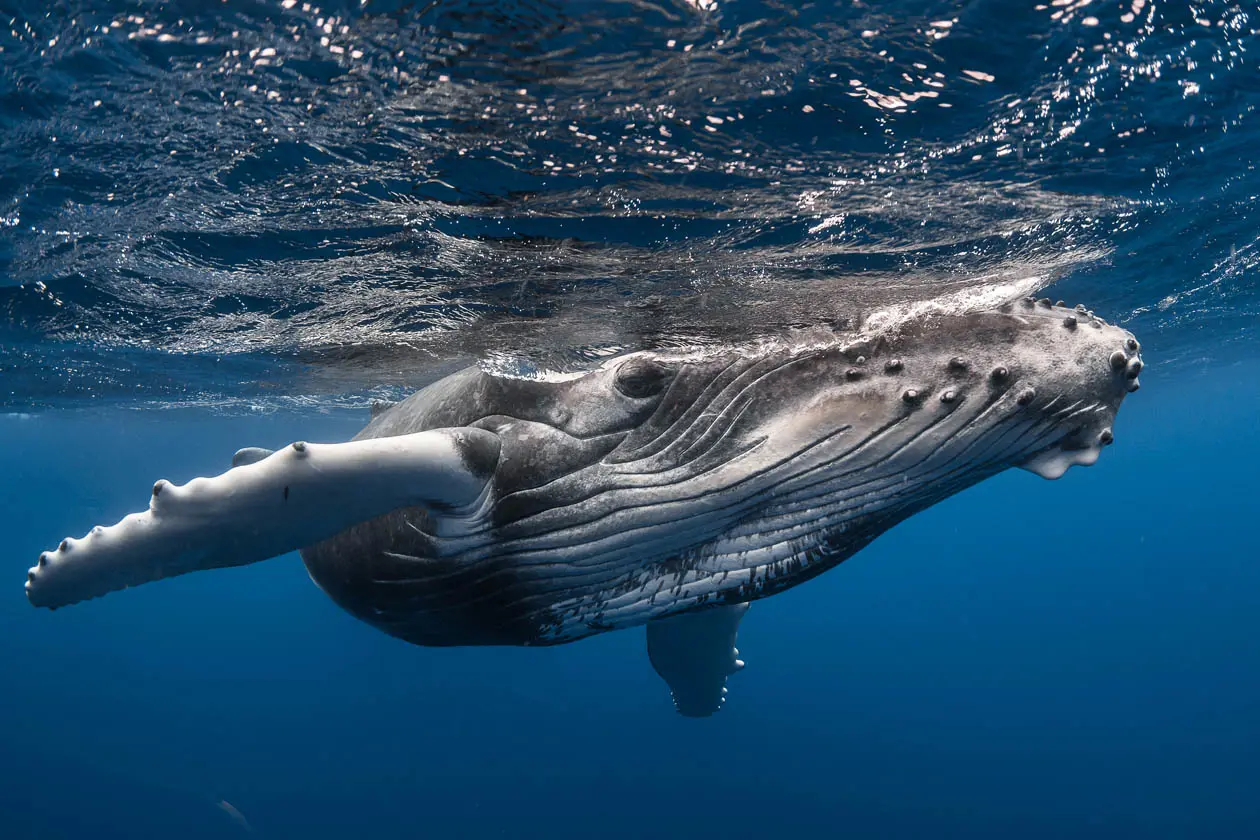
The project covers an extraordinary area: almost 5 million square kilometers of sea, equal to almost the entire Exclusive Economic Zone of French Polynesia. An immense extension that restores the scope of a precise choice: to protect in a structured way one of the most precious marine heritages on the planet, made up of fragile ecosystems, unique biodiversity and vital resources for local communities.
Tainui Atea was established in 2018 as a managed marine area, but the decisive step came in 2025, at the third United Nations Ocean Conference, when it was officially designated a Marine Protected Area. With this recognition, French Polynesia consolidates a strategy that goes beyond simple environmental protection and aims to build a new balance between conservation, local development and tourist attractiveness.
To give substance to this path are not only the declarations of intent, but a series of precise measures. These include banning the exploitation of the seabed, prohibiting the use of drifting fish aggregation devices, and strengthening the objectives of conservation and sustainable management of marine resources. These are actions that directly affect the protection of ocean ecosystems and the survival of numerous symbolic species of the Pacific, in a context where the health of the sea also coincides with the economic and cultural resilience of the territory.
The project is also part of a long-term vision. Tainui Atea is in fact guided by a management plan valid until 2037, with a shared governance that involves the government of French Polynesia, the French State, fishermen's associations and those active in the environmental and cultural fields. Every year, the actions already undertaken are evaluated and future orientations are defined, with the aim of maintaining coordinated and truly effective protection over such a vast maritime area.
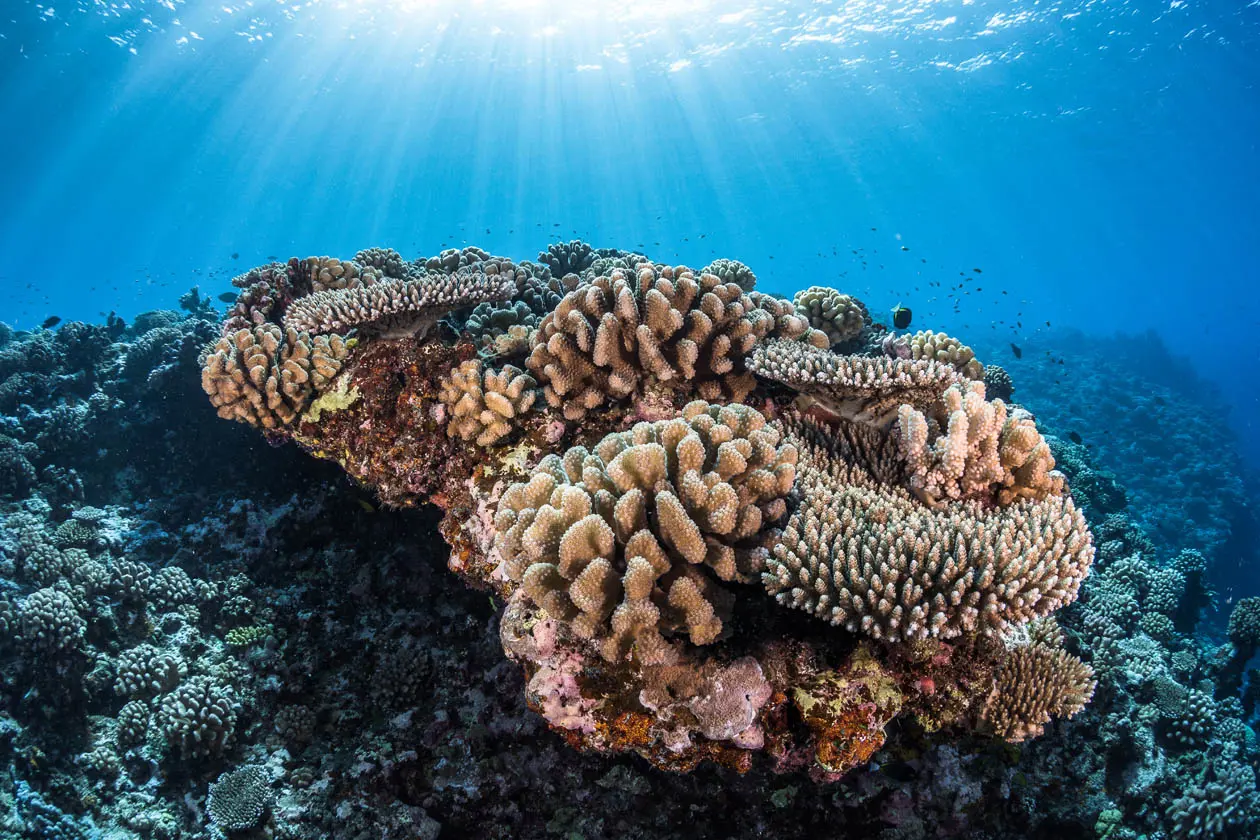
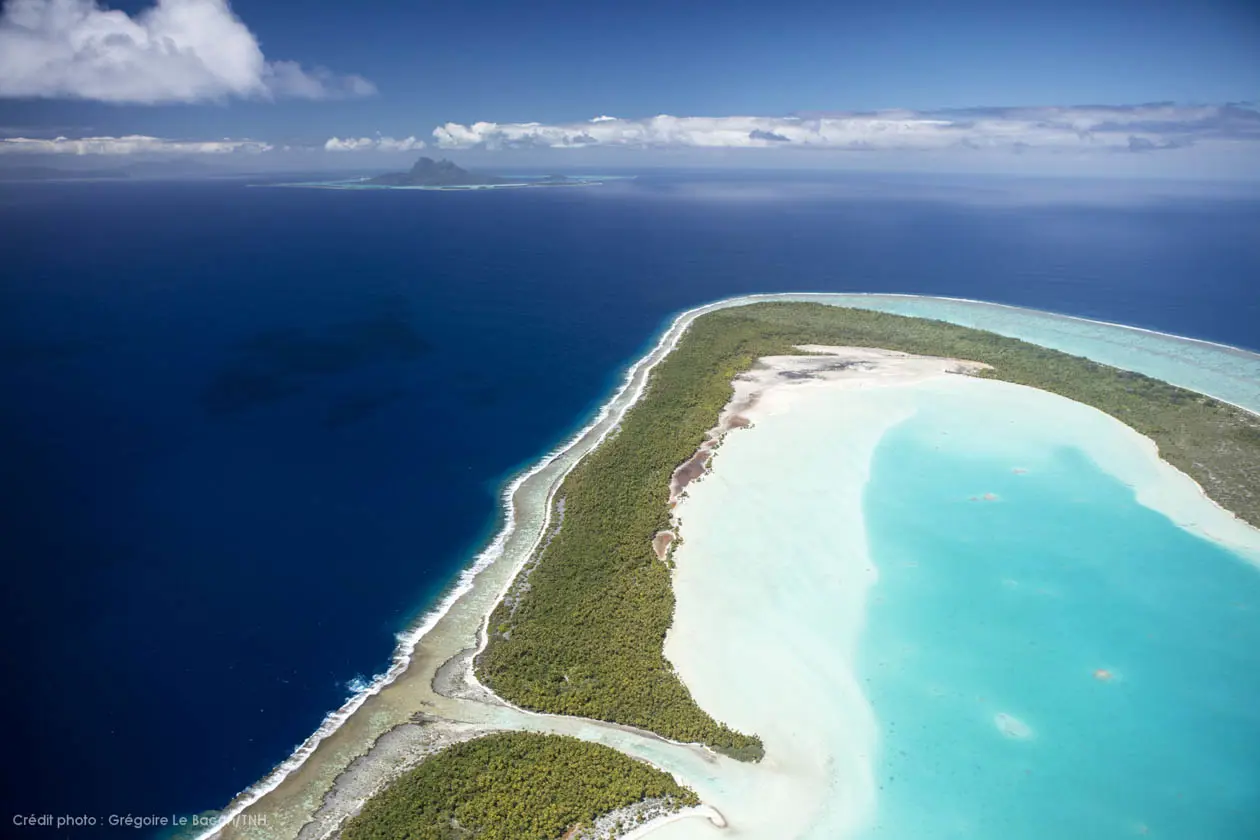
Within this great framework, a network of local Marine Protected Areas is also being developed, built on the specific characteristics of the different archipelagos. The projects already underway involve the Gambier Islands, the Western Society Islands, the Austral Islands and the Marquesas Islands. Here, protection is intertwined with local fishing, traditional practices and the preservation of lagoons and coral reefs, in an approach that links environmental protection and cultural identity.
The value of Tainui Atea also takes on even more importance in light of the new international scenario opened by the BBNJ Agreement, the United Nations treaty that came into force on 17 January 2026, which allows the establishment of marine protected areas even beyond national jurisdictions. In this context, French Polynesia is proposed as a concrete and advanced case of application of the principles of the new global governance of the oceans.
But it is above all on the tourist level that this initiative marks a turning point. The Islands of Tahiti become the first destination to integrate a Marine Protected Area into its overall tourism strategy, transforming conservation into a pillar of development. Therefore, it is no longer a limit imposed on tourism, but a lever capable of reinforcing its quality and consistency. Preserved lagoons, protected biodiversity, authentic cultural experiences and a deeper relationship with the territory thus become an integral part of the travel proposal.
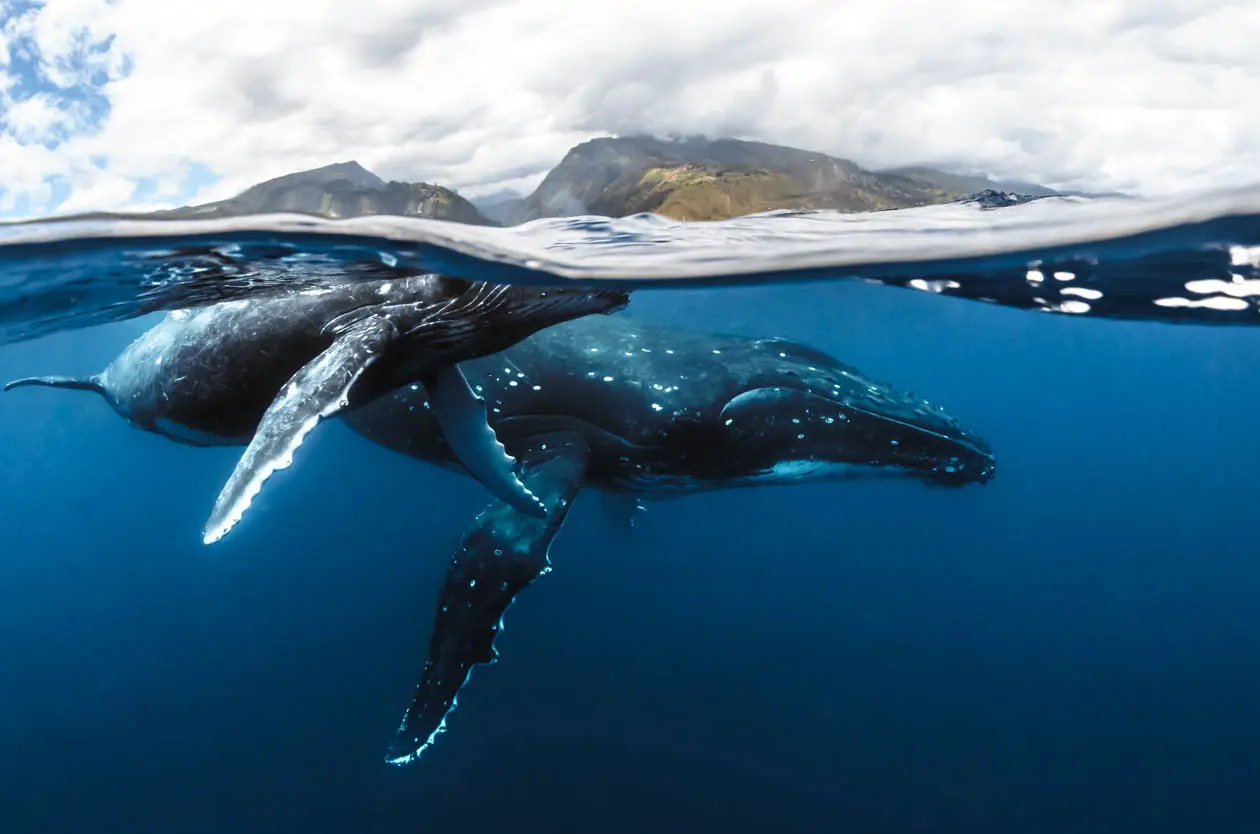
In this vision, the local community also takes on a central role. The protection of the ocean is not presented only as an institutional objective, but as an expression of an ancient and identity relationship with the sea, which in Polynesian culture is knowledge, sustenance, spirituality and collective memory. It is precisely this link that makes the model that French Polynesia intends to carry out credible and distinctive.
As Vaihere Lissant, Chief Executive Officer of Tahiti Tourisme, pointed out, the protection of the ocean coincides with the protection of the identity of the territory and, at the same time, enriches the experience of Travellers, guaranteeing lasting benefits for the islands. A message that sums up well the direction taken: to make the Islands of Tahiti a destination capable of combining charm, responsibility and vision.
The initiative is fully part of the 2030 Sustainable Tourism Plan, which identifies the protection of marine ecosystems as one of the cornerstones for a more resilient, more aware and more rooted tourism in local realities. In this context, Tainui Atea is not only a world record, but a declaration of intent: the future of tourism here passes through the health of the ocean.

Partnership with Booking.com / Travelpayouts