The blue call of the ocean
World Oceans Day is celebrated on 8 June, an international event that draws attention to the vital role of the sea for the planet and for humanity. The oceans cover more than 70% of the Earth's surface, produce at least half of the oxygen we breathe and preserve much of the global biodiversity. They are also a source of livelihood for over a billion people, but their balance is now increasingly vulnerable.
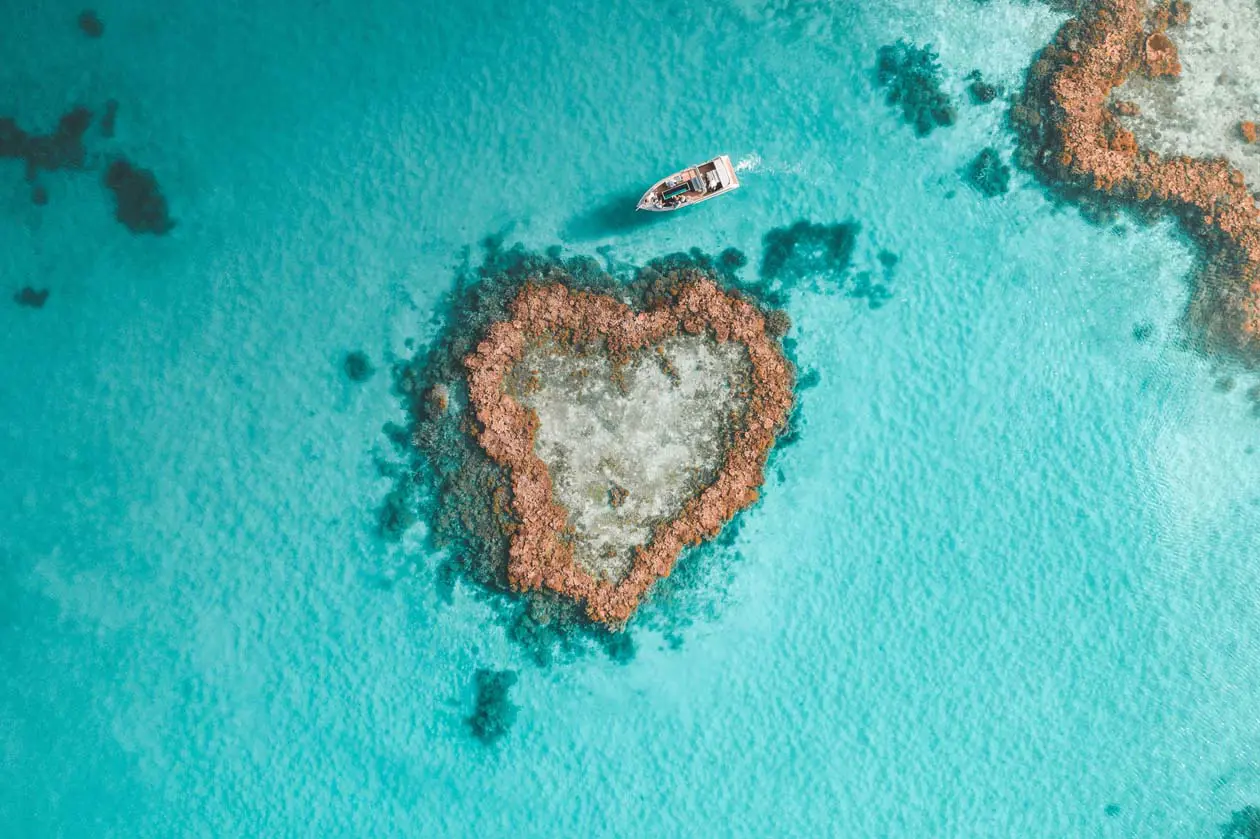
The theme of World Oceans Day 2026, "REIMAGINE: Beyond the world we know, a new relationship with our ocean", invites us to rethink the relationship with the sea. No longer just a resource to be used, but a living heritage to be protected. A principle that finds concrete expression in some destinations of excellence, where travel meets sustainability, culture and responsibility.
Australia
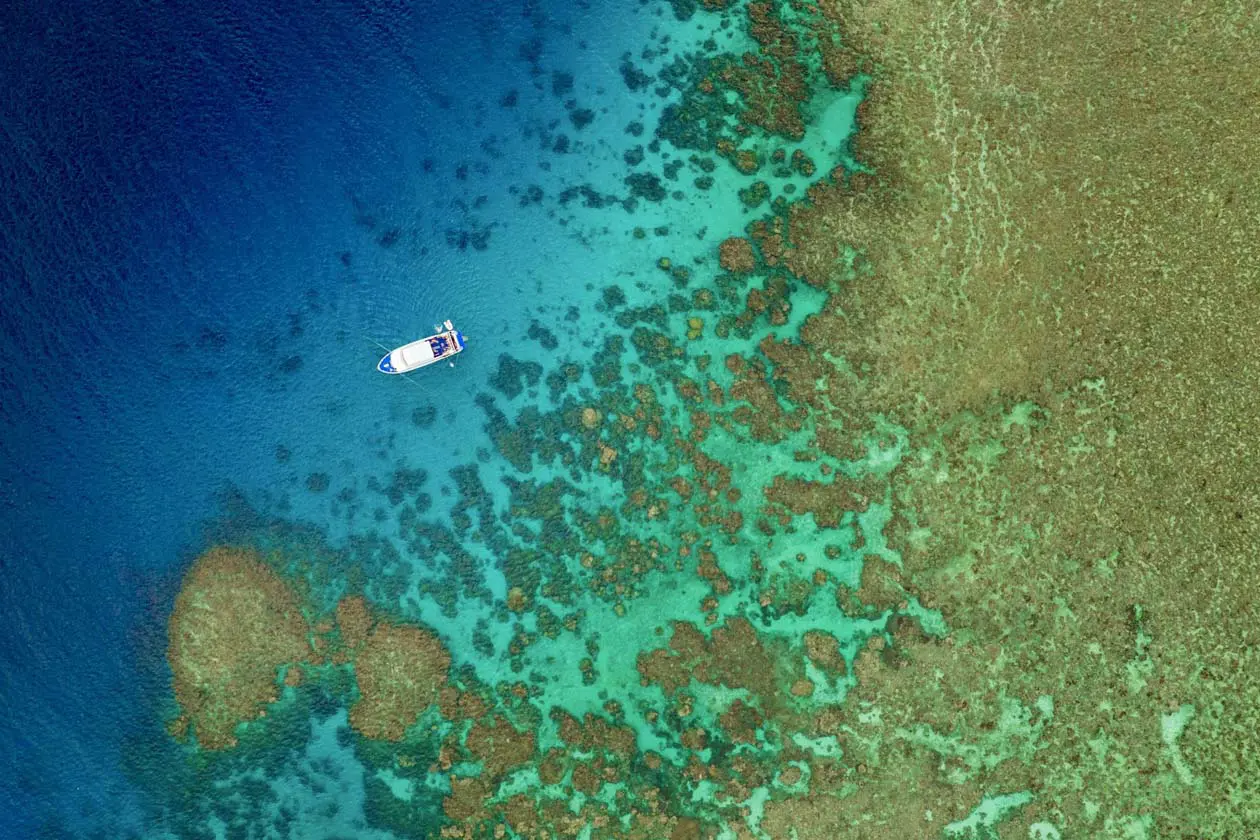
In Australia, the sea is part of an ancestral relationship. For Aboriginal and Torres Strait Islander communities, the ocean is not just landscape, but a living system to be preserved through knowledge handed down through generations, seasonal protocols and environmentally friendly harvesting practices.
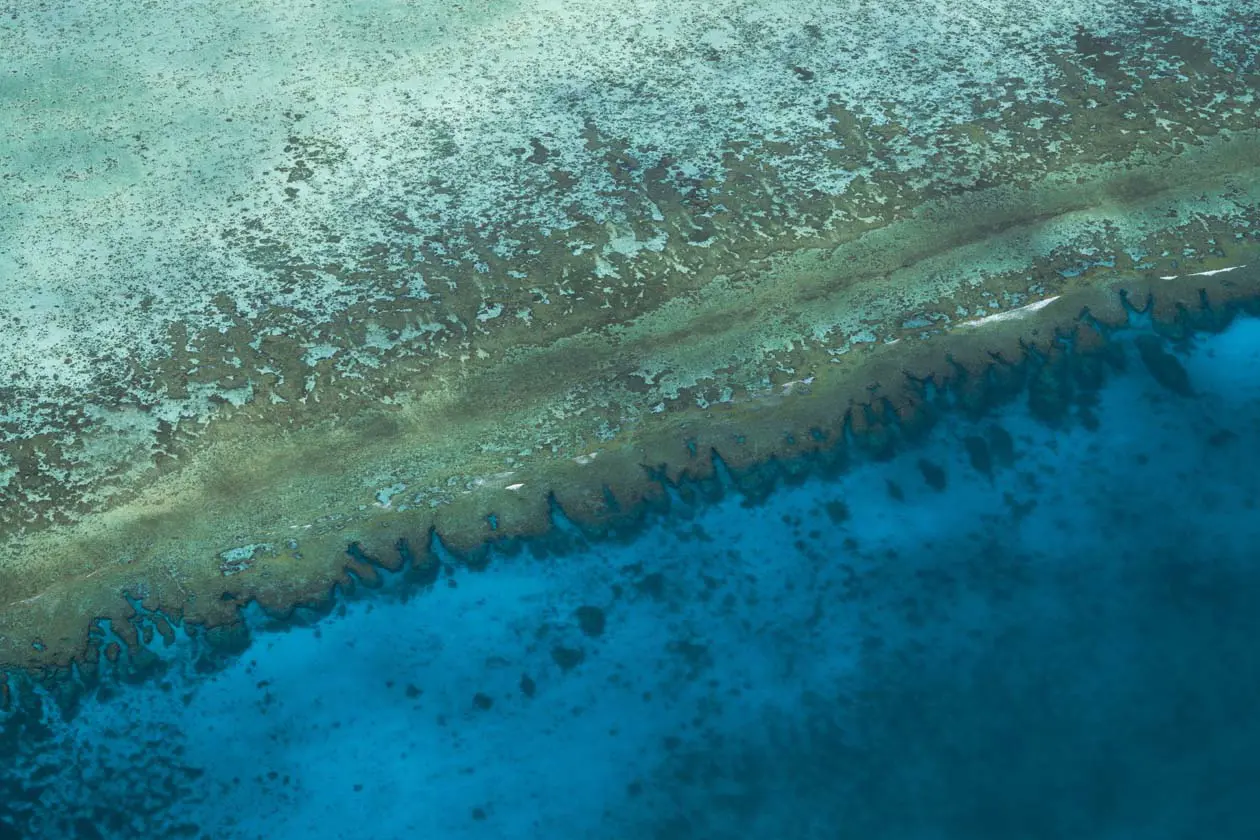
Along the Great Barrier Reef, experiences such as those proposed by Discover Aboriginal Experiences allow you to approach the reef through a double perspective: the scientific and the cultural. Specialized guides, such as Natalie Smith, Darkinjung marine biologist and Master Reef Guide with Dreamtime Dive & Snorkel, accompany guests to discover the coral reef by combining marine biology and myths of the 'Dreamtime'.
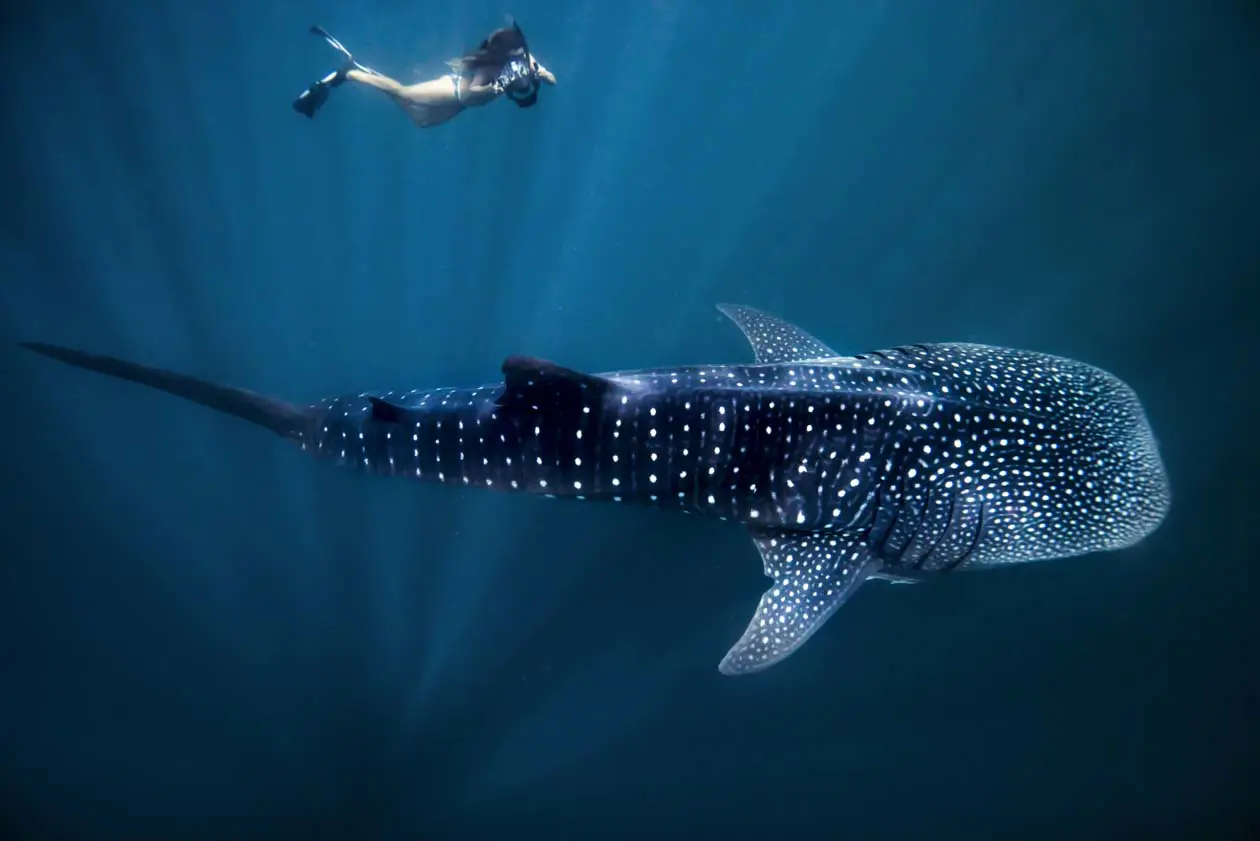
On the Sunshine Coast, Saltwater Eco Tours highlights the link between the sea, sustainable fishing and Aboriginal traditions, telling how local communities have learned to read tides, seasons and natural cycles to live in balance with the ocean. In Shark Bay, a UNESCO World Heritage Site in Western Australia, Wula Gura Nyinda Eco Cultural Adventures offers canoe and walking itineraries through seascapes protected for millennia by local populations. These experiences represent a deeper way to experience Australia: not only through spectacular scenery, but through access to rare, authentic knowledge rooted in the territory.
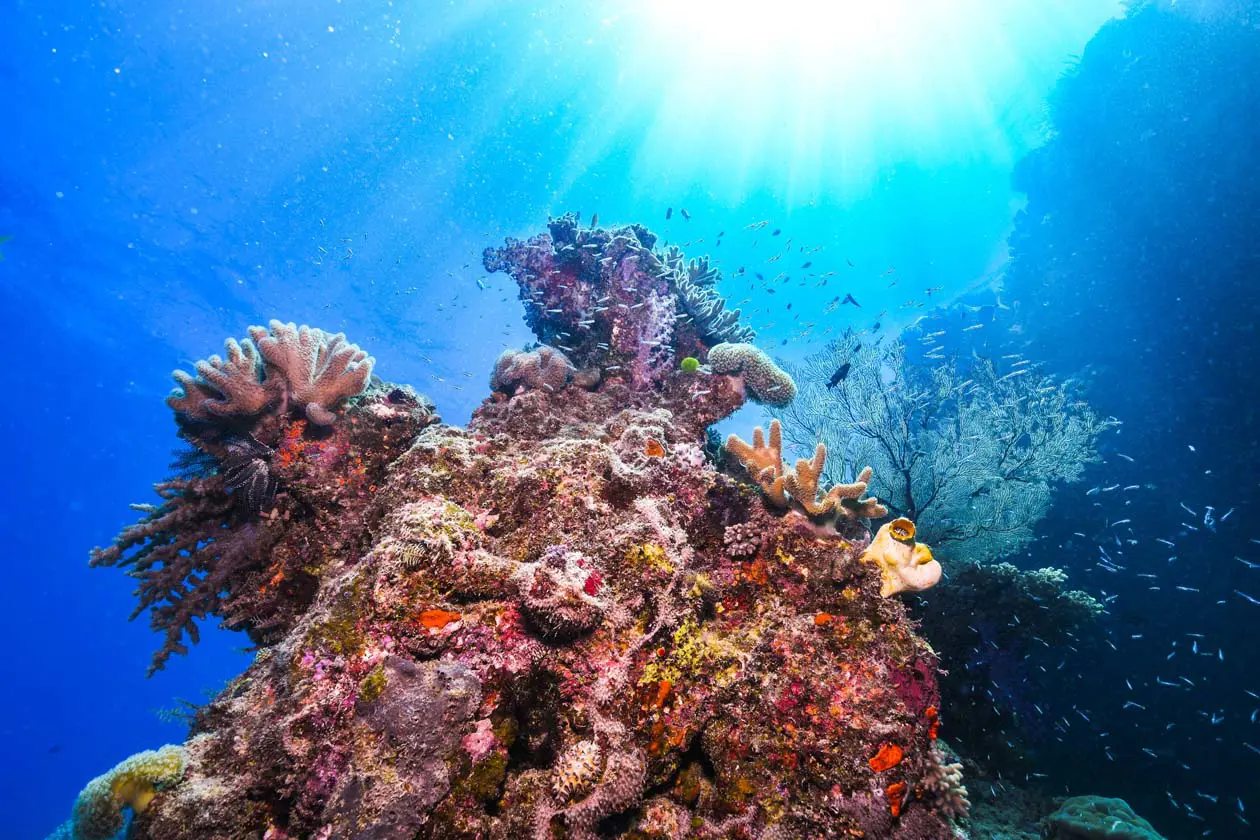
Ningaloo Reef
In Western Australia, Ningaloo Reef offers one of the most exciting marine experiences in the world: swimming alongside whale sharks. Between March and July, this UNESCO World Heritage Site is home to the largest known aggregation of these giants of the ocean, harmless animals that can reach 18 meters in length.
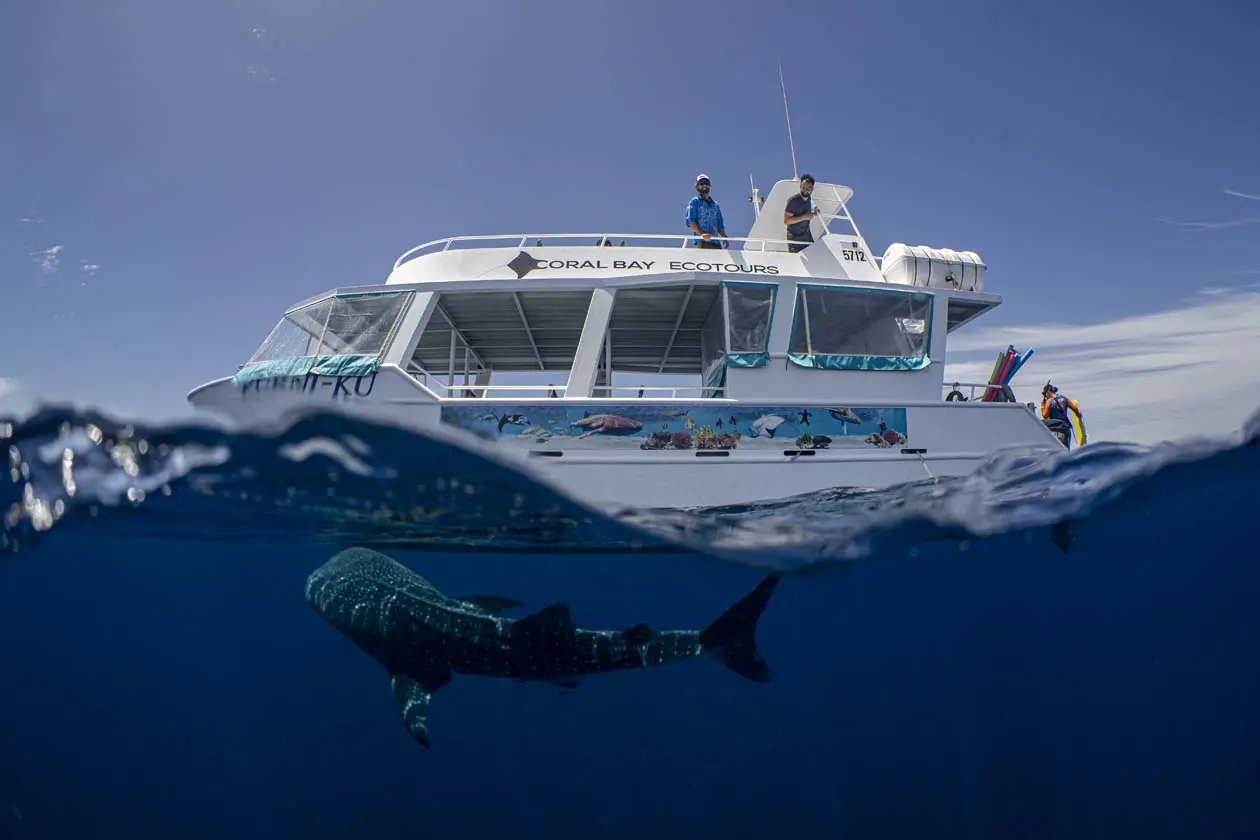
Every year, between 300 and 500 whale sharks arrive along these shores, making Ningaloo one of the most trusted sighting spots in the world and the only destination in Australia where you can regularly swim alongside them. The experience is extraordinary, but what makes it truly exclusive is the rigor with which it is managed.
Tours are only permitted to operators licensed by Western Australia's Department of Biodiversity, Conservation and Attractions. The rules are precise: only one boat at a time can approach within 250 meters of a whale shark, the number of swimmers is limited and mandatory distances from animals must be respected. It is forbidden to touch them, stand in front of them or use the photo flash.
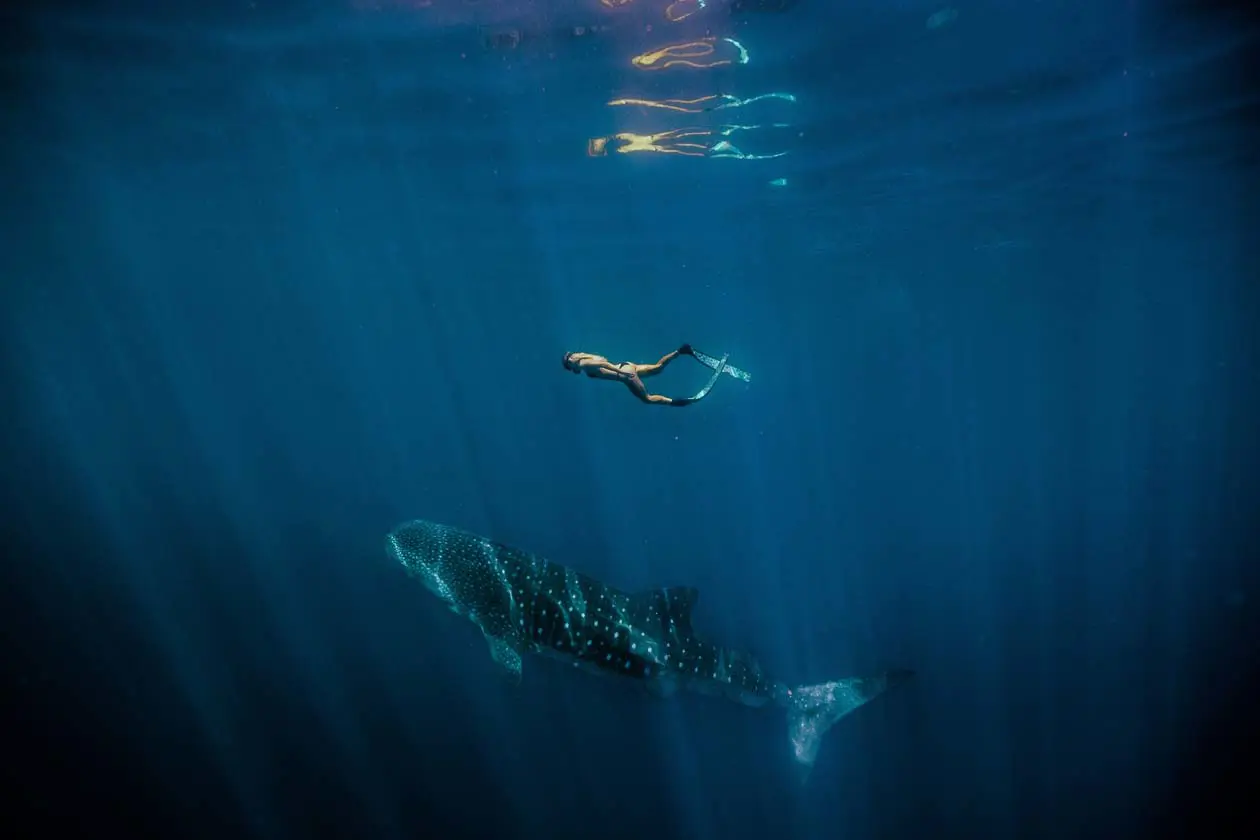
The result is a model of responsible marine tourism, in which the encounter with ocean fauna becomes part of a protection system. Many operators also contribute to scientific research, sending photographs of whale shark markings to international identification programs. This means living a rare and highly emotional experience, knowing that one's presence contributes to conservation.
Islands of Tahiti
In the Islands of Tahiti, the ocean is identity, memory and future. French Polynesia has announced the creation of the world's largest marine protected area, designating nearly 5 million square kilometers of its exclusive economic zone as a marine protected area. Of these, about 1.1 million square kilometers will be subject to the highest levels of protection.
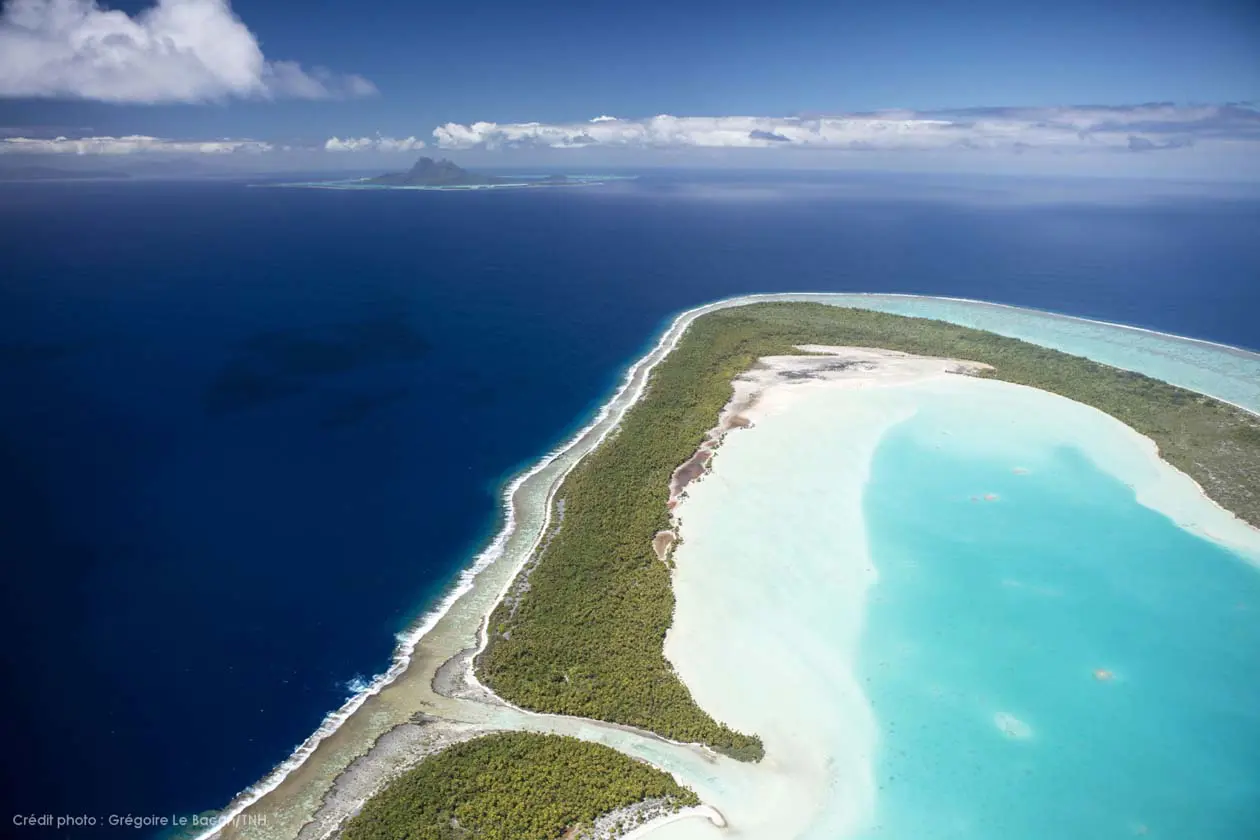
Only activities compatible with conservation, such as traditional artisanal fishing, ecotourism and scientific research, will be allowed in these areas. The measure also includes a ban on deep-sea mining and bottom trawling, to protect ecosystems that are home to sharks, whales, sea turtles and coral reefs.
The choice of French Polynesia is not only environmental, but also cultural. For Polynesian communities, the sea has always been home, navigation, source of life and sacred space. The ancient explorations in the Pacific, carried out following winds, stars and currents, tell of a deep relationship with the ocean, today also reinterpreted through the protection of its resources.
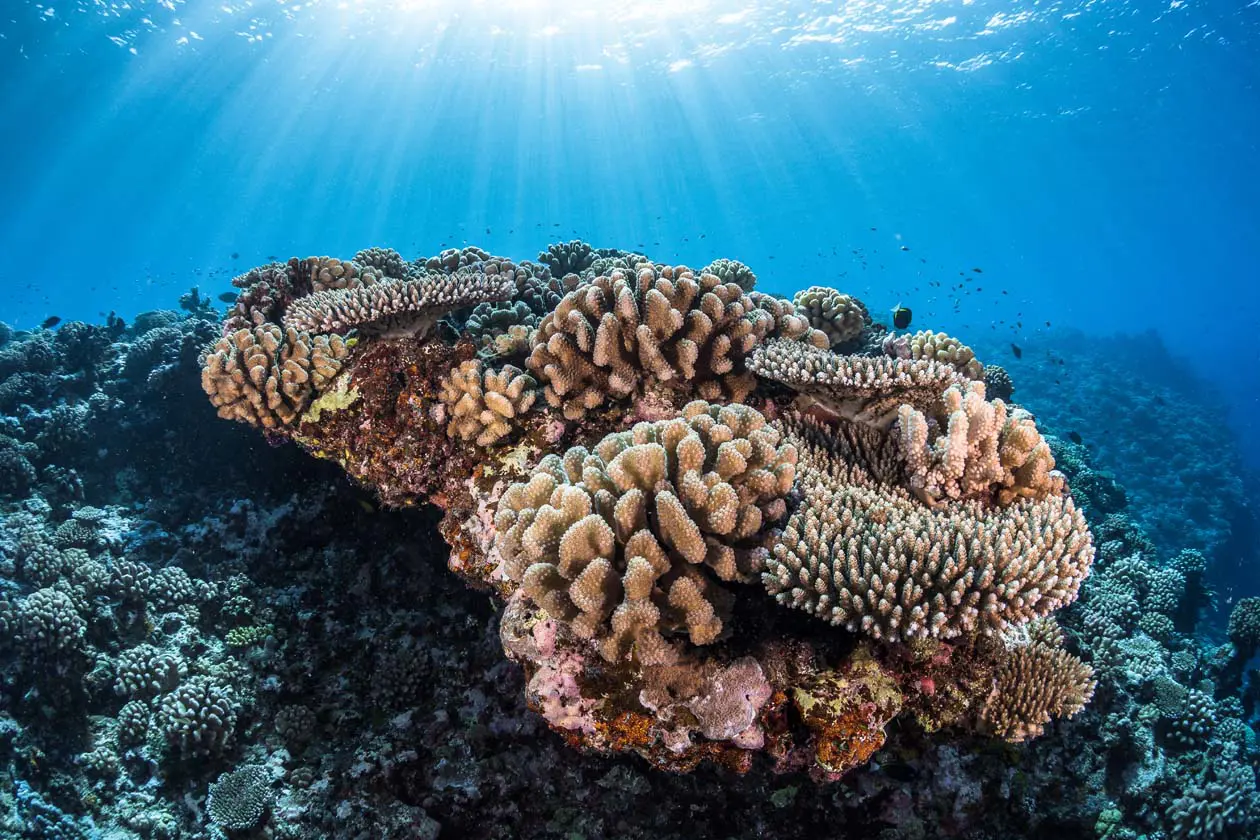
Among the traditional practices of the Polynesians, the Rahui is once again central, an ancient sustainable fishing system based on the temporary limitation of the use of certain areas to promote the regeneration of ecosystems. An ancient knowledge that today dialogues with contemporary policies of environmental protection.
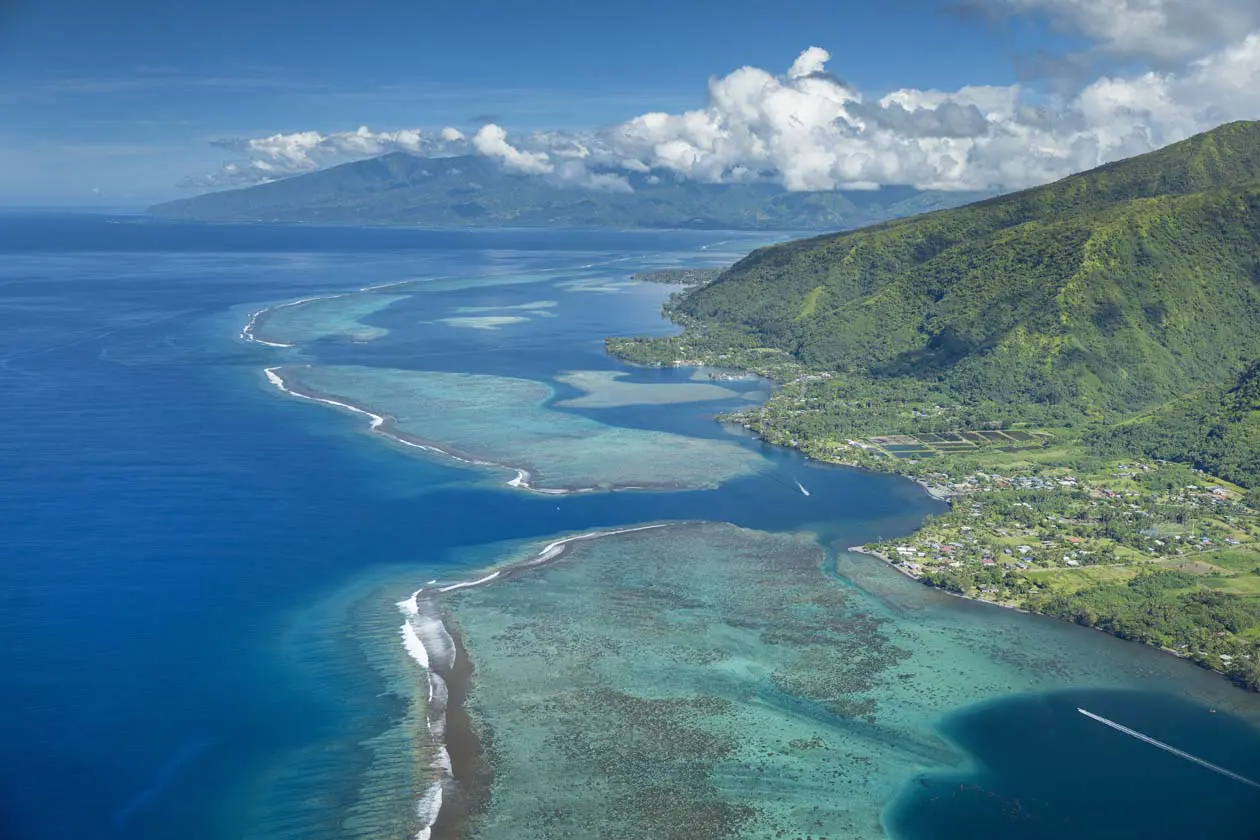
From the Great Barrier Reef to Ningaloo Reef, to the protected waters of French Polynesia, the invitation is to choose a trip capable of leaving a positive impact. No longer just access to exclusive places, but the possibility of experiencing them with awareness, respect and responsibility. In this new way of traveling, the ocean is not just a scenery to be admired, but a resource to be understood and protected. The most extraordinary destinations on the planet point in a clear direction: the future of travel passes through the custody of the places that make the world unique.
By the editorial staff, Avion Luxury Magazine
Text source and photo: Tourism Australia Press Office / Tourism Western Australia / Tahiti Tourisme
Photos and photographers: Copyright © indicated in the image captions.
Visual photo: Vlasoff Sand Cay, Cairns © Tourism Australia, Nautilus Aviation